

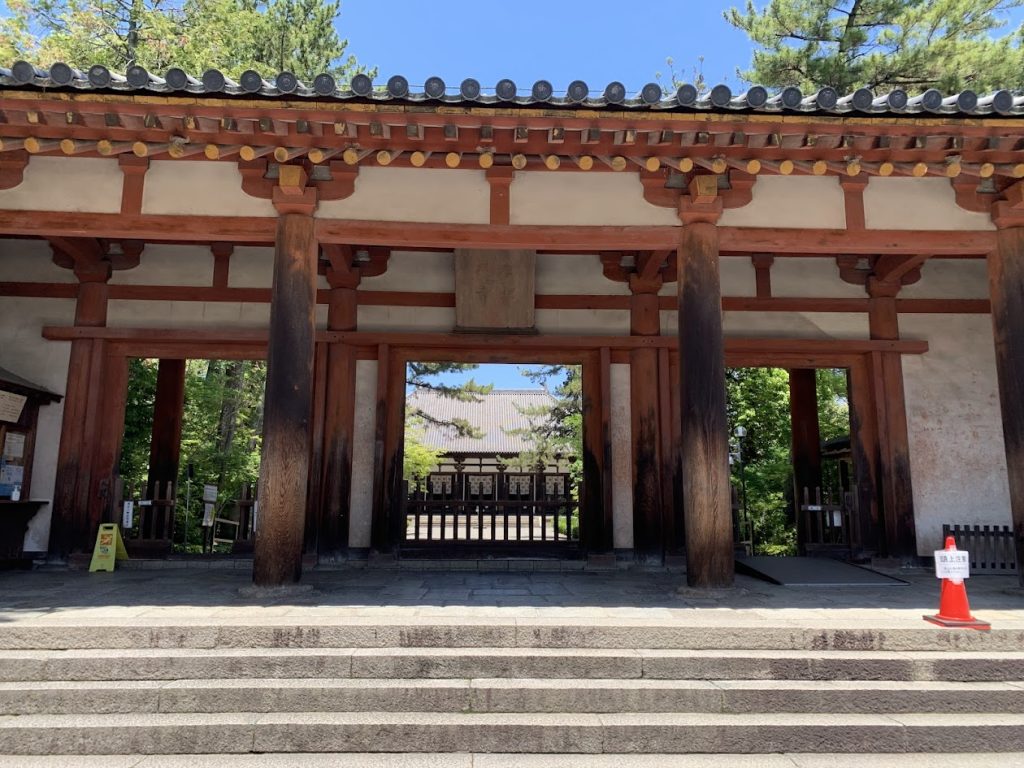
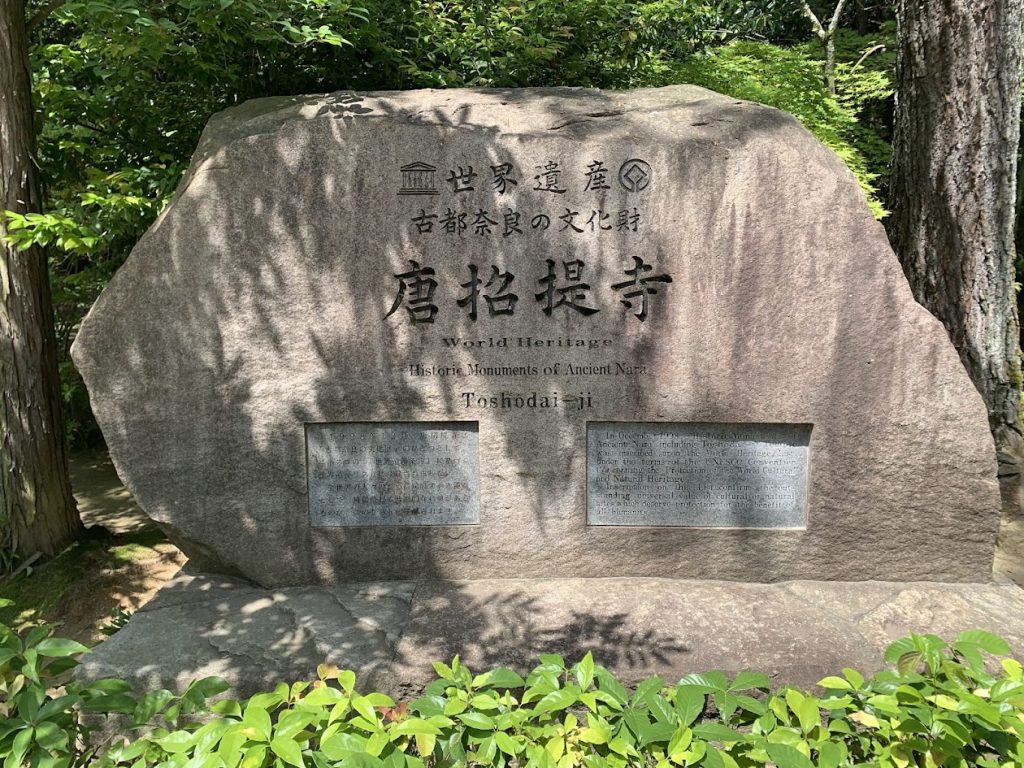
Toshodaiji Temple was founded in the Nara period by the venerable Ganjin Wajo. It has suffered few incidents like fires, and many of the original buildings remain intact.
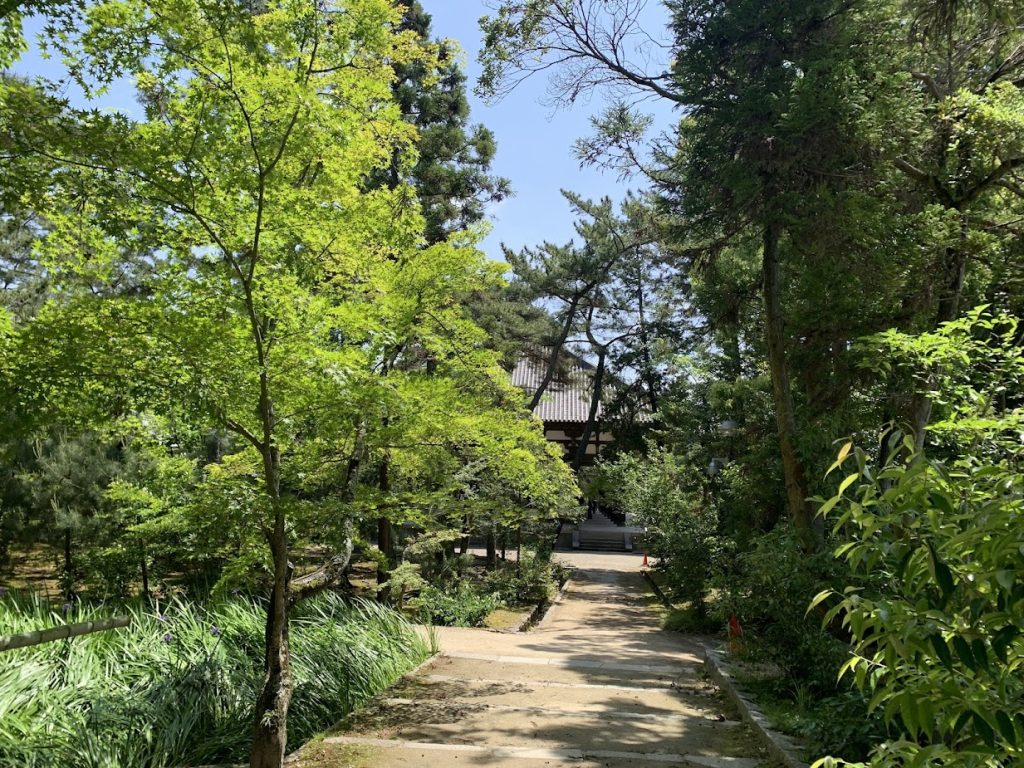
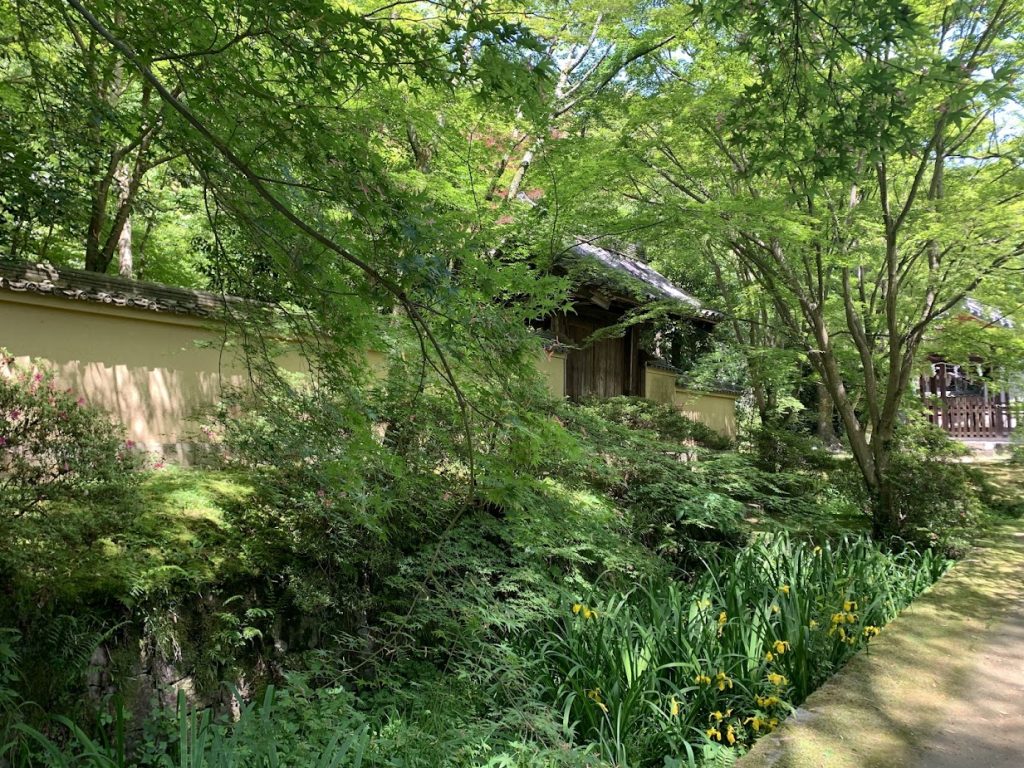
The moss along the path to the Founder’s Mausoleum is also magnificent.

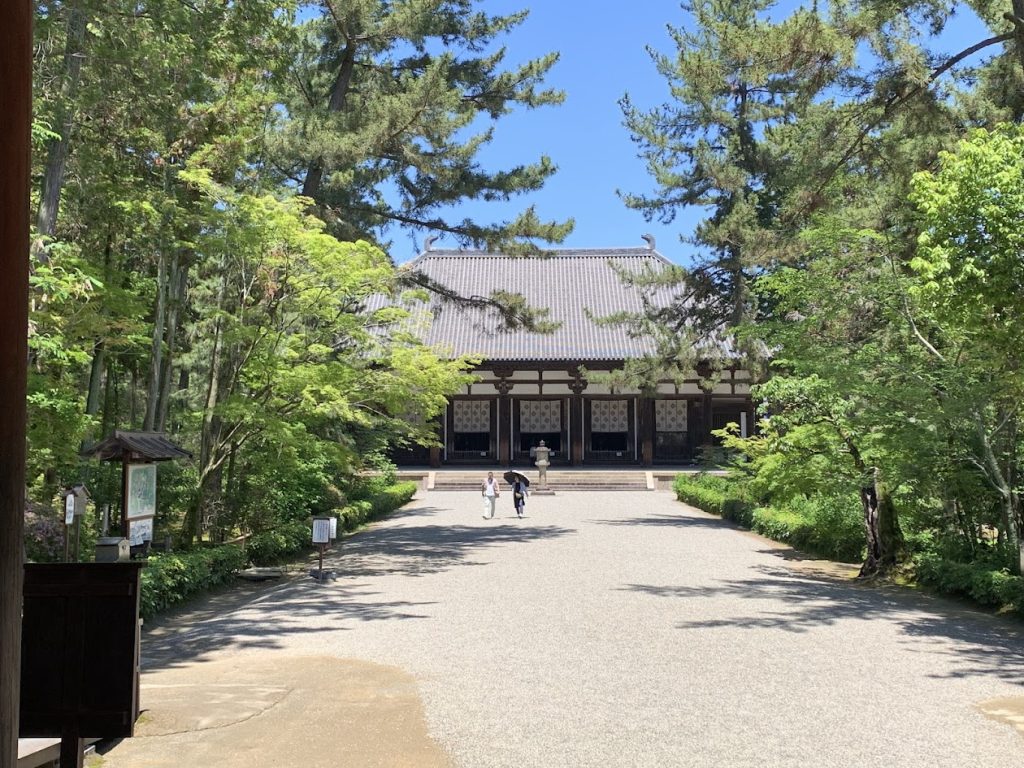
The Main Hall of Toshodai-ji Temple
Toshodai-ji Temple was founded in 759 as a training hall by Ganjin Wajo, who came to Japan after overcoming many hardships.
Later, thanks to the efforts of Ganjin Wajo’s disciples, the Main Hall was completed.
Additionally, the Lecture Hall was relocated from Heijo Palace and remains the only surviving example of architecture from the palace.
With minimal damage from fires and other disasters, many of the original buildings from the temple’s founding period still remain.
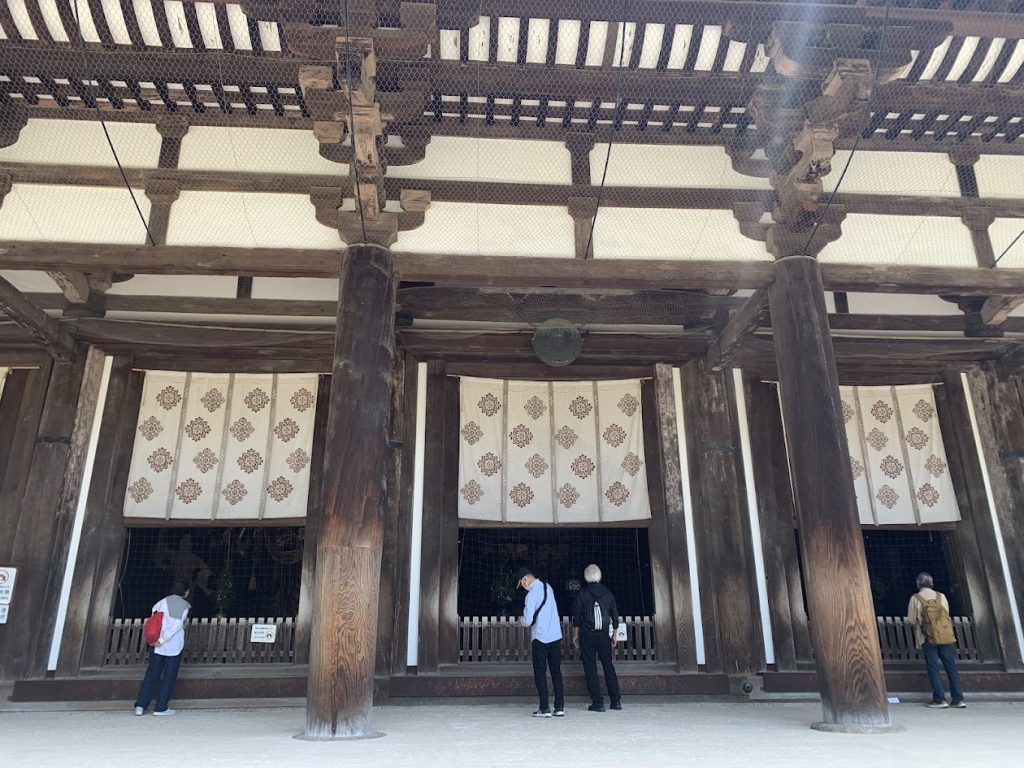
The Main Hall (National Treasure)
The Main Hall retains its original appearance from the 8th century.
Inside the hall, the principal object of worship, the seated statue of Rushana Buddha (National Treasure), is placed at the center.
To the right stands a statue of Yakushi Nyorai (National Treasure), and to the left, a statue of Senju Kannon (National Treasure).
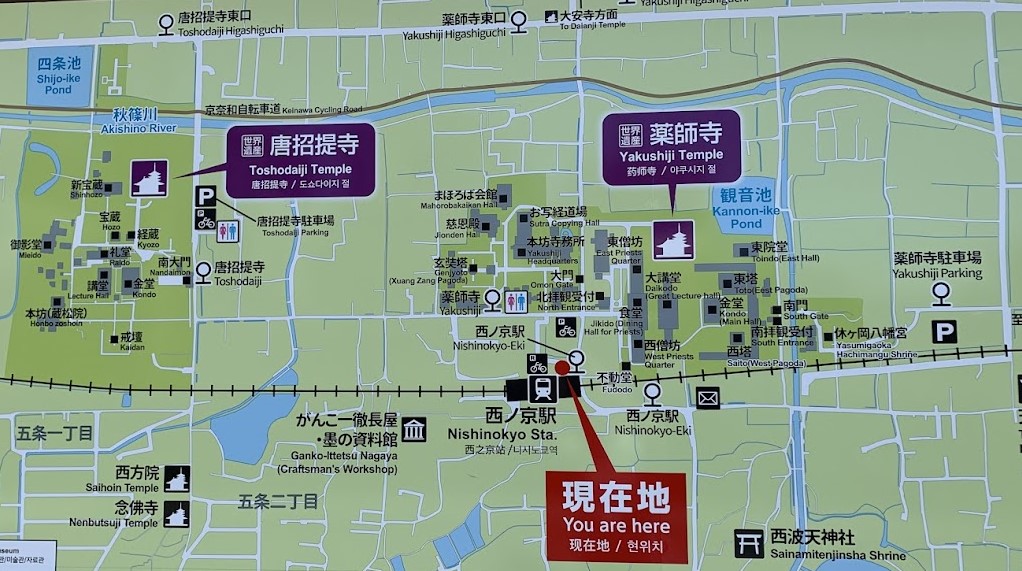
This is a guide map of Kintetsu Nishinokyo Station.
Toshodai-ji Temple is about a 10-minute walk from the station.
Buses from JR Nara Station run twice an hour, and the ride takes about 20 minutes.
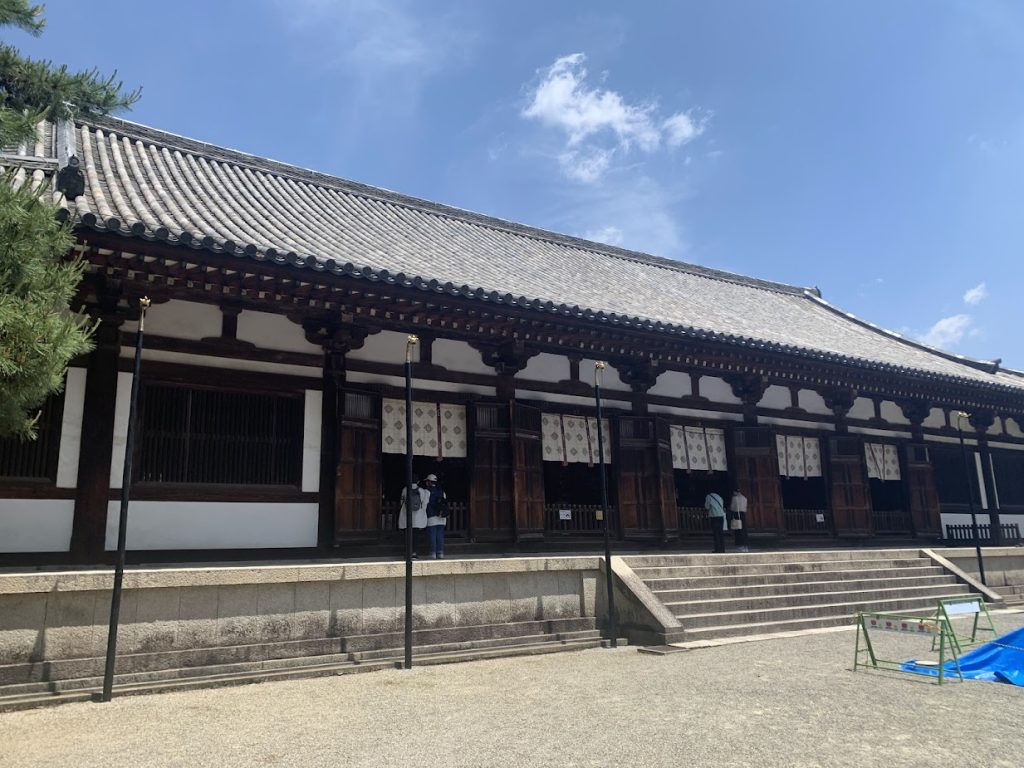
The Lecture Hall (National Treasure)
This building dates back to the Nara period and was originally the Higashi Choshuden of Heijo Palace.
The Choshuden was a building next to the Chodo (the main hall for imperial ceremonies), where court officials gathered and waited for rituals.
It is a valuable structure that preserves the atmosphere of the Nara era. Inside, many Buddhist statues are enshrined, including the principal statue of Miroku Nyorai and the standing statues of the guardian deities Jikokuten and Zochoten, which are designated as Important Cultural Properties.
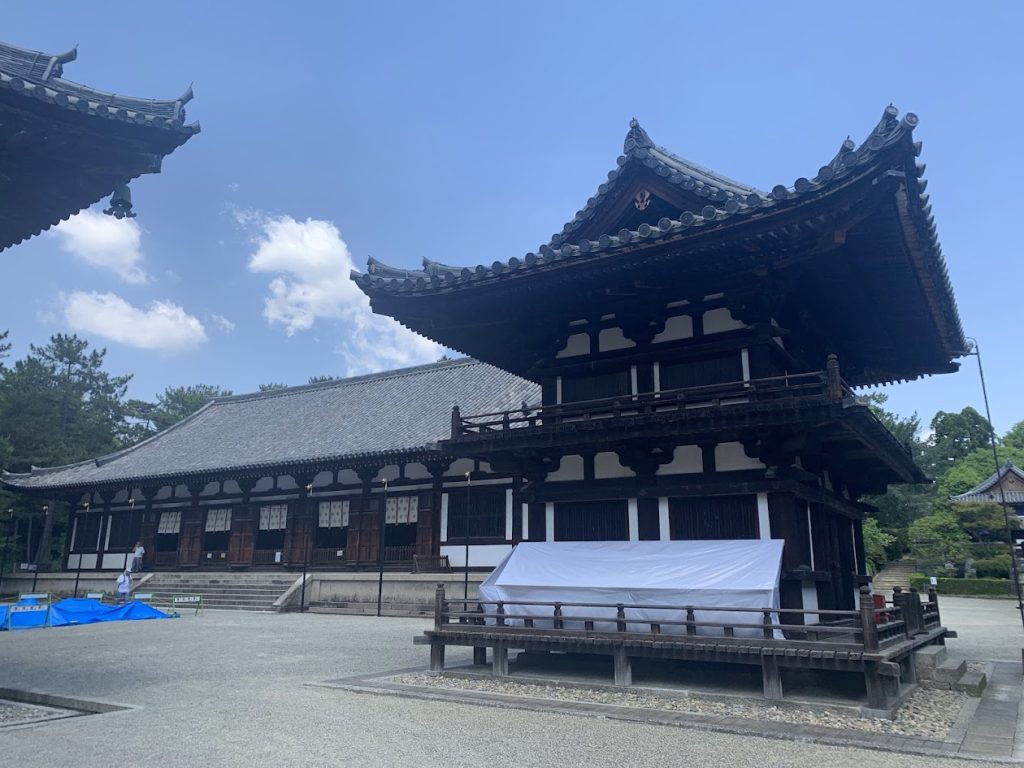
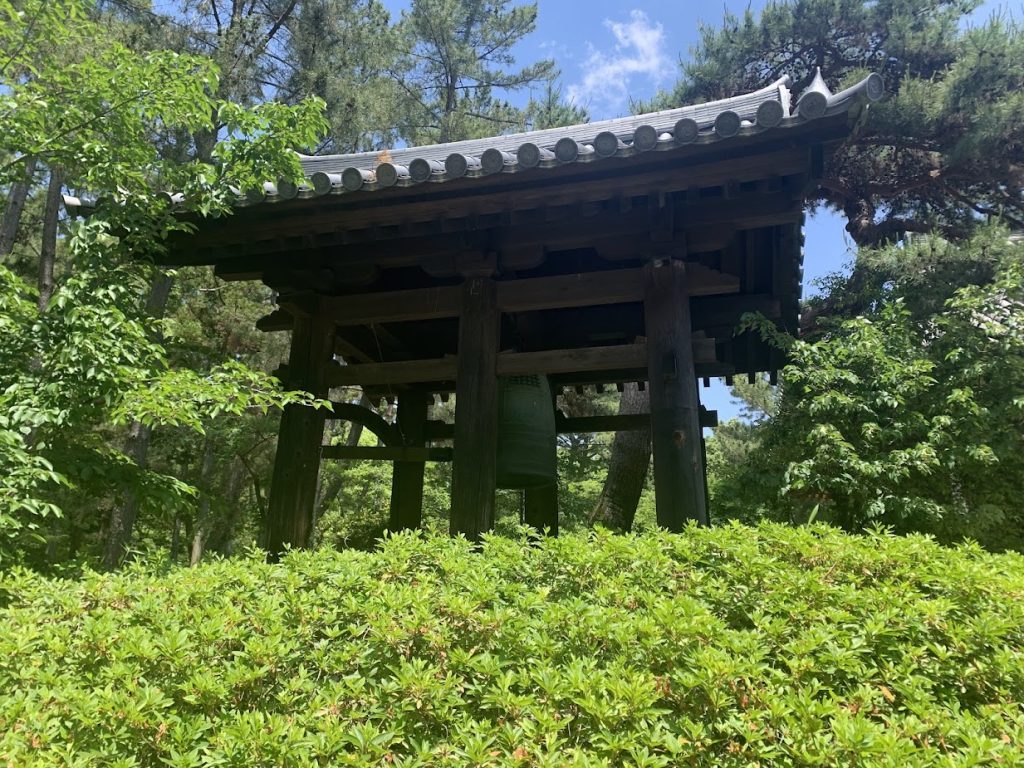
The Drum Tower (Koro: National Treasure)
The tower was built in 1240 during the Kamakura period.
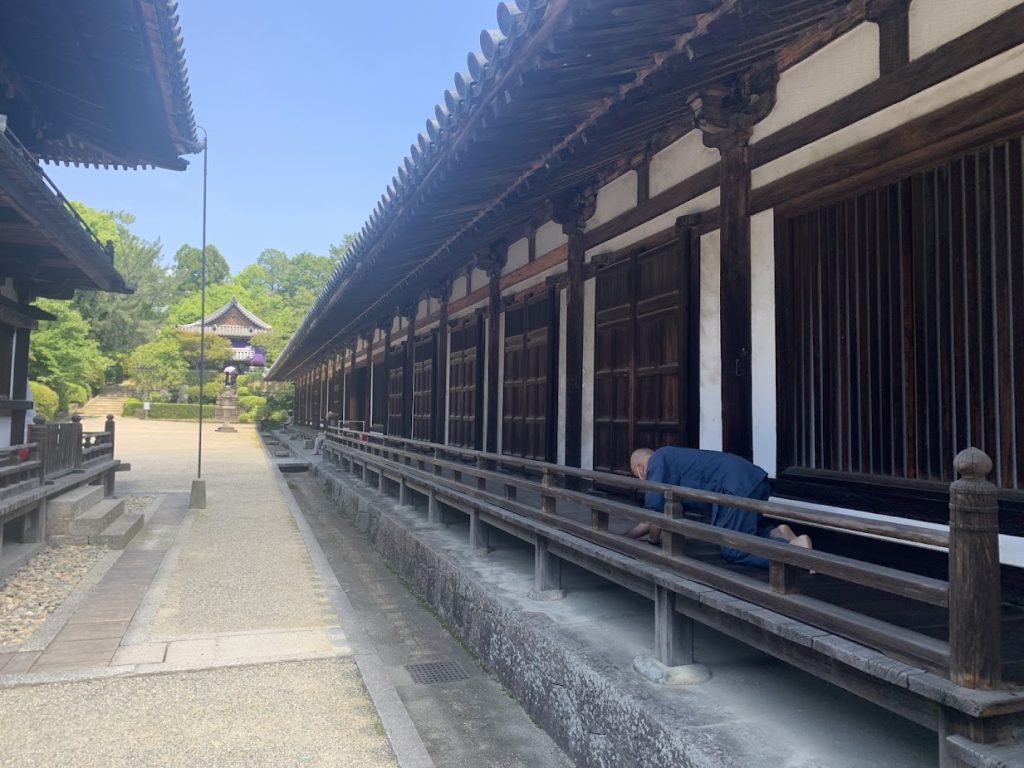
The Raido Hall (Important Cultural Property)
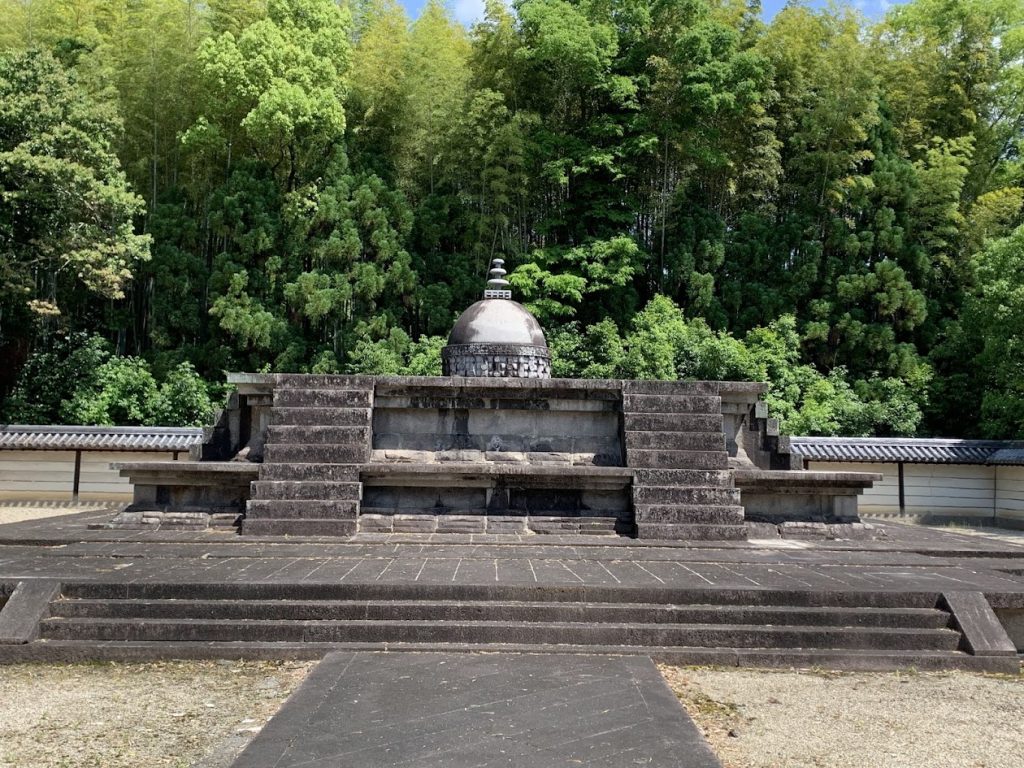
The Kaidan (Place for conferring precepts)
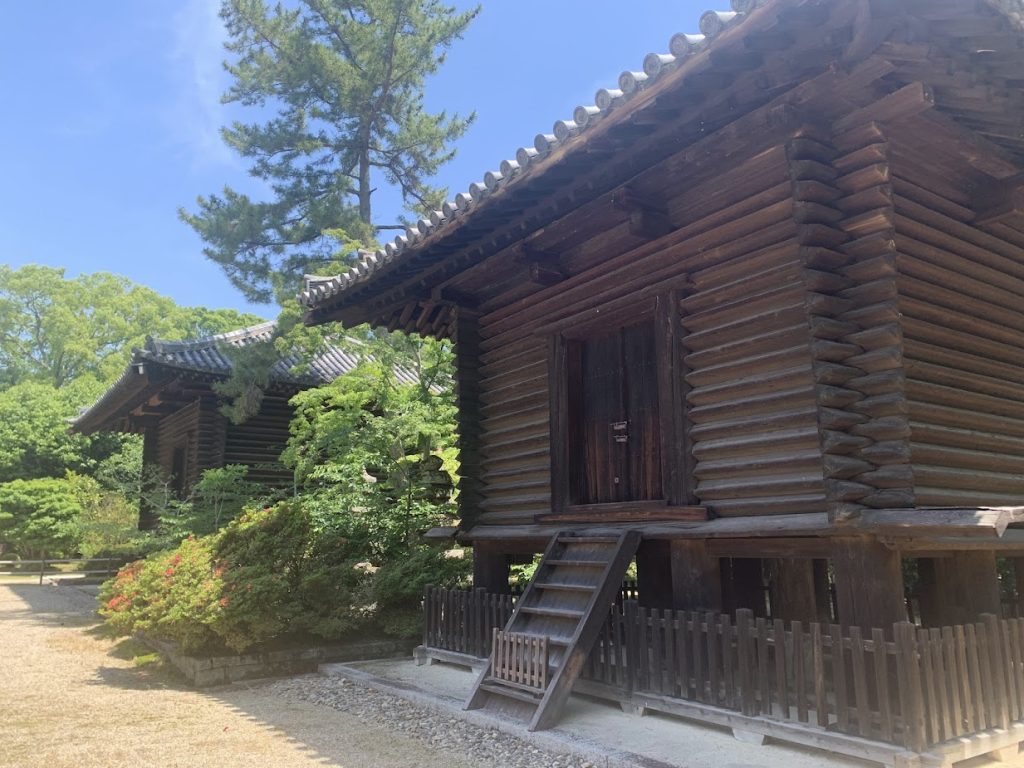
The Kyozo (Sutra Storehouse) and Hozo (Treasury Storehouse)
Both are National Treasures from the Nara period. They feature elevated, storehouse-style construction.
The Kyozo, located at the front, is believed to be a modified rice storehouse from before the founding of Toshodai-ji Temple and is the oldest building on the temple grounds.
The Hozo, located further back, is thought to have been constructed to coincide with the establishment of Toshodai-ji Temple and is slightly larger than the Kyozo.
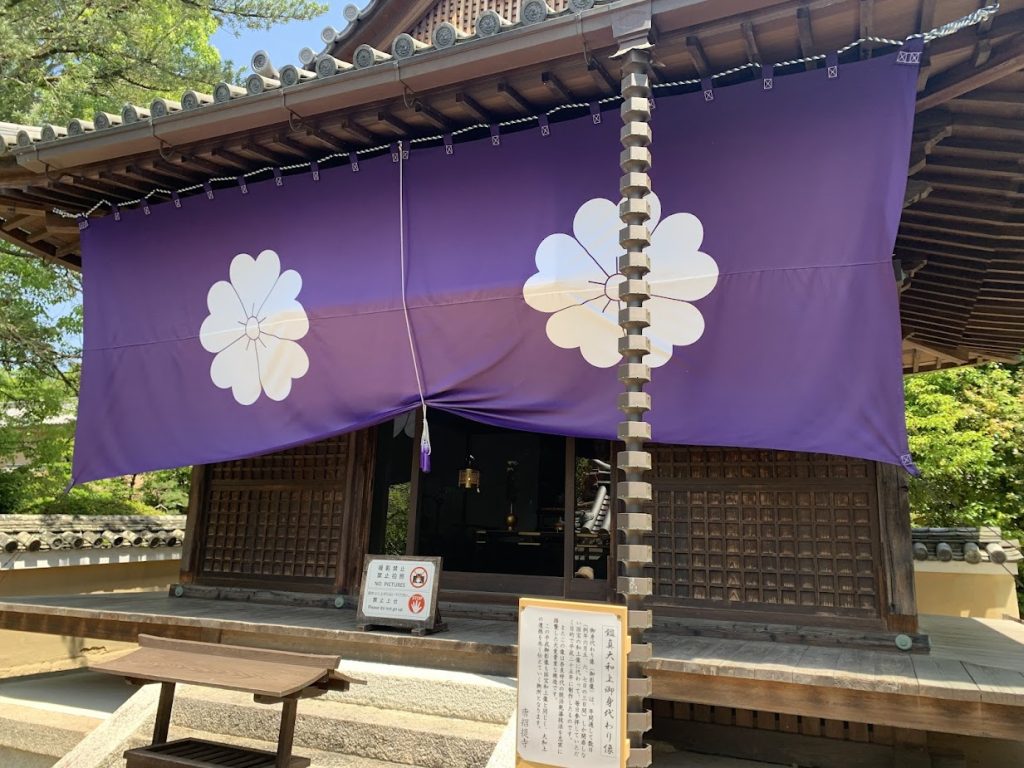
The Kaizando
The Kaizando was built during the Edo period as a memorial for the Tokugawa shogunate.
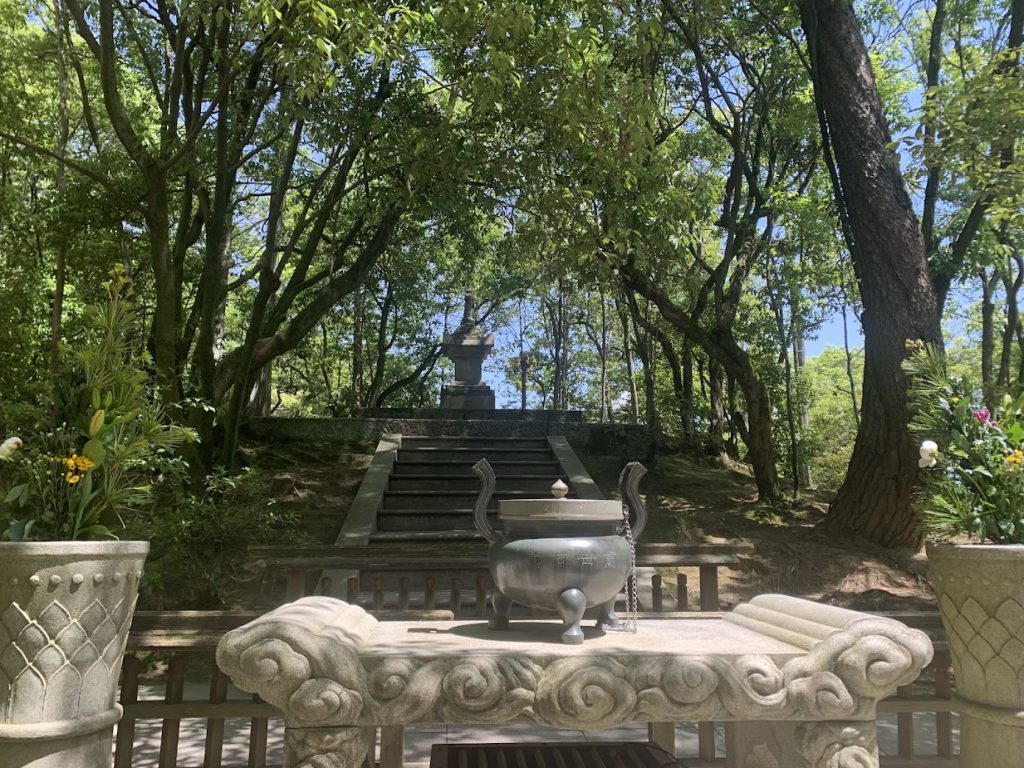
The Kaizan Gobyo (Founder’s Mausoleum)
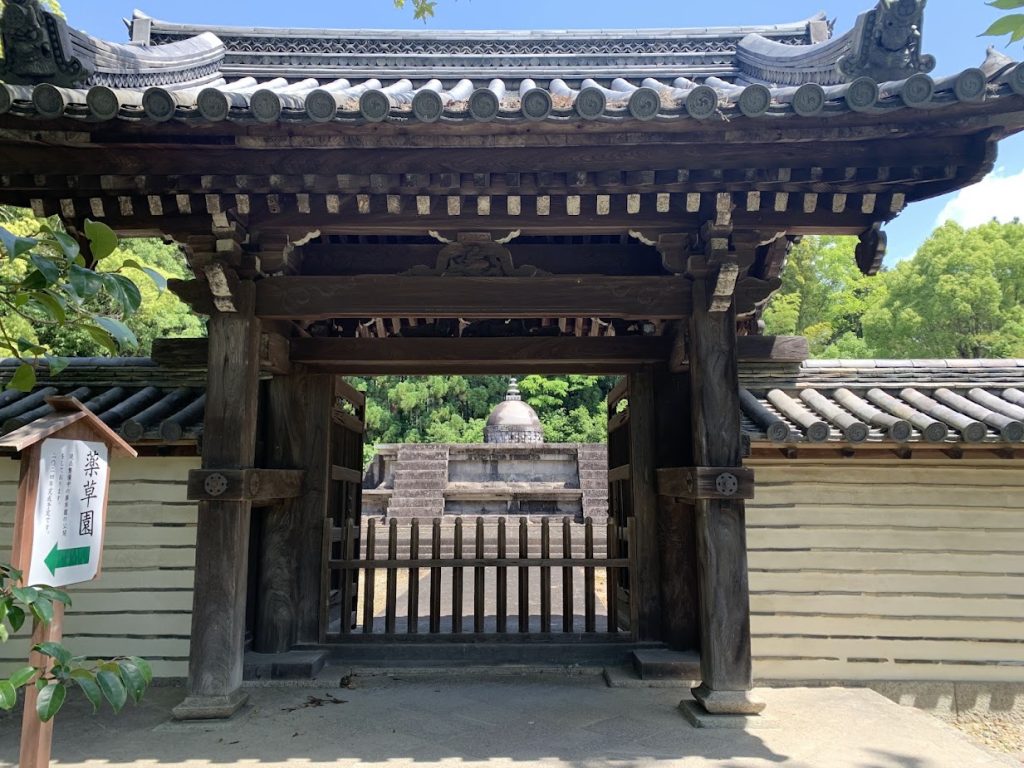
The Kaizan Gobyo is the burial site of Ganjin Wajo. It is located in a quiet spot to the northeast of Toshodai-ji Temple.
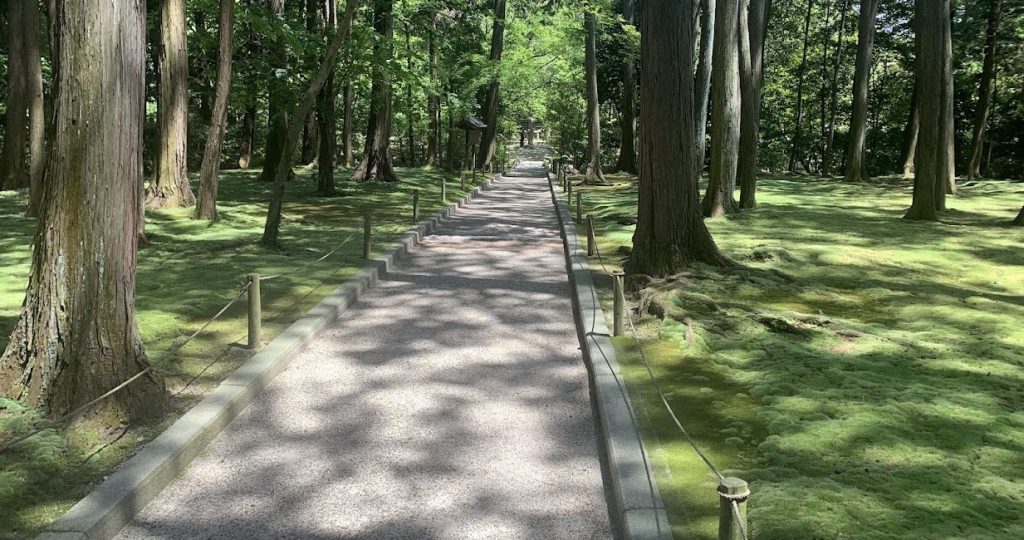
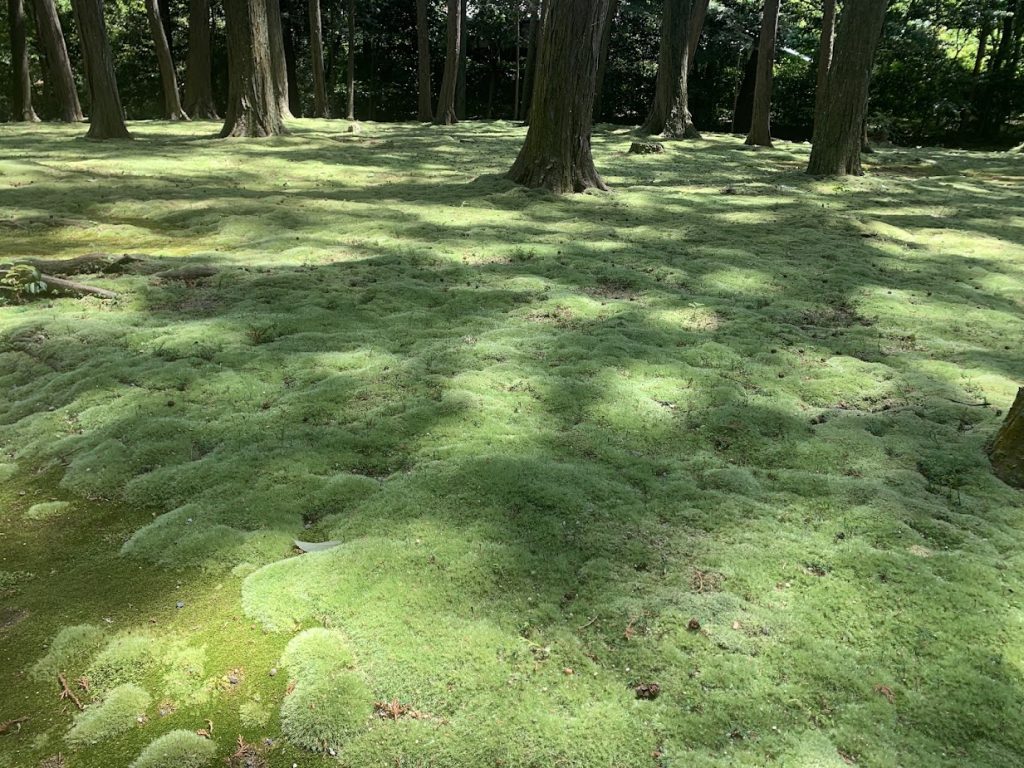
The Entrance to the Kaizan Gobyo
The entrance is covered with beautiful moss.
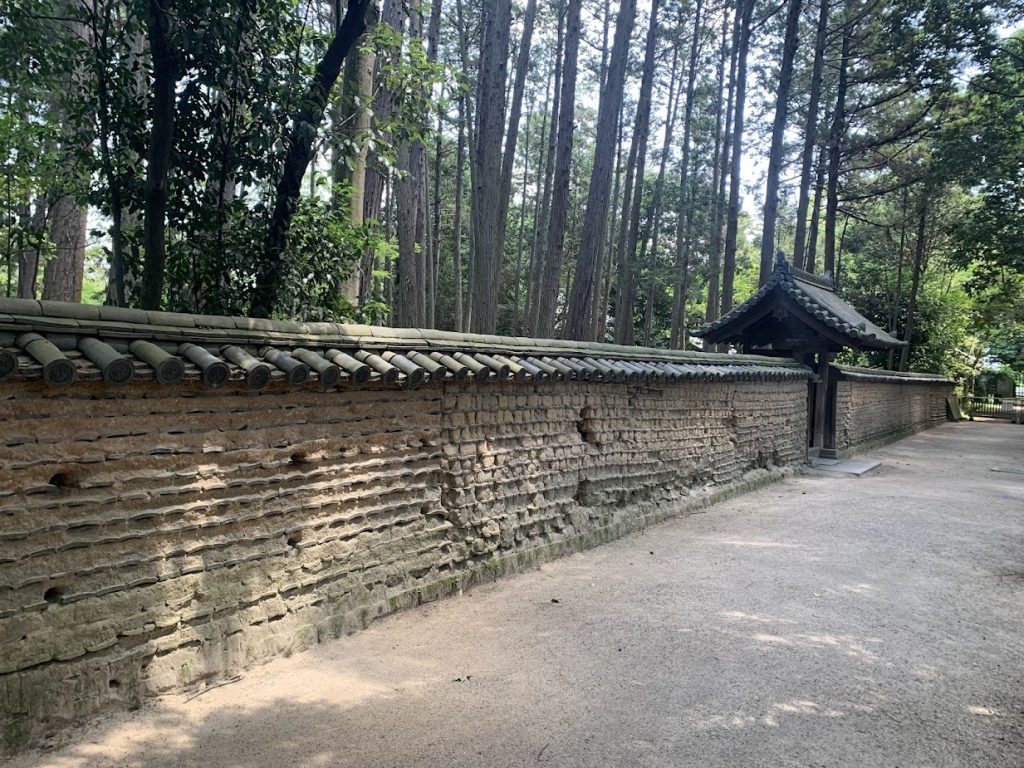
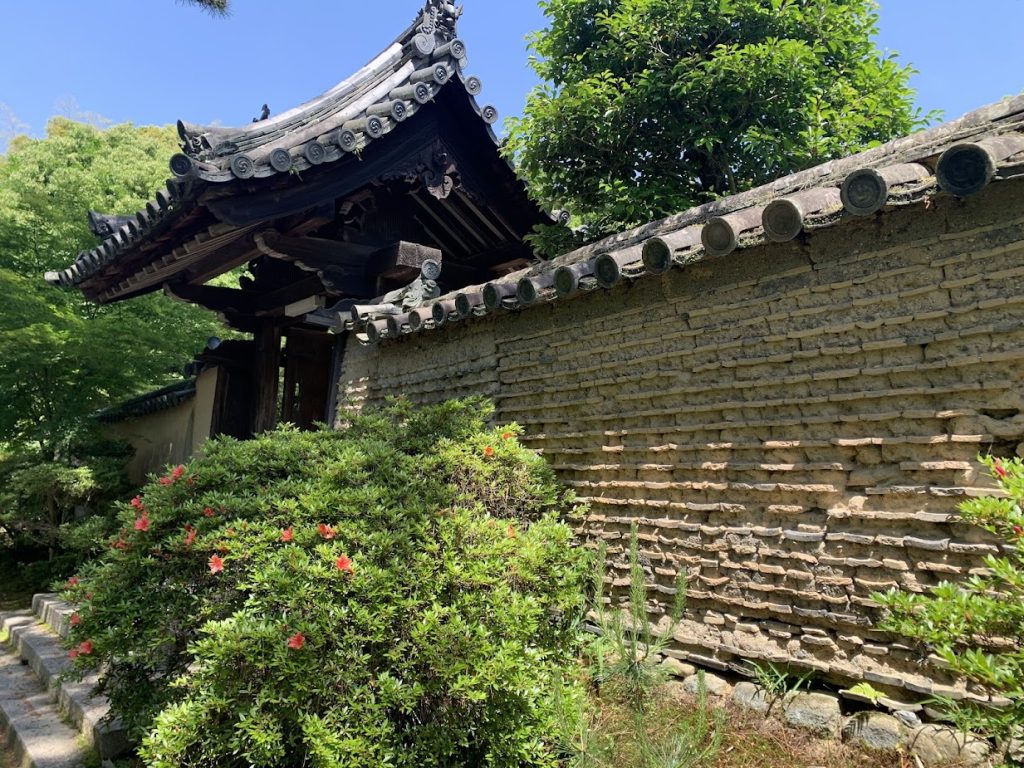
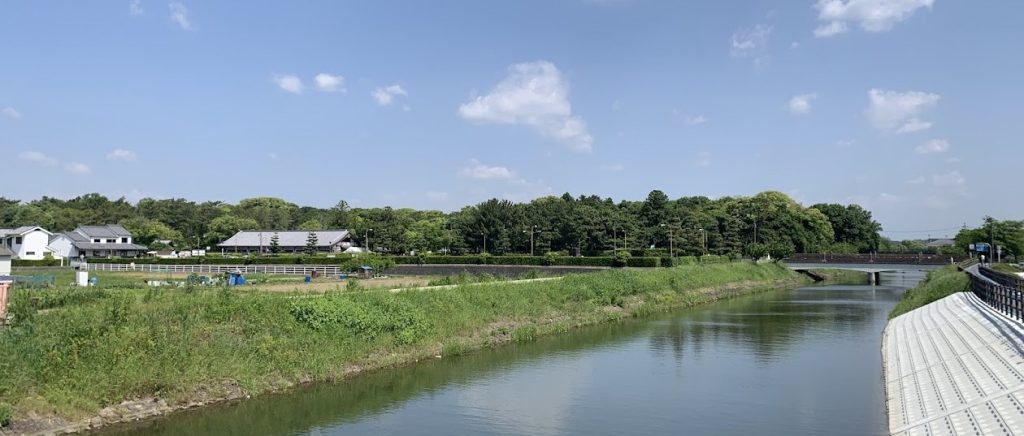
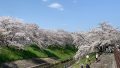
The Akishino River and a Distant View of Toshodai-ji Temple. The Akishino River flows to the west of Heijo-kyo.
In the distance, you can see the forested area of Toshodaio-ji Temple.
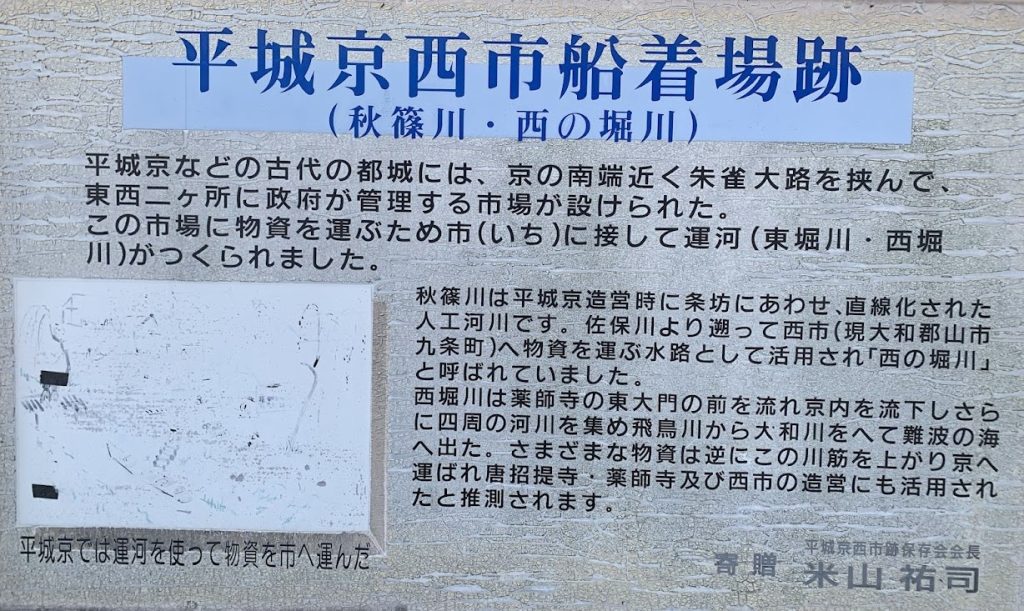
Sign for the Nara Port Market Area Downstream
This sign provides information about the boat landing at the market located downstream in the ancient city of Nara.

コメント