Nara North

Shrines

Tatsuta Taisha Shrine|Wind Deity & Nearby Autumn Leaves

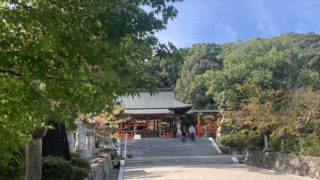
Tatsuta Taisha enshrines the god of wind and new beginnings. The nearby Tatsuta River is famous for its autumn leaves, celebrated in many classical poems. The shrine was founded in ancient times to pray for relief from famine and plague.
Temples

Shigisanji Temple|Tiger Symbol & Bishamonten Blessings

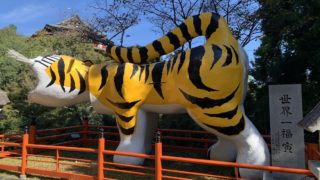
Shigisanji Temple honors Bishamonten, the god of warriors and fortune. Visiting on the Day of the Tiger is believed to bring special luck. The temple’s giant tiger statue is unique in Japan. Its full name, Chogosonshi-ji, was bestowed by Emperor Go-Daigo.
Shrines

Hirose Taisha Shrine|Water Deity & Sand-Throwing Festival

Hirose Taisha honors the god of water and agriculture. It’s famous for the Sand-Throwing Festival, where people throw sand at each other to pray for a bountiful harvest. The shrine has long supported local farming.
Culture & History

Umami Hills Park|Flowers & Ancient Tombs in Every Season

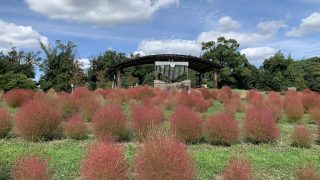
Umami Hills Park is a large public park in central Nara, known for seasonal flowers like tulips, dahlias, sunflowers, and kochia. Families enjoy playgrounds, while the park also features ancient burial mounds from the Umami Kofun Cluster.
Culture & History

Ginkgo Avenue & Sakura|Golden Leaves, Cherry Blossoms

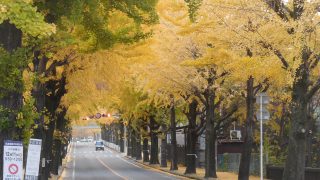
Tenri City offers seasonal charm with a golden ginkgo-lined road in autumn and glowing weeping cherry blossoms in spring. Visit the historic ruins of Uchiyama Eikyu-ji Temple and unwind at the stylish Cofufun plaza near the station.
Shrines

Yataniimasu Kushitamahiko Shrine|Legend of the Three Divine Arrows

Yataniimasu Kushitamahiko Shrine is an ancient Shinto site tied to Japan’s myths. Legend says three sacred arrows were shot from a celestial ship, marking this land as divine. Nestled in nature, the shrine offers a quiet link to the mythic past.
Culture & History

Koriyama Castle|Samurai History and Goldfish Town

Koriyama Castle was built in 1585 by Toyotomi Hidenaga, brother of the famous warlord Toyotomi Hideyoshi. The area later prospered under the Yanagisawa clan during the Edo period. Today, the town is known for its well-preserved samurai history.
Temples

Matsuo-dera Temple|Japan’s Oldest Site for Warding Off Misfortune

Matsuo-dera Temple on Mount Matsuo is Japan’s oldest temple for warding off misfortune. Founded in 718 by Prince Toneri, it was built during his critical age of 42, when he prayed for protection and the completion of the Nihon Shoki.
Temples

Yatadera Temple|Nara’s Top Hydrangea Temple & Imperial Legacy

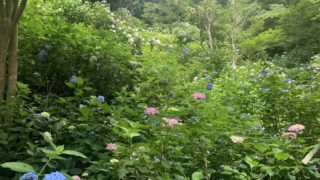
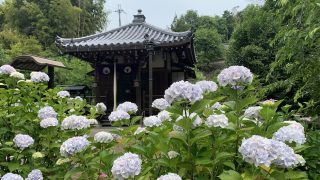
Yatadera Temple is famous for its 10,000 hydrangeas, blooming in early summer in around 60 varieties. It was founded about 1,300 years ago, when Prince Oama (later Emperor Tenmu) prayed for victory at Mount Yata before the Jinshin War.
Temples

Chokyuji Temple|Hydrangeas and Imperial Heritage

Chokyuji Temple, founded in the Nara period and associated with Emperor Shomu, features a Kamakura-era main hall designated as a National Treasure. In early summer, the temple grounds are beautifully adorned with blooming hydrangeas.