
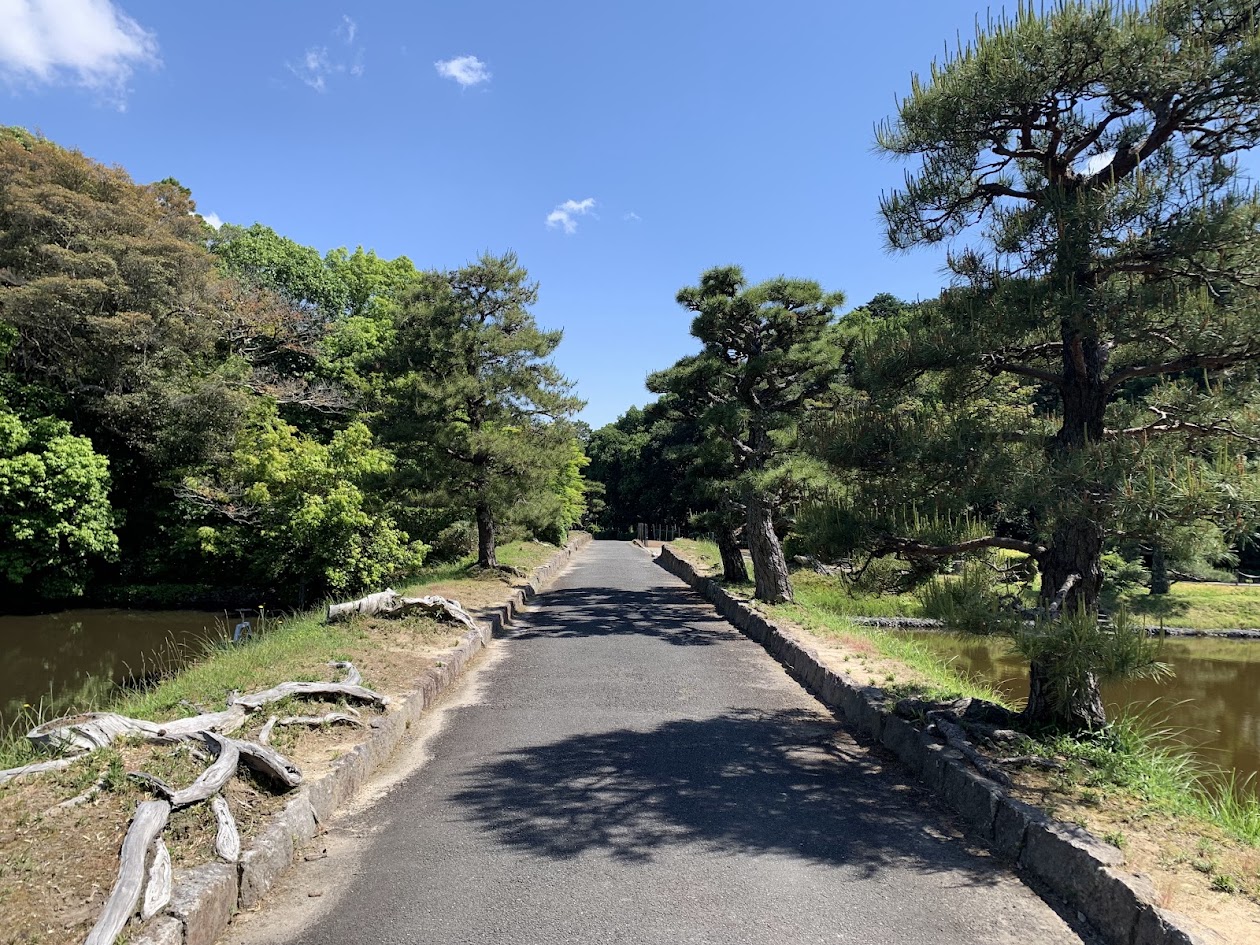
The Shaki Kofun Group extends to the north of the Heijo Palace ruins and consists of large kofun (ancient burial mounds) over 200 meters in length, constructed from the late 4th to early 5th century.
Walking paths wind through the mounds, allowing visitors to peacefully stroll while sensing the immense power of the Yamato sovereignty during that time.

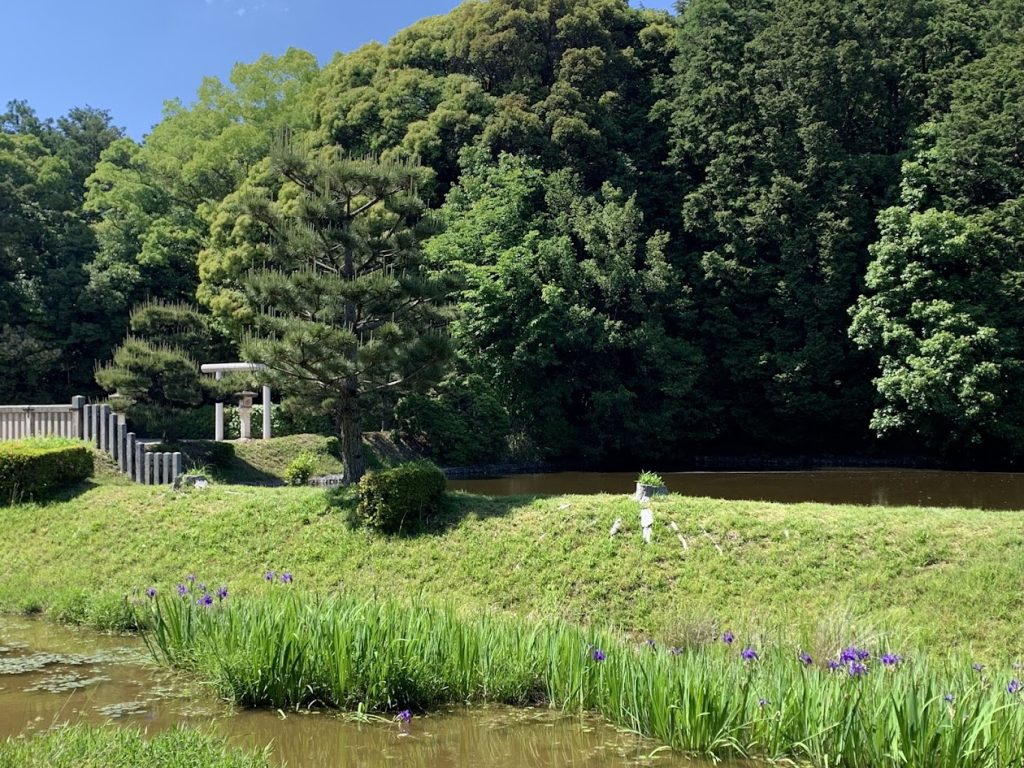
The Shaki Kofun Group is located on the north side of the Heijo Palace ruins. The Yamato sovereignty originally began in Sakurai City, about a dozen kilometers south of Nara City, where large kofun (ancient burial mounds) from the 3rd century are scattered.
Later, during the late 4th to early 5th centuries, large kofun over 200 meters in length began to be built in the northern part of Nara City.
After that, the construction of large kofun shifted to Sakai City, Furuichi, and Mozu in Osaka Prefecture.
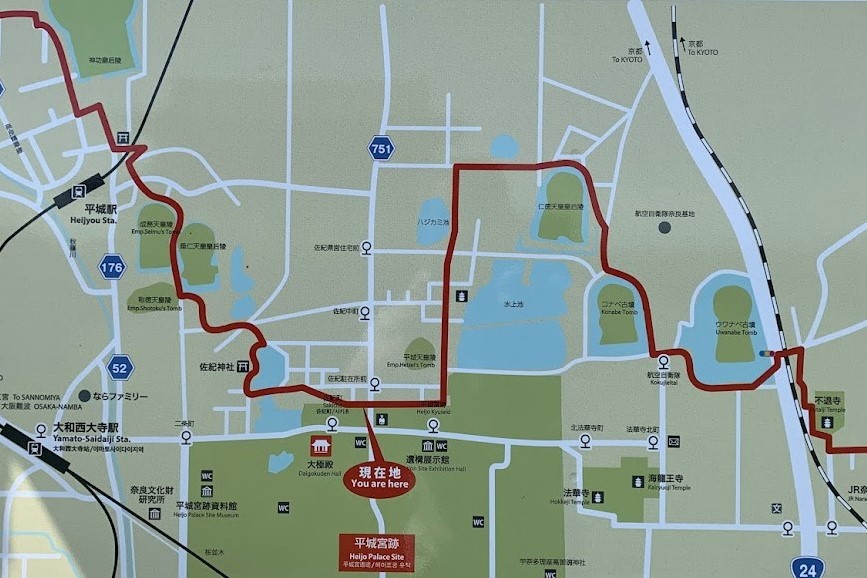
This is an information board located to the north of the Heijo Palace ruins. From the far right, it lists: Futai-ji Temple → Uwanabe Burial Mound → Konabe Burial Mound → Iwanohime no Mikoto Burial Mound → Minakami Pond → Heijokyo Daigokuden → Hibasu Hime Burial Mound → Emperor Seimu’s Burial Mound → Misasagi Hachiman Shrine → Empress Jingu’s Burial Mound. It is convenient to start or end your visit at Kintetsu Heijo Station.
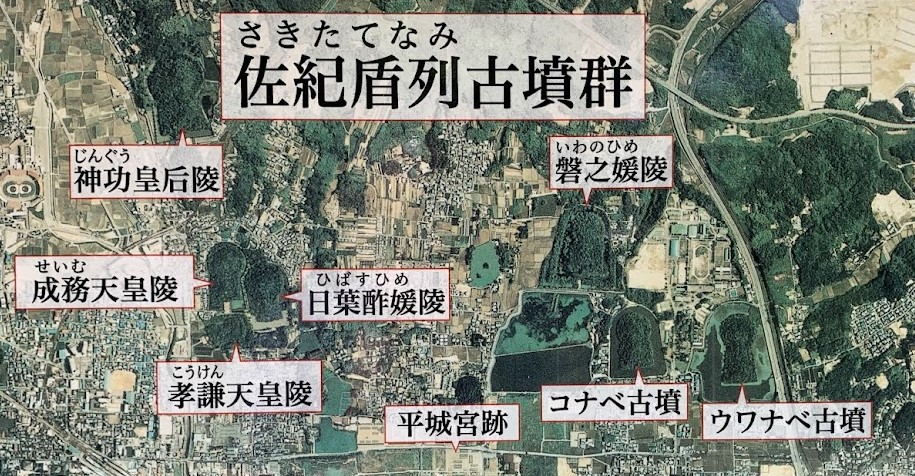
From the information board, you can see that it is a keyhole-shaped burial mound (zenpo-koen-fun) when viewed from above.
Keyhole-shaped burial mounds are symbols of the Yamato sovereignty.
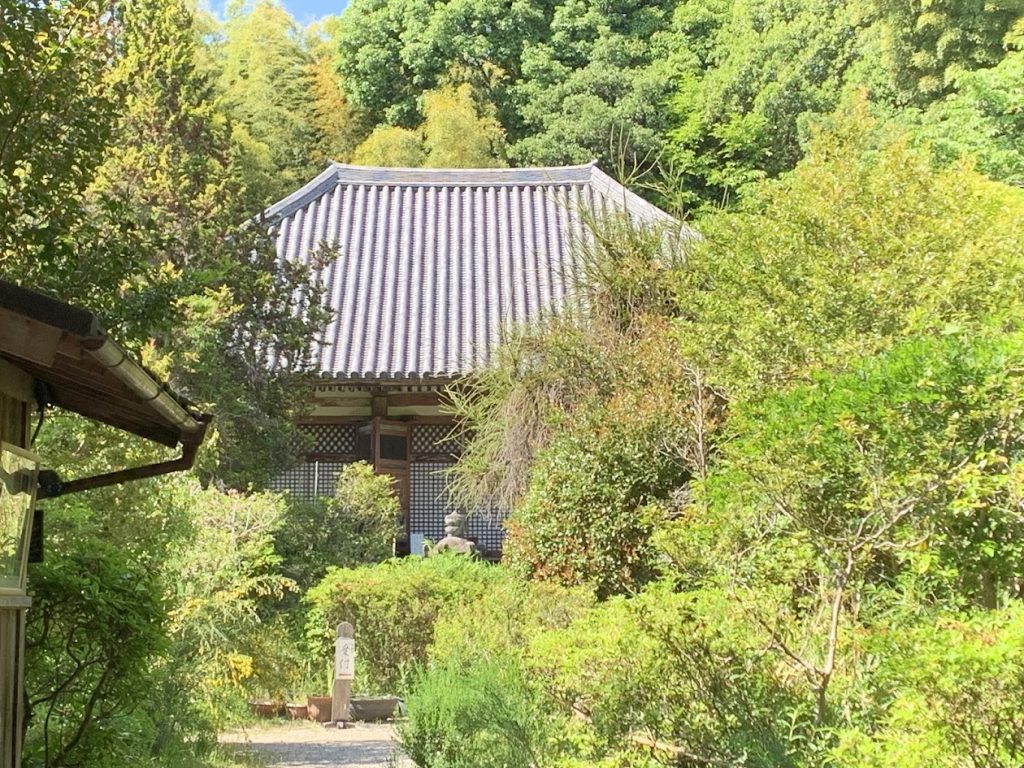
This is Futai-ji Temple (also known as Narihira Temple).
When walking from east to west through the Shaki Kofun Group, Futai-ji serves as a landmark. From here, crossing National Route 24 will bring you to the Uwanabe and Konabe Burial Mounds.
Ariwara no Narihira was a poet of the Heian period and the model for the protagonist of The Tales of Ise.
His father was Emperor Heizei, who moved the capital to Kyoto. After abdicating, Emperor Heizei wished to move the capital back to Nara, but this desire was never fulfilled. He distanced himself from Kyoto and lived in this area.
After the emperor passed away, his son Narihira established this site as a temple.
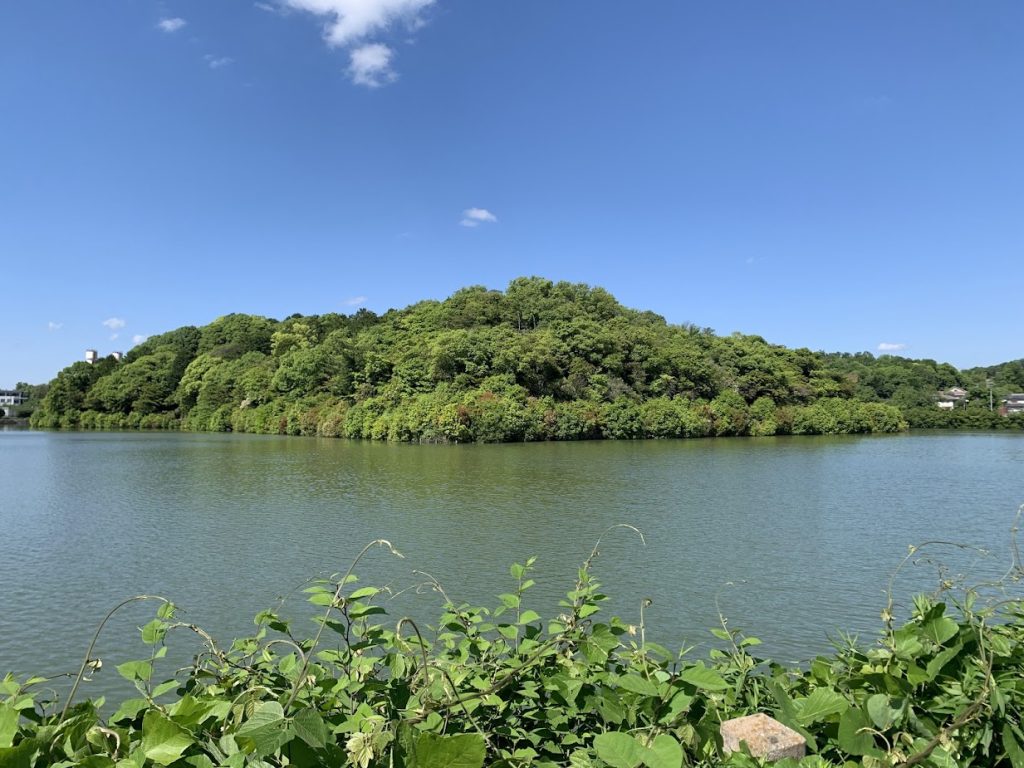
This is a keyhole-shaped burial mound (zenpo-koen-fun) with a total length of 270 to 280 meters.
It is the 12th largest burial mound in Japan. The mound dates back to the mid-Kofun period (5th century).

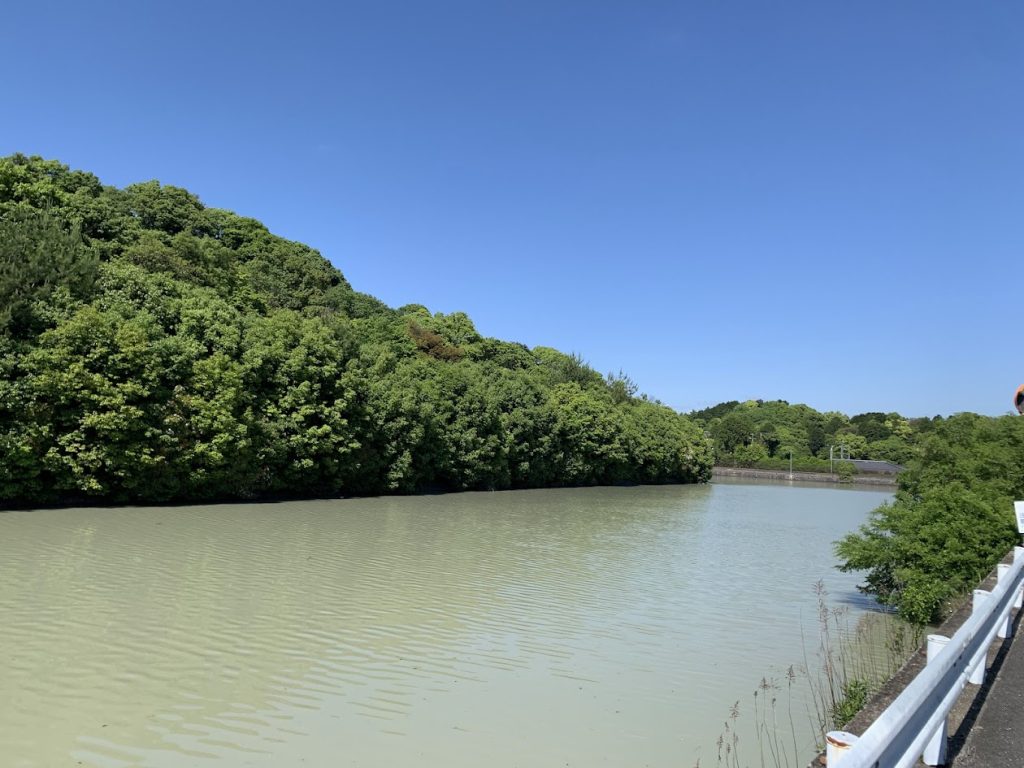
This is a keyhole-shaped burial mound (zenpo-koen-fun) with a total length of 204 meters.
It is believed to have been built in the early 5th century.
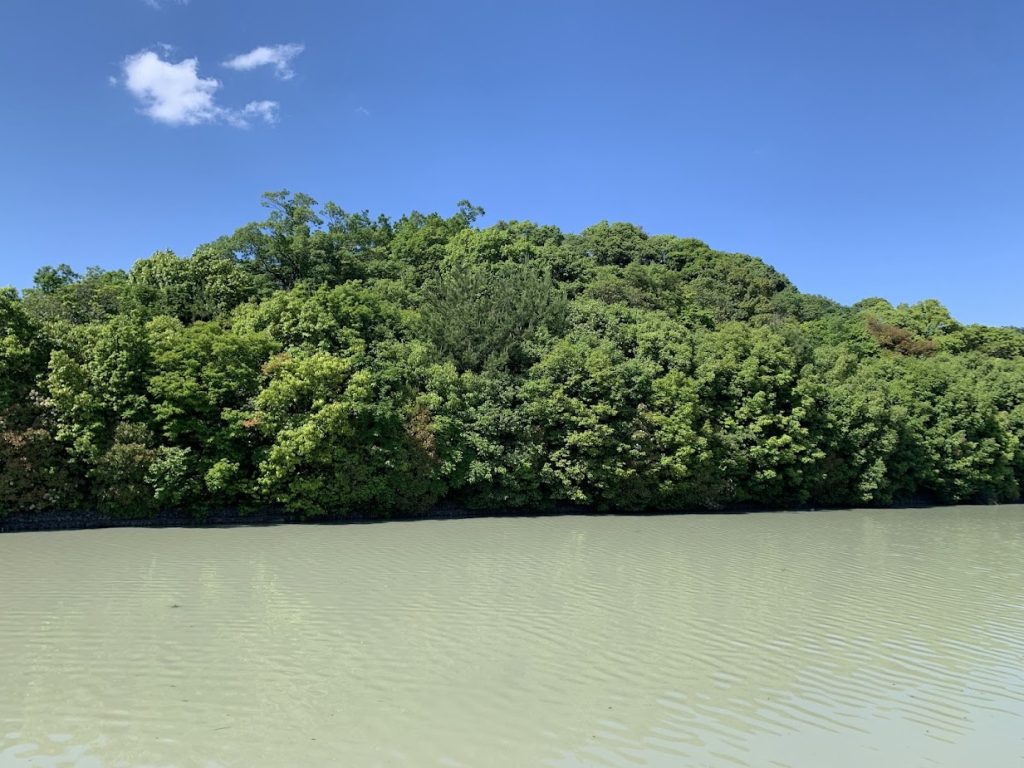
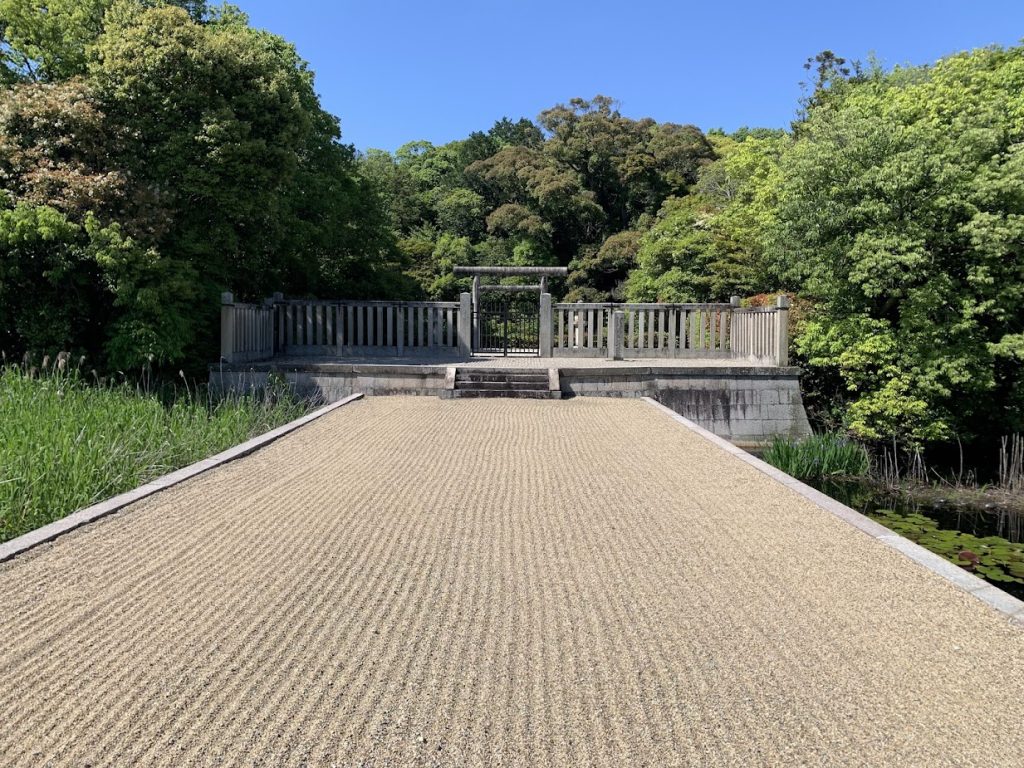
This is a keyhole-shaped burial mound (zenpo-koen-fun) with a total length of 219 meters.
It is the burial mound of Emperor Nintoku’s empress.
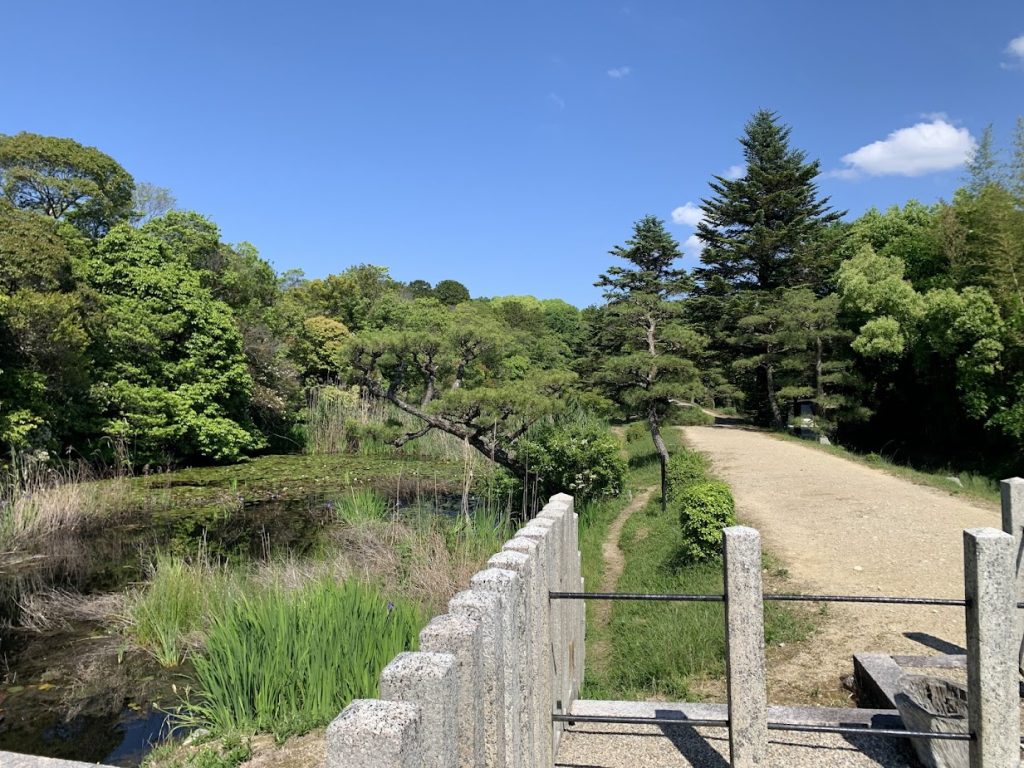
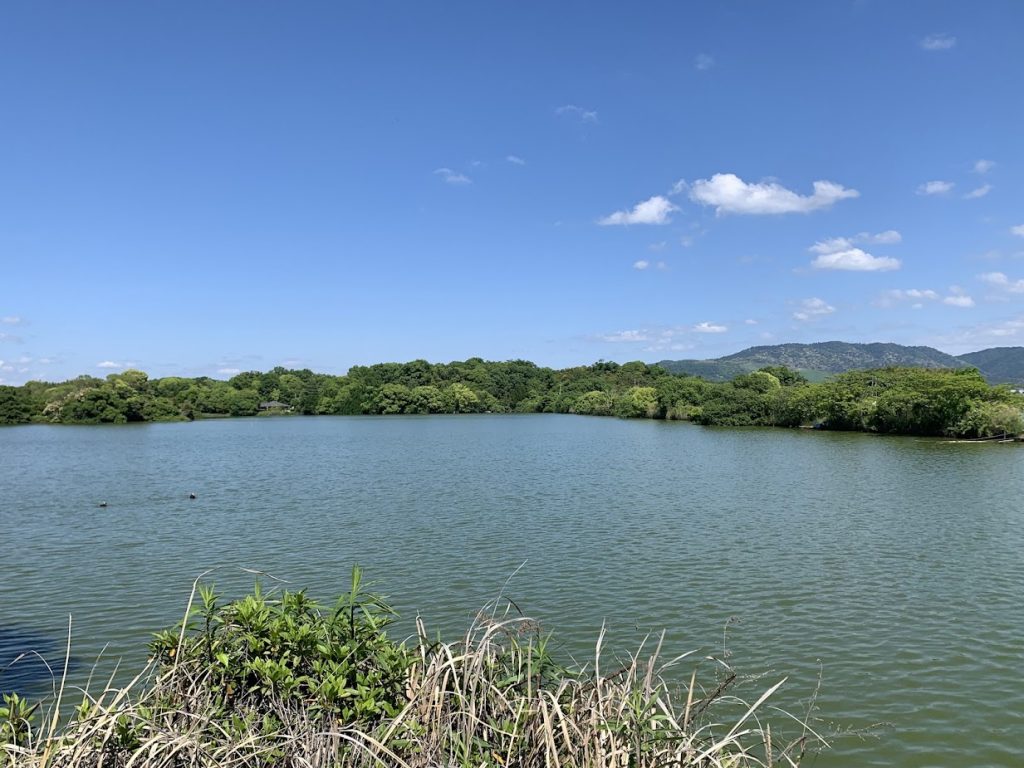
Minakami Pond
This is the largest reservoir in Nara City.
You can see many wild birds here.
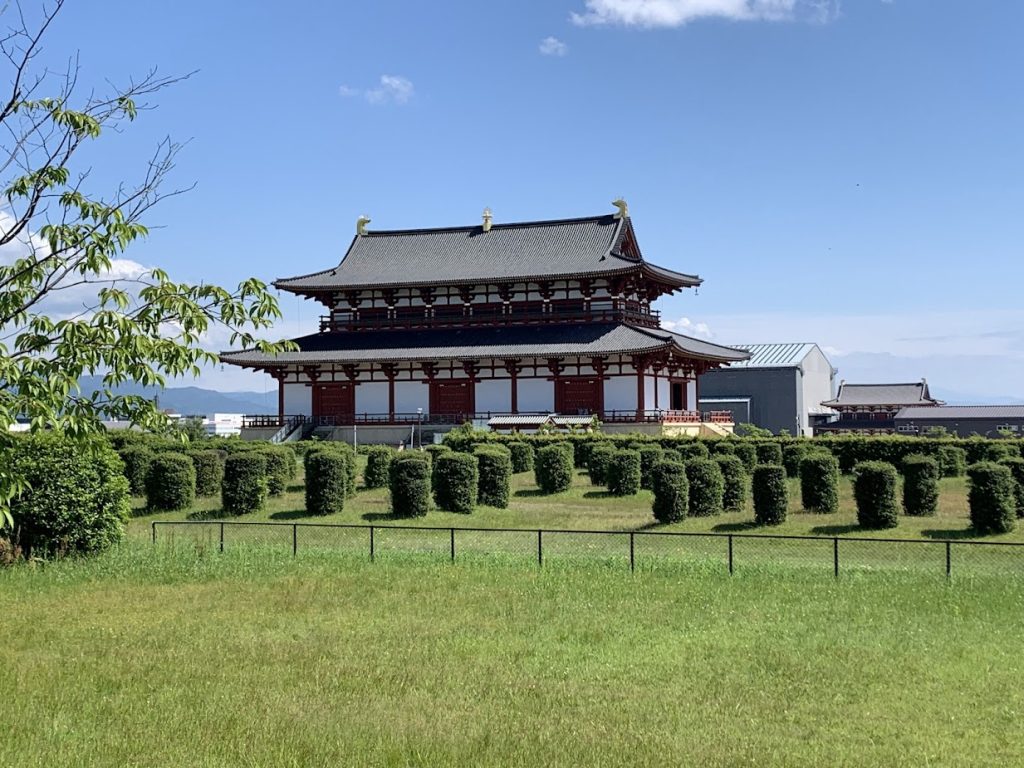
Pass by the north side of the Daigokuden Hall at the Heijo Palace ruins.
The reconstructed Daigokuden Hall is open for free visits, so it is a good idea to stop by and take a break.
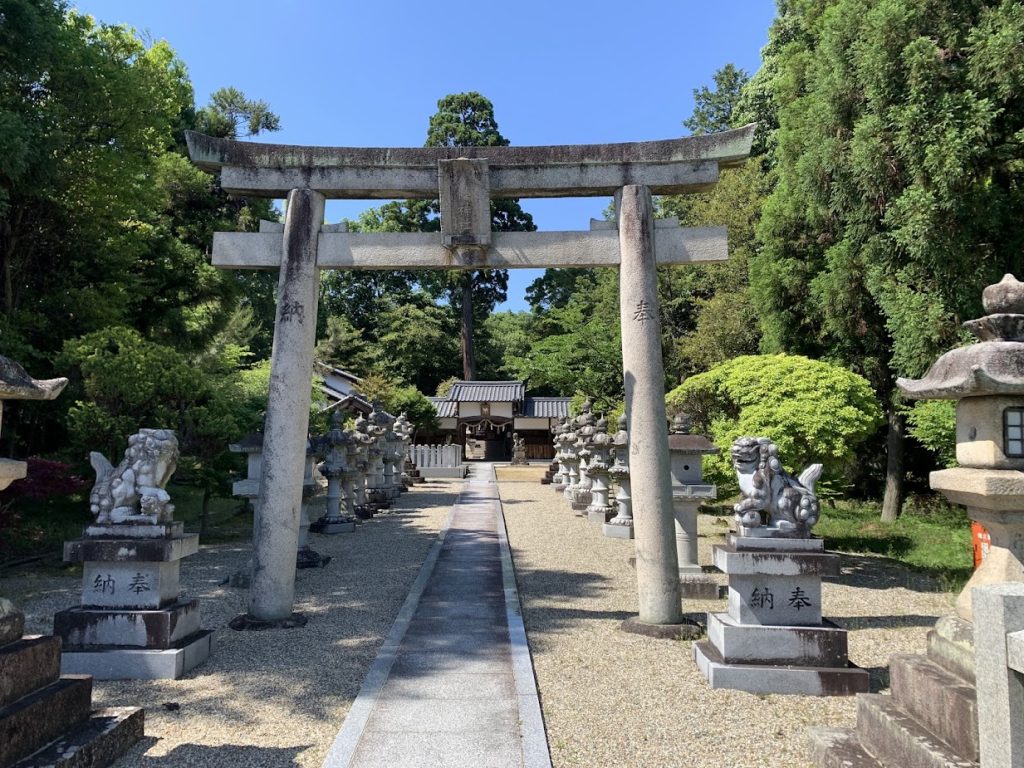
Yamagami Hachiman Shrine
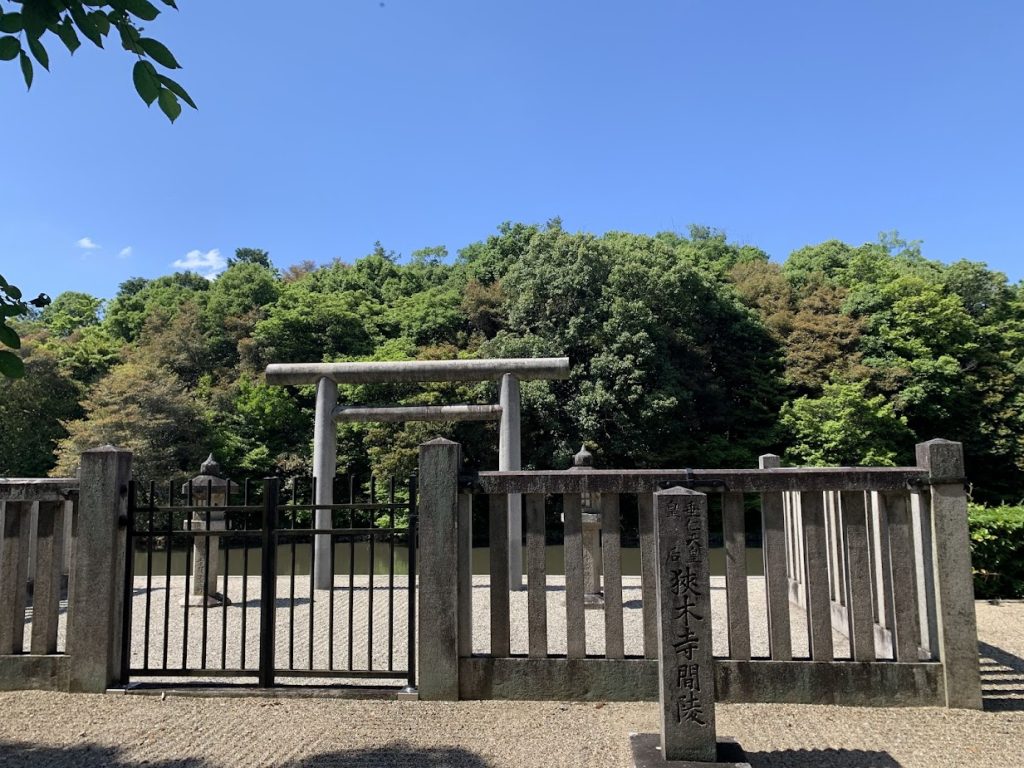
Hibasu Hime Burial Mound
This is the burial mound of Empress Jingu, with a total length of 207 meters. It is a keyhole-shaped tomb mound (zenpo-koen-fun) that was constructed in the late 4th to early 5th century.
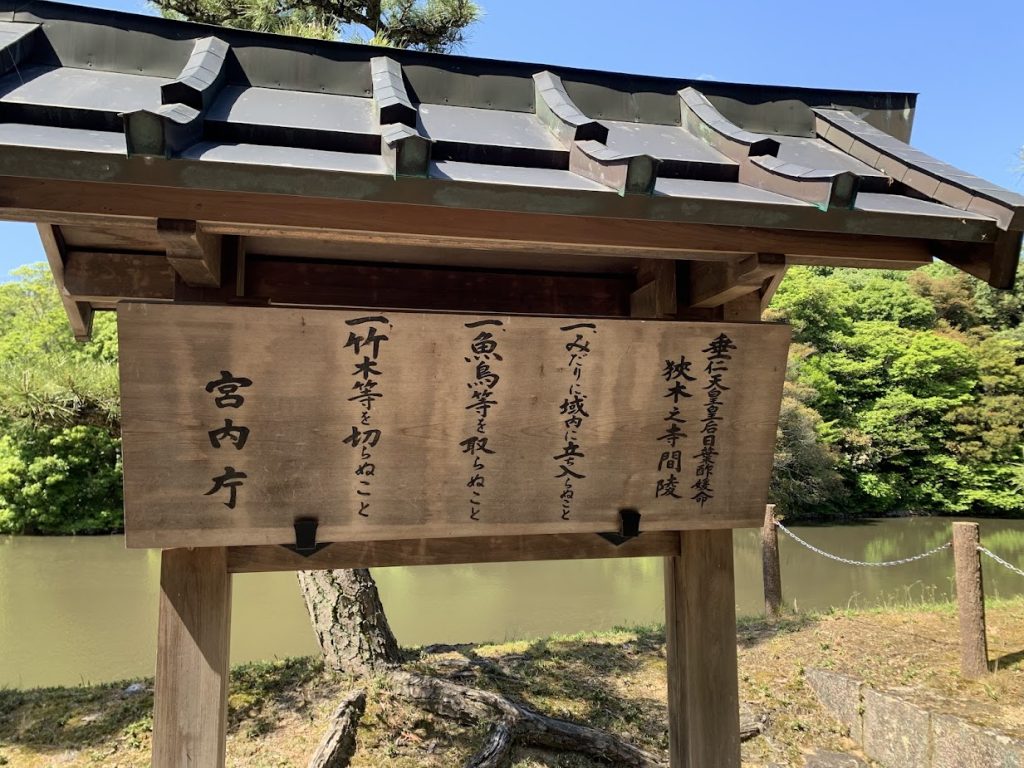
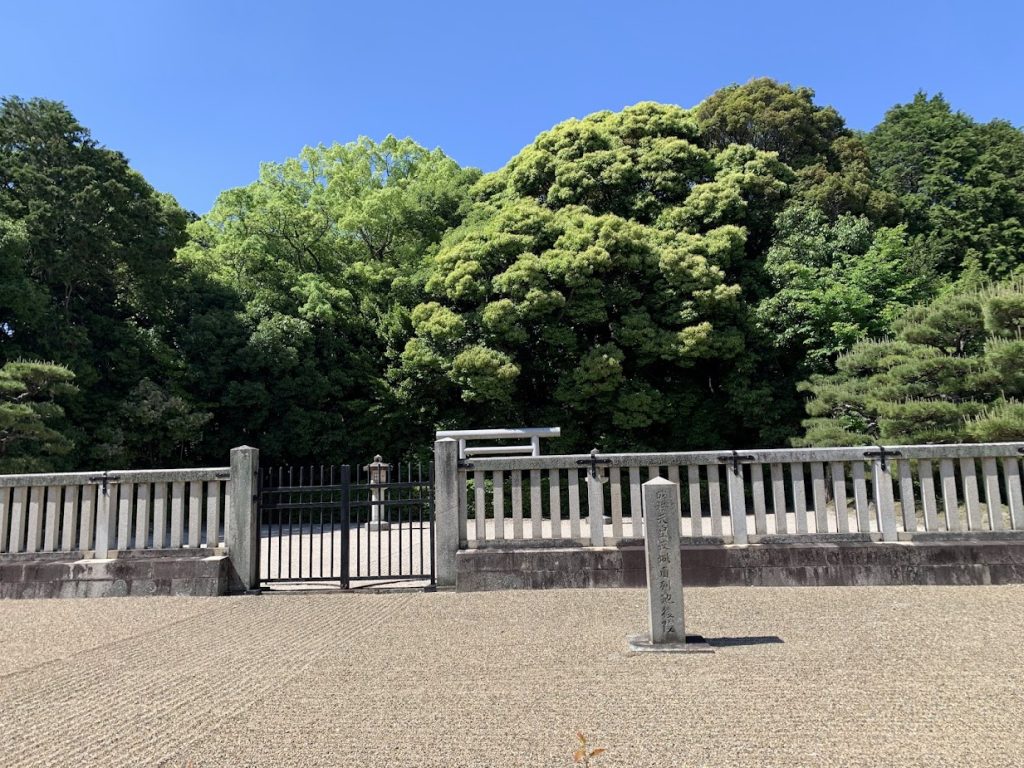
Emperor Seimu’s Burial Mound
This is a keyhole-shaped burial mound (zenpo-koen-fun) with a total length of 218.5 meters. It was constructed during the early Kofun period.
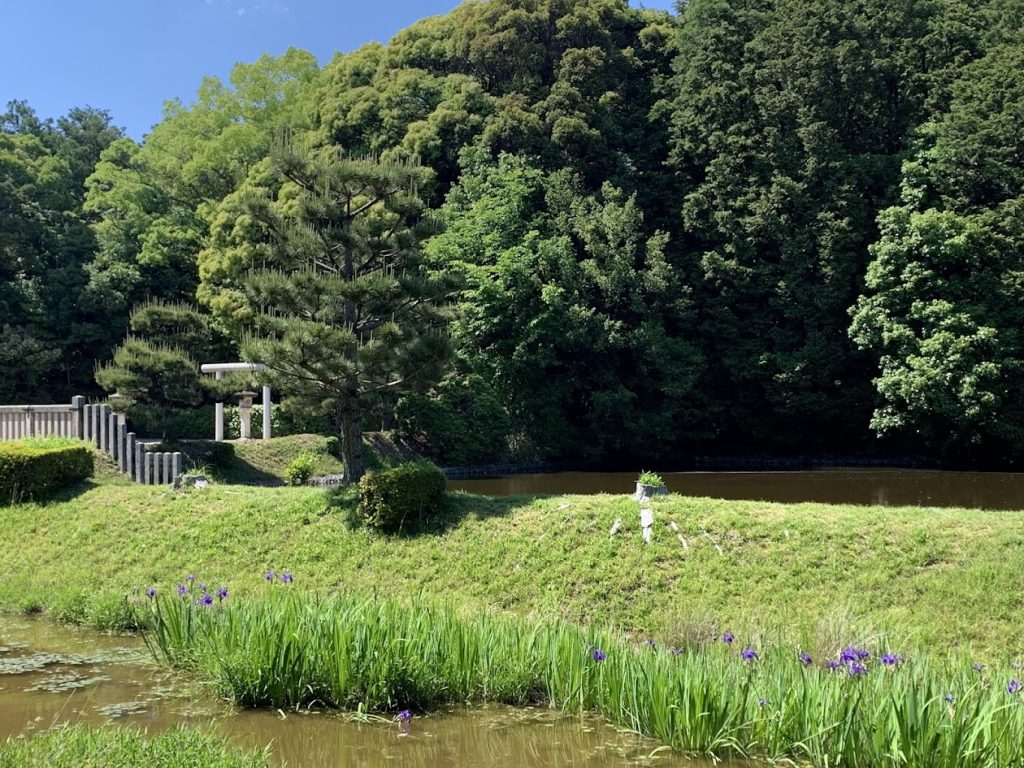
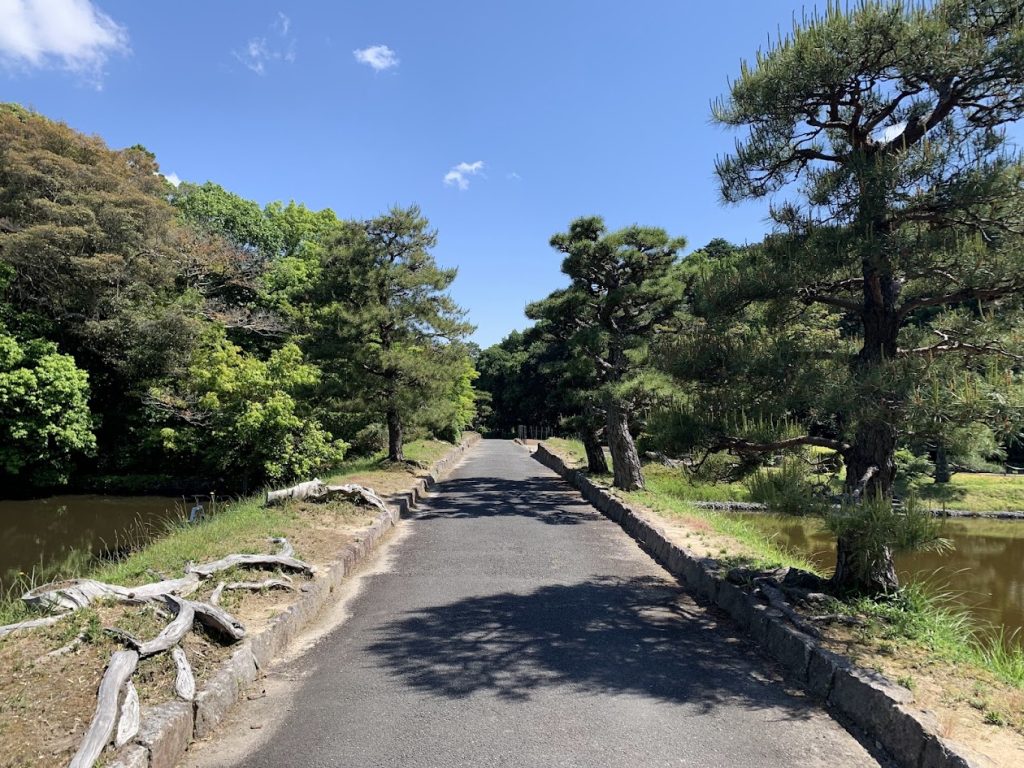
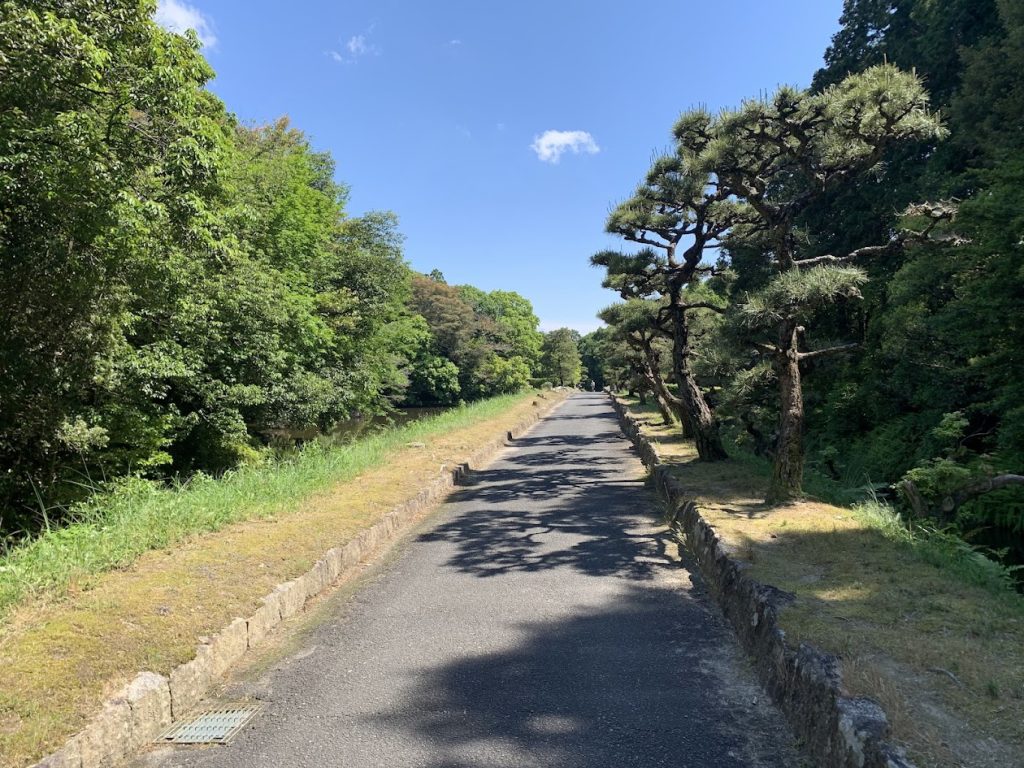
On the right is Emperor Seimu’s Burial Mound, and on the left is Hibasu Hime Burial Mound.
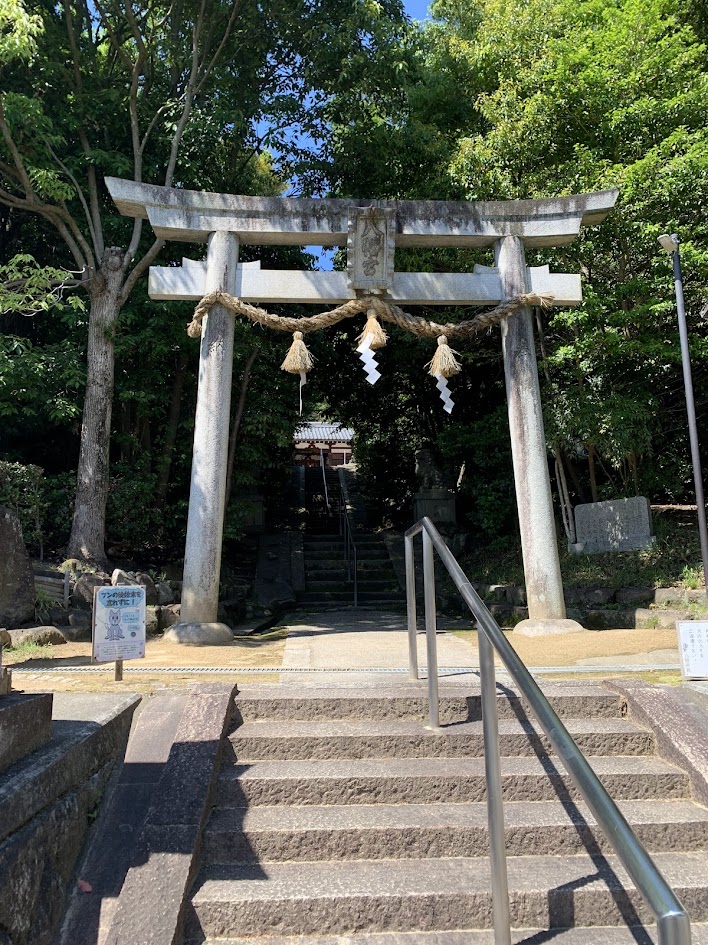
Misasagi Hachiman Shrine
Behind the shrine is Empress Jingu’s Burial Mound.
Kintetsu Heijo Station is very close by.
コメント