
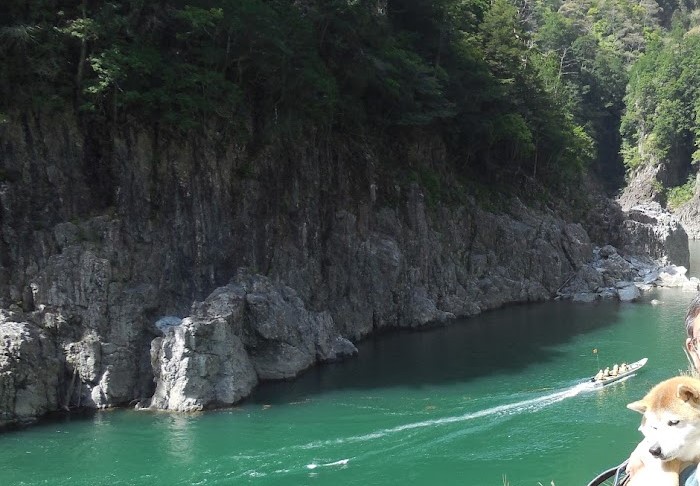

Totsukawa Village covers about one-fifth of Nara Prefecture, making it the largest village in Japan. Known for its rugged mountains and deep V-shaped valleys, the village has a rich history.
It defended the emperor, dispatched troops during the Jinshin War and the Heiji Rebellion, and supported the Southern Court of Yoshino during the Nanboku-cho period.
The villagers, referred to as “Totsukawa Goshi,” benefited from long-term tax exemptions due to their many contributions.
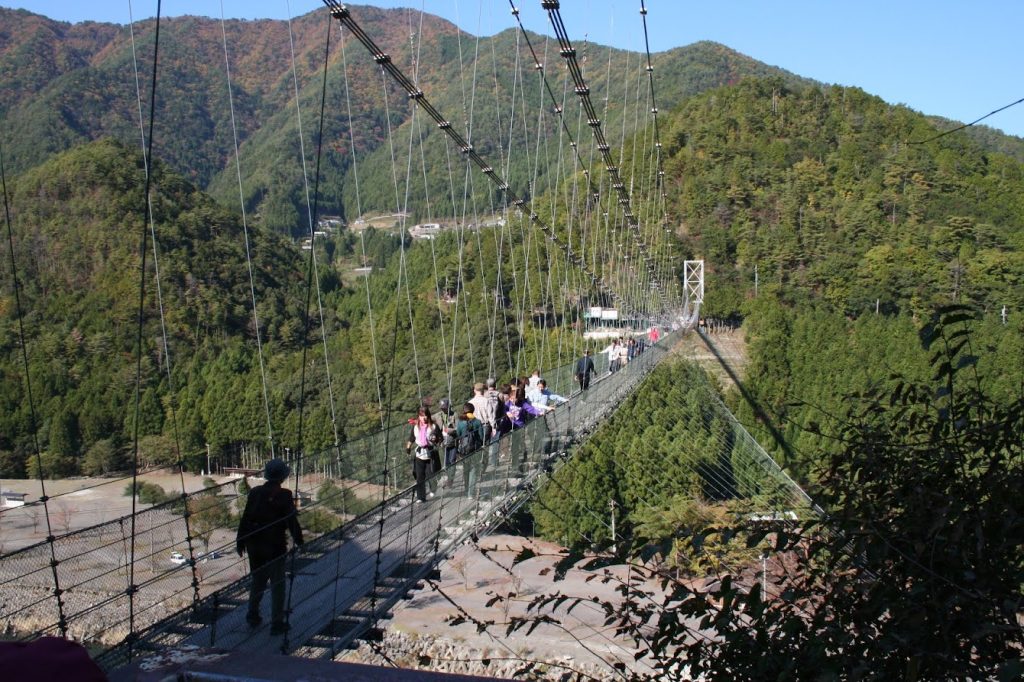
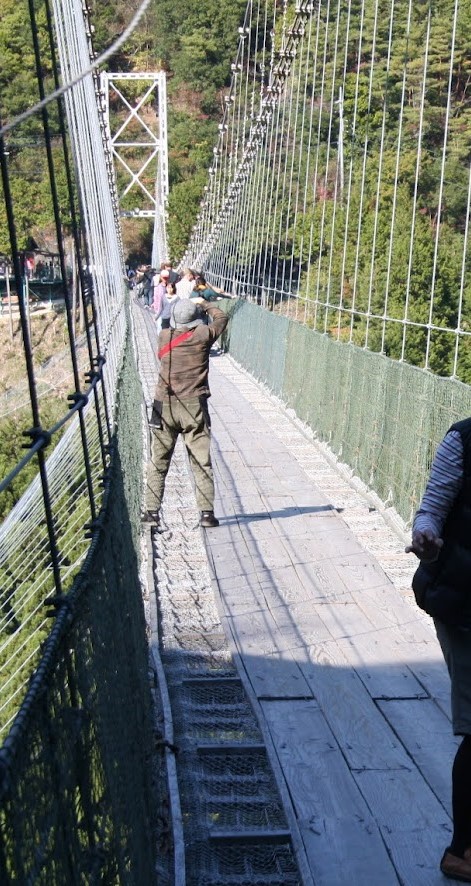
Tanise Suspension Bridge

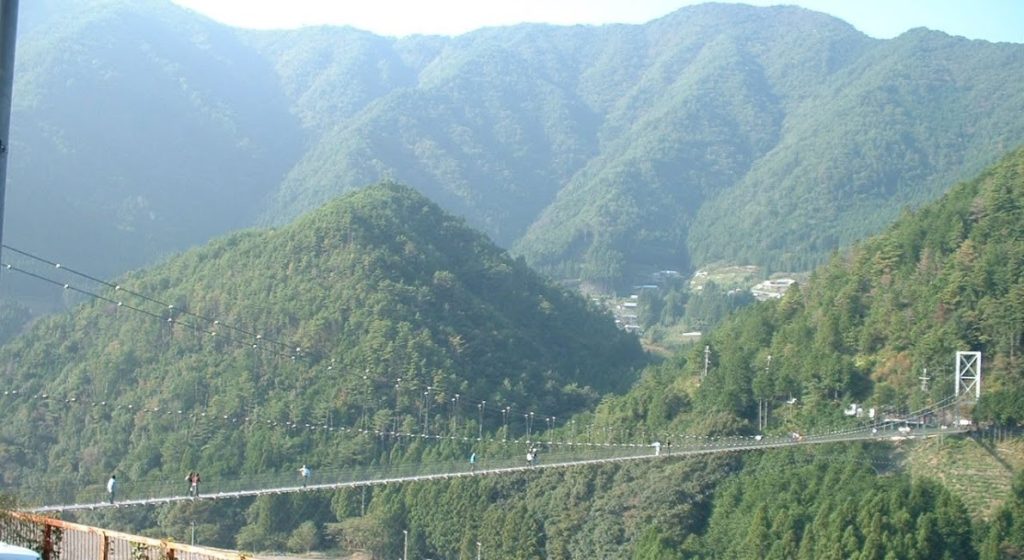
Tanise Suspension Bridge is a massive suspension bridge, 297 meters long and 54 meters high.
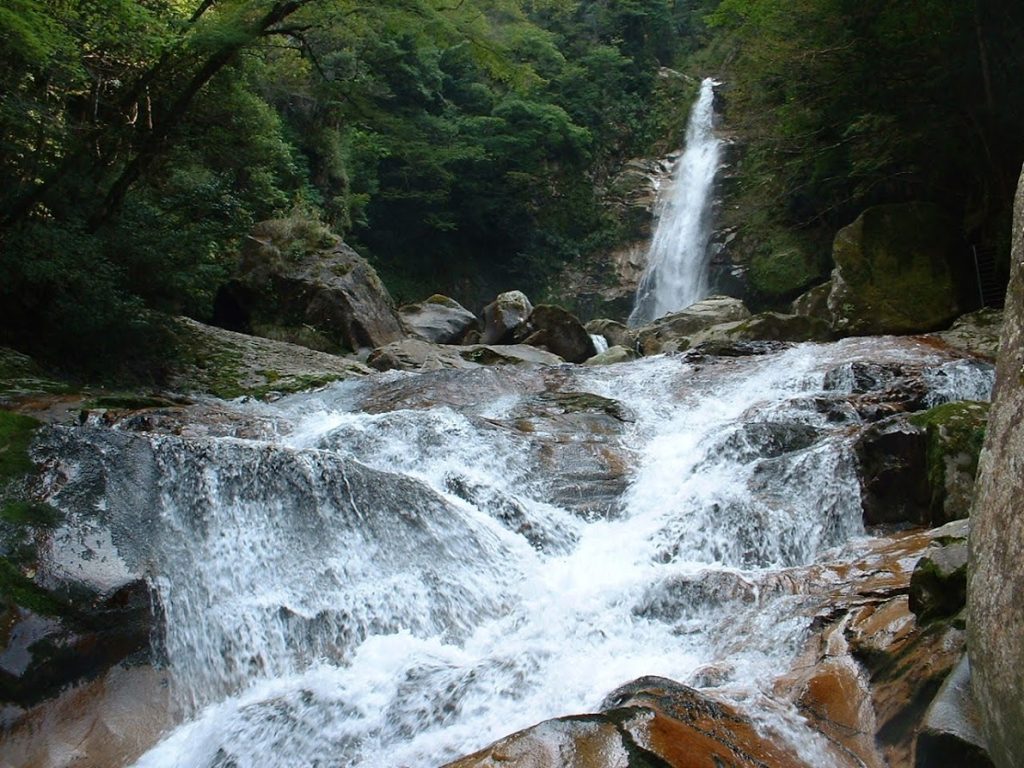
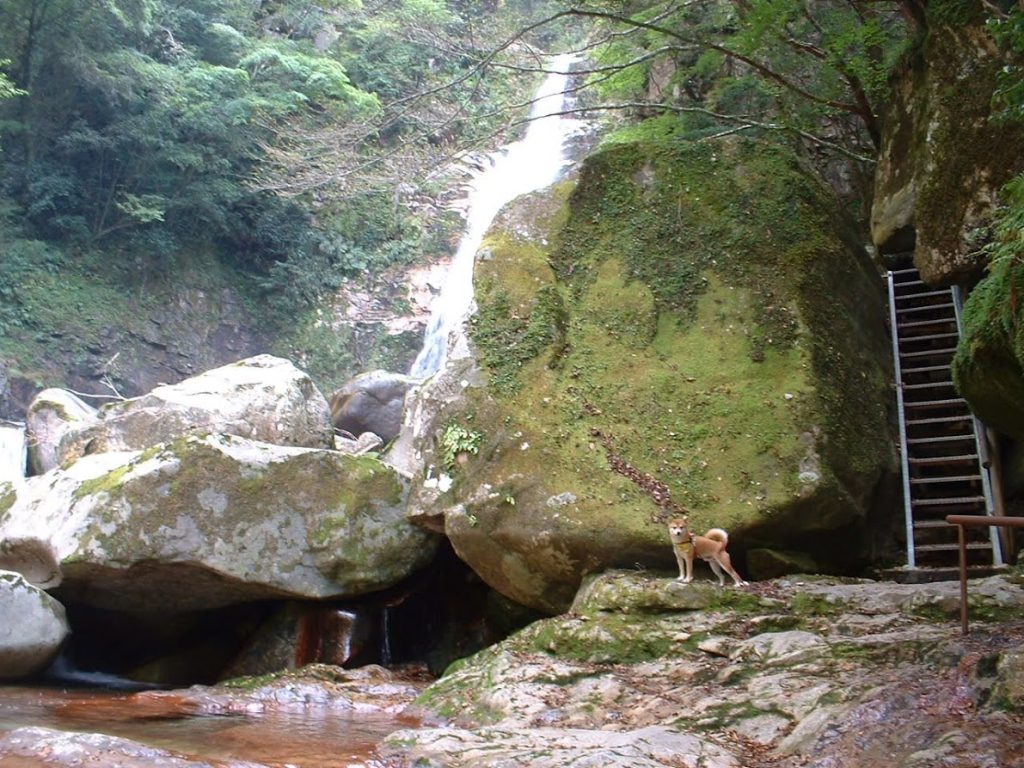
Sasano Falls
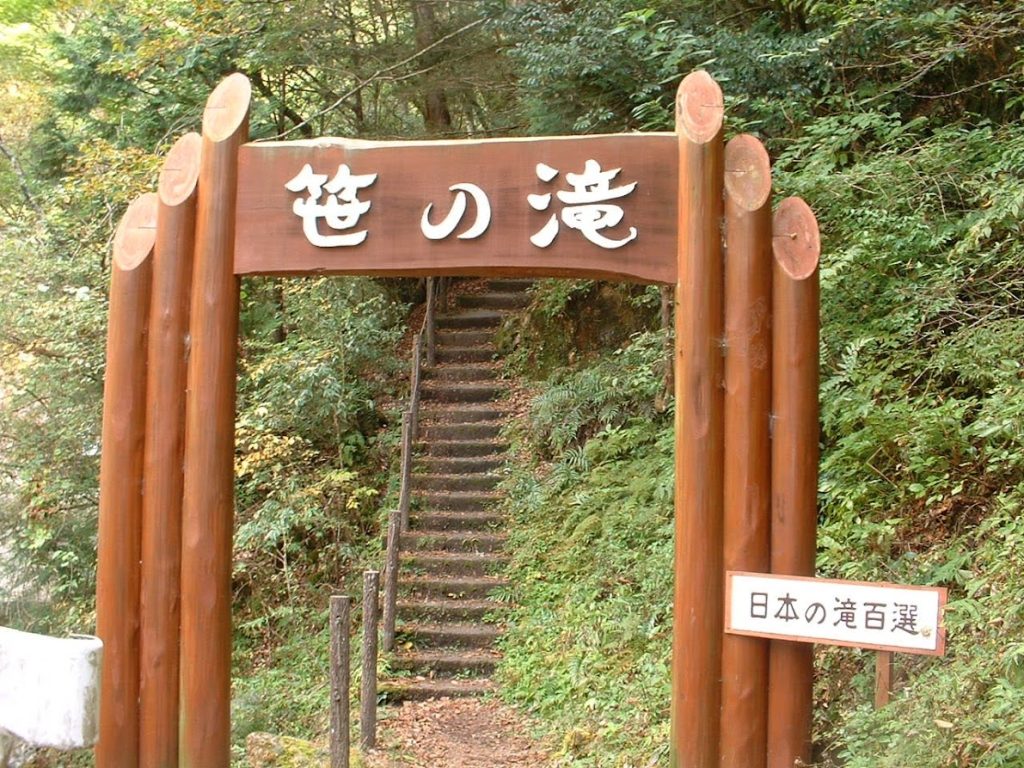
It is a magnificent waterfall with a drop of 32 meters.
Tosenji Onsen
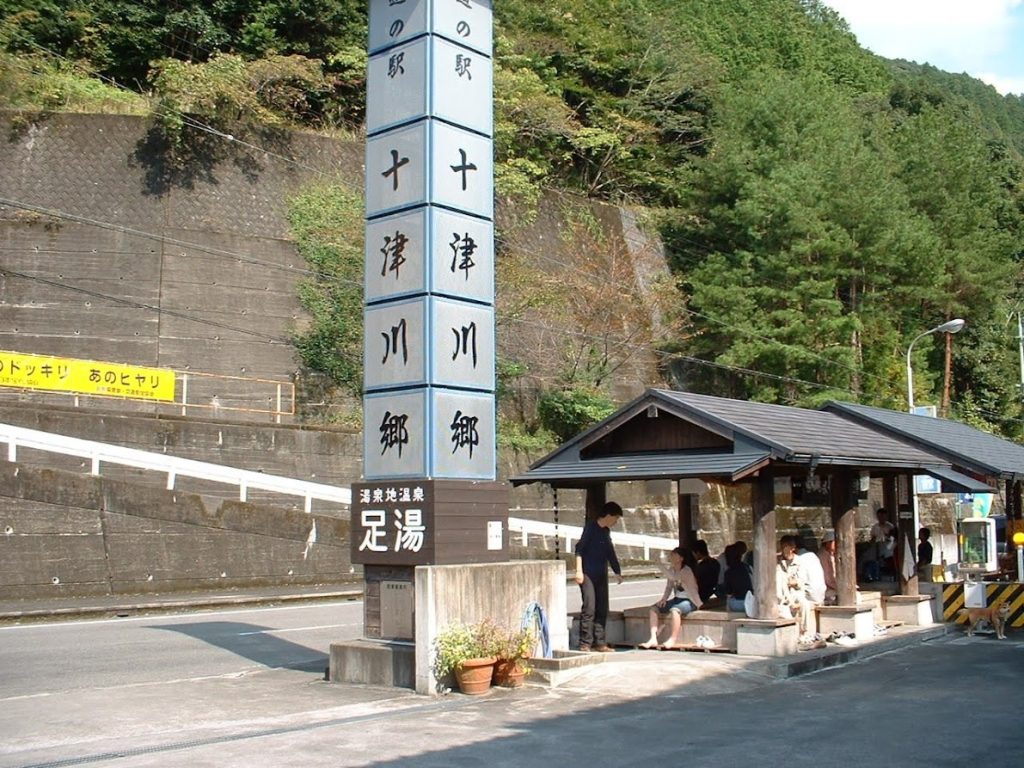
The foot bath at Tosenji Onsen
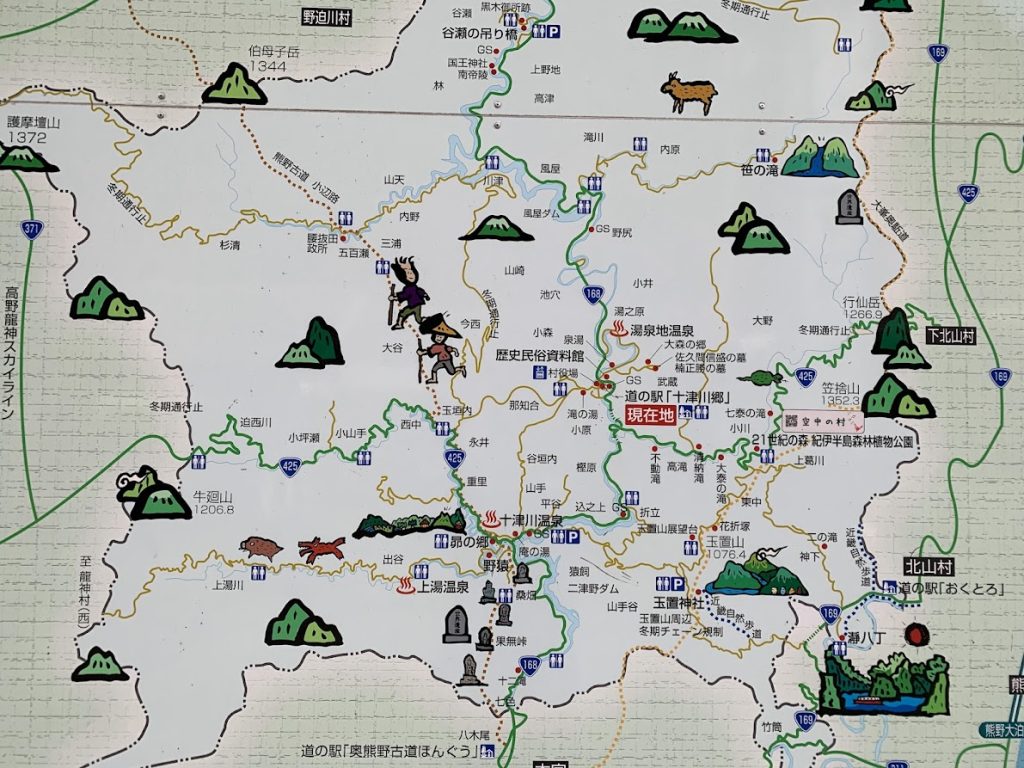
Totsukawa has three hot springs: Tosenji Onsen, Totsukawa Onsen, and Kami-yu Onsen.
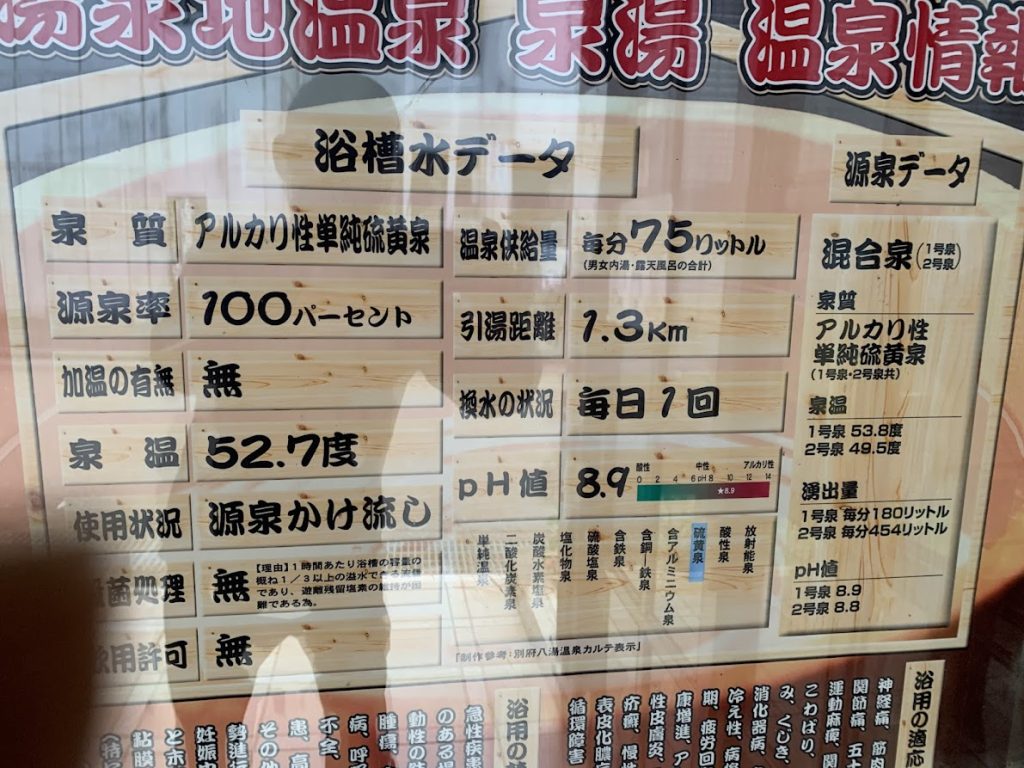
All the hot springs in the village feature abundant hot water and utilize “source flow” systems, where water continuously flows from the source.
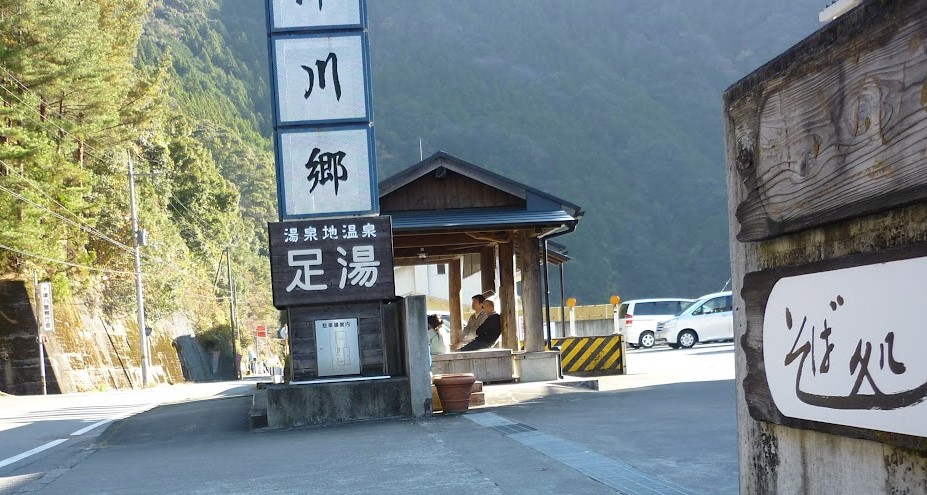

At the foot bath, hot spring water flows continuously 24 hours a day.
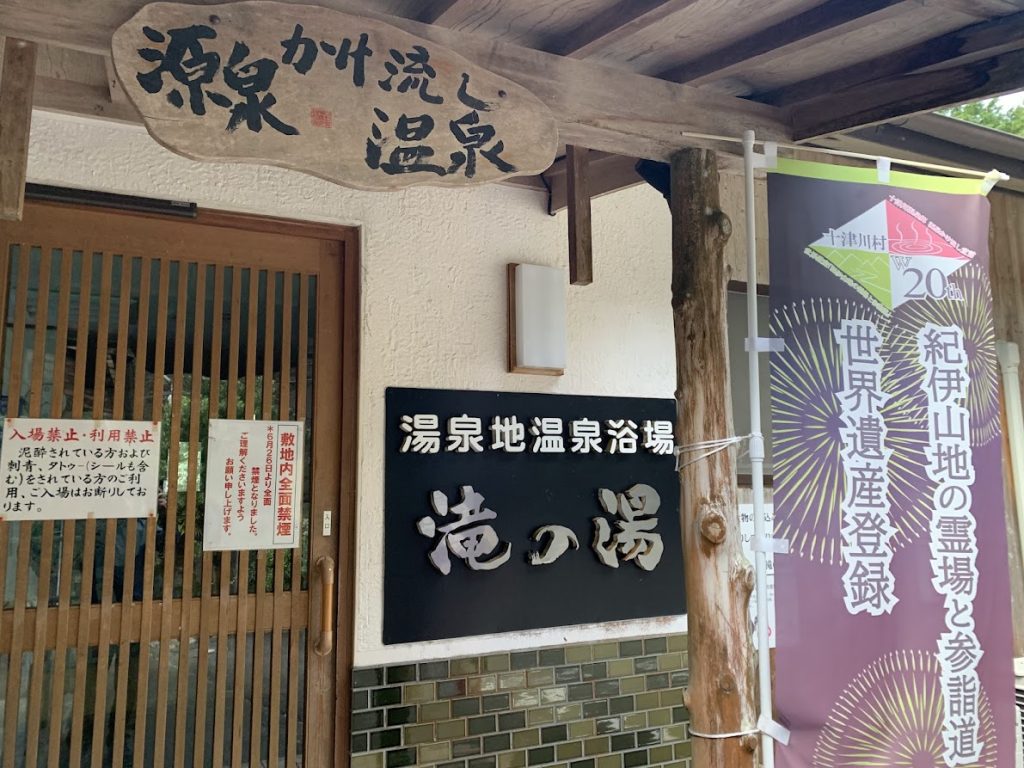
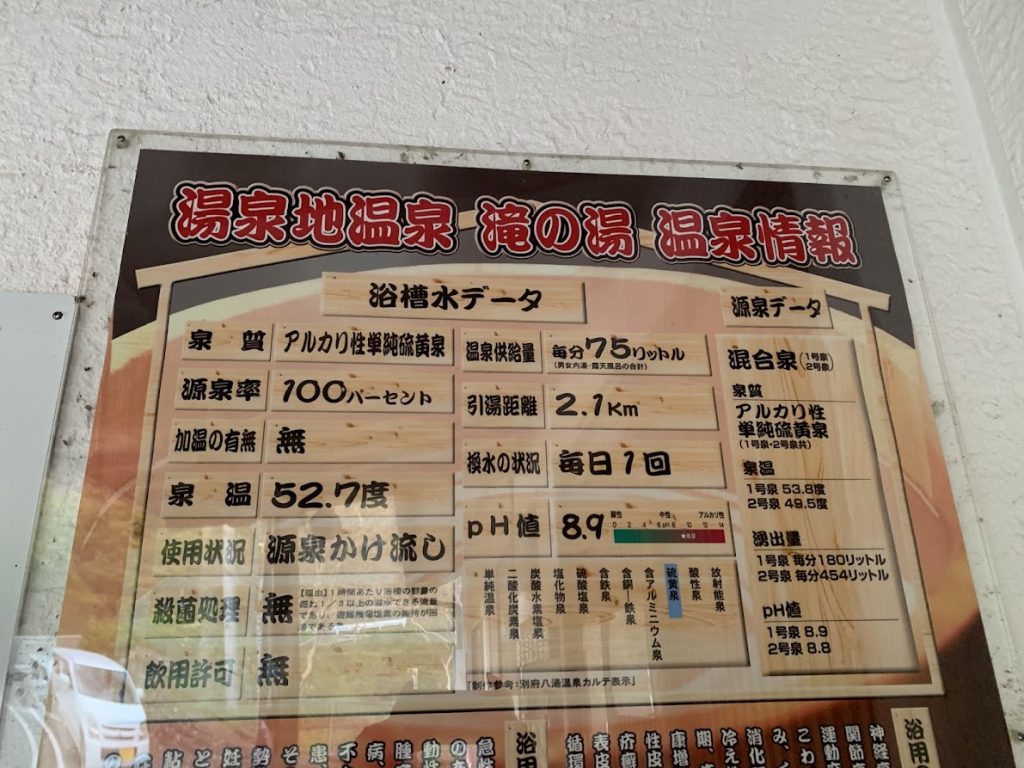
Taki no Yu
52.7°C, Alkaline Simple Sulfur Spring.
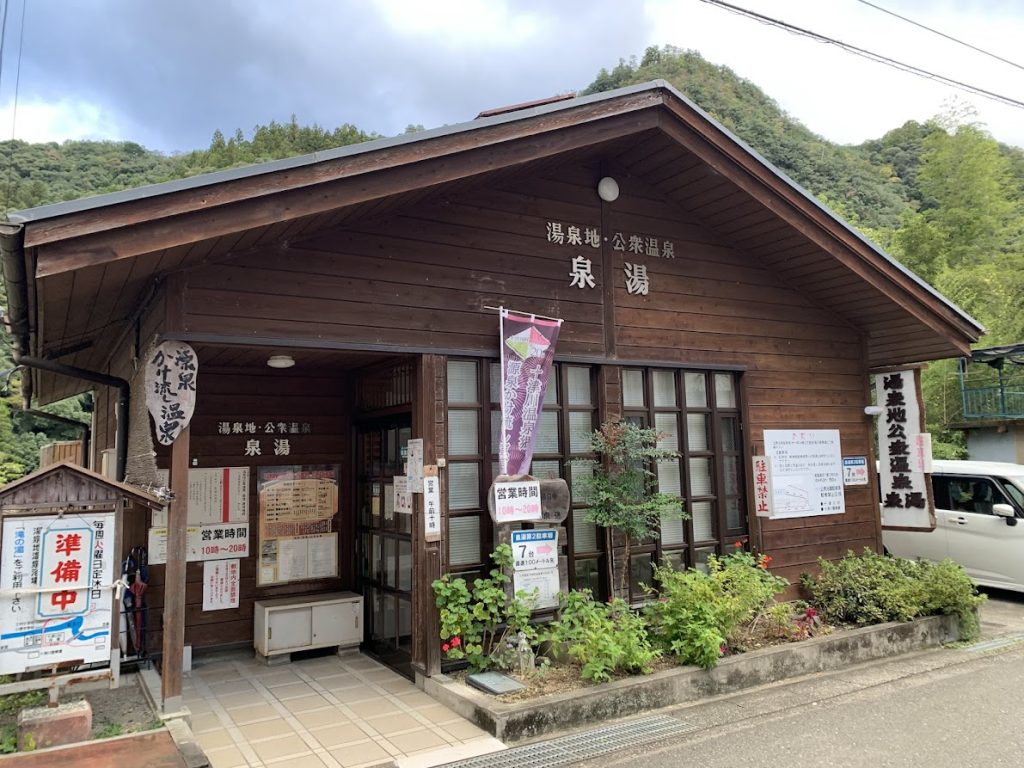
Izumi-yu
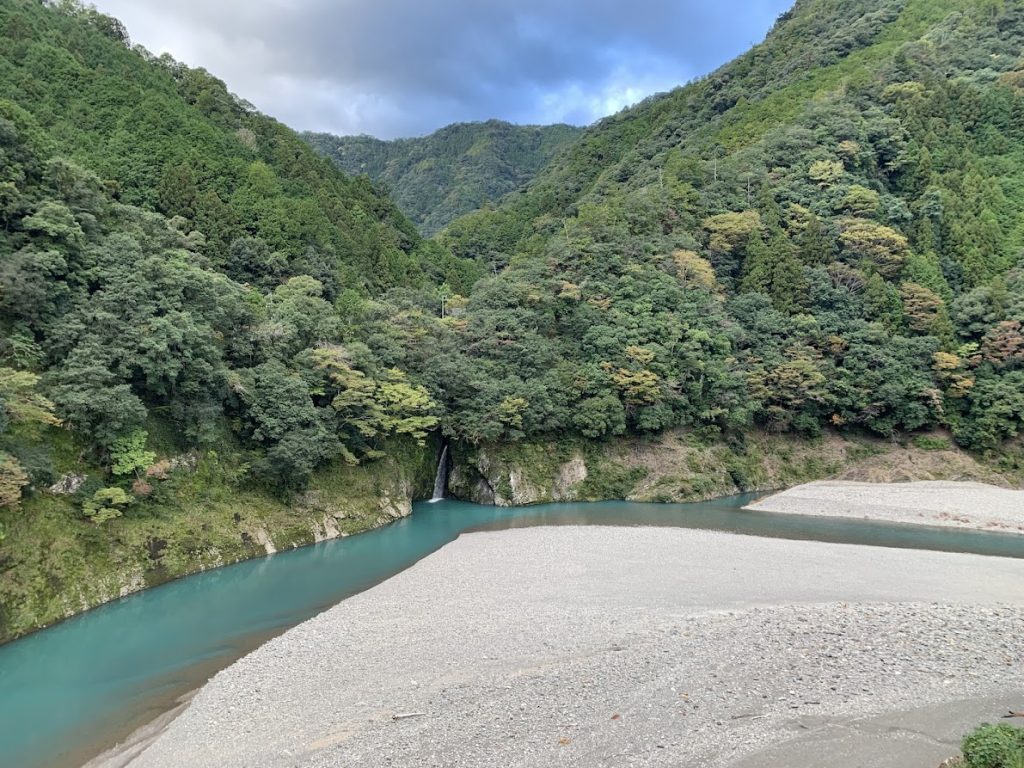
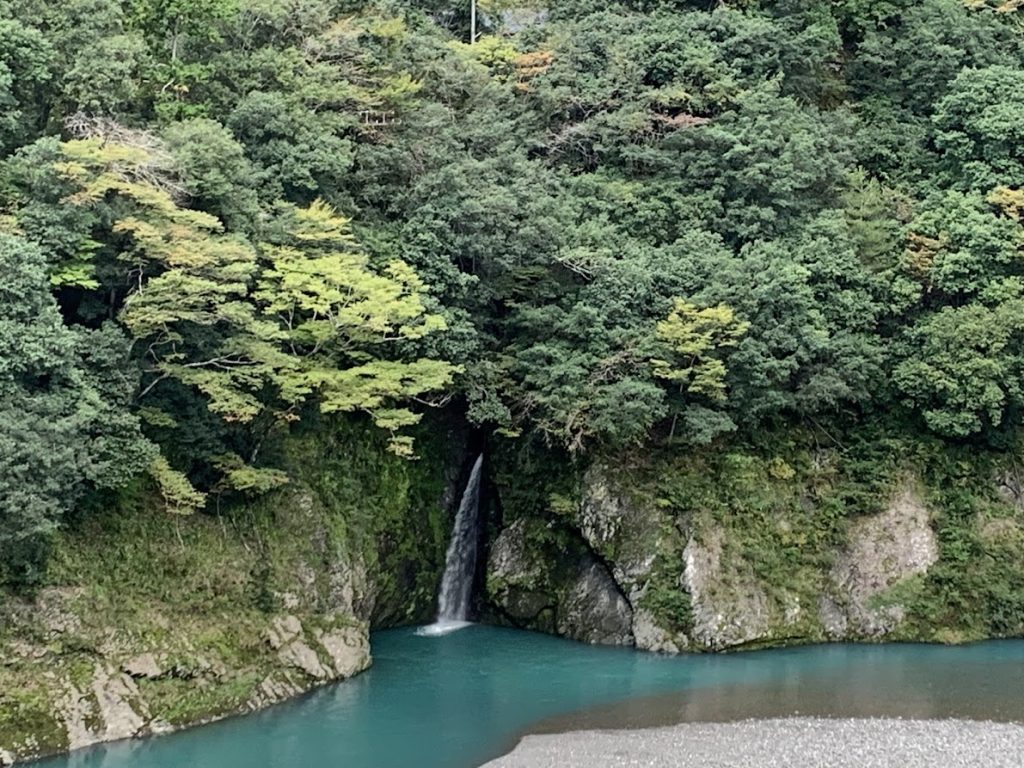
A Photo of the River Taken from the Bridge Beside the Roadside Station
The water is a vibrant blue, and the cascading waterfall adds to its beauty.
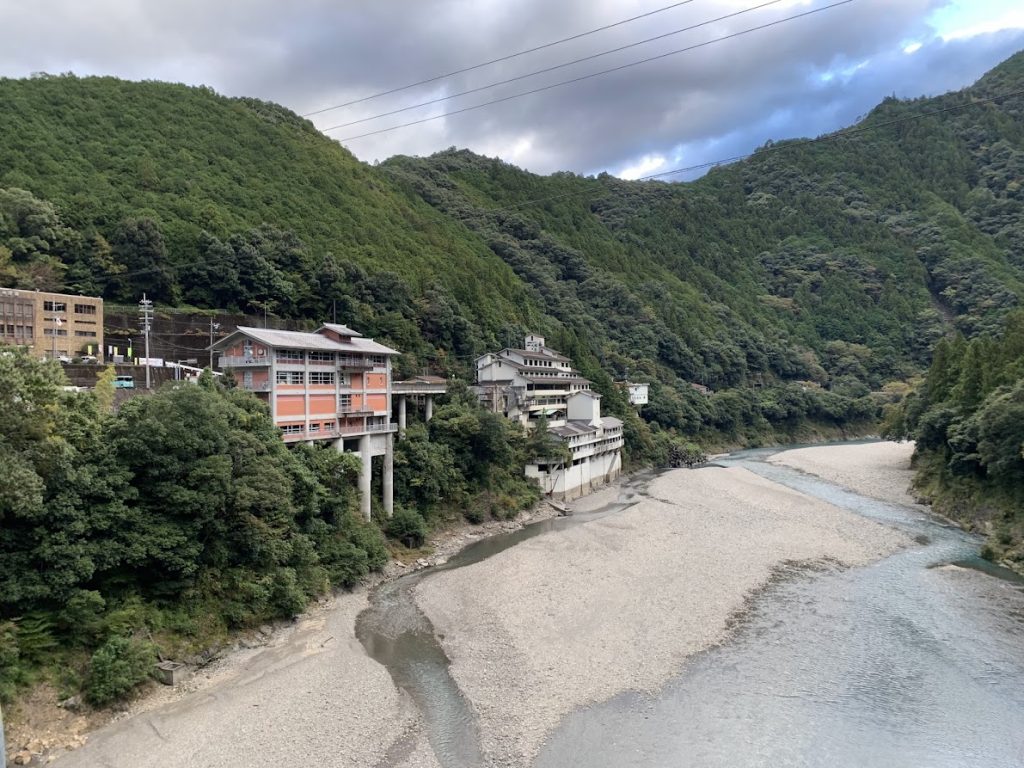
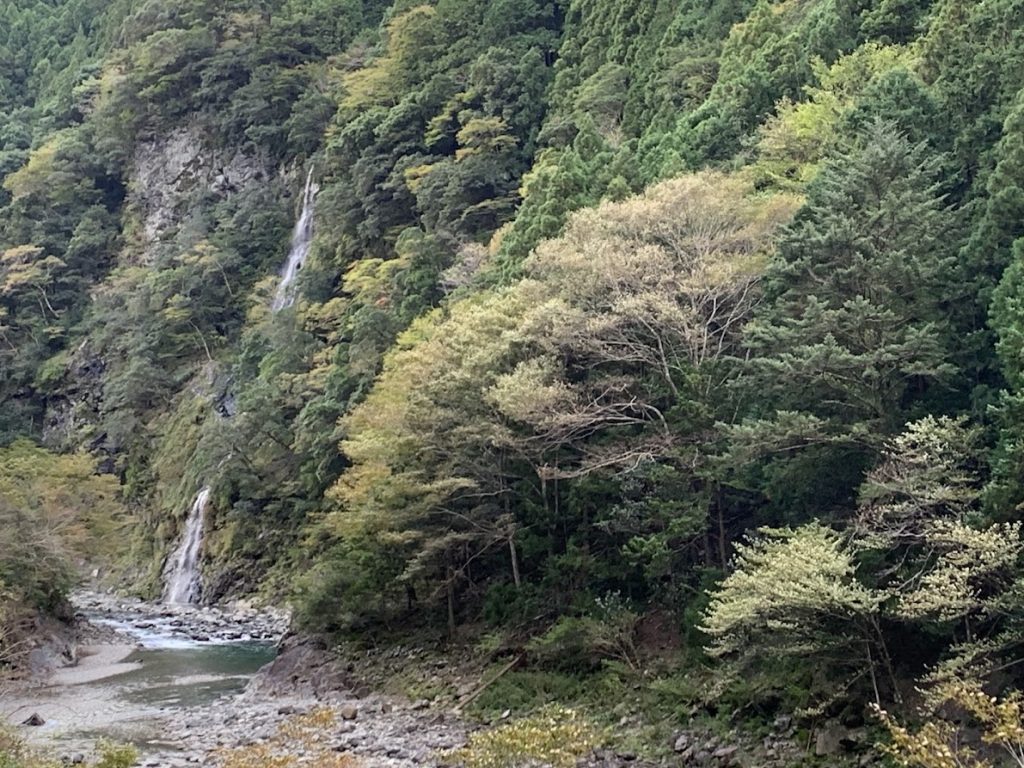
View Downstream from the Bridge
Fudo Fall
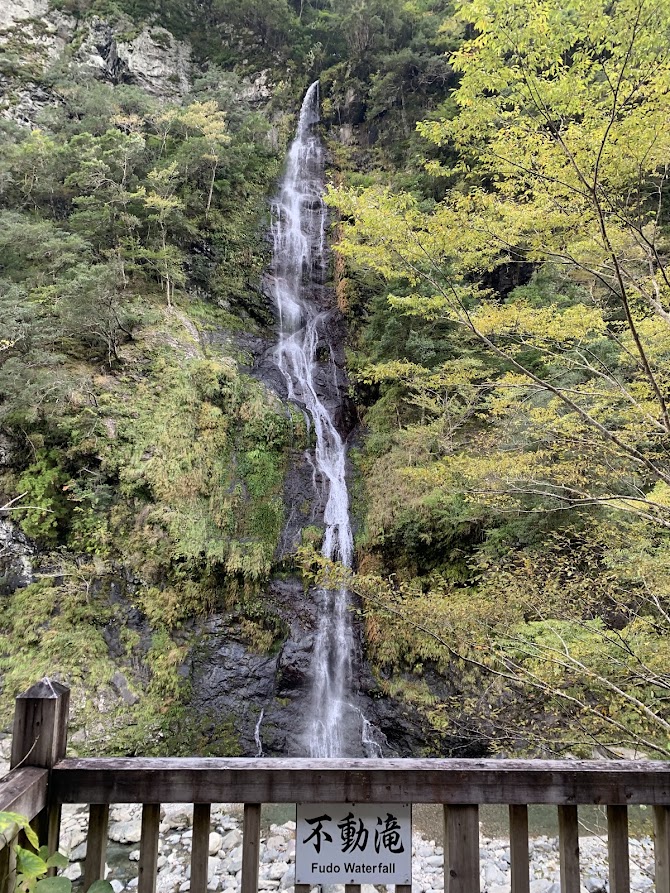
Fudo Fall
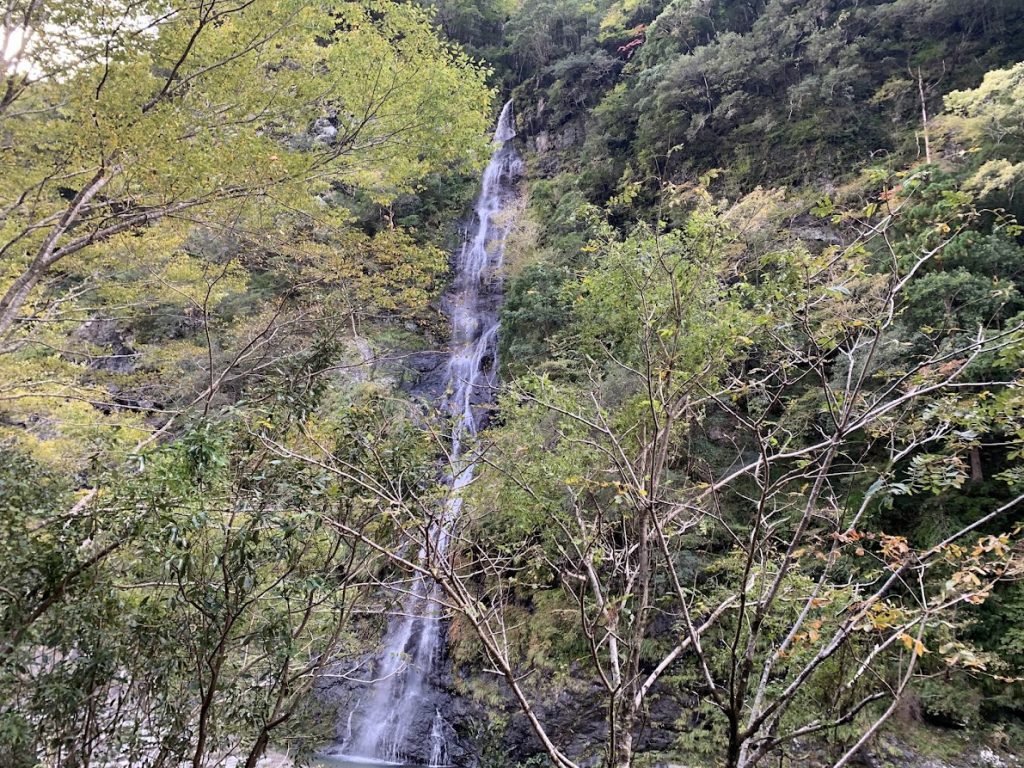
Seino Fall
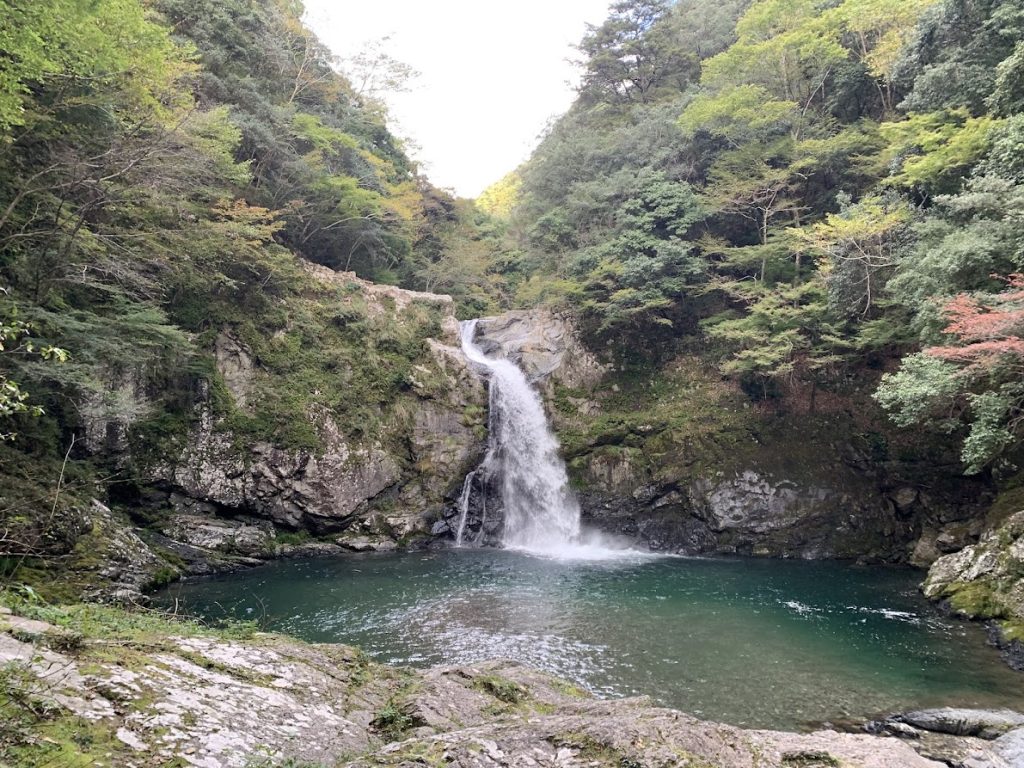
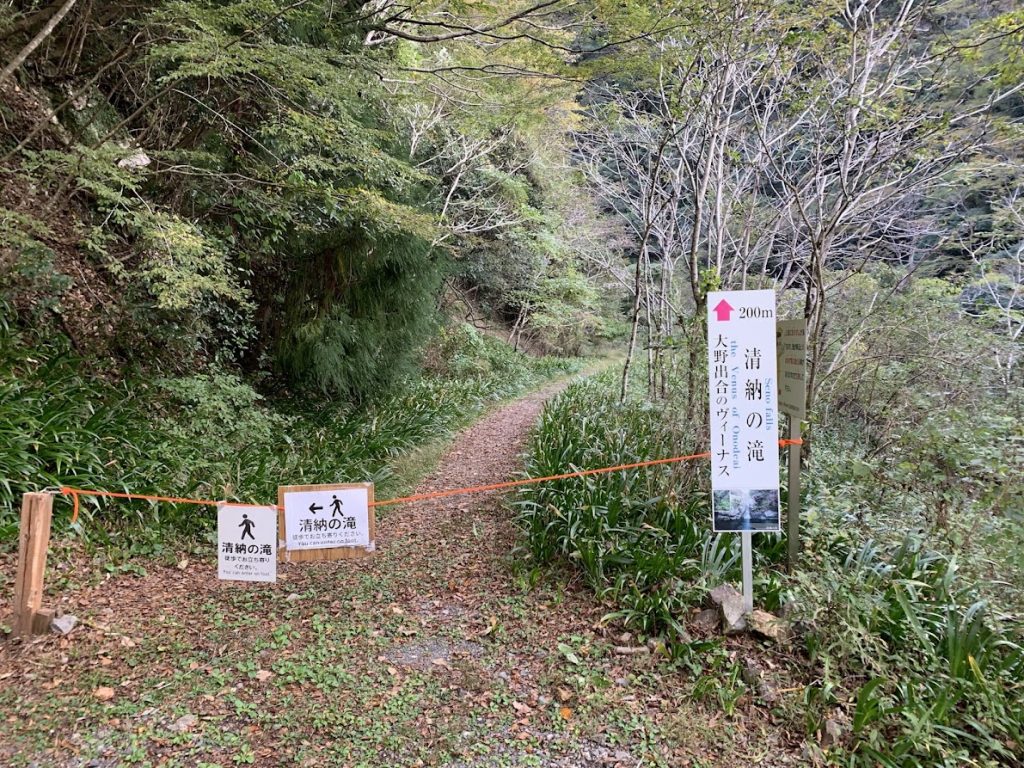
You Park the Car Nearby and Walk. The River Water Is Clear.

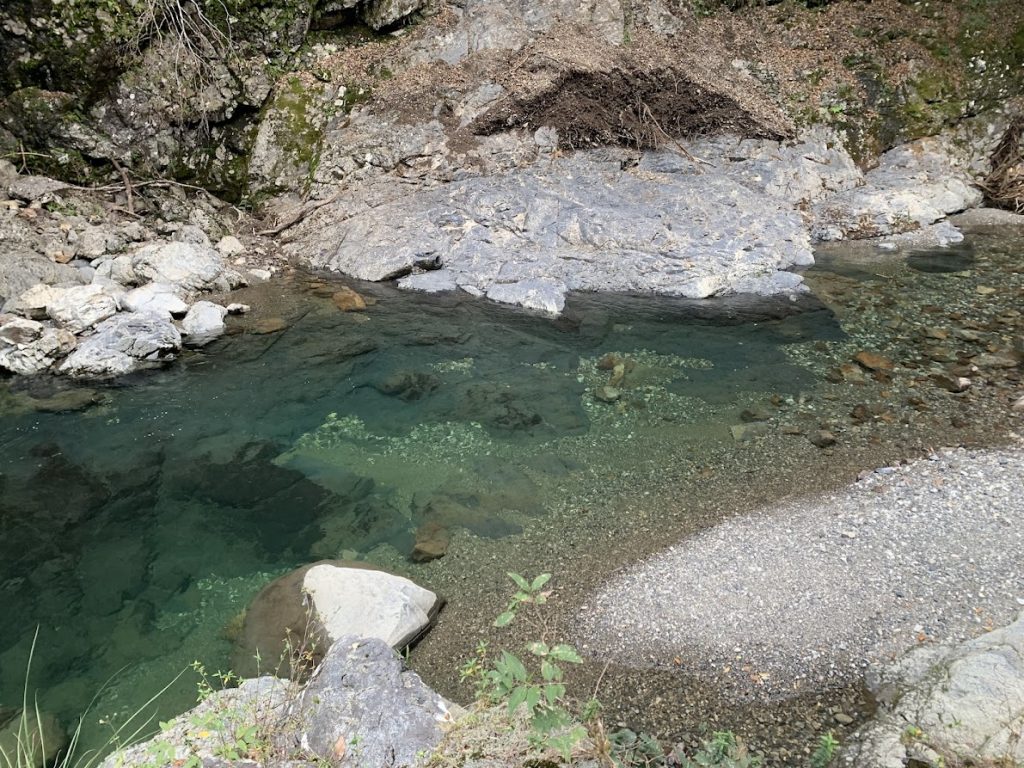
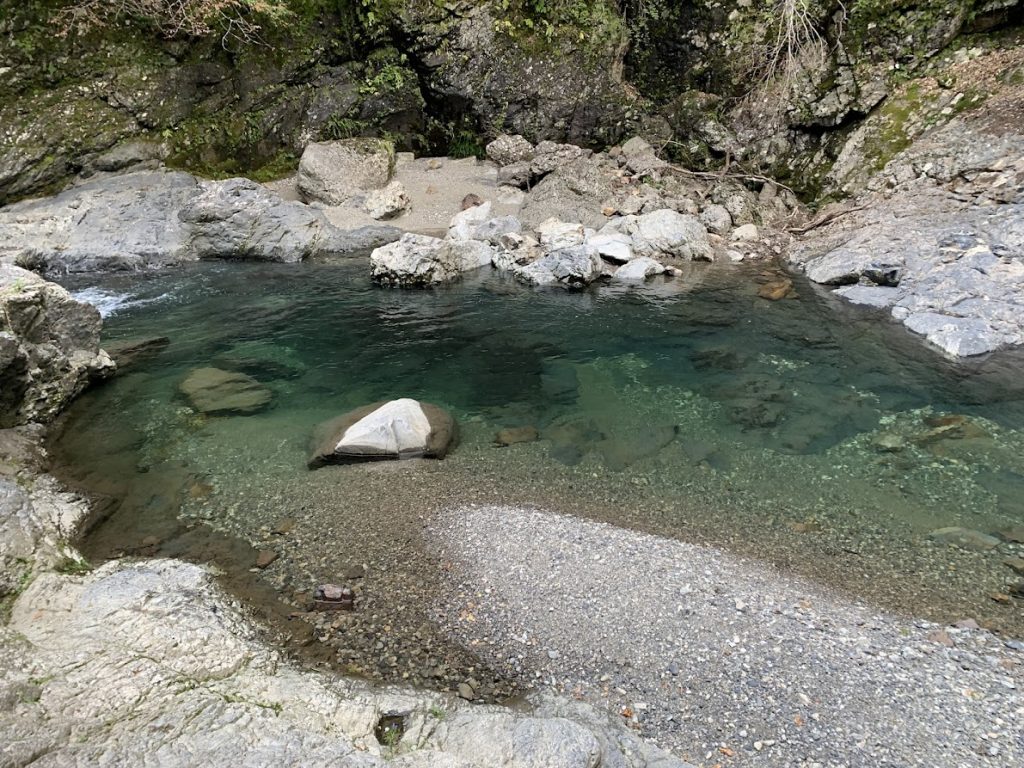
Tamaki Shrine

Main Hall of Tamaki Shrine
Clicking on the photo takes you to the “Tamaki Shrine” page.
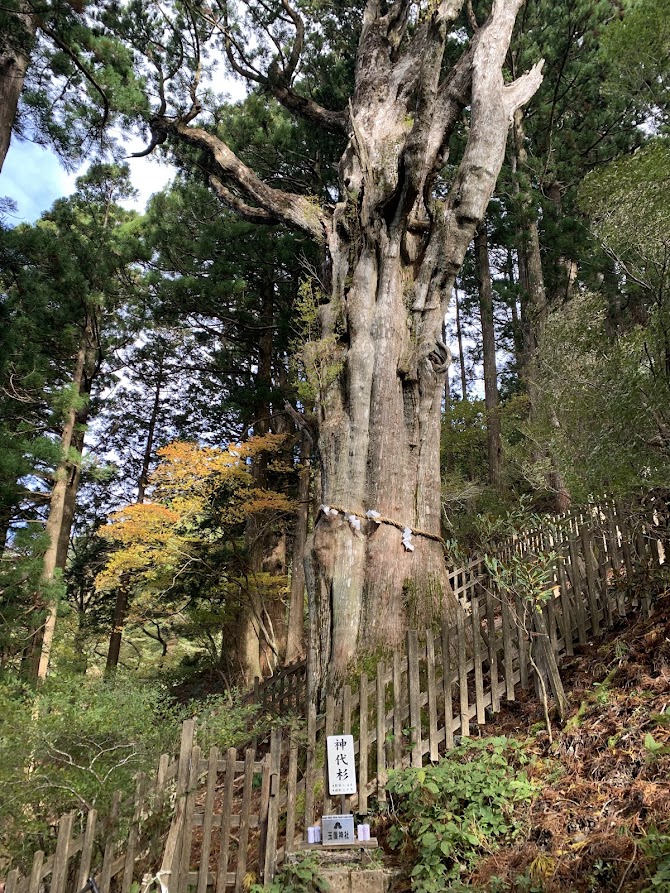
“Kamiyo Sugi” (Ancient Cedar)
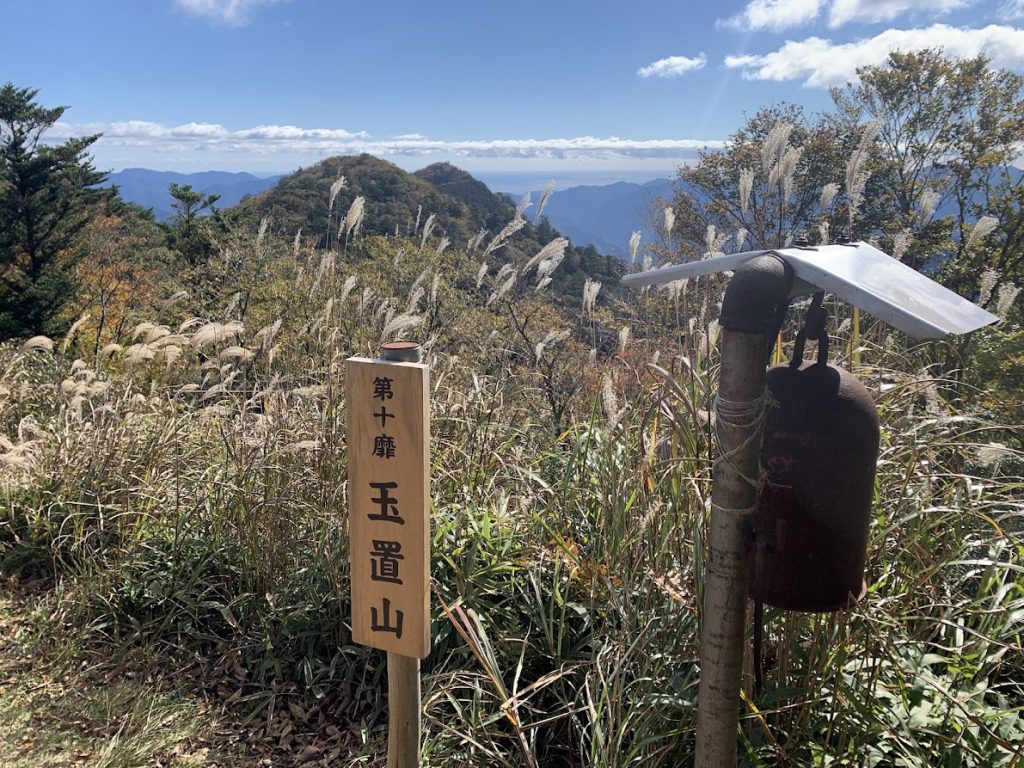
Yaen
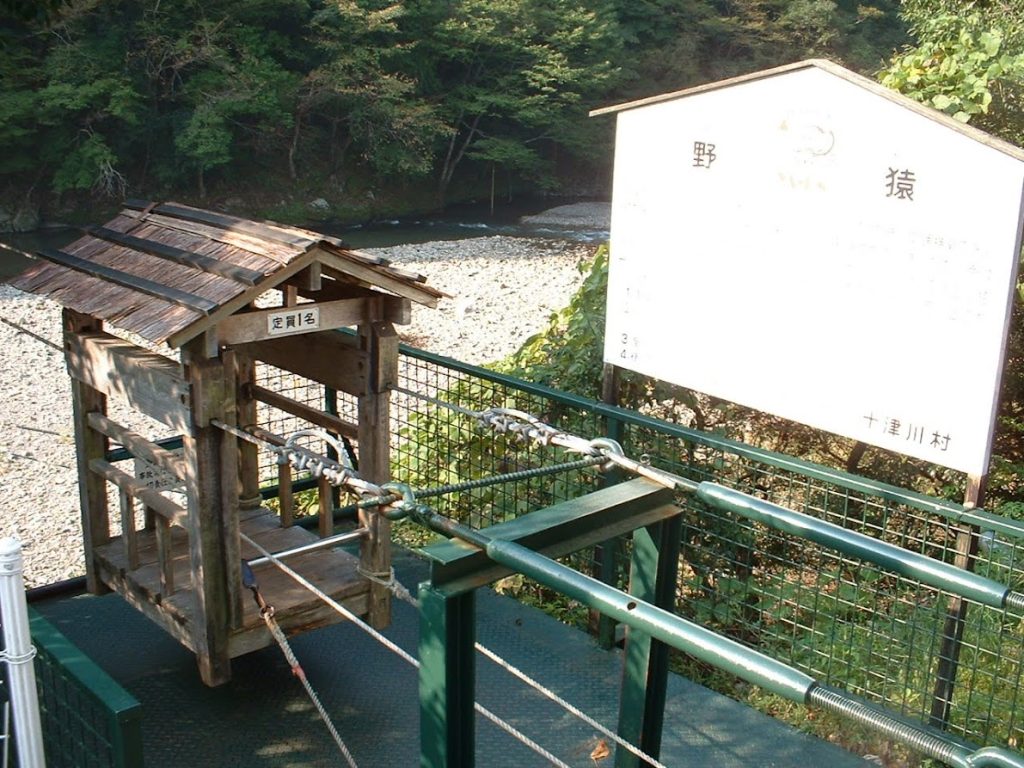
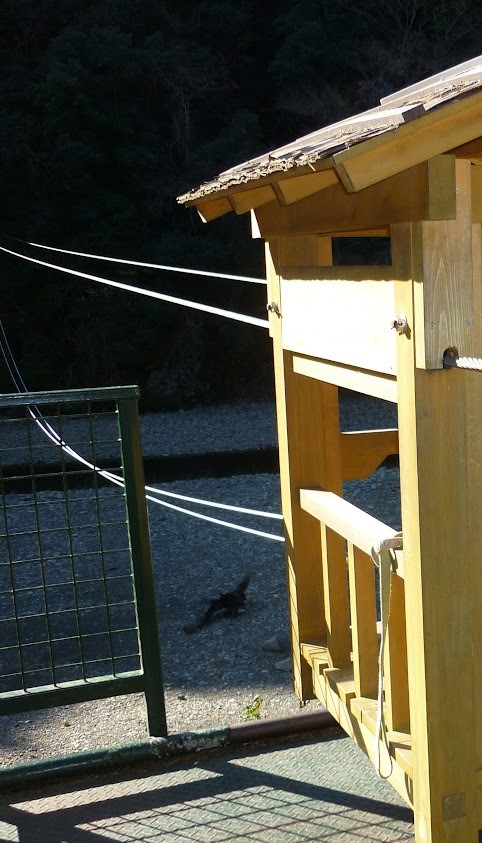
Yaen (meaning ‘wild monkey’) were used to cross the valley. You would enter the structure, pull the rope to move across, and reach the other side.
However, it is currently no longer in use.
Kamiyu Onsen
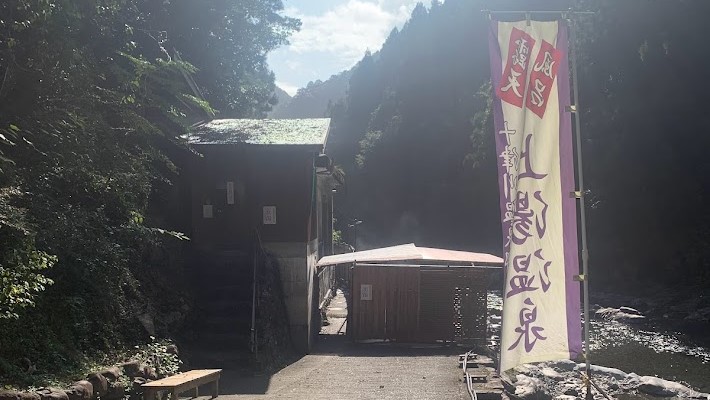
Kamiyu Onsen, a hidden hot spring in Totsukawa, can be reached by following the river upstream from Totsukawa Onsen.
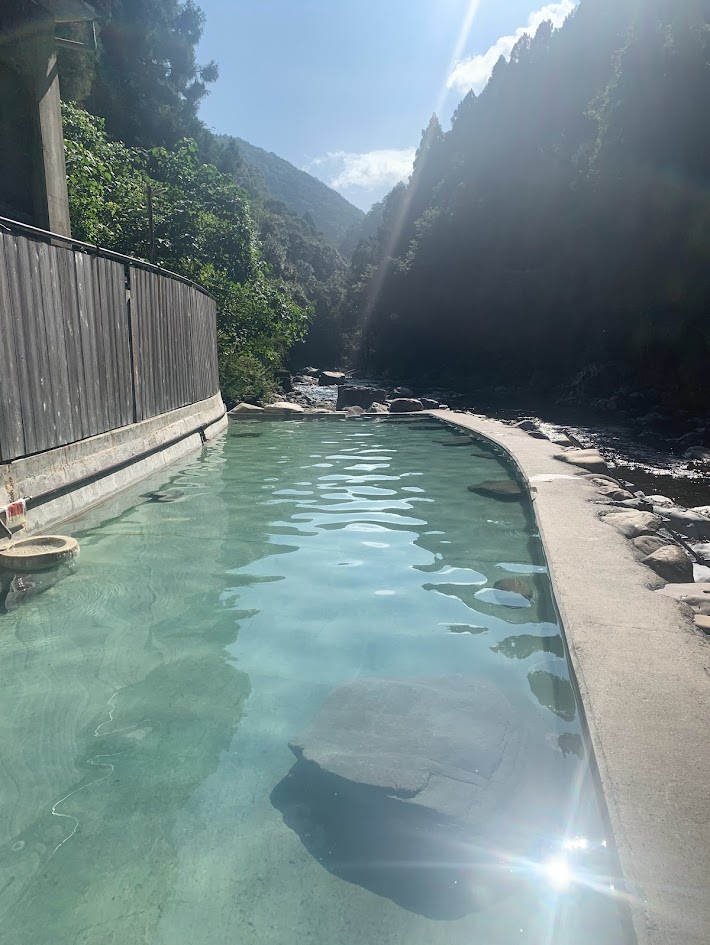
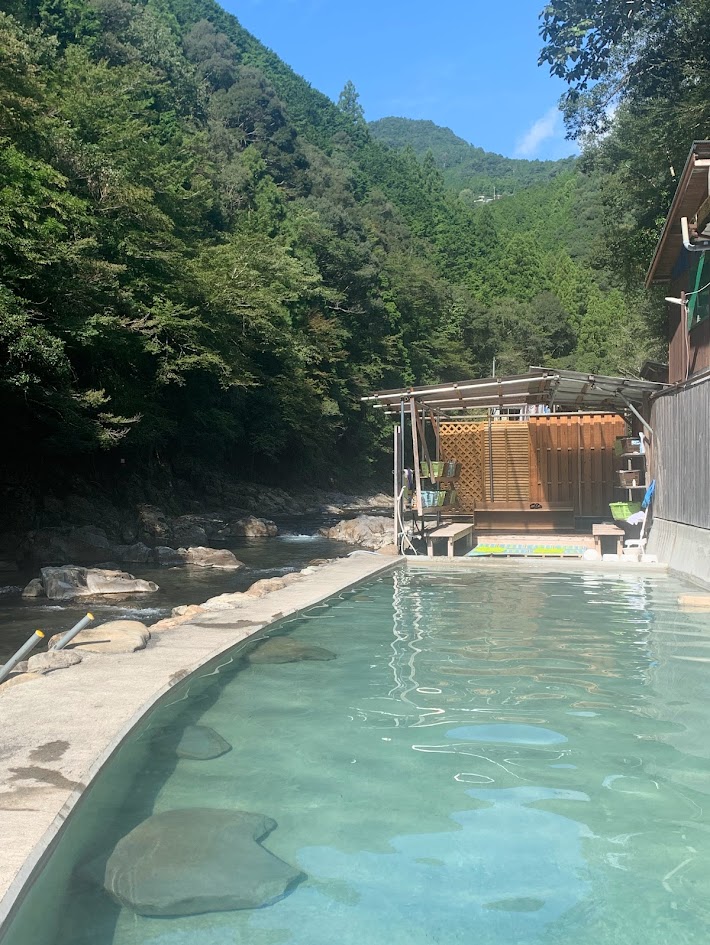
It is located by the riverside.
Hatenashi Settlement
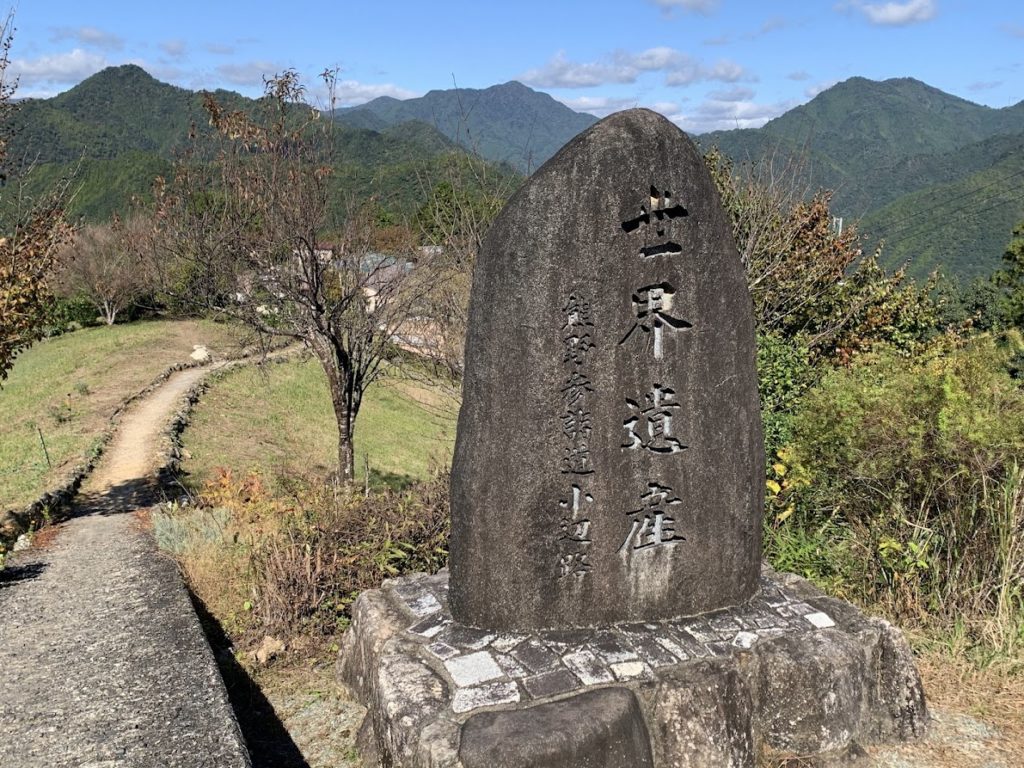
The Hatenashi Settlement is located along the Kohechi, a route of the World Heritage Kumano Kodo pilgrimage trails.
The Kumano Kodo consists of five routes: Kohechi, Nakahechi, Ohechi, Iseji, and Omine Okugake Michi. The Kohechi route stretches from Mount Koya to Kumano Hongu Taisha and was the most commonly used route for pilgrimage during the Edo period.
Although it is the shortest route among those from Kyoto or Osaka, it involves several steep mountain passes.
Similarly, reaching the Hatenashi Settlement requires climbing a rugged path after descending to Totsukawa Onsen. Travelers in the past likely felt a great sense of relief upon finally arriving at this settlement.
Today, the residents of Hatenashi Settlement continue to welcome visitors by decorating the roadsides with flowers and keeping their porches open.
Clicking the photo takes you to the “Hatenashi Settlement” page.
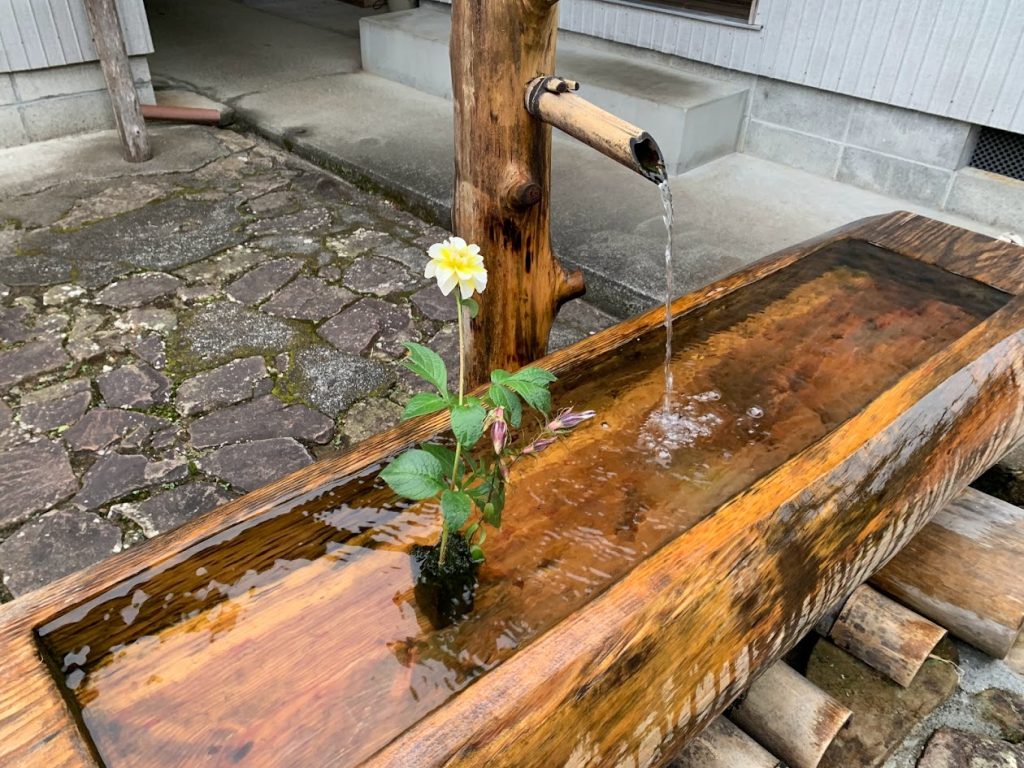
Clicking the photo will take you to the “Hatenashi Settlement” page.
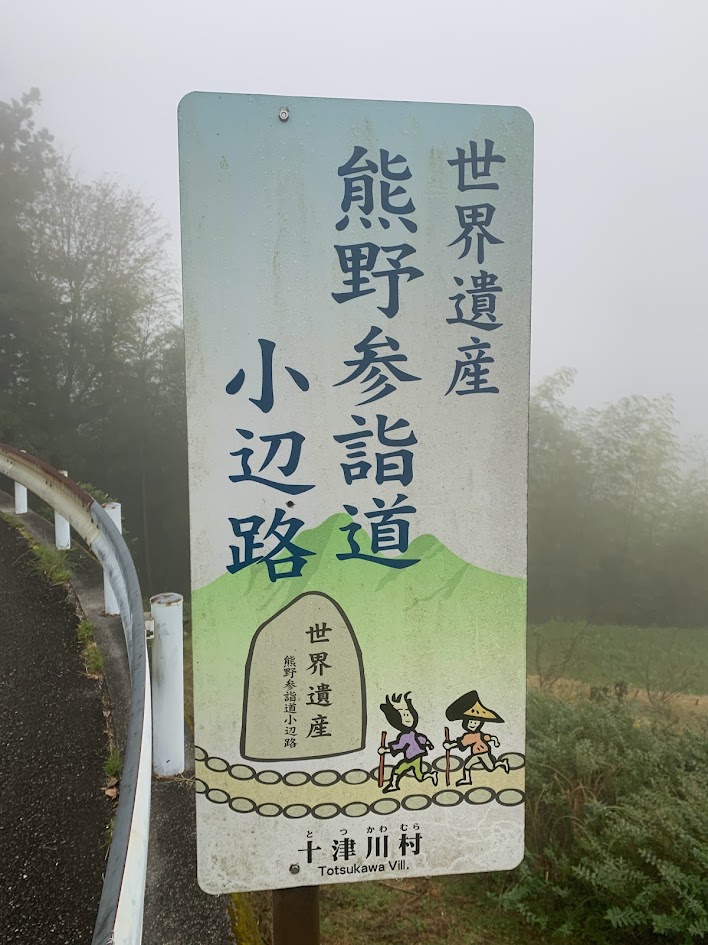
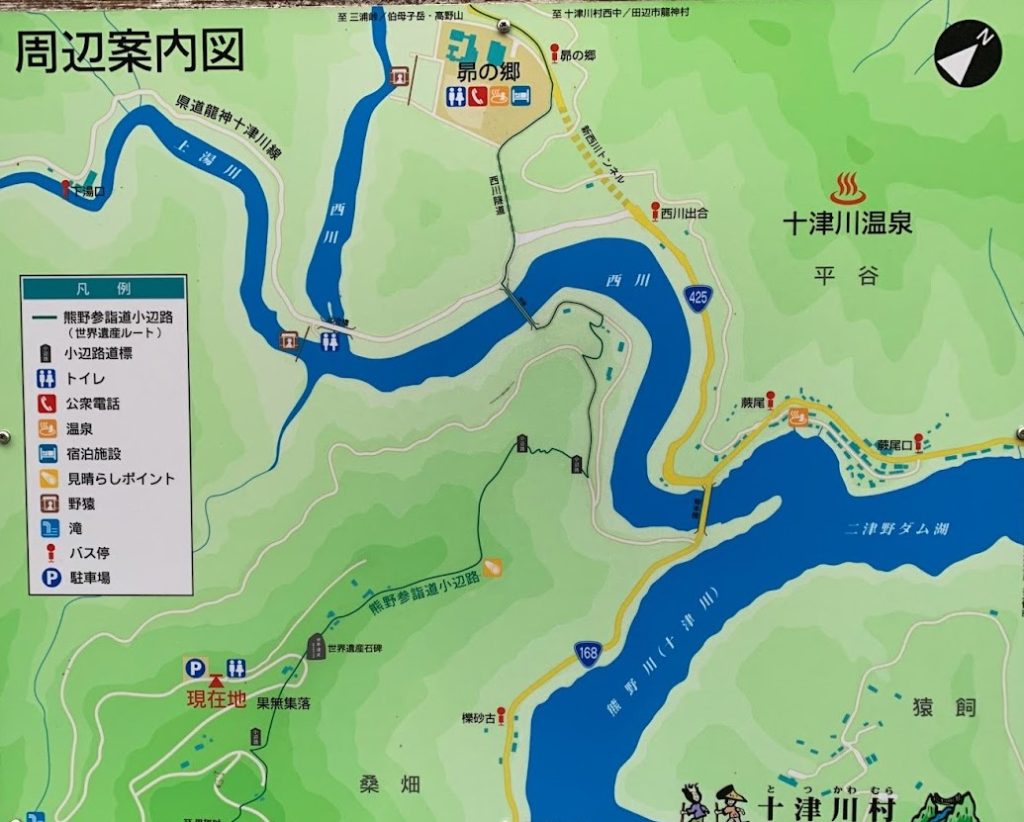
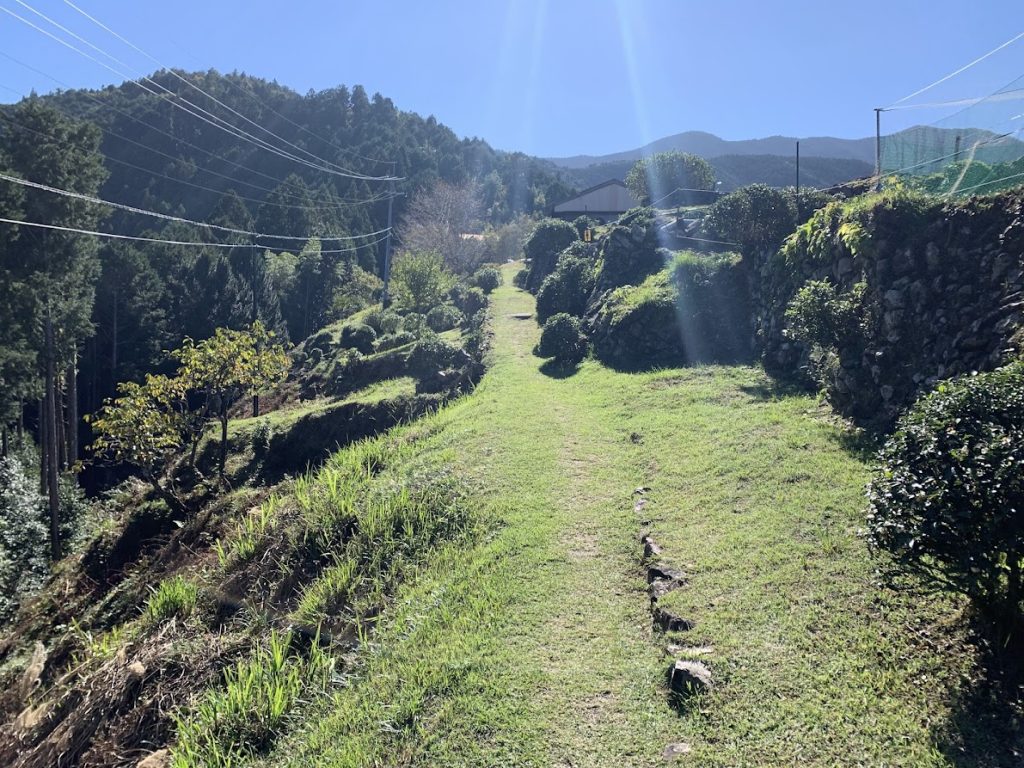
The hatenashi settlement has come into view.
Clicking the photo takes you to the “Hatenashi Settlement” page.
Dorokyo
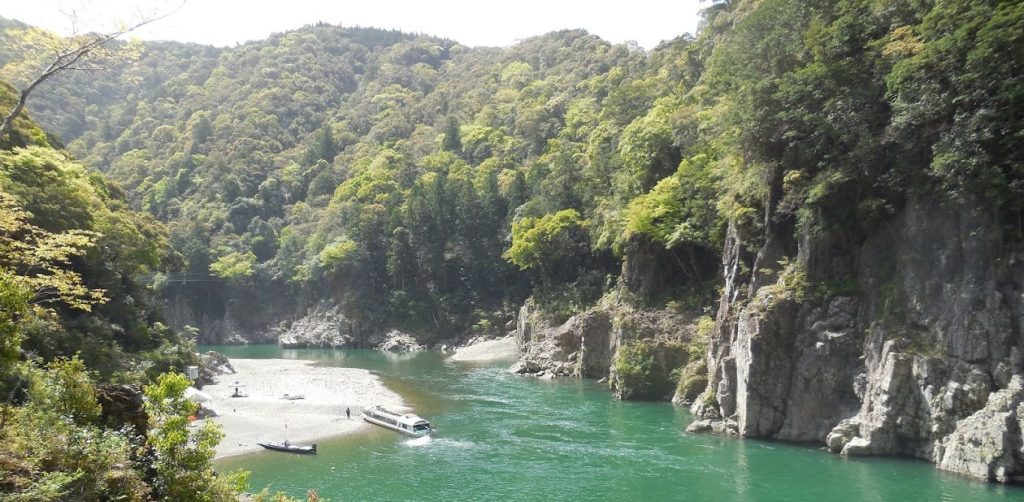
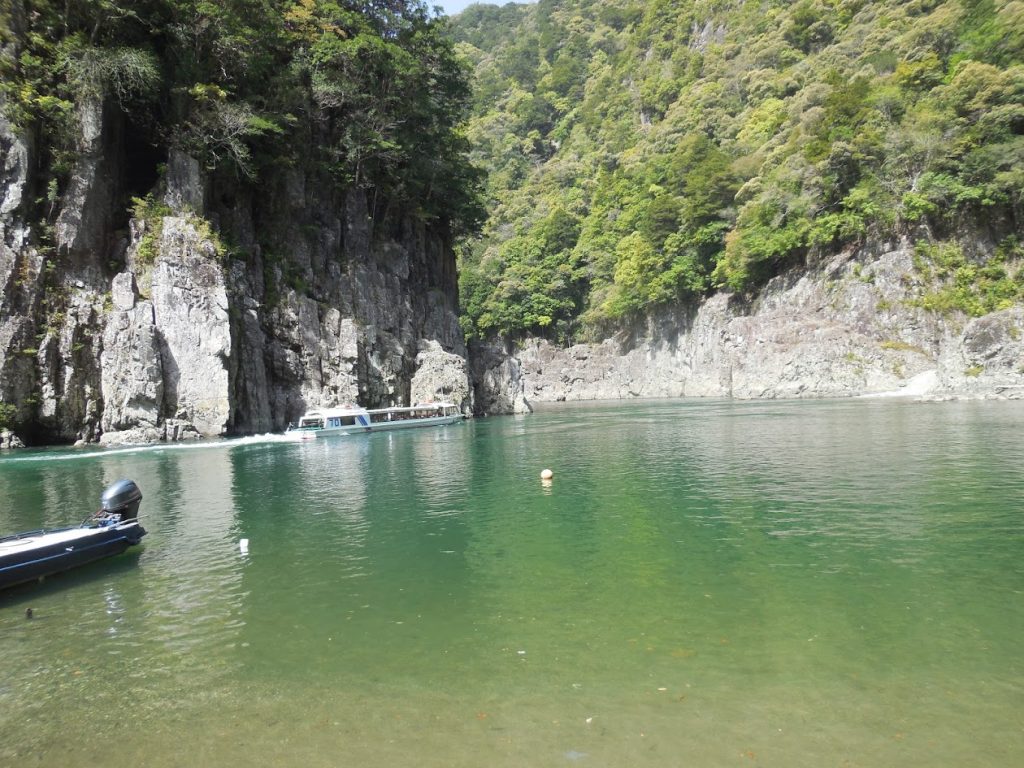
Dorokyo is a large canyon spanning Nara, Mie, and Wakayama prefectures within Yoshino-Kumano National Park.
This area, preserving ancient nature, is known for its beautiful cliffs.
Dorokyo is divided into upper Oku-Doro and lower Shimo-Doro along the Kitayama River. The lower Shimo-Doro, shown in this photo, features massive rocks and unusual stones, and is called “Doro Hatcho.”
Clicking the photo will take you to the “Dorokyo” page.
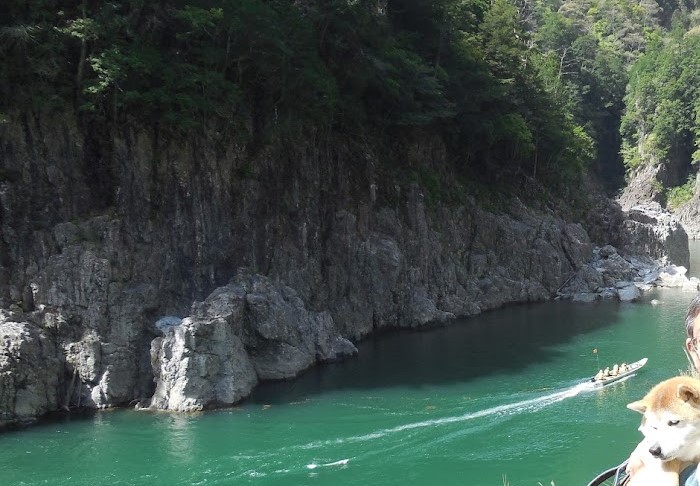
Clicking the photo will take you to the “Dorokyo” page.
コメント