
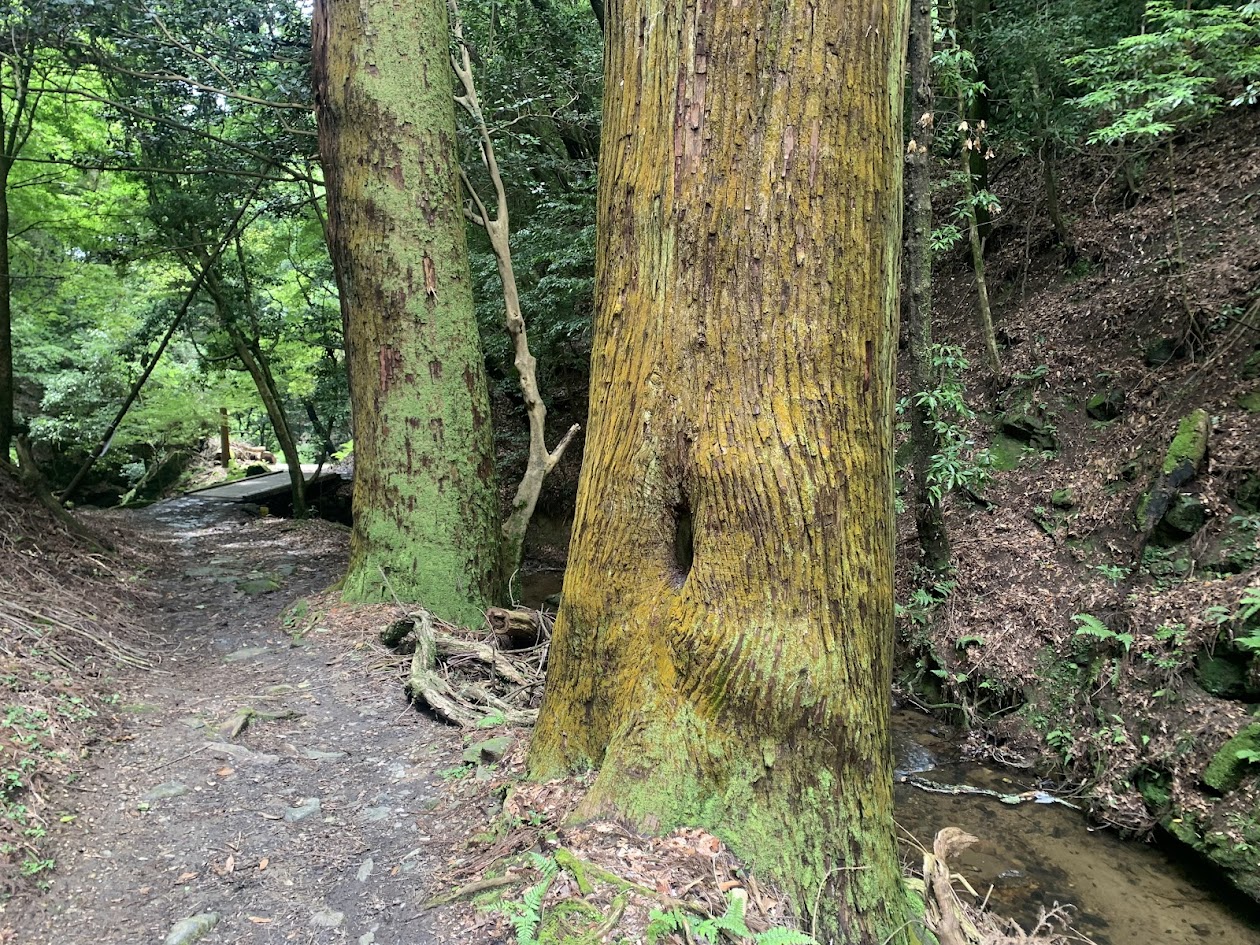
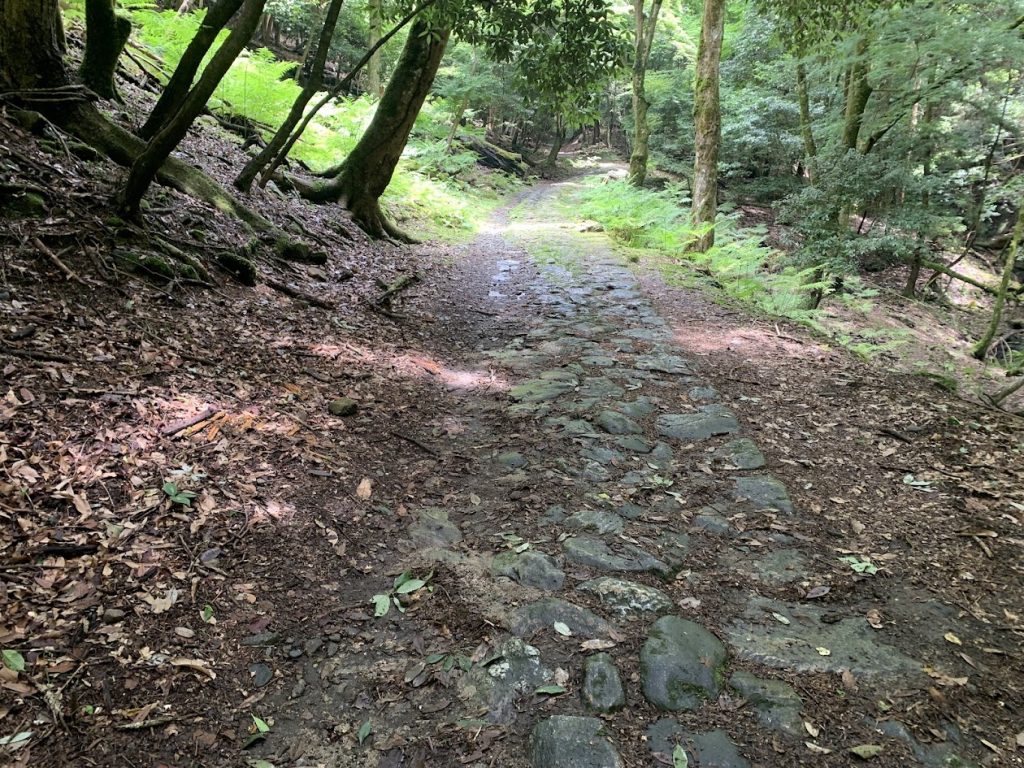
The road to Yagyu is called the “Takisaka Road,” also known as the stone-paved path. The Yagyu clan served as swordsmanship instructors to the Tokugawa shogunate, and many master swordsmen sought out Yagyu to learn their techniques.
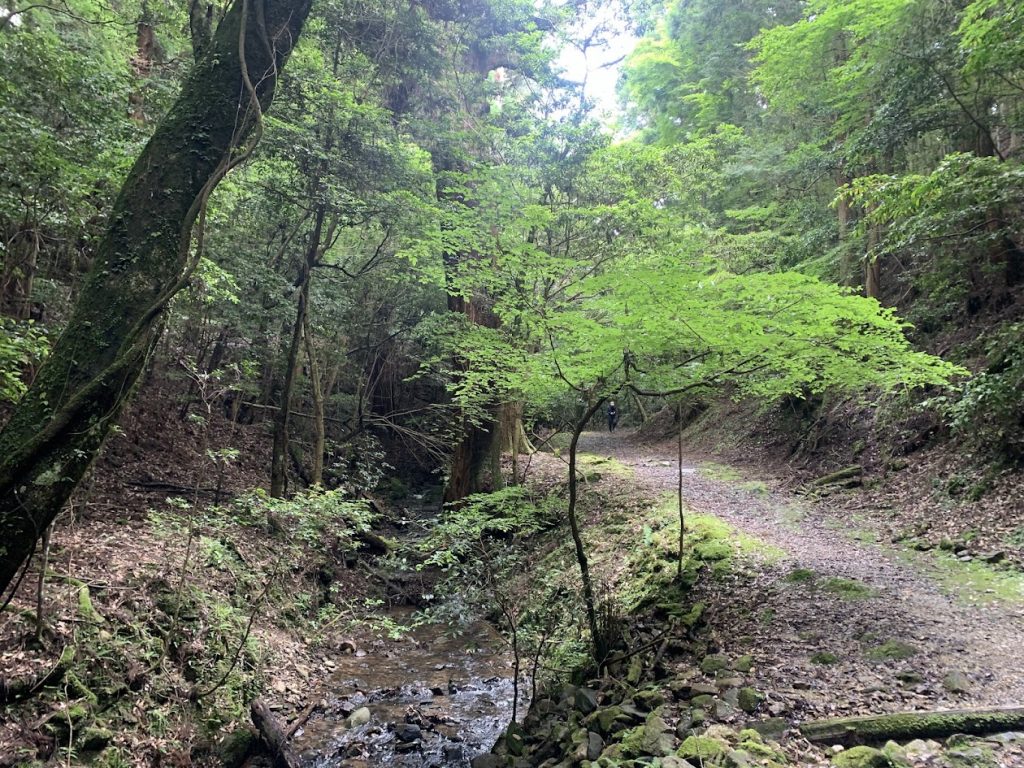
The path climbs steadily, passing through the southern edge of the Kasugayama Primeval Forest.
(Here, we will explain the round-trip course from the base to the pass along the way.)

From Nara to the Mountain Pass
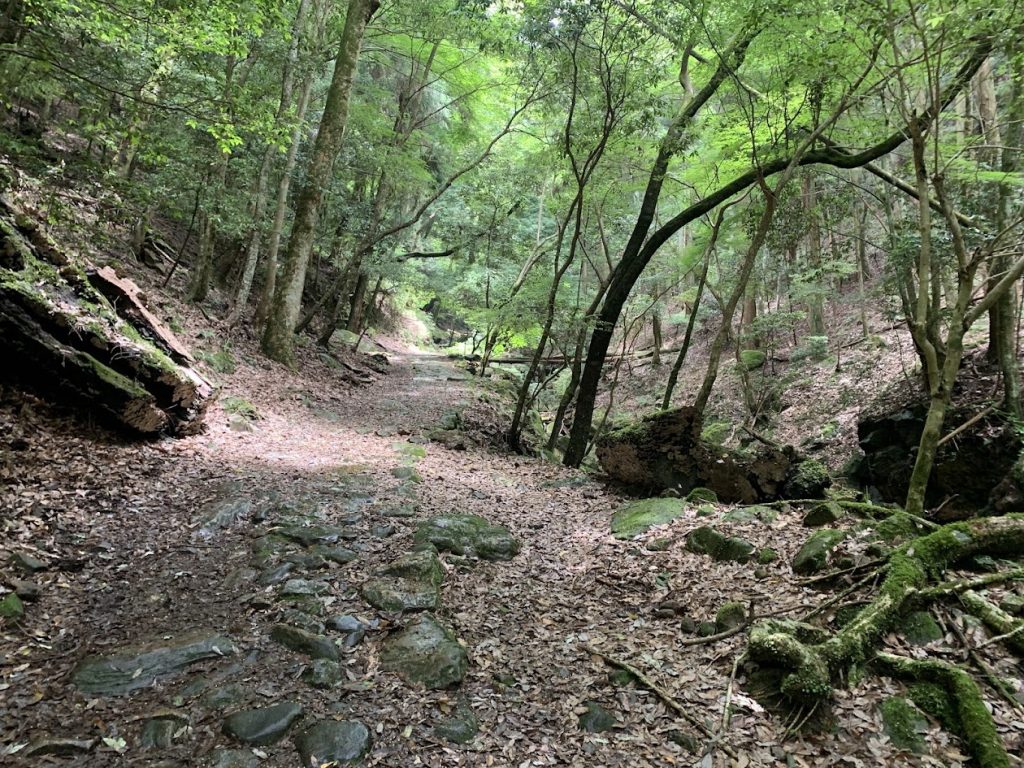
Takisaka no Michi (Yagyu Road)
Yagyu is located in the eastern part of Nara City. Although the Yagyu domain was small, it long served as the swordsmanship instructor for the shogunate. Many sword masters traveled this road to Yagyu in search of the Yagyu Shinkage-ryu style of swordsmanship, known as the “sword of peace that preserves life.”
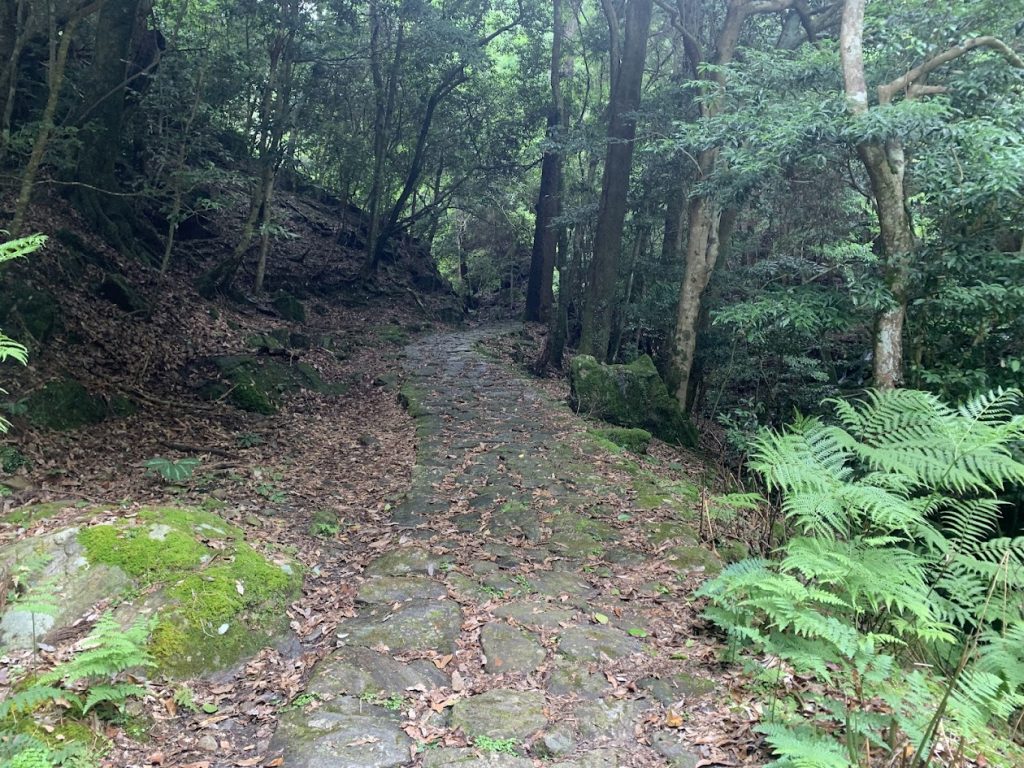
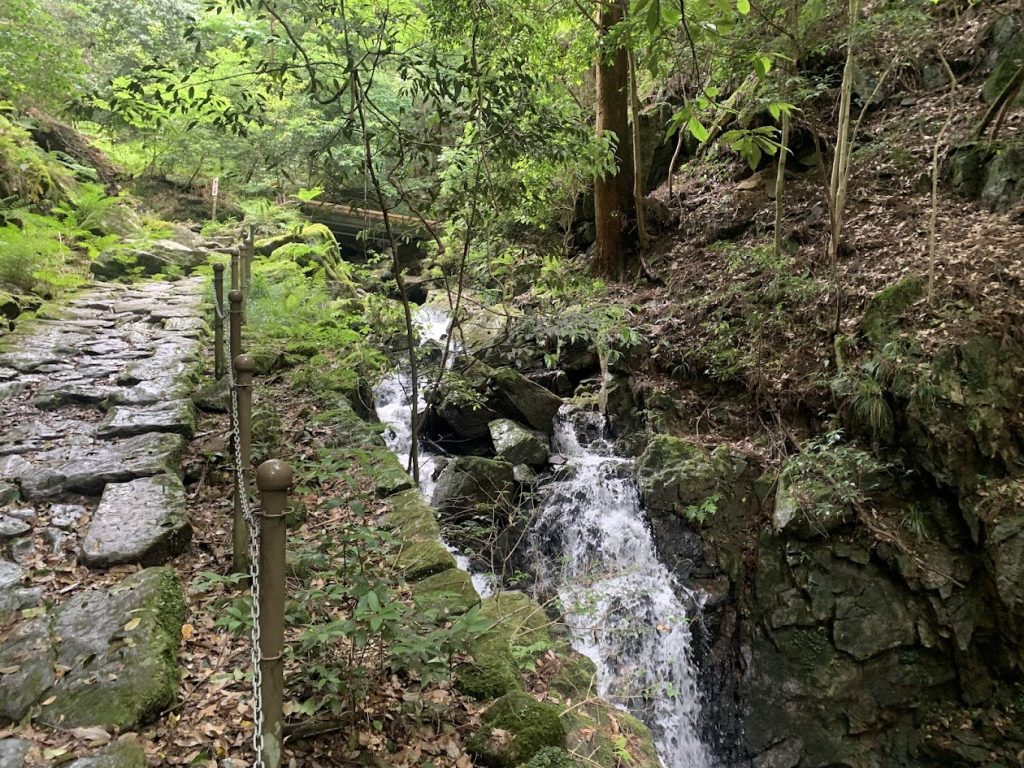
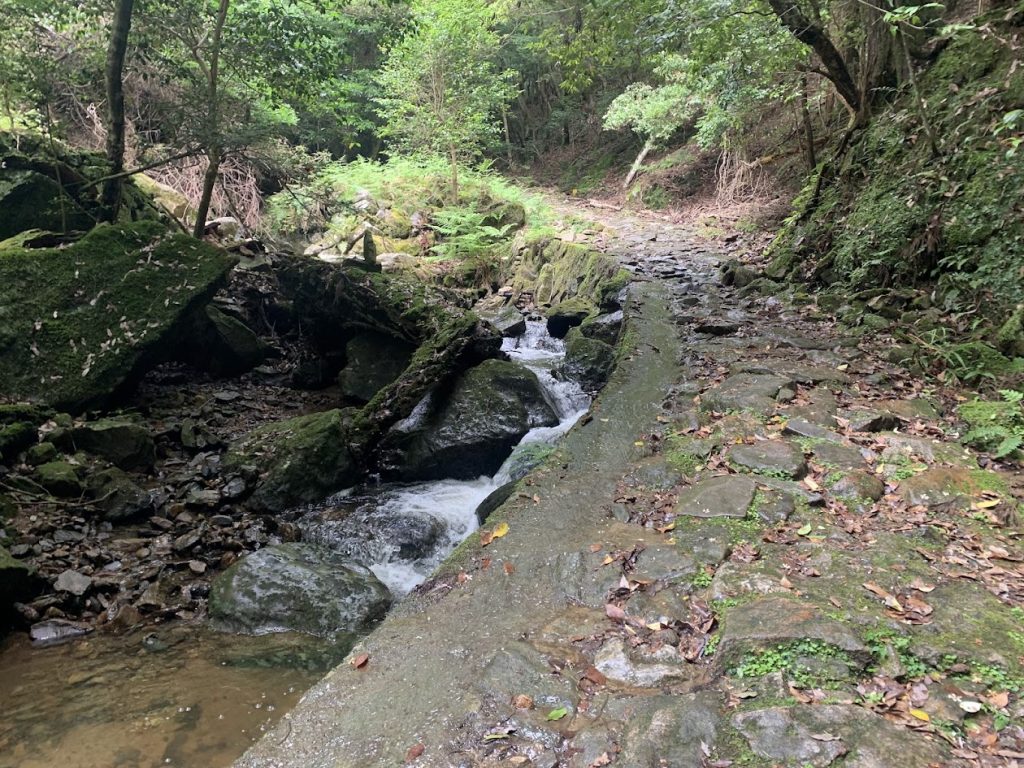
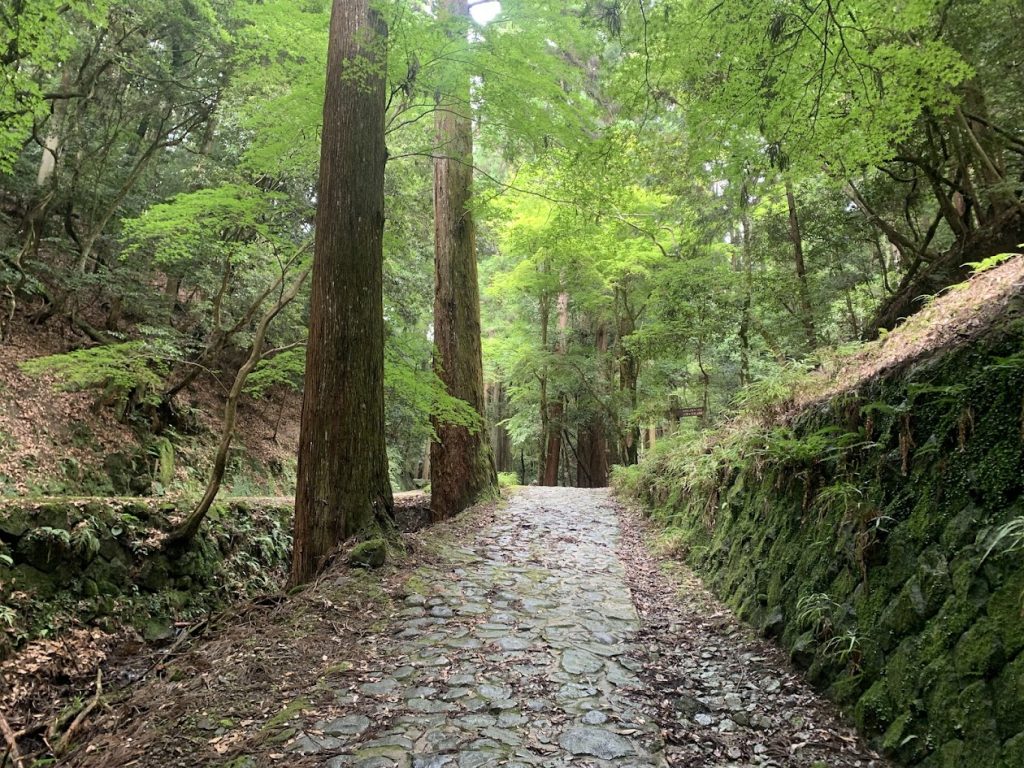
This road, also referred to as the stone-paved road, is lined with cobblestones throughout.
It starts south of Nara Park, continues through the southern edge of the Kasuga Mountain Primeval Forest, and ascends to the mountain pass.
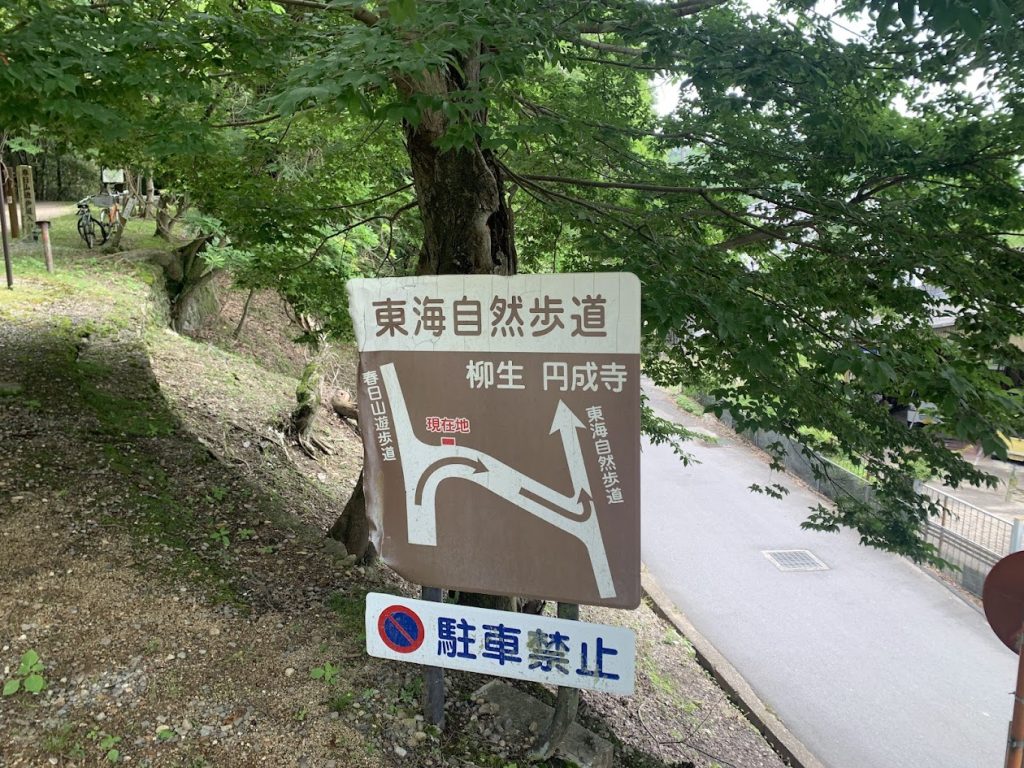
To reach the entrance, walk east from the “Wariishi” bus stop on the city loop line towards the mountain.
Alternatively, you can access the entrance by taking a small path south from the main hall of Kasuga Taisha Shrine to the junction.
The trail is part of the Tokai Nature Trail, so following the trail markers will help guide you.
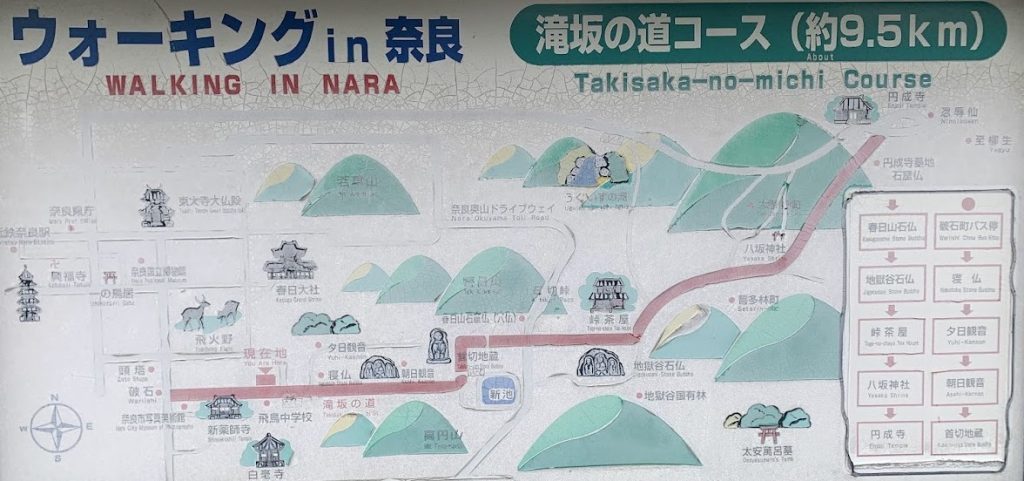
Course Map to Ensho-ji Temple
Yagyu is located 9 kilometers beyond Ensho-ji Temple.

Near the Entrance
The path here is not yet steep.
From here, the road becomes a stone-paved path.
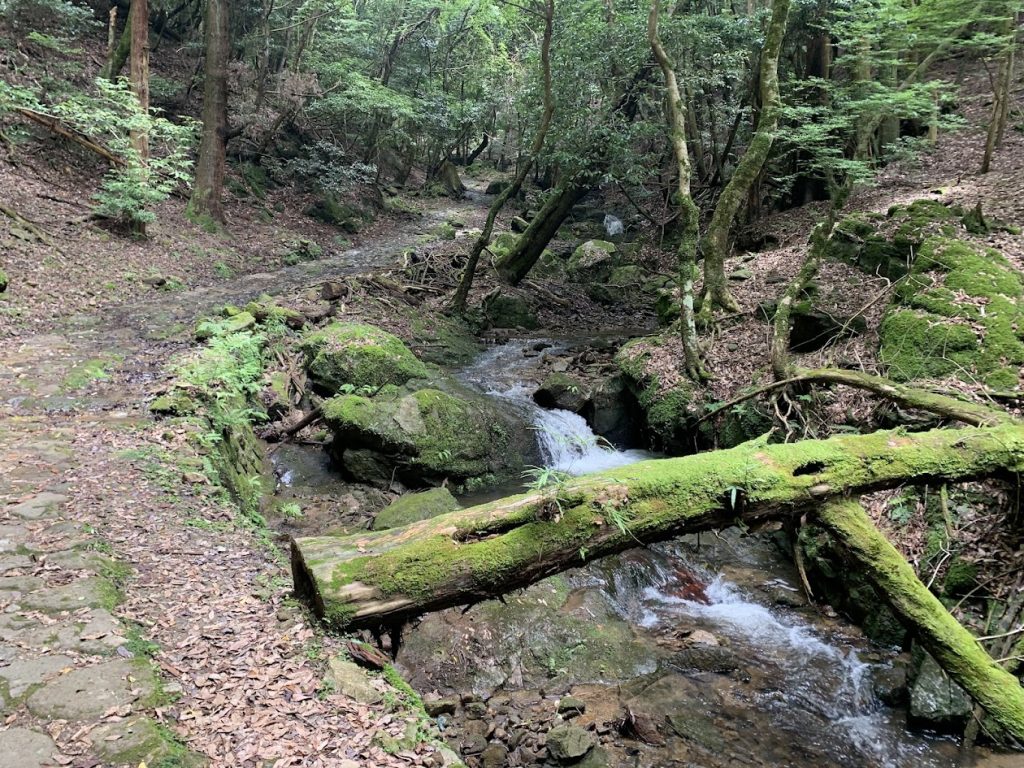
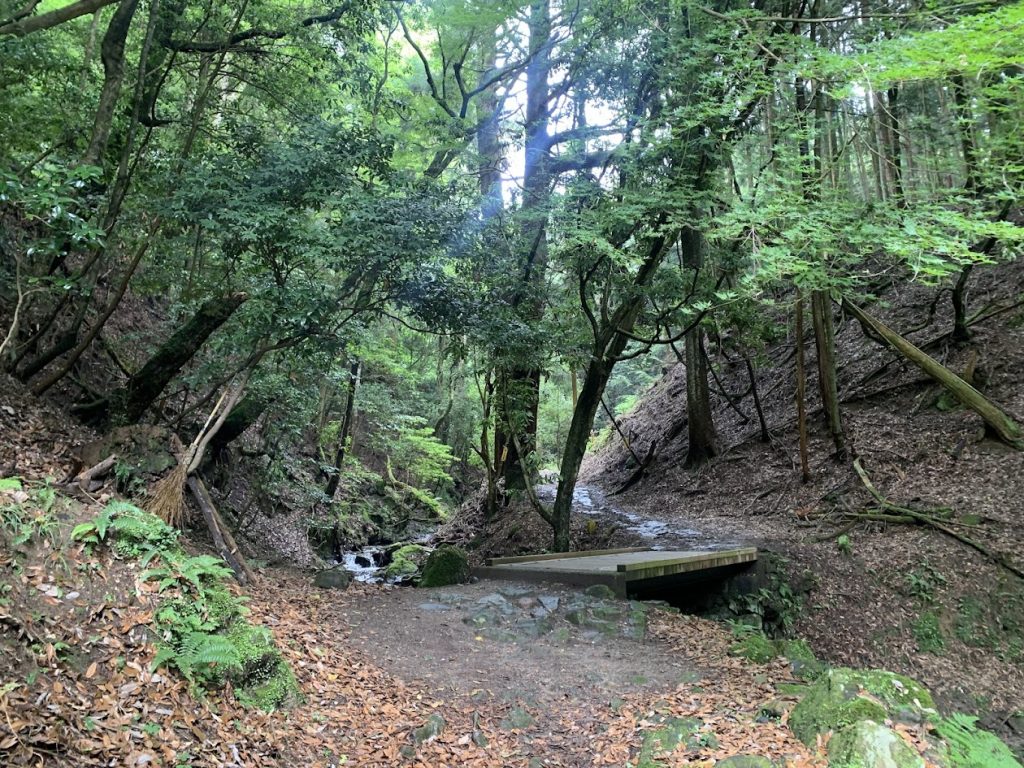
You will climb along the Noto River.
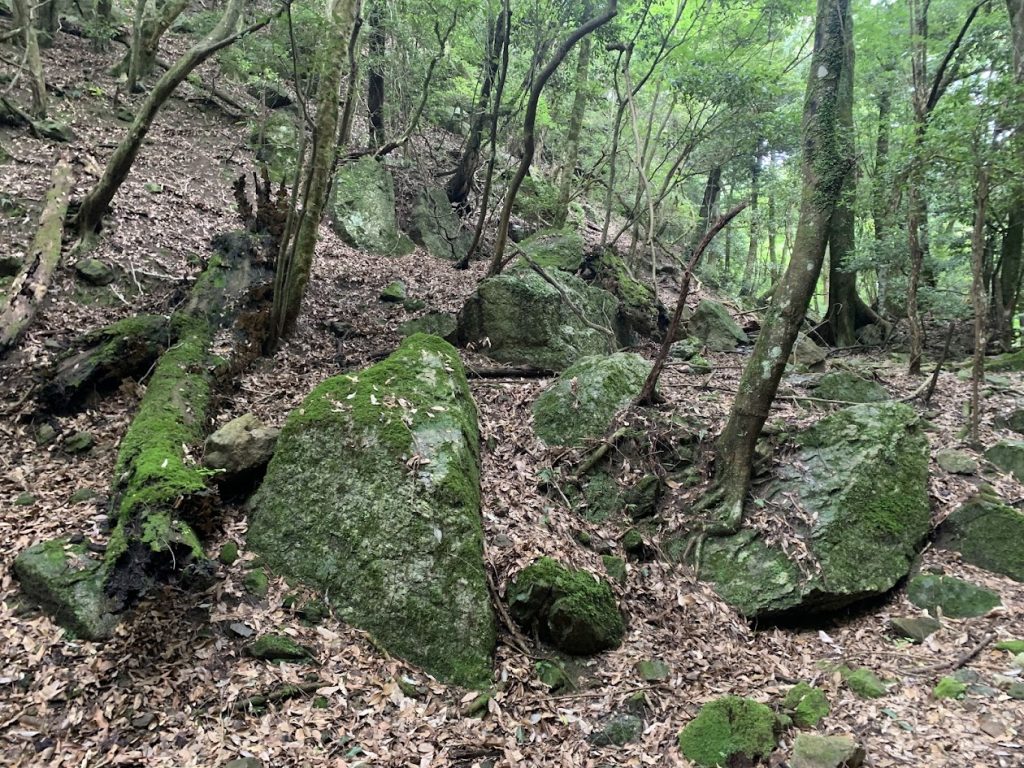
On the left is the UNESCO World Heritage site of Kasugayama Primeval Forest, and on the right is Mount Takamado-yama.


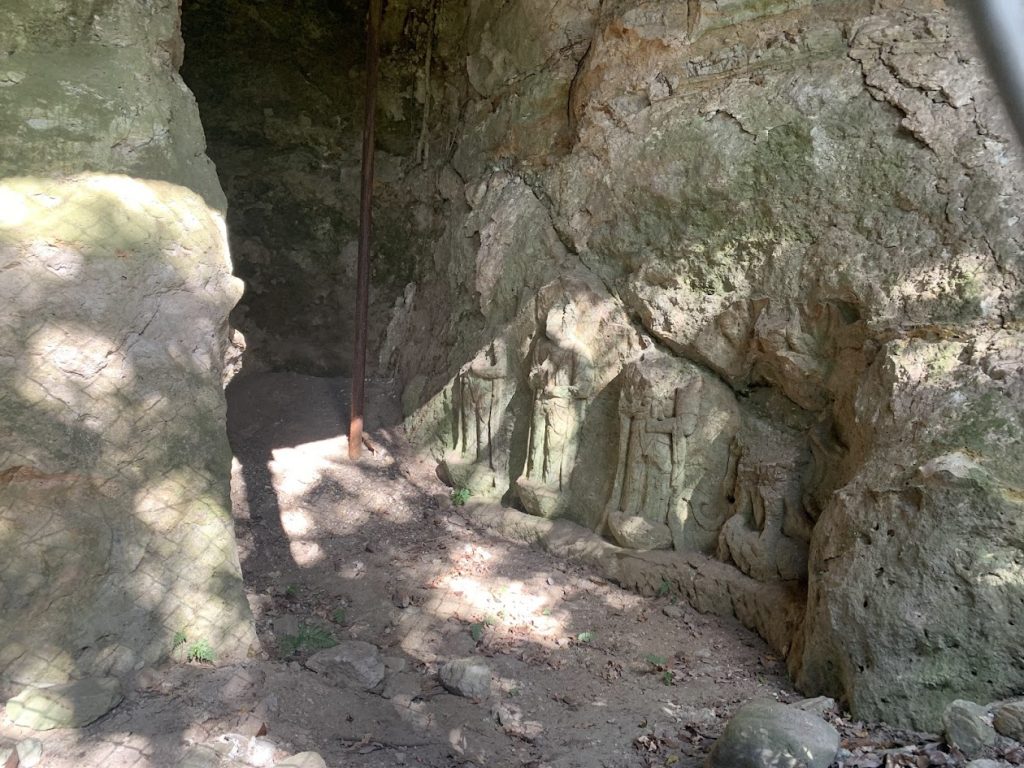
Sunset Kannon
This cliff carving of the Stone Buddha, dating back to the Kamakura period, is beautifully illuminated by the setting sun.
It is viewed by looking up from the path.

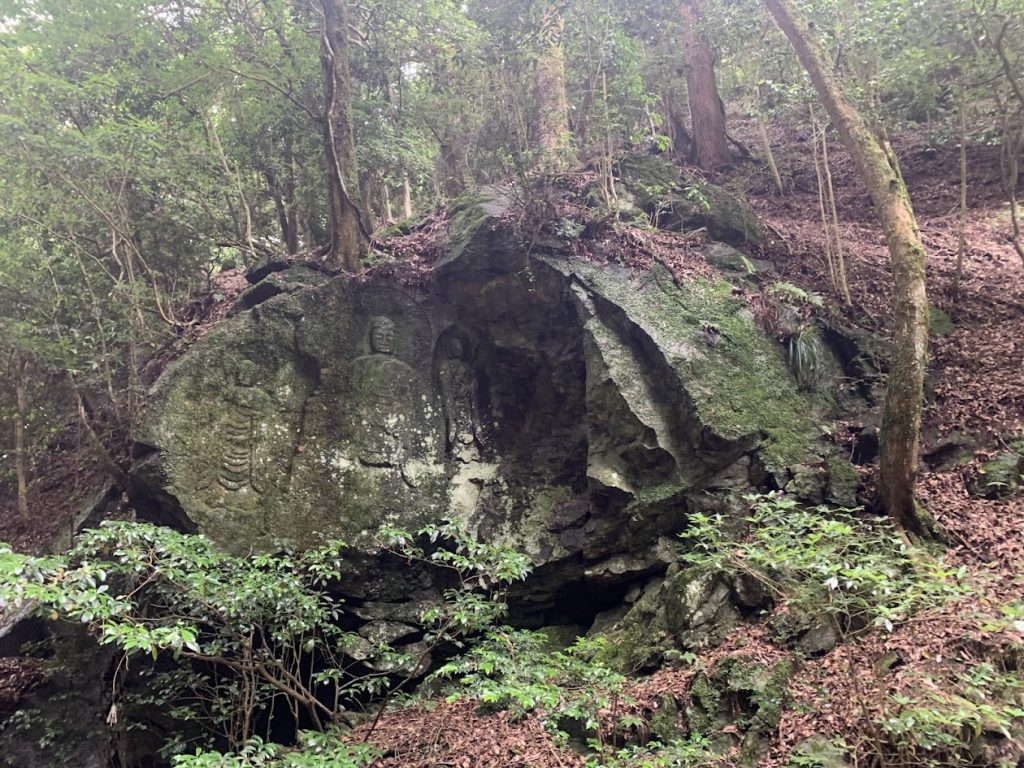
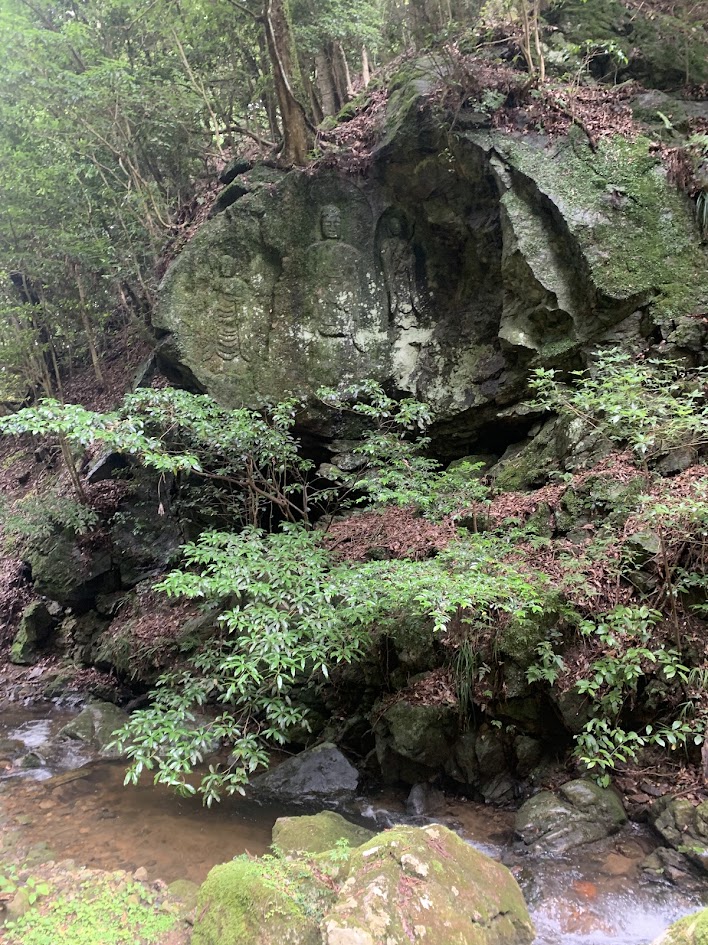
Morning Sun Kannon
This name comes from the fact that the statue is first illuminated by the morning sun at dawn.
The stone carving is inscribed with a date of 1265.
Since the Mongol invasions occurred in 1274, this carving was made nine years before that.
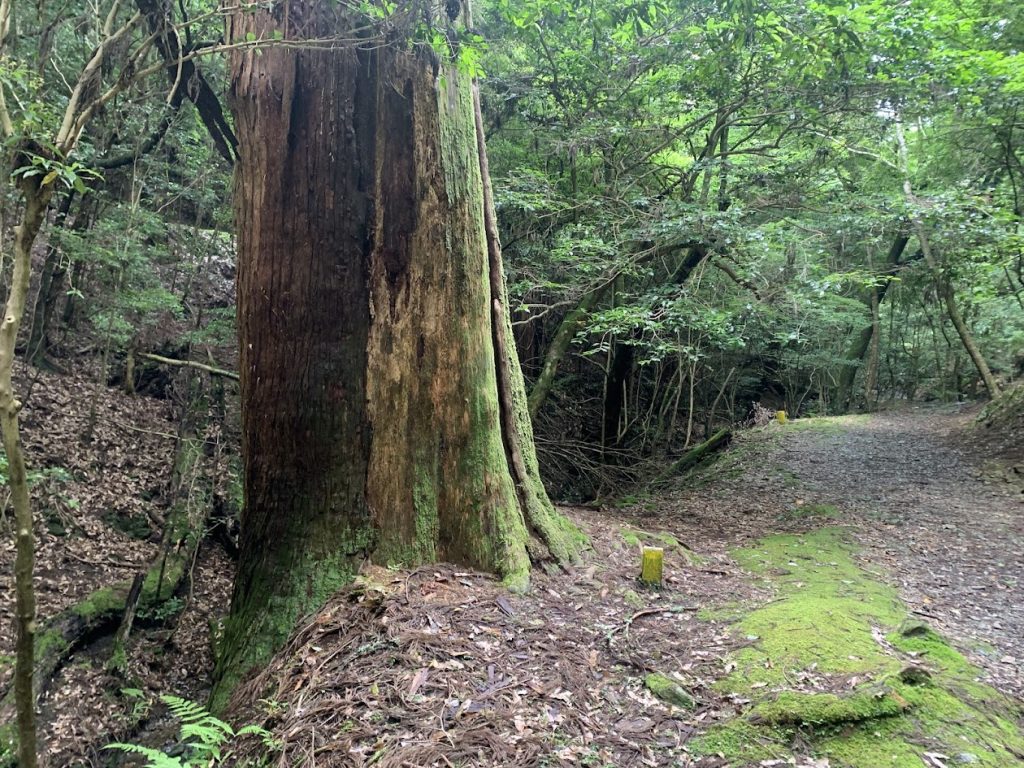
There are several large trees along the roadside.


From Ninnikusen Enjo-ji Temple to the Mountain Pass
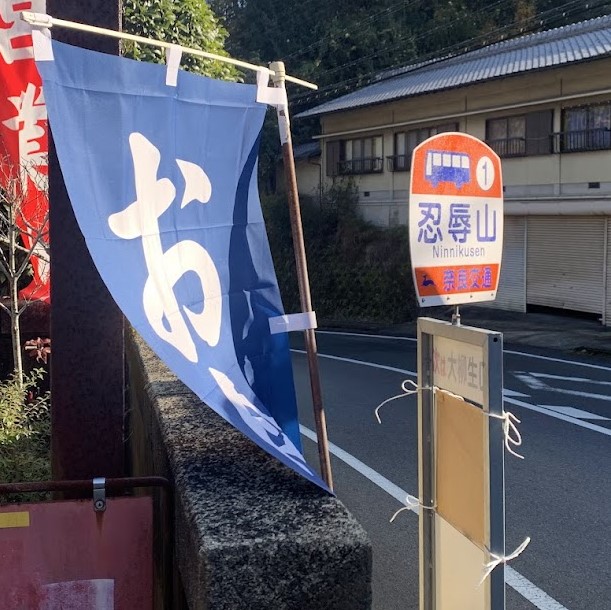
Ninnikusen Bus Stop
Enjo-ji Temple is located right next to this stop. Please note that buses from JR Nara Station and Kintetsu Nara Station are limited, so it’s best to check the timetable in advance.
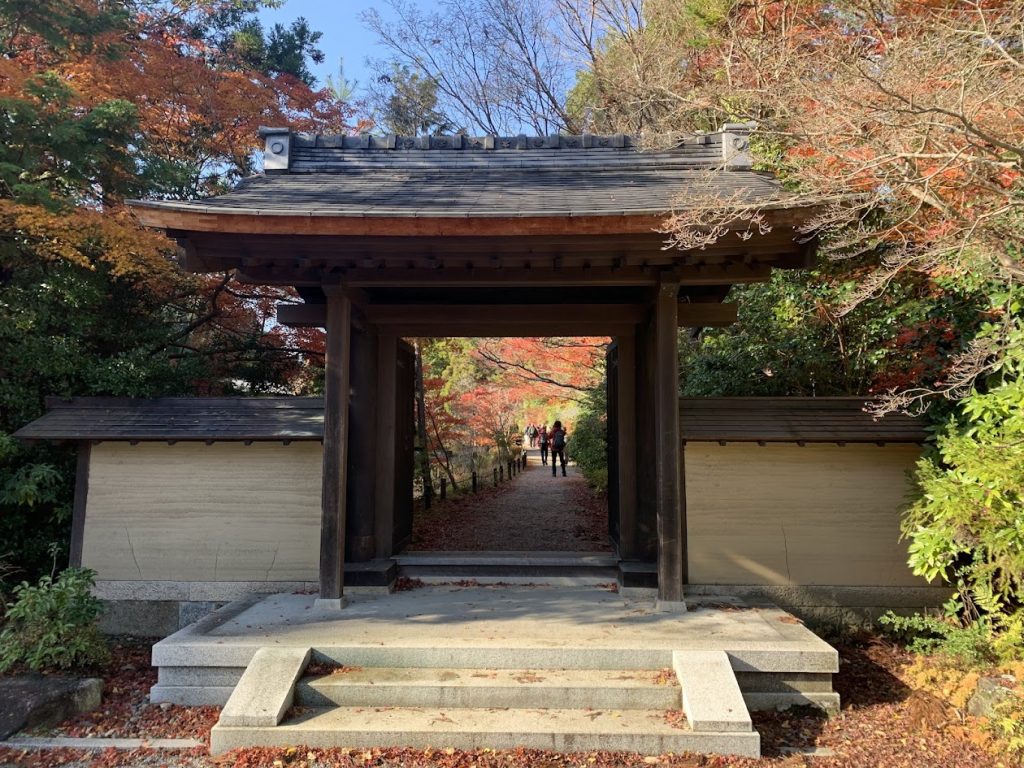
Entrance to Enjo-ji Temple
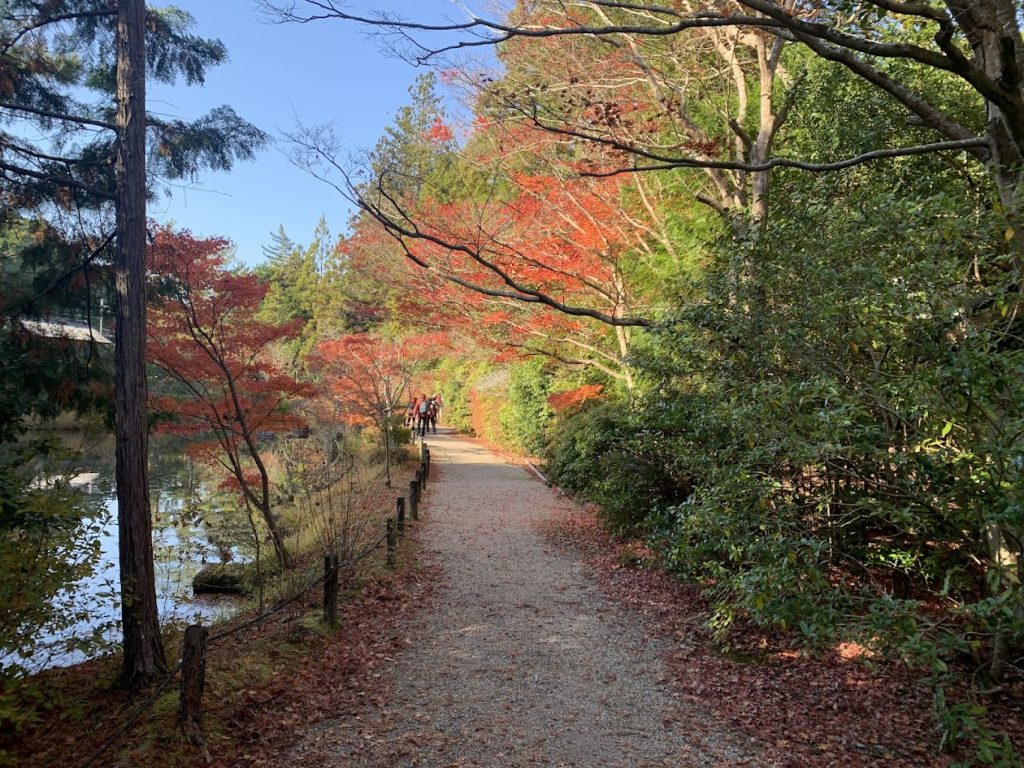
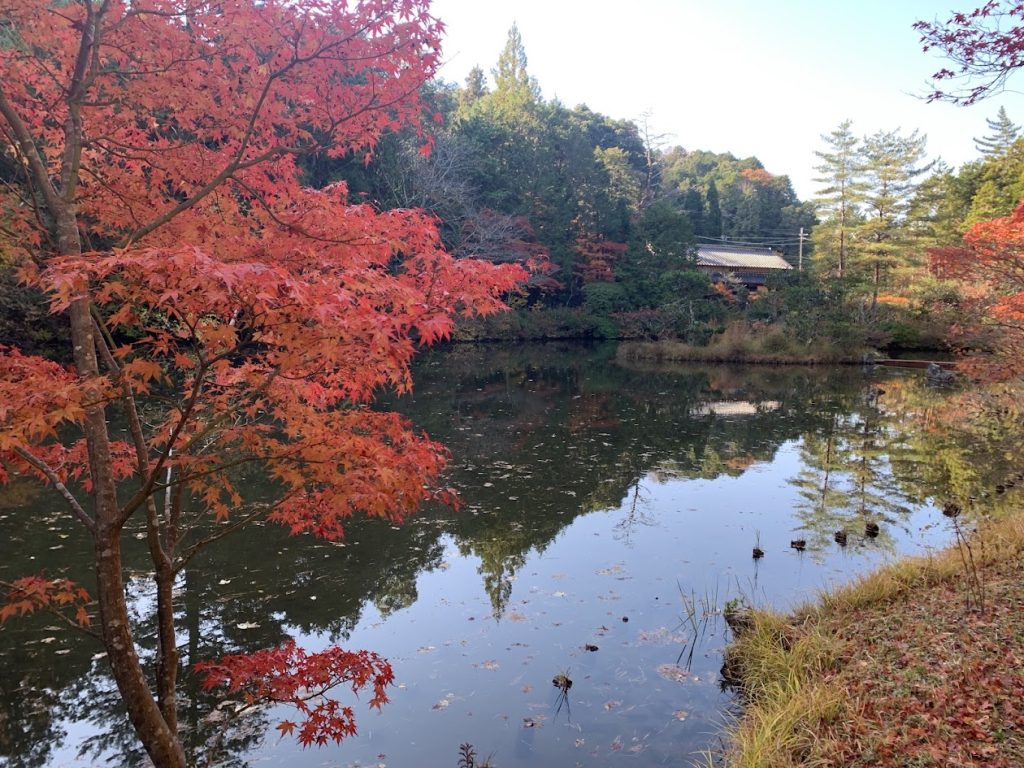
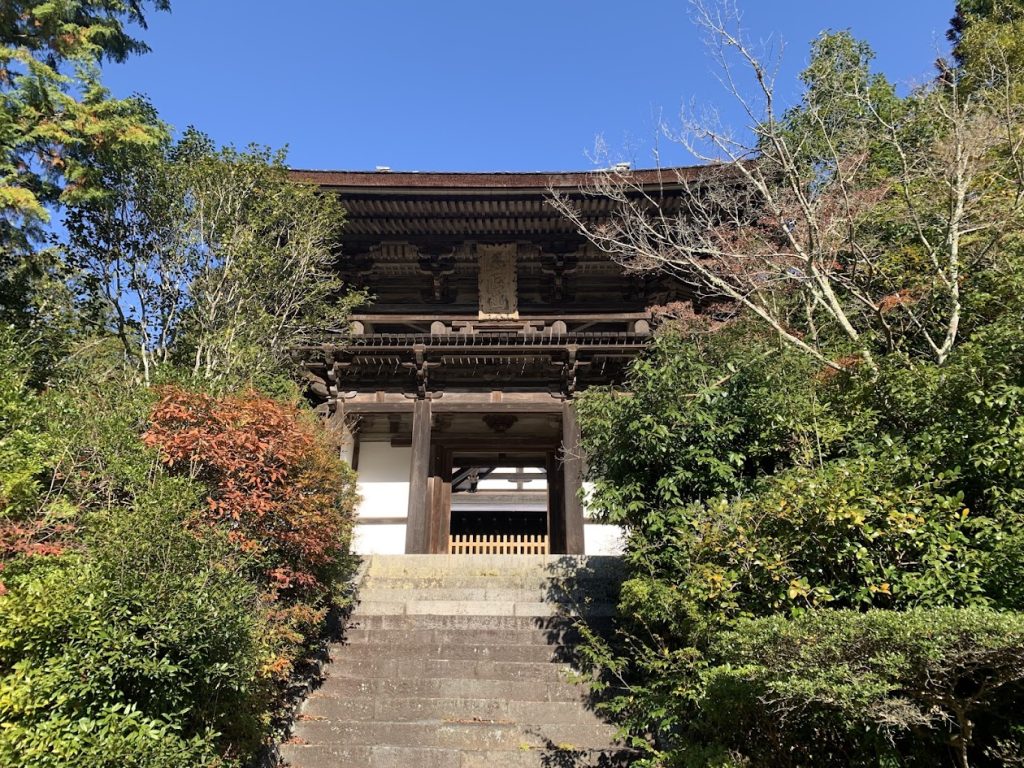
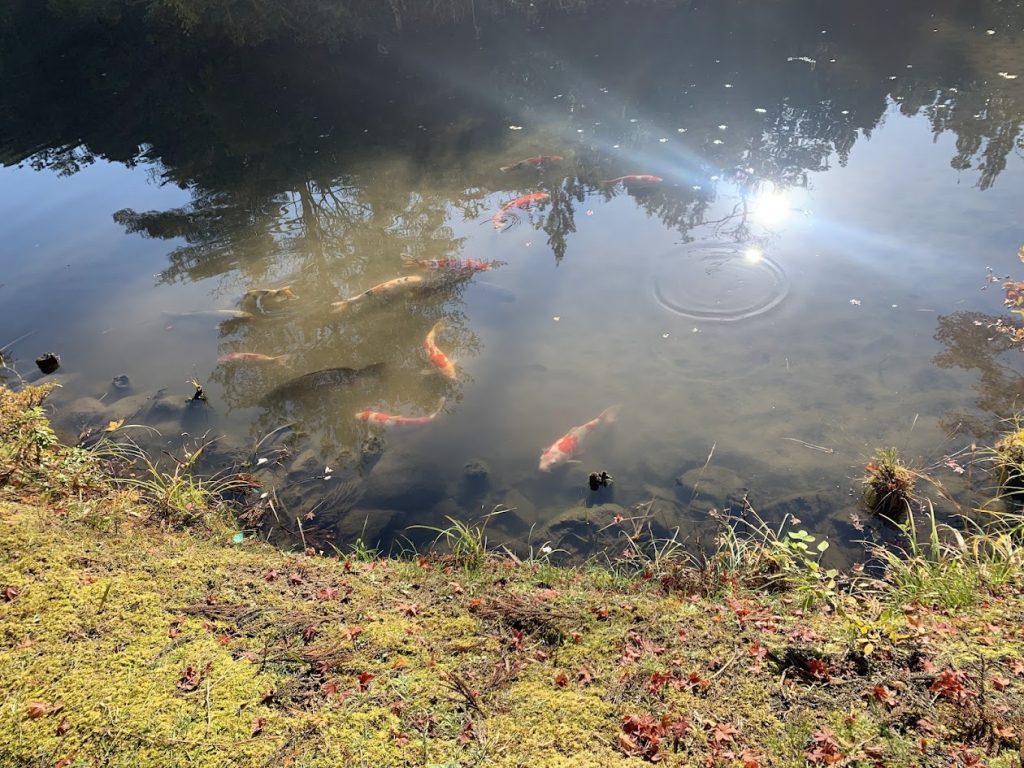
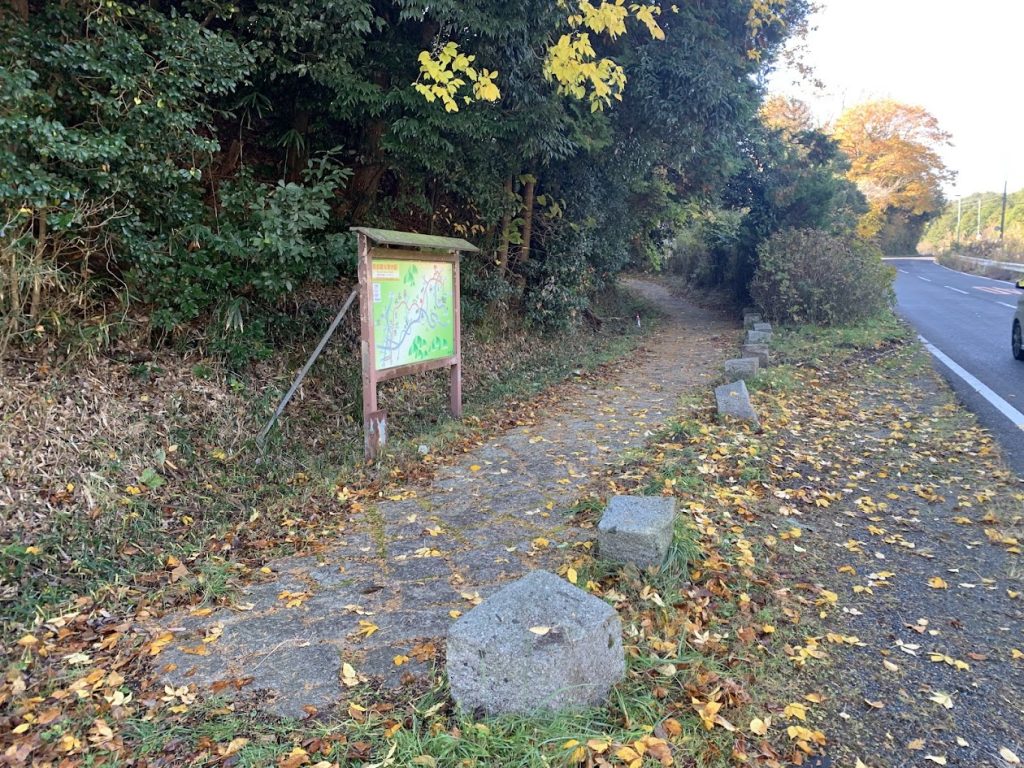
Entrance to the Yagyu-kaido Road from Enjo-ji Temple
Heading toward Nara

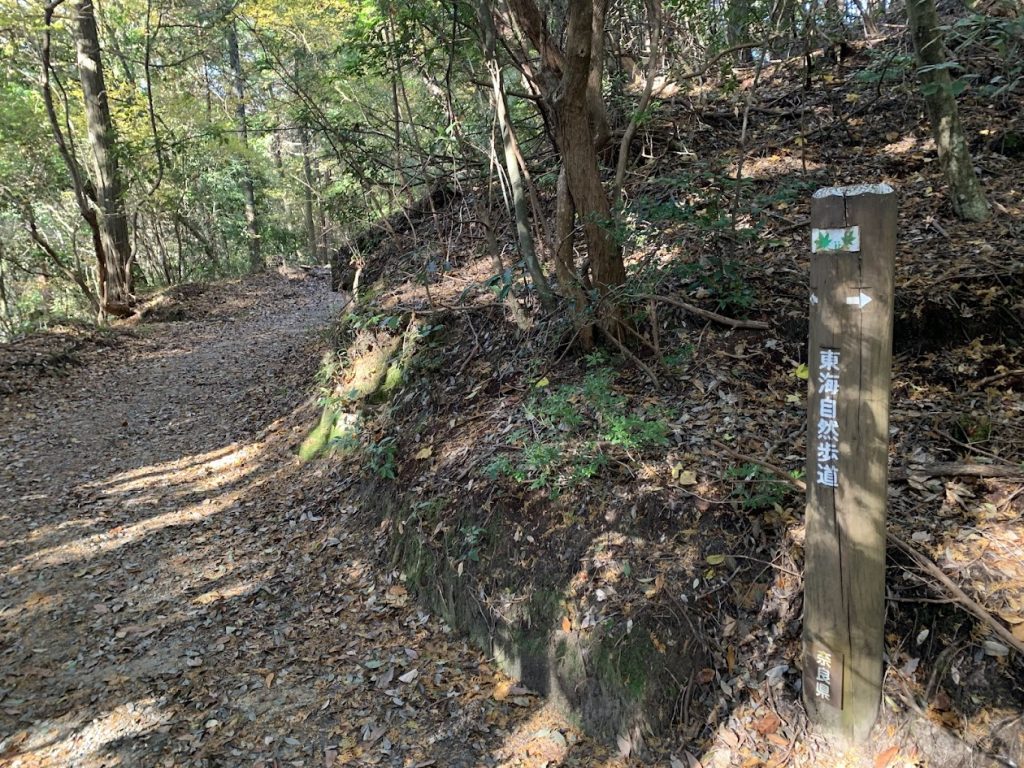
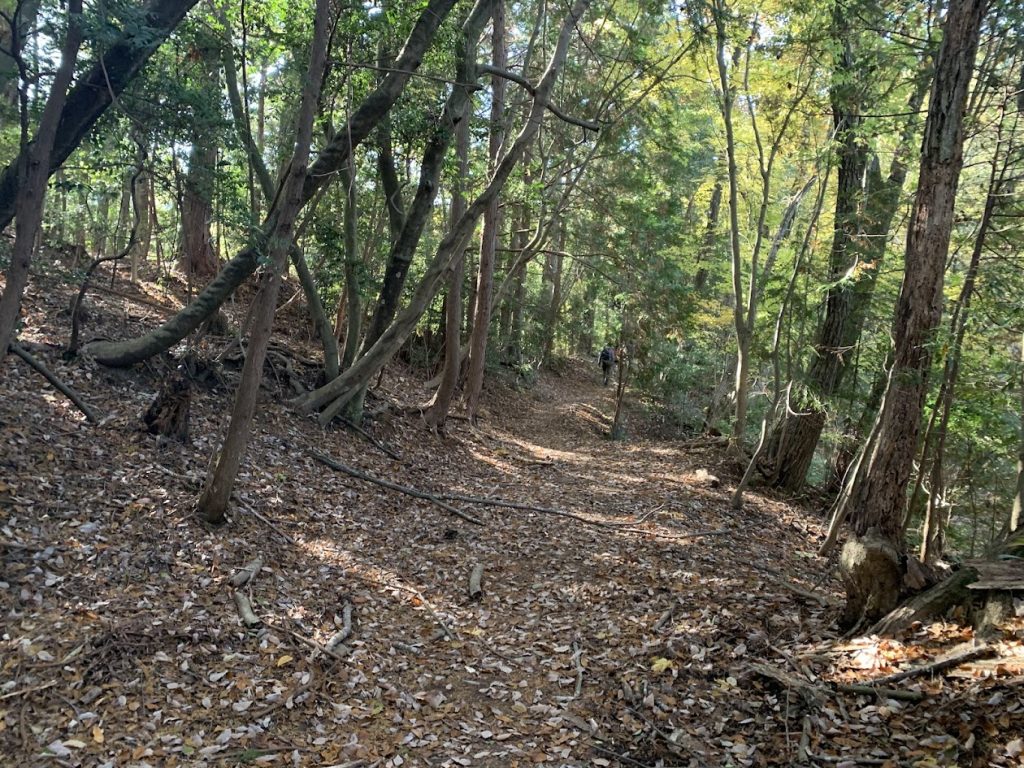
The path continues like this—
part of the Tokai Nature Trail, well maintained and easy to walk.
From here to the mountain pass, there are no steep inclines.
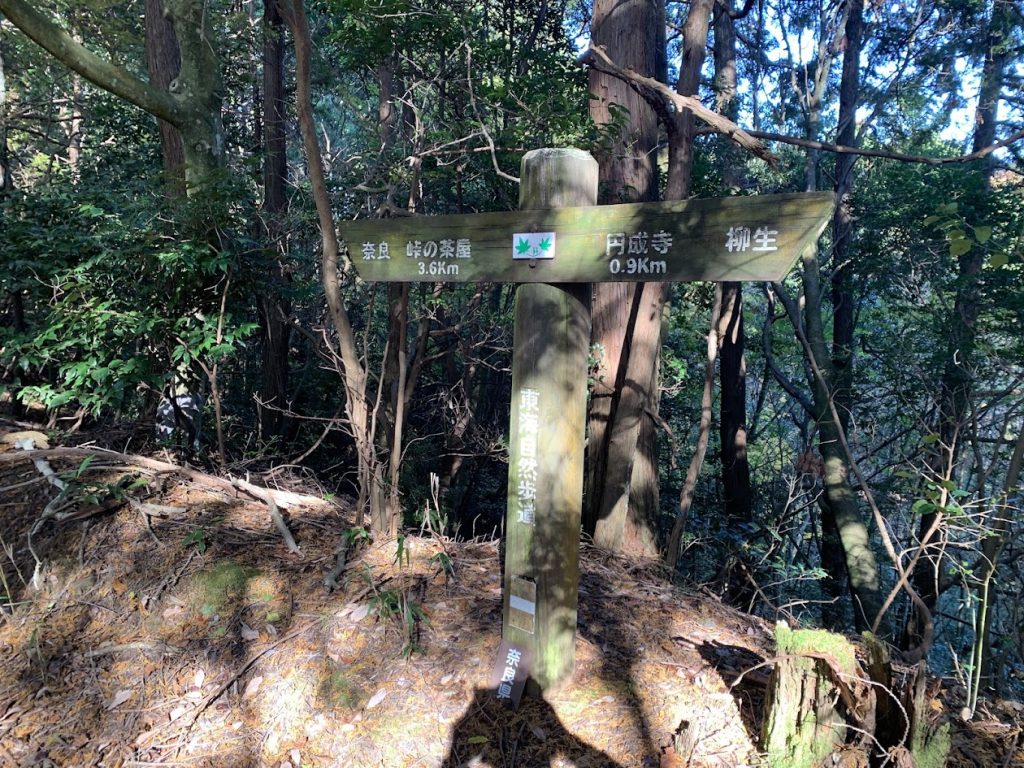
3.6 km to the Pass Teahouse
0.9 km to Enjo-ji Temple
The trail from Enjo-ji to the mountain pass is approximately 5 kilometers in total.

We’ve arrived at the settlement of Setarin.
The Pass Teahouse stands at the far end of the village, toward the mountain side.
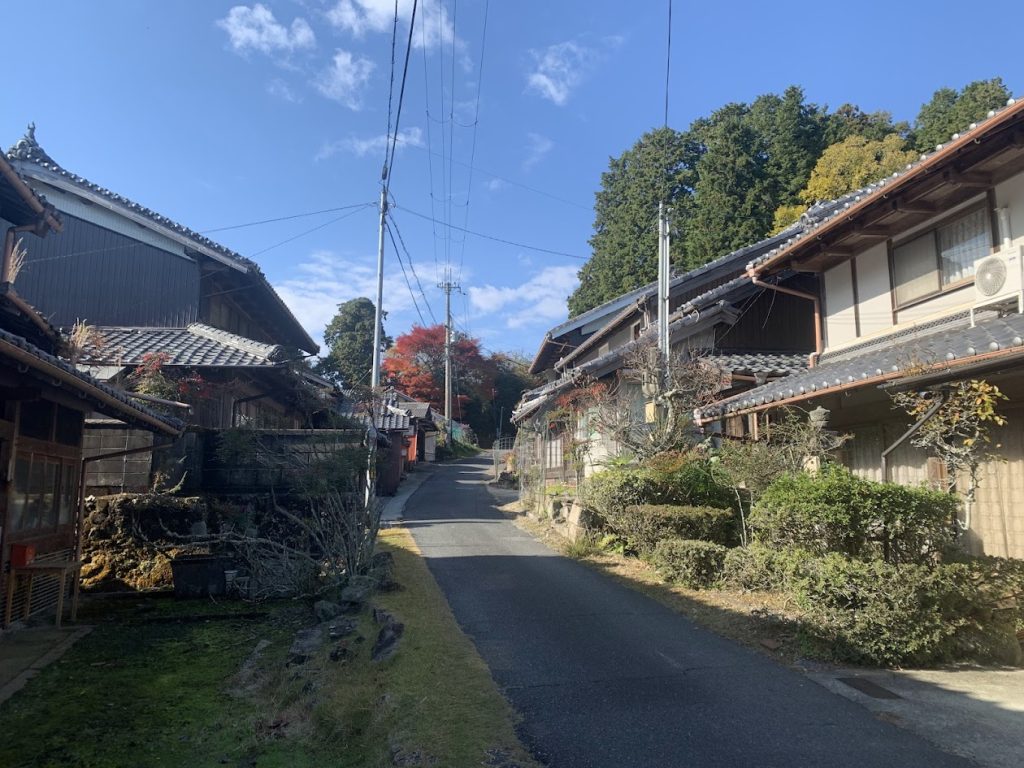
This is the Setarin settlement.
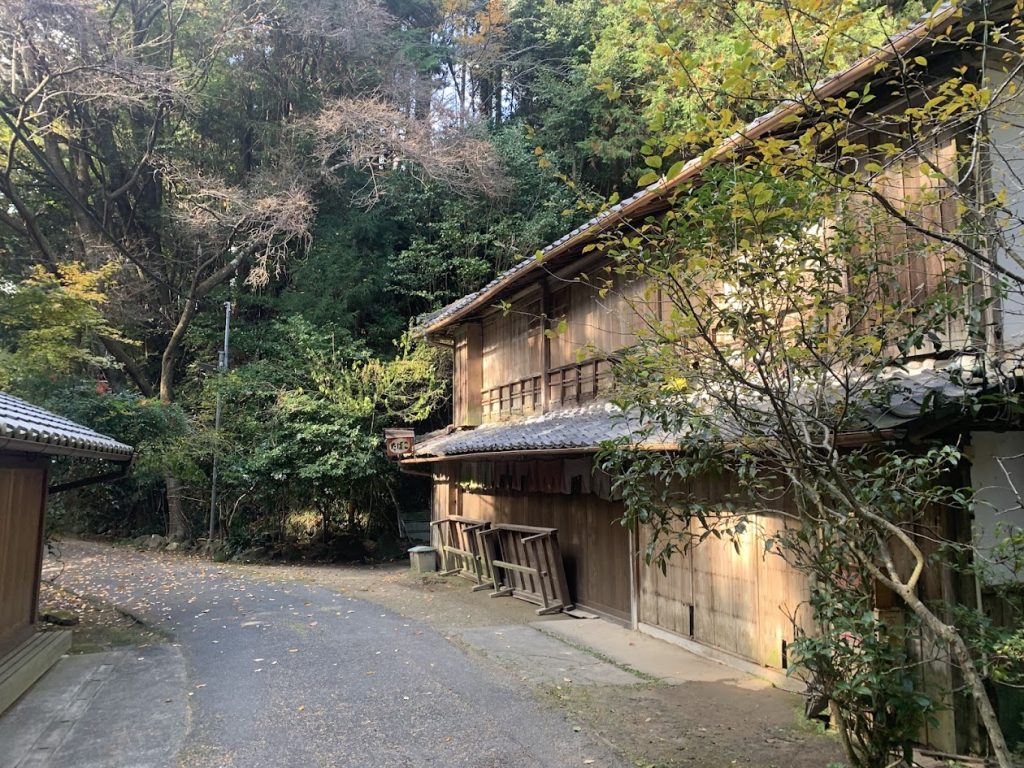
The Pass Teahouse Many legendary swordsmen once journeyed toward the village of Yagyu, pausing to rest at this very teahouse along the way.
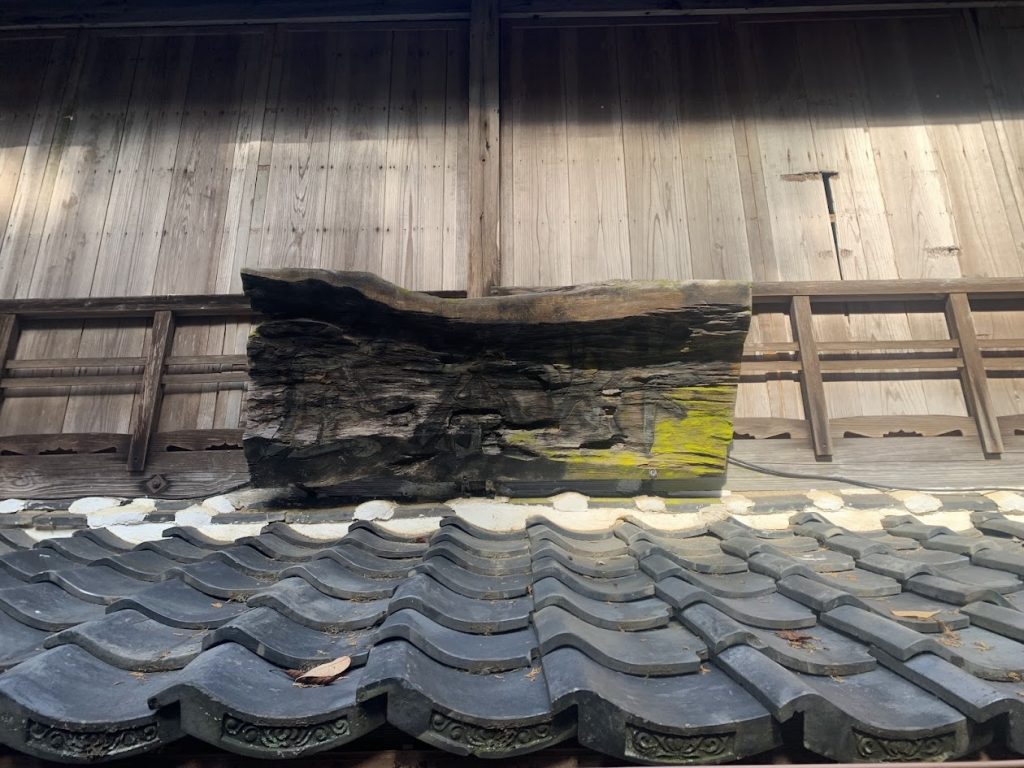

We’ve reached the Kasuga-okuyama Driveway.
From here, you can either descend directly toward Nara, or continue walking along the driveway—passing by Uguisu Falls—on your way to the summit of Wakakusa-yama Mountain.
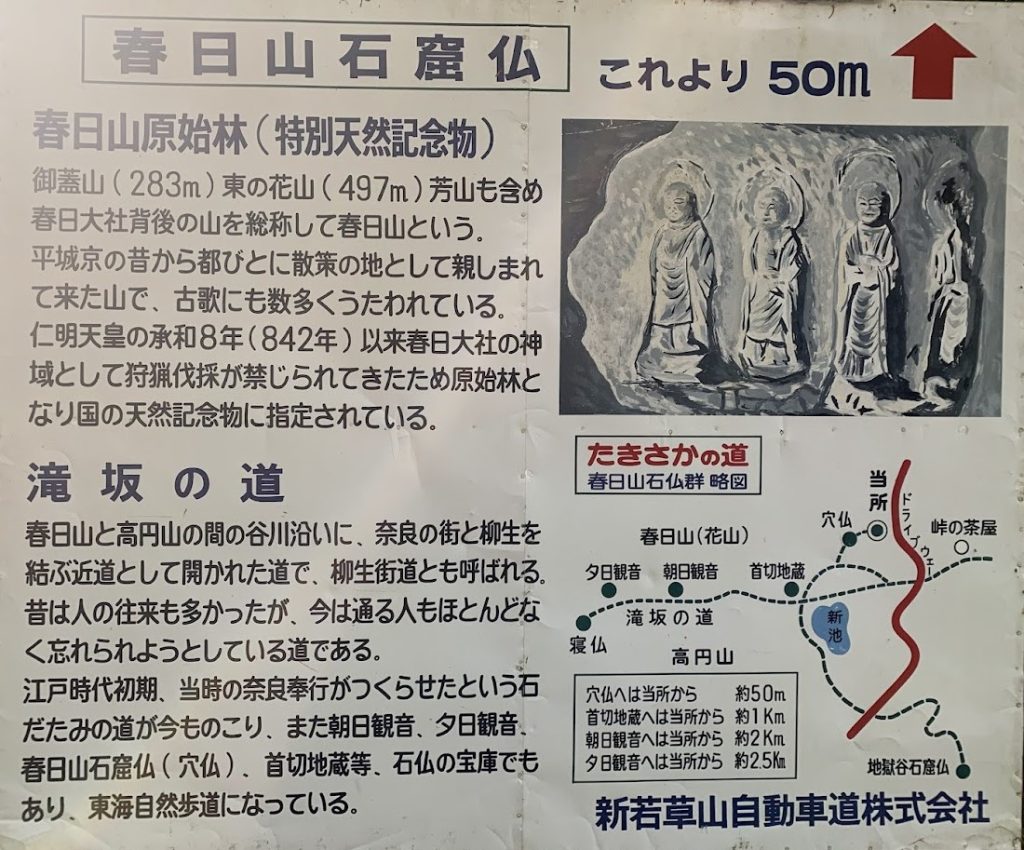
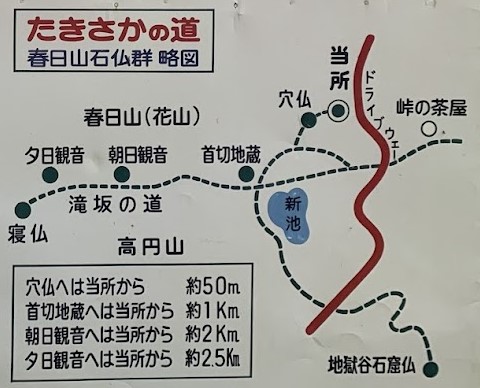
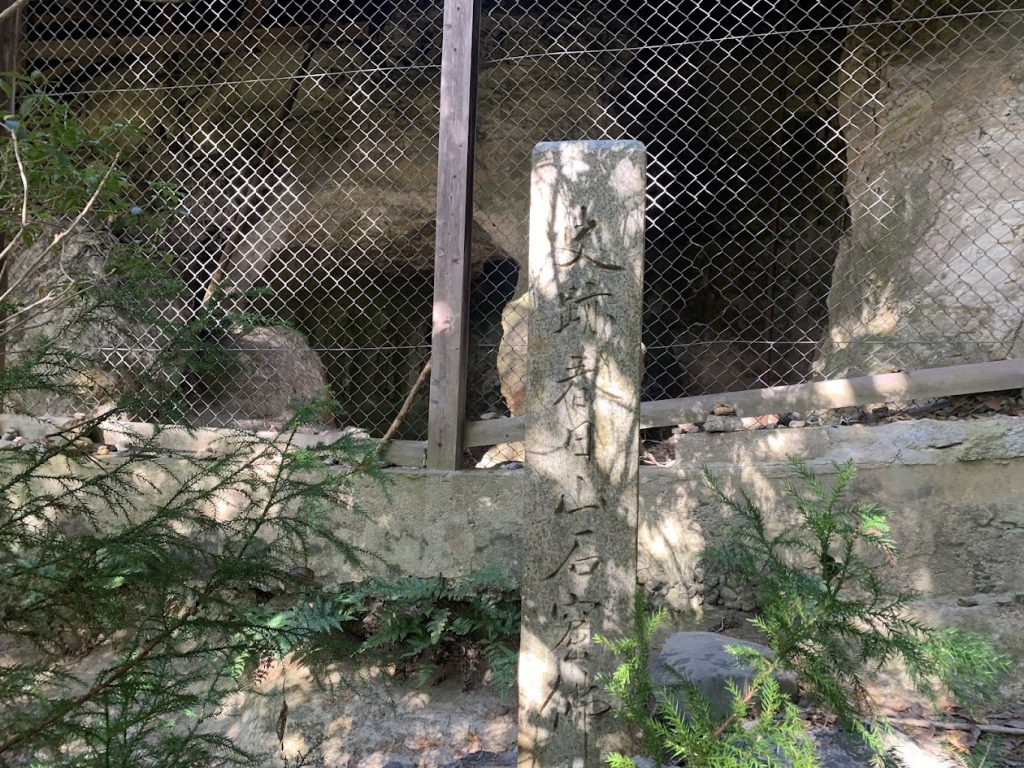
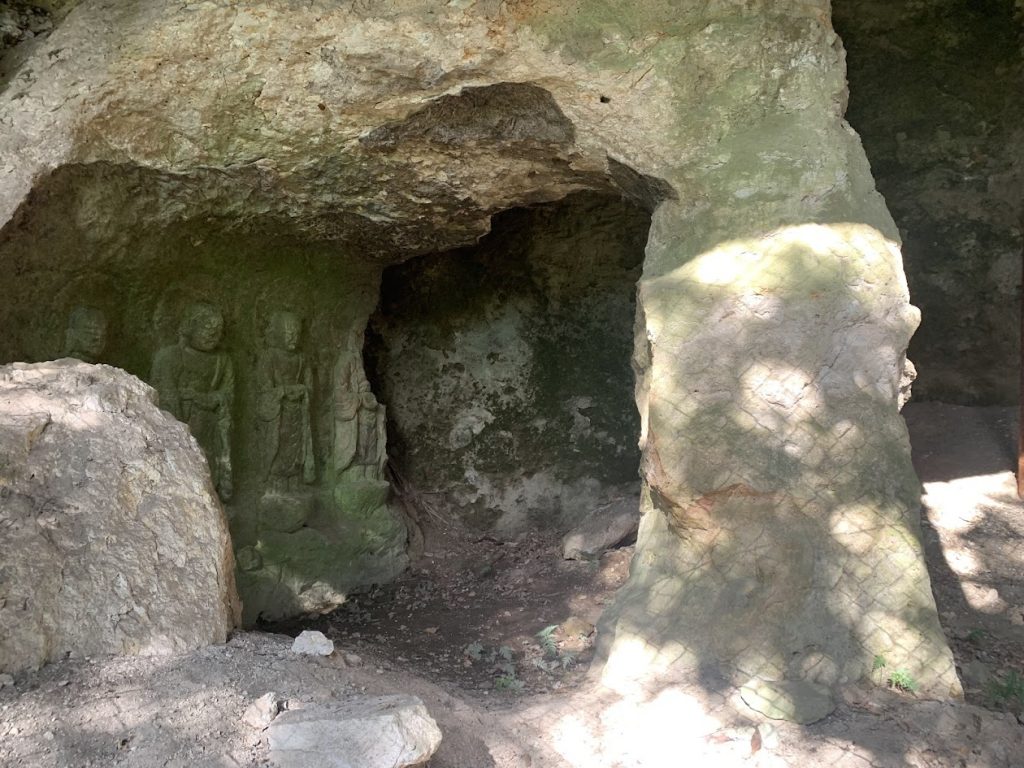
We made a stop at the Kasugayama Stone Buddha Group.

コメント