
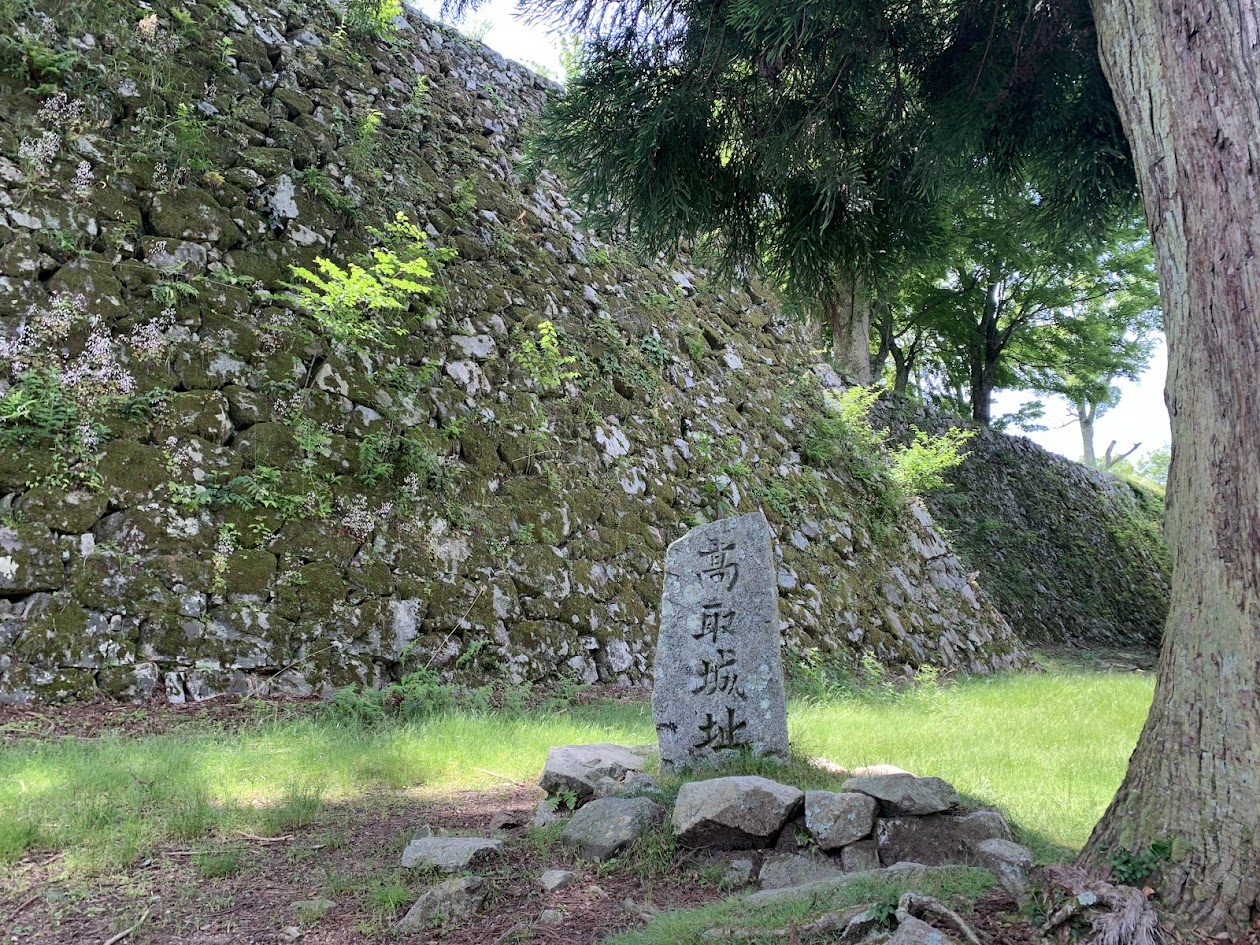

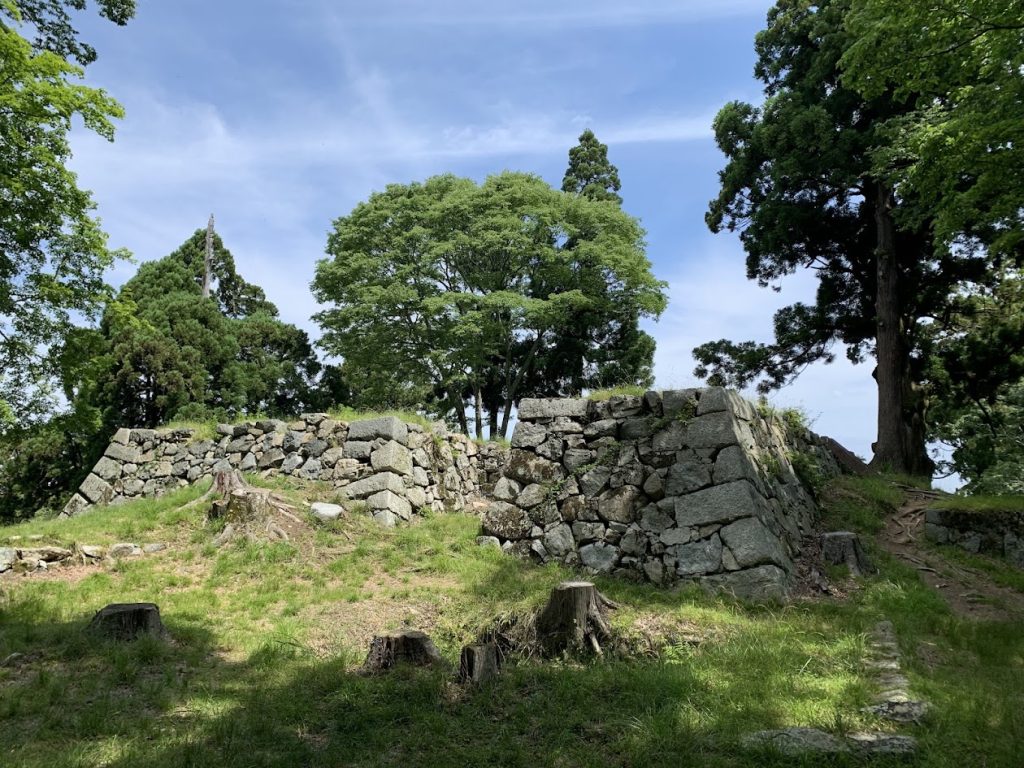

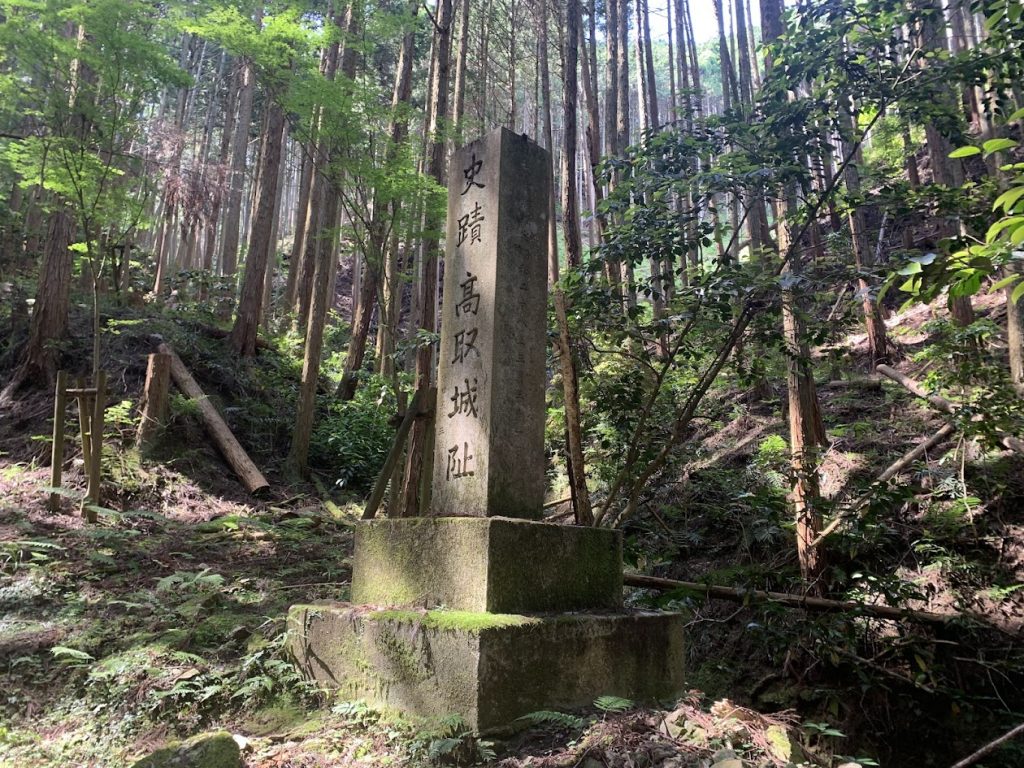
It was featured on NHK as ‘Japan’s strongest mountain castle.’
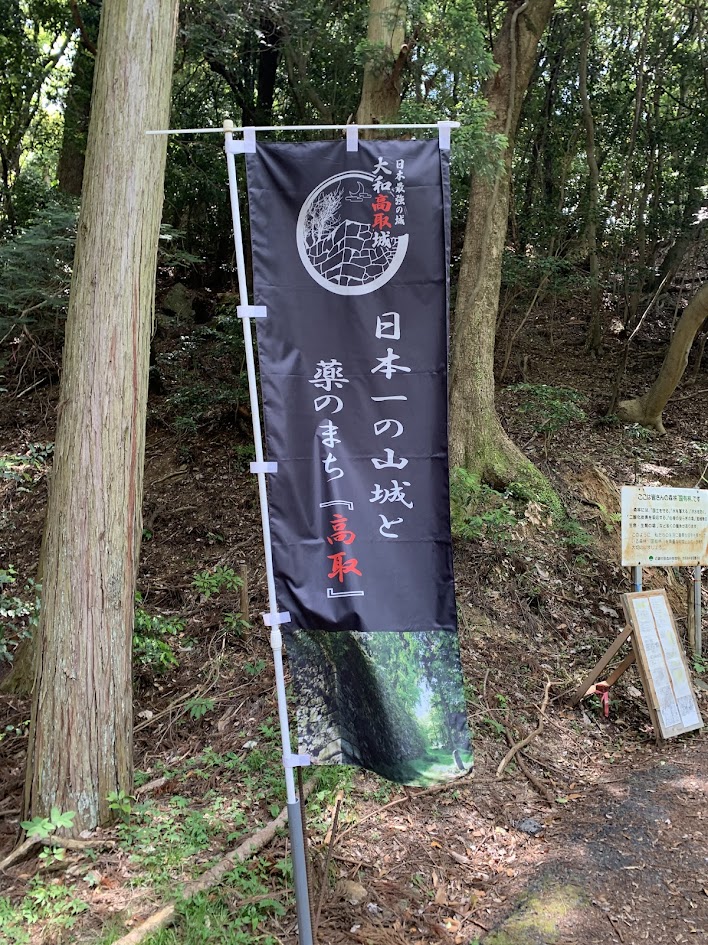
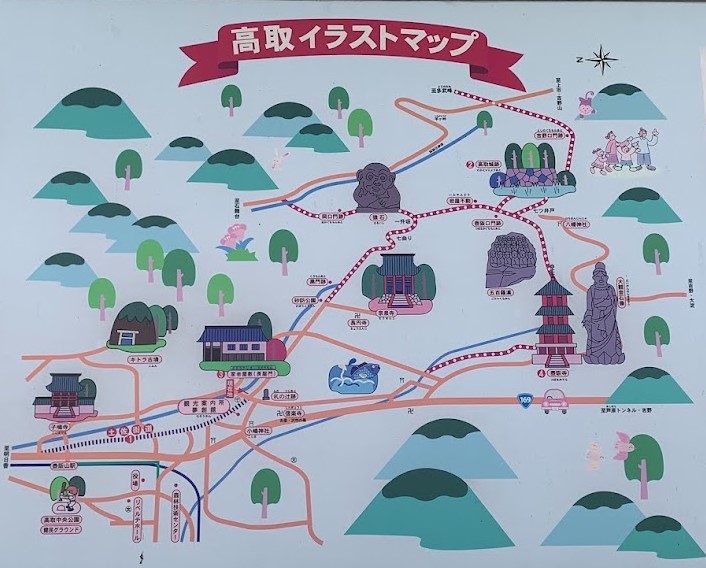
Takatori Castle can be reached by walking from Kintetsu Tsubosakayama Station. Tsubosakayama Station is the third stop on the Yoshino Line from Kintetsu Kashihara Jingu Station. From the station, follow the old street known as ‘Tosa Kaido’ toward the mountain, which will lead directly to the castle approach. Along the way, you’ll see the Nagaya Gate and Saru-ishi Stone.
It takes about just under two hours to climb the 460-meter elevation difference from the station (Takatori Mountain’s elevation is 583.3 meters).
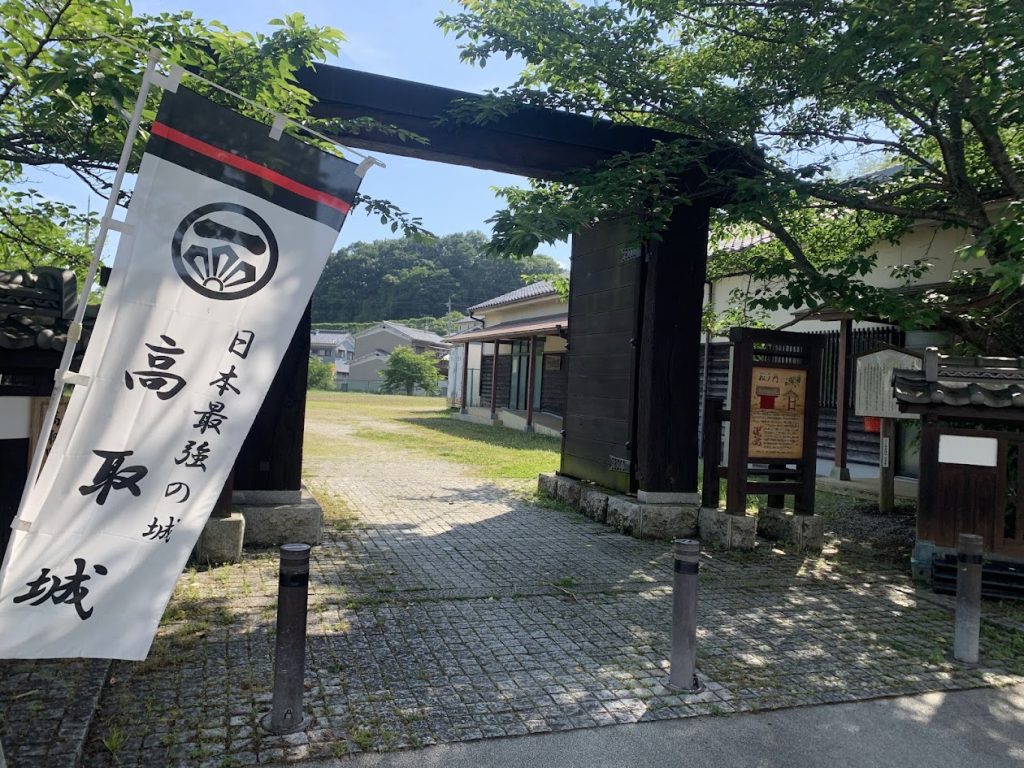
Pine Gate is the entrance to the castle approach.
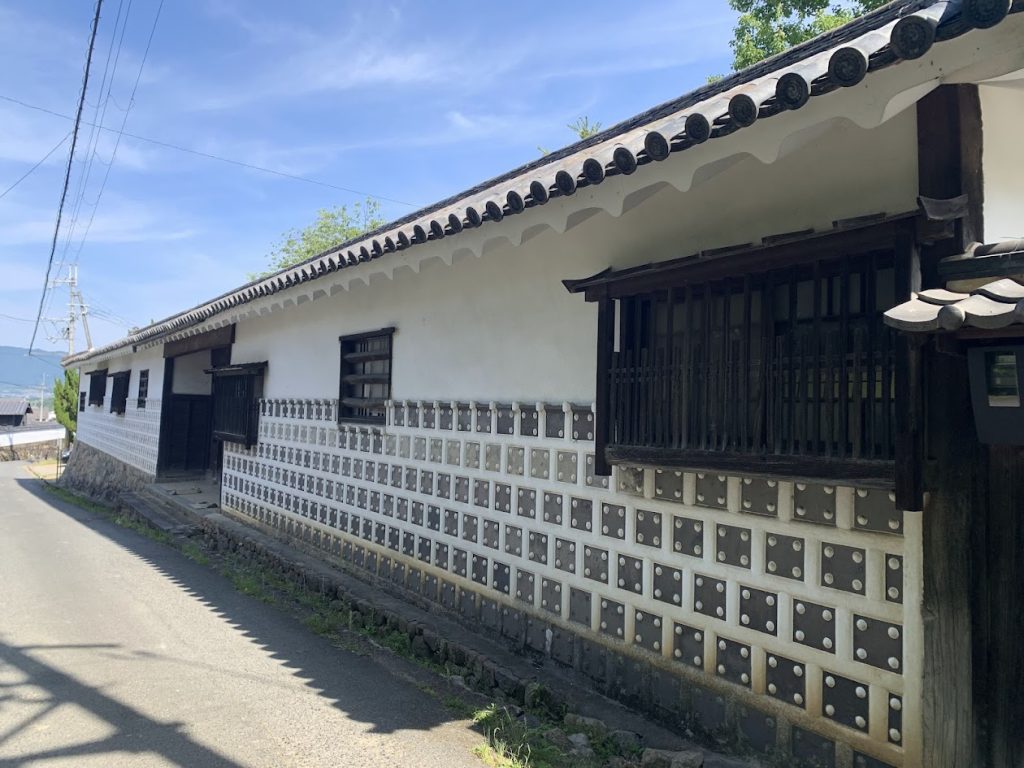
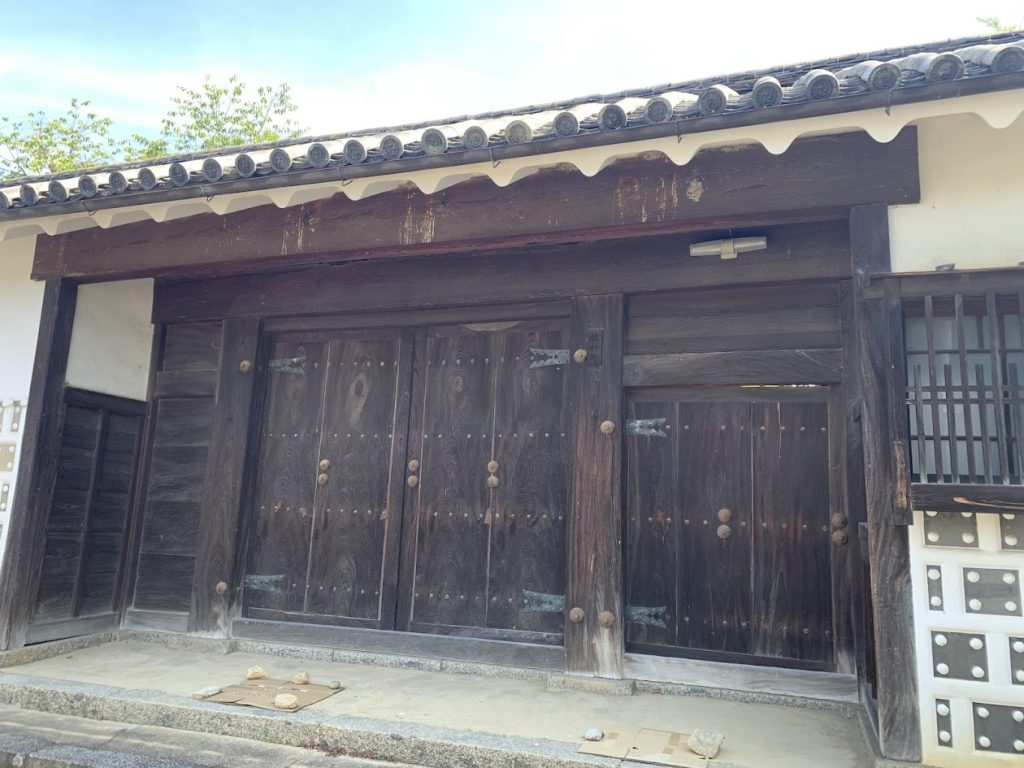
Uemura Family Nagaya Gate
Uemura Family Nagaya Gate was established in 1826.
During the Edo period, it was home to the retainers serving the Takatori Domain.
Now, it is the residence of the former Takatori clan leader, the Uemura family.

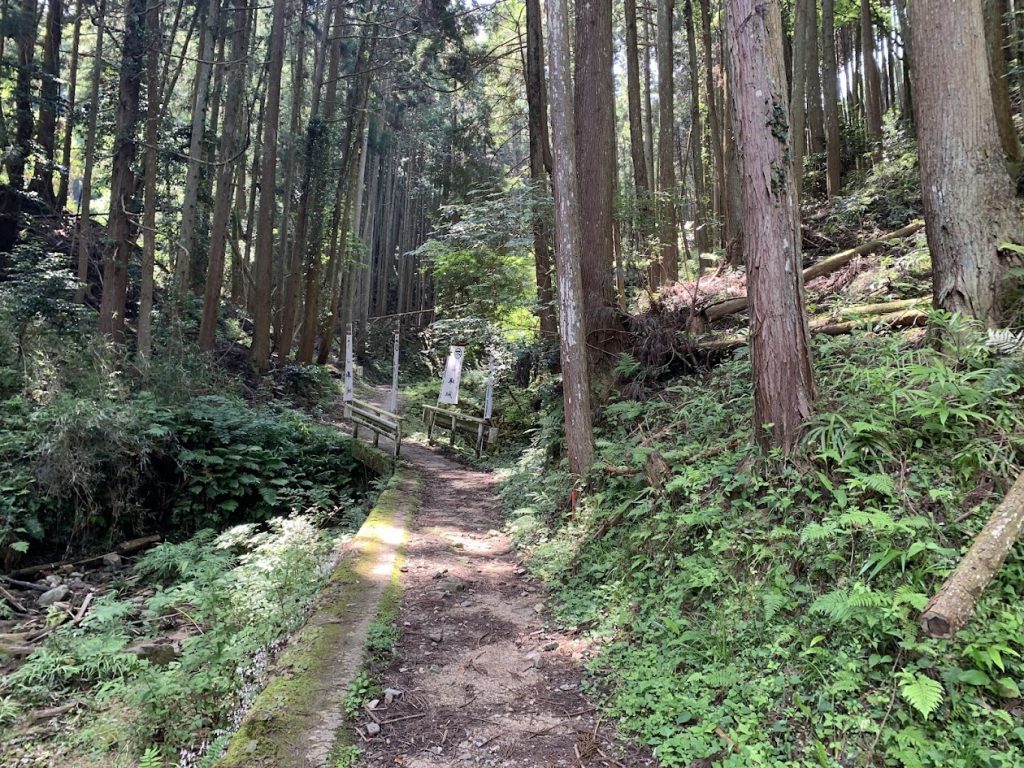
The uphill path starts.
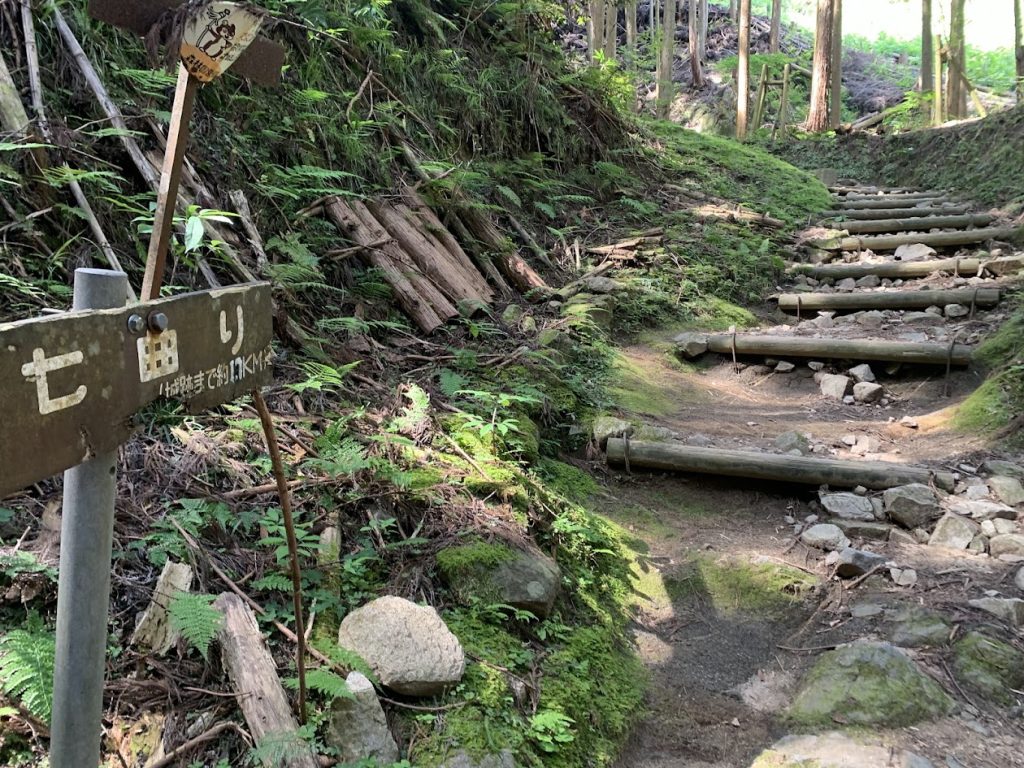
Seven Curves
This main path on the ridge twists and turns.
In the past, it was wider than it is now, and horses used to travel along it.
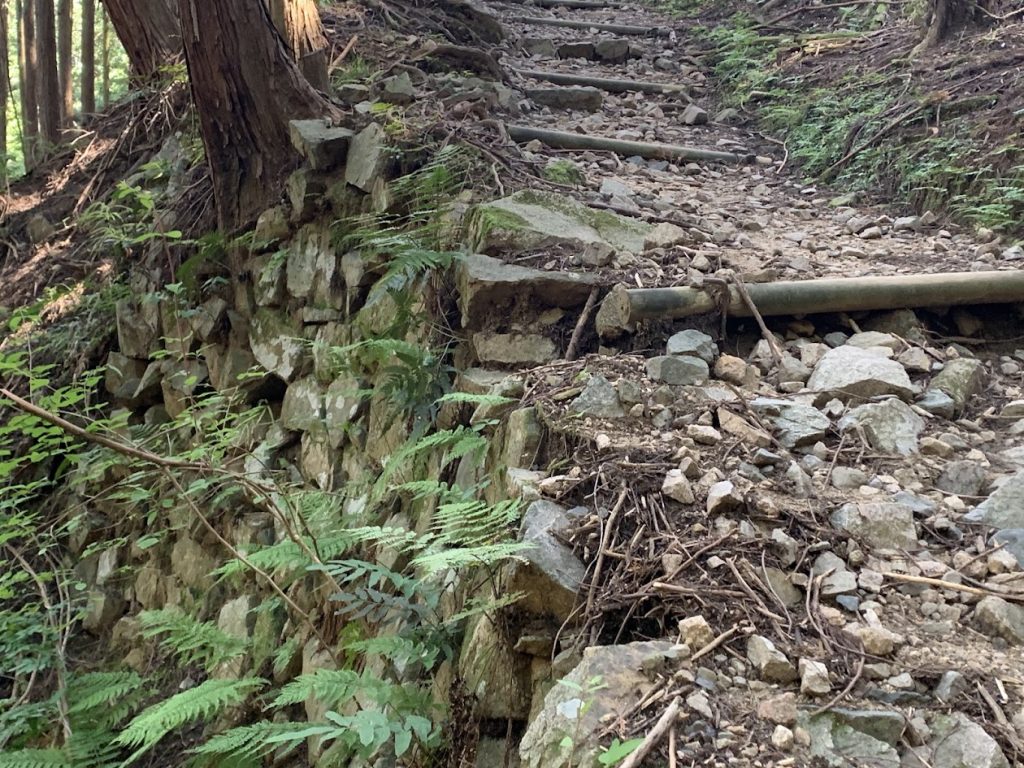
The path has stone walls along it.
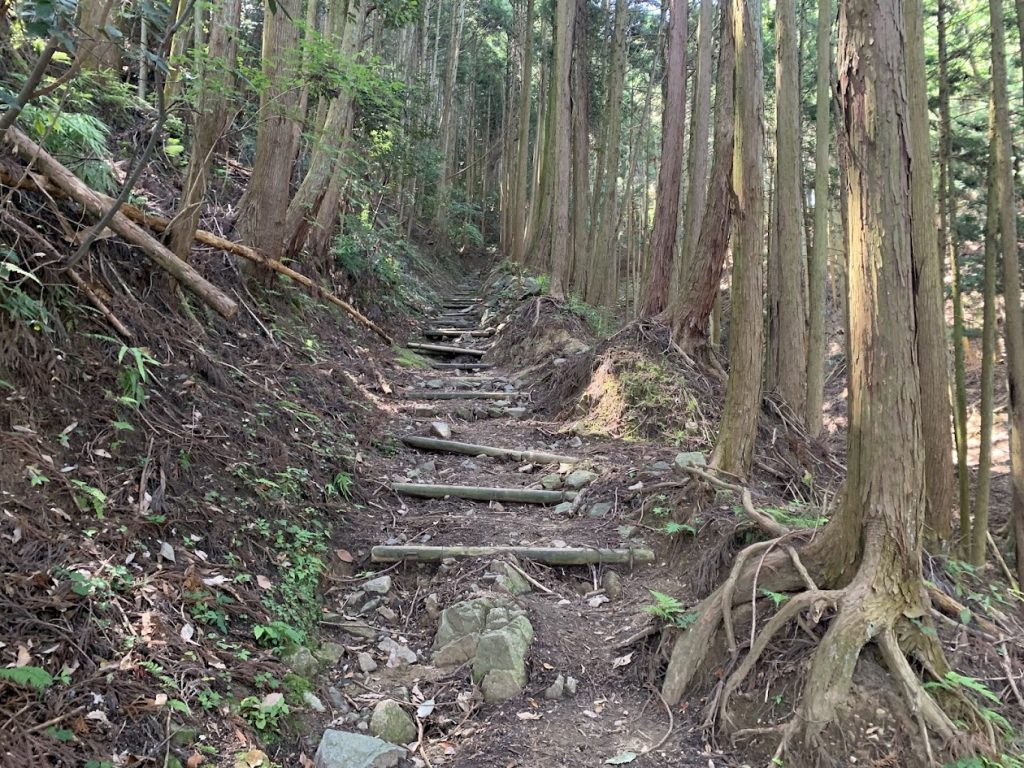
This area features a long, steep slope known as ‘Issho-zaka,’ or ‘1.5 kg of Rice Slope.’ The name comes from the time of Takatori Castle’s construction when workers transporting stones were given an extra 1.5 kg of rice as compensation for the difficulty of the climb.
It was a particularly challenging spot.
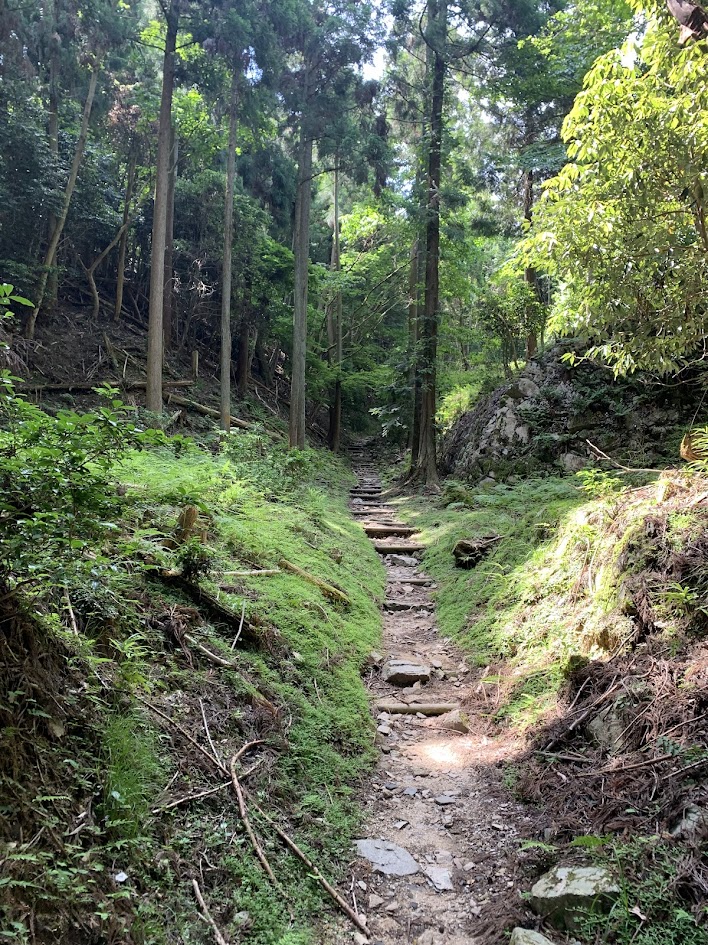
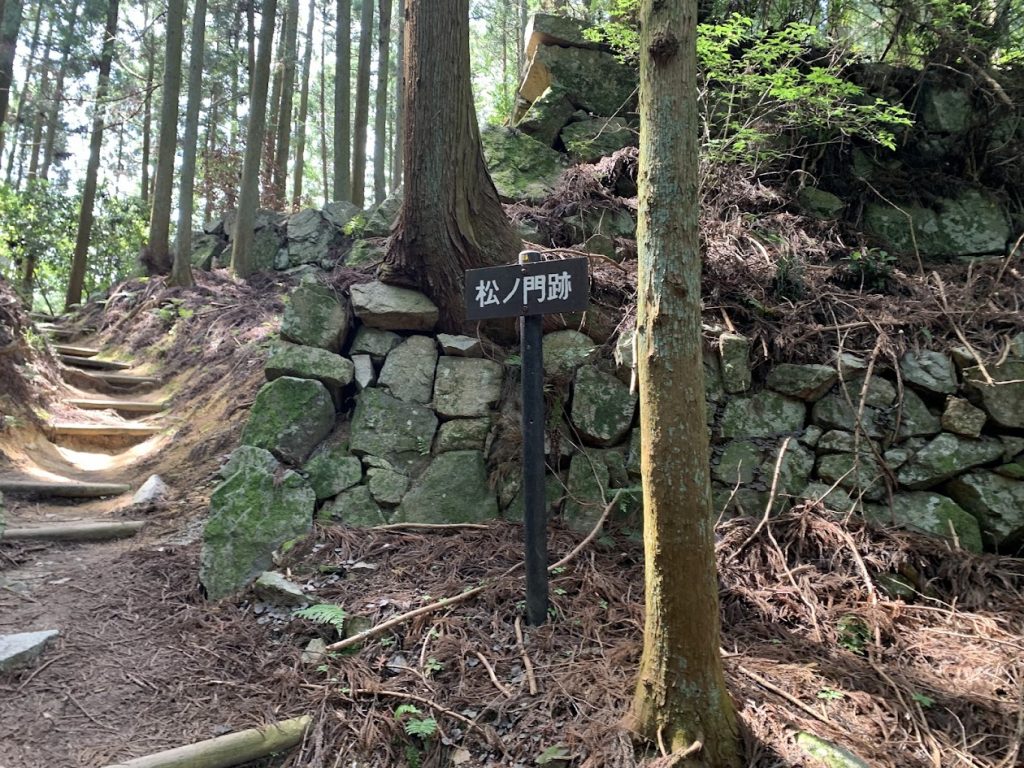
Pine Gate Ruins
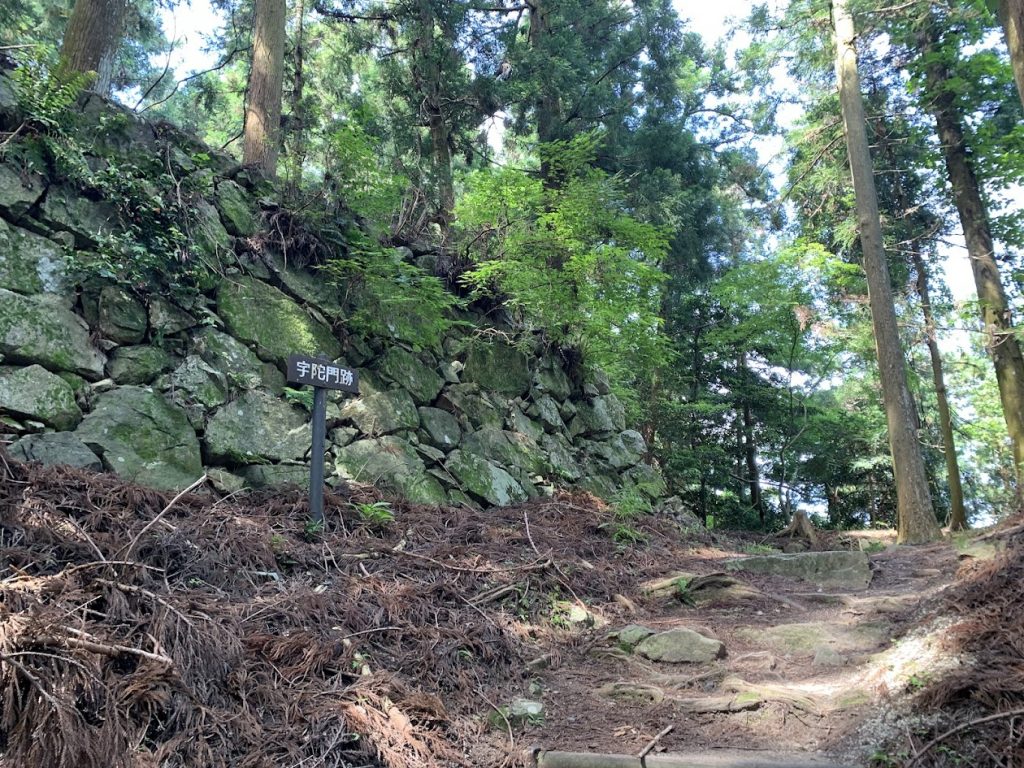
Uda Gate Ruins

Chihaya Gate Ruins
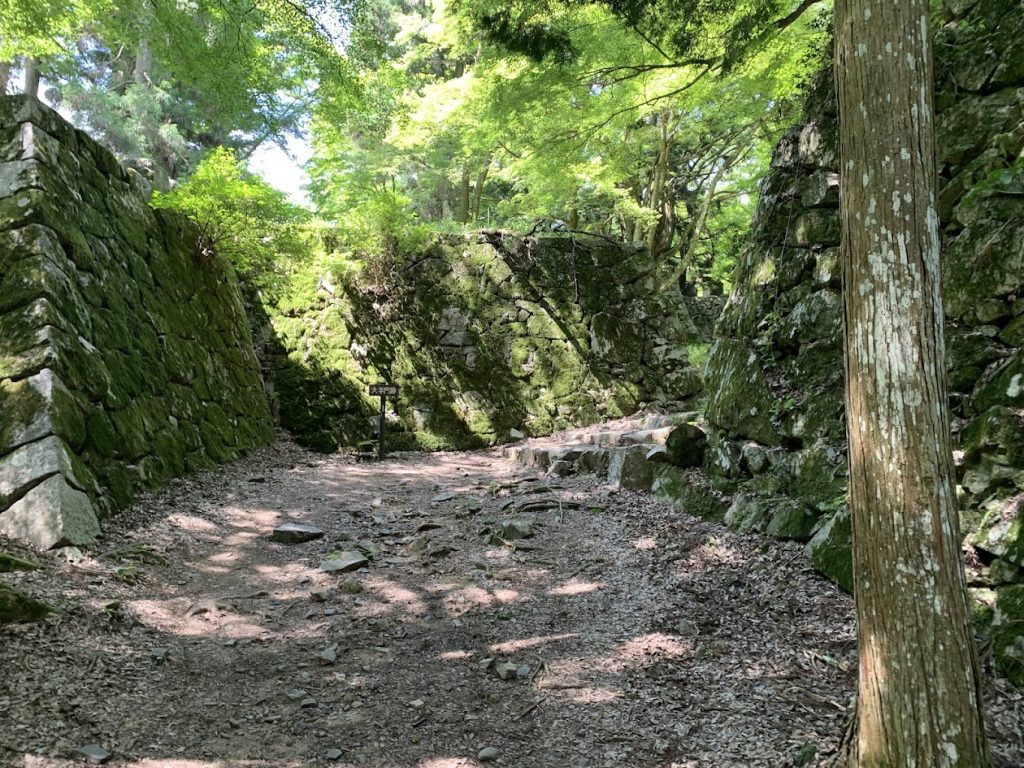
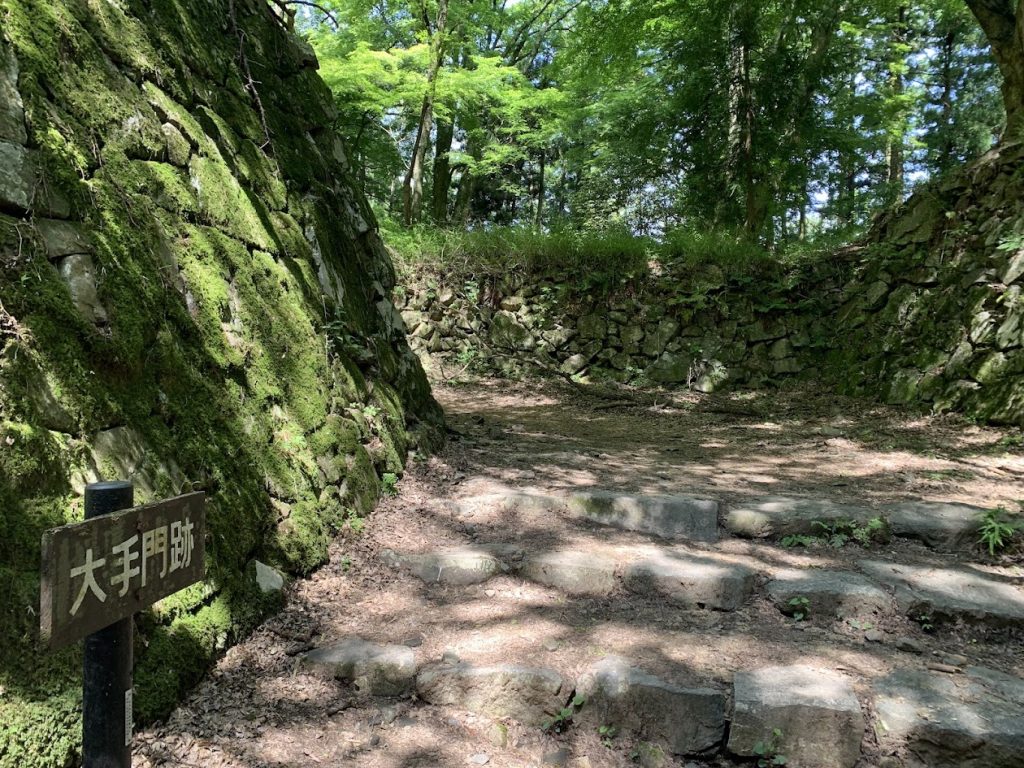
Main Gate Ruins
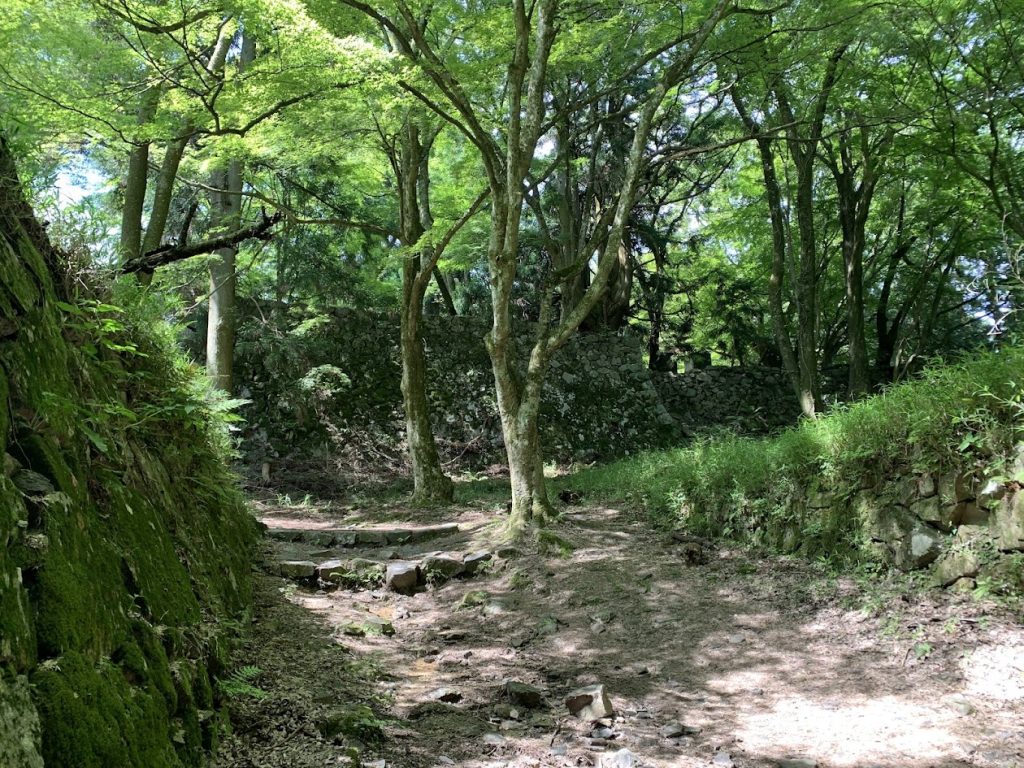
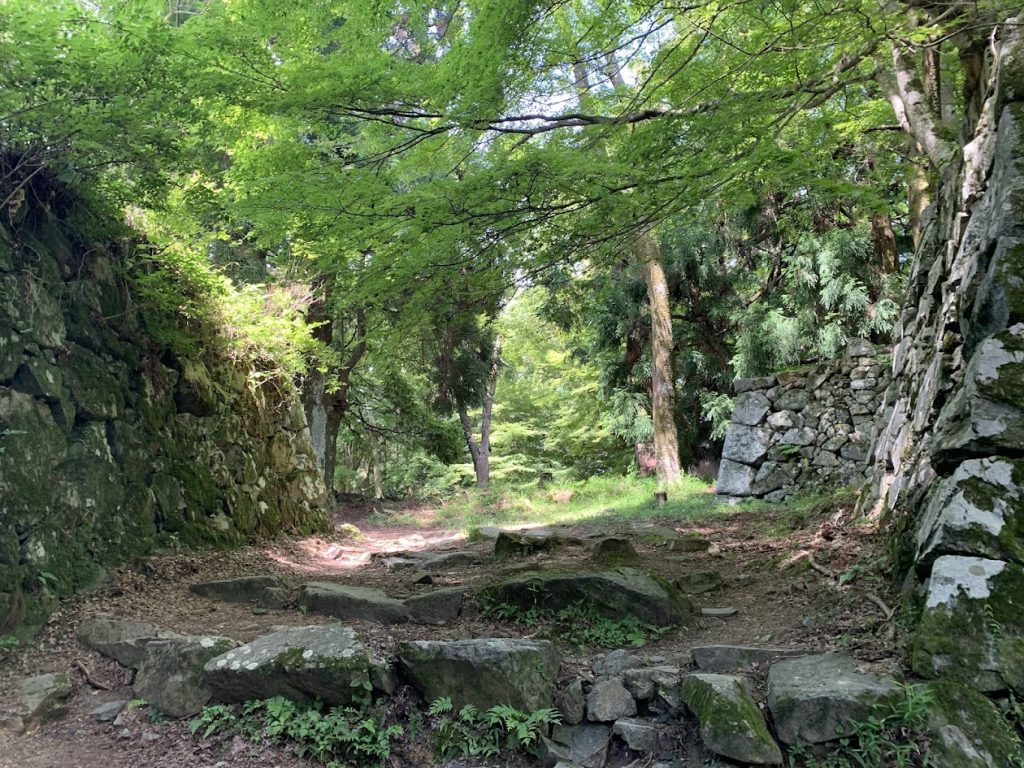
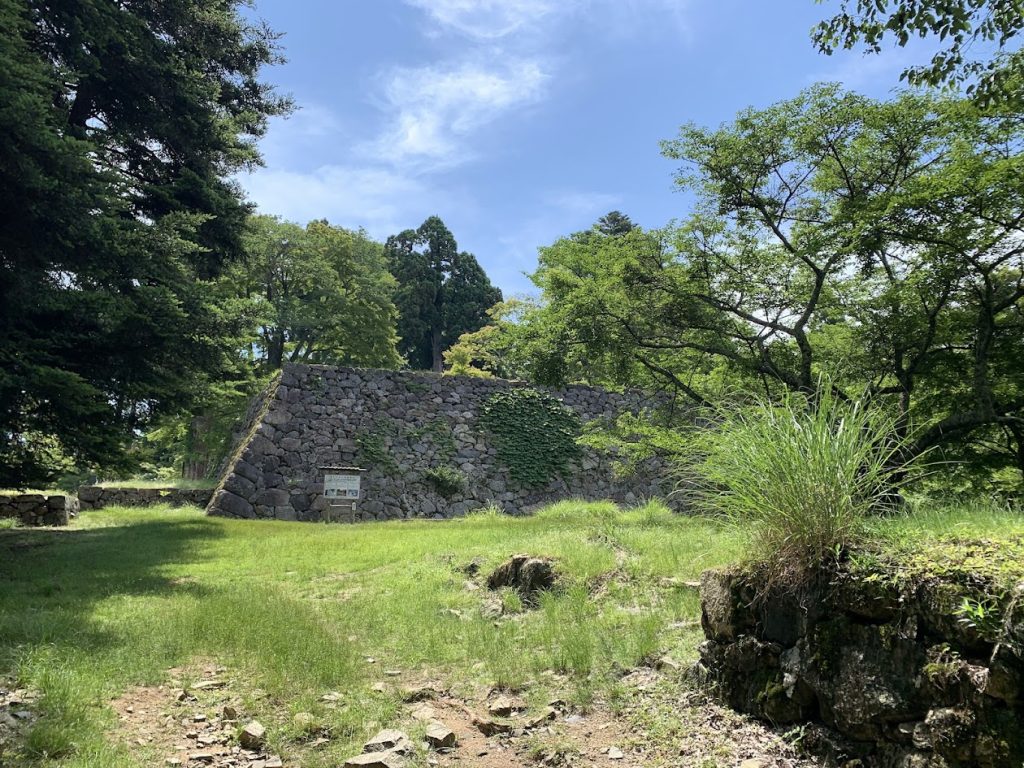
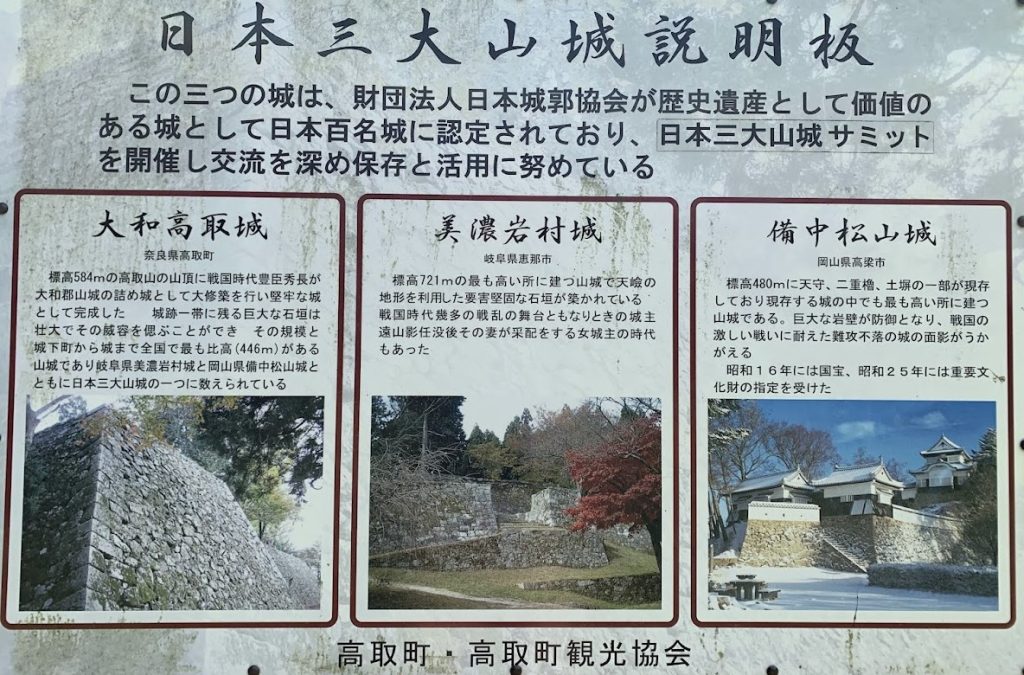
There was a signboard explaining the Three Great Mountain Castles of Japan:
Matsuyama Castle in Okayama
Takatori Castle in Nara
Iwamura Castle in Gifu
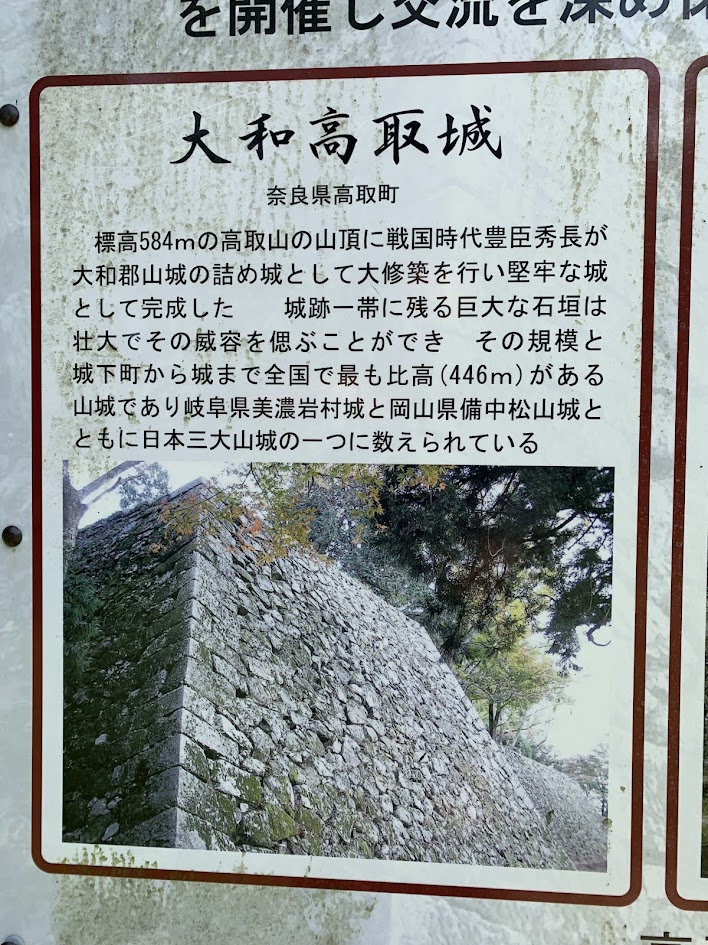
Takatori Castle is said to have the greatest ‘relative elevation’ of any mountain castle in Japan. Relative elevation refers to the difference in height between the castle town and the castle itself, and Takatori Castle’s relative elevation is 446 meters.
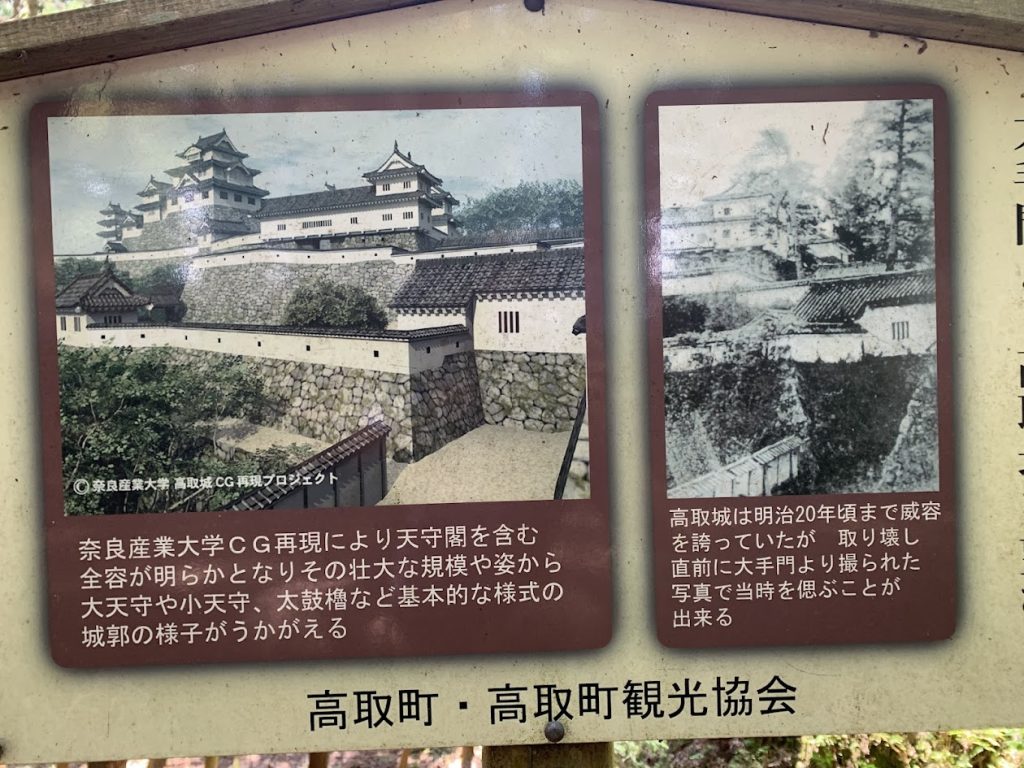
This information board at the castle displays a CG image from Nara Sangyo University, showing what the castle might have looked like during the Edo period.
It reveals that the castle was once a grand structure, complete with a main tower.
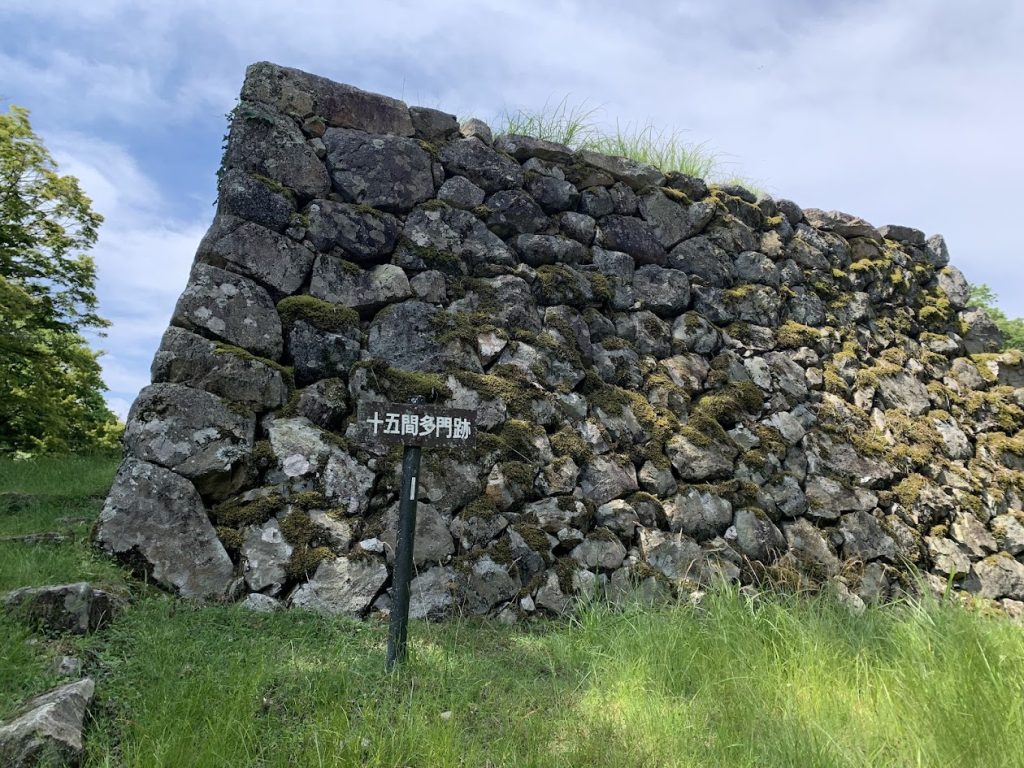
Jugoken Tamon Ruins
(Jugoken equals approximately 27 meters.)
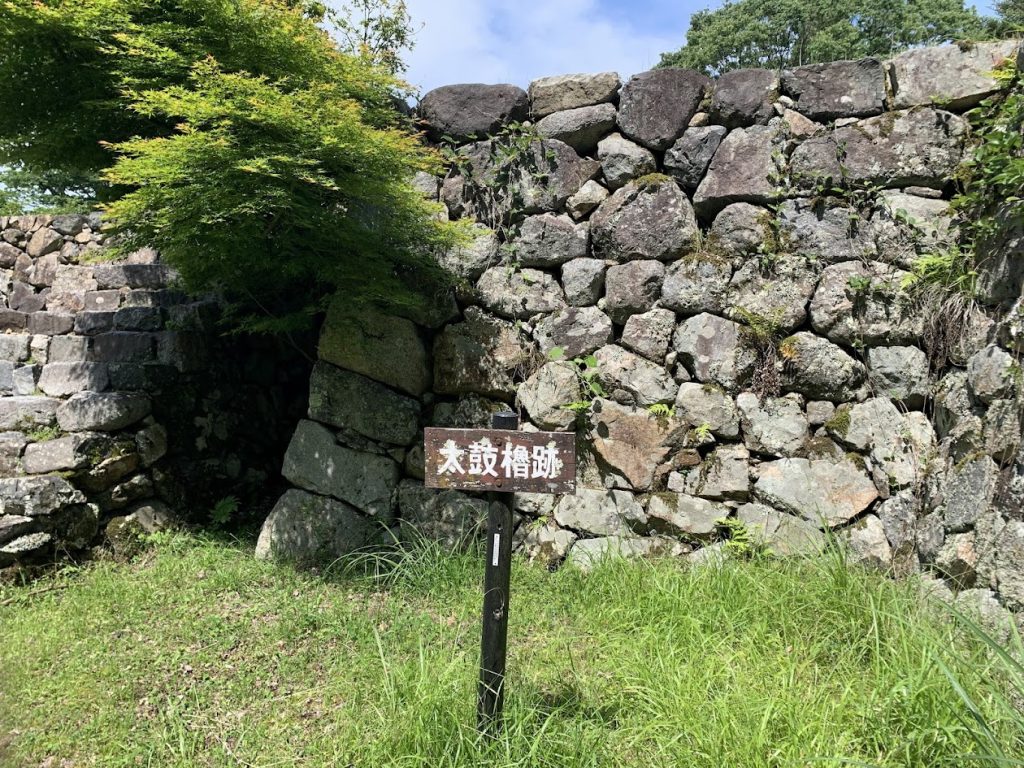
Taiko Rou Ruins
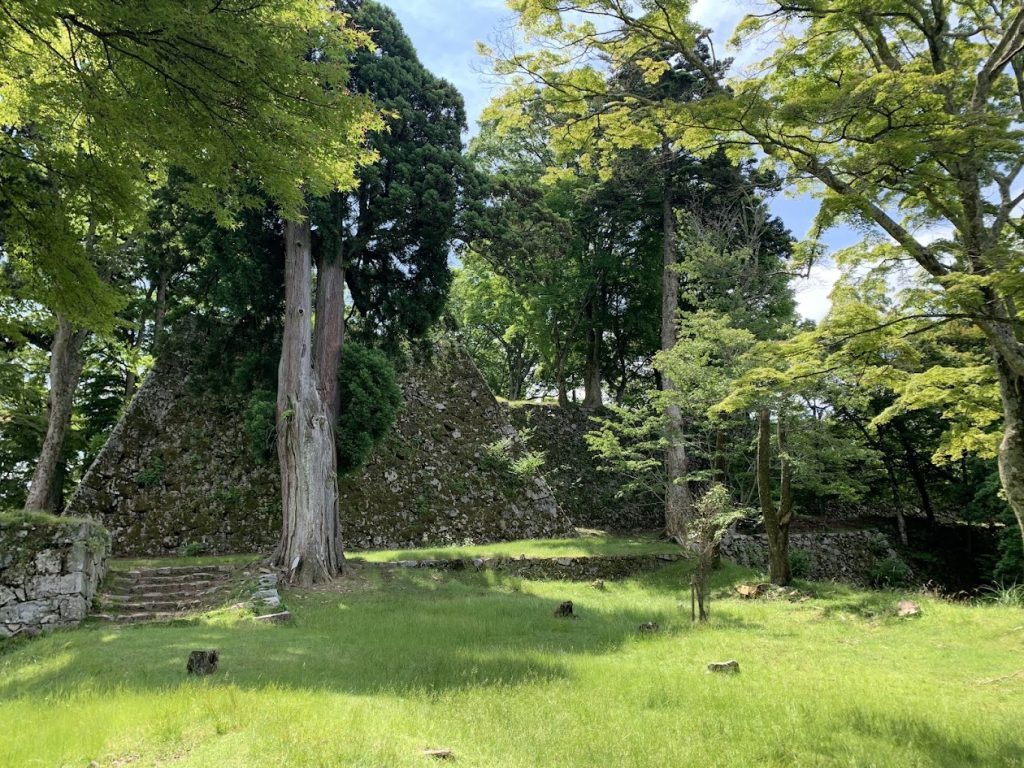

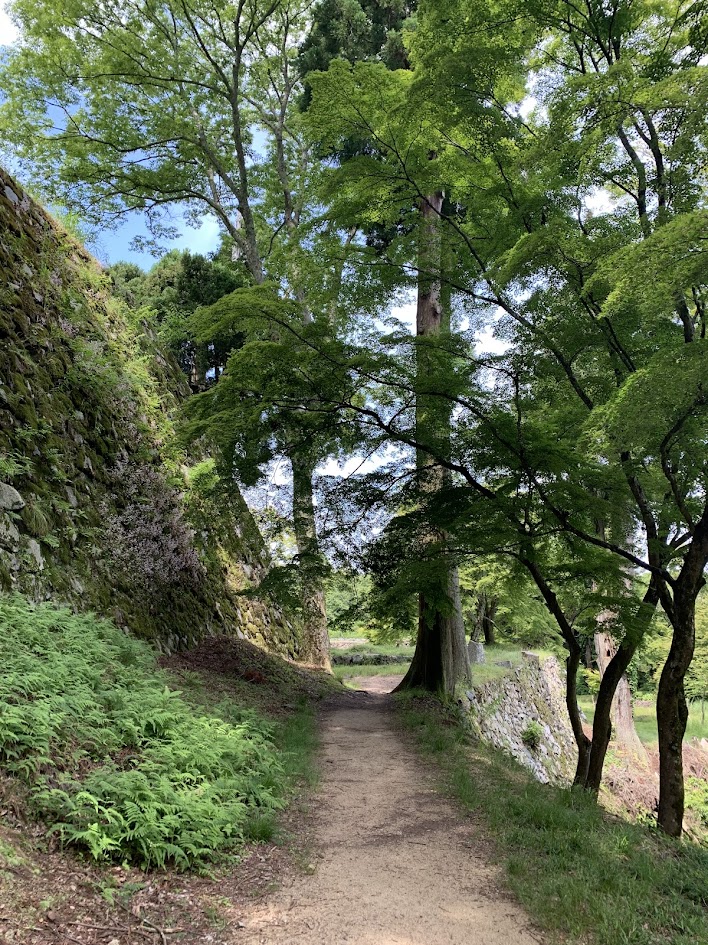
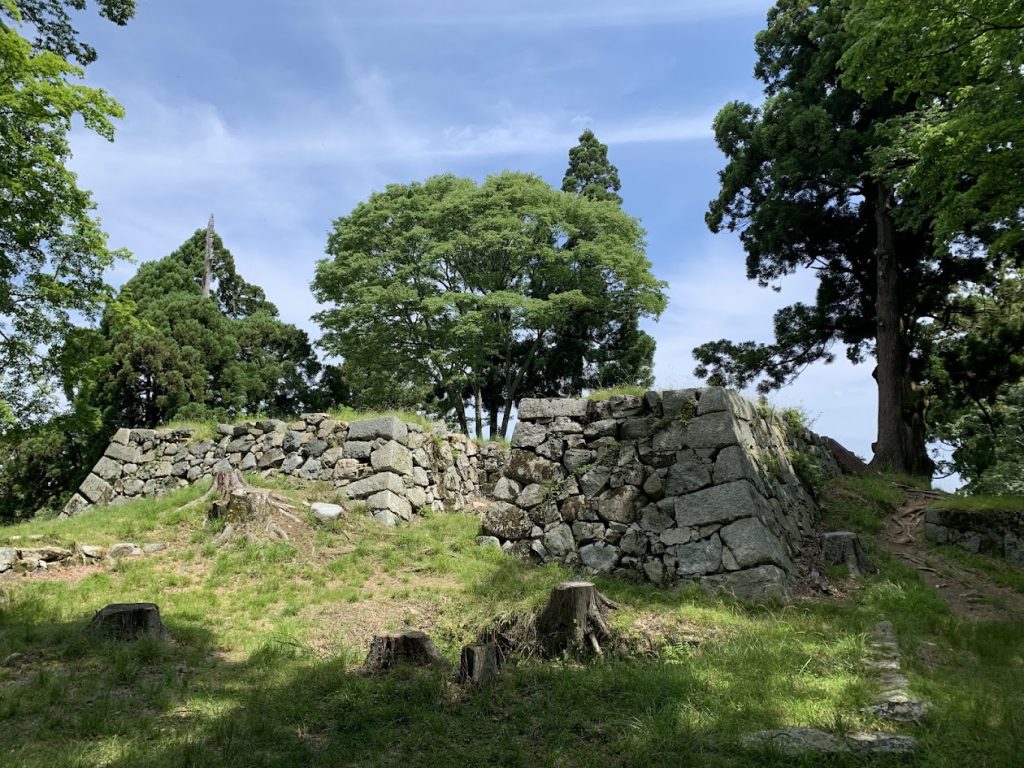
Honmaru Ruins

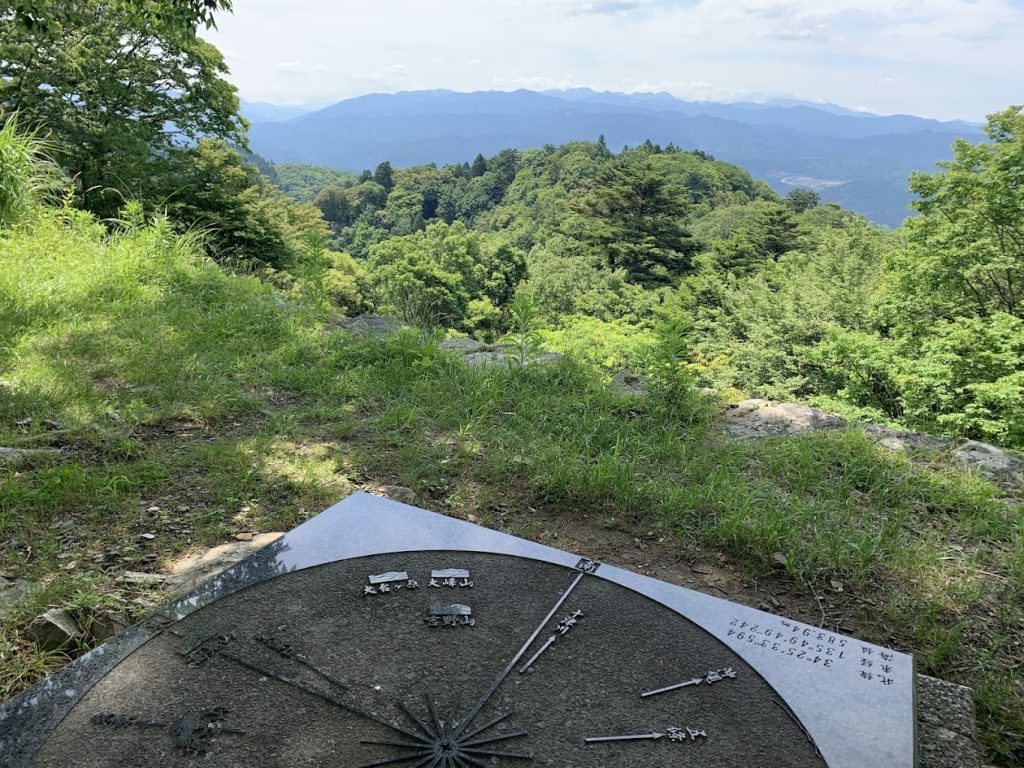
Overlooking the Yoshinoyama area (south-southeast)
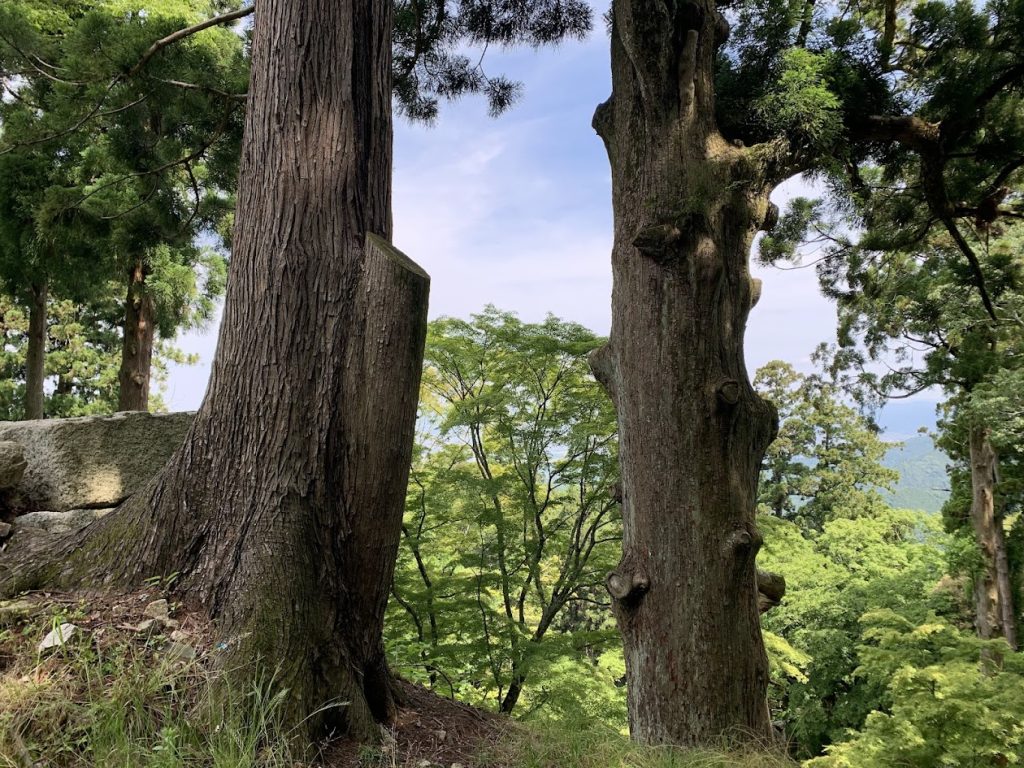
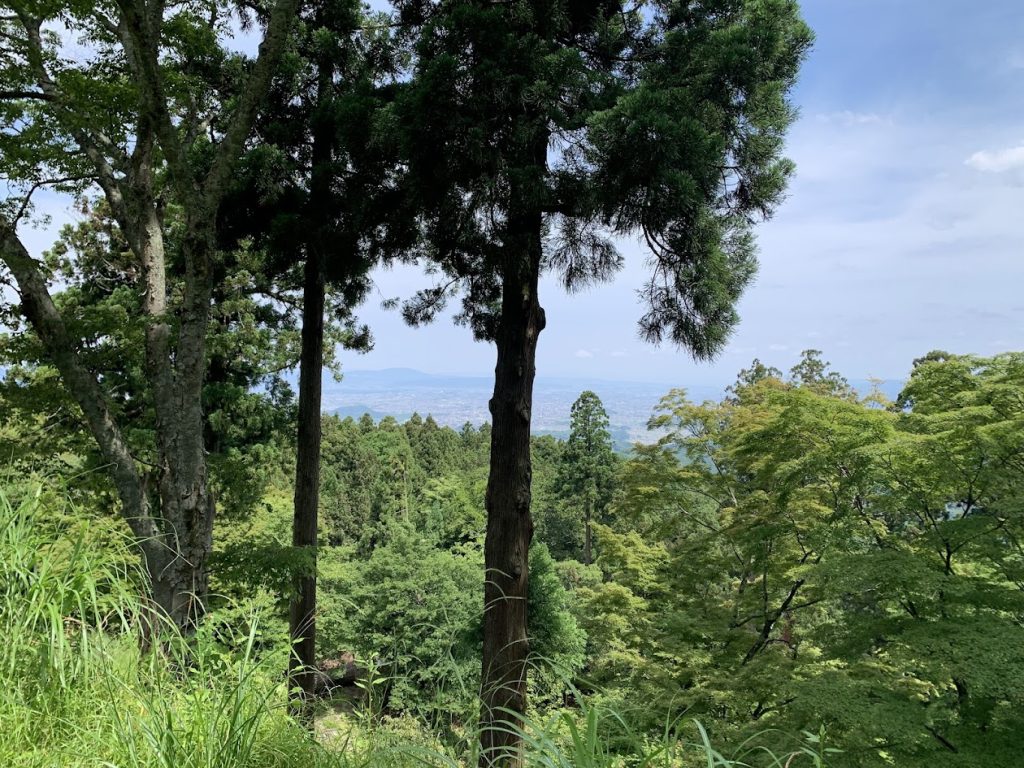
Overlooking the Unebiyama area (north-northwest)
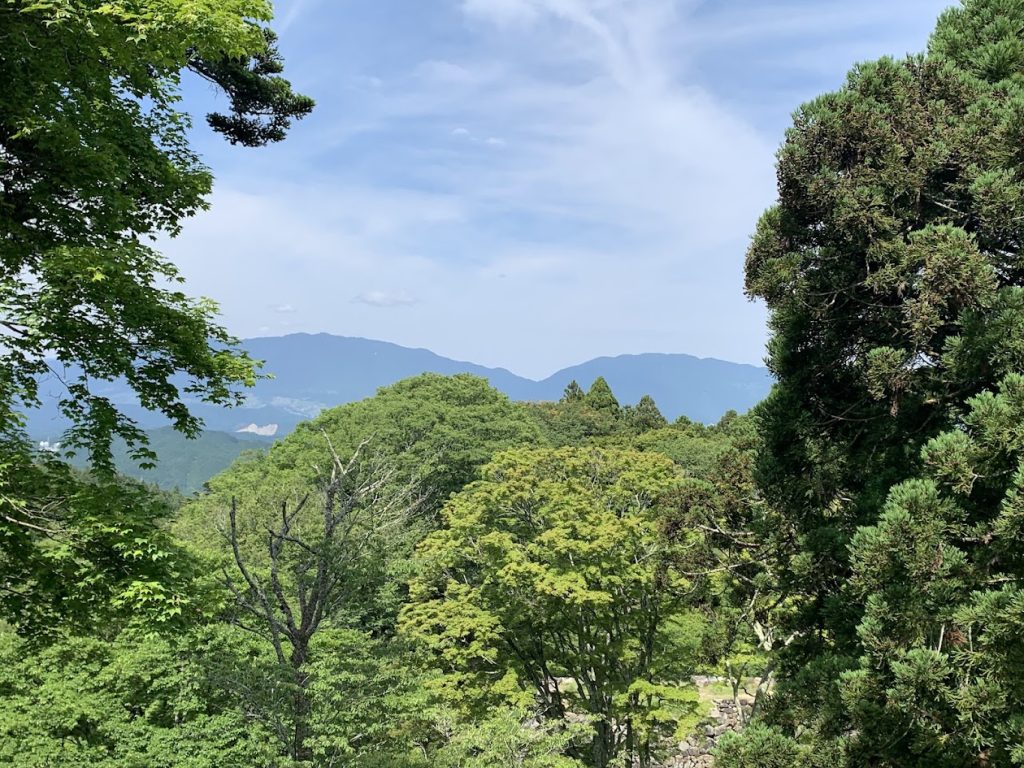
Overlooking the Mount Kongo and Mount Katsuragi area (west)
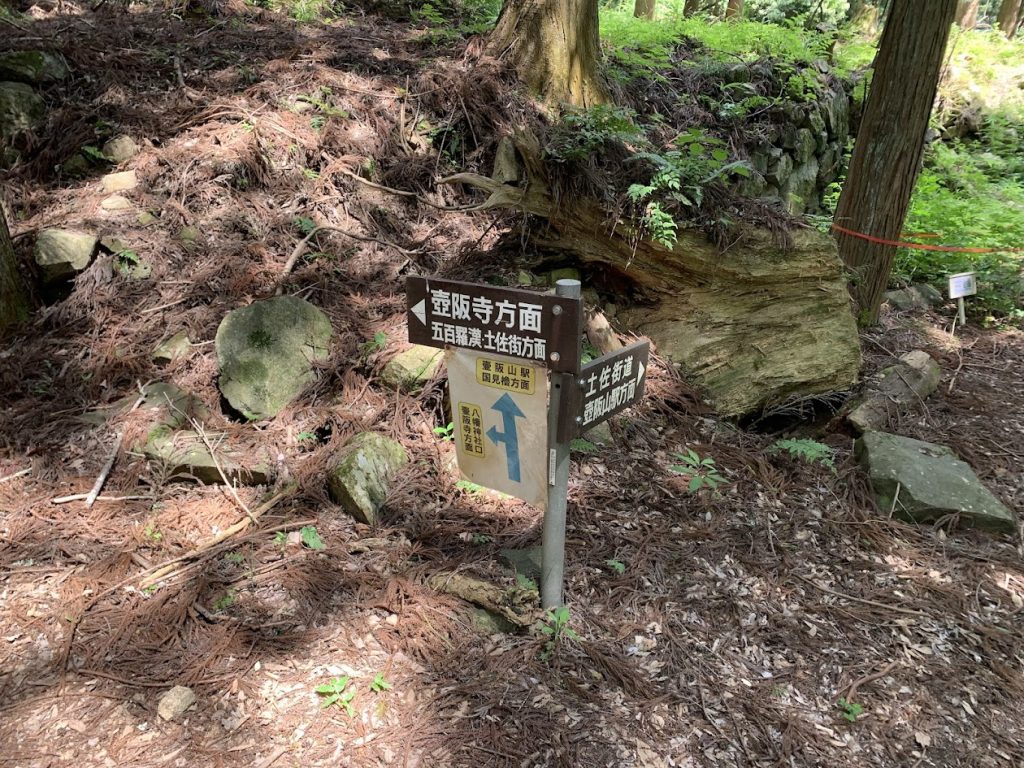
I will go down toward Tsubosakadera temple on the left.
The path on the right is the one I came up.
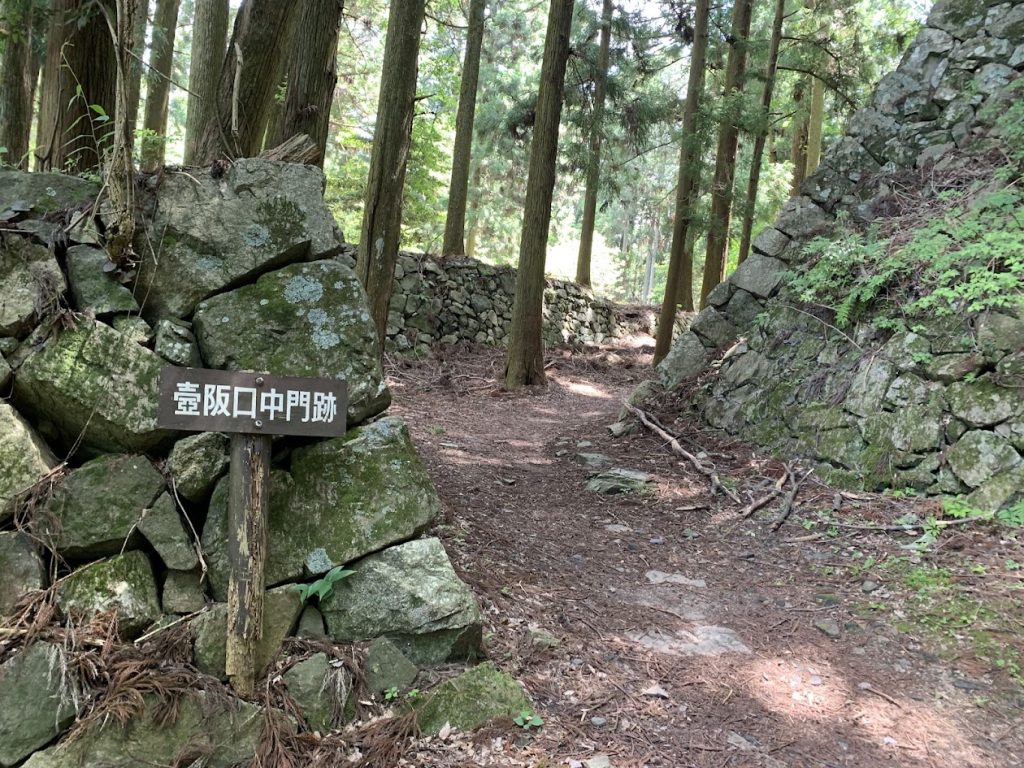
Ruins of the Tsubosaka Entrance Middle Gate

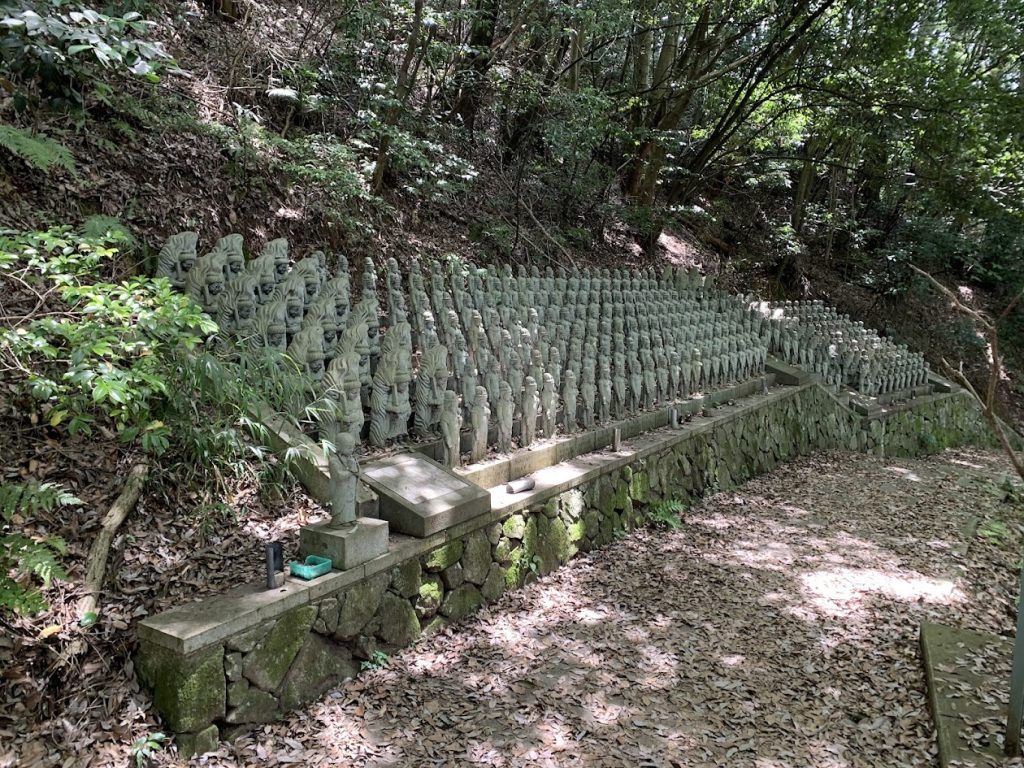
Five Hundred Rakan
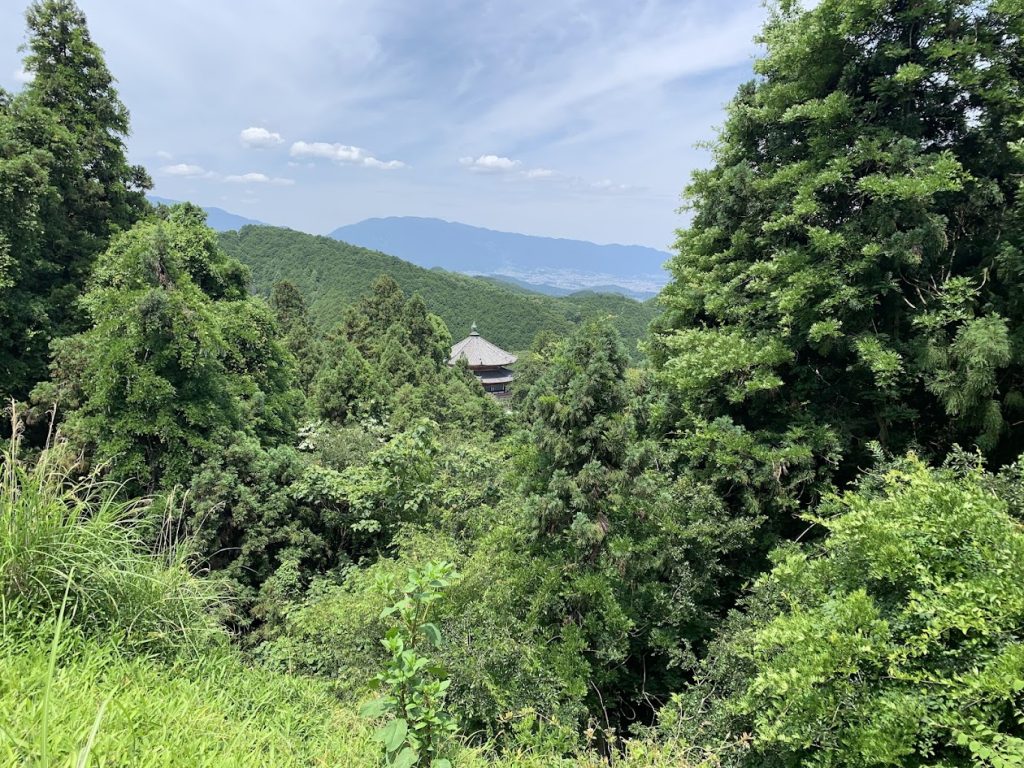
Tsubosaka-dera temple has come into view through the trees.
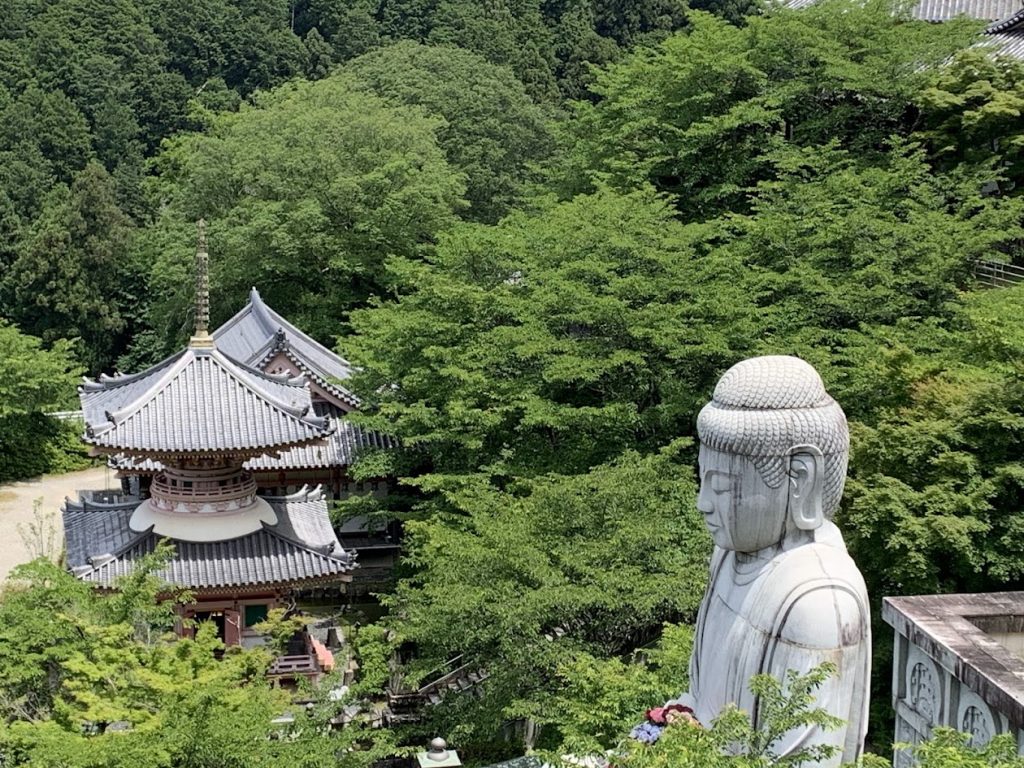
Tsubosaka-dera temple
The Great Buddha here, also known as the “Sakura Great Buddha,” attracts many visitors, especially during the cherry blossom season. The hydrangea season is also spectacular.
The main deity is the Kannon, renowned for curing eye diseases.
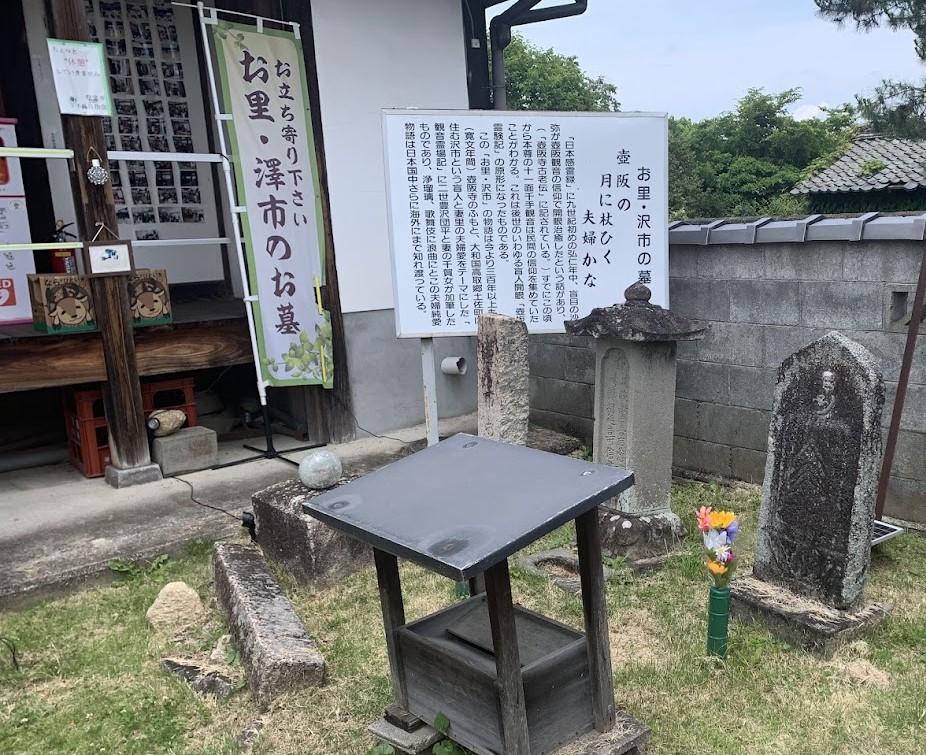
Graves of Osato and Sawaichi
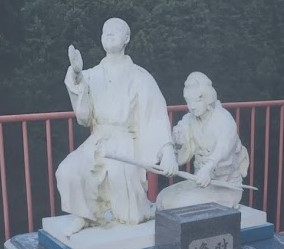
The Story of Osato and Sawaichi
This tale is based on a couple who are said to have lived in this area long ago.
Osato, the wife, prayed to the Tsubosaka Kannon to cure her blind husband, Sawaichi.
Every night, she would secretly leave their home to pray to the Kannon. Noticing her nightly absences, Sawaichi followed her and discovered her devoted prayers. Ashamed of having doubted his wife, Sawaichi threw himself into a deep valley.
Heartbroken by his death, Osato also threw herself into the valley. However, through the Kannon’s compassion, they were both revived, and Sawaichi’s eyesight was restored.
This story illustrates the power of the Kannon and the deep love between the couple.
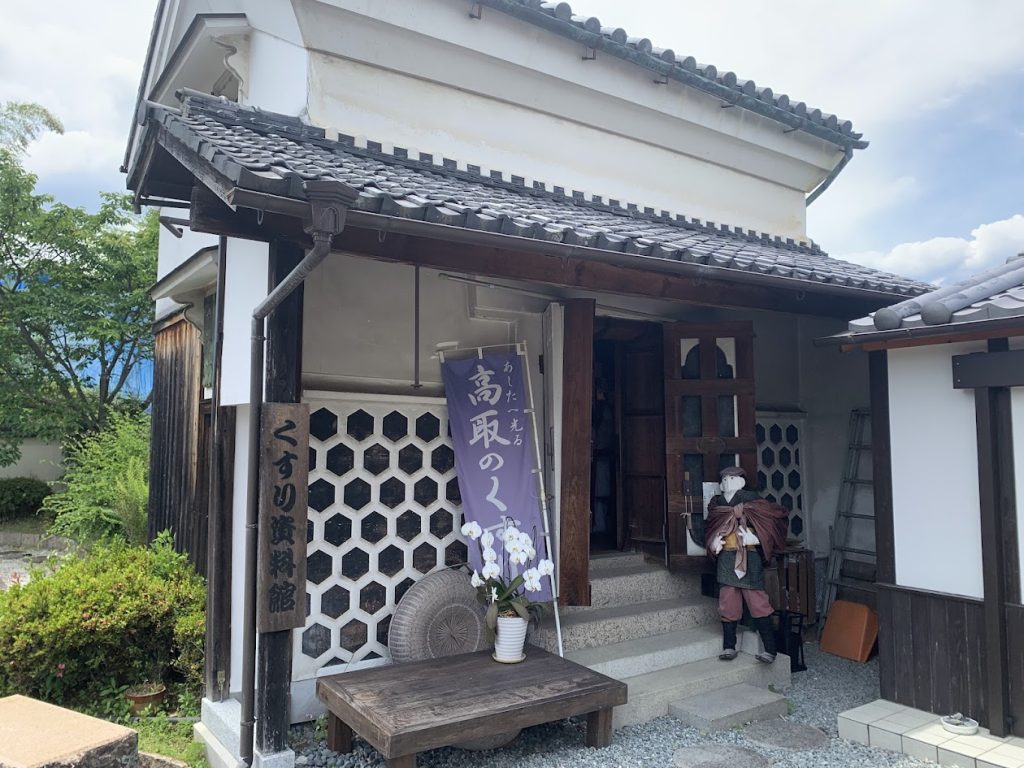
The “Medicine Museum” on Tosa Road in Takatori
Takatori is famous as a town known for its medicine.
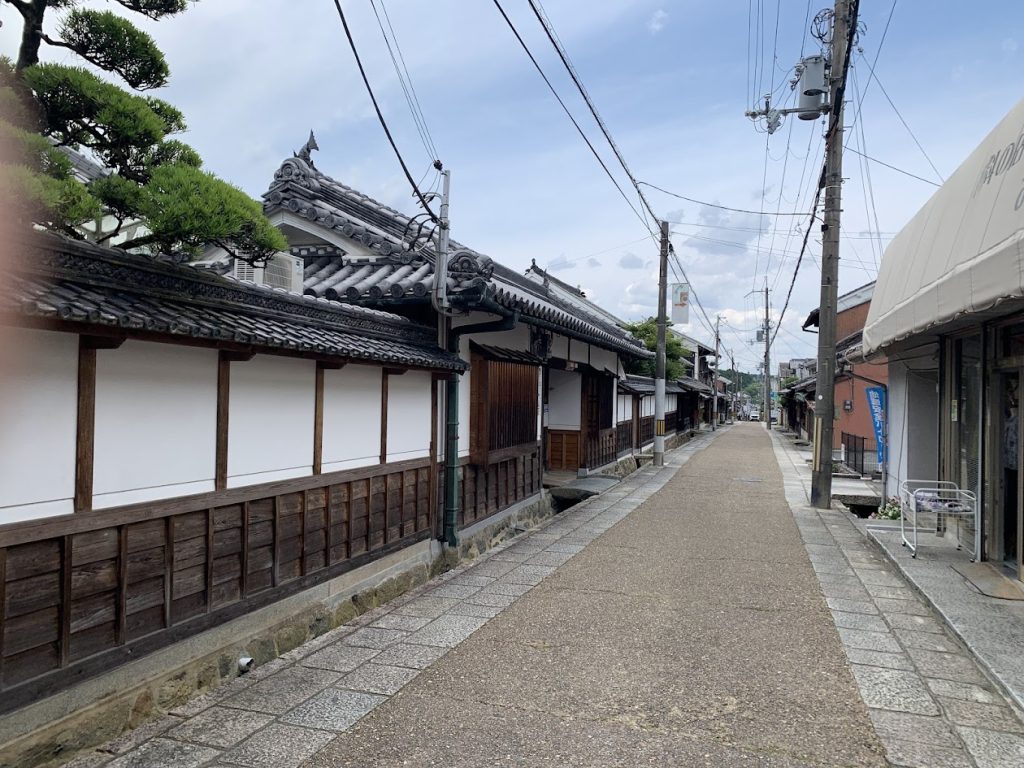
Scenes of Tosa Road
The information board introduced the origin of the name “Tosa Road.”
Tosa was the old name for what is now Kochi Prefecture.
It is believed that in the early 6th century, people who were sent from their hometown of Tosa to work on the construction of the capital for the Yamato sovereignty were unable to return home due to a lack of assistance from the sovereignty after completing their duties.
As a result, they settled in the area, which led to the naming of the road “Tosa.”
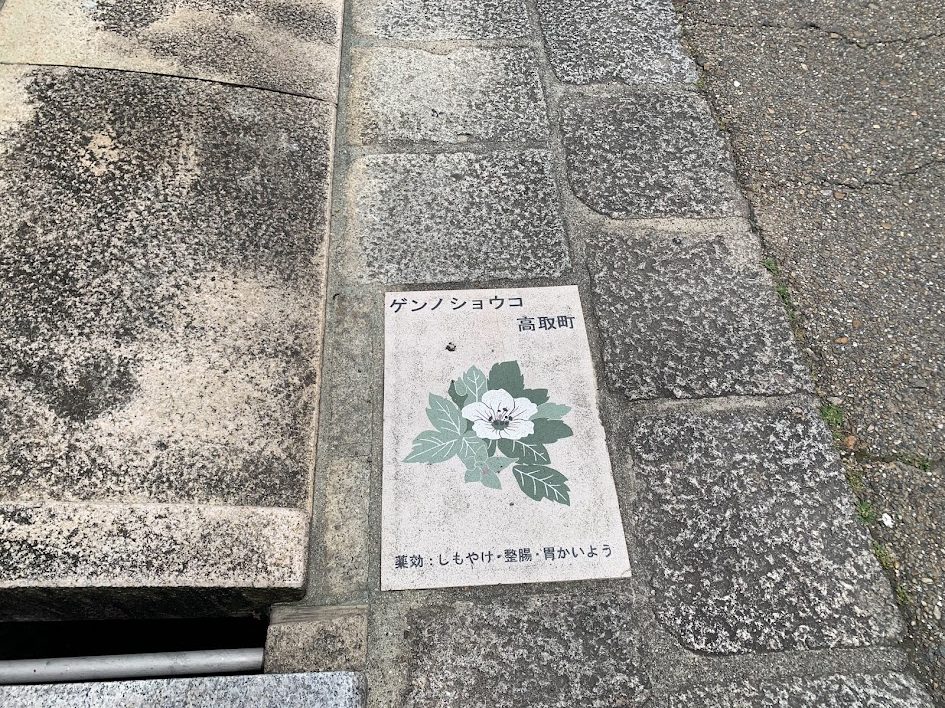
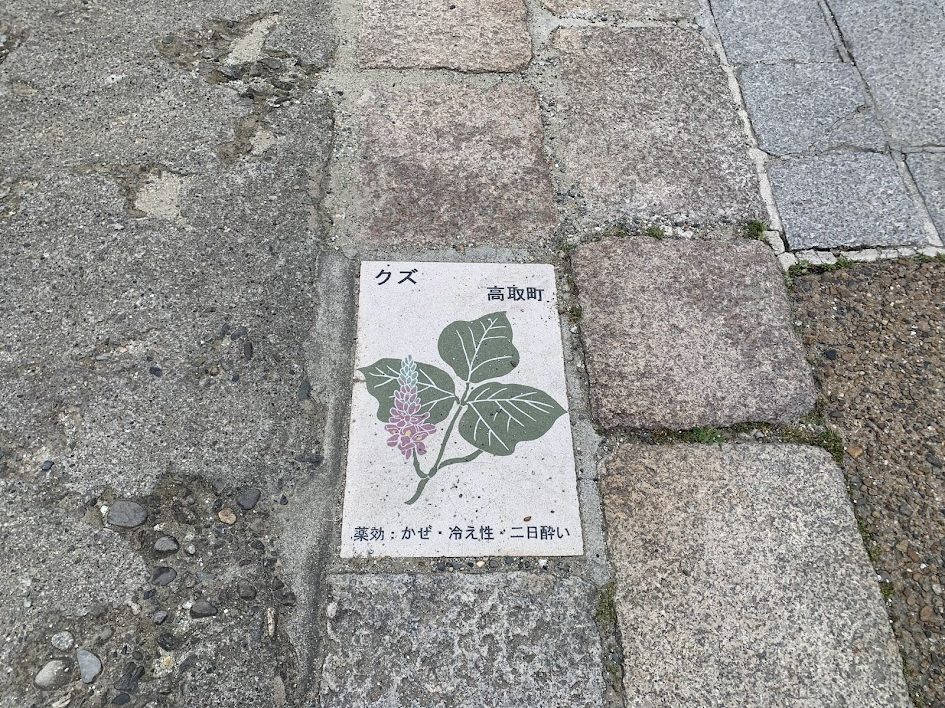
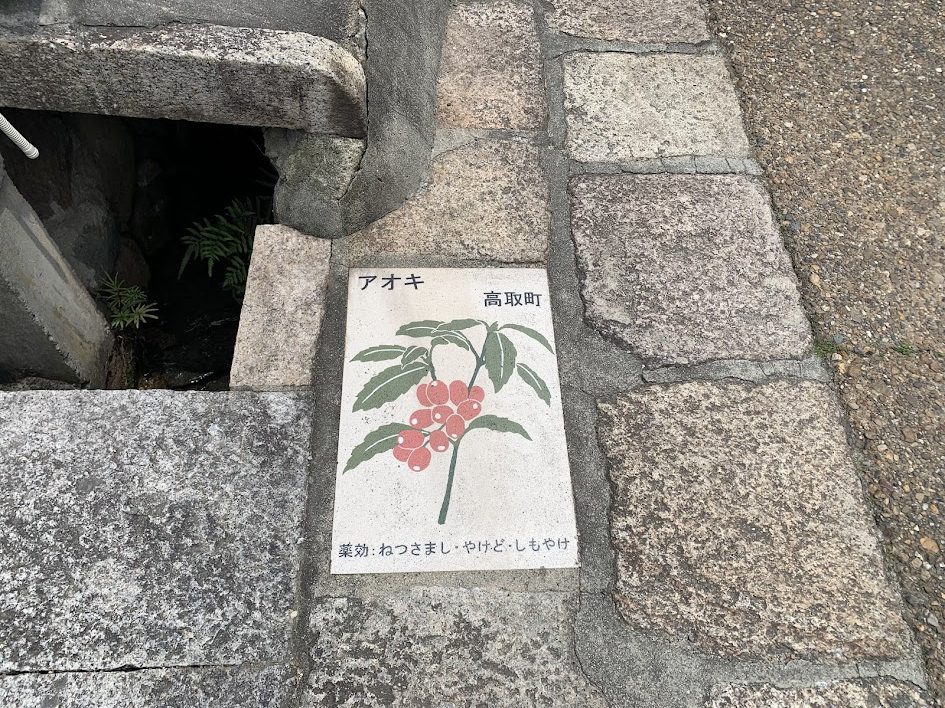
Tiles introducing medicinal herb found on the roadside of Tosa Road

コメント