
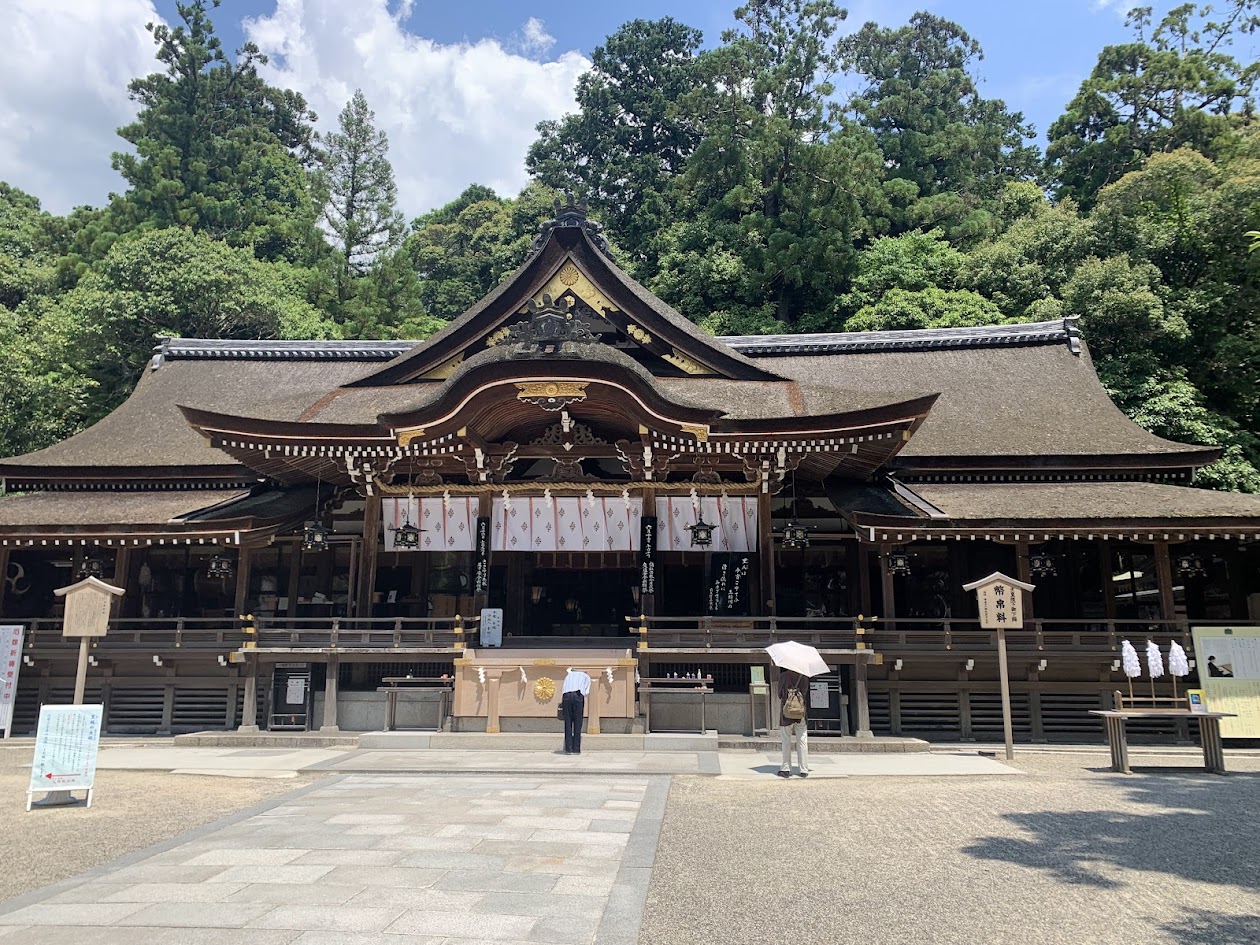

Omiwa Shrine
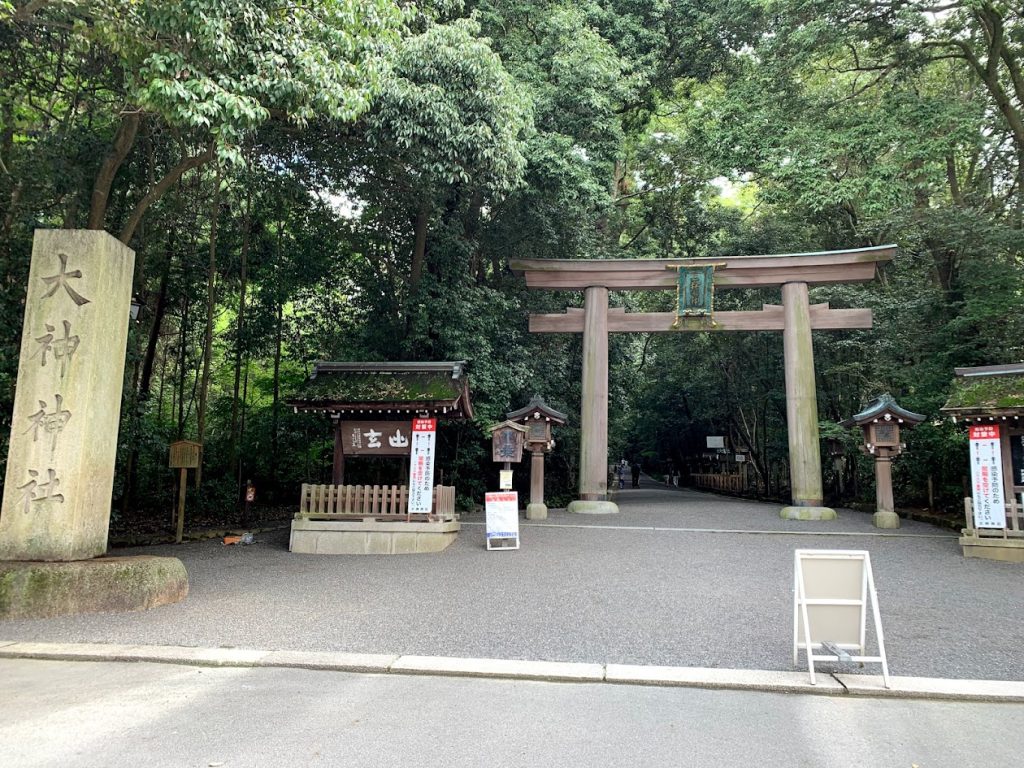
Omiwa Shrine, believed to be the oldest shrine in Japan and the principal shrine of Nara Province, is unique in that it worships Mount Miwa as its sacred deity instead of having a Main Shrine structure. This reflects the ancient practice of “kami matsuri” (worship of deities) before the establishment of shrine buildings.
According to the “Kojiki” (Records of Ancient Matters, the oldest book in Japan), the deity Omononushi appeared before Okuninushi and said, “If you wish to accomplish the task of nation-building, you must enshrine me on Mount Miwa in the eastern mountains of Nara. Thus, this shrine is one where a deity worships another deity.
Omiwa Shrine is regarded as a guardian deity for various aspects of life, including industrial development, medicine, sake brewing, and matchmaking.
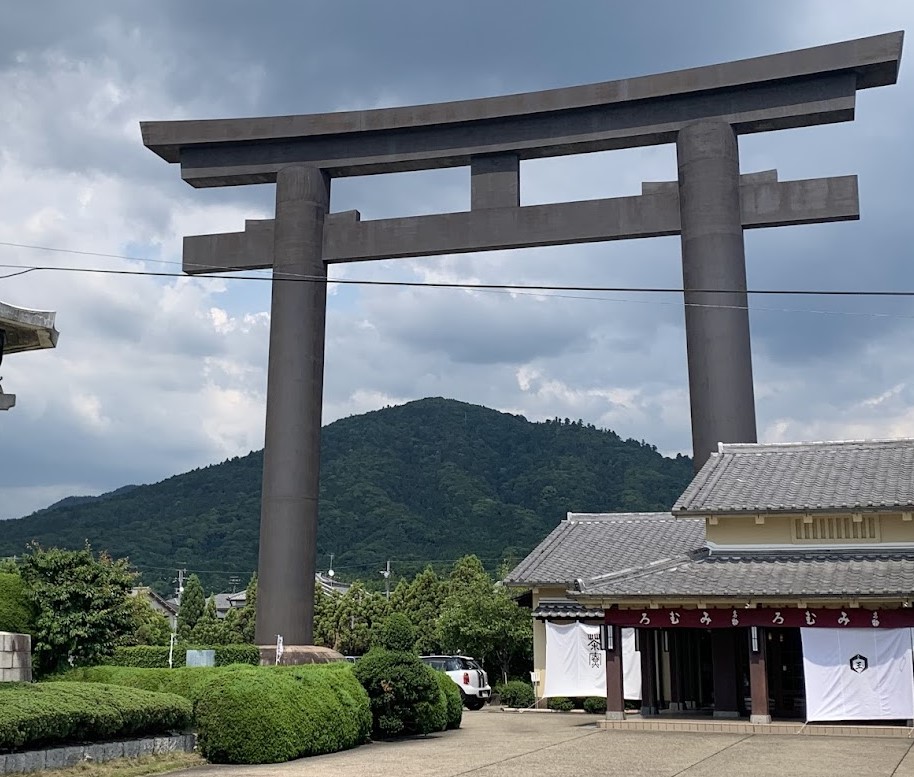
The Great Torii Gate and Mount Miwa of Omiwa Shrine
Mount Miwa is a particularly beautiful cone-shaped mountain among the peaks that surround the Nara Basin. It stands 467 meters high with a circumference of 16 kilometers.
For a long time, Mount Miwa was a sacred area where entry was forbidden. However, in recent years, Pilgrims can now climb the mountain for worship after completing the necessary procedures at the affiliated Sai Shrine. (The term used is “climb for worship” rather than simply “climb.”)
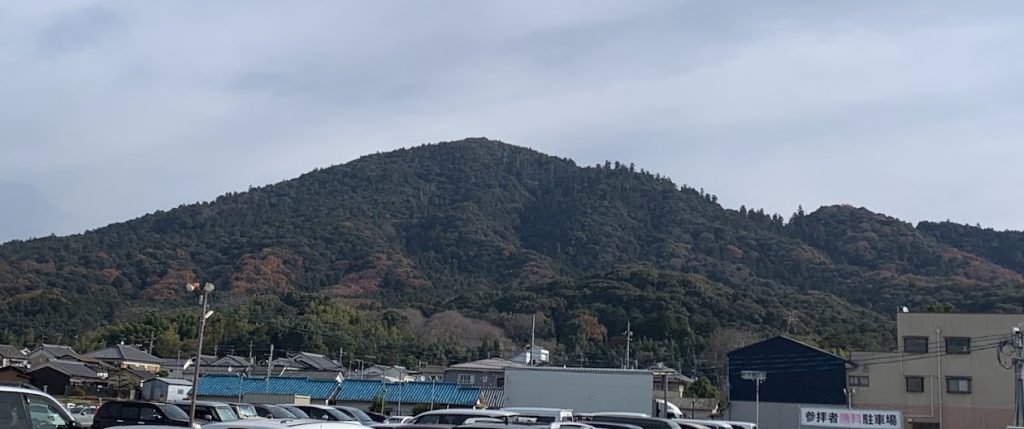
Mount Miwa as the Sacred Object of Worship
Omiwa Shrine has no main sanctuary building; instead, worshippers offer their prayers from the worship hall toward Mount Miwa, which is revered as the sacred object of worship itself.
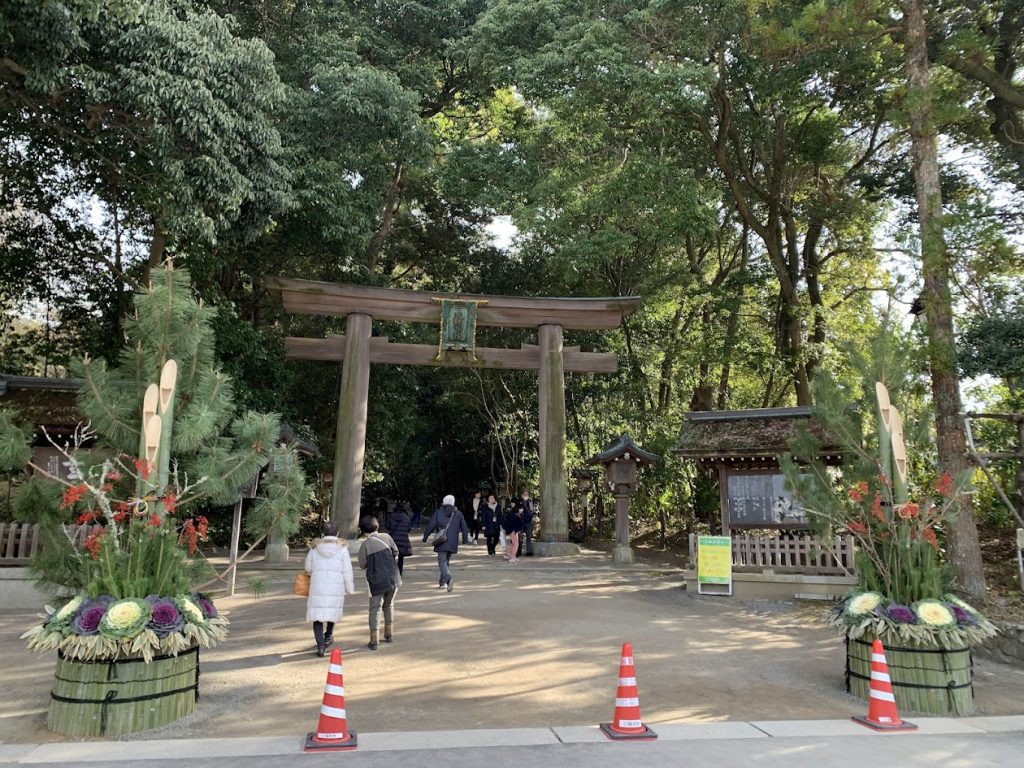
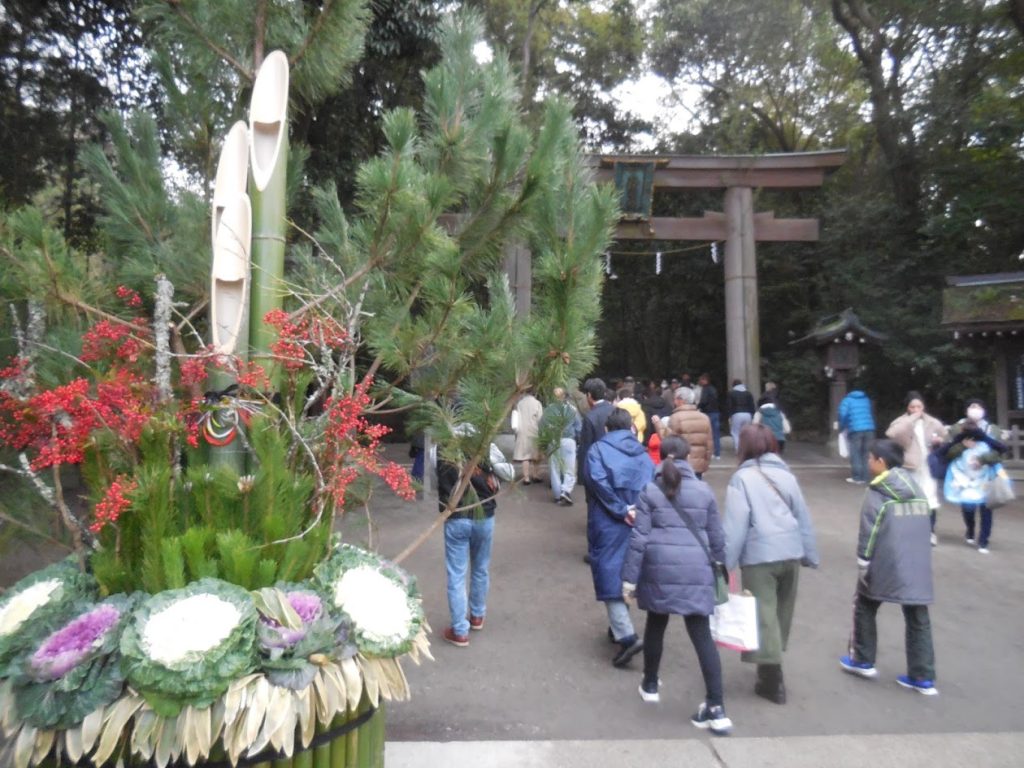
The second torii gate just before the New Year
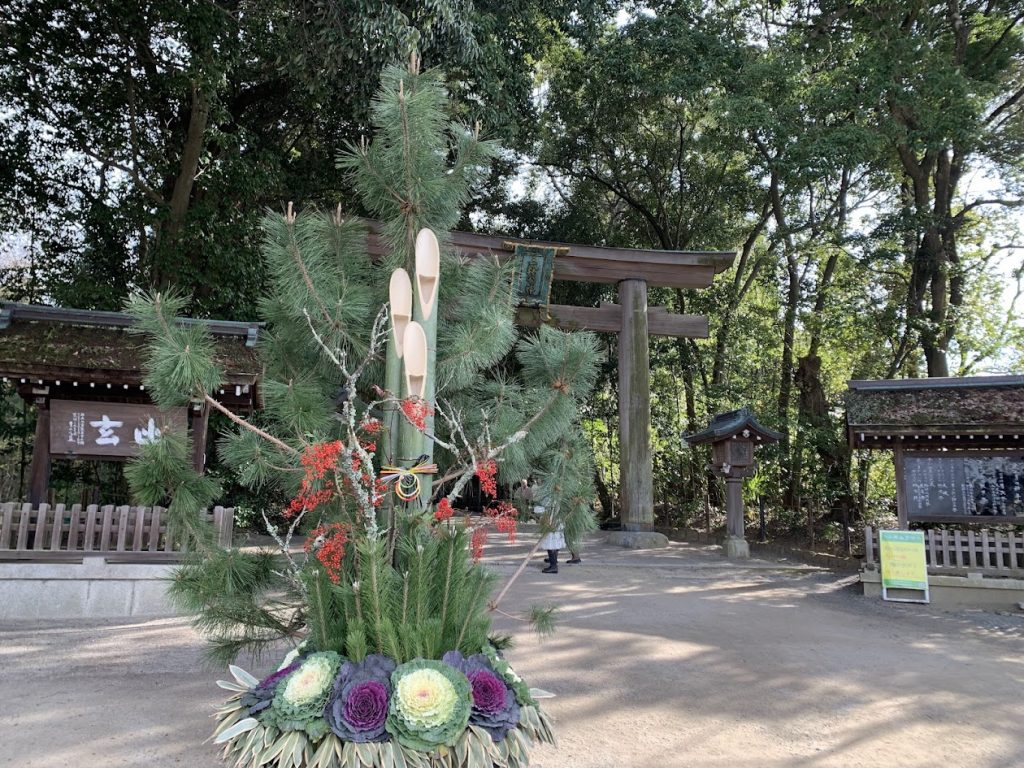
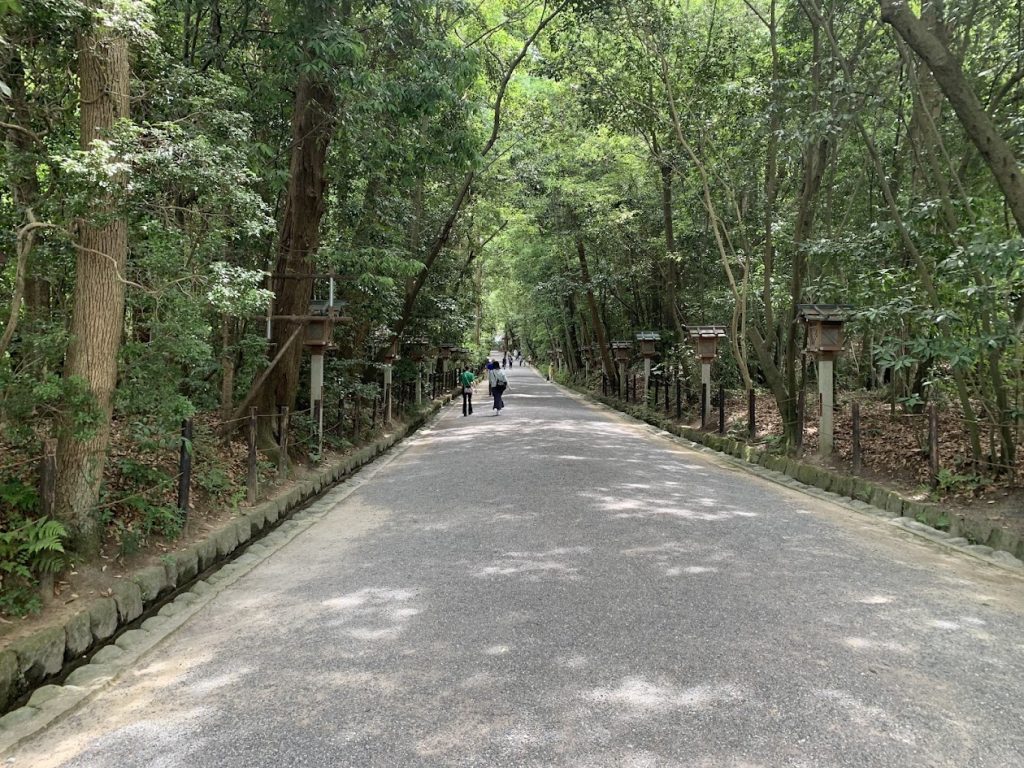
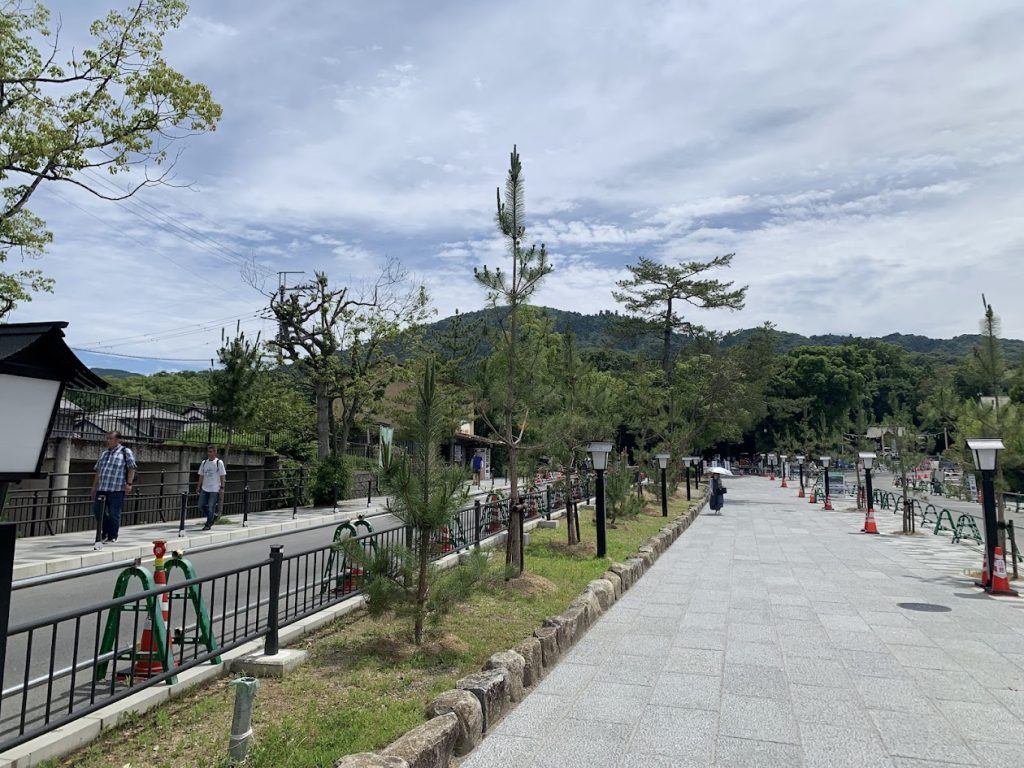
This is the approach to the worship hall.
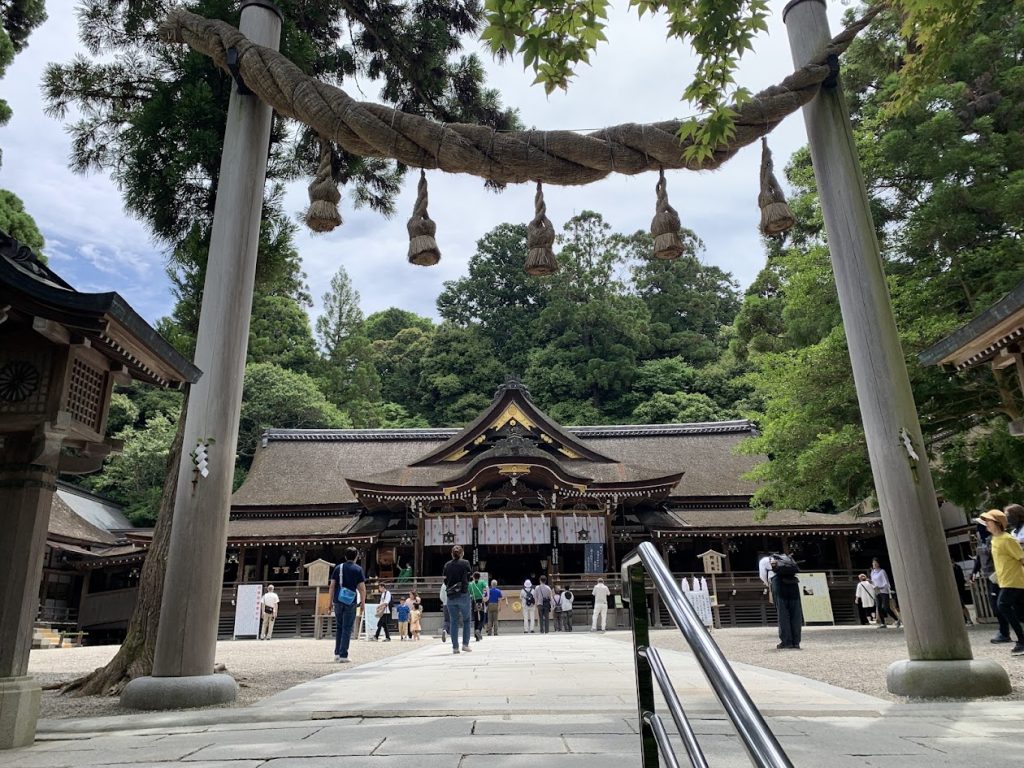
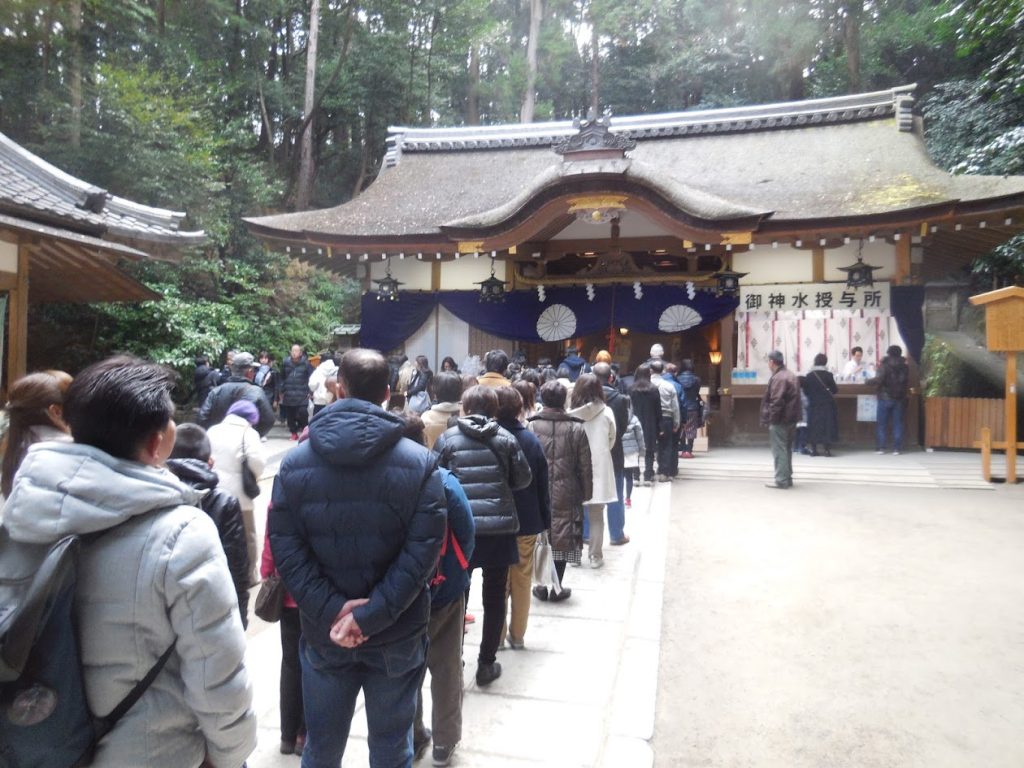
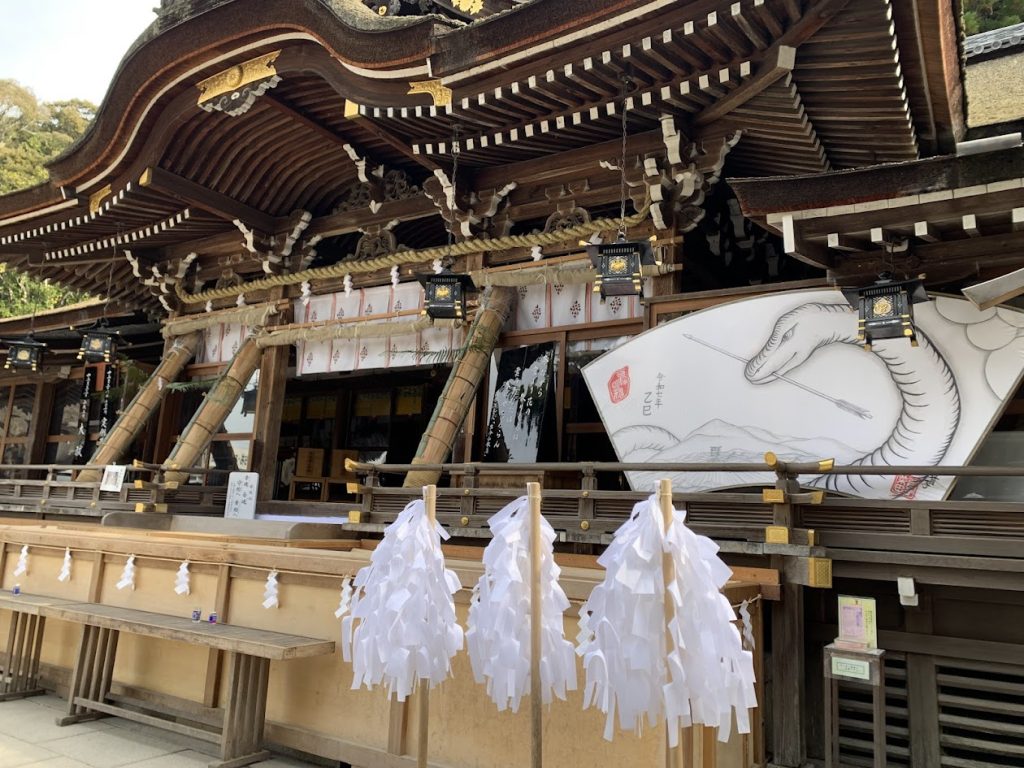
This is the worship hall.
From here, we worship the sacred mountain, which is the object of worship. There is no main shrine structure; the mountain itself is considered the deity.
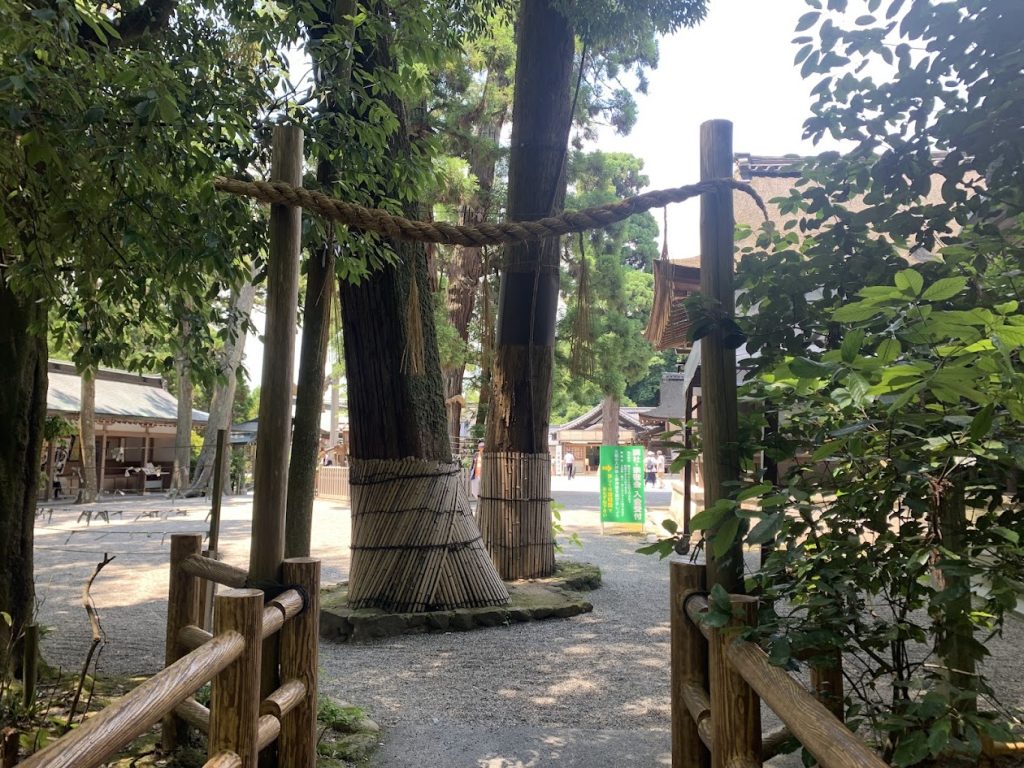
The sacred cedar tree can be seen on the right side of the photo. During the New Year’s visit (Hatsumode), many people come to offer their prayers.

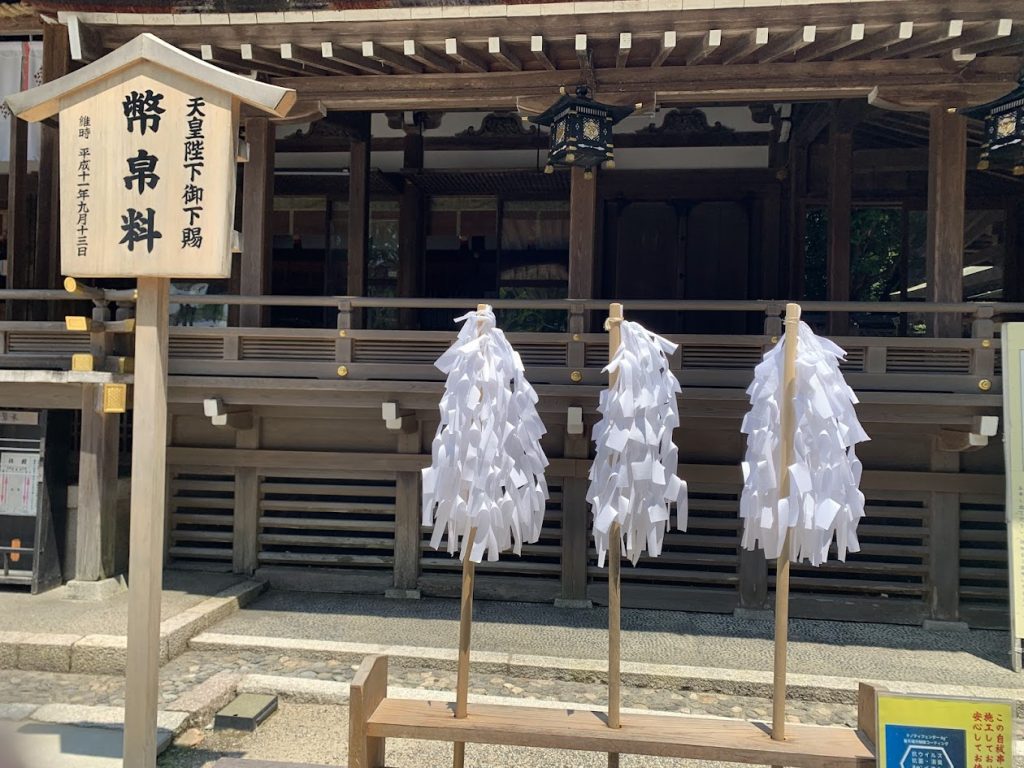
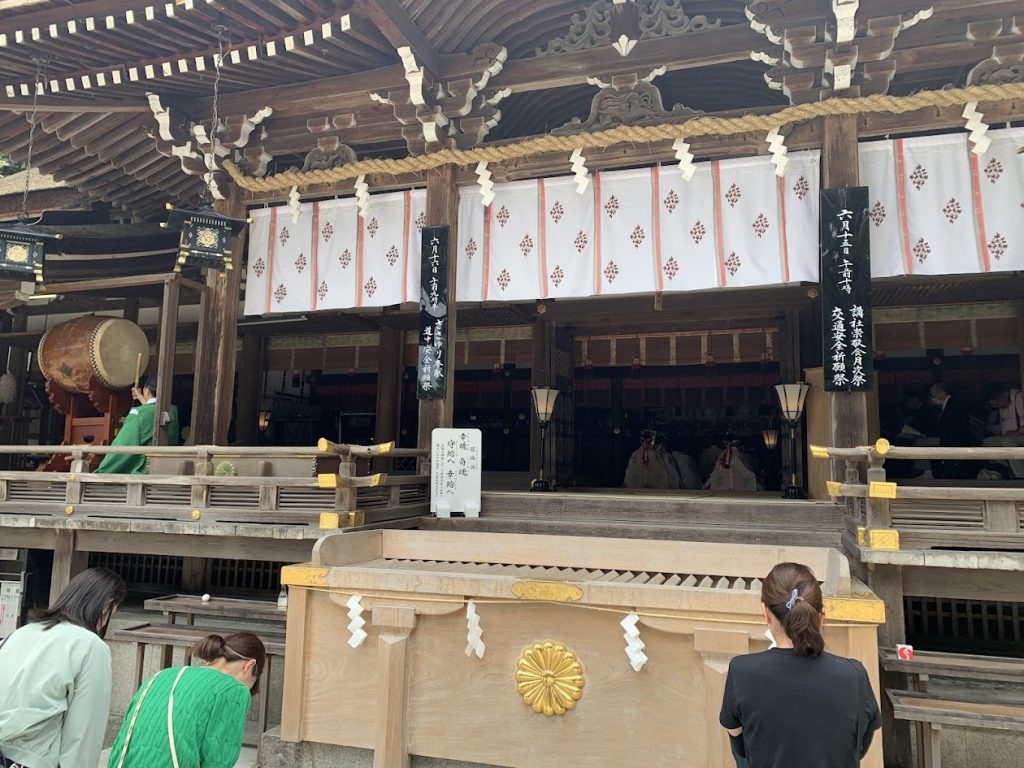
Behind this worship hall stands the “Mitsu-torii” gate, and through it, we worship Mount Miwa, the sacred object of worship.
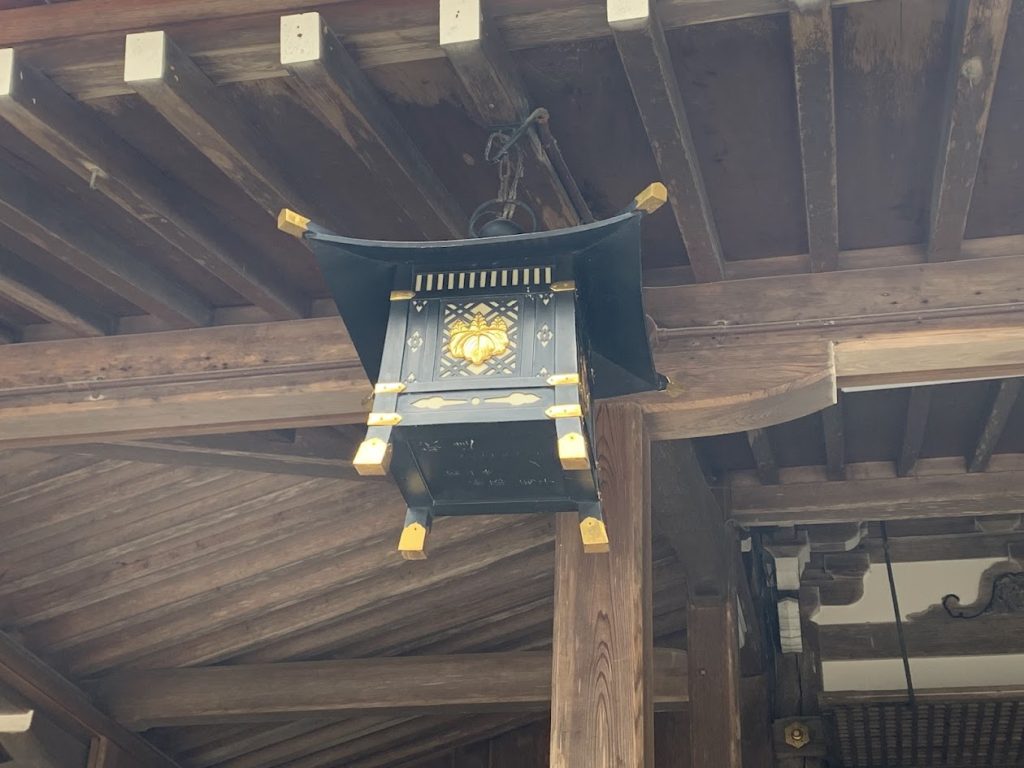
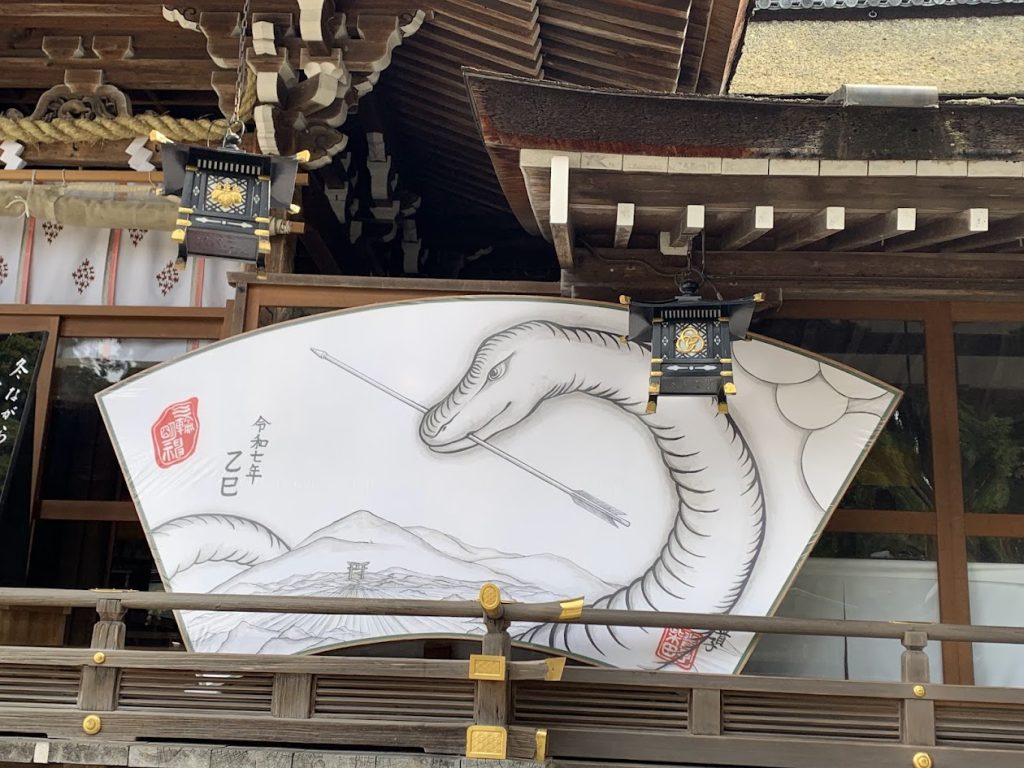
Ema for the Year of the Snake (2025, Reiwa 7)
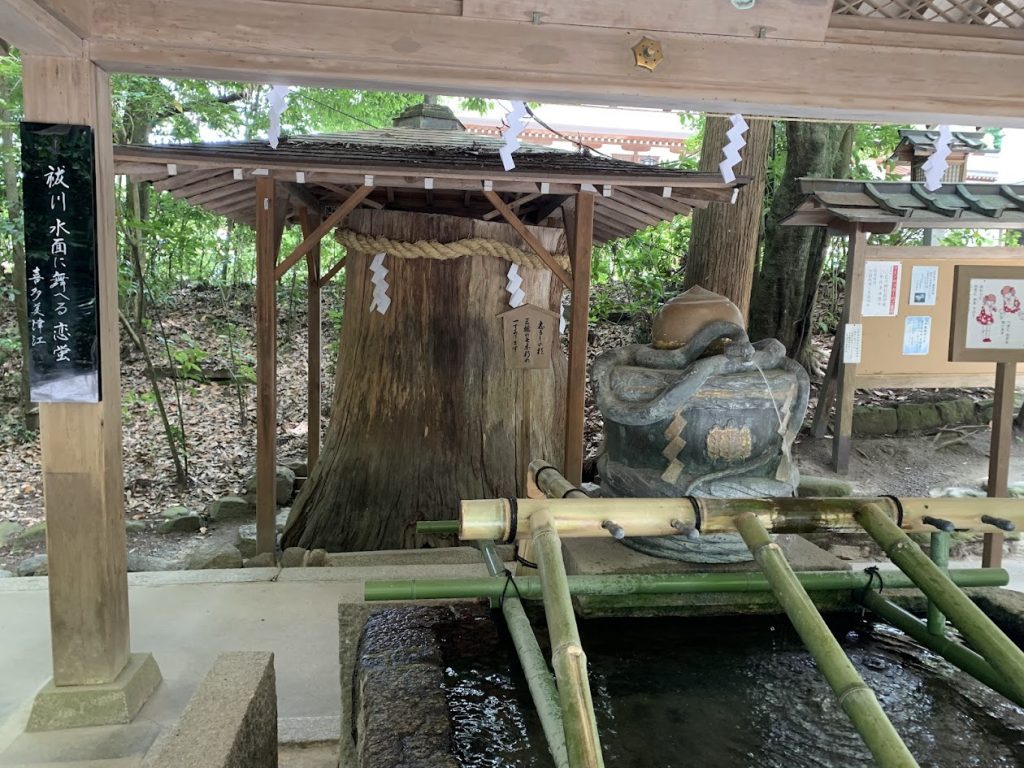
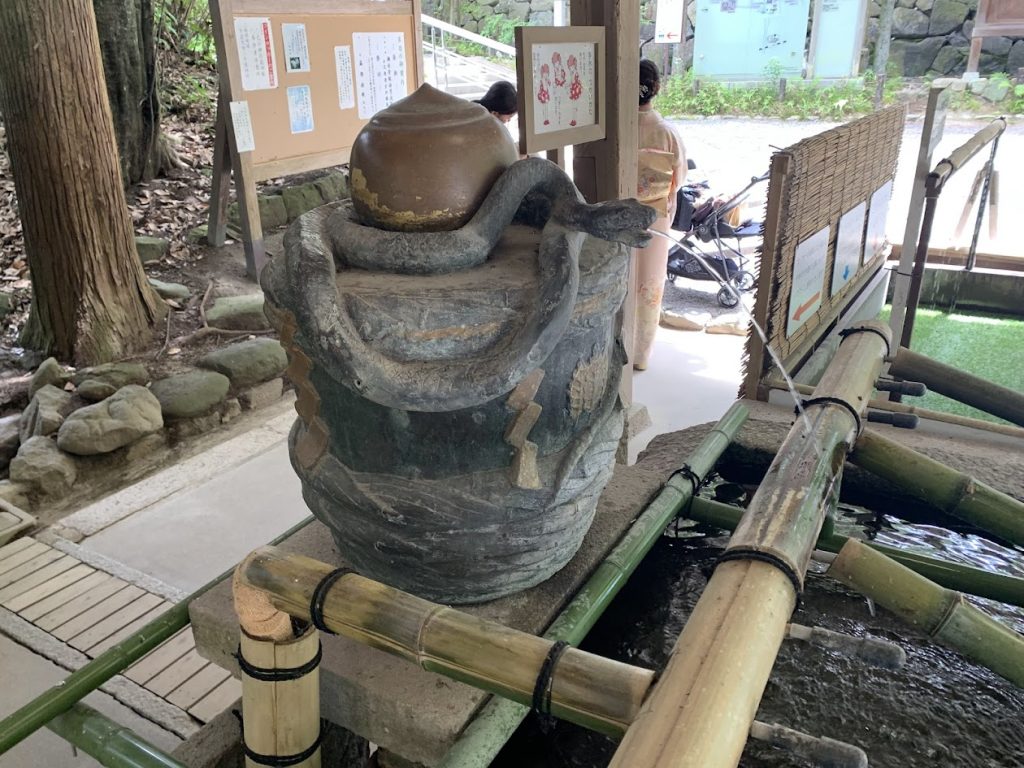
At the chozu (purification fountain), many shrines have water flowing from the mouth of a dragon, but at Omiwa Shrine, it comes from a snake.
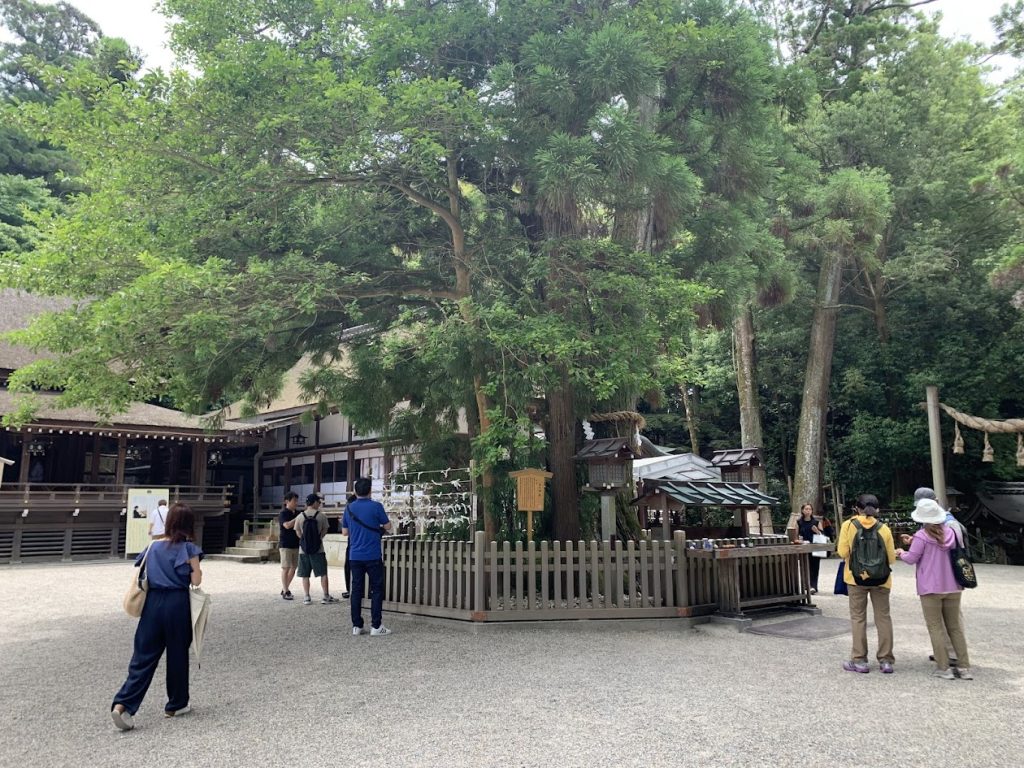
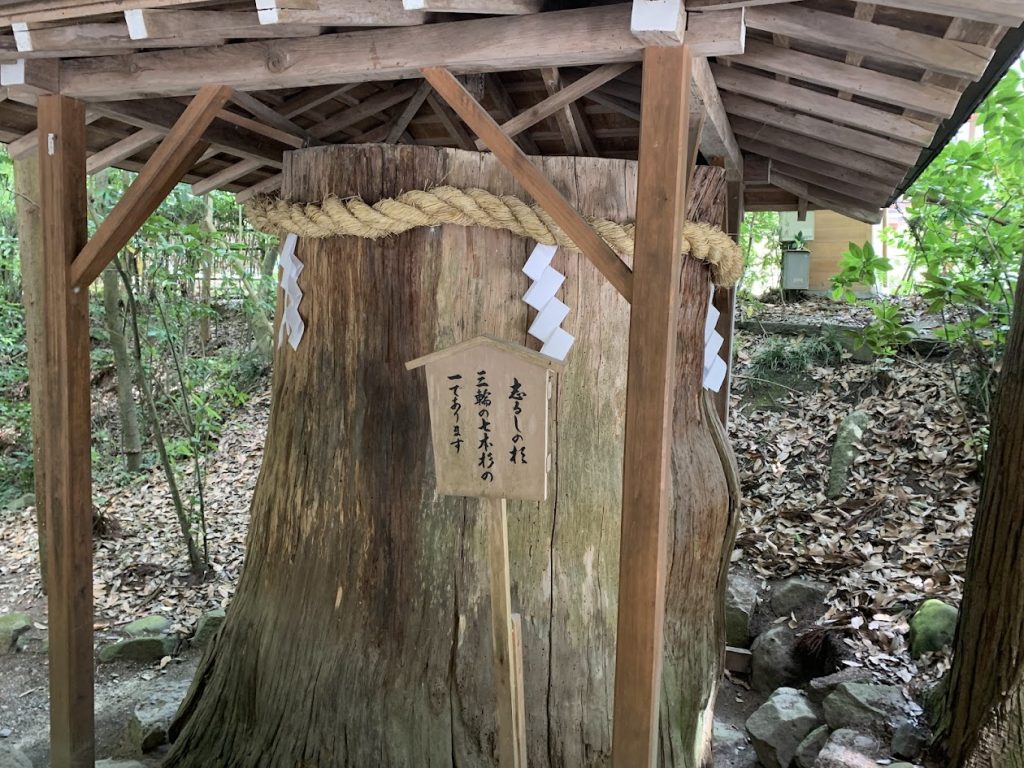
The Sacred Cedar of the Snake next to the worship hall
This tree is named after the white snake, which is thought to be the form of the deity Omononushi no Okami.
Eggs and sake are offered here.
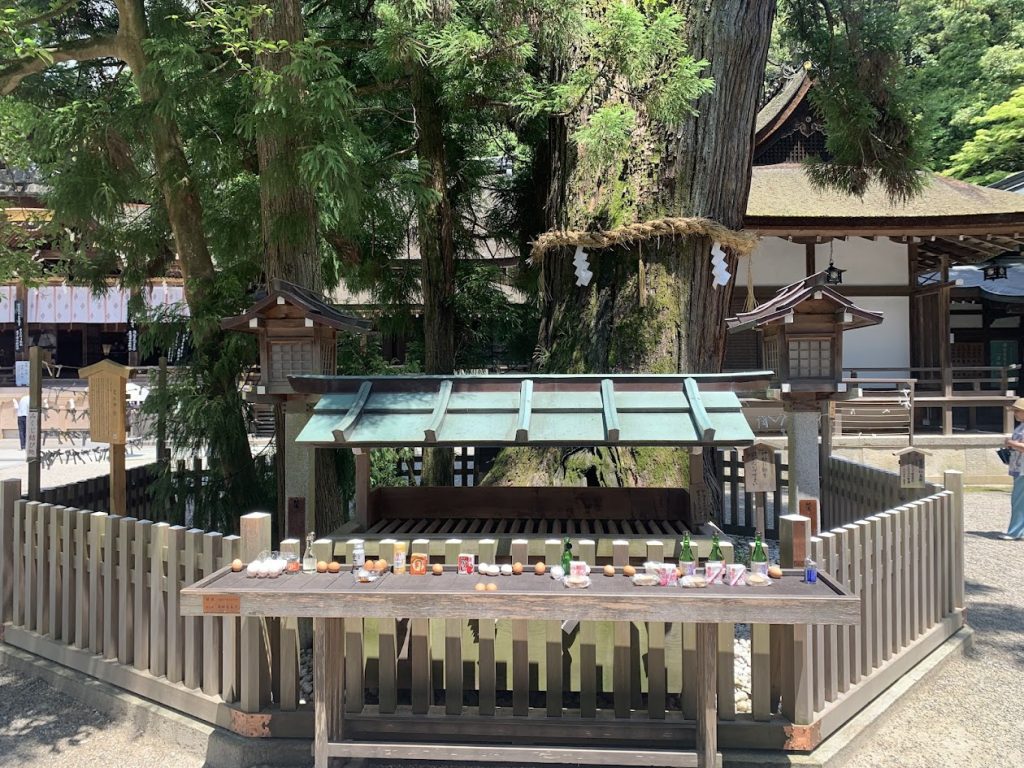
The deity Omononushi no Okami, the main deity enshrined here, is said to have taken the form of a snake, as recorded in ancient texts like the Nihon Shoki. The snake deity is worshipped as an incarnation of Omononushi no Okami.
Eggs and sake are offered in front of the large tree because these are believed to be the preferred offerings of the snake deity, brought by worshippers.
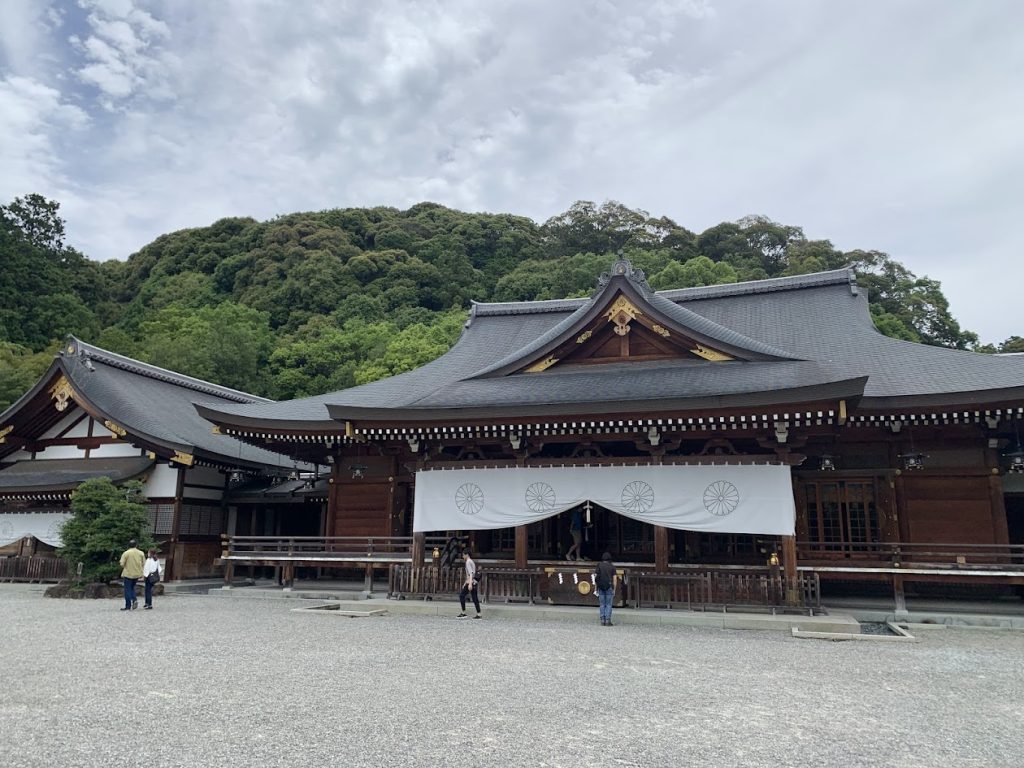
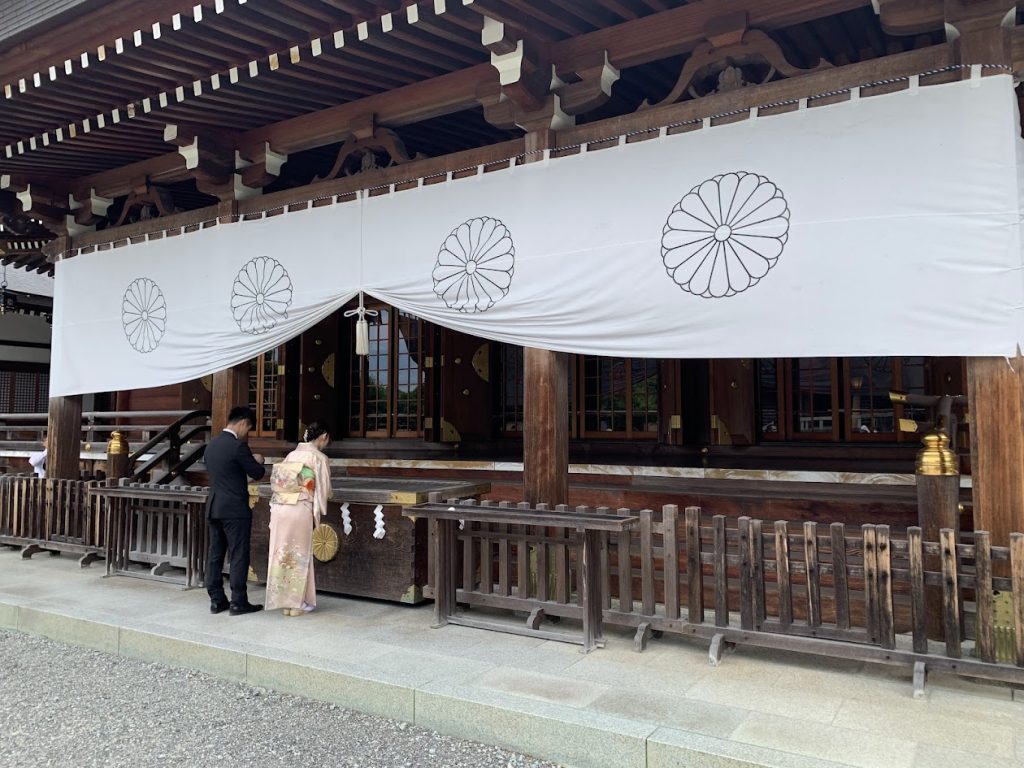
This building is used for daily prayers and wedding ceremonies.
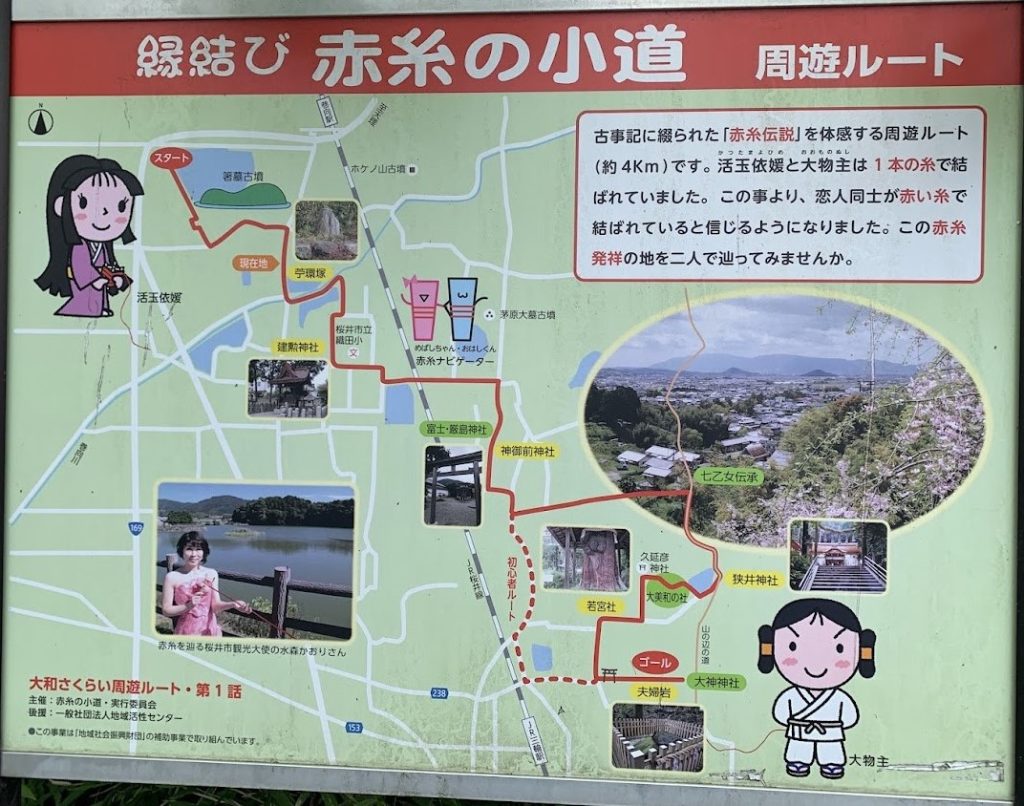
Once, there was a very beautiful young woman named Ikutama Yoribime.
Every night, a distinguished young man began to visit her. Concerned, her parents questioned her about this young man, but she only knew his appearance, not his name.
So, her parents instructed her, “Next time he visits, scatter red clay in front of your bed and attach hemp threads to his clothing.”
Following their instructions, the next morning, the hemp threads were found to have passed through the keyhole of the door and extended outside. Tracing the red thread covered in red clay led to the shrine of the deity on Mount Miwa. It was then discovered that the young man was the deity Omononushi of Mount Miwa.
After this, Ikutama Yoribime became the wife of Omononushi.
It is said that the concept of the “red thread of fate” originated from this story.
In the top left corner of this map is JR Makimuku Station. To the left (west) of this station is the Makimuku Archaeological Site. The beginning of Japanese history, known as the “Yamato Sovereignty,” started here.
The site covers a vast area, and about 15% of the excavated pottery is from other regions, ranging from Kyushu to Kanto (the Tokyo area). Additionally, nearby are many large keyhole-shaped tombs (kofuns), including the giant Hashihaka Tomb (kofun), which is 276 meters long.
The site has yielded very few agricultural tools and a predominance of construction tools, suggesting it was Japan’s first “city.”
There are two theories about the location of the ancient Yamatai Kingdom: one in Kyushu and the other in the Kinki region (Nara). The debate has continued since the Edo period, but recent high school textbooks primarily support the Kinki (Nara) theory.
According to the ancient Chinese text, Queen Himiko is said to have sent envoys to China around 238 AD. The Hashihaka Tomb is believed to have been constructed from the mid to late 3rd century, aligning with the time of Himiko.
It is also thought that the rulers of the Yamato Sovereignty prayed daily to the deity of Mount Miwa.
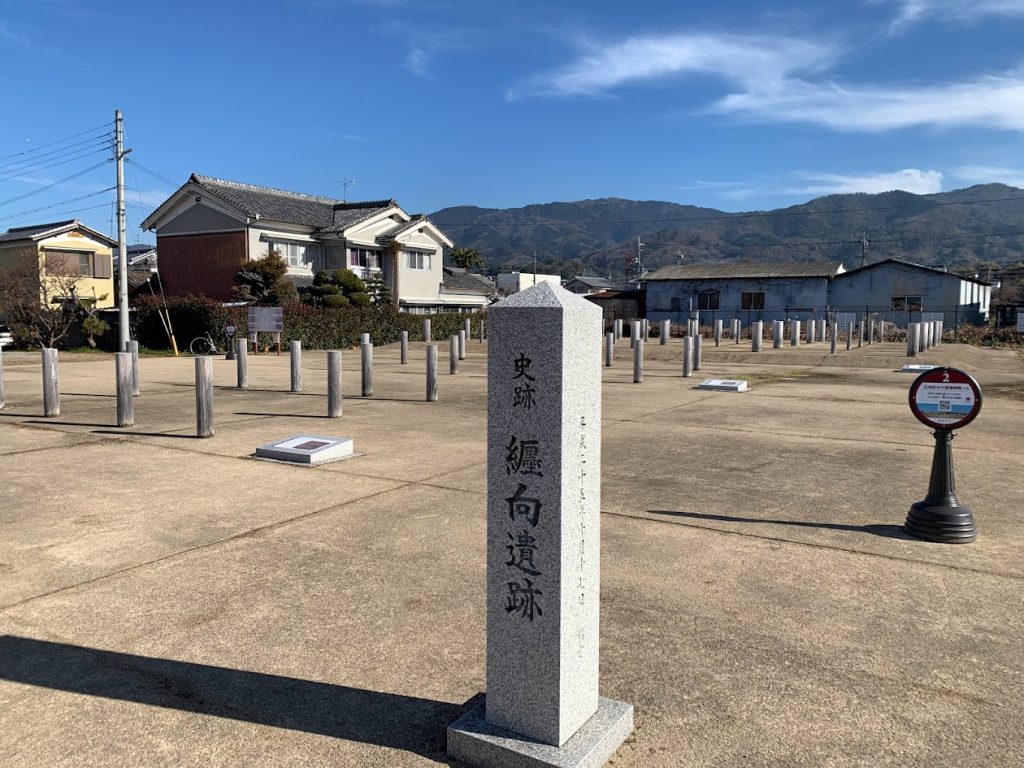
This is the palace site of the Makimuku Archaeological Site.
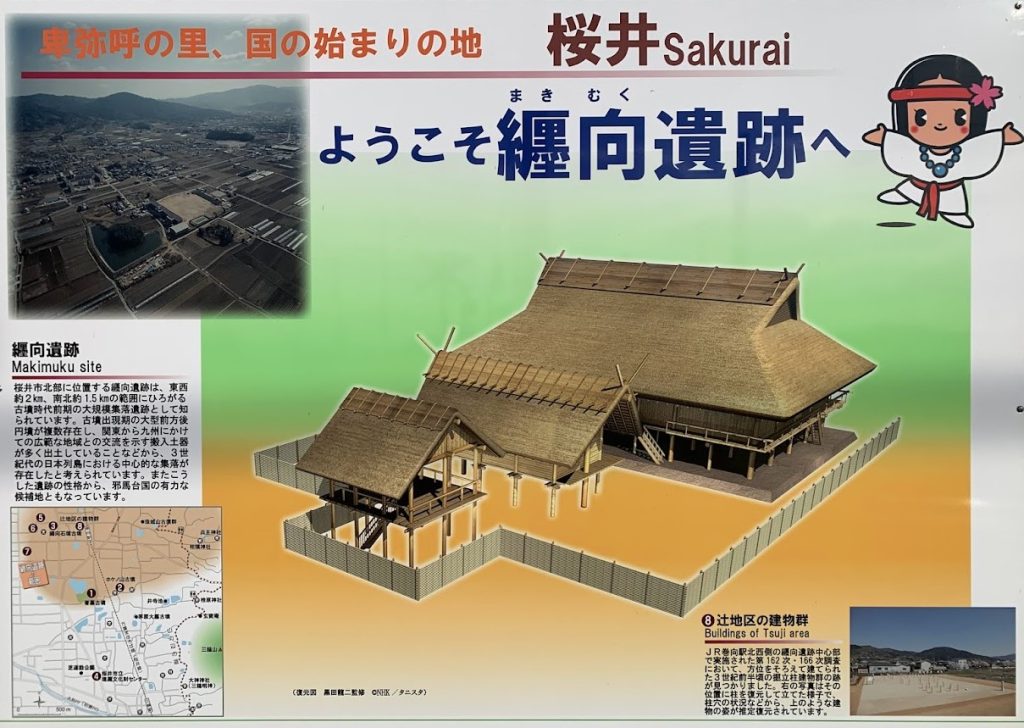
The information board at the Makimuku Archaeological Site.
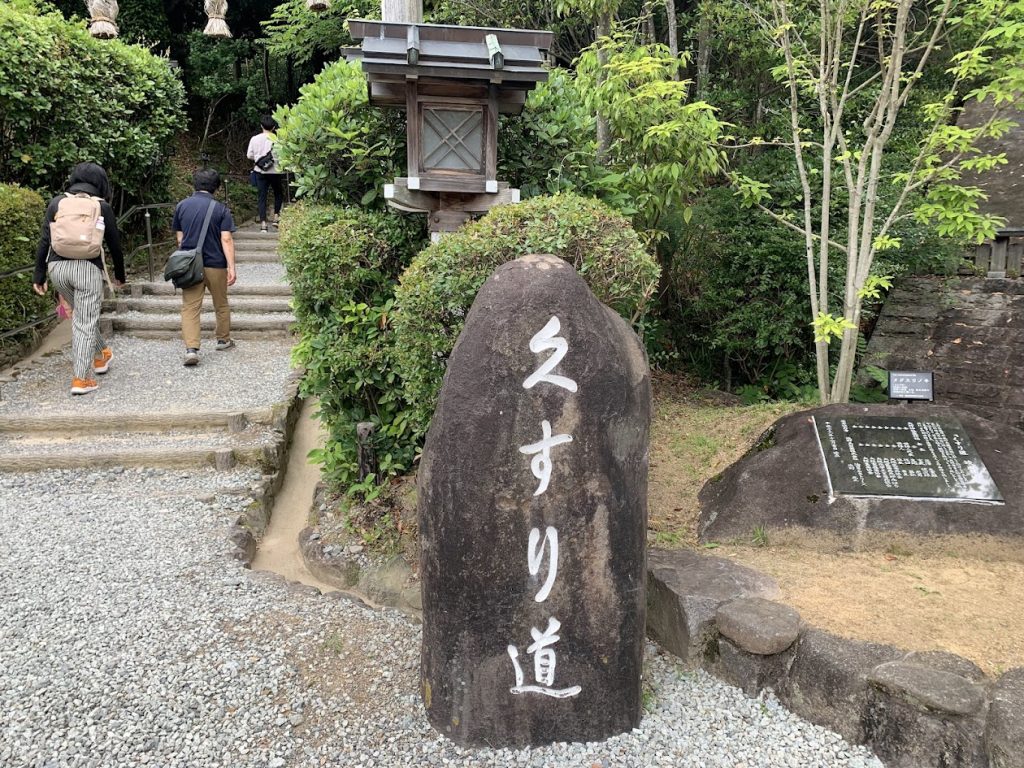
Kusuri Path
This is the approach from the worship hall to Sai Shrine.
Medicinal trees and herbs donated by pharmaceutical vendors are planted along this path.
Omononushi no Okami, the deity of sake brewing and matchmaking, is also well-known as a deity of medicine.
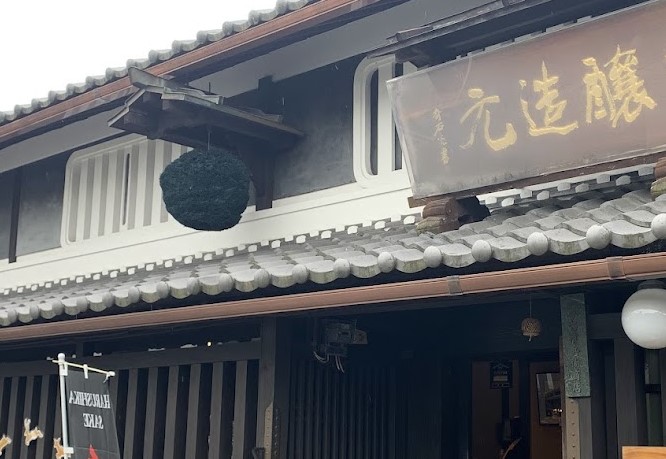
Sugidama
Omononushi no Okami is also the deity of sake.
Since the medieval period, a custom emerged of bundling leaves from the sacred cedar trees of Mount Miwa and hanging them at the entrance of sake breweries.
These bundles of cedar leaves have evolved into the symbol known today as “sugidama” for sake shops.
Every year, “sugidama” is delivered from Omiwa Shrine to the sake breweries.
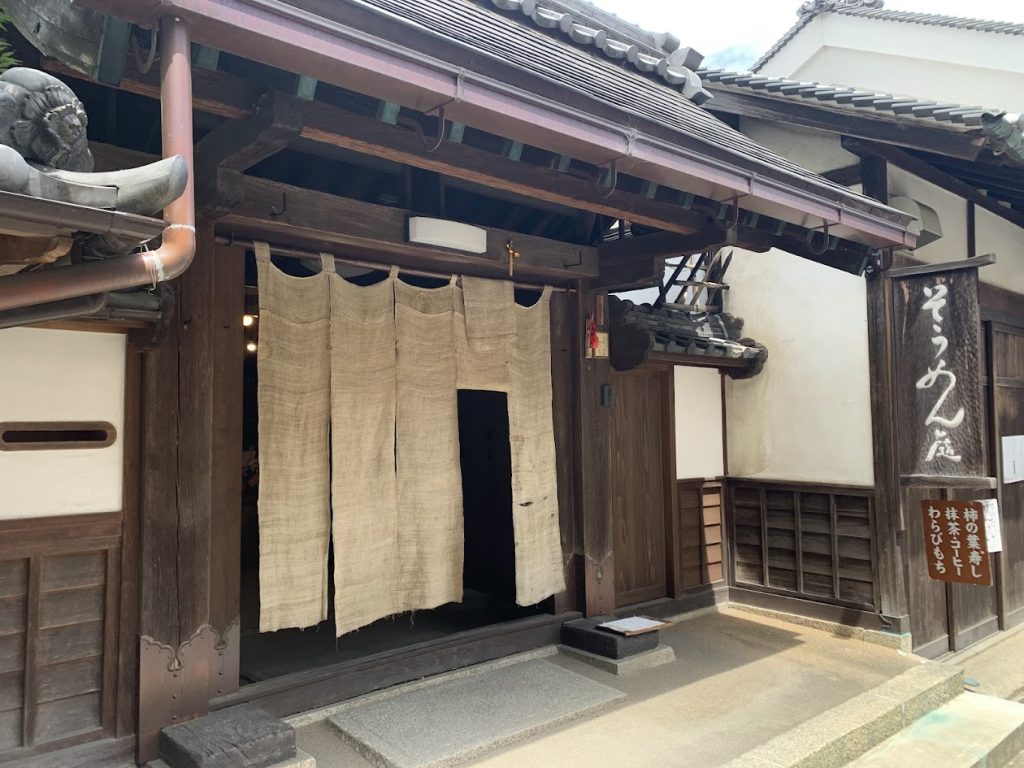
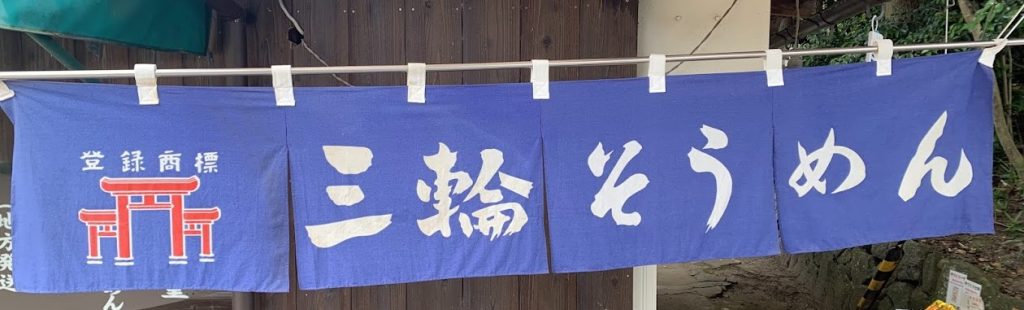
The shop selling Miwa somen next to the second torii gate
The roots of Japanese noodle culture can be traced back to “Miwa somen.”
It is characterized by its smooth texture and firm, chewy bite.
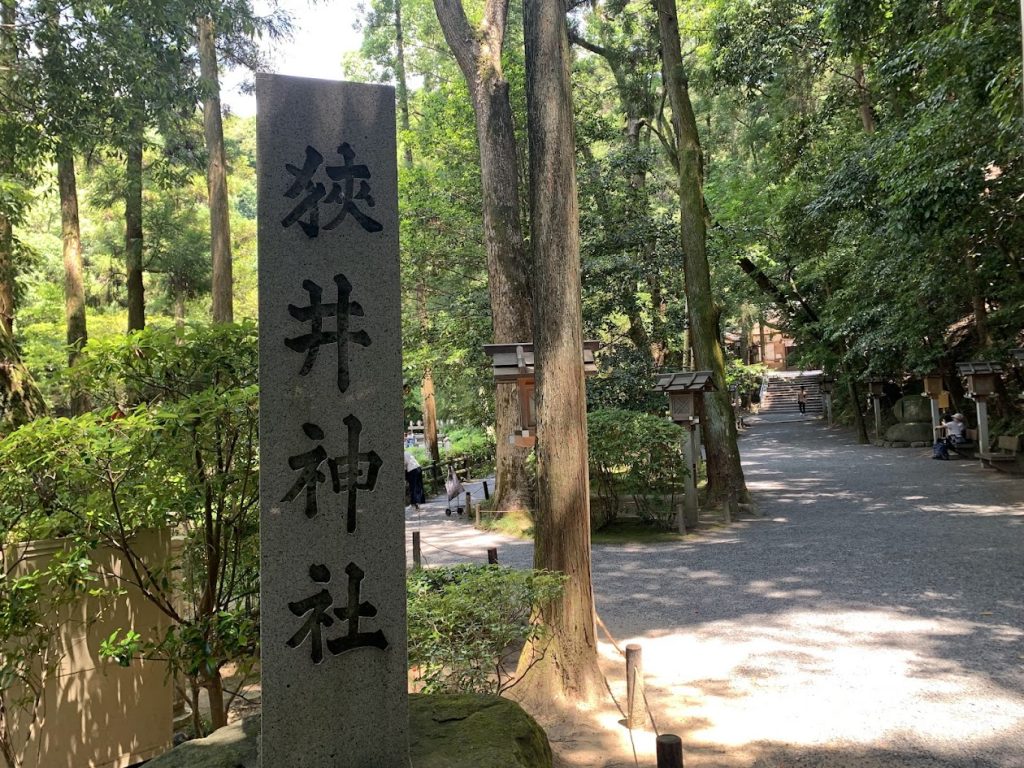
Sai Shrine
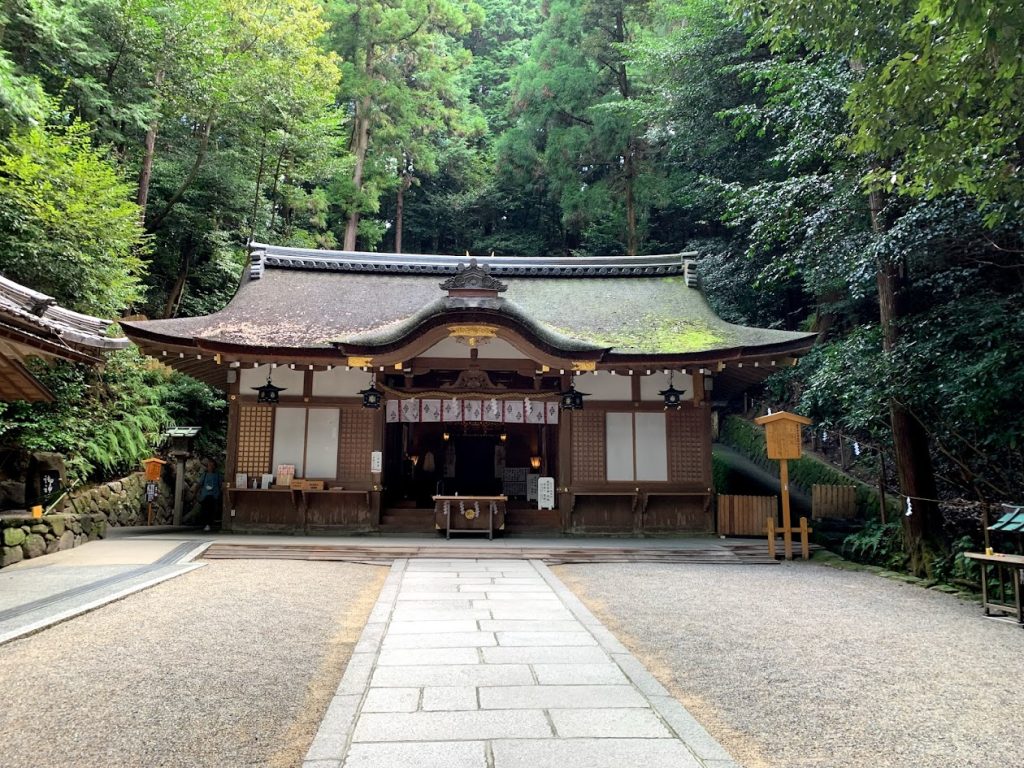
Sai Shrine
This shrine enshrines the ara-mitama (rough spirit) of the deity of Mount Miwa.
In ancient times, it has been believed that deities have two aspects: nigimi-tama (gentle spirit) and ara-mitama (rough spirit).
Nigimi-tama represents the gentle and compassionate side of the deity.
Ara-mitama, on the other hand, is fierce and powerful, sometimes bringing misfortune.
Due to its strong divine power, ara-mitama is revered as a deity who can dispel epidemics.
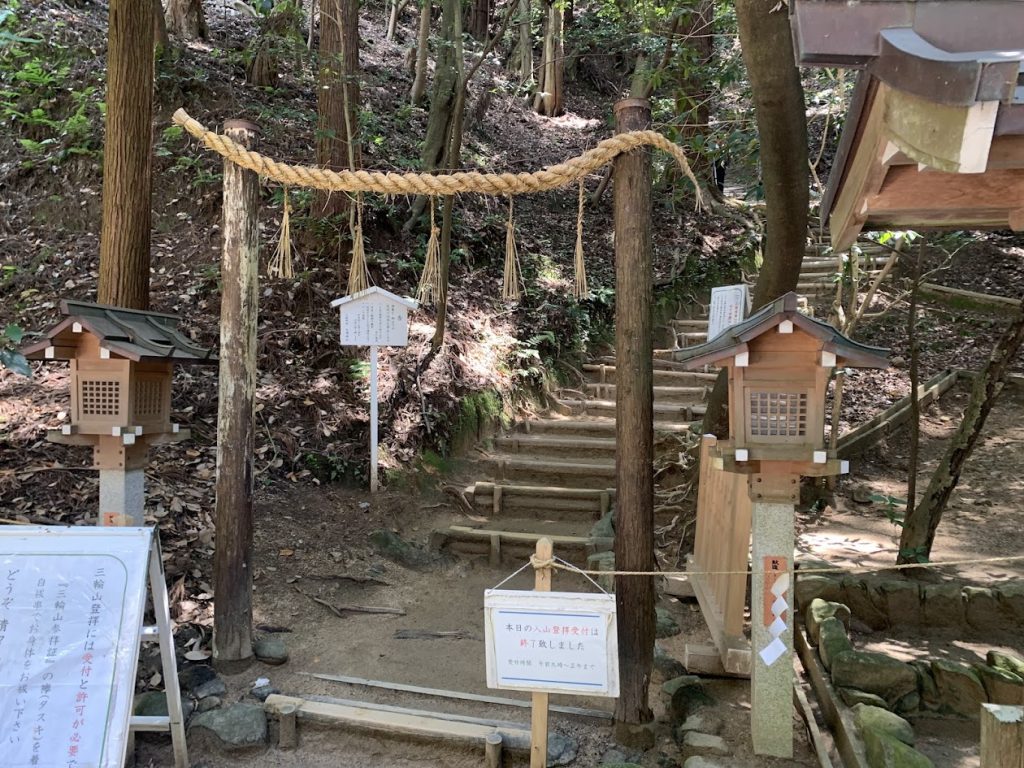
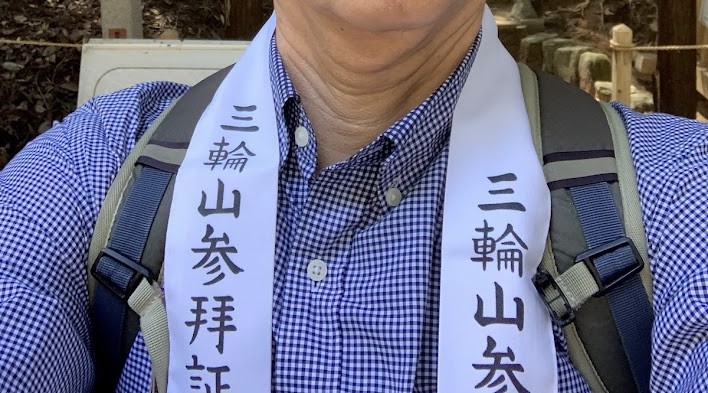
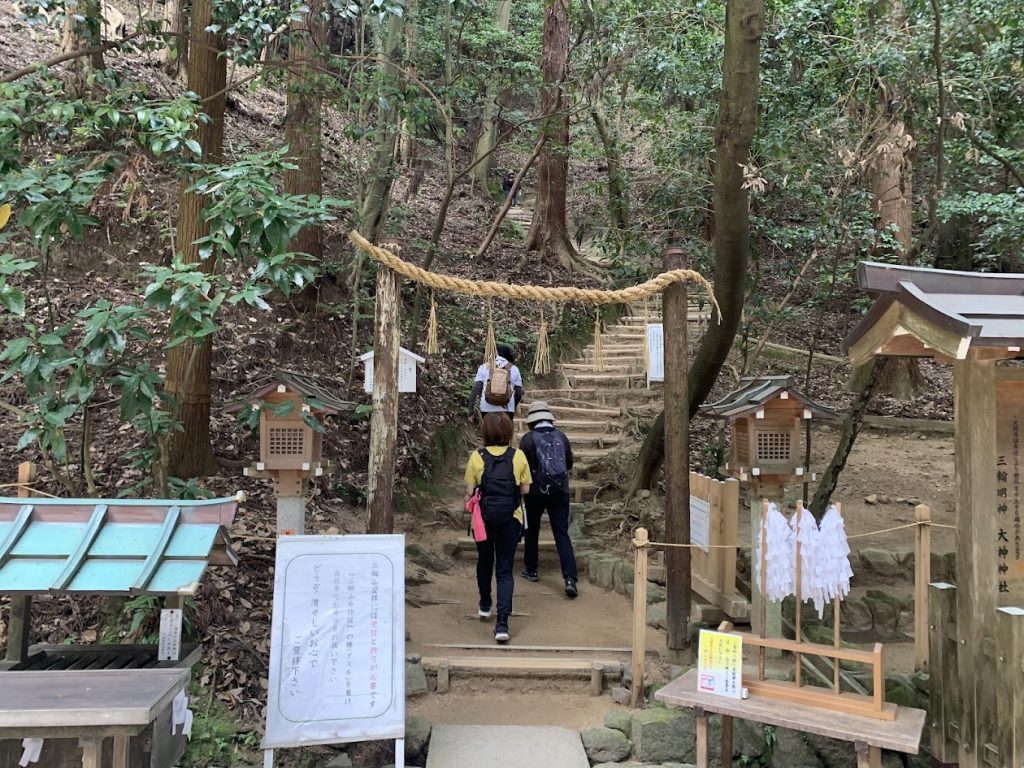
The Entrance to Mount Miwa Pilgrimage
Mount Miwa was long considered a “forbidden land,” but it is now open for pilgrimage.
The journey to the top is referred to as a pilgrimage, not a hike.
In less than an hour, you can reach the summit, where a sacred rock formation (iwakura) is located within a spiritual boundary.
Some pilgrims ascend the mountain barefoot.
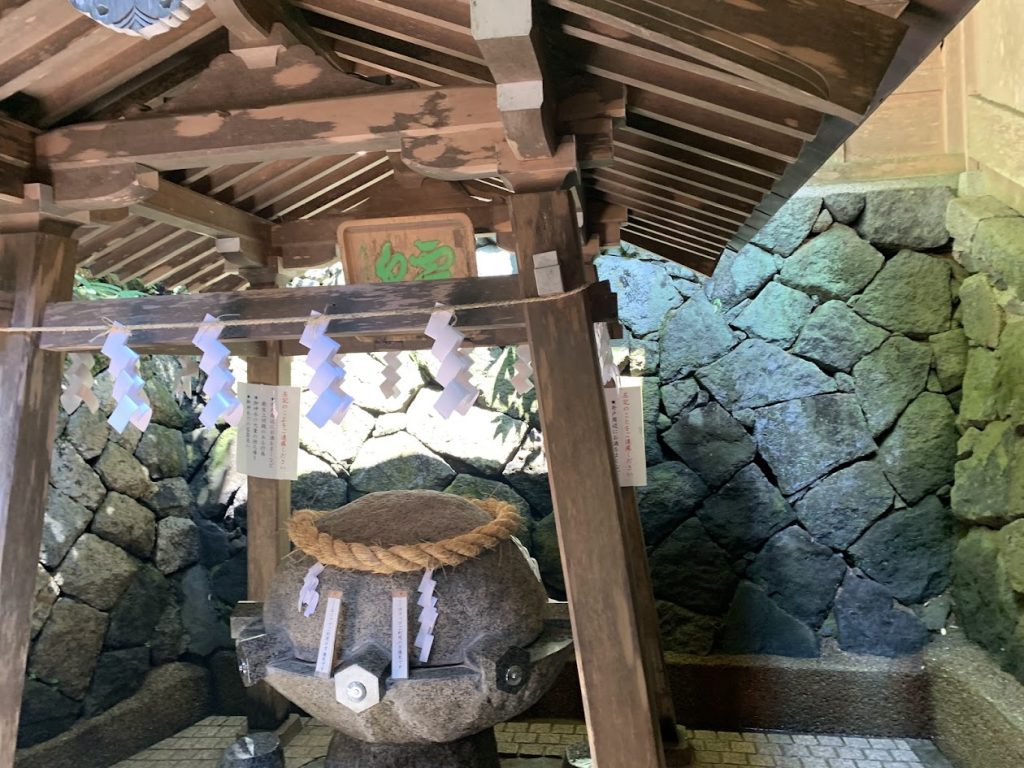
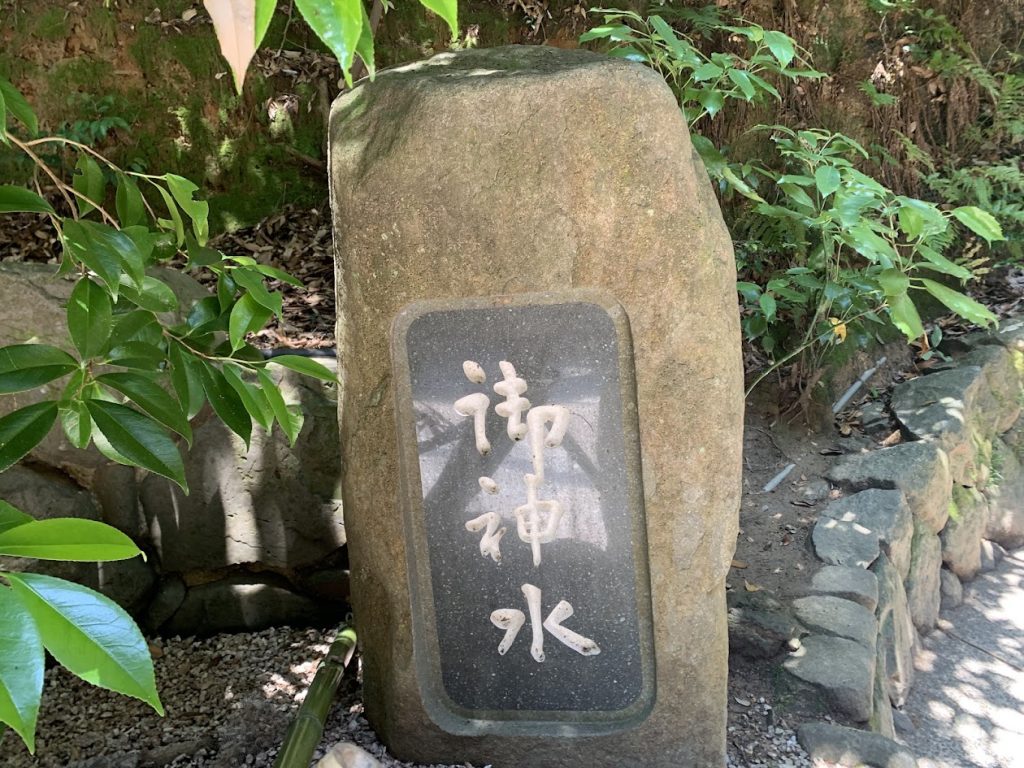
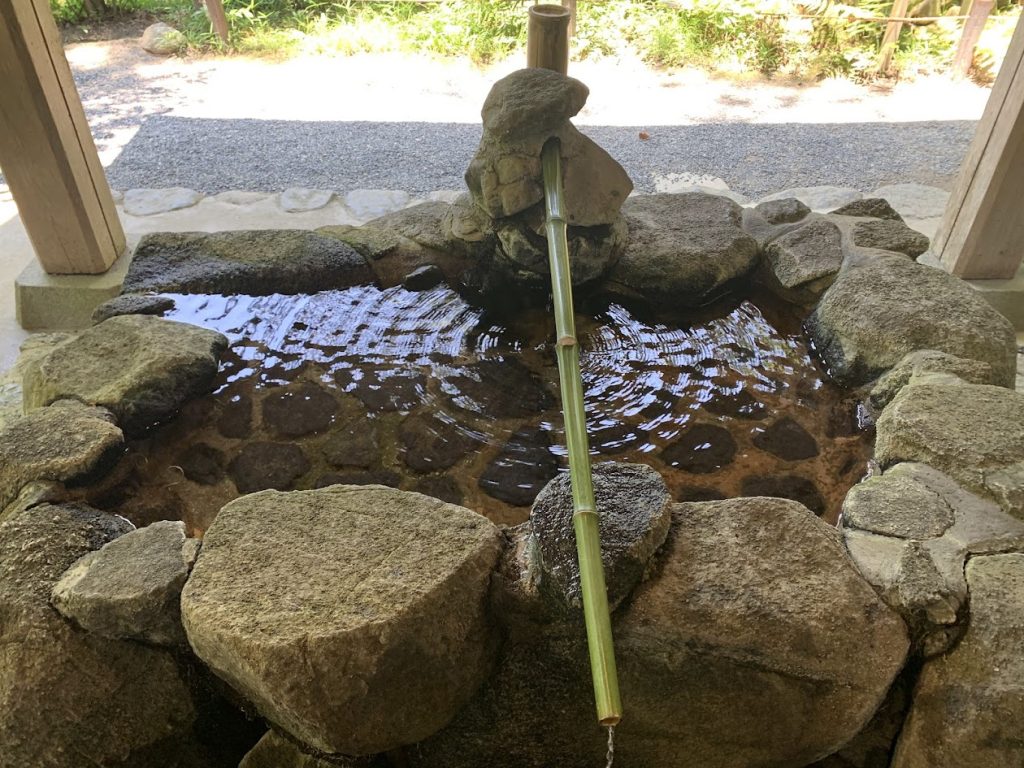
Behind Sai Shrine, you can receive sacred water.
This holy spring flows continuously from Mount Miwa, and the water is pure, clear, and flavorful.
The spiritual benefits of this water are said to be bestowed upon those involved in sake brewing and medicine making.
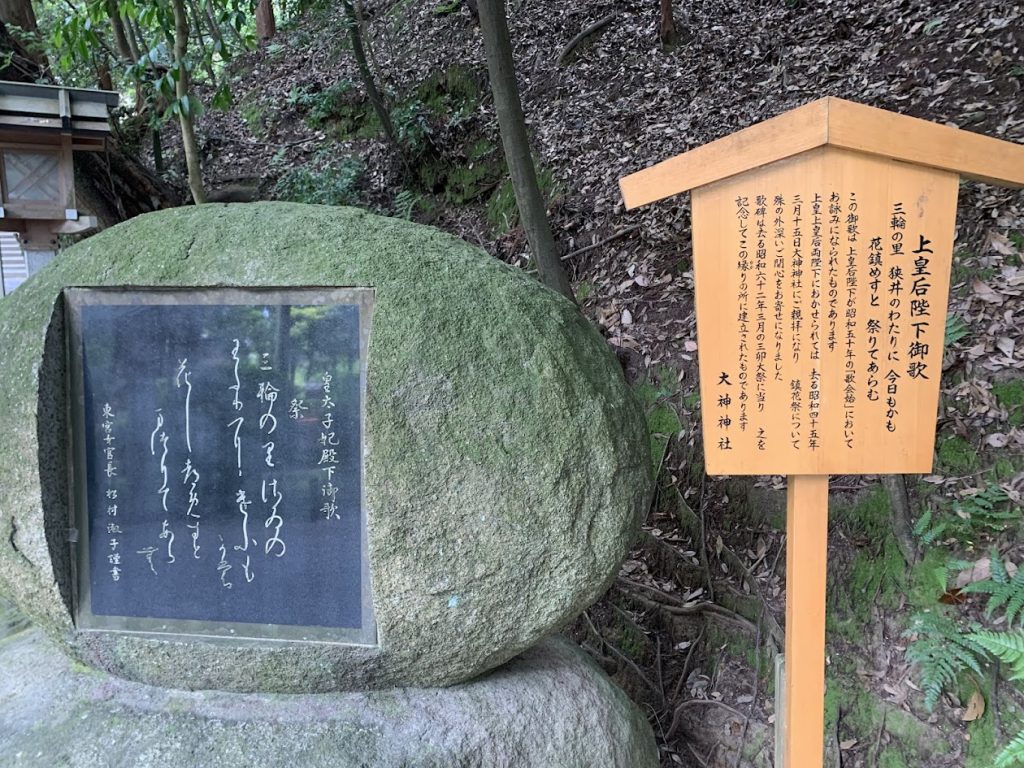

Sai River
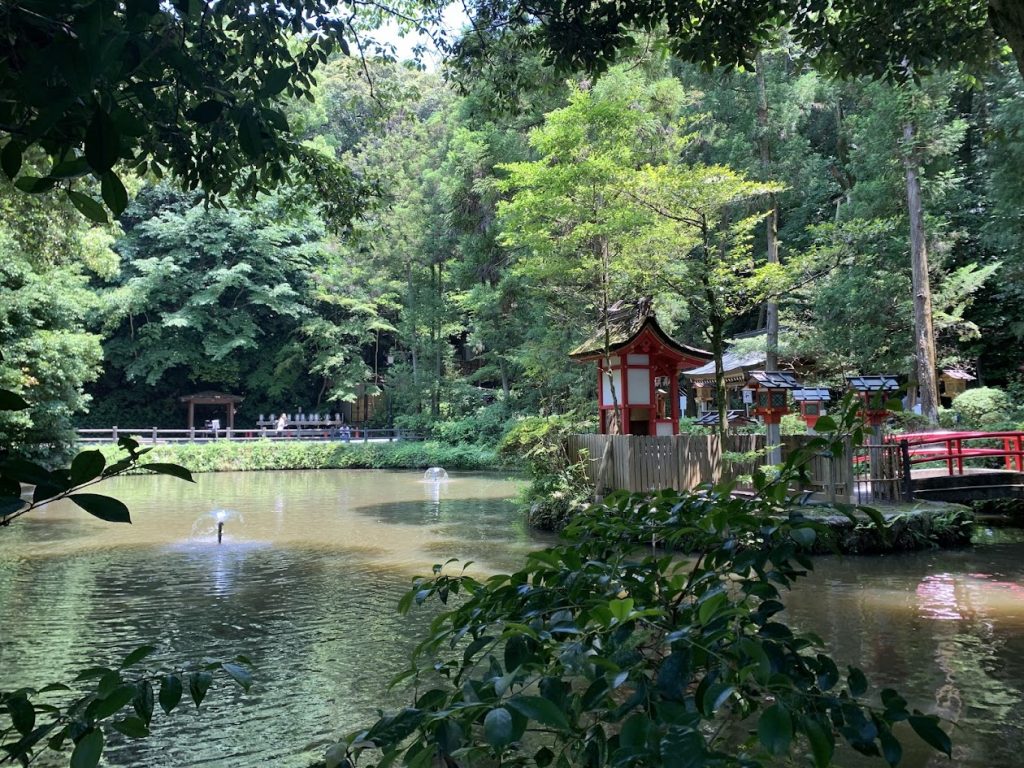
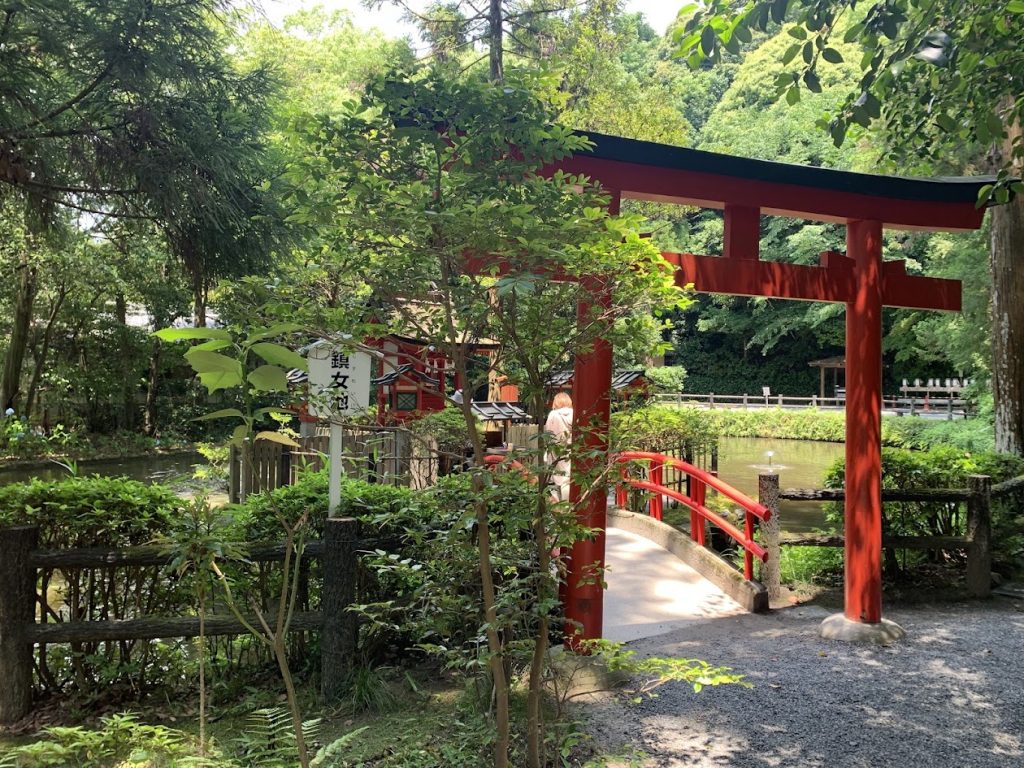
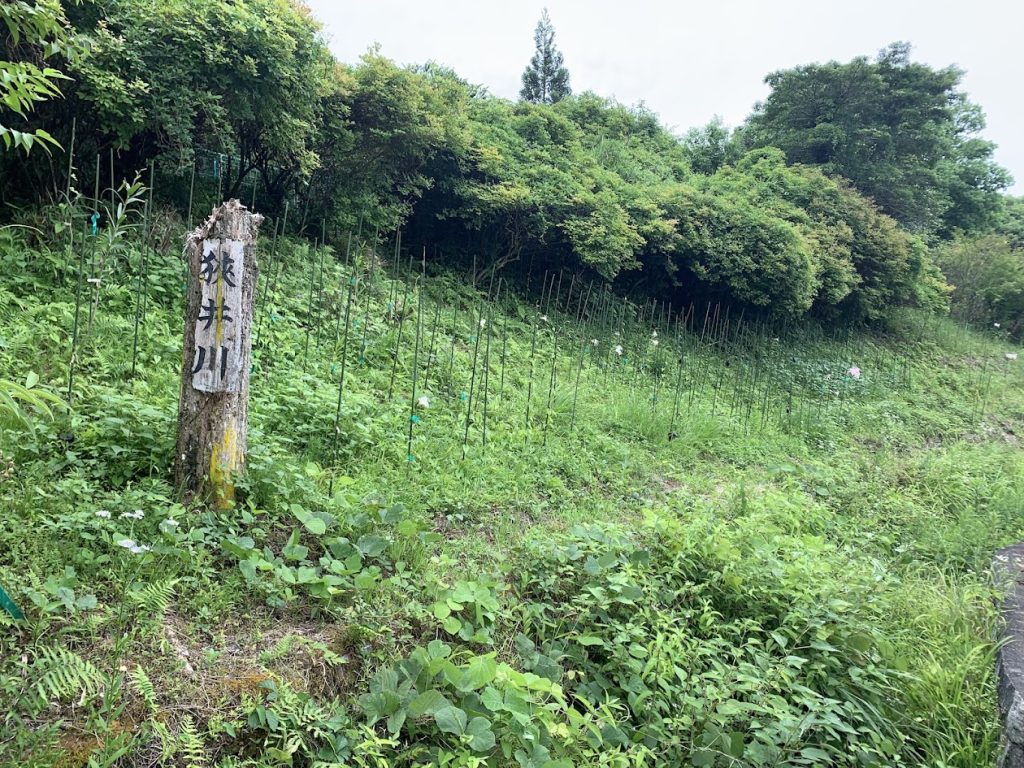
To the north of Sai Shrine flows the “Sai River.”
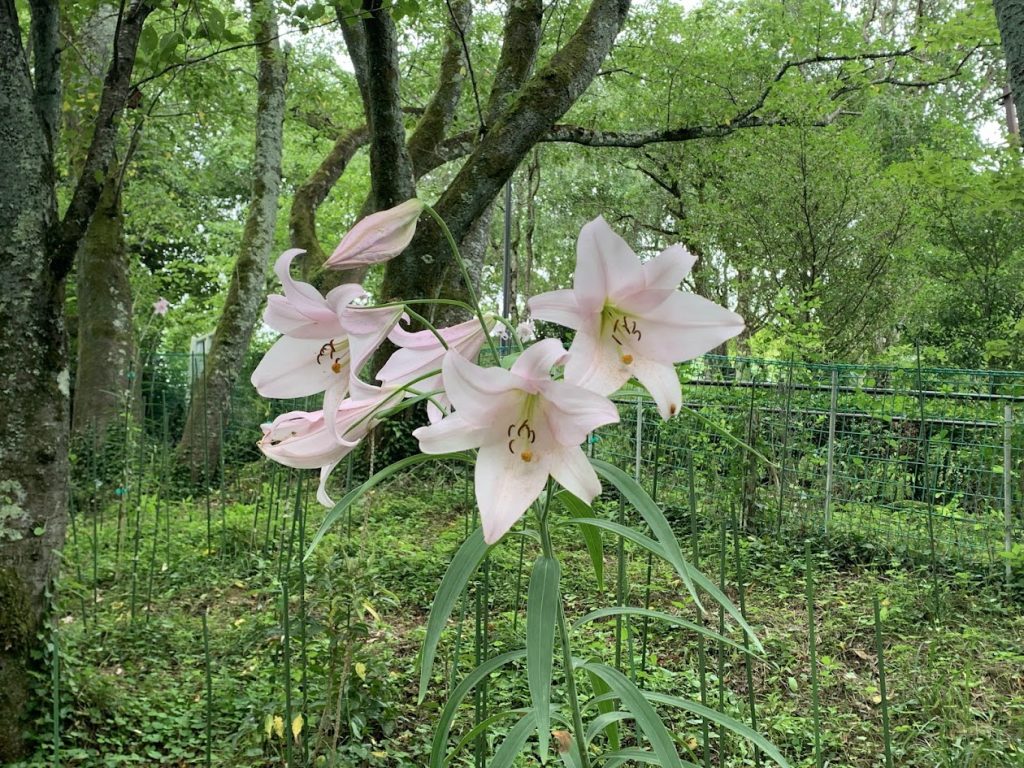
“I-suke-yori-hime,” the daughter of the great deity Ōmononushi, lived by the banks of this river.
After his ascension, Emperor Jimmu was searching for a suitable empress. Upon hearing of I-suke-yori-hime, known as “the daughter of a god,” he fell in love with her. They spent a night together at her home by the Sai River, and she became his wife.
The couple later had three children, the third of whom became the second emperor, Emperor Suizei.
After the death of Emperor Jimmu, danger approached their three children.
Sensing the threat, their mother, I-suke-yori-hime, warned them with the following song:
“The clouds are coming from the direction of the Sai River,
The leaves of the trees on Mount Unebi are rustling,
A great wind is about to blow.”
Hearing this song, the children were able to escape the danger.
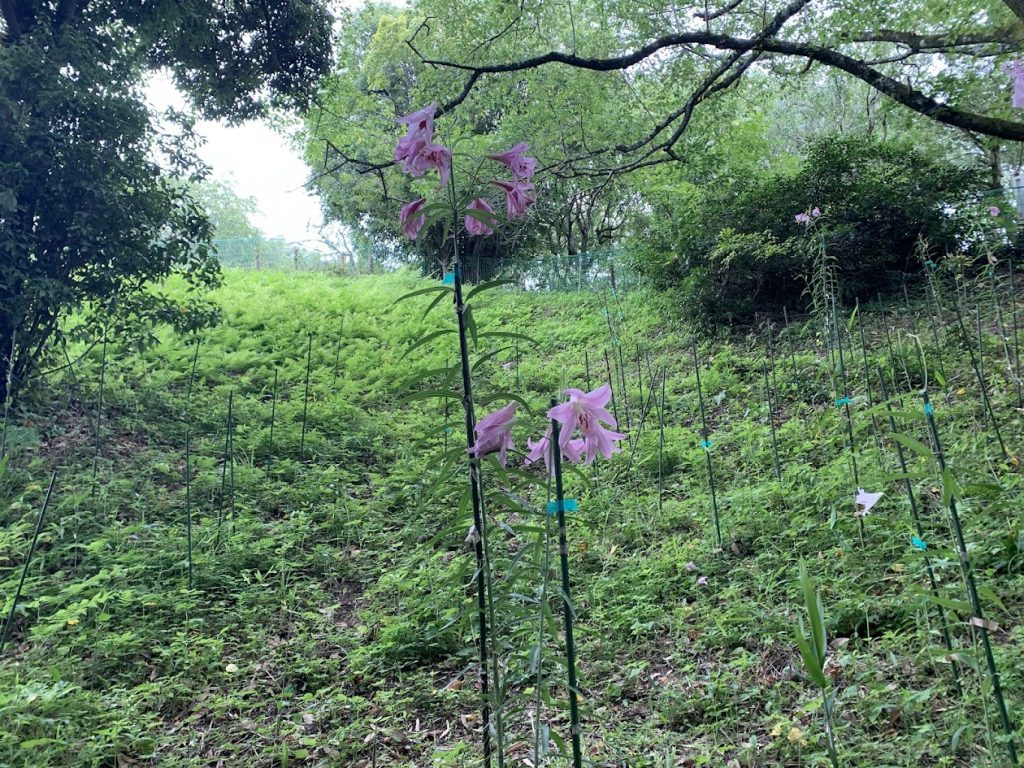
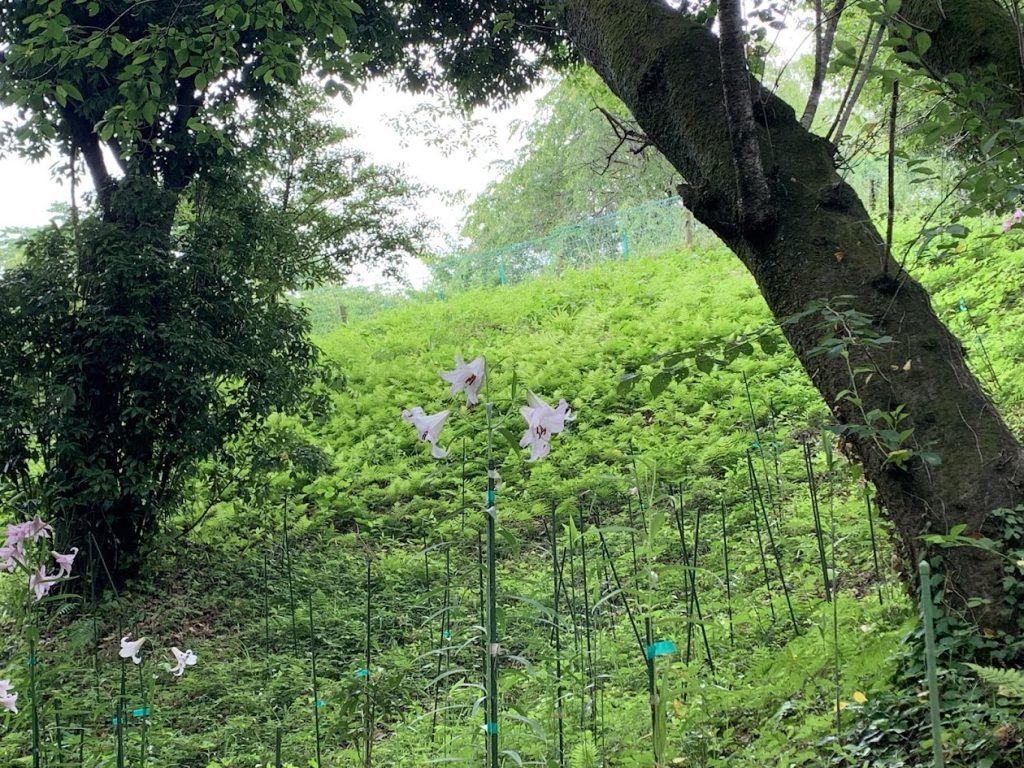
Kuehiko Shrine
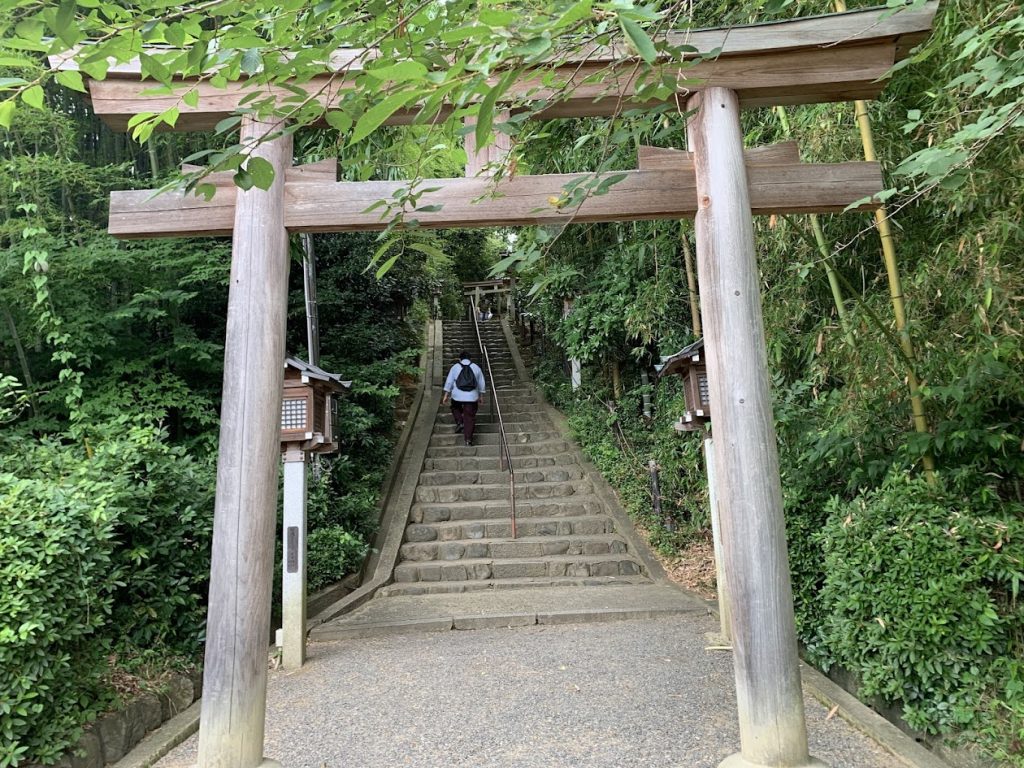
Kuehiko Shrine
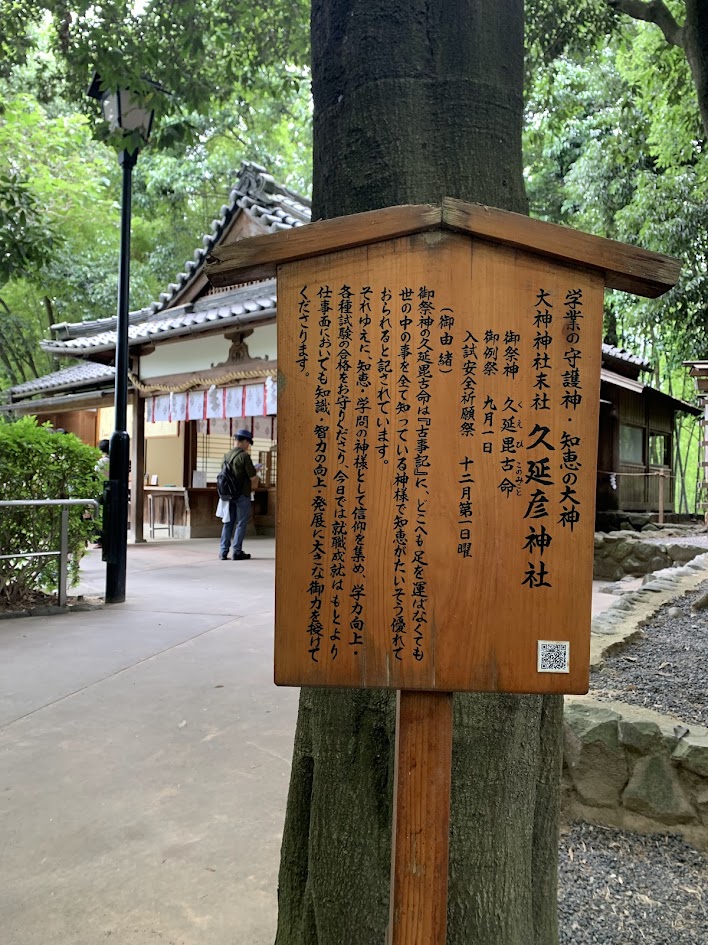
The deity enshrined at this shrine is Kuebiko-no-Mikoto, who appears in the Kojiki (Japan’s oldest written text) as the “deity of wisdom who knows everything about the world.”
Because of this, many people visit the shrine to pray for academic success and passing exams.
In the Kojiki, Kuebiko-no-Mikoto appears in the myth of the “Creation of the Nation” alongside Okuninushi-no-Mikoto.
When Okuninushi was pondering how to proceed with building the nation, a “small deity” came from across the sea. No one knew who this small deity was, but it was said, “Kuebiko, the deity of knowledge, would surely know.”
When they summoned Kuebiko and asked, he immediately replied, “That is the deity Sukuna Hikona.”
Following this, Sukuna Hikona helped Okuninushi in the task of nation-building, but suddenly, he departed to another world.
Once again, Okuninushi wondered what to do next, when the great deity Omononushi appeared. He instructed Okuninushi to “enshrine me atop a mountain in the east of Nara Province to complete the creation of the nation.” Following this wish, Omononushi was enshrined on Mount Miwa, marking the founding of Omiwa Shrine.
Omiwa-no-Mori
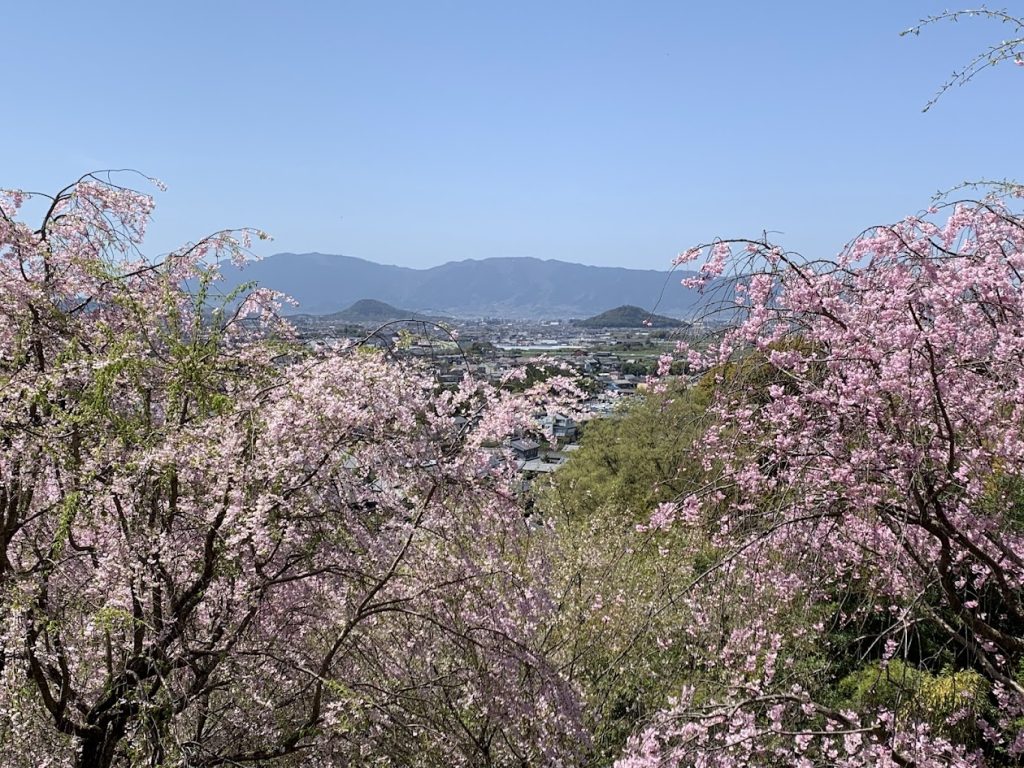
Between Sai Shrine and Kuehiko Shrine, you will find Omiwa-no-Mori.
From here, you can enjoy a stunning view of the Nara Basin. In particular, the Three Mountains of Yamato (the historical name of Nara Prefecture) are beautifully visible.
In the center of the photo, you can see small, cone-shaped, and picturesque mountains. To the right is Kaguyama, and to the left is Unebi-yama.
It was at the foot of Unebi-yama where Emperor Jimmu was declared the first emperor and the founding of Japan was announced.
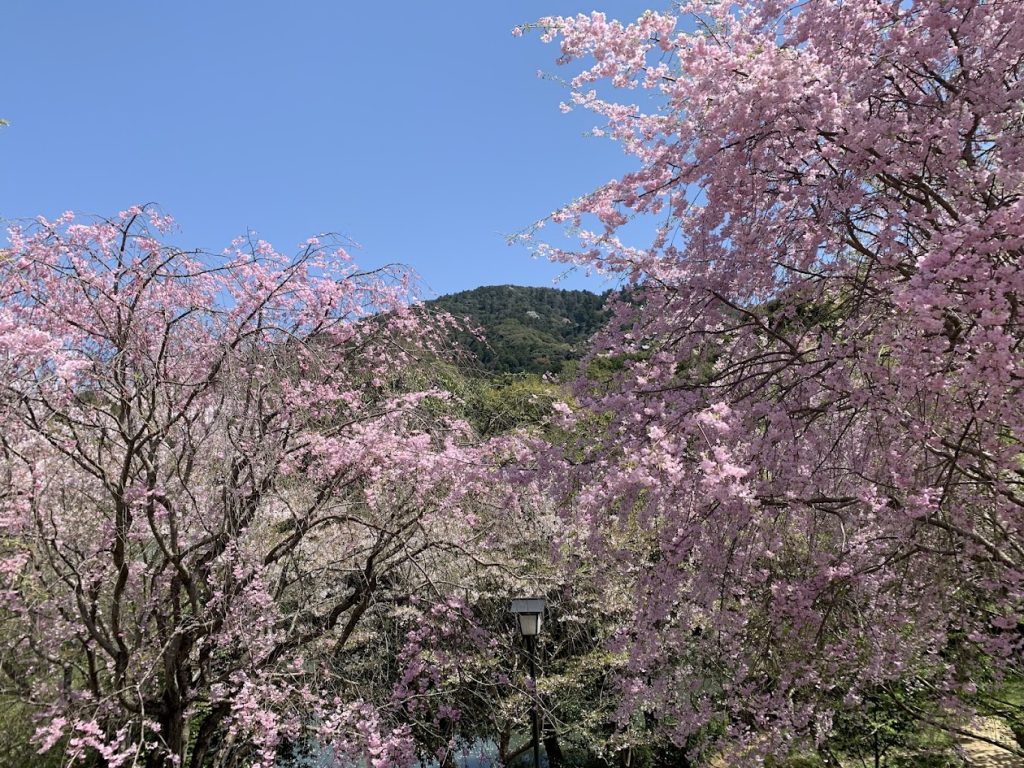
The cherry blossoms are very beautiful.
コメント