

Nyukawakami Shrine (Kamisha)
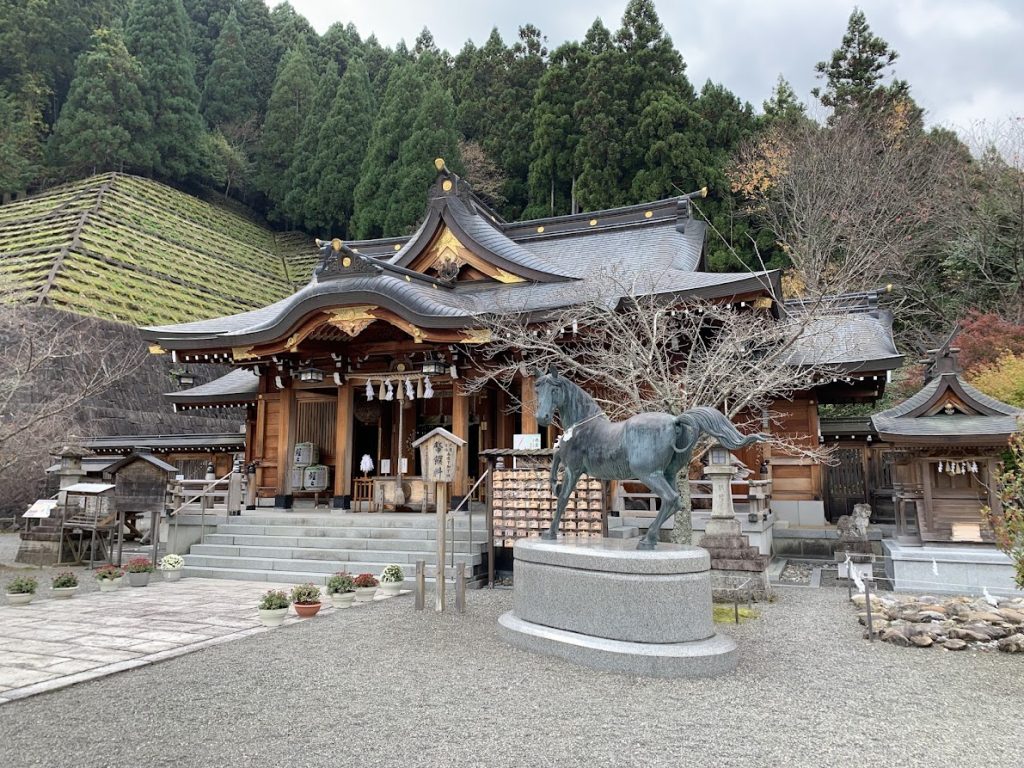

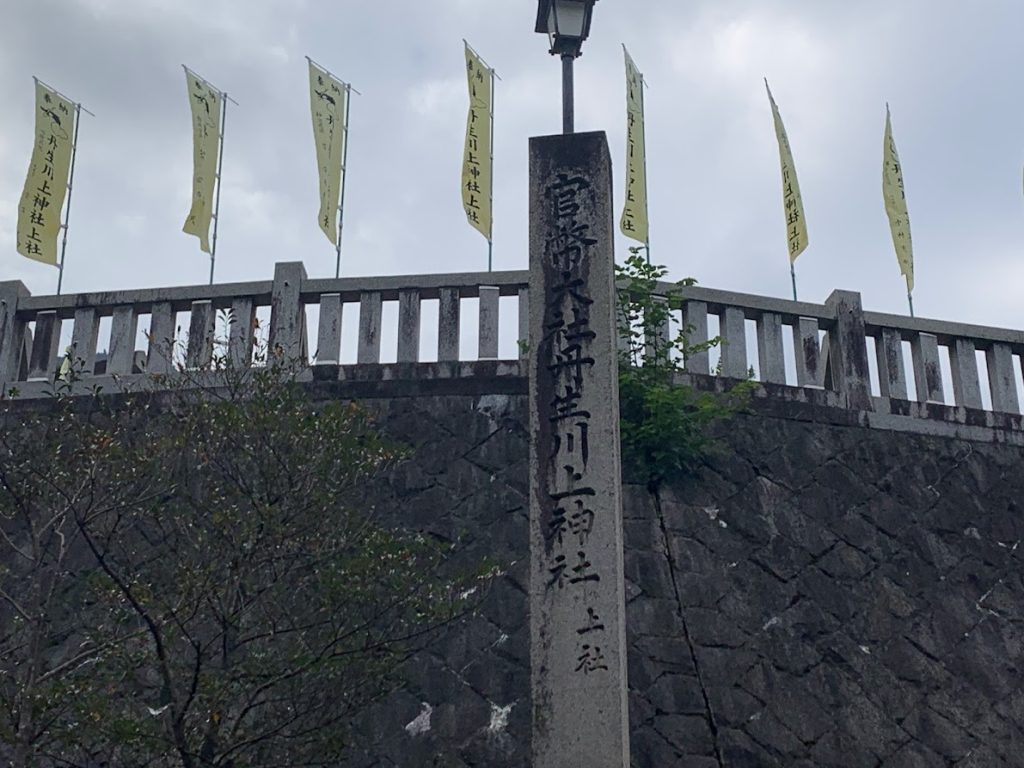
Former Kanpei Taisha Nyukawakami Shrine, Kamisha
(Nyukawakami Jinja Kamisha)
A Kanpei Taisha was a Shinto shrine ranked as an Imperial shrine under the old system, receiving offerings and support directly from the government.
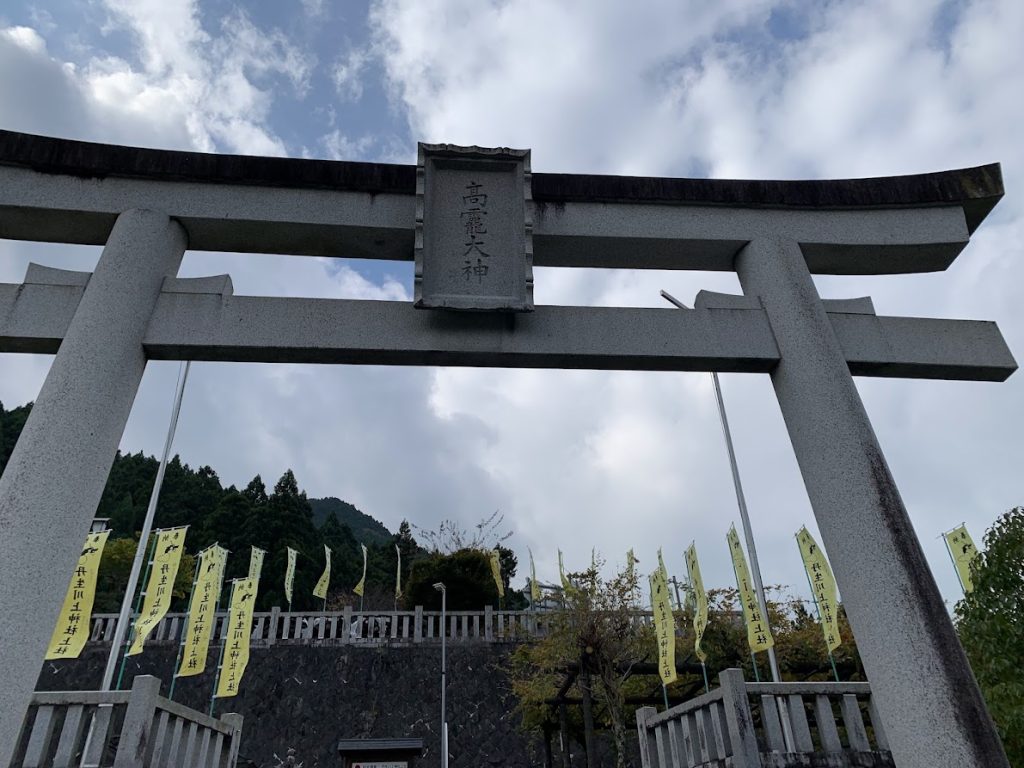
Takaokami-no-Okami
Takaokami-no-Okami is a dragon deity governing water and rain.
In Japanese mythology, this deity was born when Izanagi slew Kagutsuchi, the god of fire.
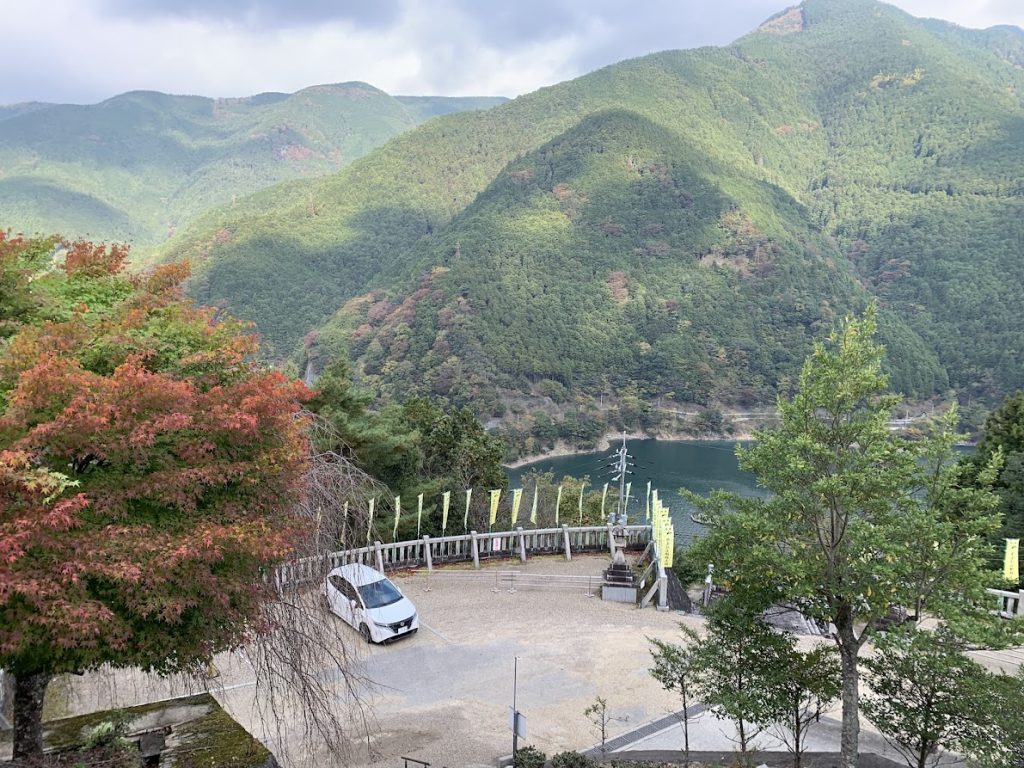
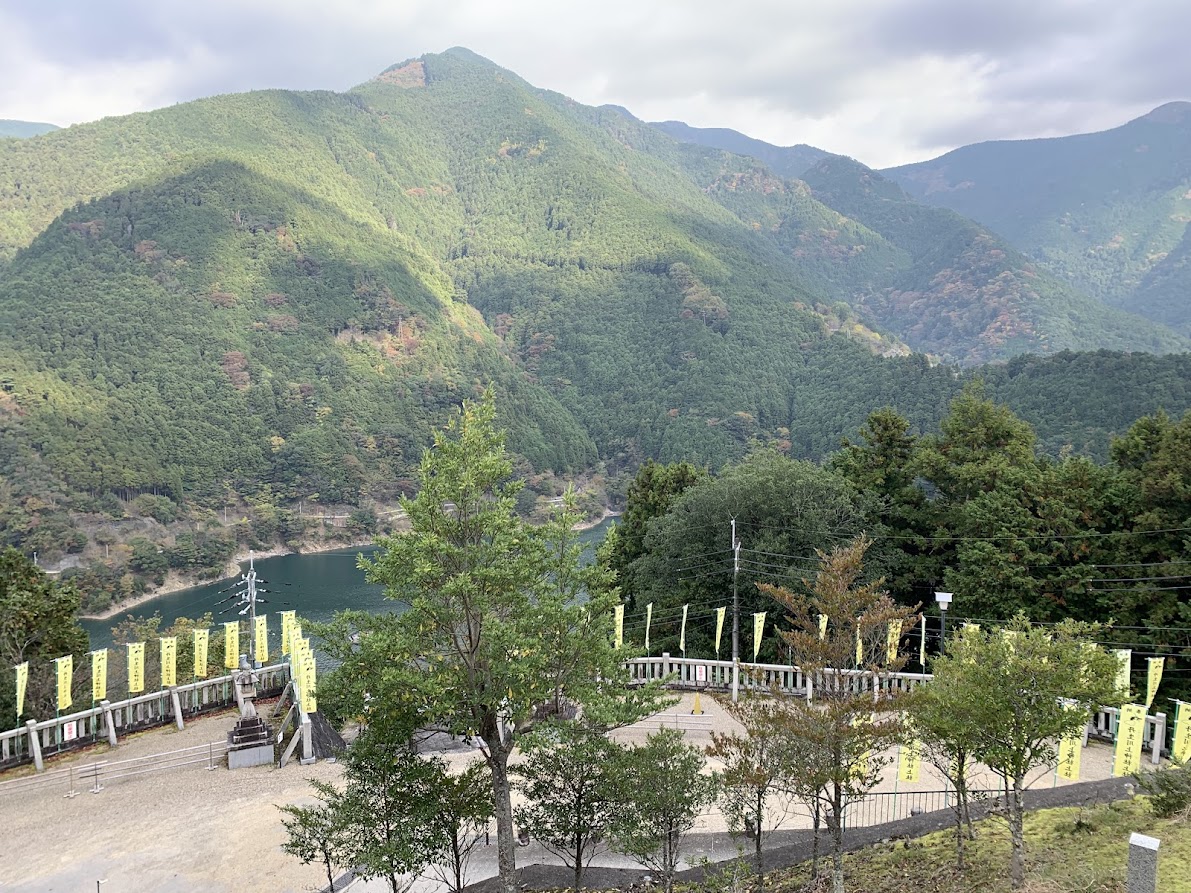
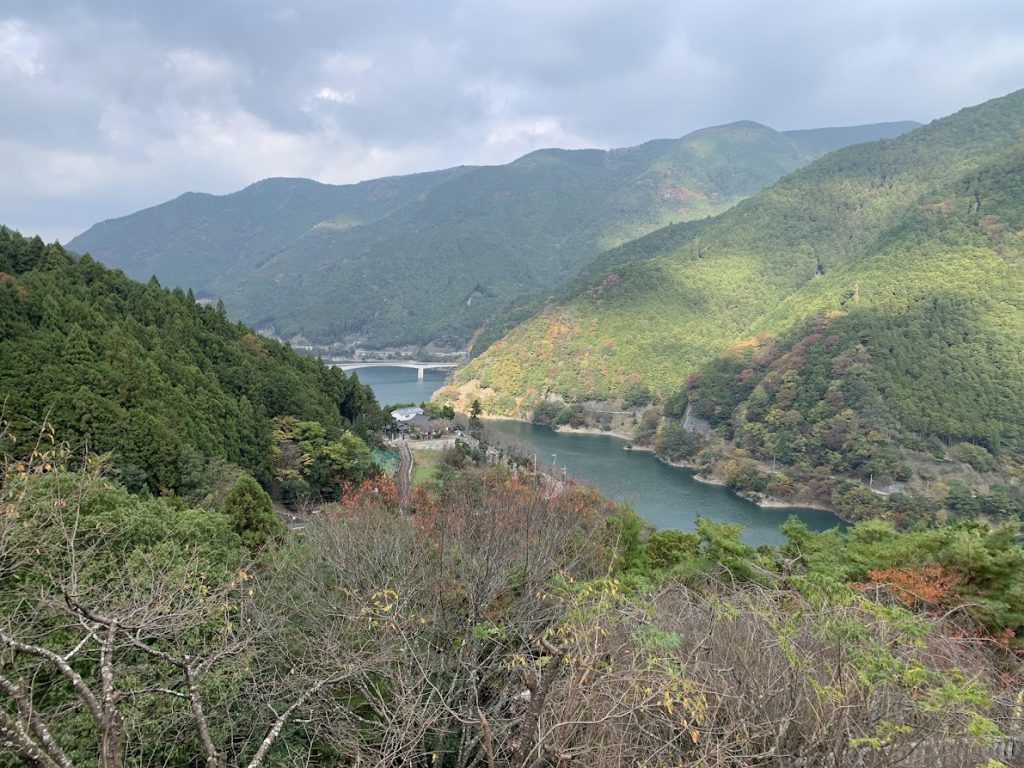
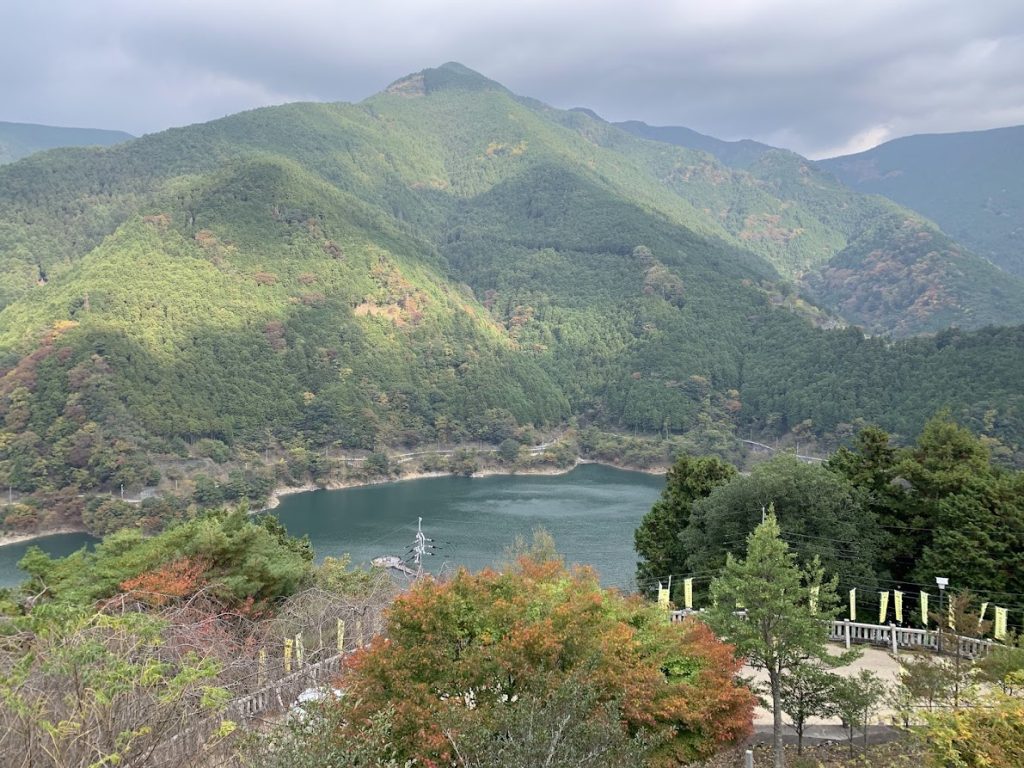
From the stairs leading to the shrine grounds, you can see the parking lot and Ootaki Ryujin Lake.
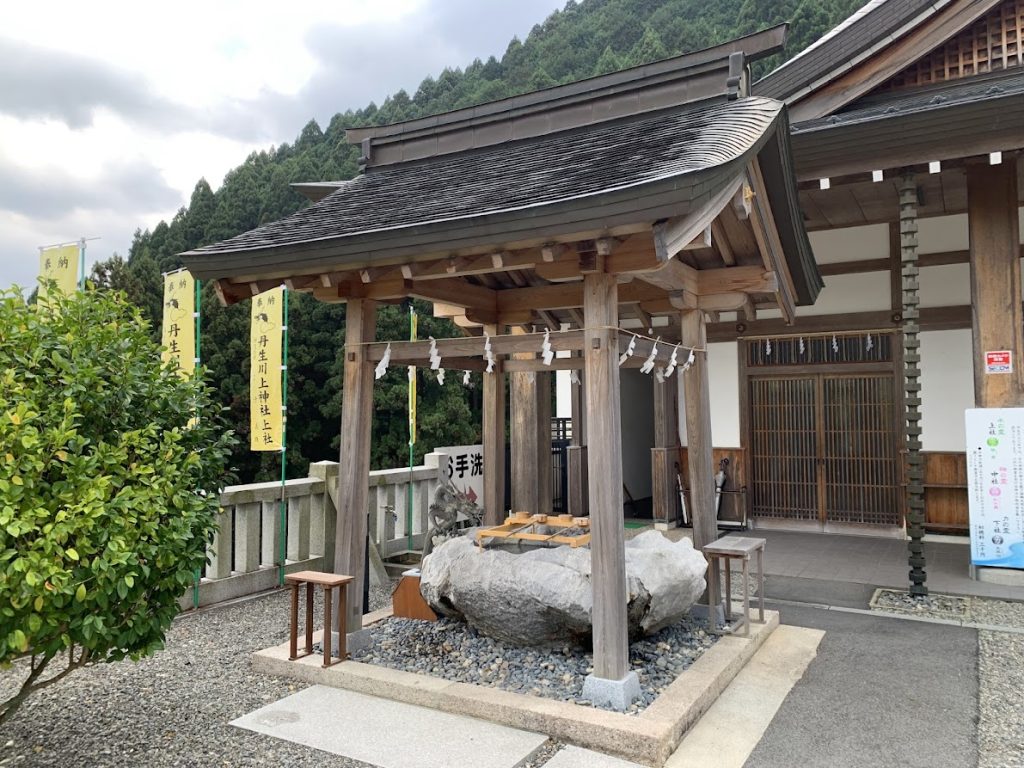
Chozuya (Purification Fountain)
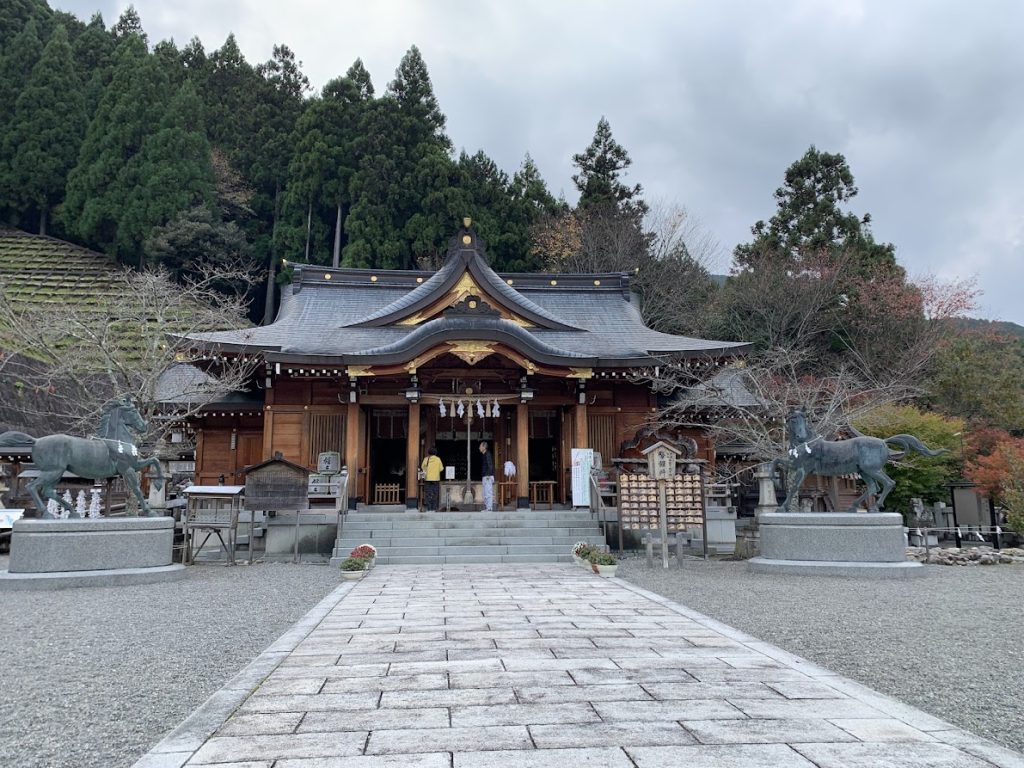
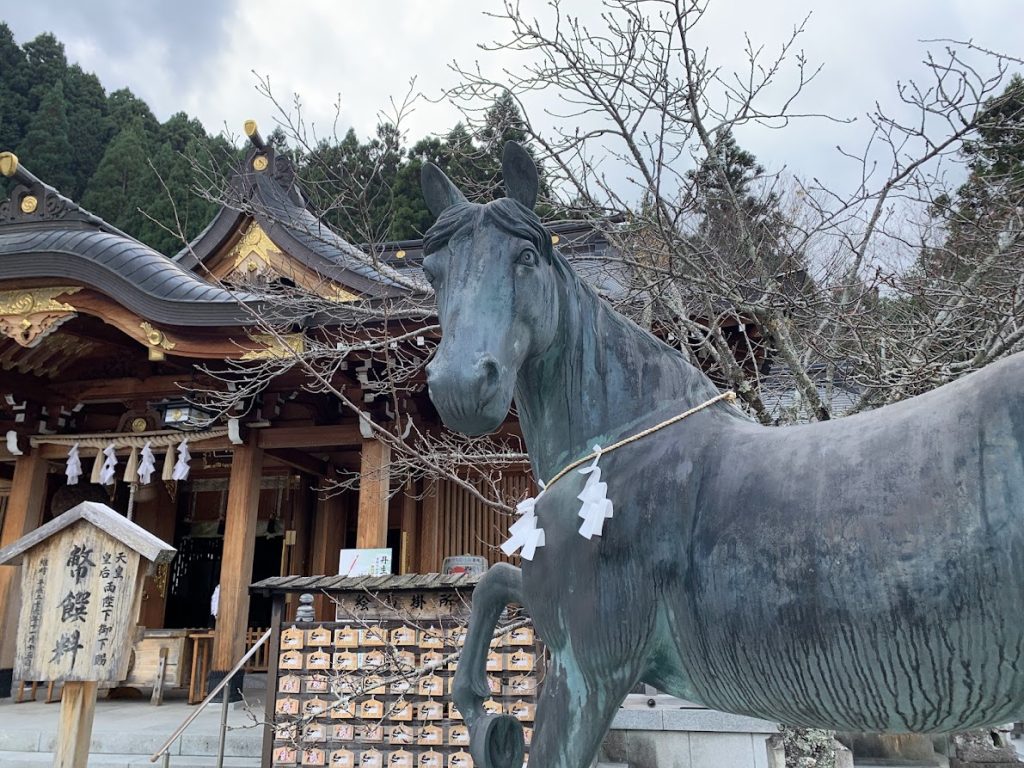
Haiden (Worship Hall)
Horses are dedicated on both sides.
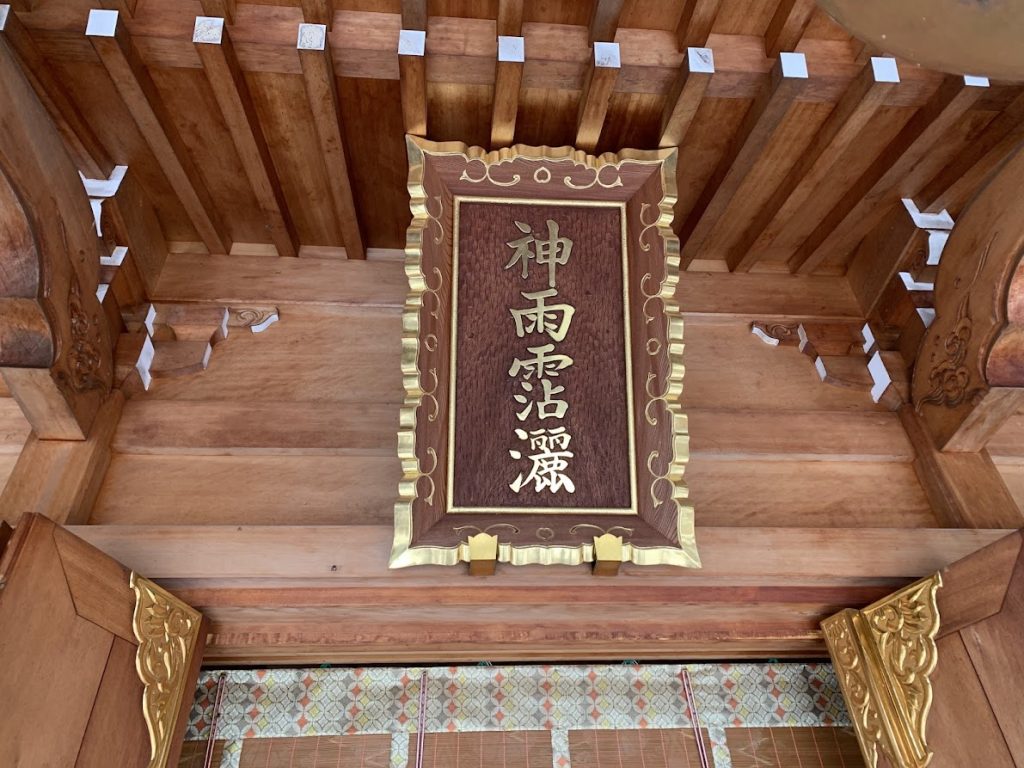
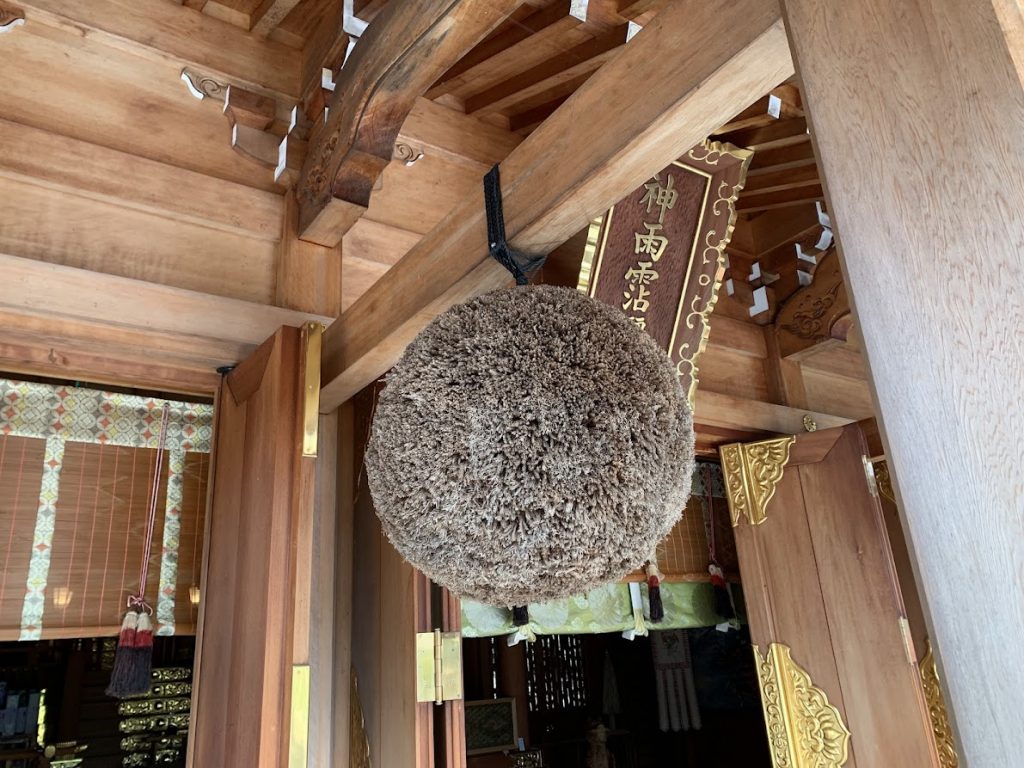
Shin’u Tensai
It is said to mean “the divine rain enriches and blesses with its grace.”

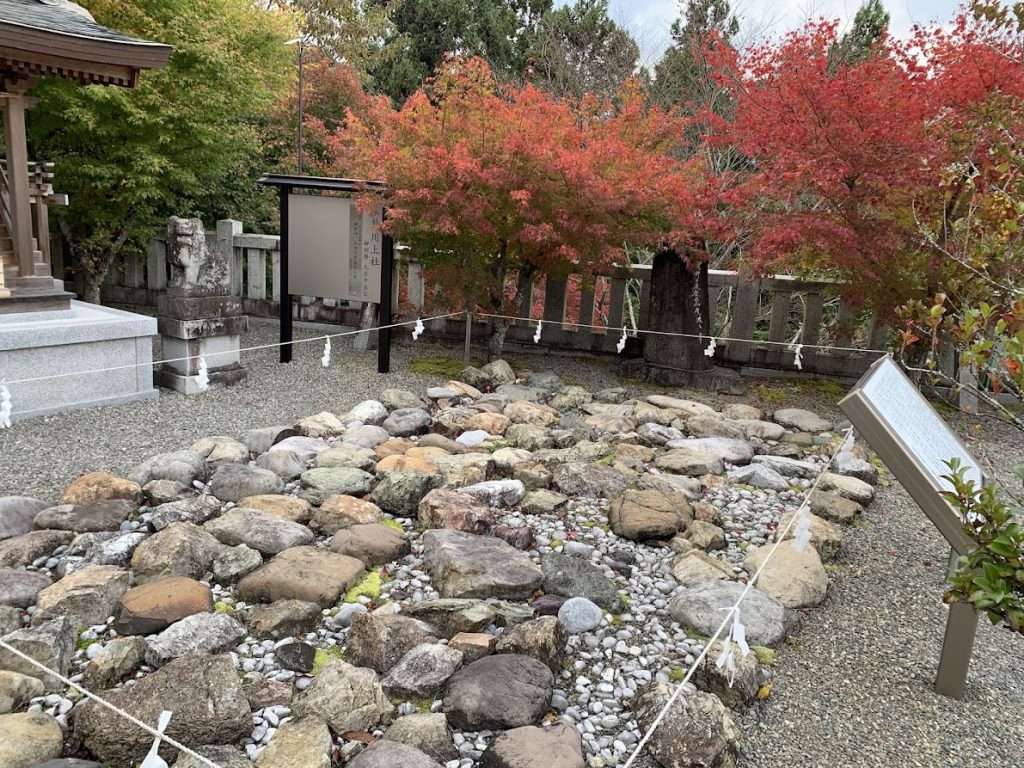
It is a reconstructed ceremonial site from the Heian period.
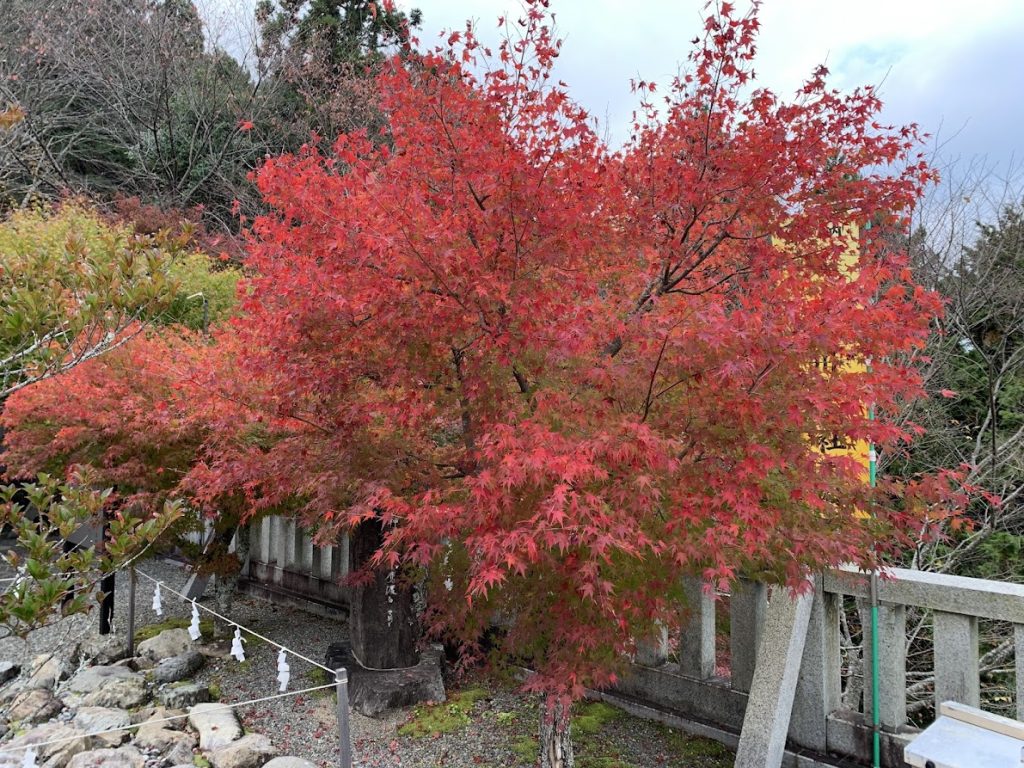
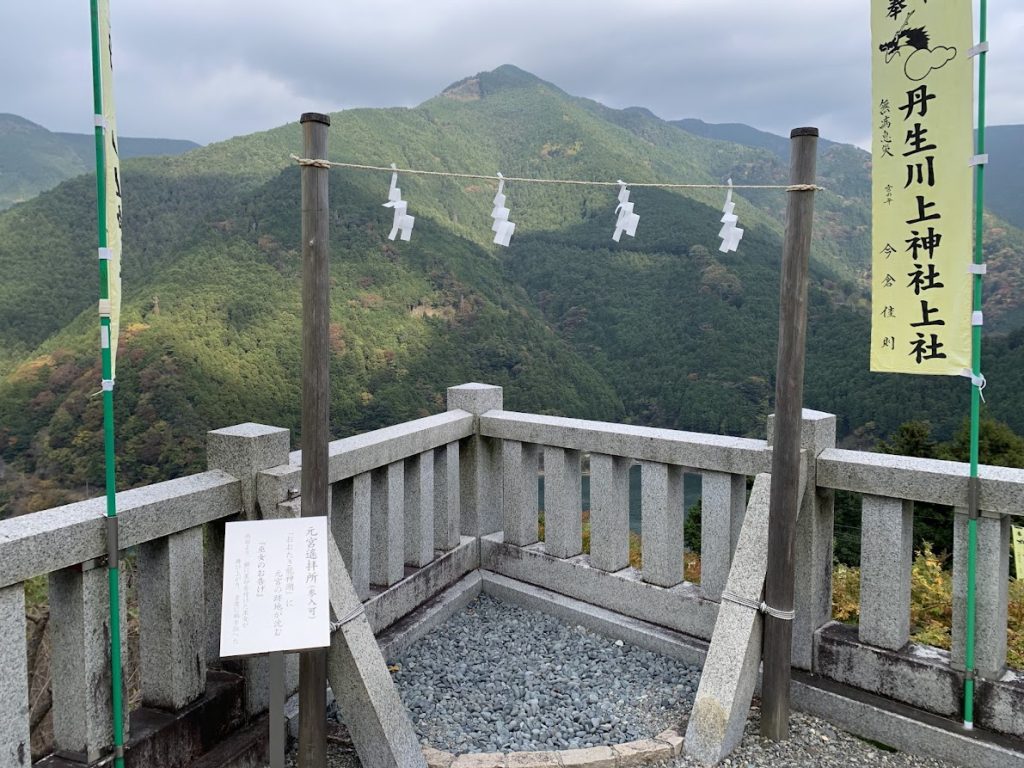
Hongu Worship Site
The Isewan Typhoon in 1959 caused devastating damage to Yoshino. As a result, the Ootaki Dam was constructed, submerging the original shrine grounds, leading to its relocation to the current site.
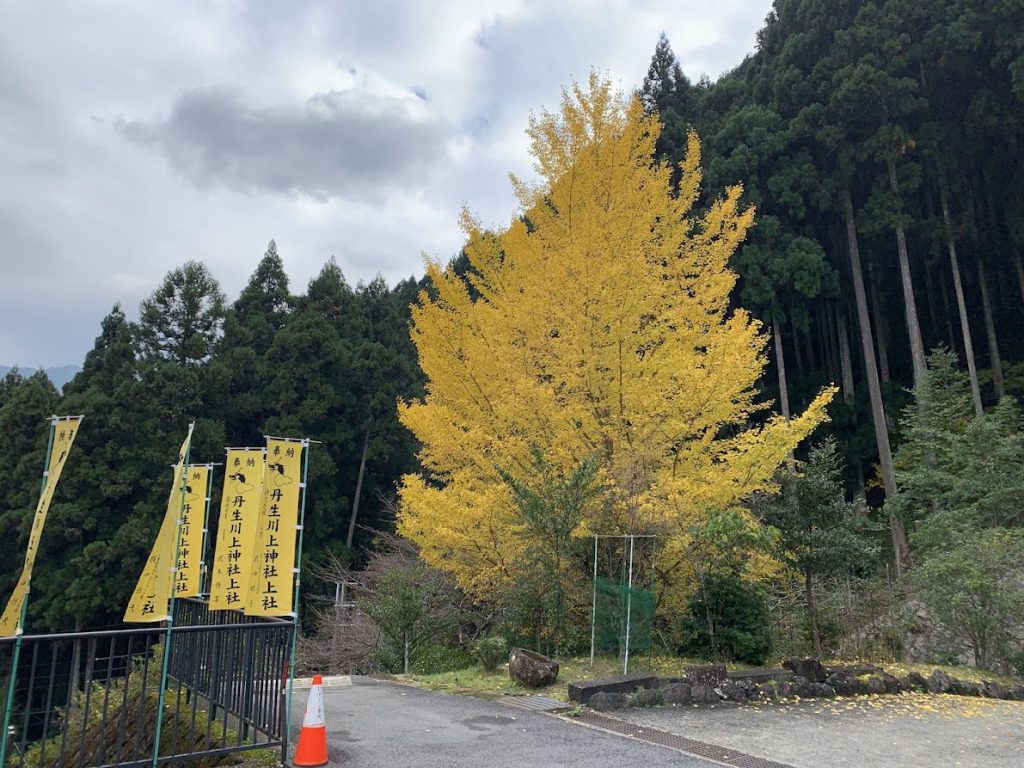
This is a ginkgo tree.
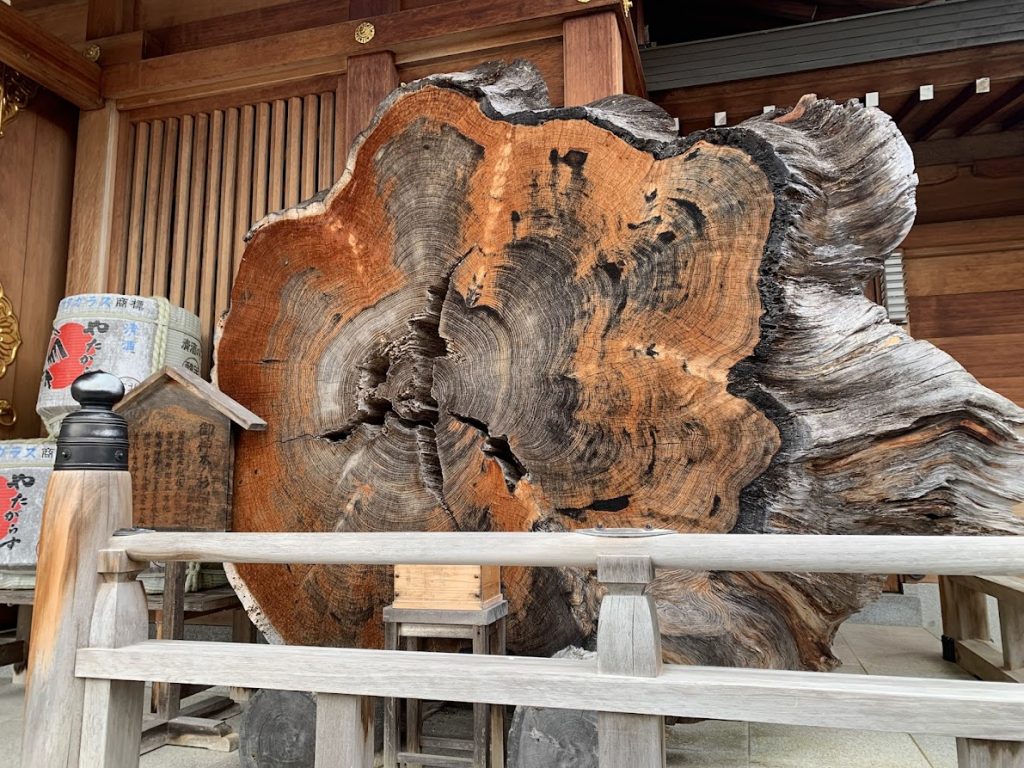
Nyukawakami Shrine Nakasha (Middle Shrine)
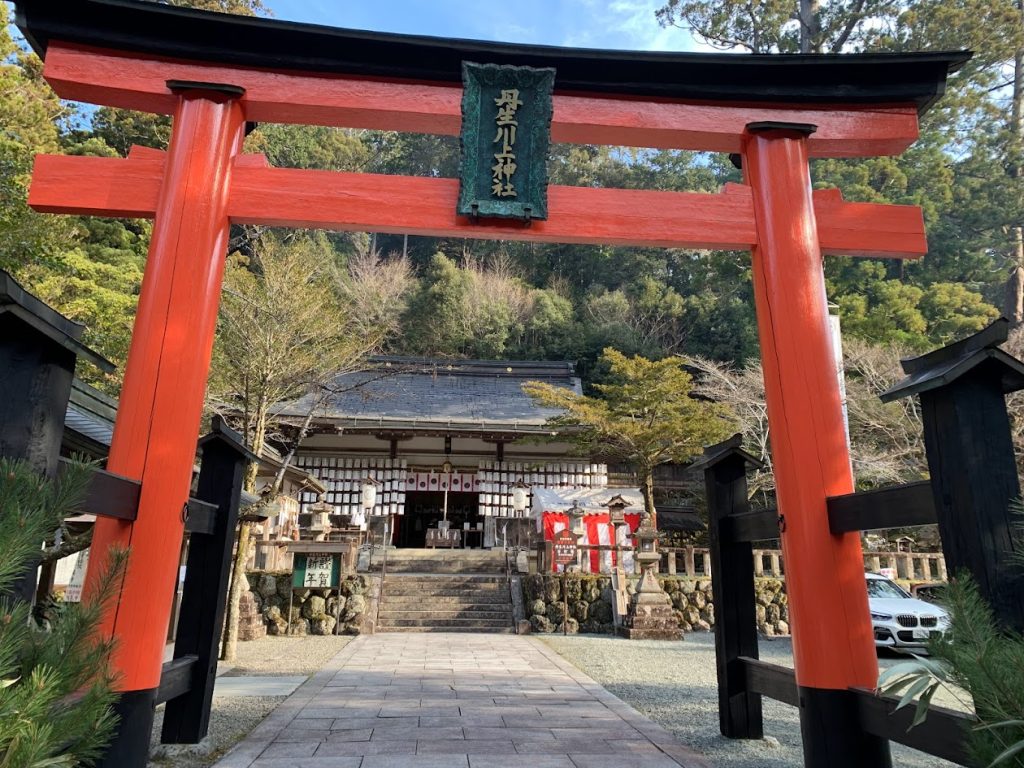
Founded in 675 AD (the 4th year of the Hakuhō era) during the reign of Emperor Tenmu, this shrine honors the water deity who governs all aspects of water related to irrigation, water transportation, and mountain agriculture.
As a god of rain, black horses are offered during droughts and white horses during prolonged rains. This shrine is also known as the birthplace of ema (votive horse plaques).
Since ancient times, it has been deeply revered by the imperial family and people across Japan who depend on water for their livelihoods.
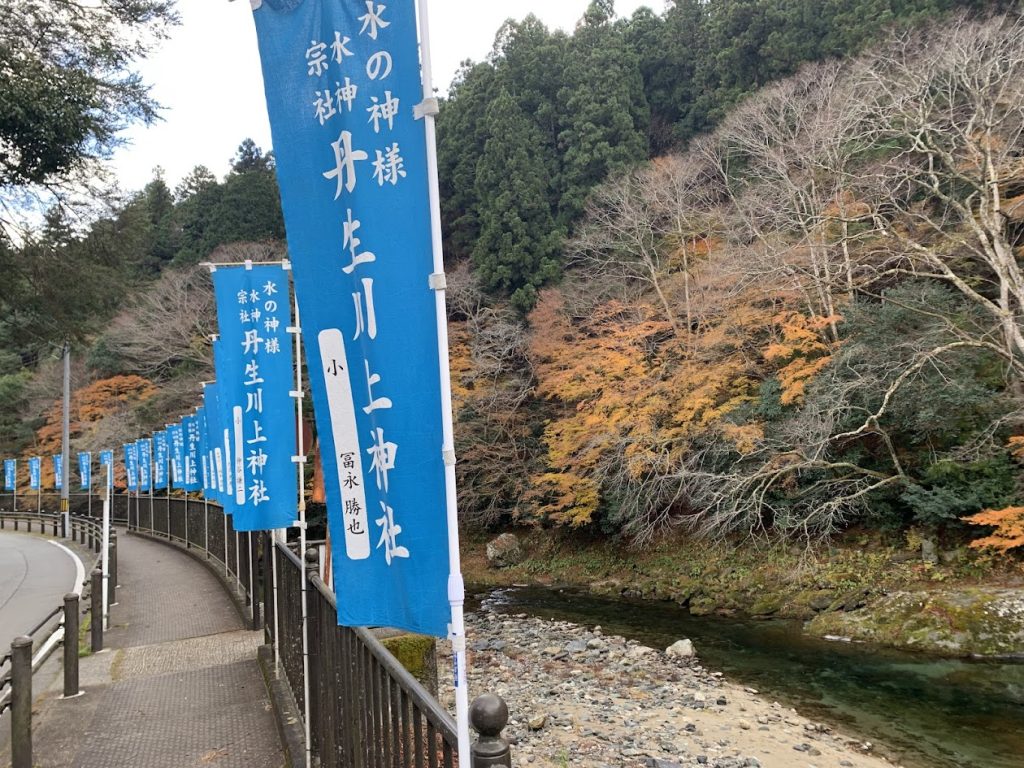
Climbing banners along the riverbank in front of the shrine.
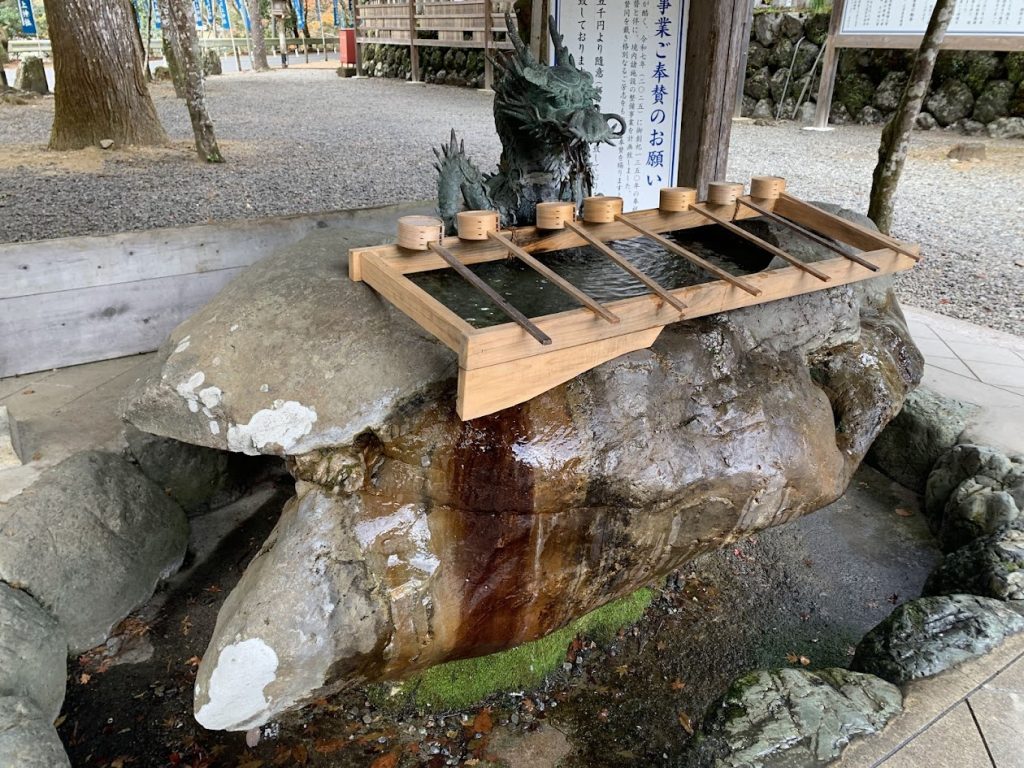
Purification water (temizu)
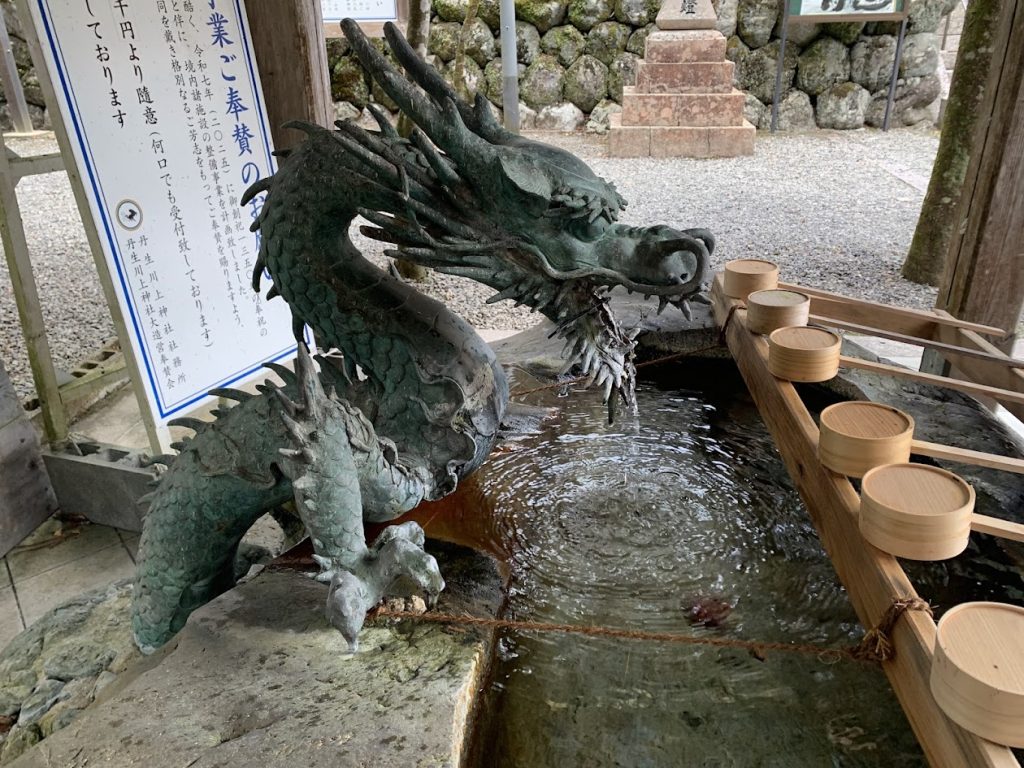
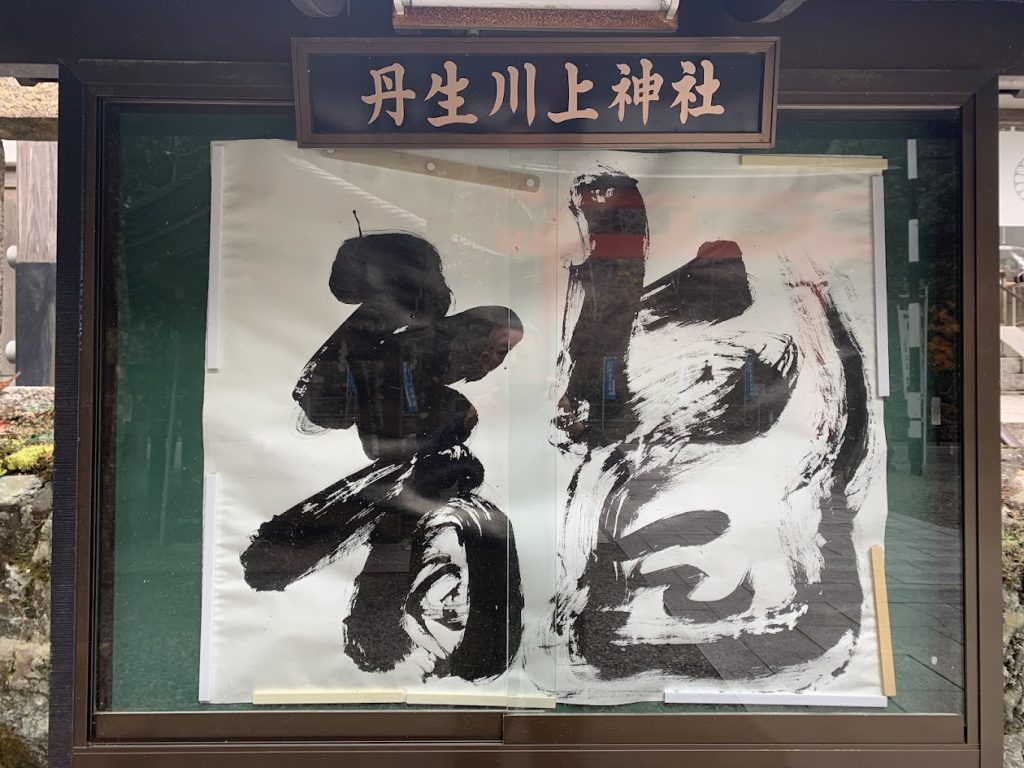
The year 2024 (Reiwa 6) was the Year of the Dragon.
Therefore, the character for “dragon” (龍) was displayed as decoration.
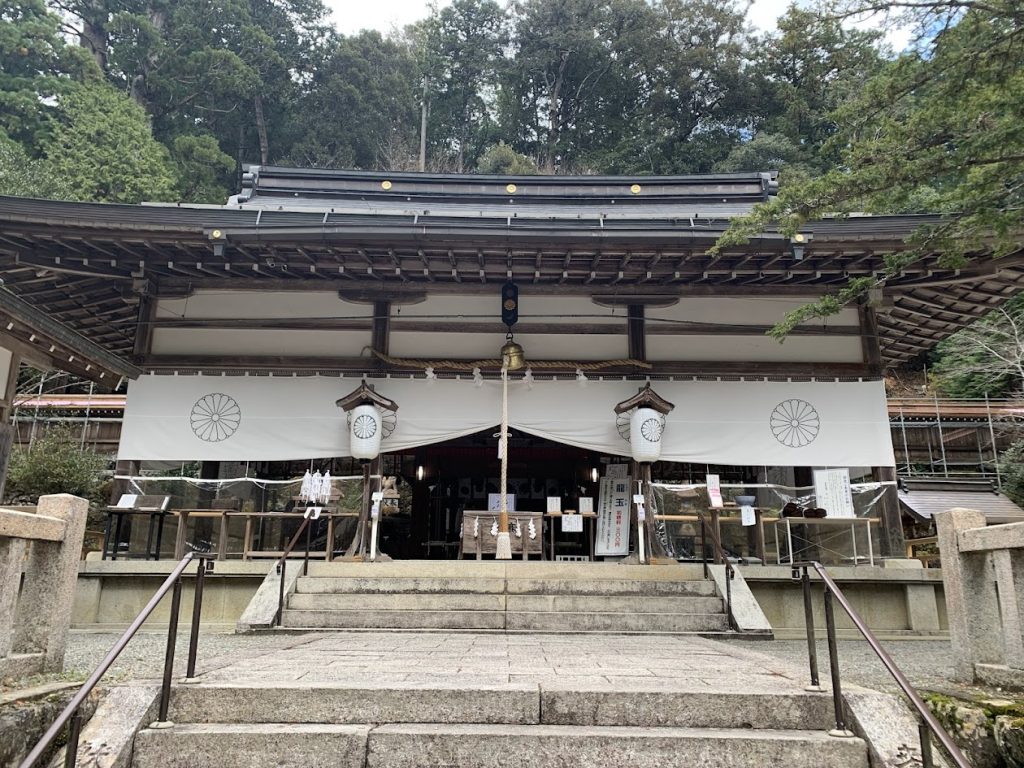
Haiden (Worship Hall)
It was formerly a Kanpei Taisha (Imperial-ranked shrine).
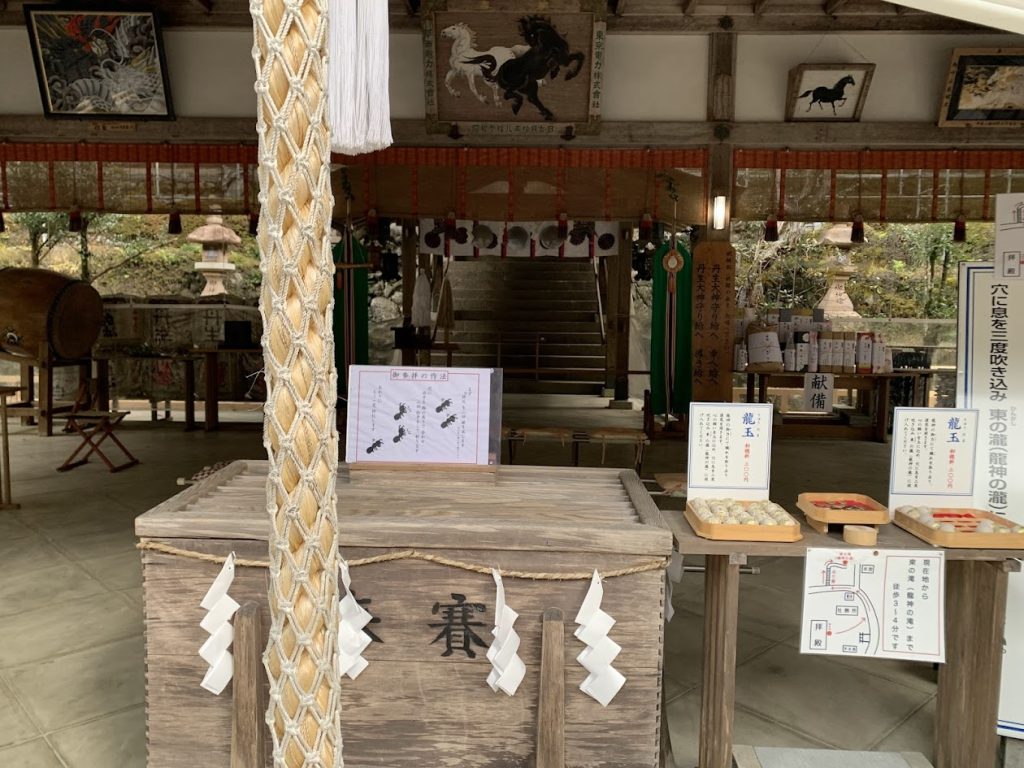
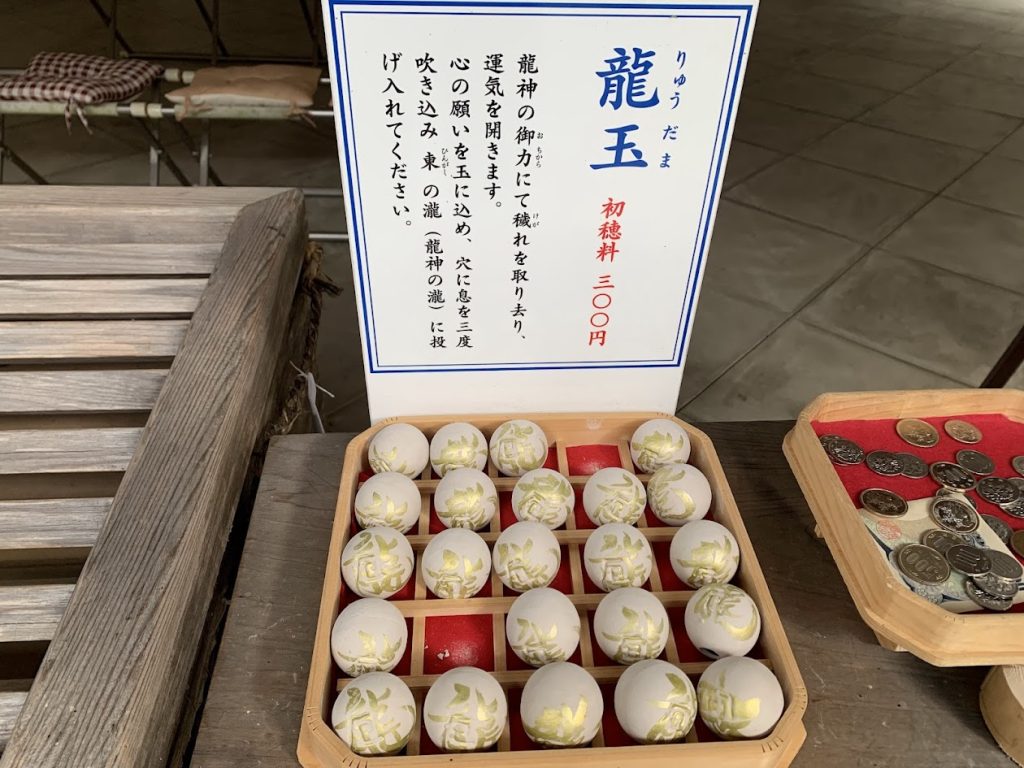
Ryu-dama (Dragon Ball)
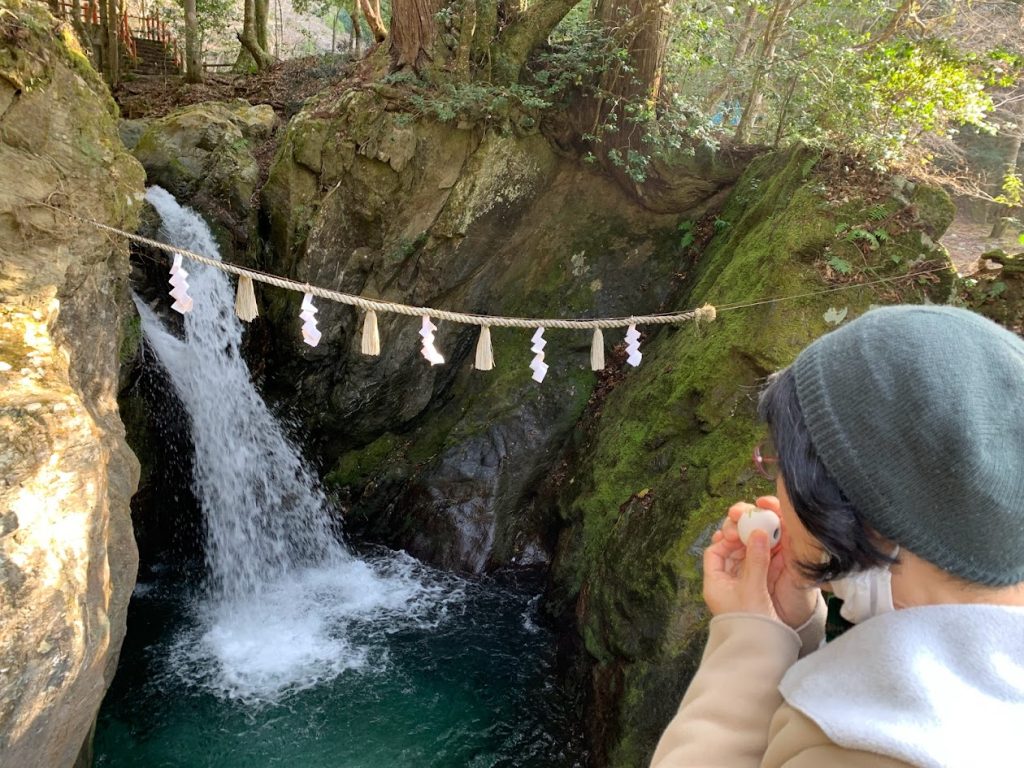
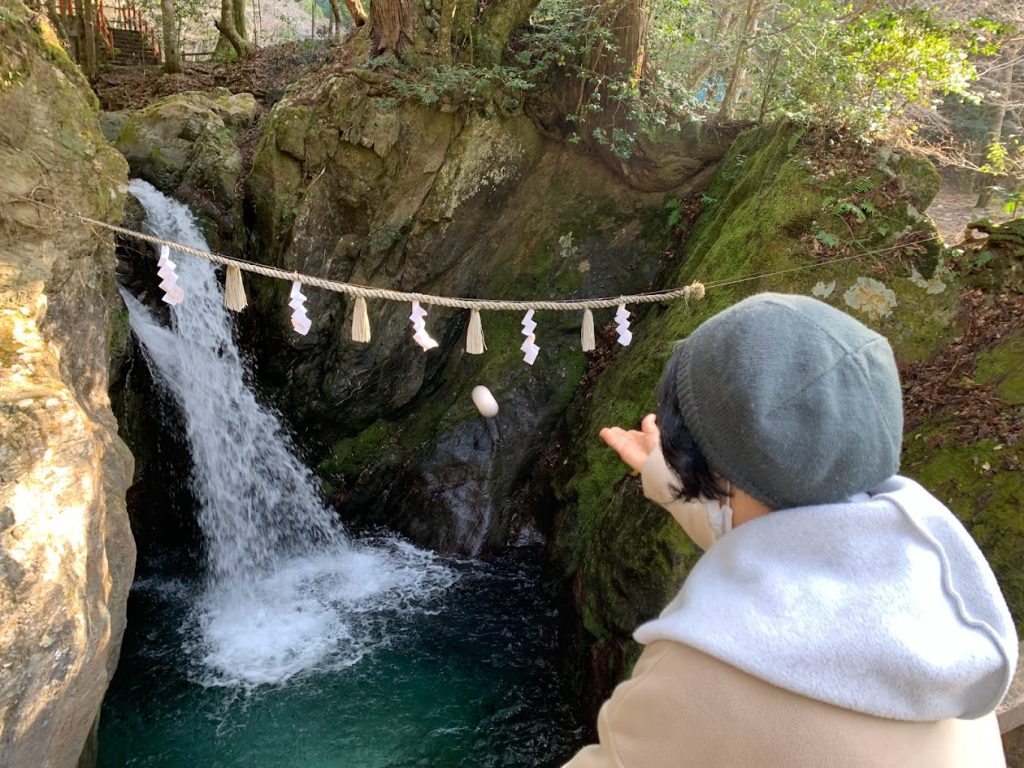
Make a wish and breathe into the hole three times, then throw it into the eastern waterfall (Dragon God’s waterfall).
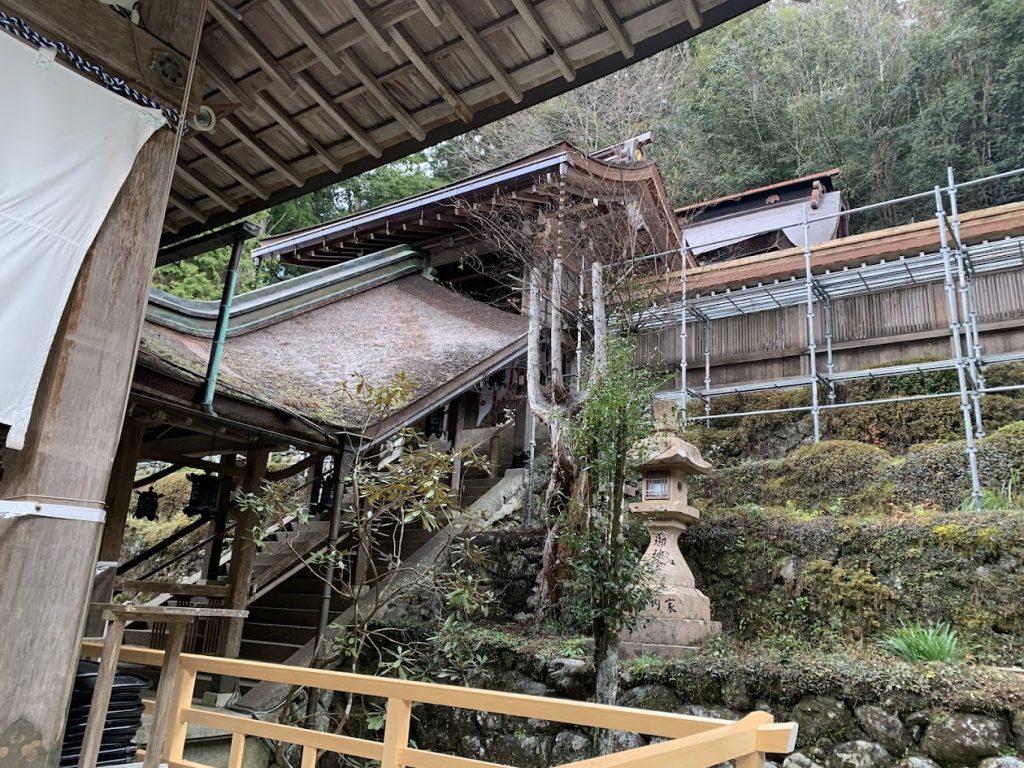
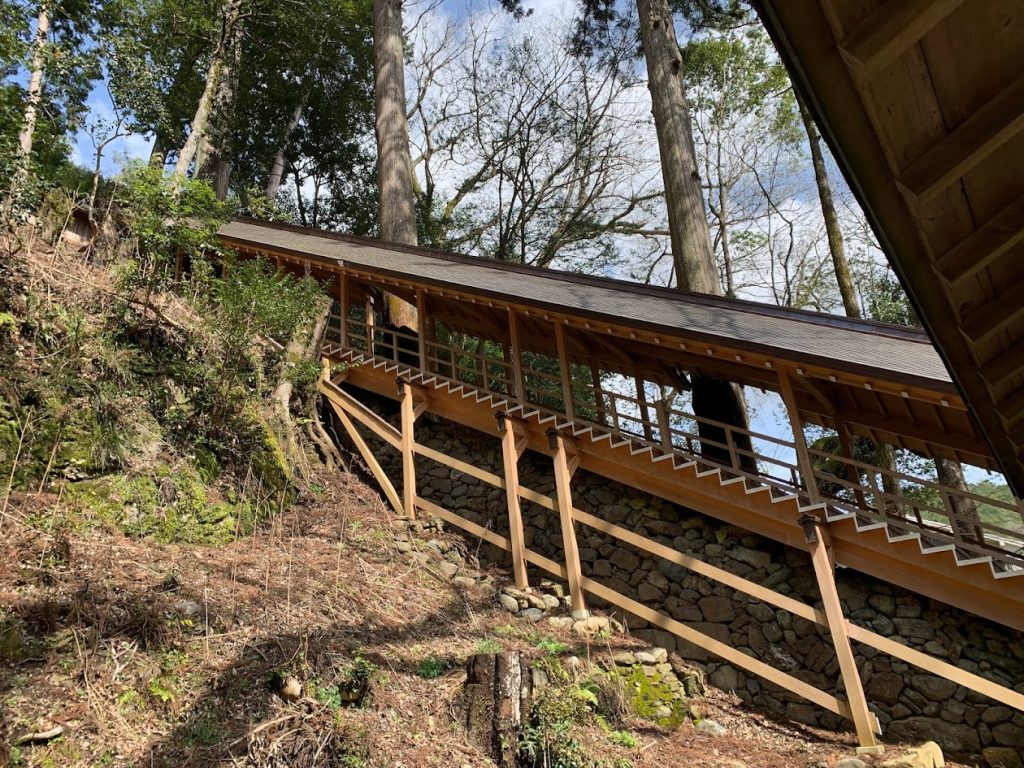
The stairs leading from the worship hall to the main shrine at the back.

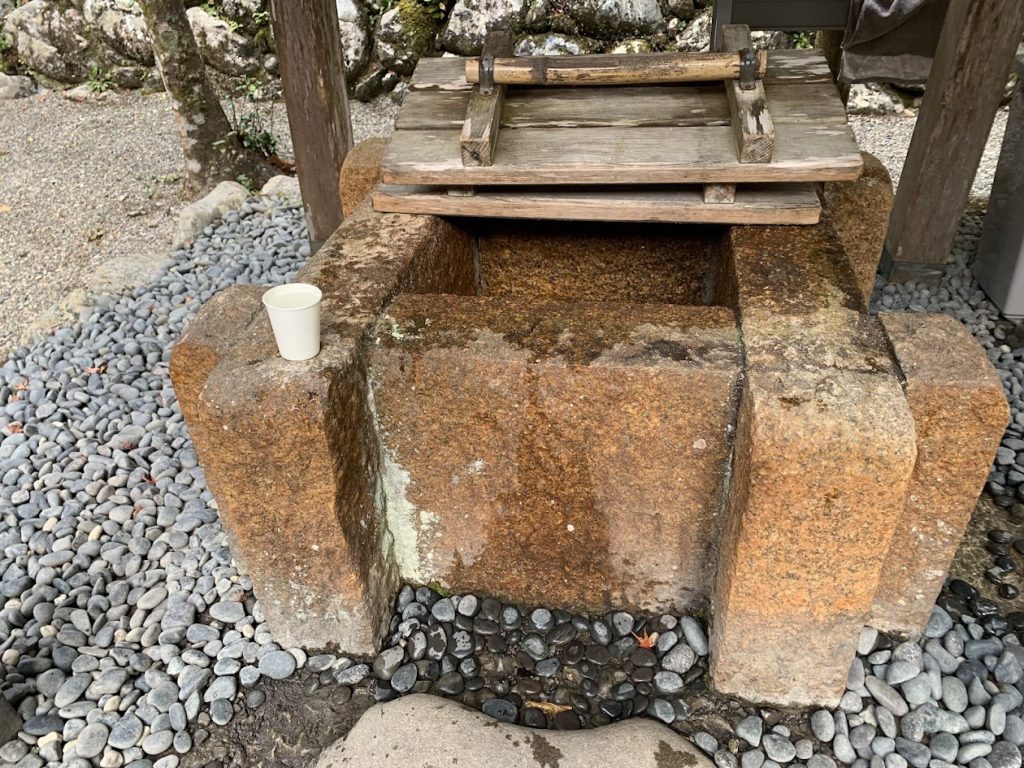
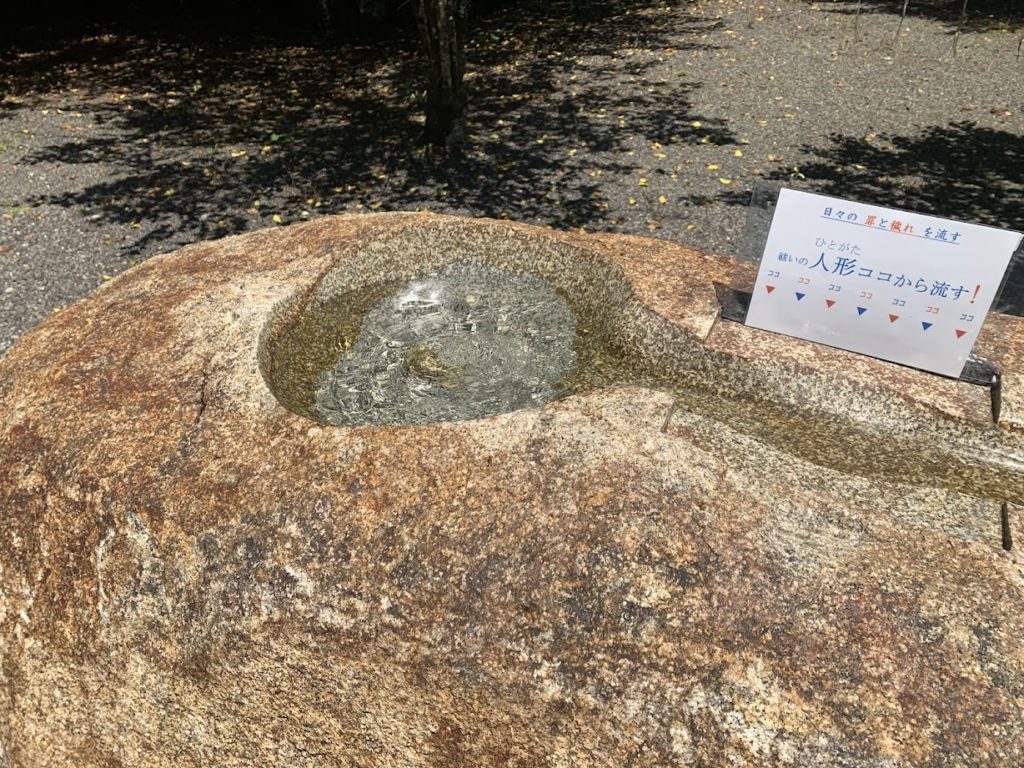
Purifying Water
Clear spring water flows here, and it is safe to drink.

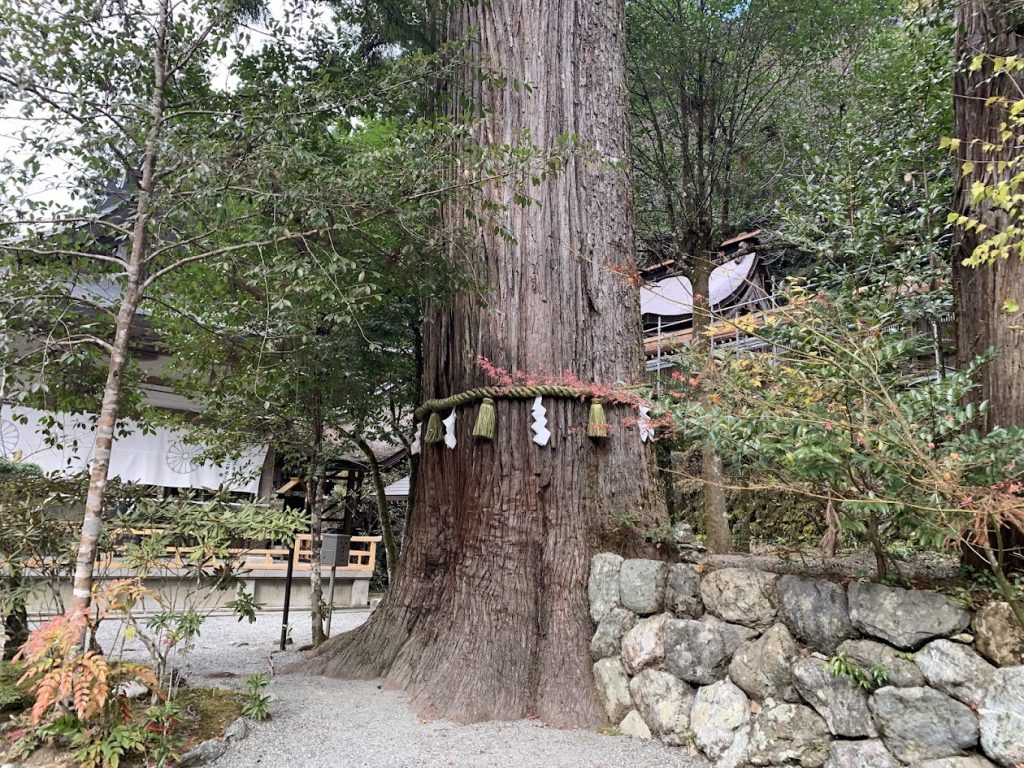
Kanae no Oosugi (Great Cedar of Fulfillment)
It says, “Place both hands on the great cedar, say your wish, and receive the divine power.”
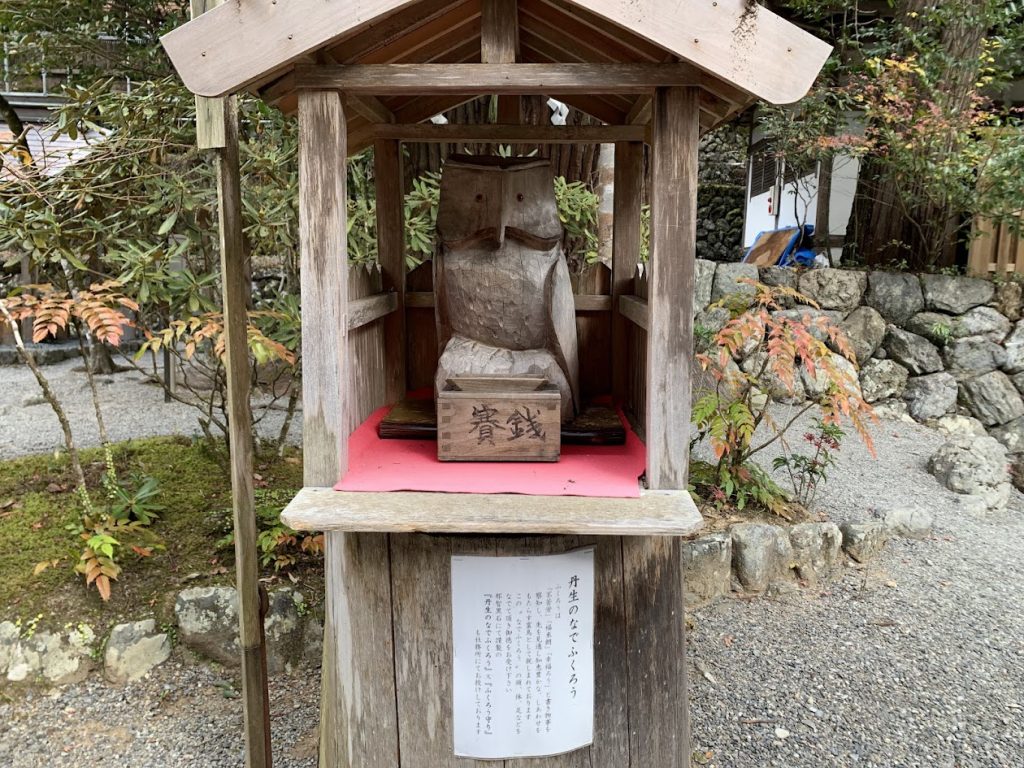
Nyu no Nade Fukurou
(The “Nyu” petting owl)
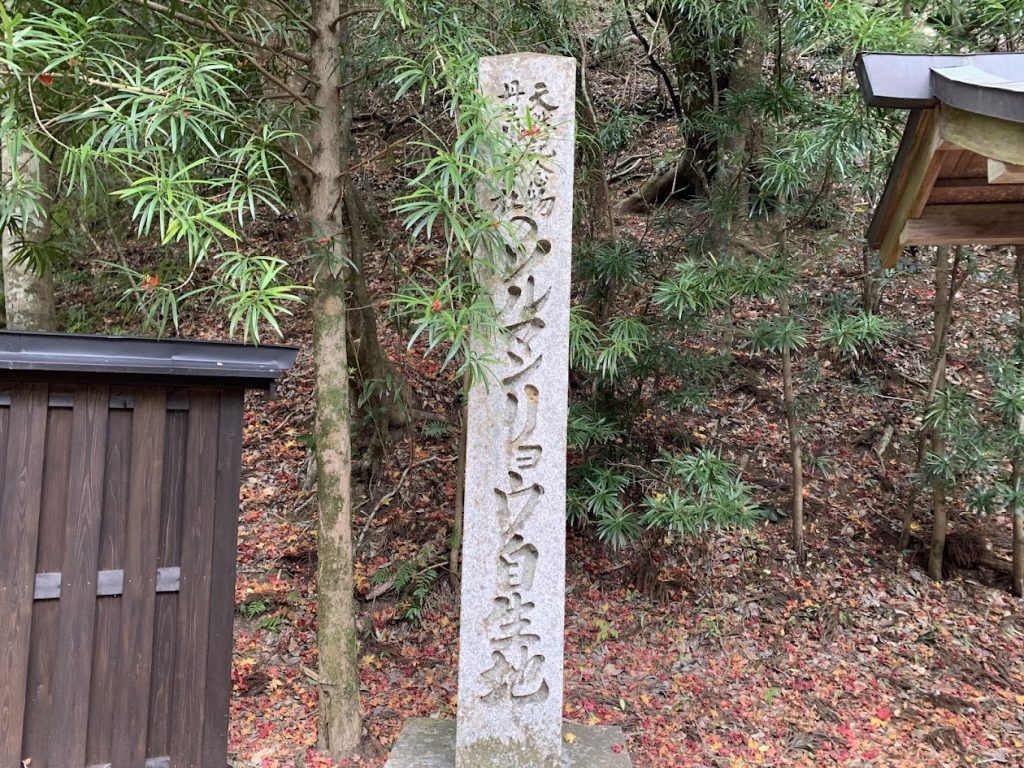
Behind the main shrine building is a natural habitat of the Tsuru-manryo plant, which is designated as a Natural Monument.
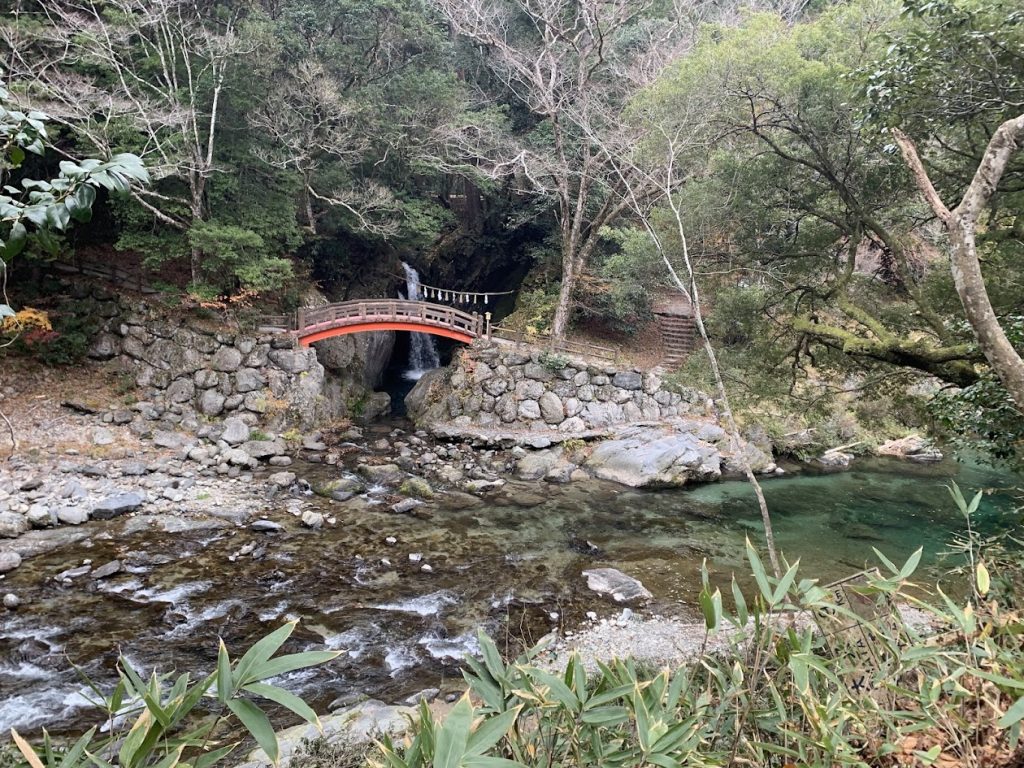
Yumebuchi — A site associated with Emperor Jimmu
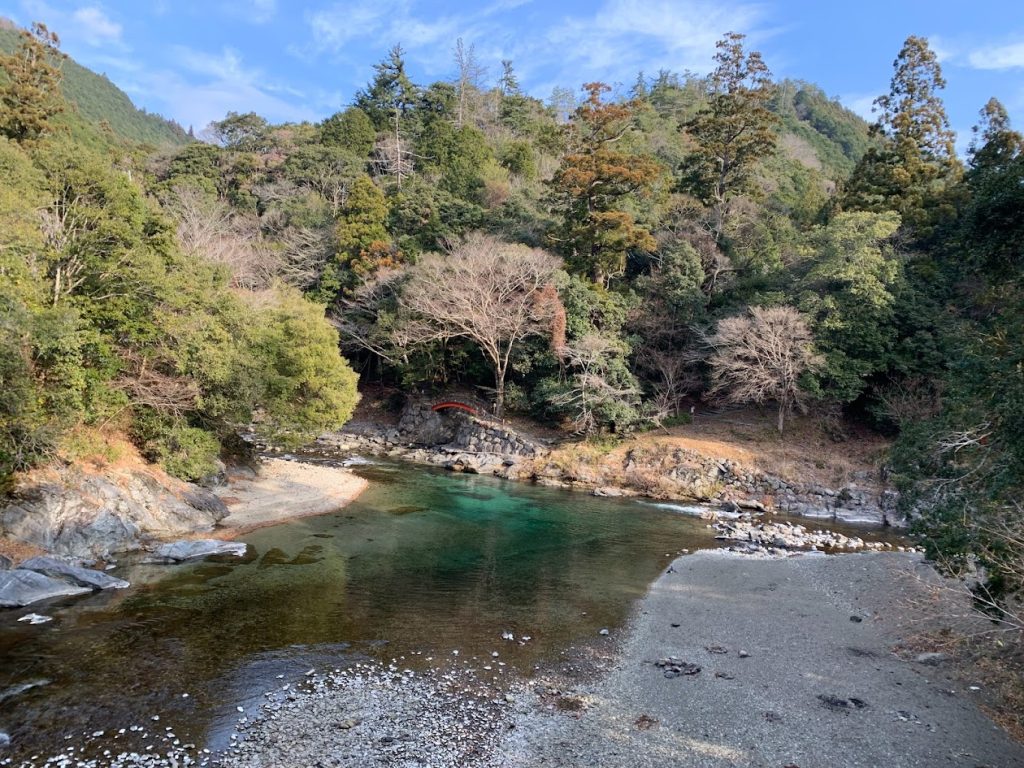
Yumebuchi
Located right next to Nyukawakami Shrine Nakasha (Middle Shrine).
It is the place where Emperor Jimmu divined whether he could unify Japan.
Emperor Jimmu was Japan’s first emperor.
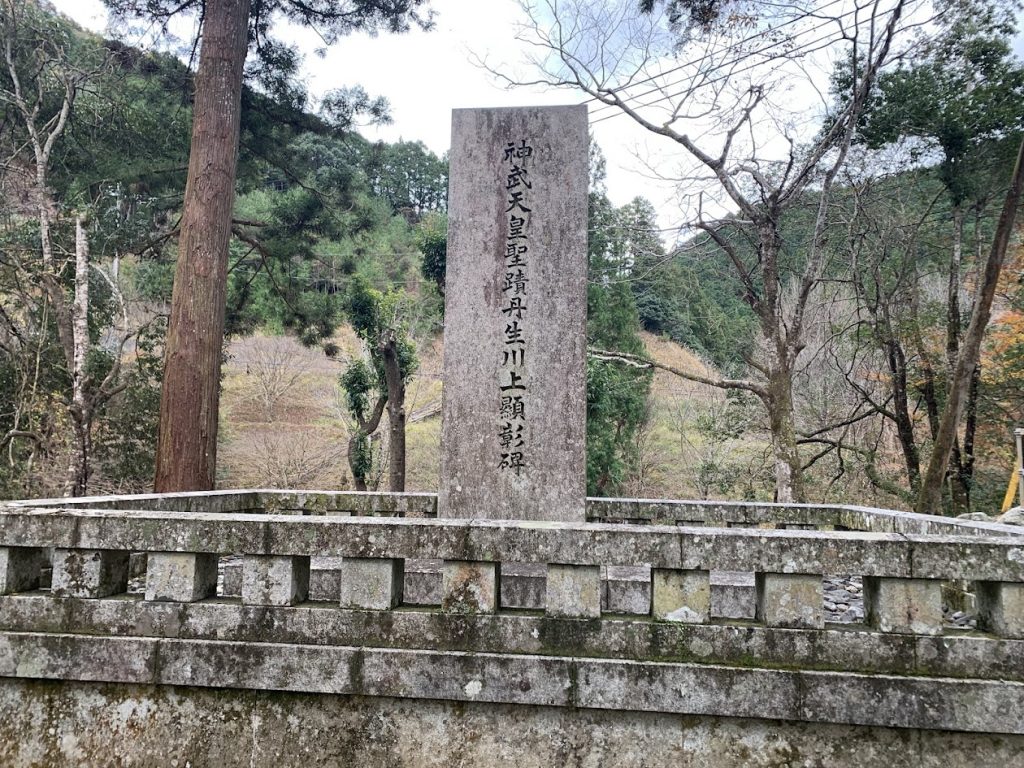
A monument honoring Emperor Jimmu stands right next to Yumebuchi.
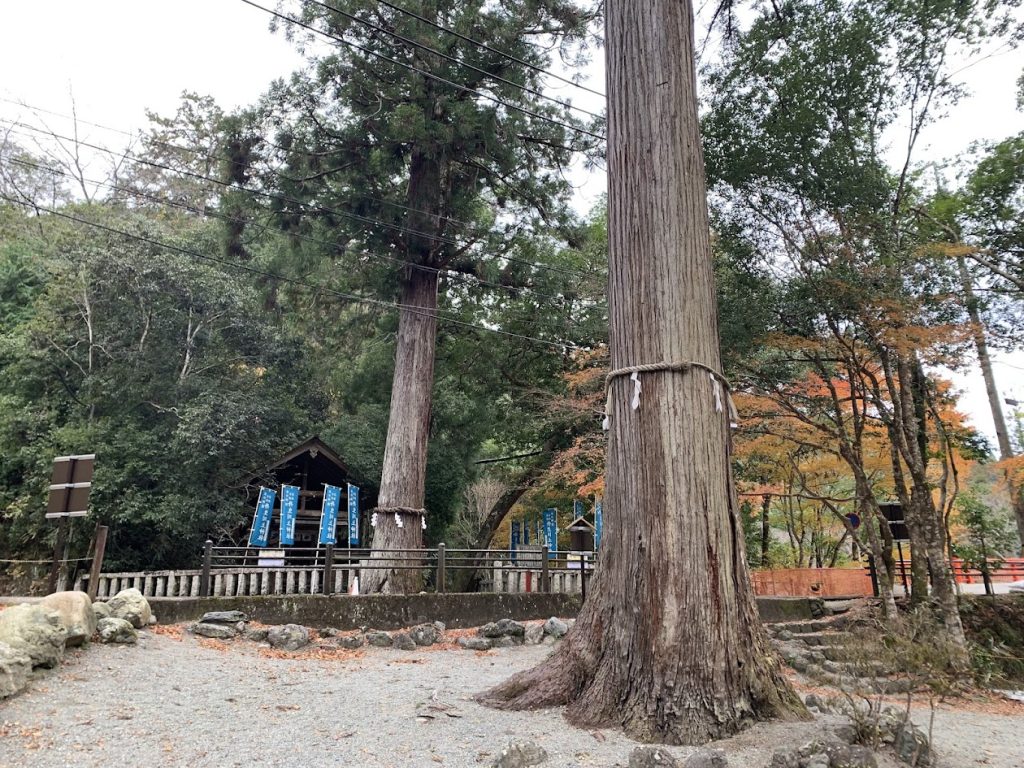
The entrance to descend to Yumebuchi.
In the distance, you can see Nyukawakami Shrine.
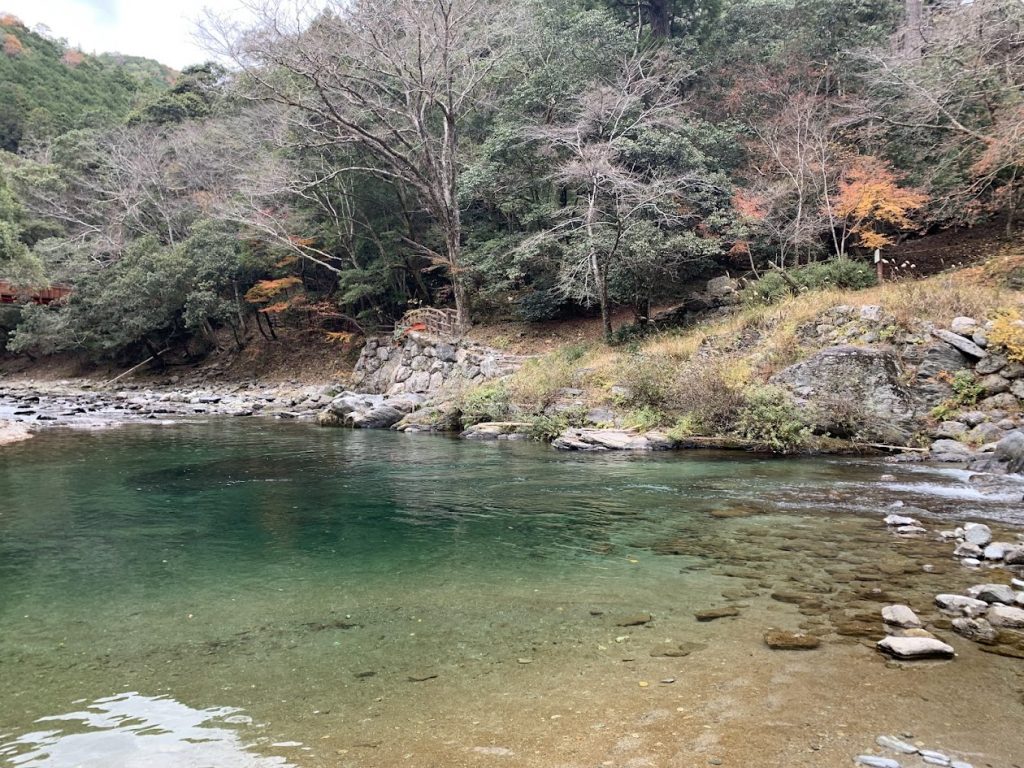
The entrance to descend to Yumebuchi.
In the distance, you can see Nyukawakami Shrine.
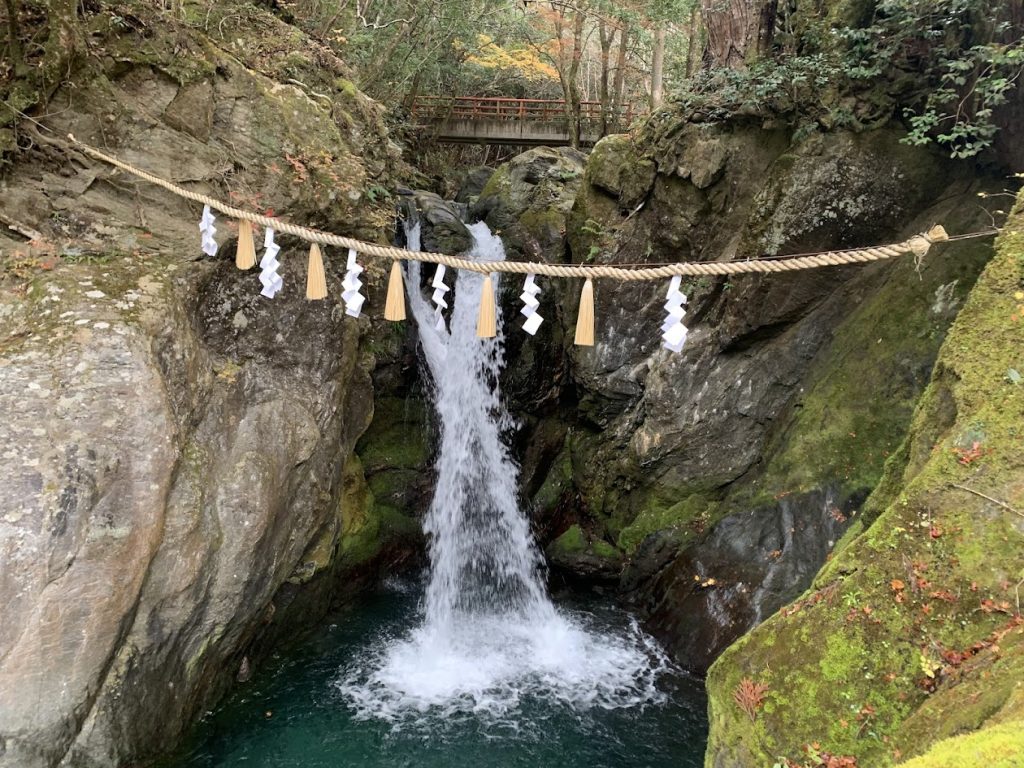
This is the Higashi no Taki (Eastern Waterfall), also known as the Dragon God’s Waterfall, located just above Yumebuchi.
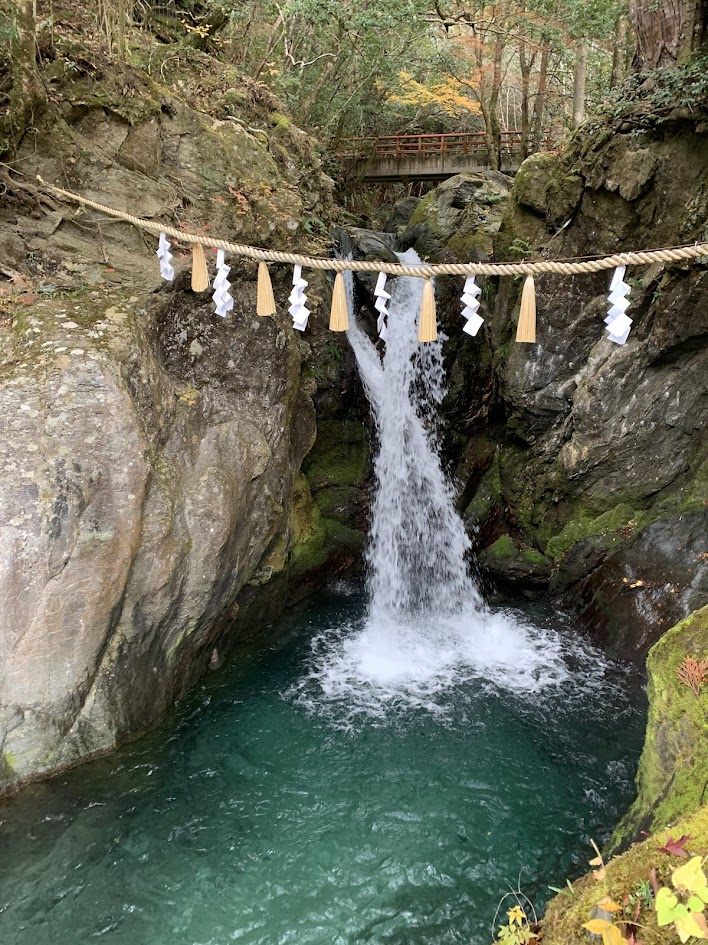
Make a wish and put it into the Ryugyoku (Dragon Ball).
Breathe into the hole three times, then throw it into the Eastern Waterfall (Dragon God’s Waterfall).
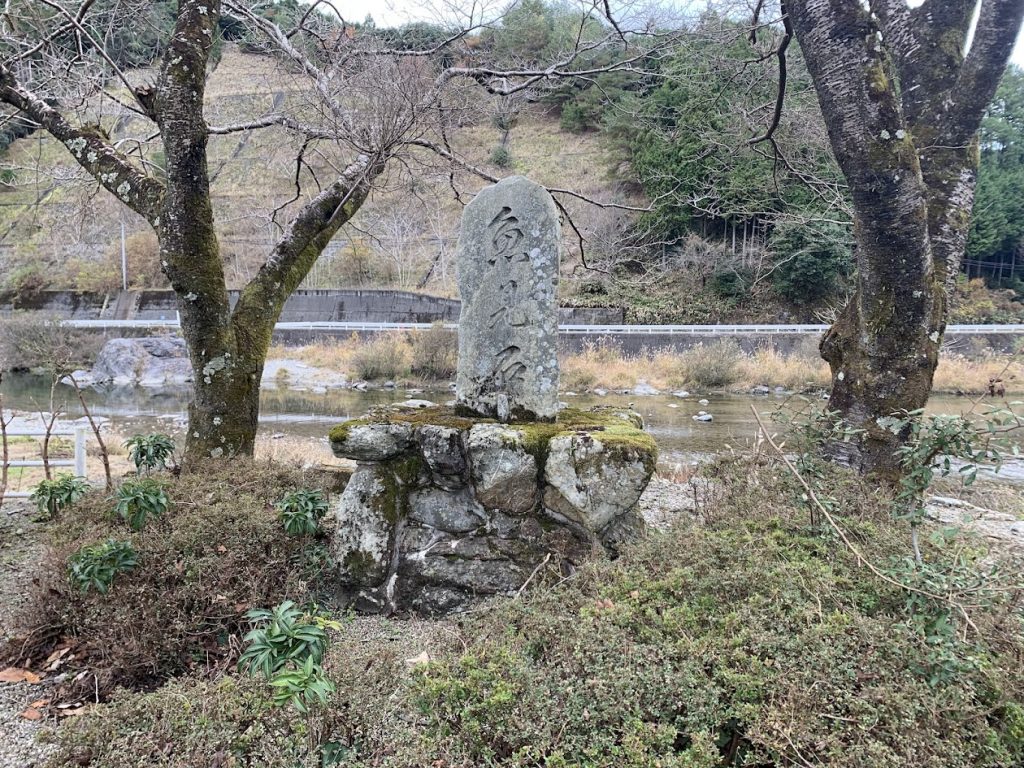
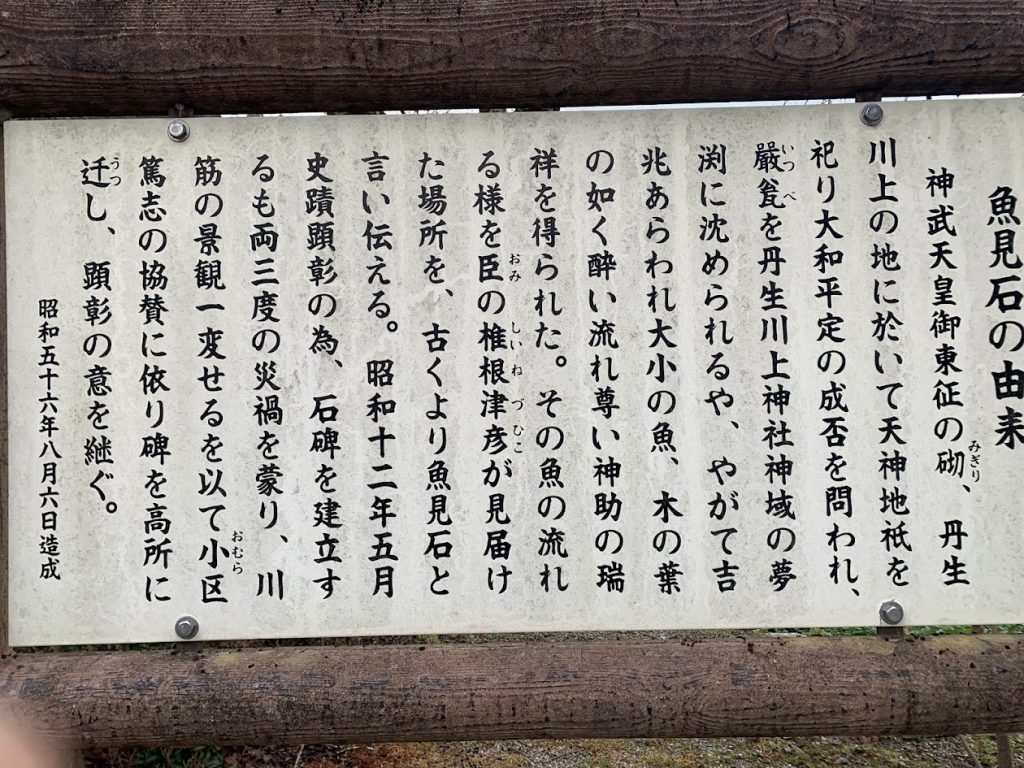
Uomi-ishi (Fish-Viewing Stone)
Located downstream of Yumebuchi.
When Emperor Jimmu divined the success of unifying Yamato, his retainer watched fish swimming as if intoxicated at this spot.
Nyukawakami Shrine Shimosha (Lower Shrine)
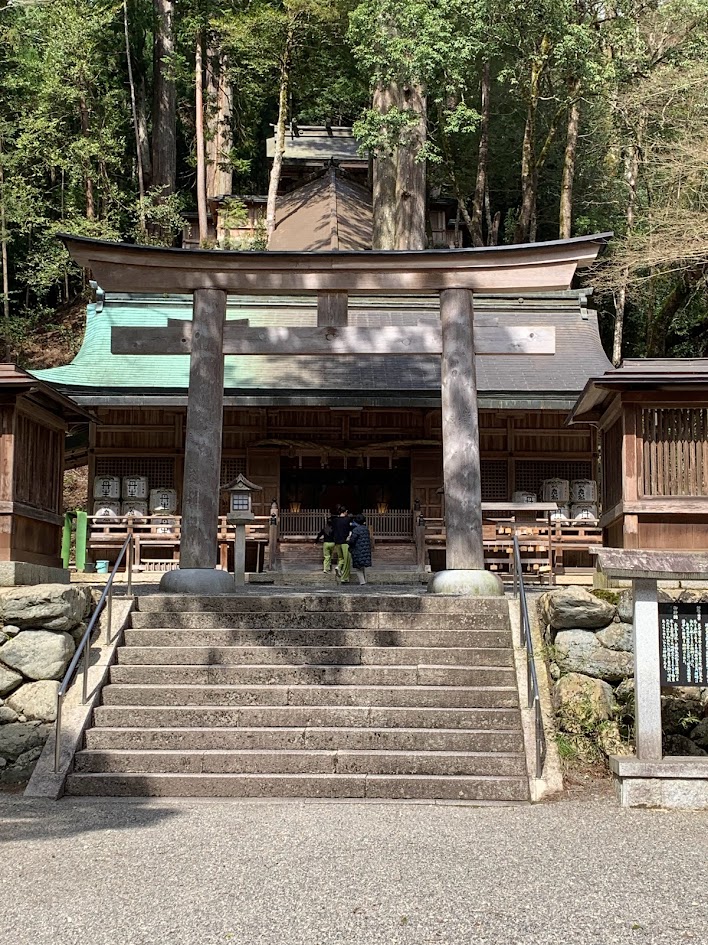

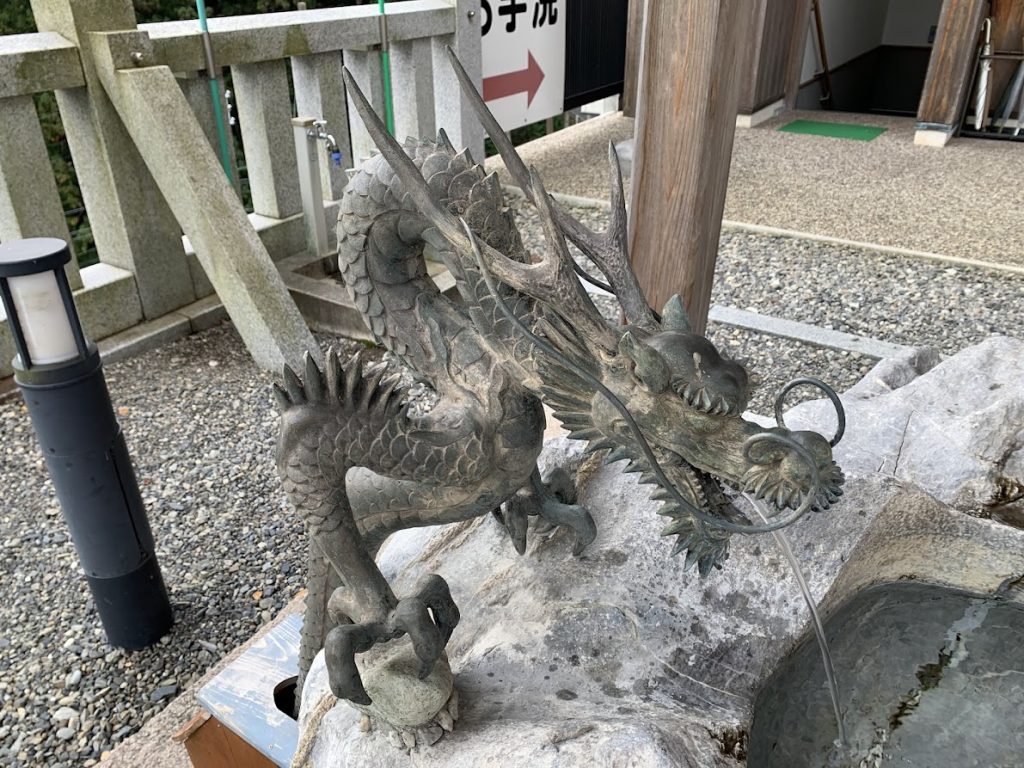
Purification water flows from the dragon’s mouth.
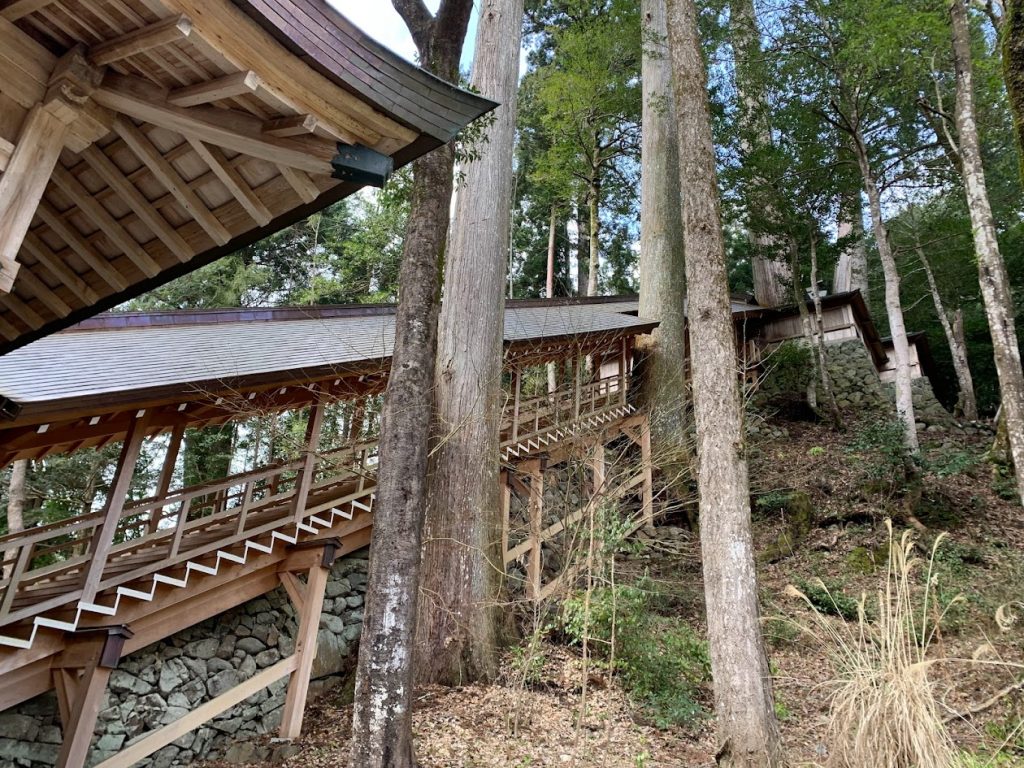
The stairs connecting the worship hall to the main shrine are magnificent.
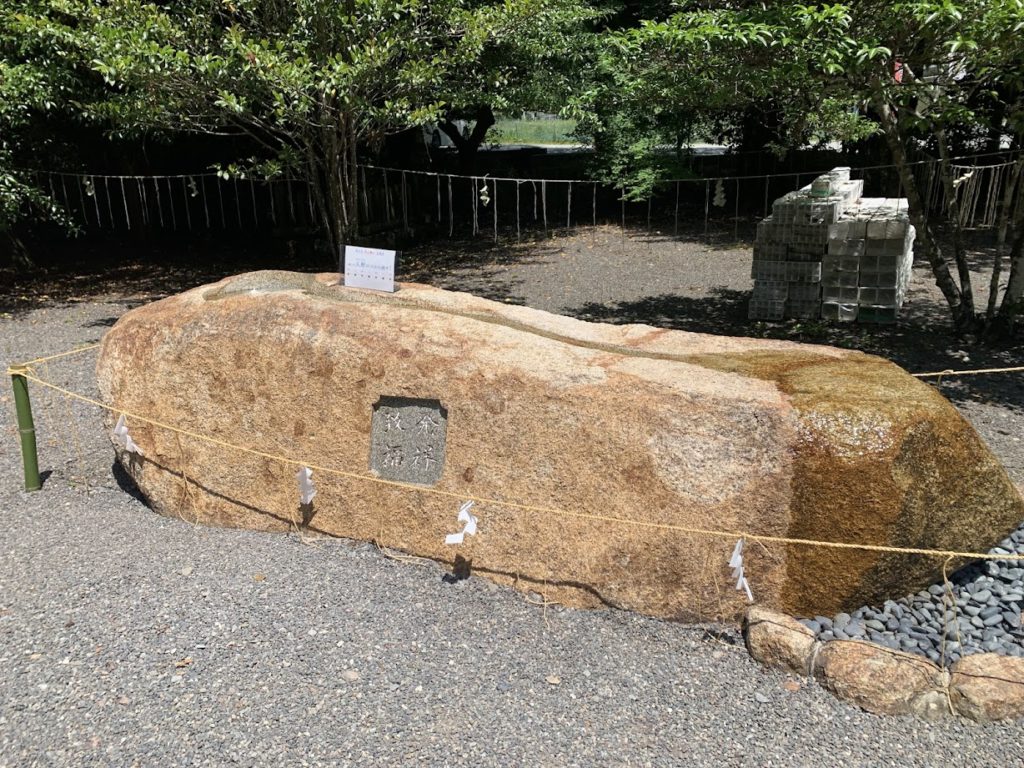
To wash away daily sins and impurities, “harai no hitogata” (ritual paper dolls) are floated down from here.
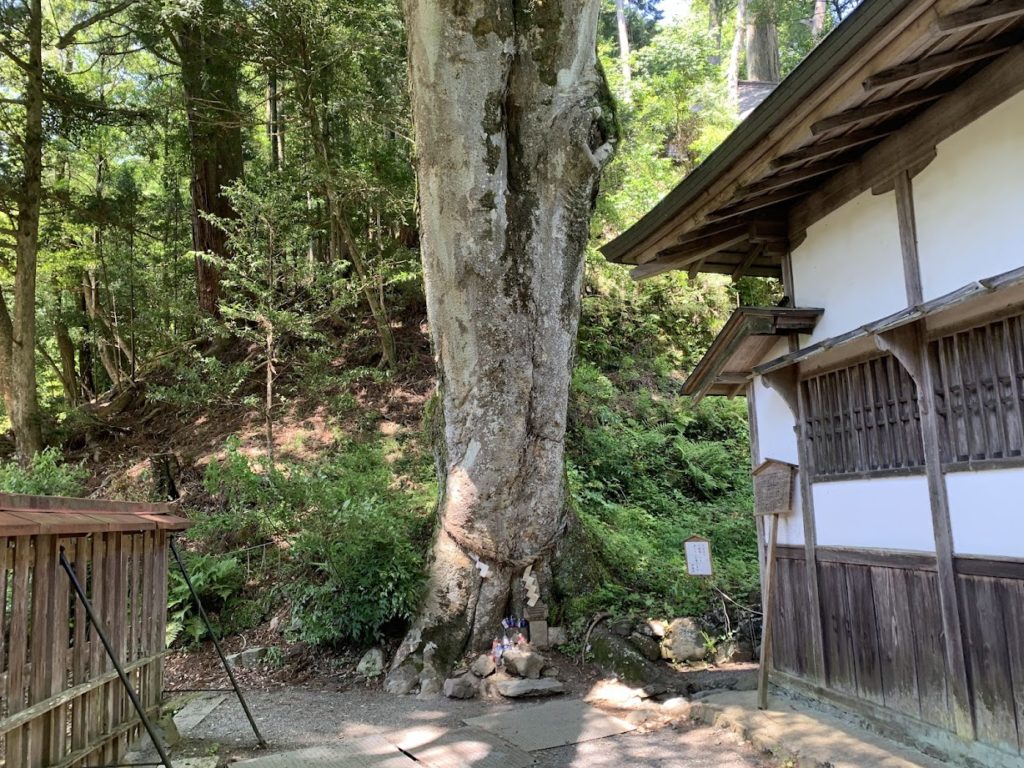
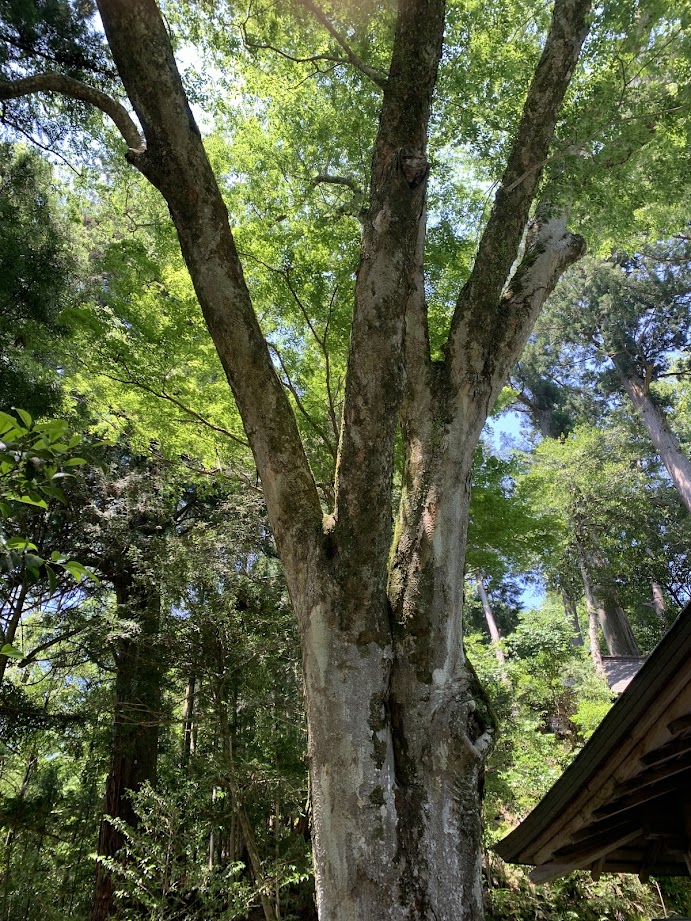
The keyaki (zelkova) tree to the left of the worship hall
Estimated to be 500 years old
Circumference of the trunk: 4.5 meters
Height: about 30 meters
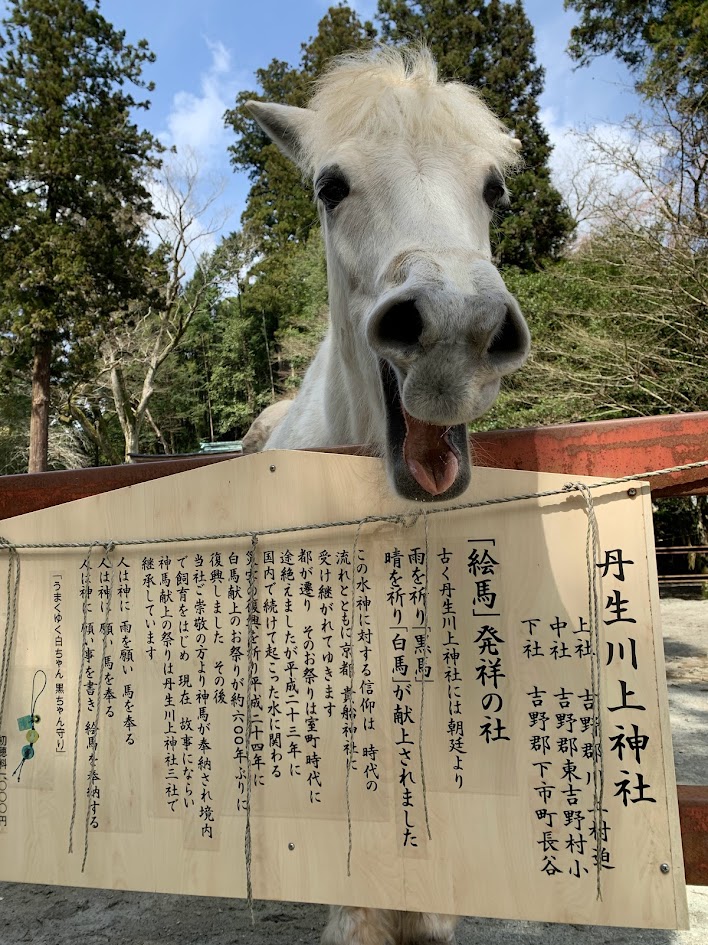
A friendly donated horse happily approached.
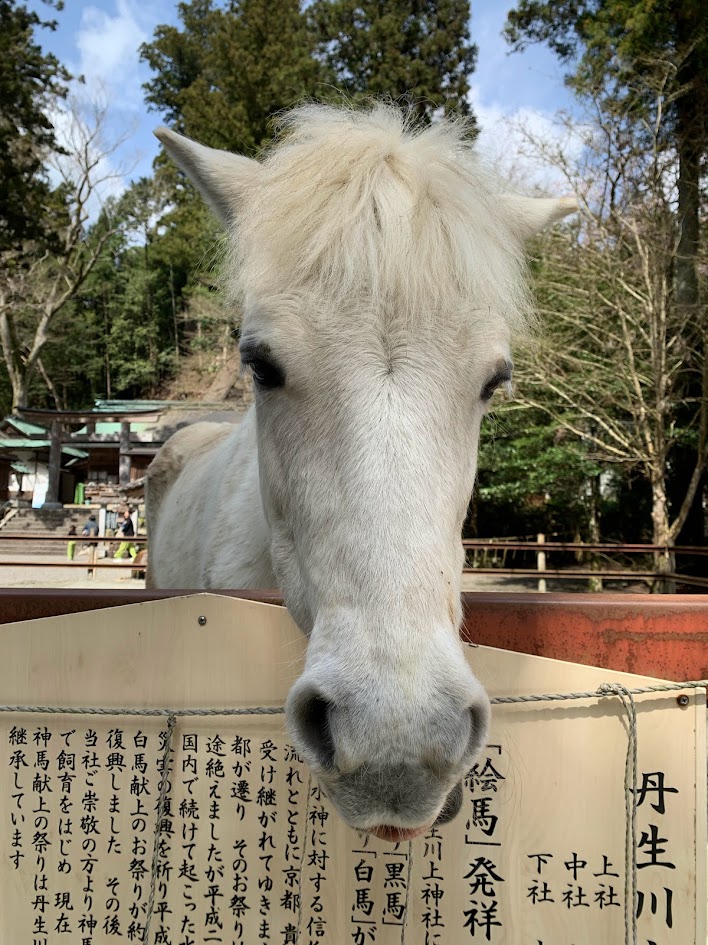
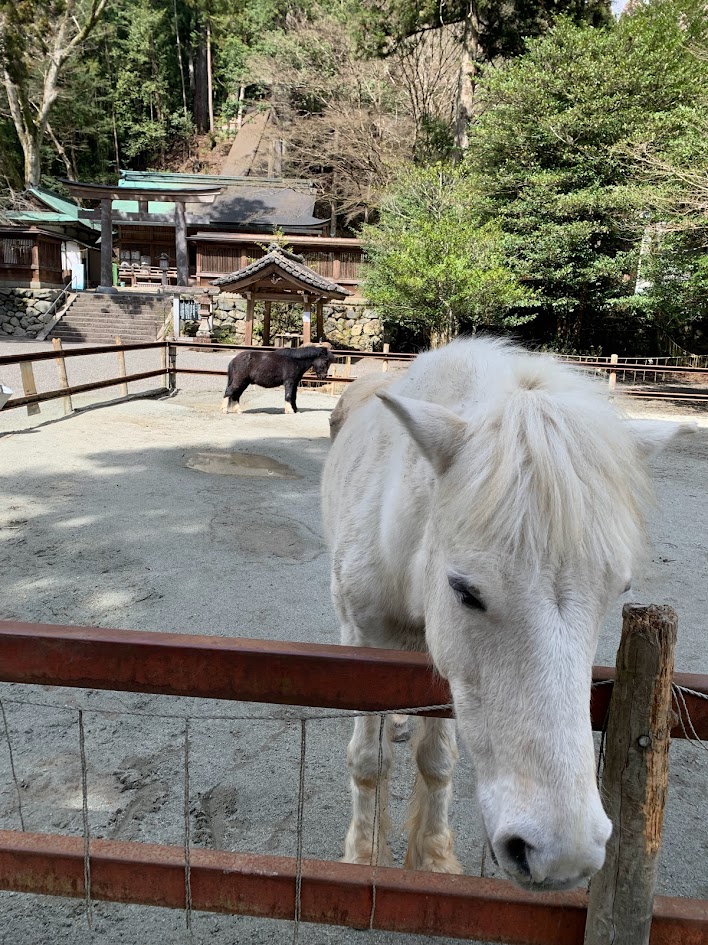
In 763, the imperial court donated a black horse.
After that, black horses were offered when praying for rain, and white horses were offered when praying for clear weather.
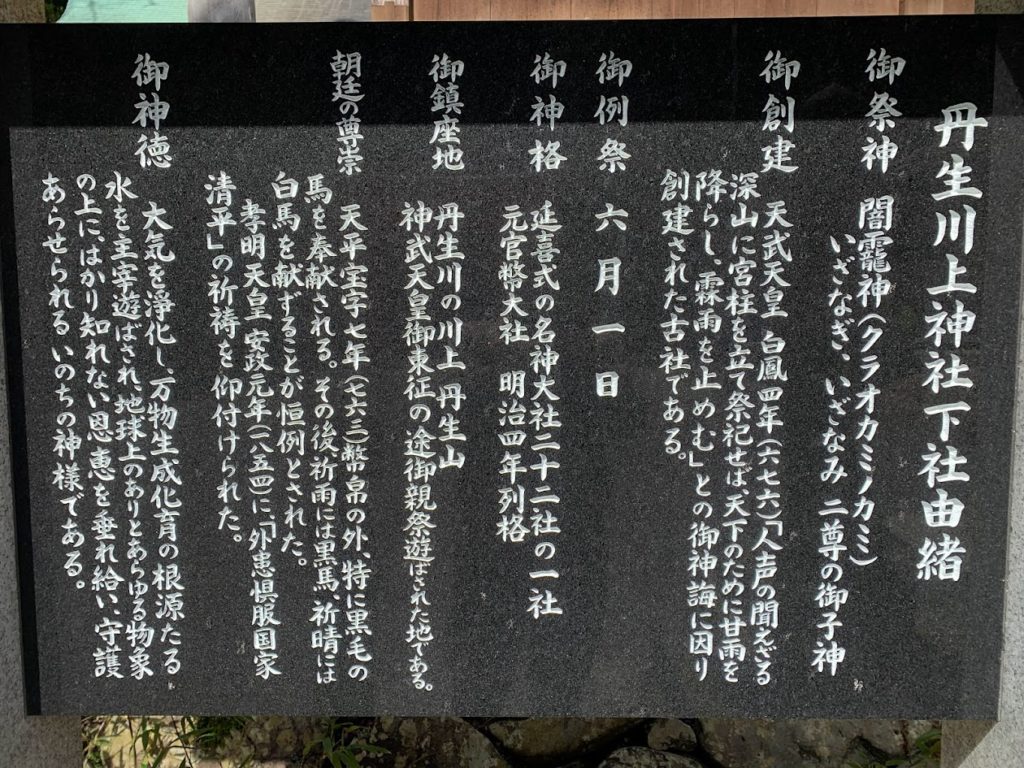
This ancient shrine was founded in 676 AD, during the reign of Emperor Tenmu, following the deity’s instruction: “If you build and enshrine pillars for the shrine deep in the mountains where human voices cannot be heard, it will bring gentle rain for the land and stop prolonged rains.”
It was formerly a Kanpei Taisha (Imperial-ranked shrine).
Kan’u — moderate, beneficial rain
Rin’u — long-lasting rain
コメント