

- Koshin-do (Naramachi)
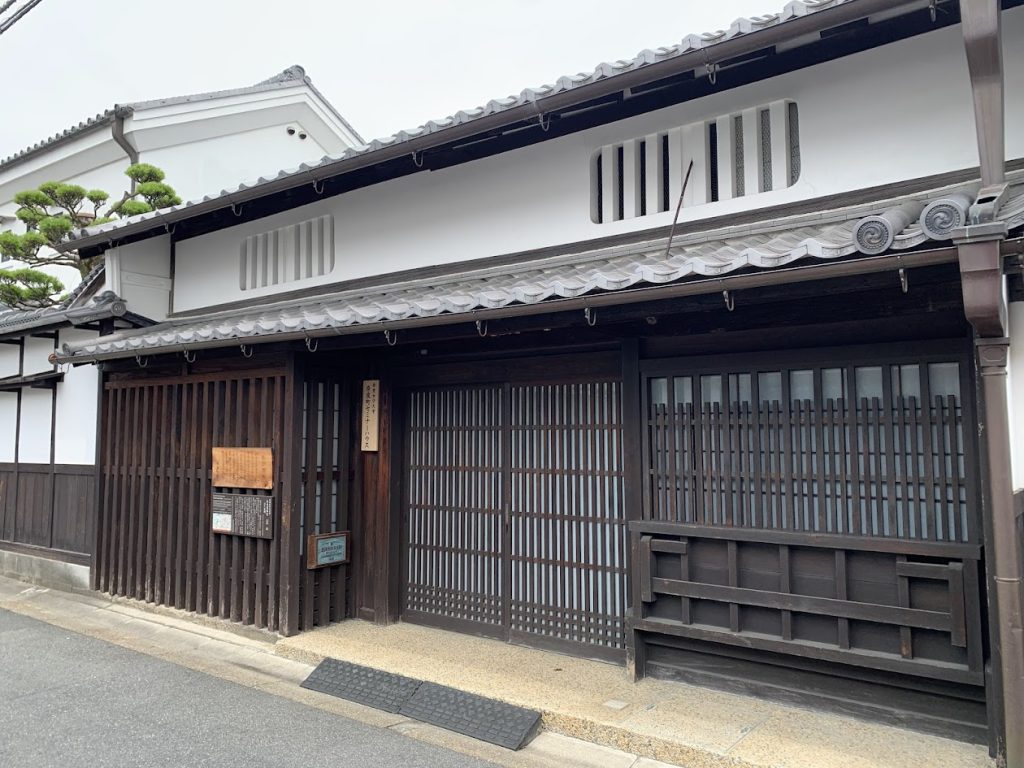
- Naramachi Nigiwaino Ie (Naramachi)
- Harushika (Imanishi Sake Brewery)/ Imanishi Family Shoin (Naramachi)
- Koshino Ie (Naramachi)
- Karakuri Toy Museum (Naramachi)
- Goryo Shrine (Naramachi)
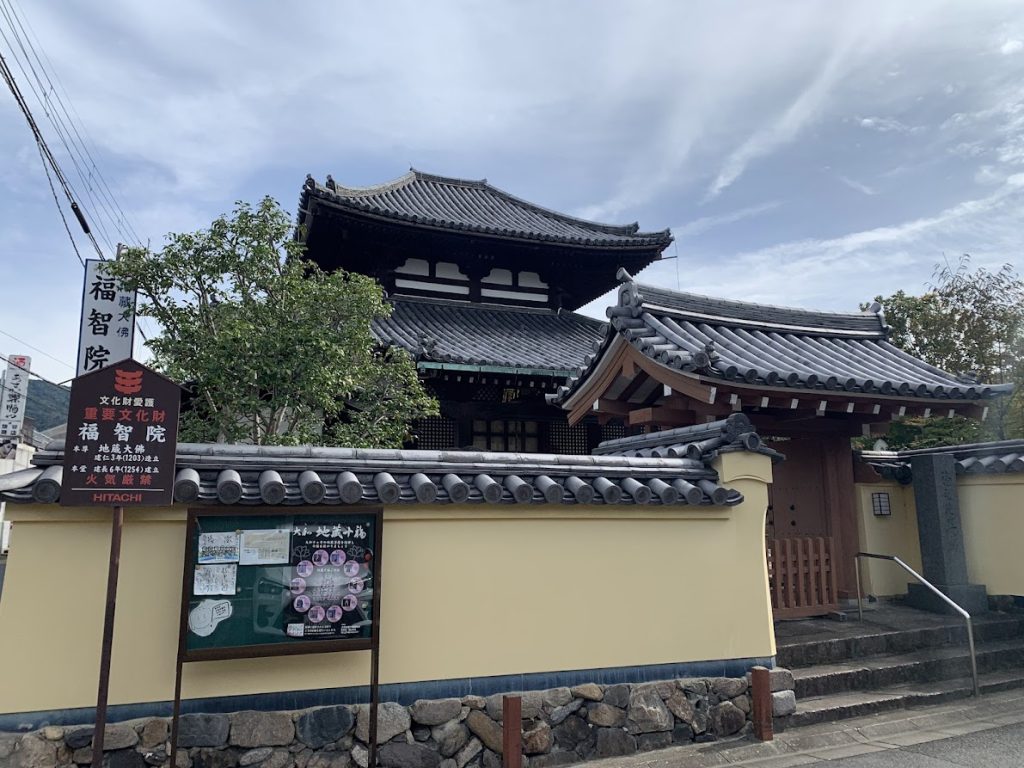
- Jurin-in (Naramachi)
- Dososhin Shrine (Naramachi)
- Substitute Monkey (also known as the Wish Monkey)
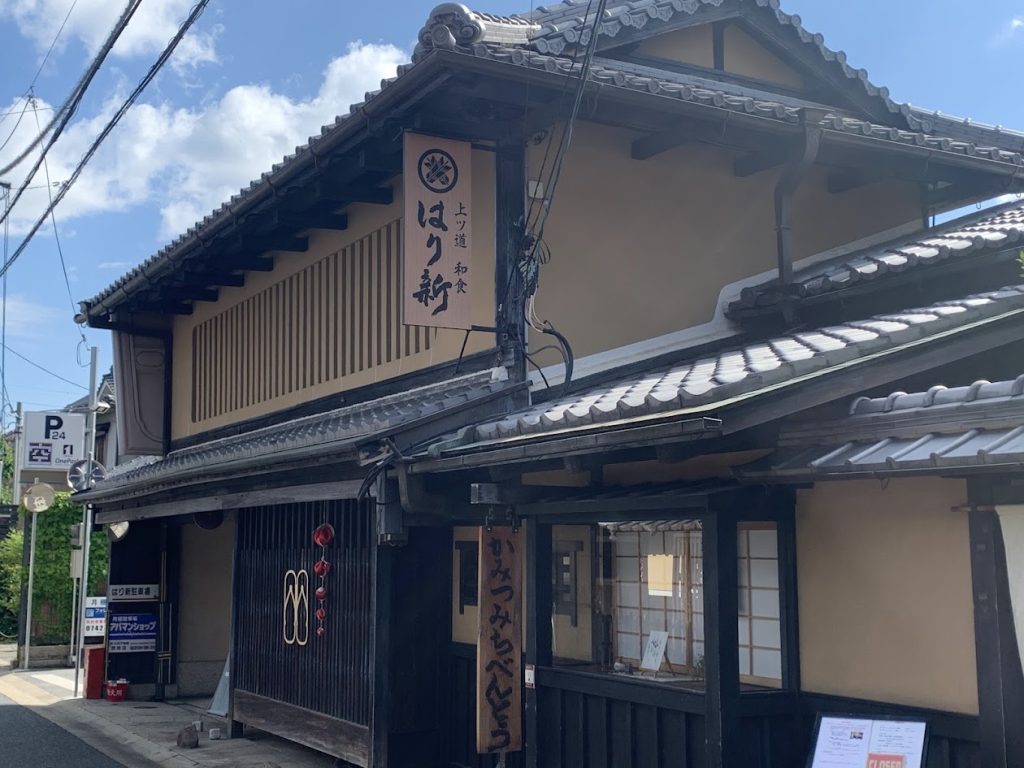
- Street scene (Naramachi)
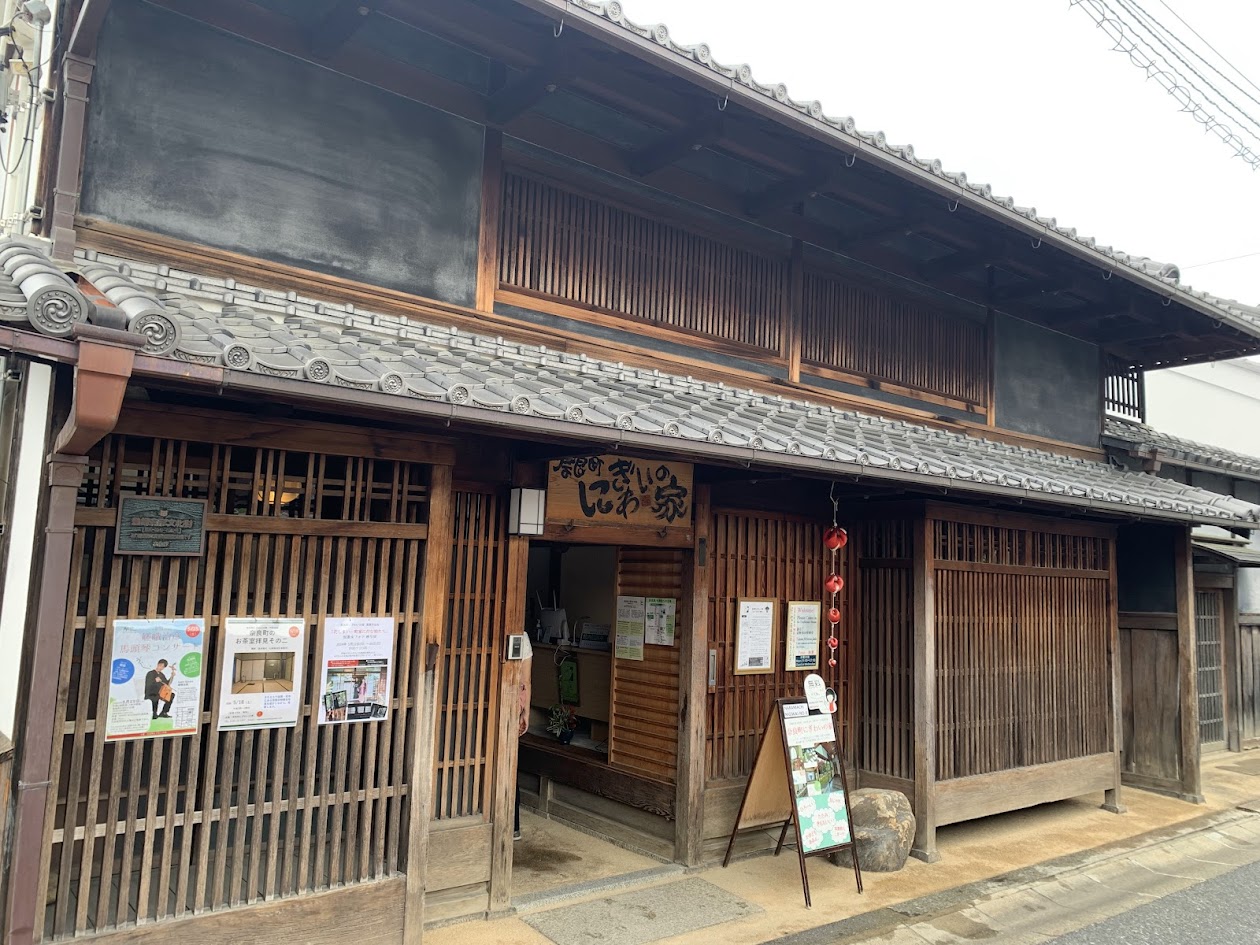
Koshin-do (Naramachi)
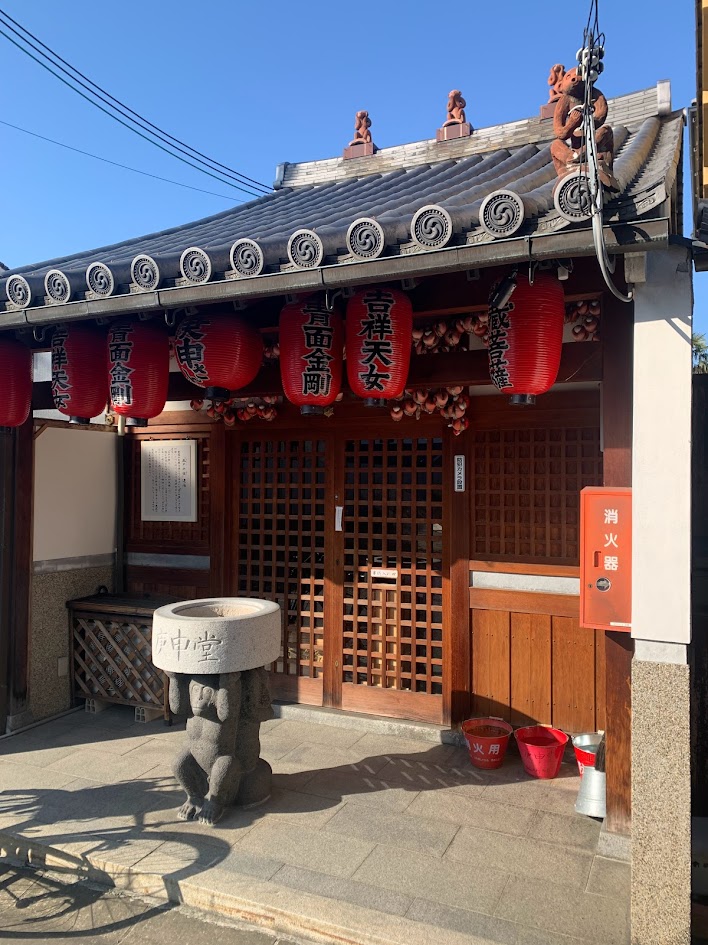
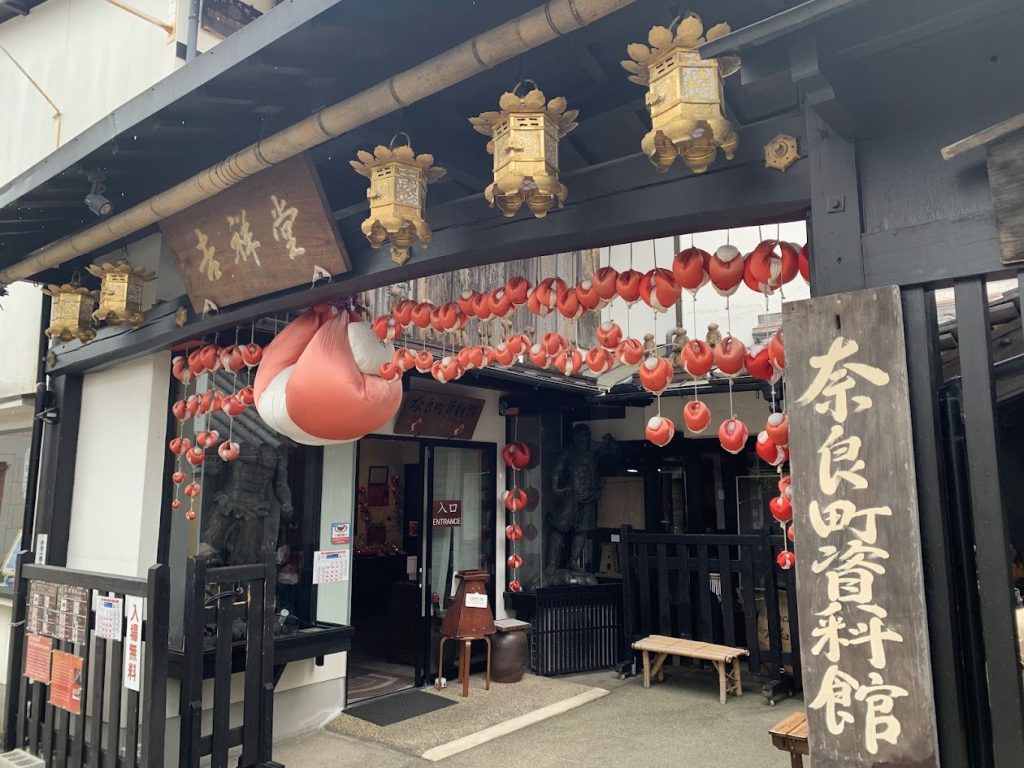
Koshin-do (Koshin Shrine) is located in the heart of Naramachi.
Long ago, when an epidemic was ravaging and causing great suffering among the people, a high monk from Gango-ji temple prayed for protection from the Buddha.
In response, the Blue-Faced Deity appeared and said, “I am moved by your sincere devotion and will dispel the illness,” before disappearing.
After this, the epidemic reportedly subsided.
Since the appearance of the Blue-Faced Deity occurred on the year, month, and day of “Koshin,” Koshin-do was established and dedicated to the Blue-Faced Deity.
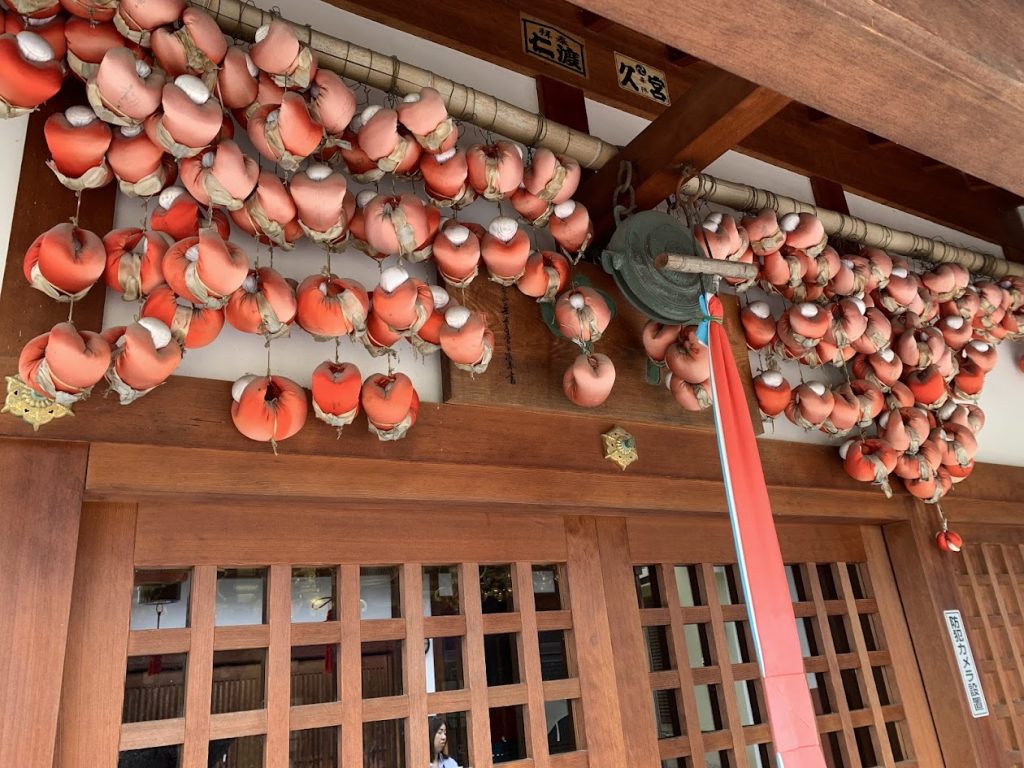
Under the eaves of Koshin-do, numerous “substitute” monkeys are offered.
It was believed that the “three worms” (sanshi), thought to reside within the human body, brought about illness and misfortune.
Since these worms disliked konnyaku (a type of Japanese yam cake), people would eat konnyaku on Koshin days to drive them away.
Moreover, the worms were also said to dislike monkeys. The sight of monkeys grooming themselves was thought to resemble the worms being removed and eaten, so the worms would be frightened away and flee.
As a result, people began hanging “substitute” monkey figures under their eaves to prevent illness and misfortune.
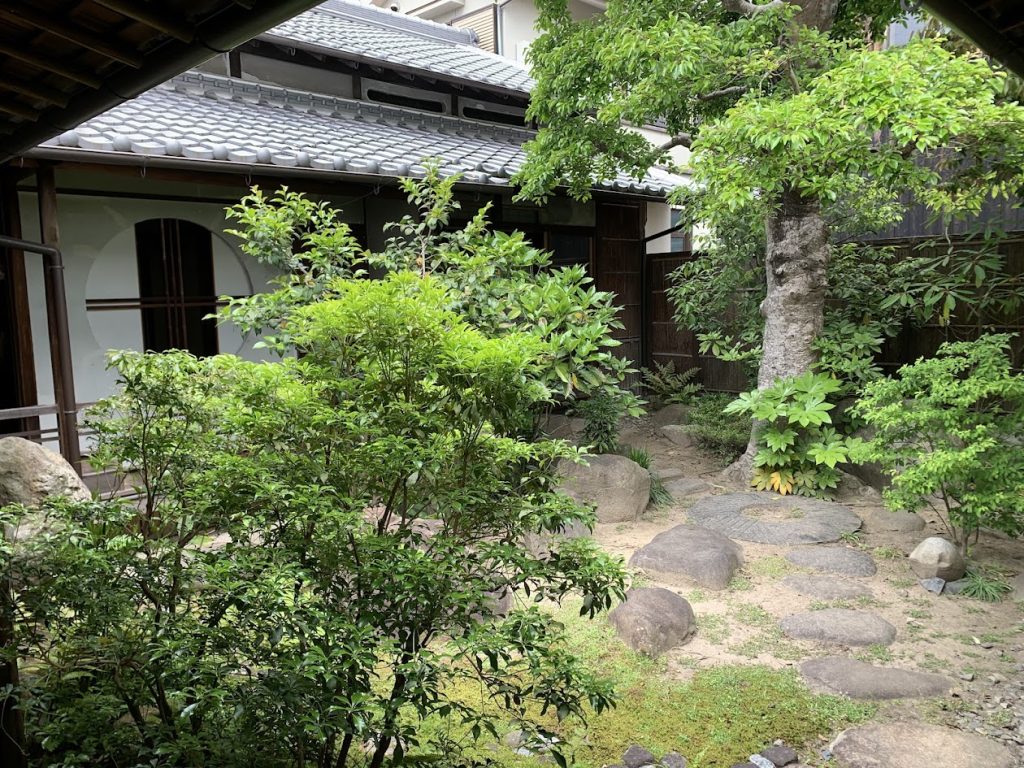
Naramachi Nigiwaino Ie (Naramachi)
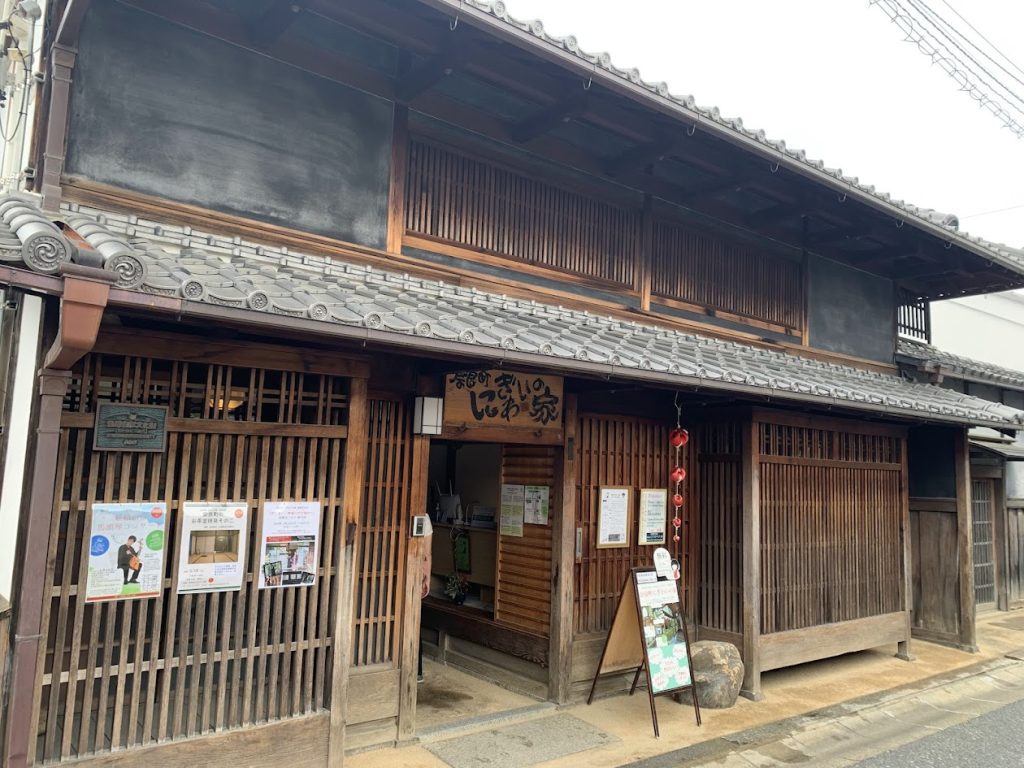
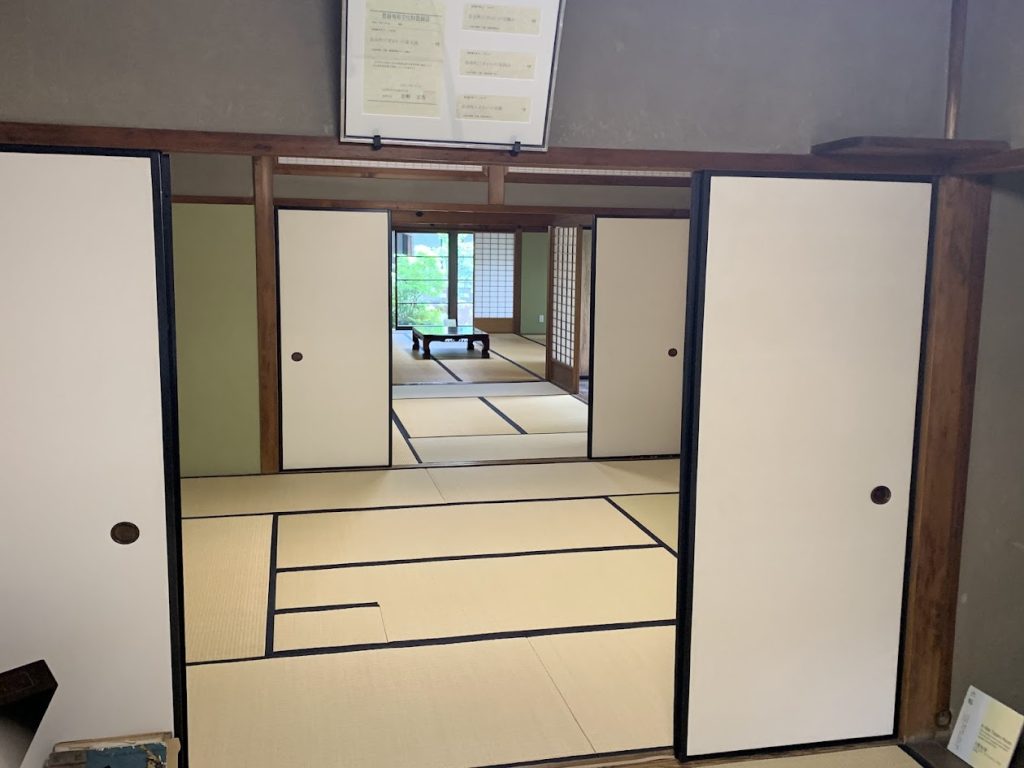
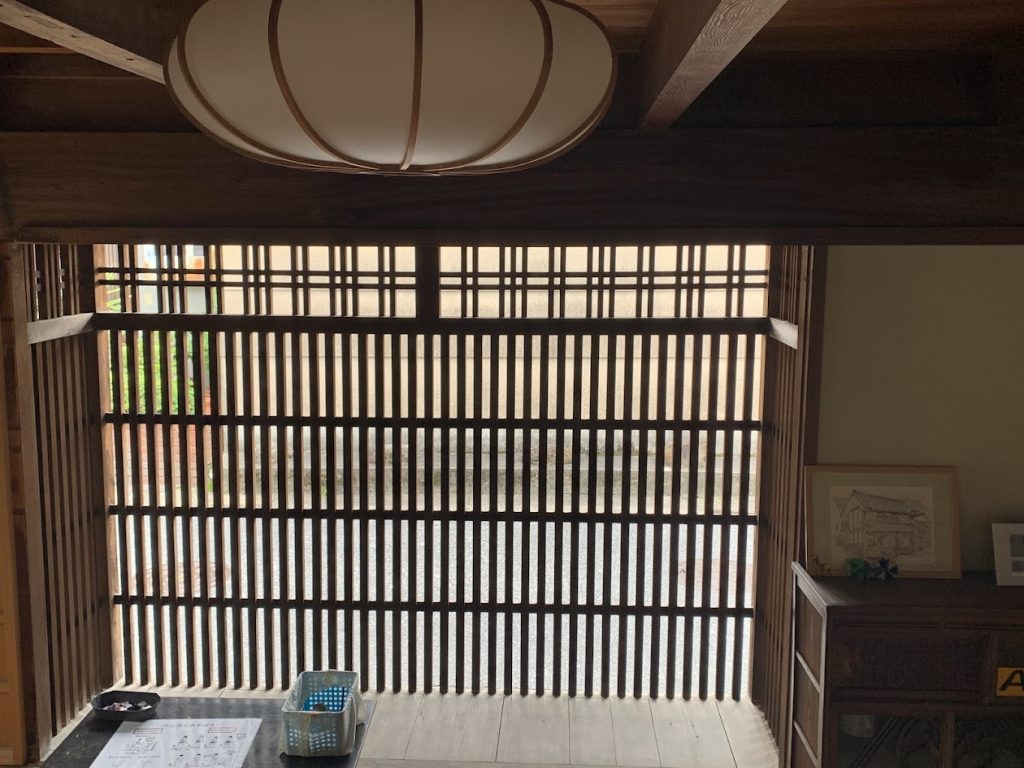
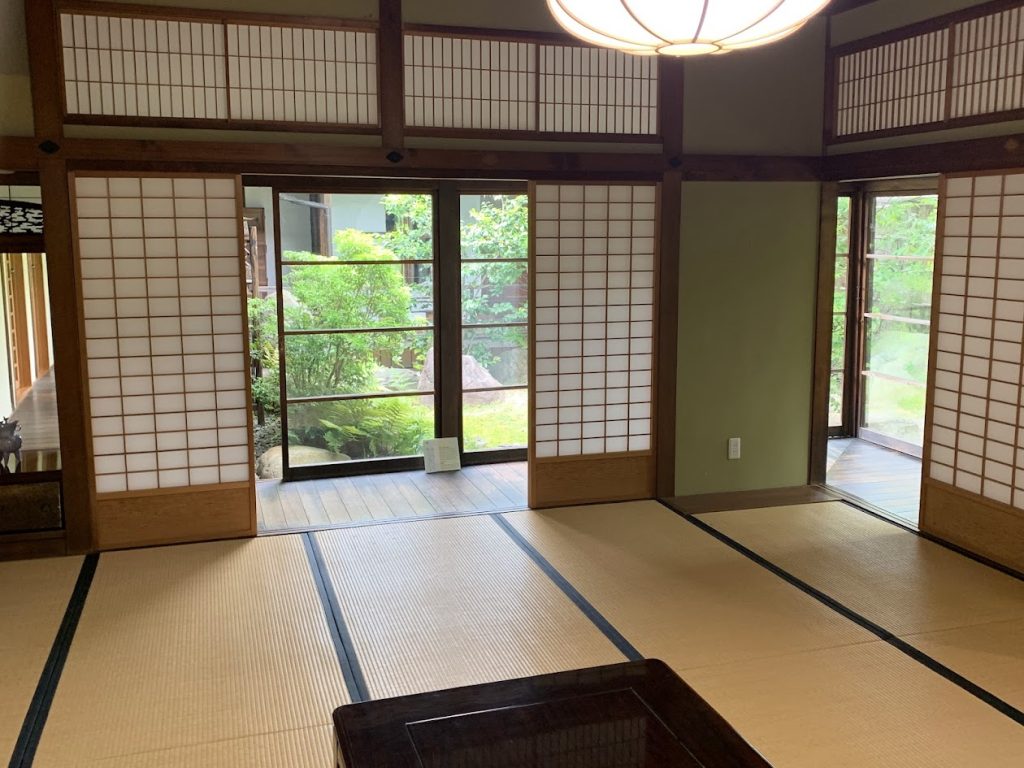
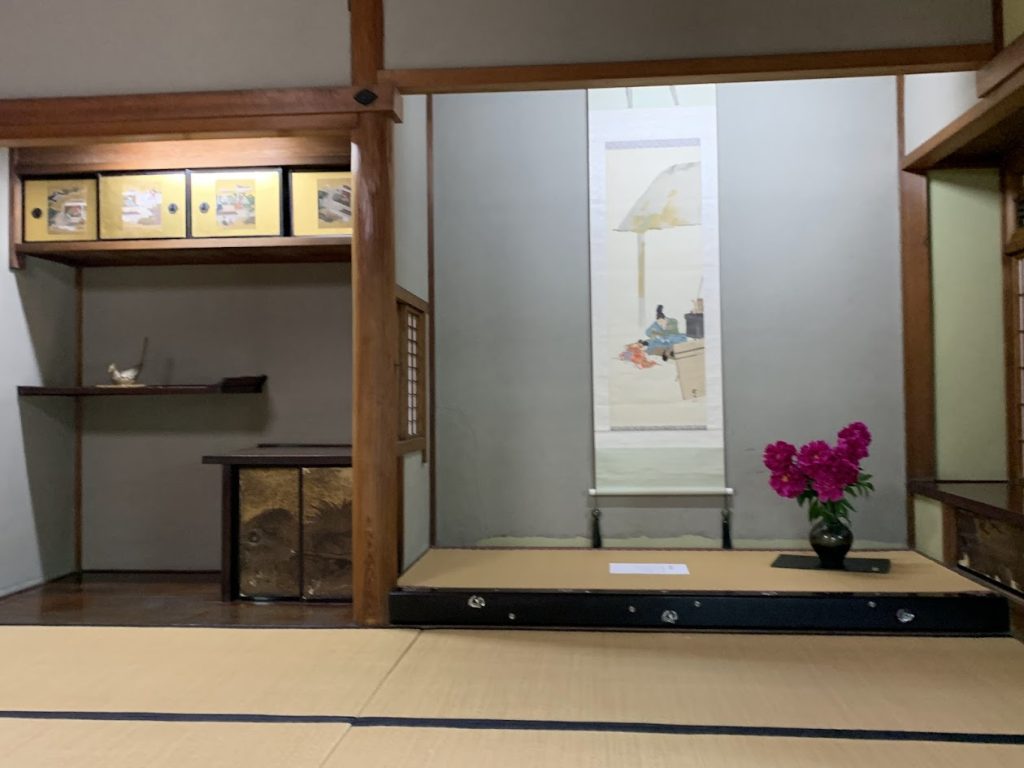
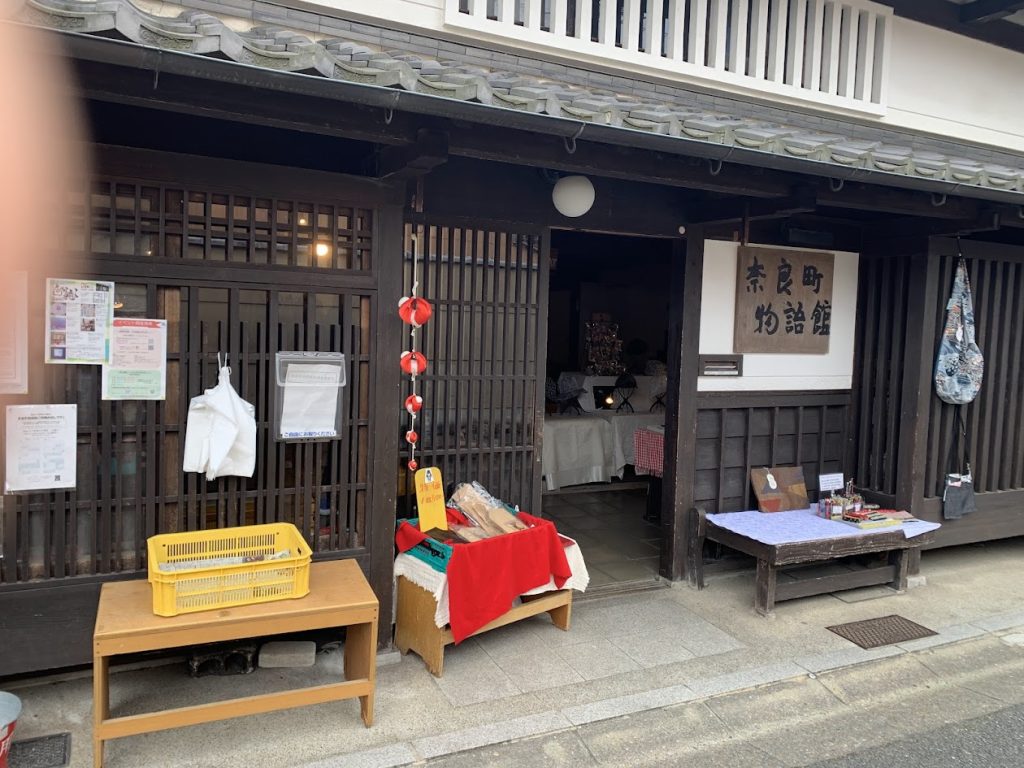
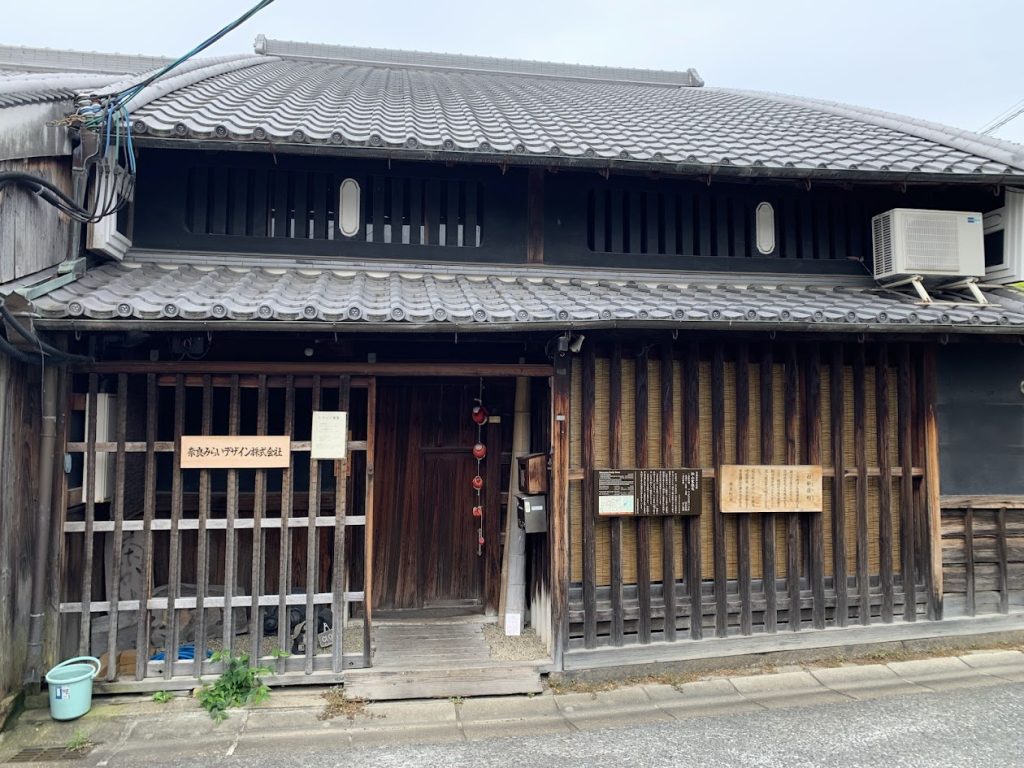
Naramachi Nigiwaino Ie
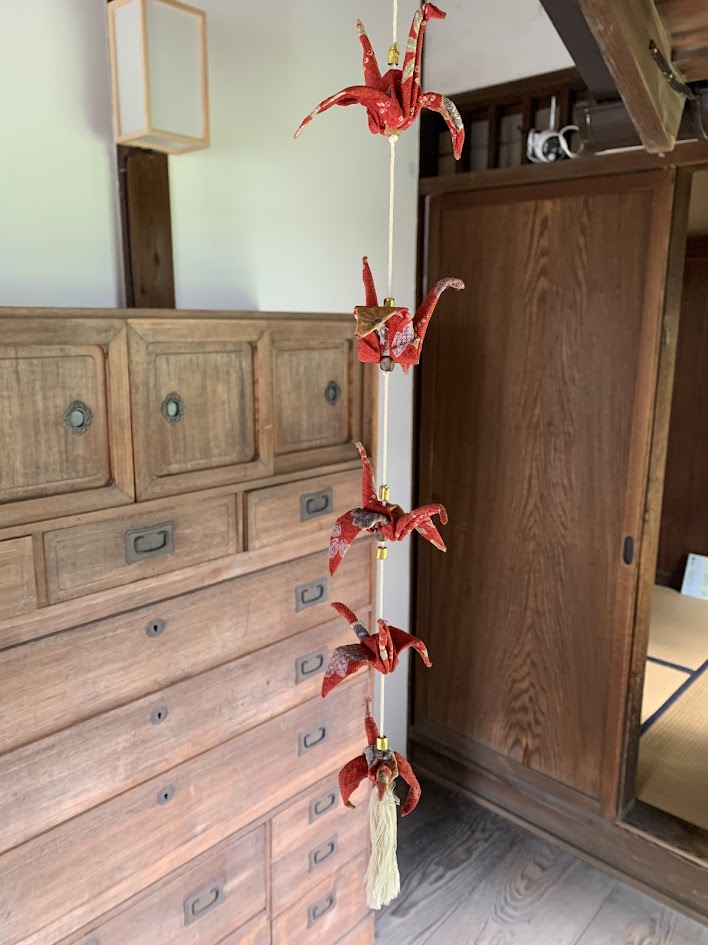
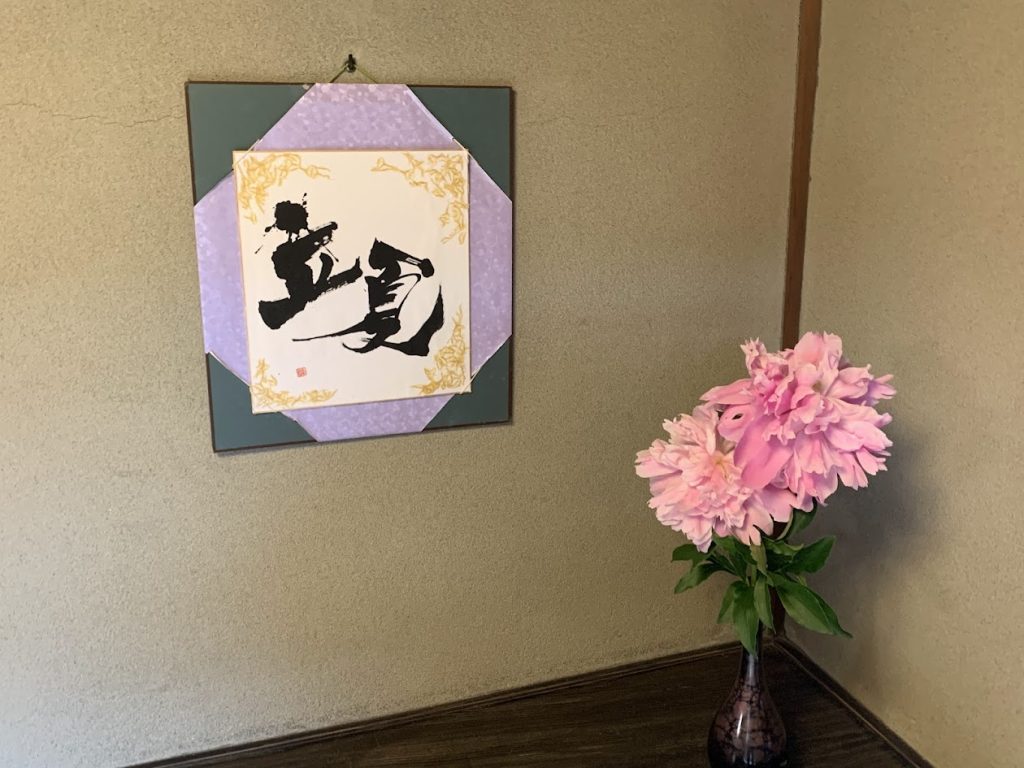
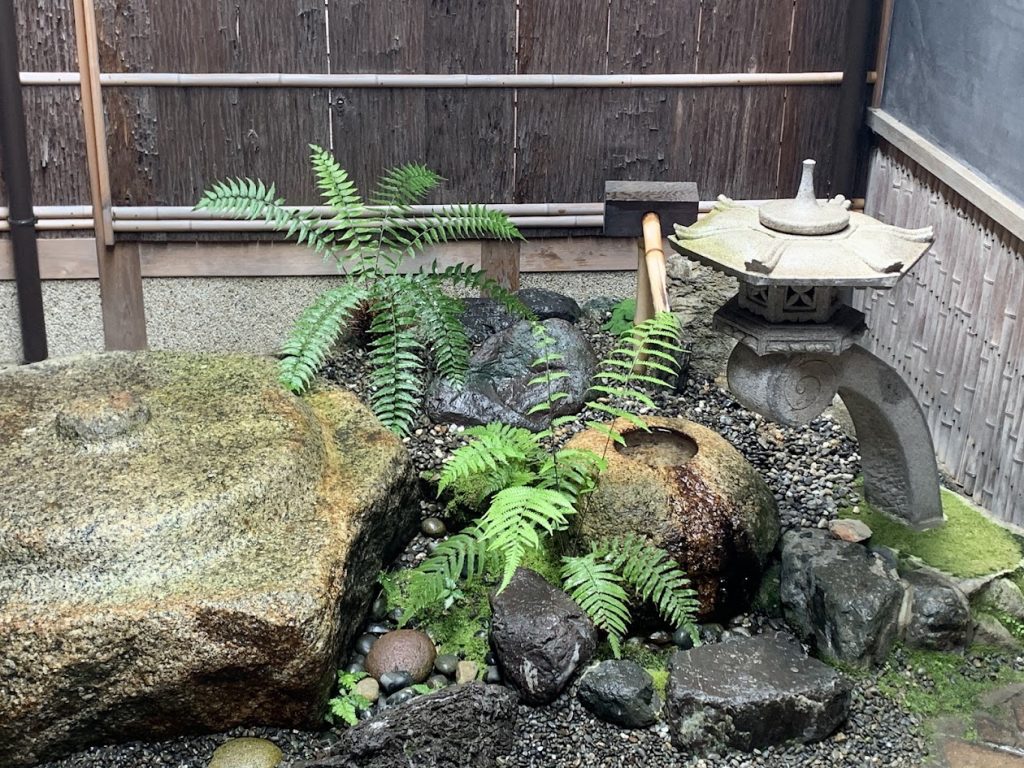
It is a traditional Japanese wooden house.
Admission is free. Please feel free to visit and take a break here. However, it is closed on Wednesdays.
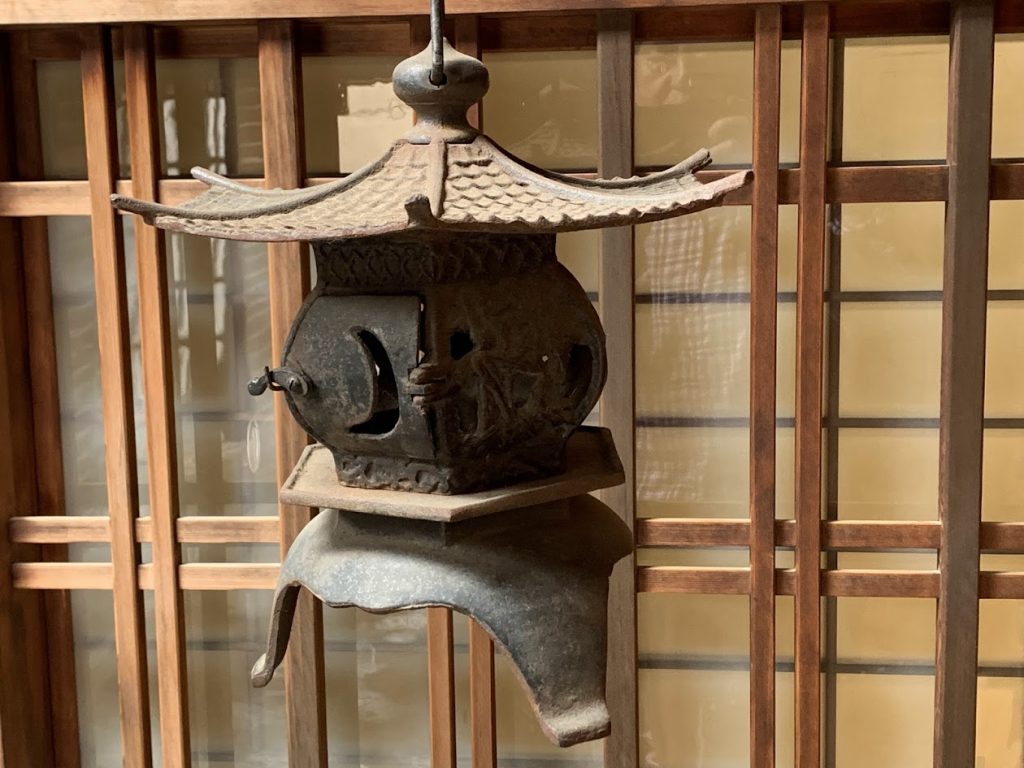
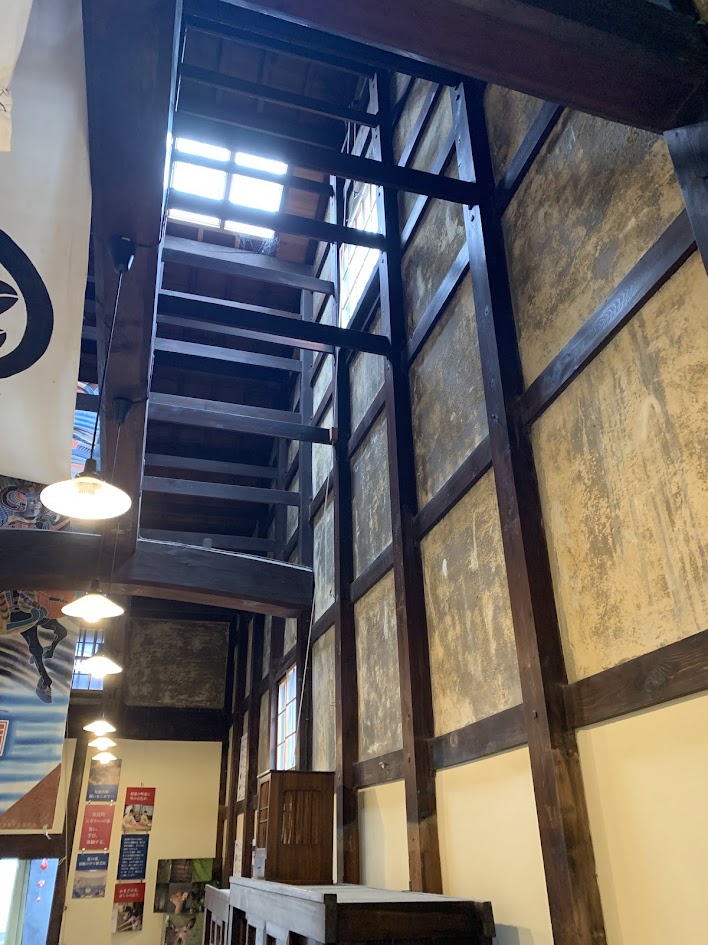
Harushika (Imanishi Sake Brewery)/ Imanishi Family Shoin (Naramachi)
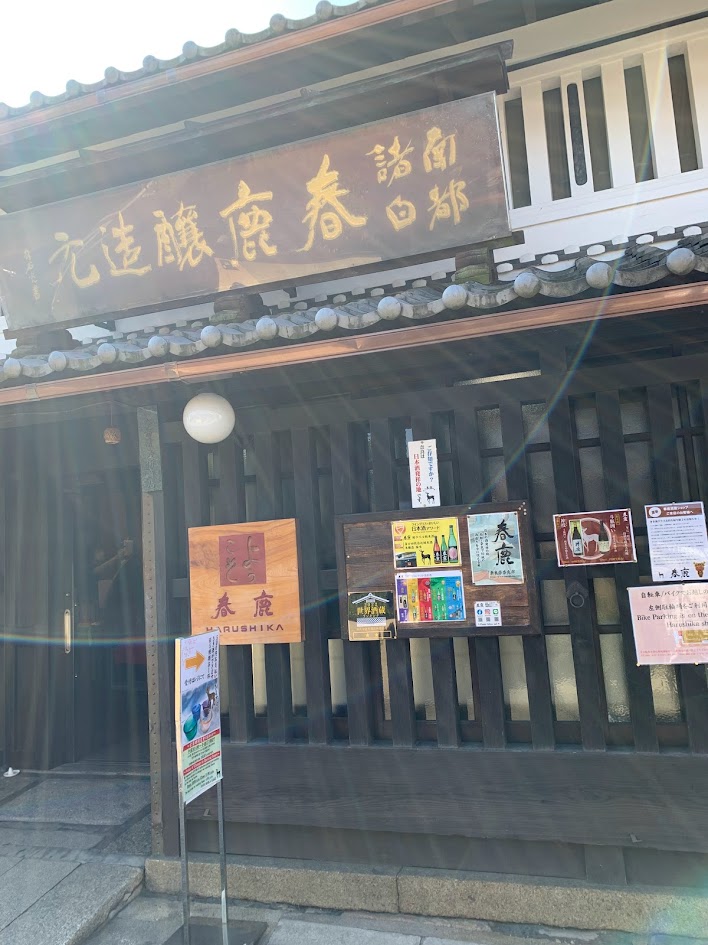
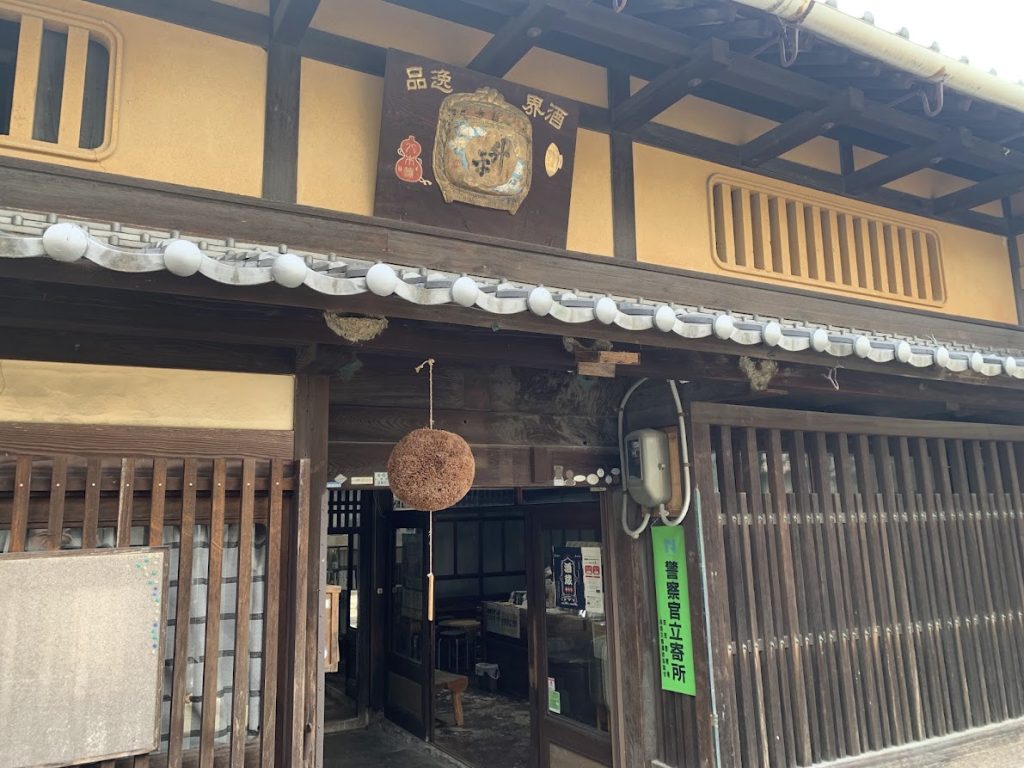
Harushika (Imanishi Sake Brewery)
Located in Nara City, Imanishi Sake Brewery is a renowned producer of Japanese sake. Nara is known as the birthplace of refined sake. The origin of sake brewing is attributed to Shoryaku-ji Temple, situated at the foot of the eastern mountains in the southern part of Nara City. Additionally, Omiwa Shrine is revered as the deity of sake brewing, and the cedar balls (sugi-dama) hung at sake breweries across Japan are delivered from this shrine.
The “sake tasting” experience at Imanishi Sake Brewery, where visitors can try five varieties of sake, is also highly popular among international visitors.
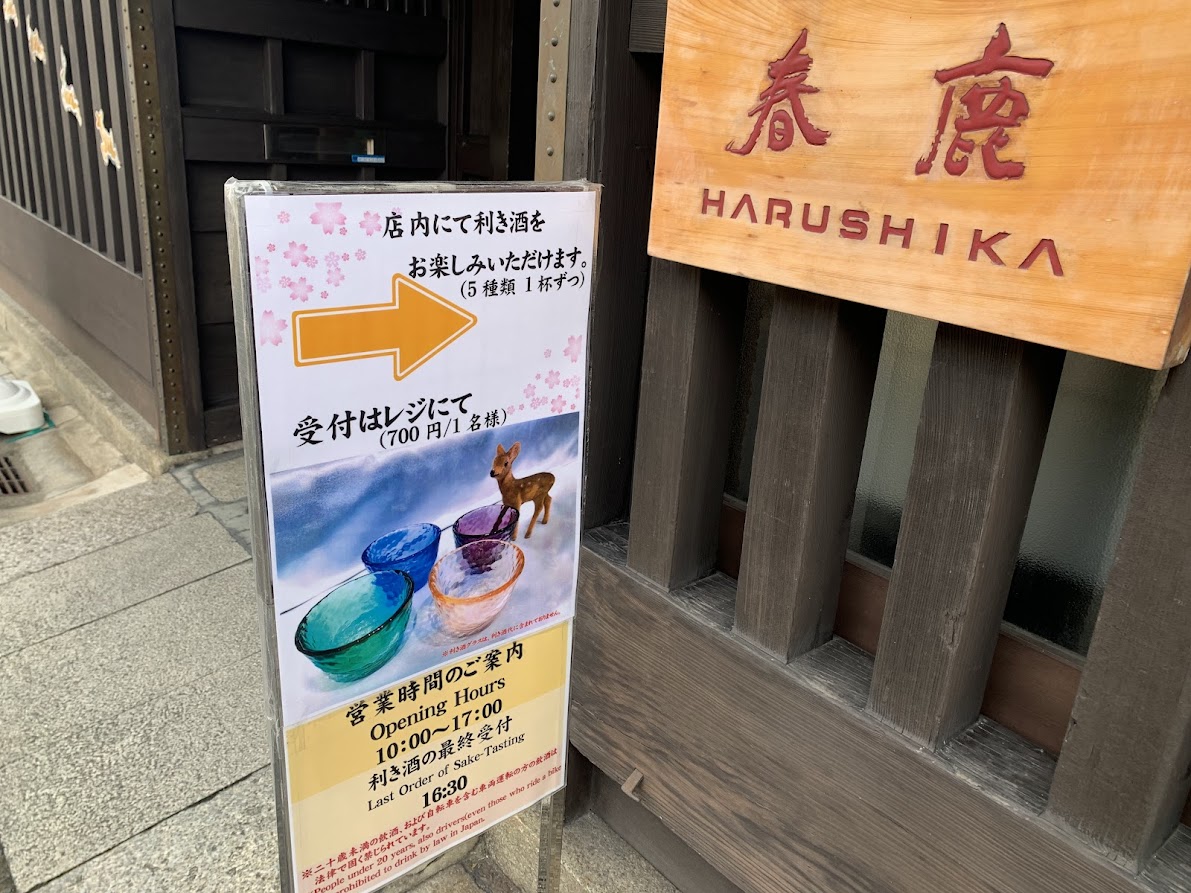
、
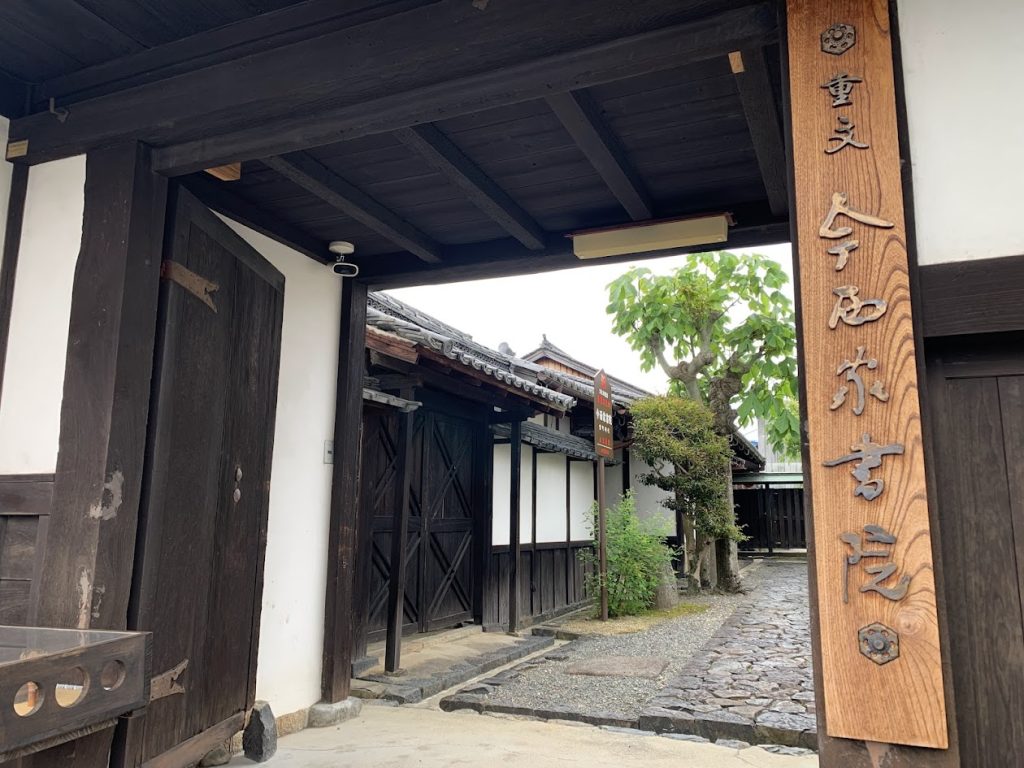
The Imanishi Family Shoin is located just west of Imanishi Sake Brewery (Harushika).
It is currently designated as an Important Cultural Property, but before World War II, it was classified as a National Treasure.
The building is an early example of shoin-zukuri, a style of architecture from the early Muromachi period (approximately 700 years ago).
The shoin-zukuri style has been passed down and is reflected in the modern design of Japanese-style rooms (washitsu).
Koshino Ie (Naramachi)
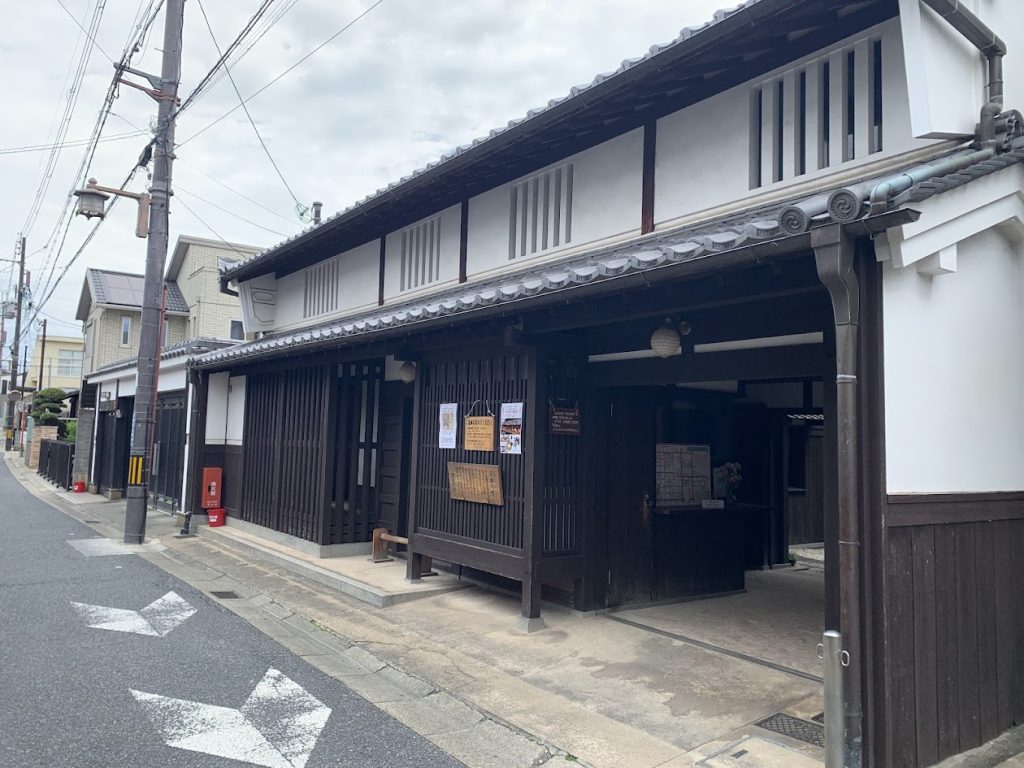
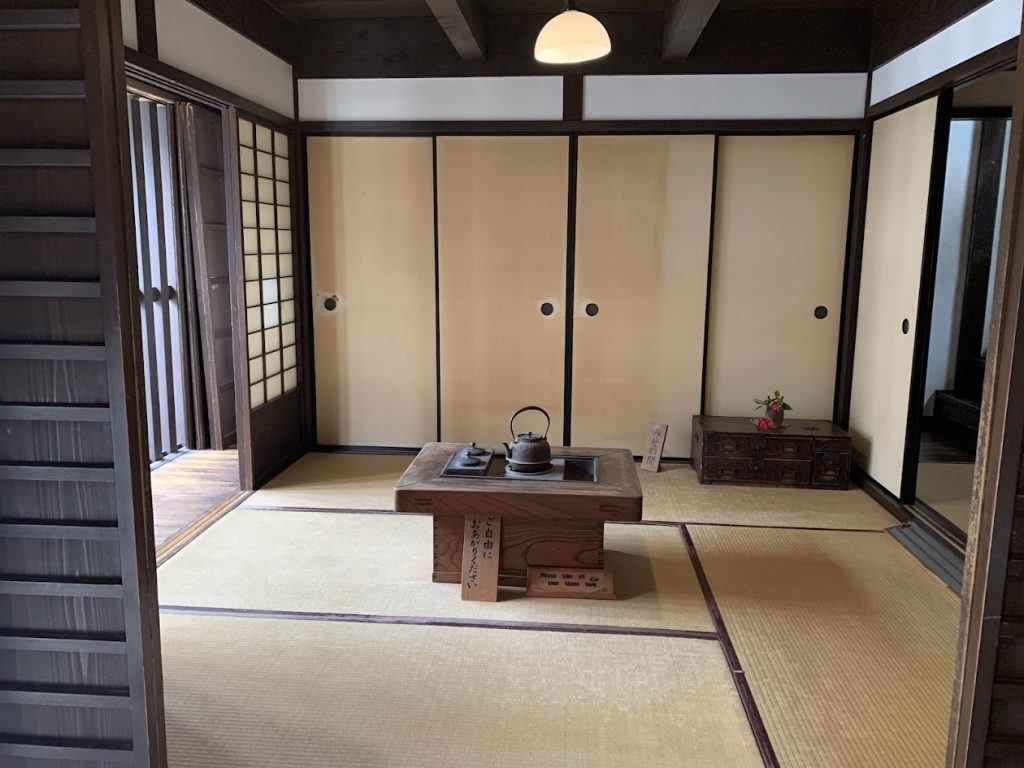
Koshino Ie is located about 700 meters south of Sarusawa Pond, and it is just a short walk from the Tanakacho bus stop on the city loop bus. This traditional townhouse in Naramachi is characterized by its narrow frontage and deep length, often described as resembling an “eel’s bed.”
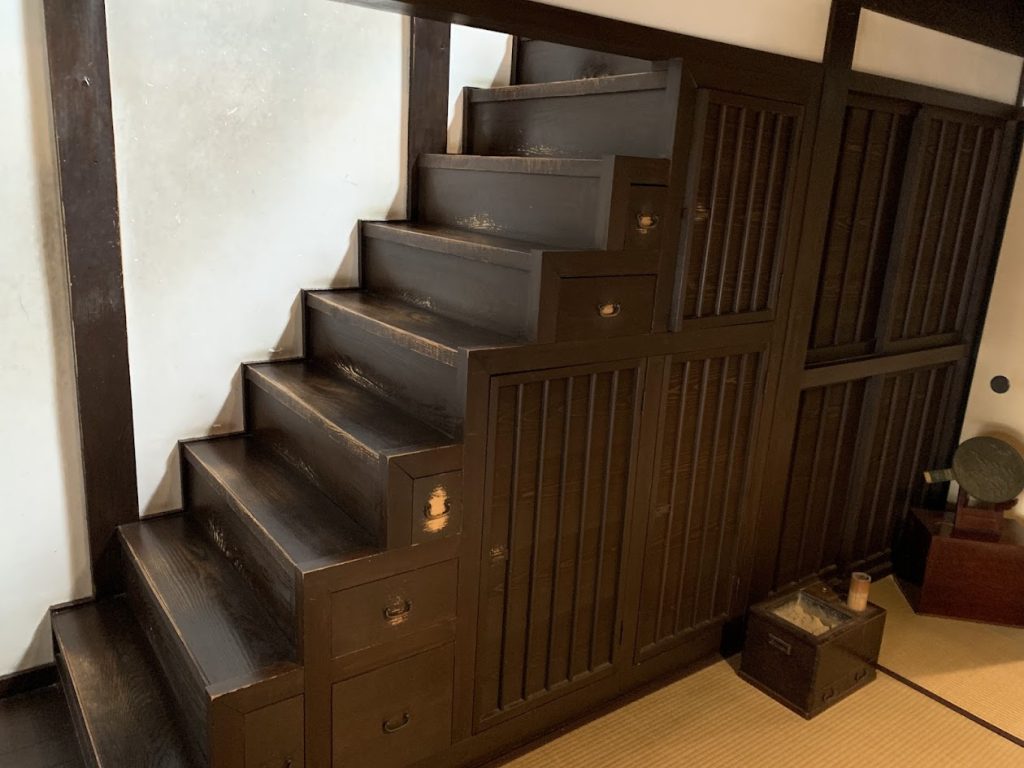
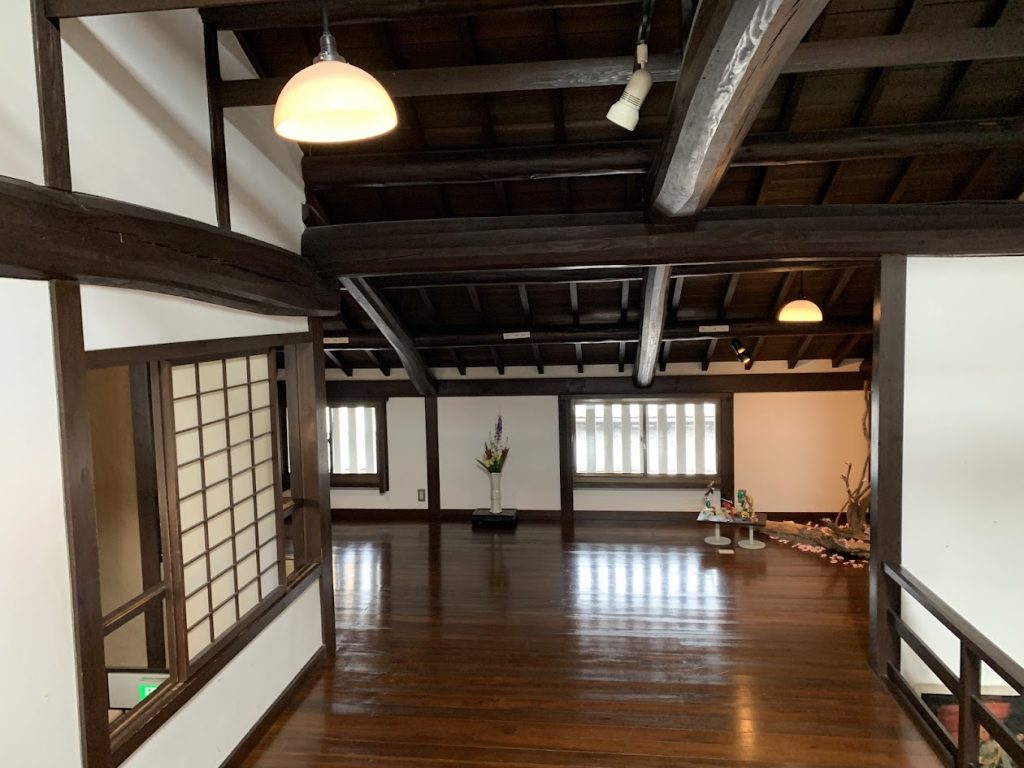
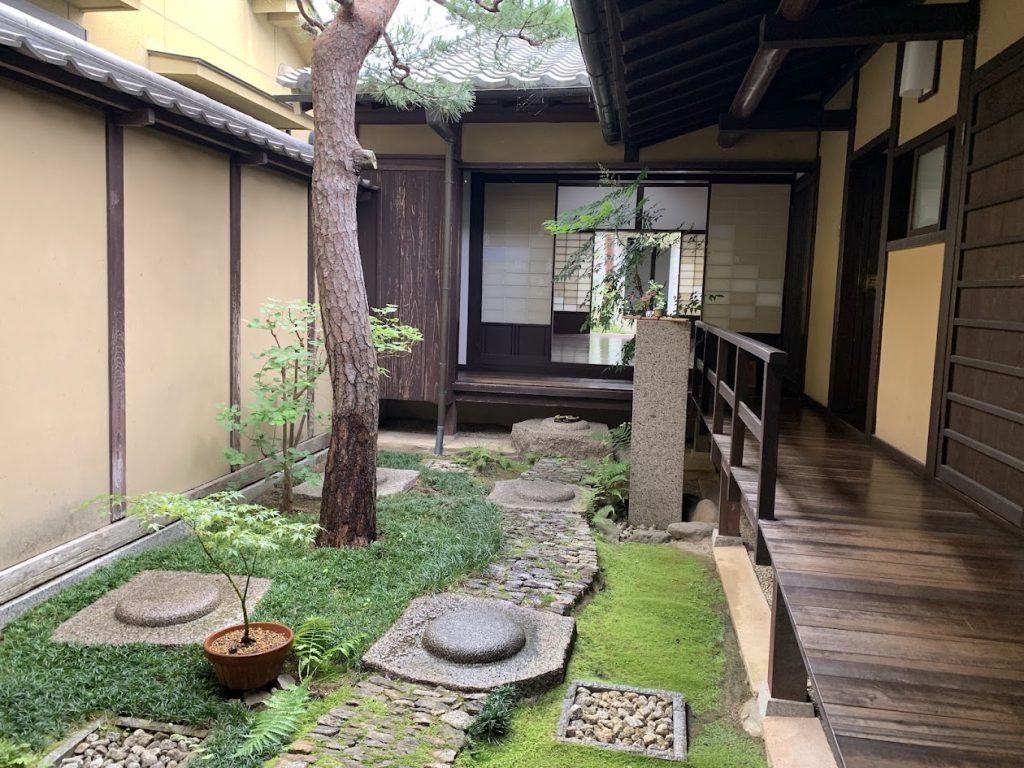
The main house has three rooms aligned in a row, along with a courtyard, a detached building, and a warehouse, all faithfully recreated. The second floor, known as “tsushi-nikai,” features an old architectural style with low ceilings. Be sure to check out the staircase chest as well.
Admission is free, and the house is closed on Mondays.
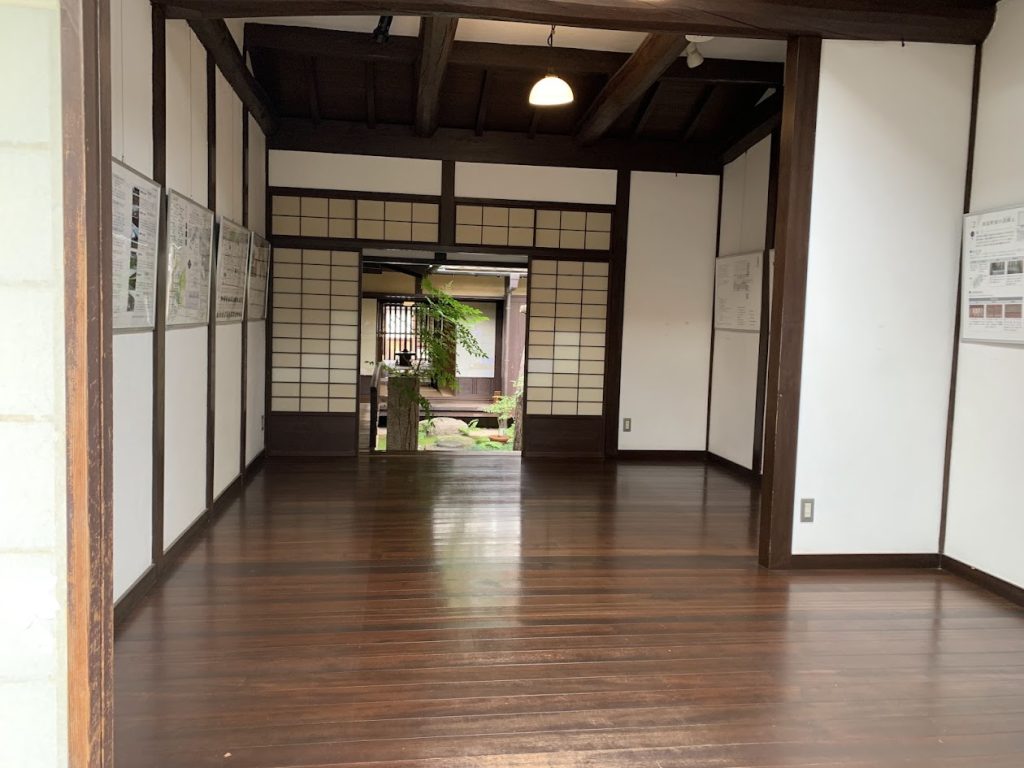
The main house has a narrow frontage and extends deeply. You can see the courtyard and the detached building.
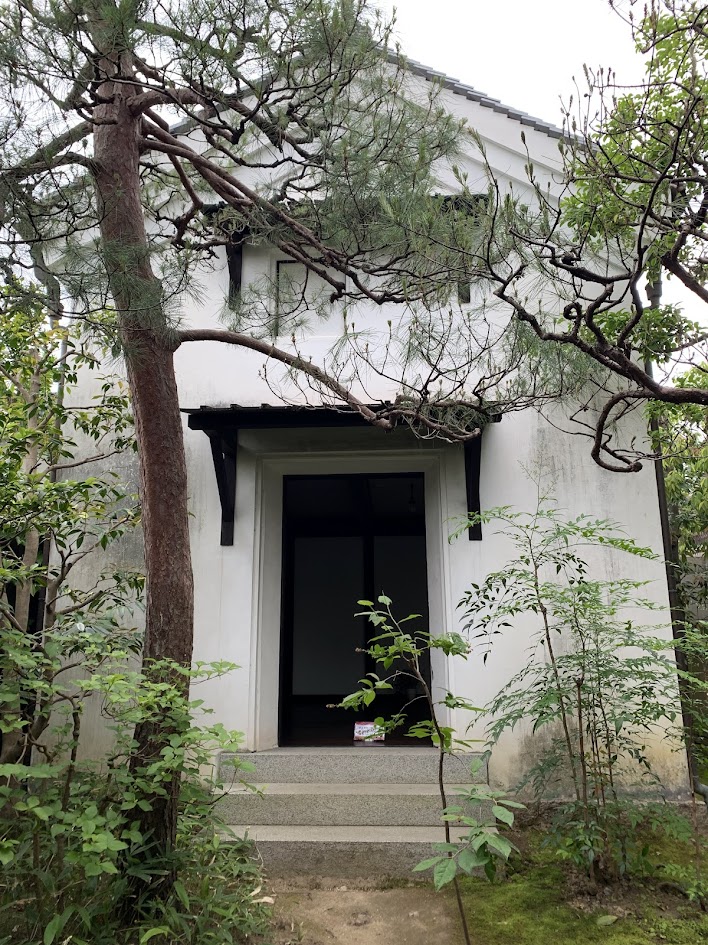
Further back, there is a warehouse.
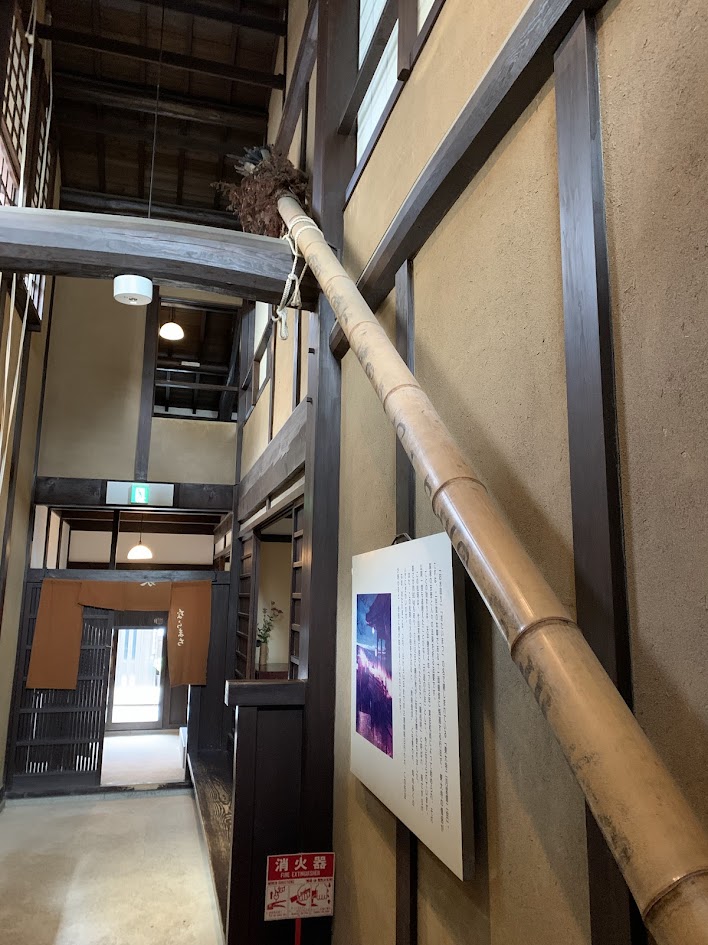
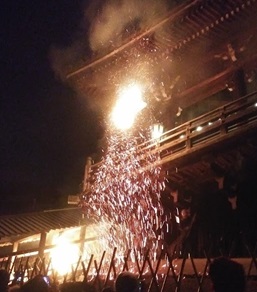
This is the kitchen area next to the main room. The bamboo hanging at an angle is a “kago-taimatsu” (basket torch) used during the O-mizutori festival. It is 8 meters long and weighs 60 kg.
During O-mizutori, which starts on March 1st, torches are waved on the Nigatsudo stage every night until the 11th, scattering sparks.
On the final day, March 12th, a large “kago-taimatsu” is used.
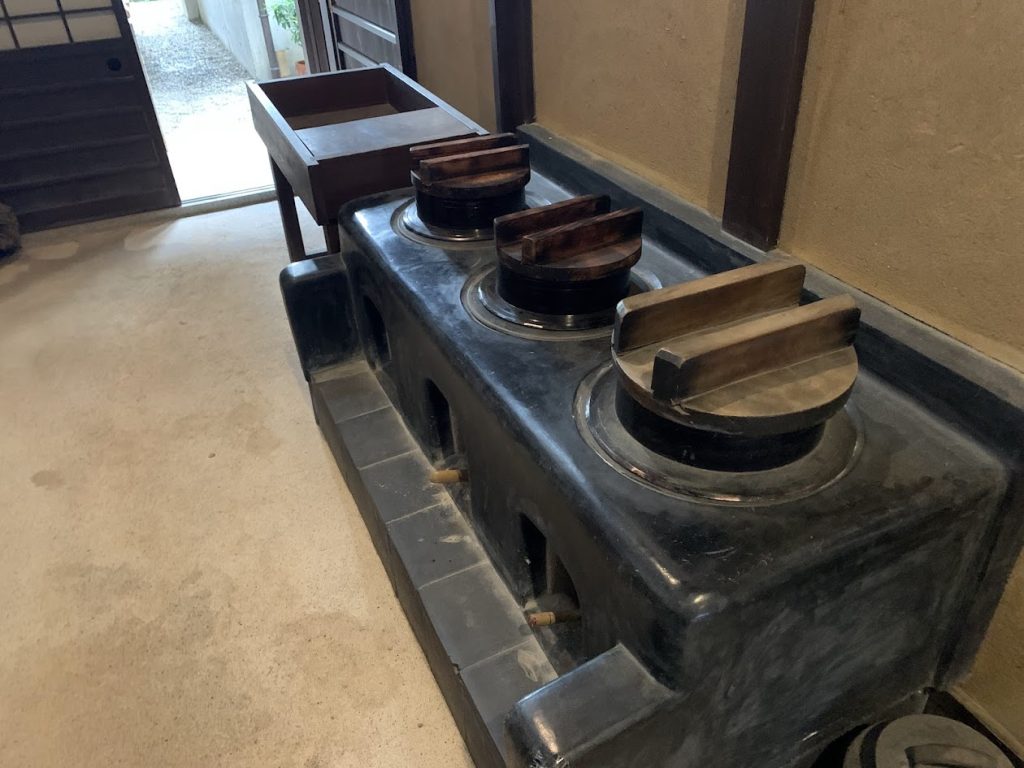
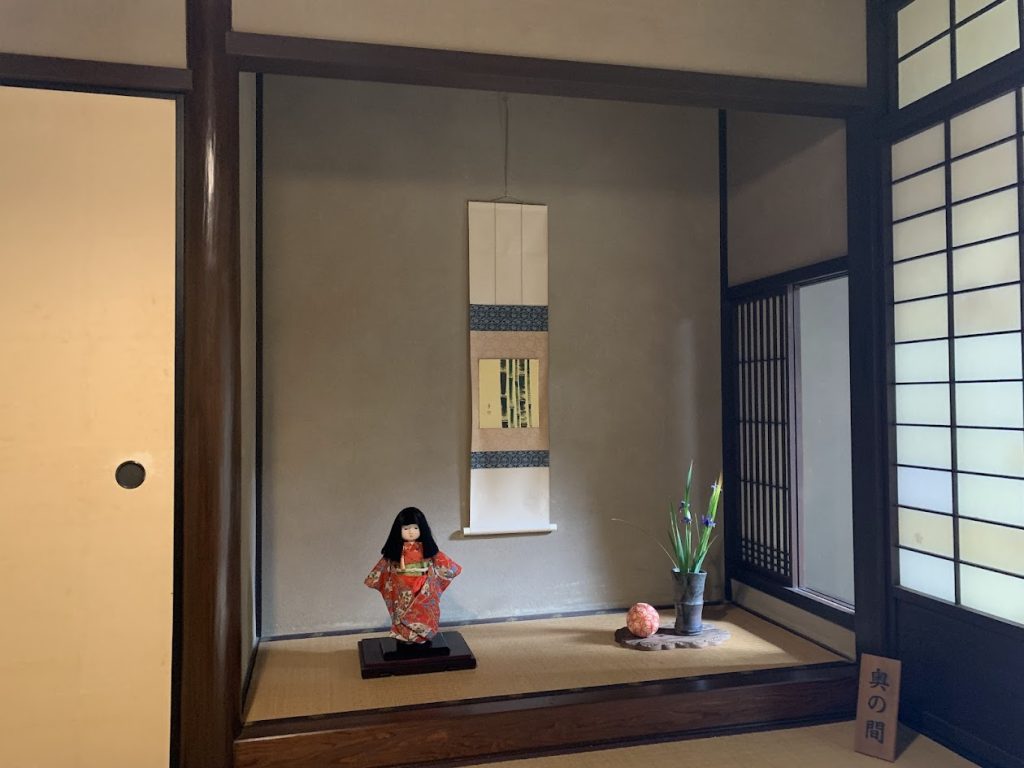
Karakuri Toy Museum (Naramachi)
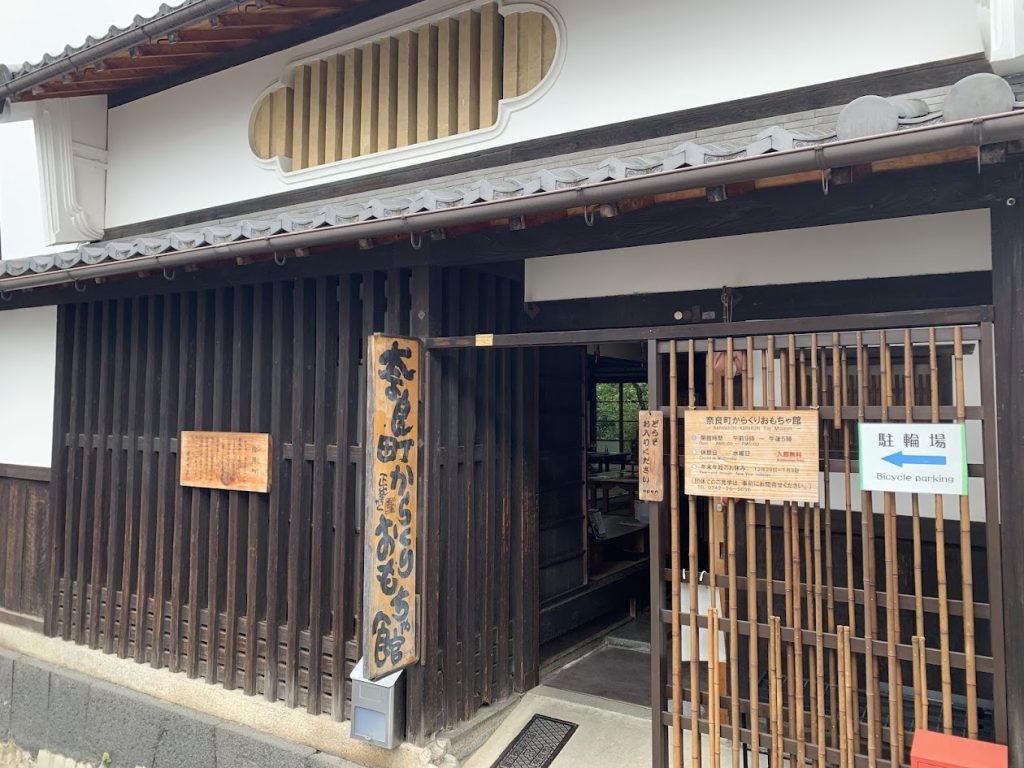
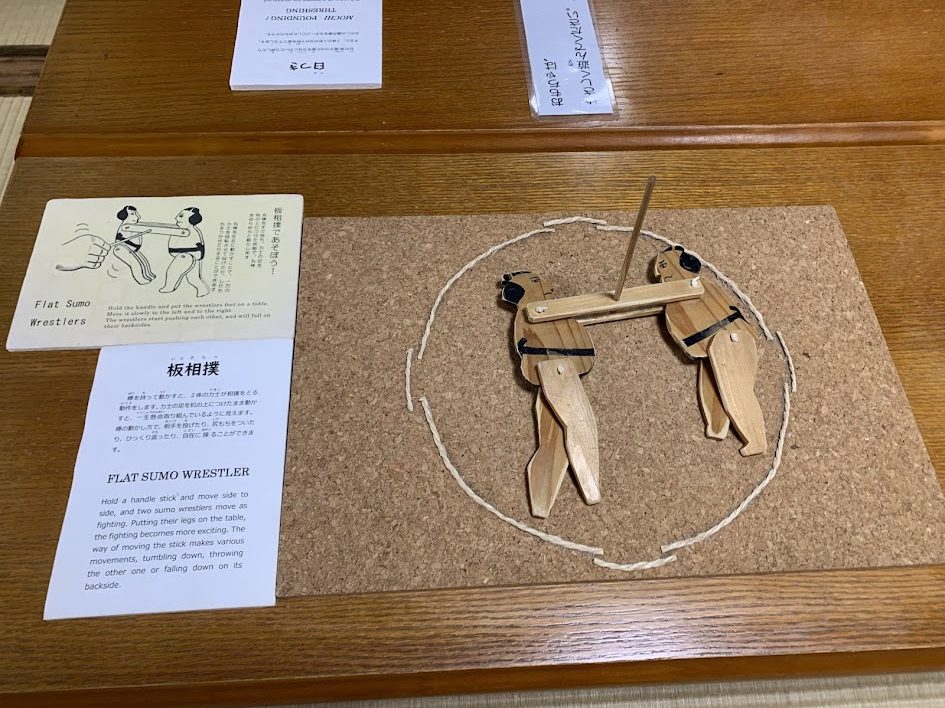
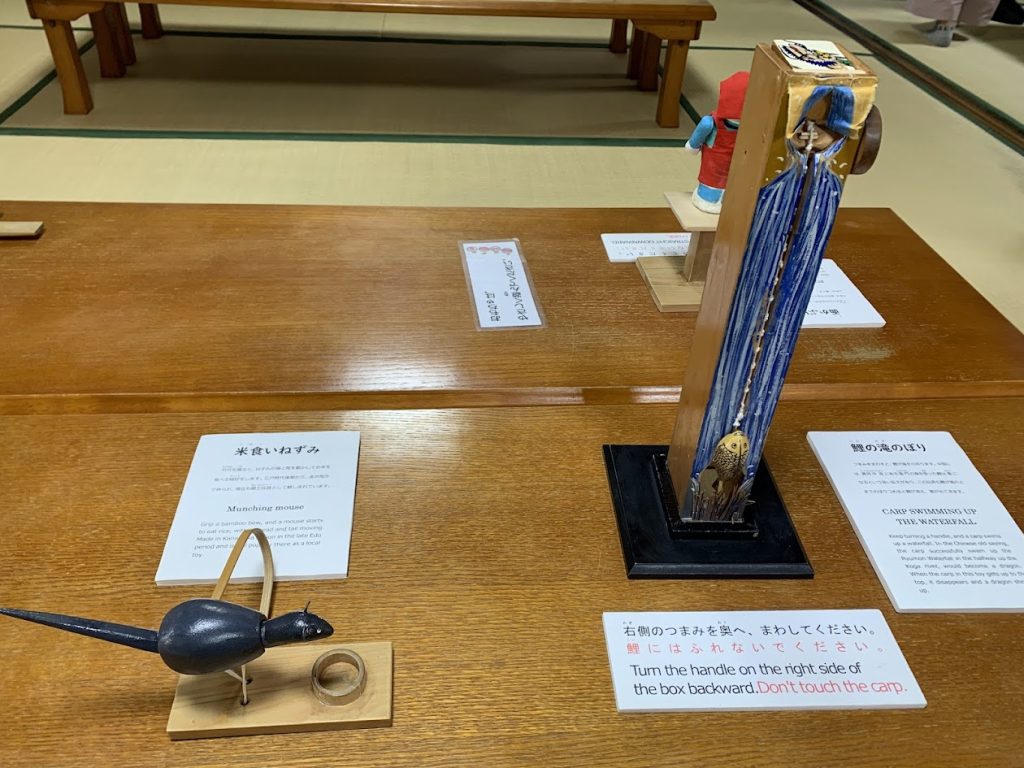
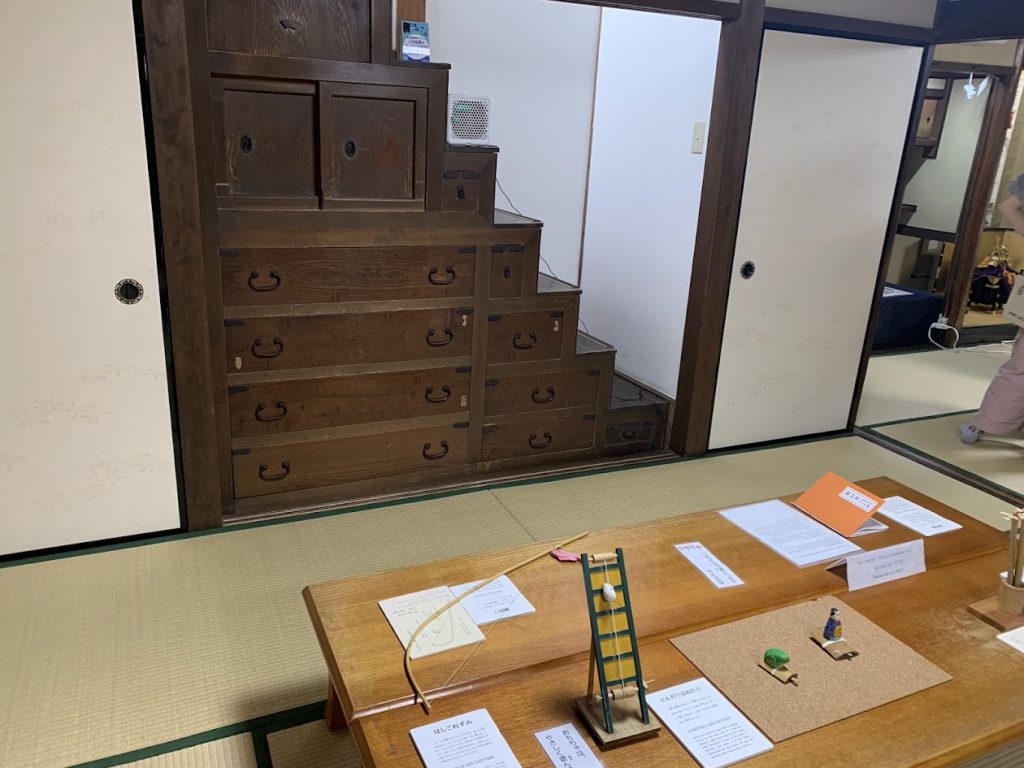
Karakuri Toy Museum
Located in an old house in Naramachi, this museum showcases traditional Japanese toys.
Visitors can touch and play with the toys while listening to explanations from the staff.
Admission is free, and the museum is closed on Wednesdays.
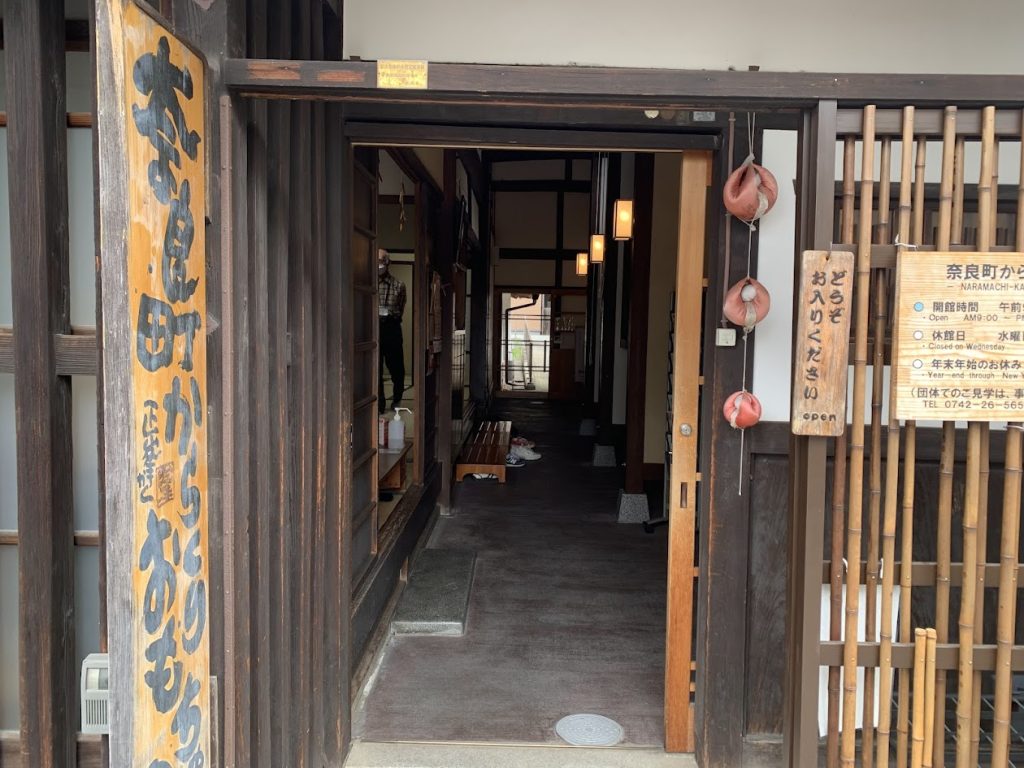
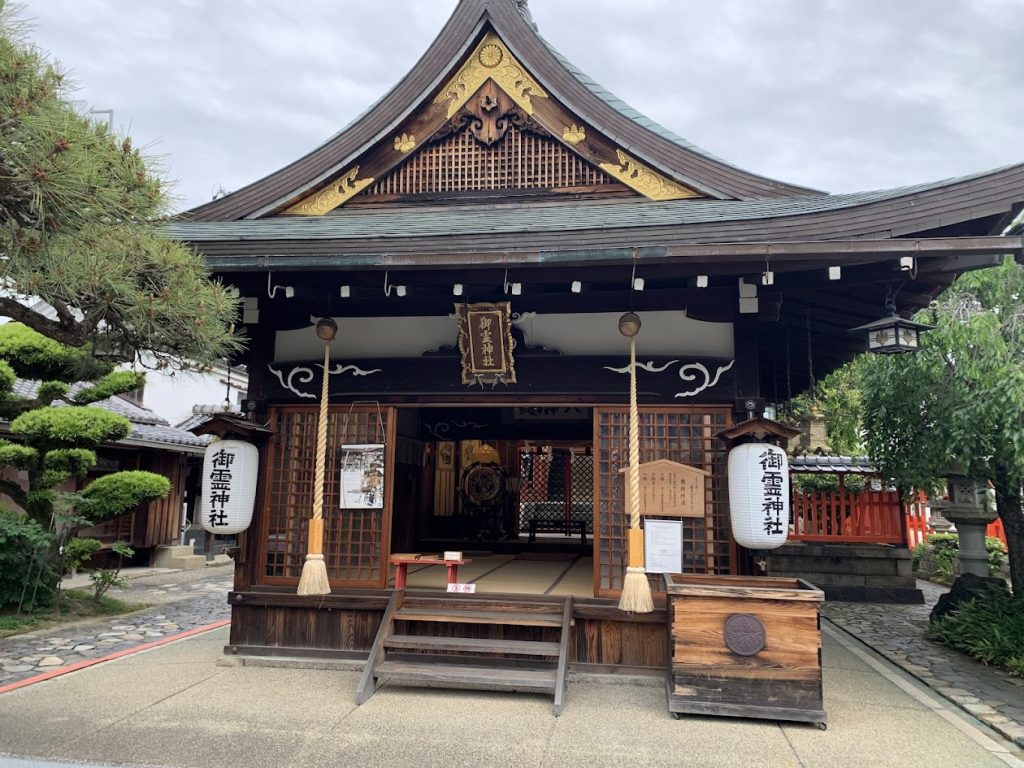
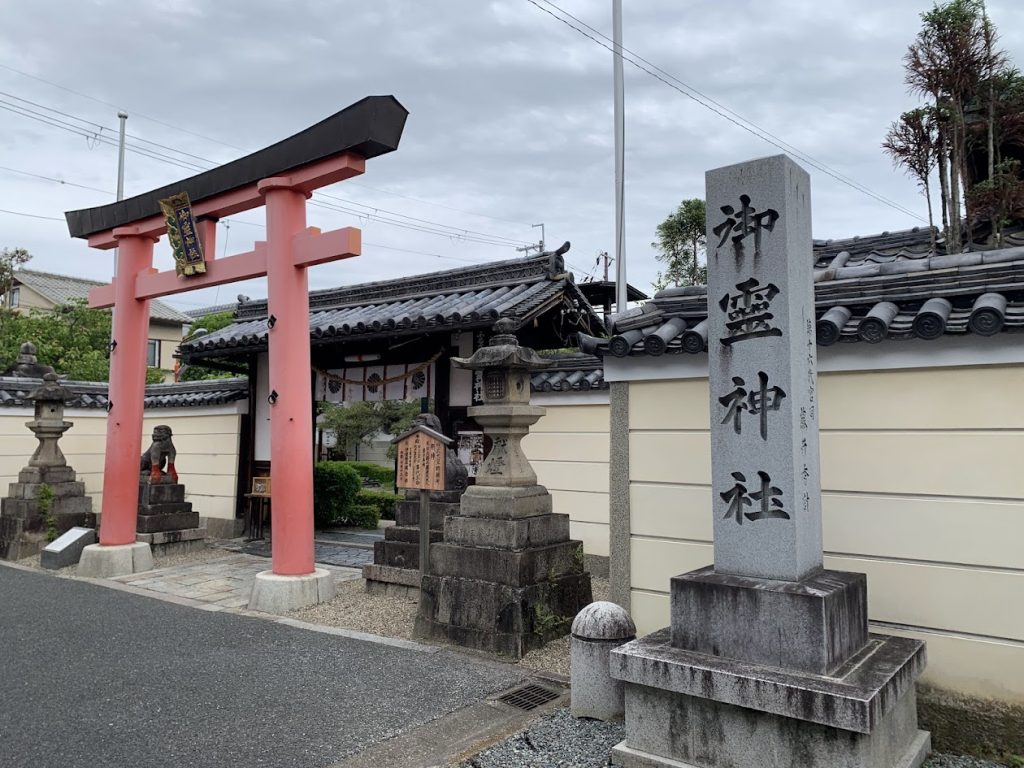
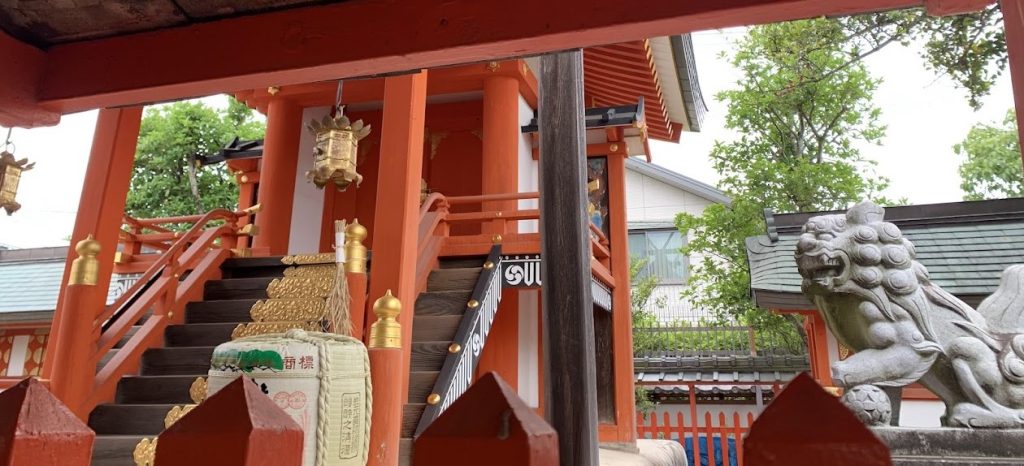
Goryo Shrine (Naramachi)
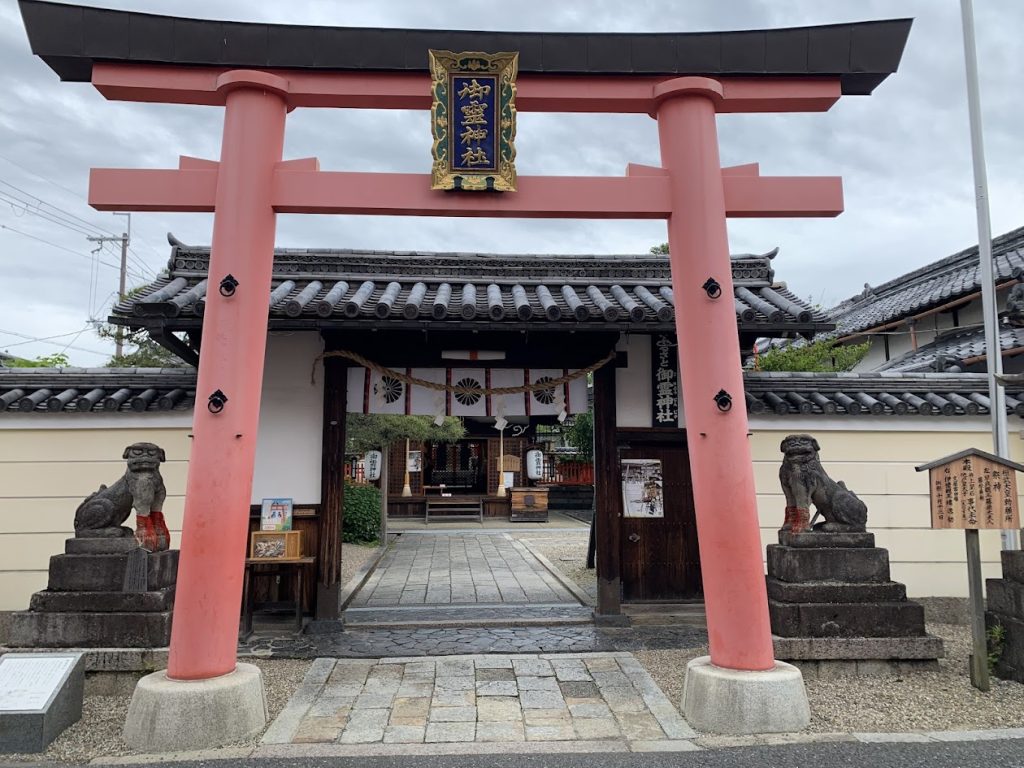
This shrine was established in the early Heian period (approximately 1,200 years ago) by the decree of Emperor Kanmu, who moved the capital from Nara to Kyoto.
It was created to console the spirits of Princess Inoe (Empress of Emperor Konin), who was imprisoned and later passed away under false charges, and her child.
Since then, the shrine has been revered as a guardian deity of Naramachi.
In ancient times, this area was part of the grounds of Gango-ji Temple, and the Great Southern Gate was said to have been located here.
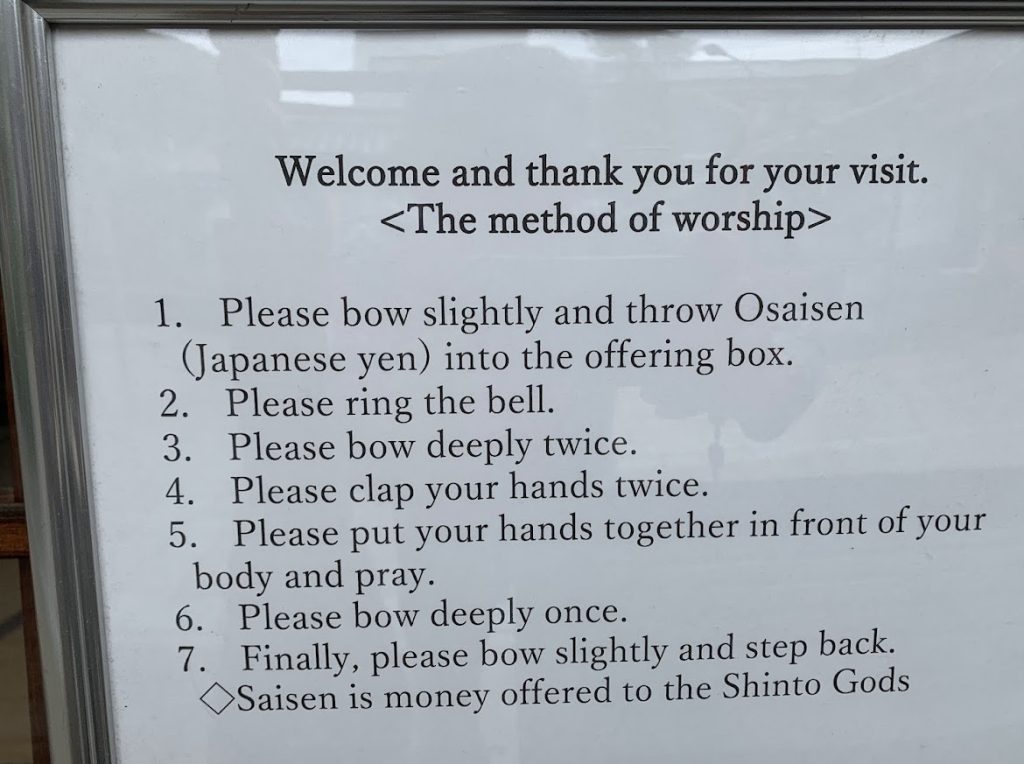
Jurin-in (Naramachi)
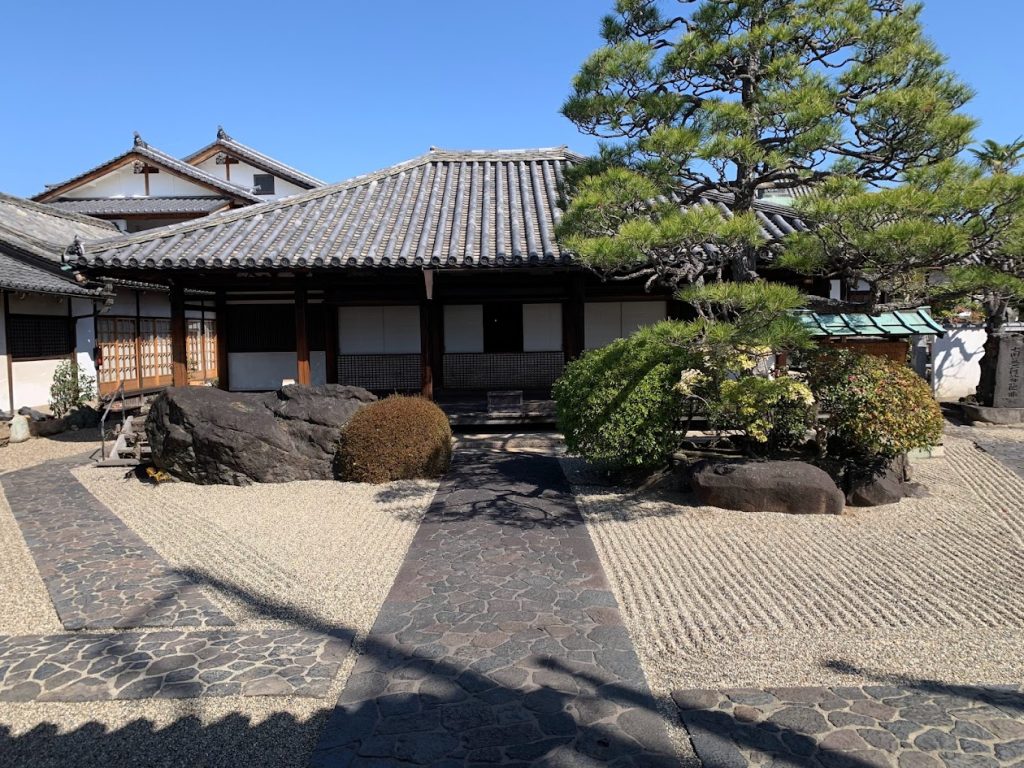
Jurin-in
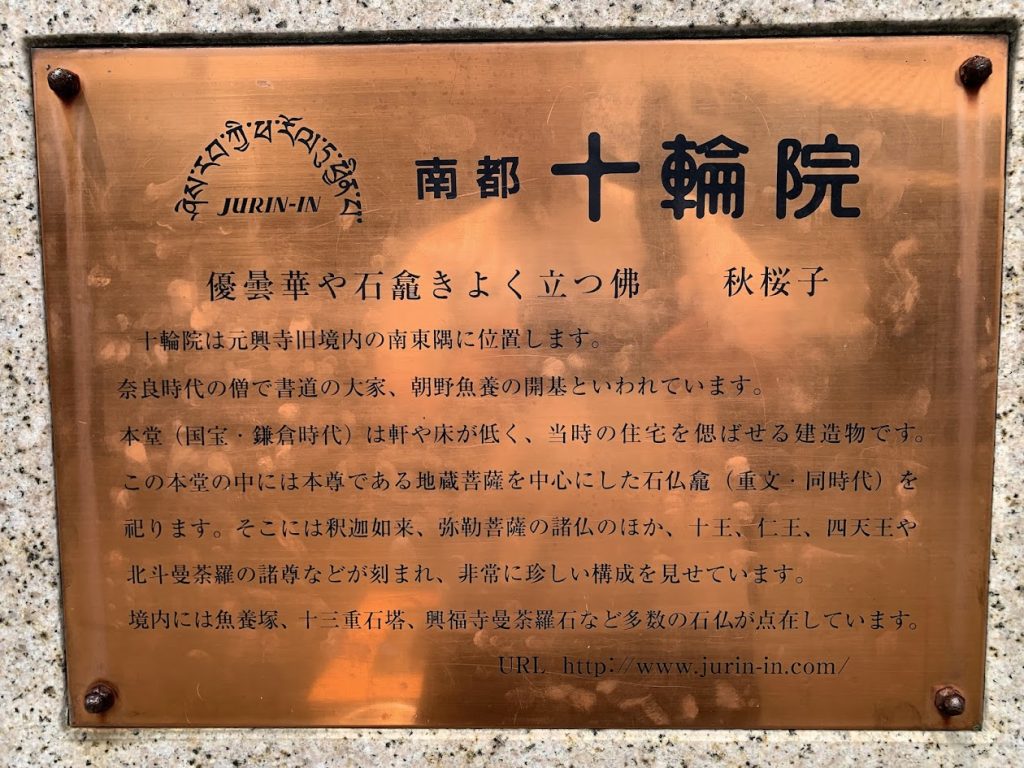
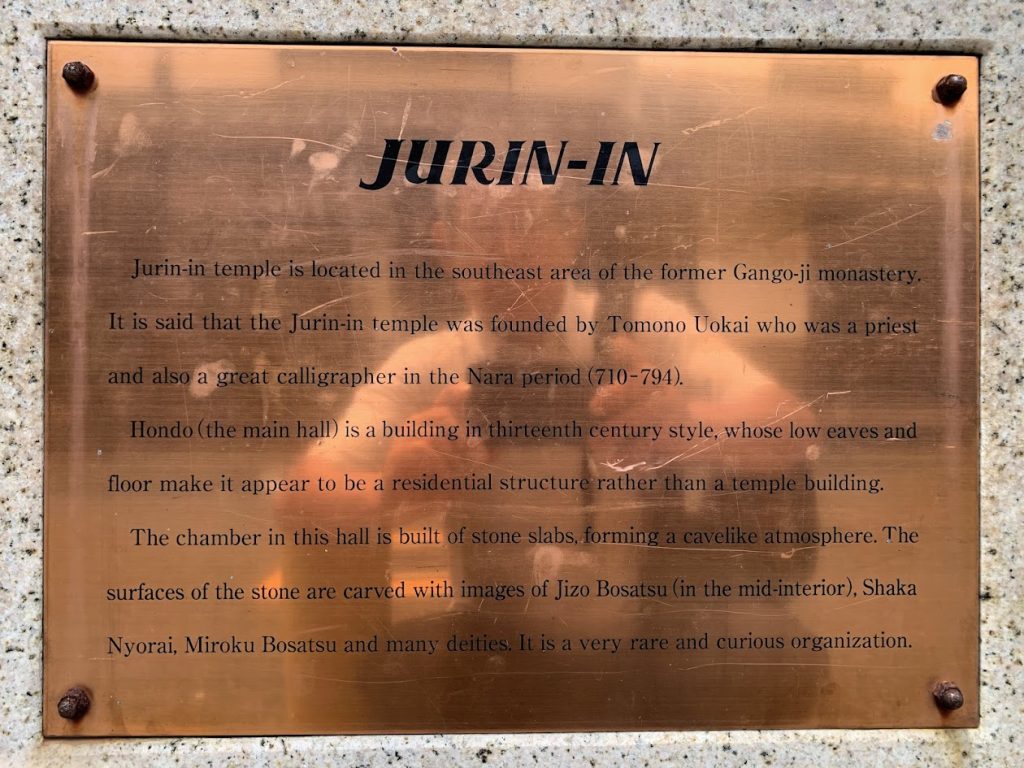
Established during the Nara period, Jurin in was originally a sub-temple of Gango-ji. It is located at the southeastern corner of the original Gango-ji site.
The main hall is designated as a National Treasure.
Dososhin Shrine (Naramachi)
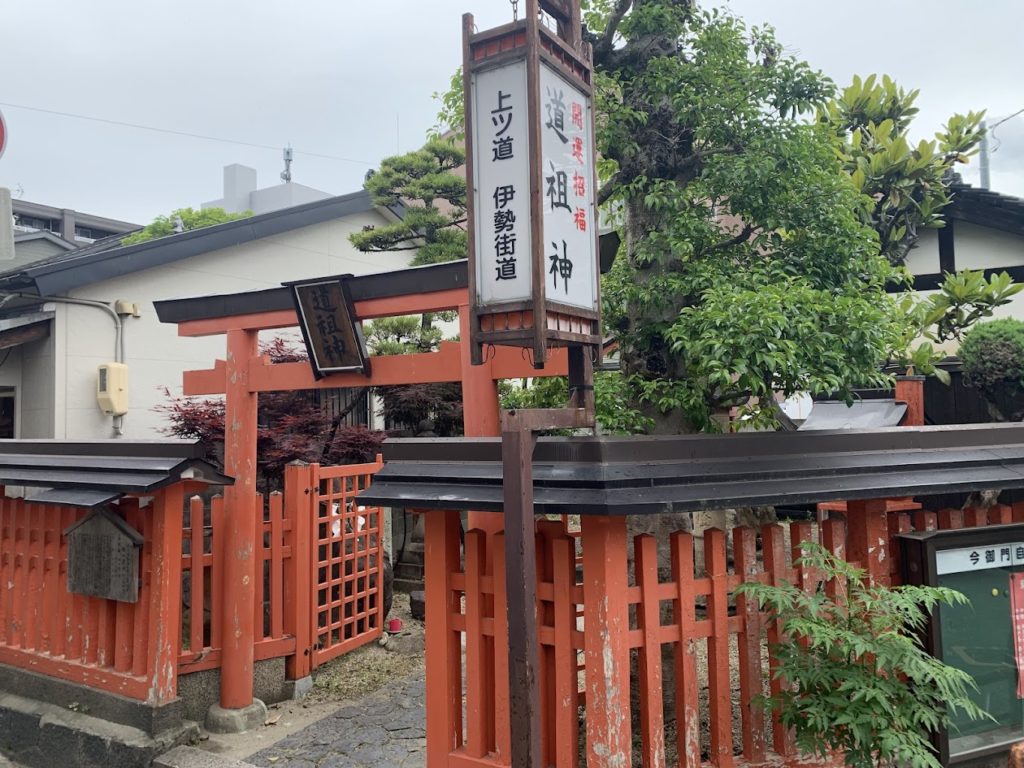
From the west side of Sarusawa Pond, a road continues southward. Known as “Kamitu-michi,” this road led to Asuka to the south.
During the Edo period, travelers from Osaka heading to Hase-dera Temple or Ise Jingu Shrine would stay in Naramachi and travel south on this road the following day.
The Dososhin Shrine is located about 200 meters south of Sarusawa Pond.
Travelers would pray for a safe journey before departing from Nara.
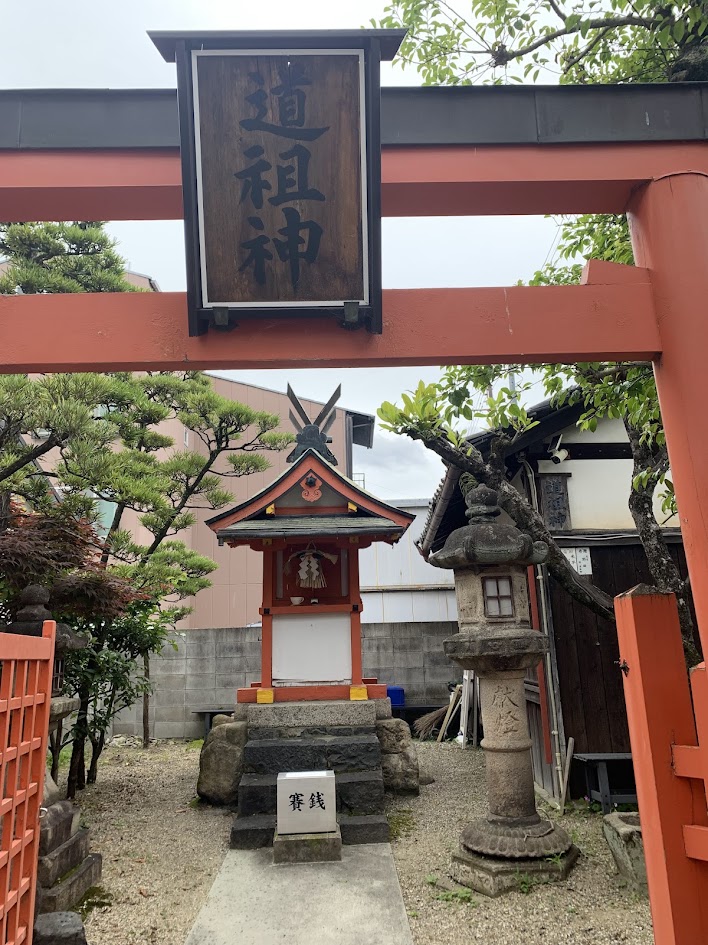
Sarutahiko Shrine, also known as “Dososhin,” enshrines the deity Sarutahiko, who is associated with guiding the path.
In ancient times, when accurate maps, clear road signs, and internet maps were unavailable, it was crucial for travelers to seek divine guidance to ensure they reached their destinations safely. Sarutahiko’s role as a guide was therefore of great importance to travelers.
Substitute Monkey (also known as the Wish Monkey)
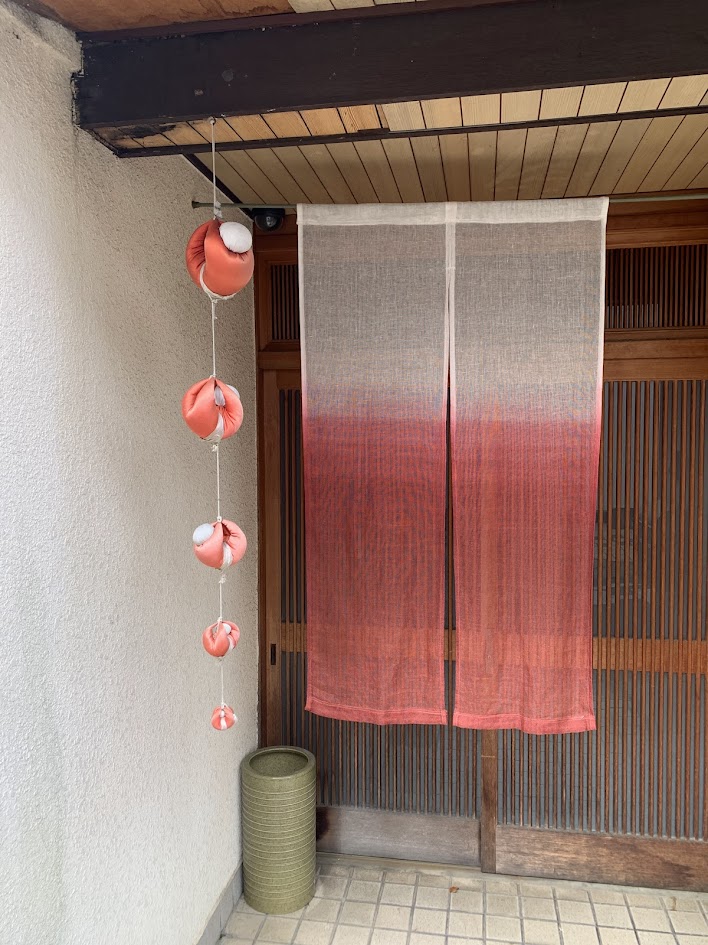
Figures of substitute monkeys are hung under the eaves of the houses.
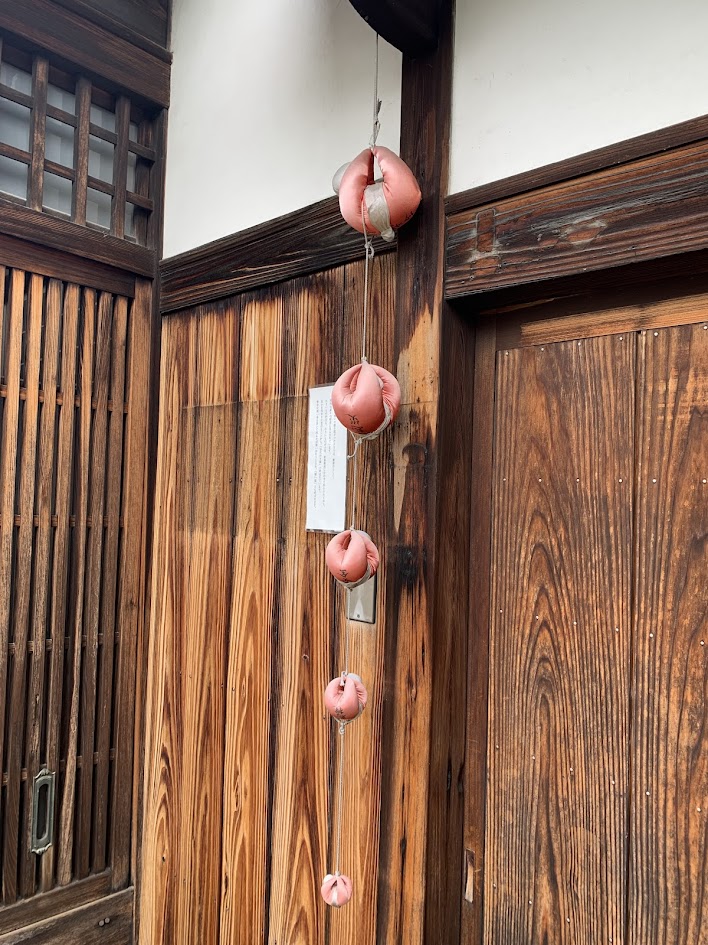
On the back of the large monkey figure, “Mubyo-sokai” (Good health and safety) is written.
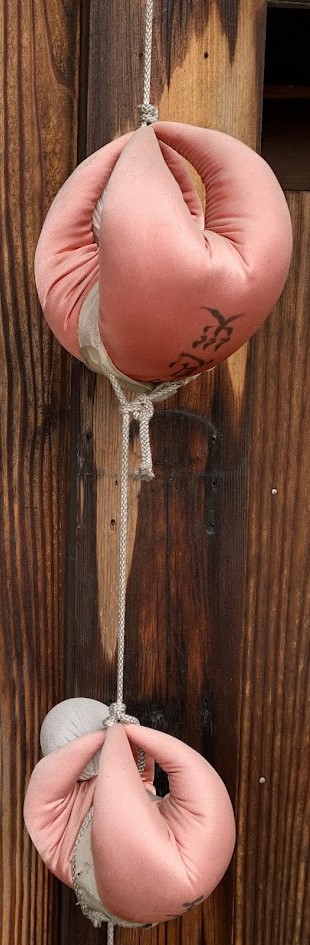
Figures of substitute monkeys are hung from the eaves of houses throughout the town as a talisman against evil.
Larger figures represent adults, smaller ones represent children, and they are hung according to the family structure, taking on misfortunes in place of the family members.
It is believed that if you write your wish on the back of the monkey figure and hang it up, your wish will come true; hence, these figures are also known as “wish monkeys.”
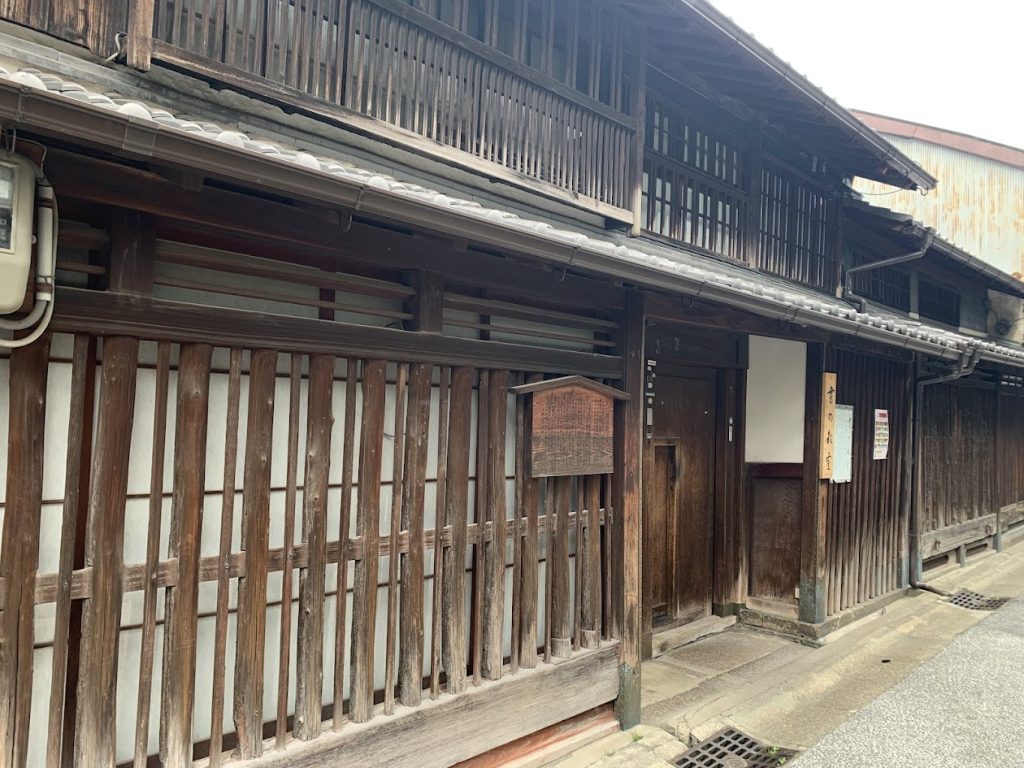
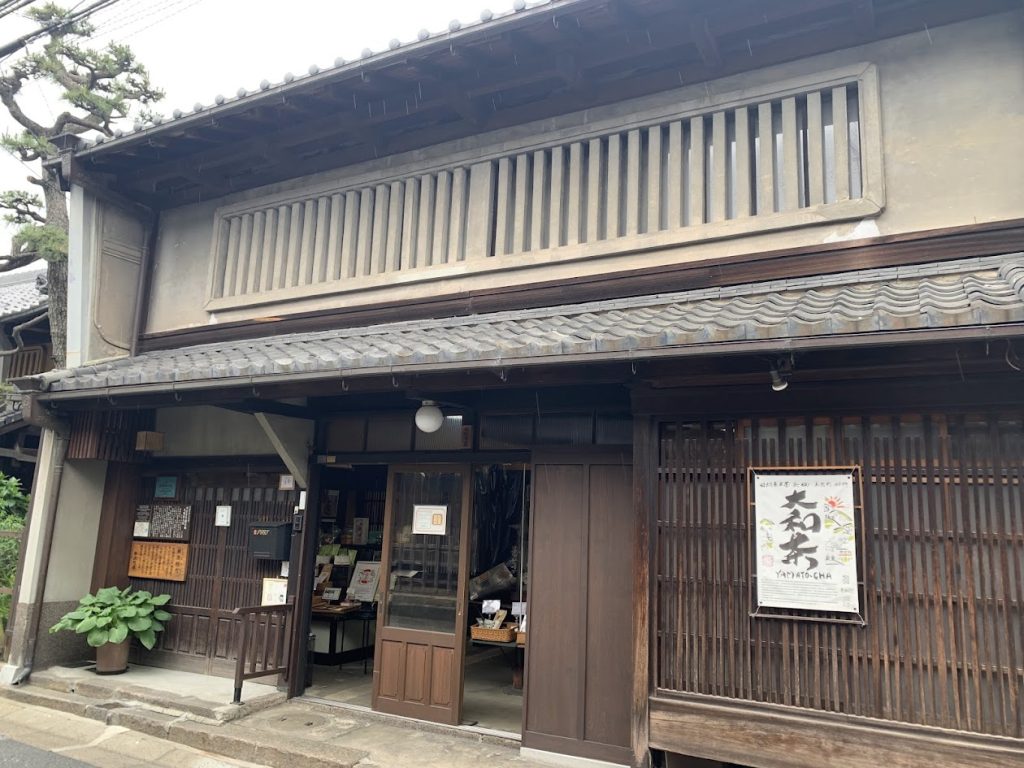
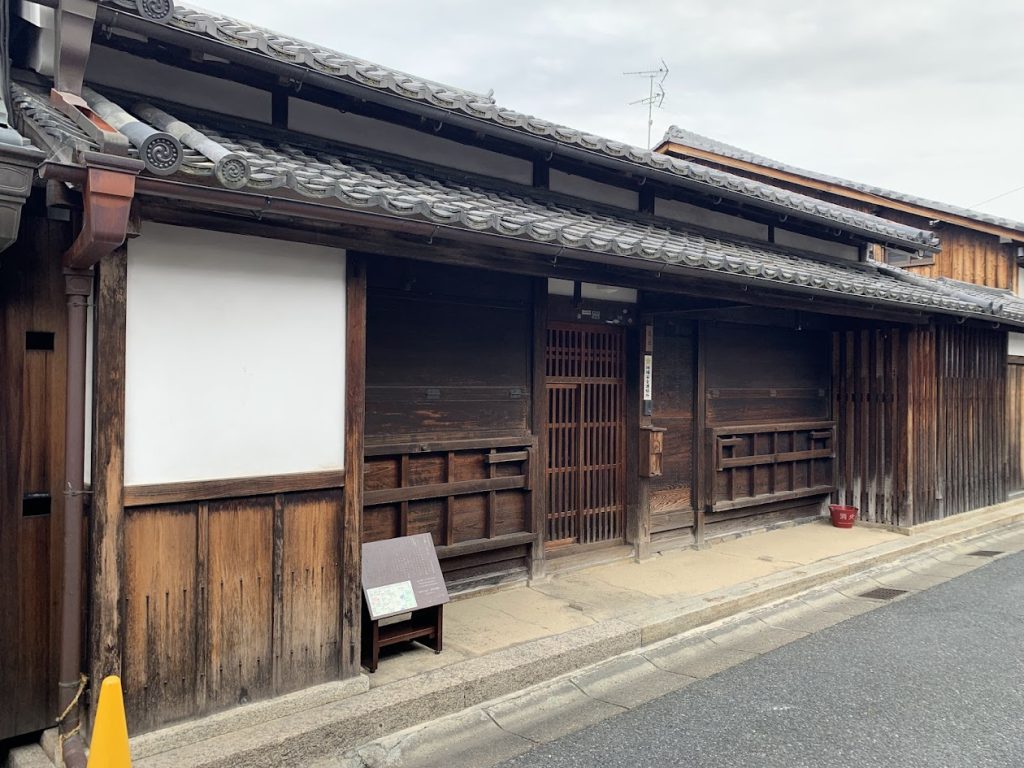
Street scene (Naramachi)
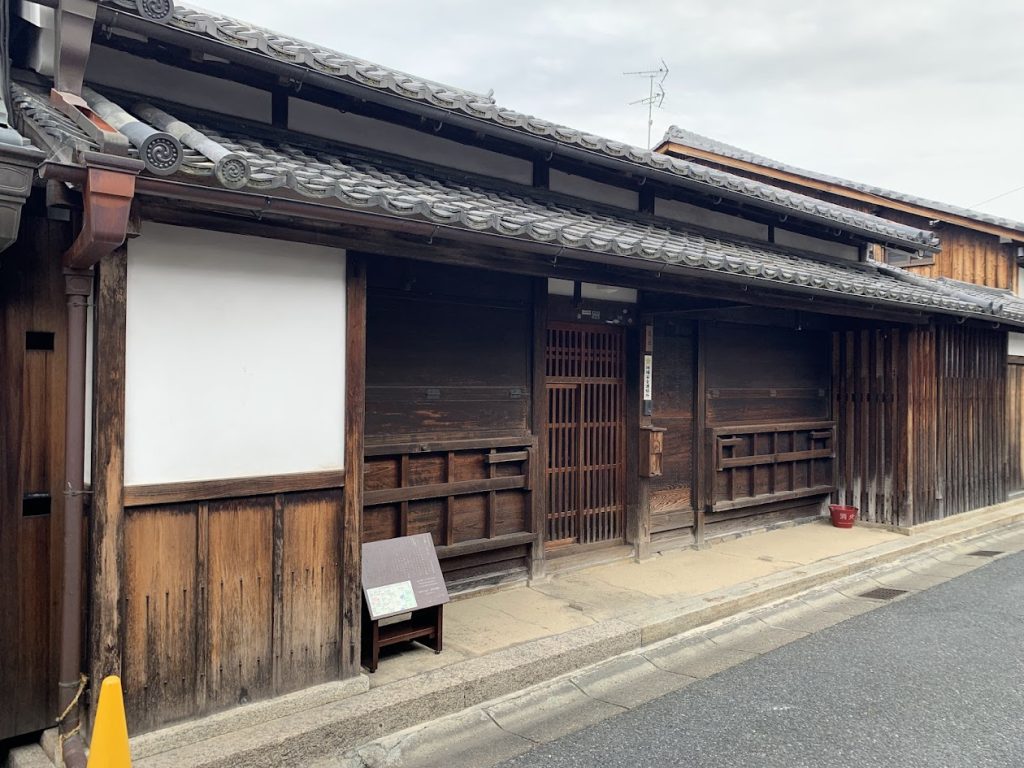
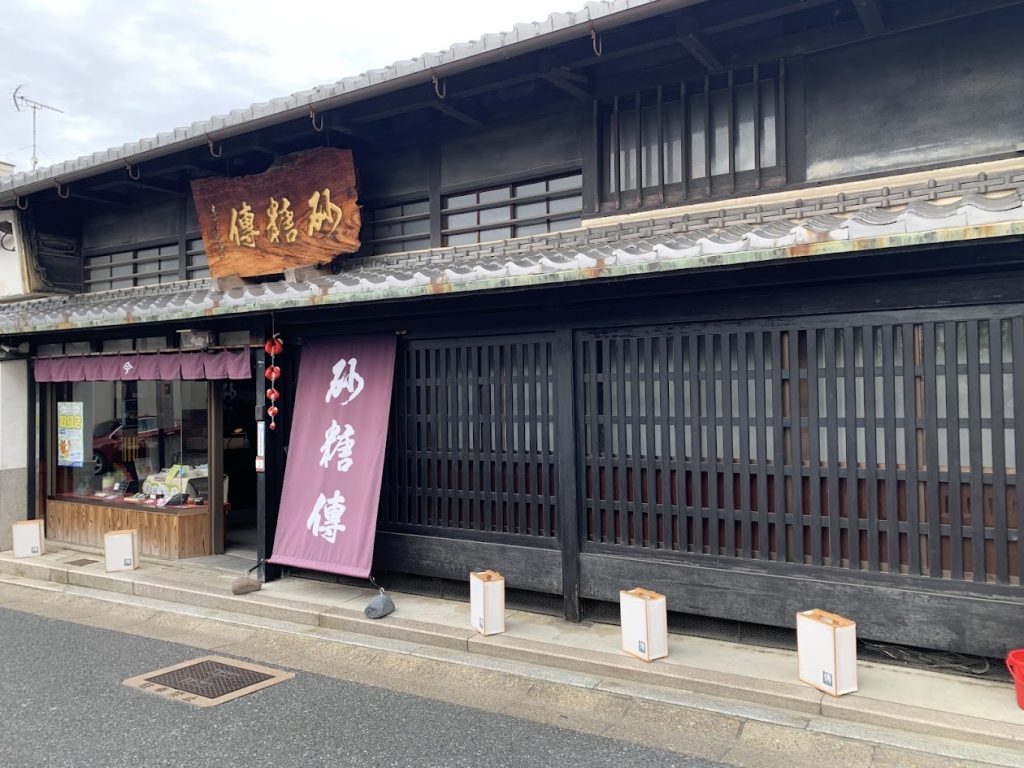
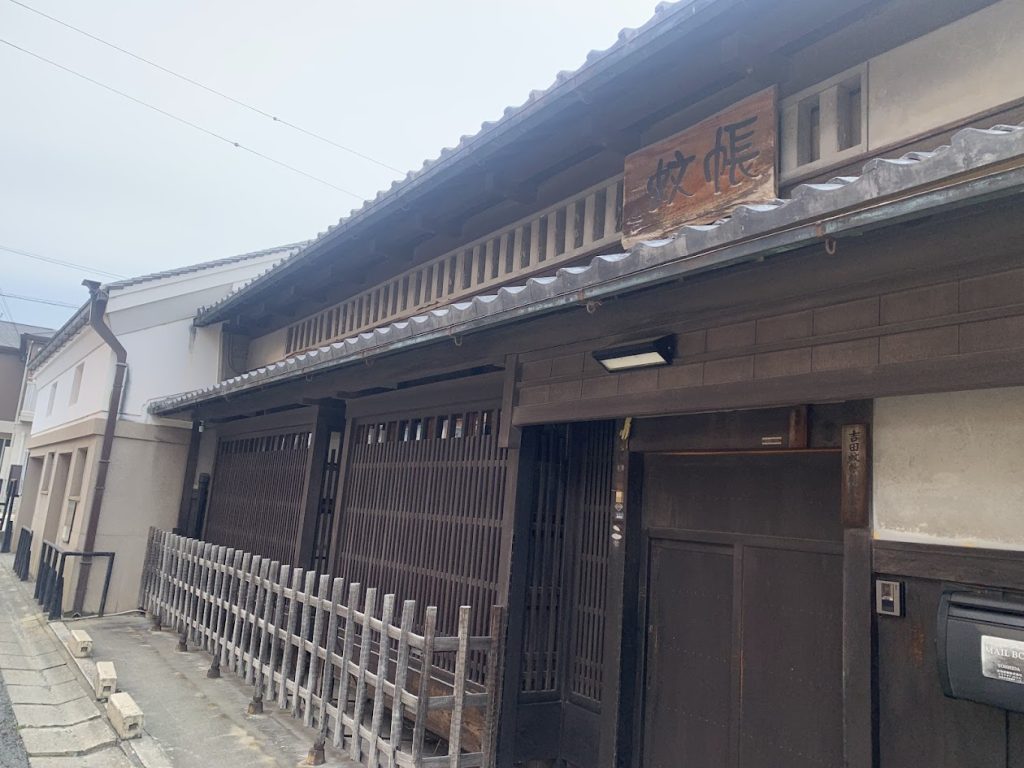
Fujioka Family Residence (Important Cultural Property)
Located directly across from the “Koshino Ie” (Grid House), this machiya (traditional townhouse) was built in the late 18th century. Until around the 1950s, it served as a trading hub for items such as medicine, candles, small goods, and paper. The building is a fine example of the traditional layout of a merchant’s house.
コメント