
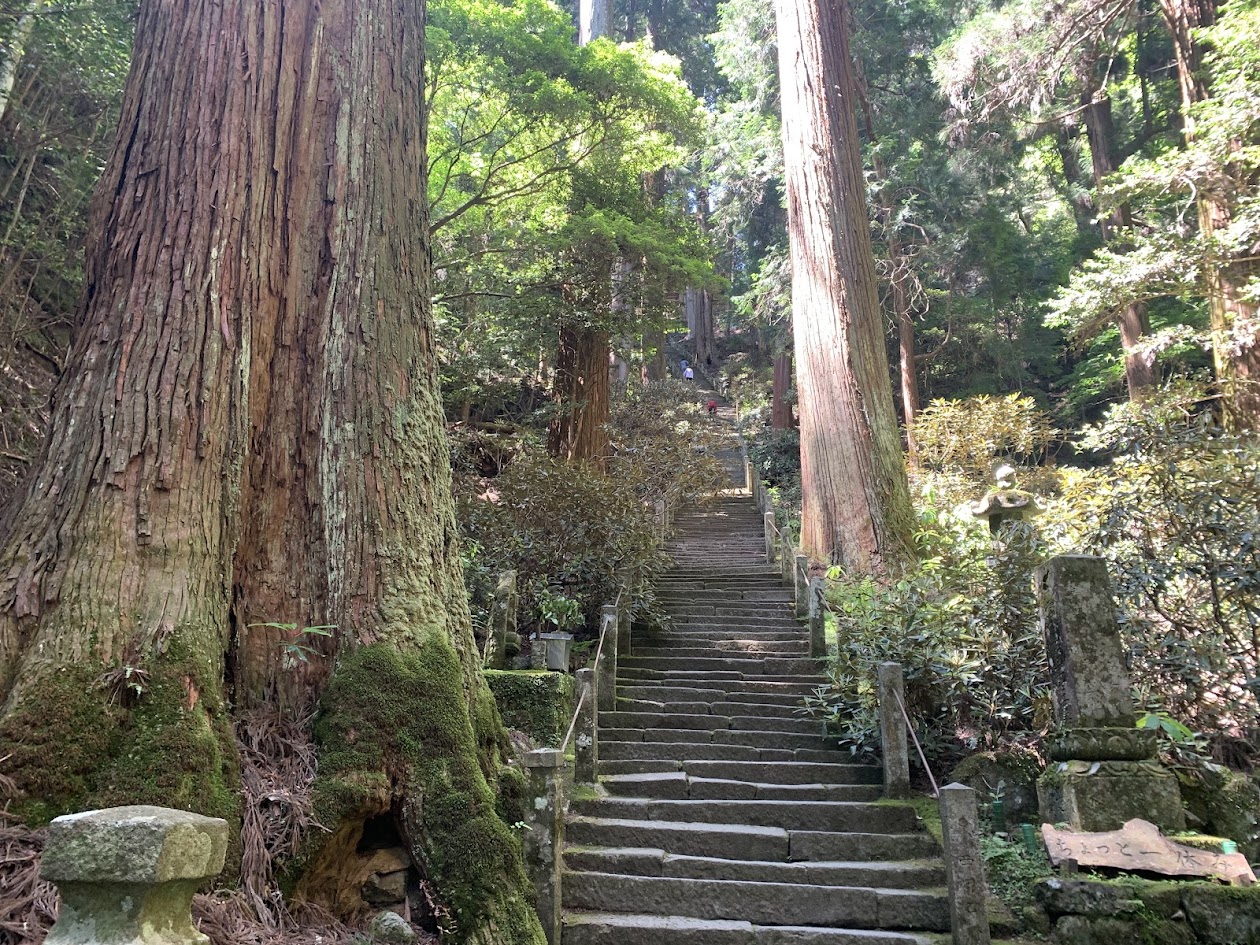

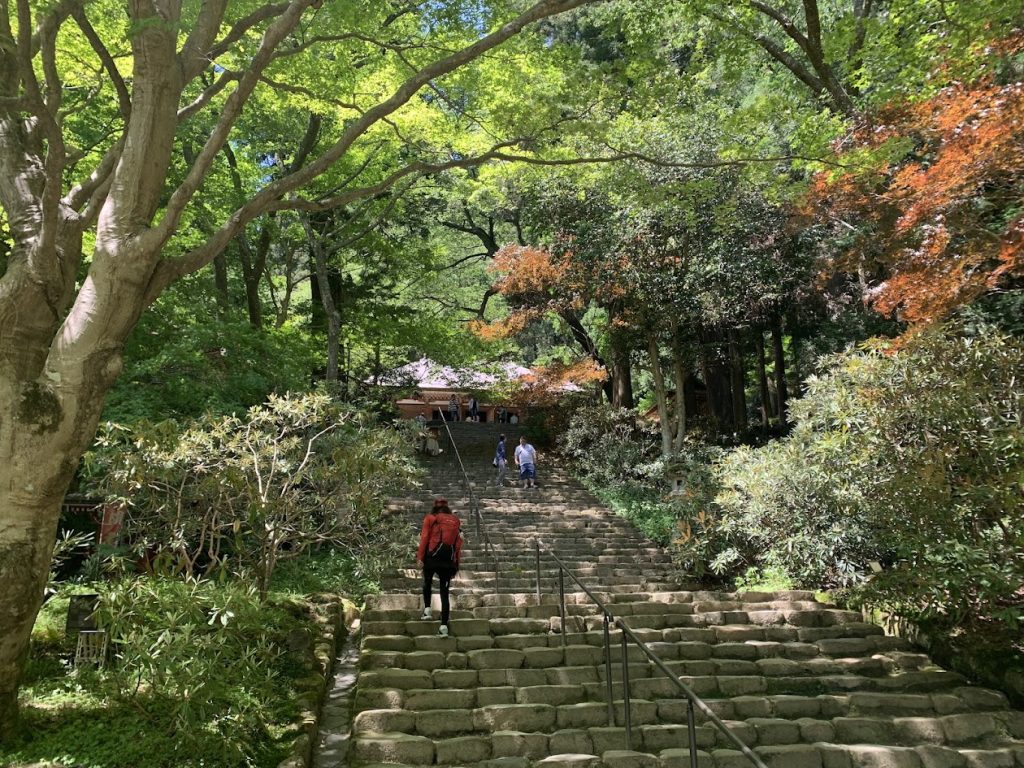
Up to the Nioh Gate area
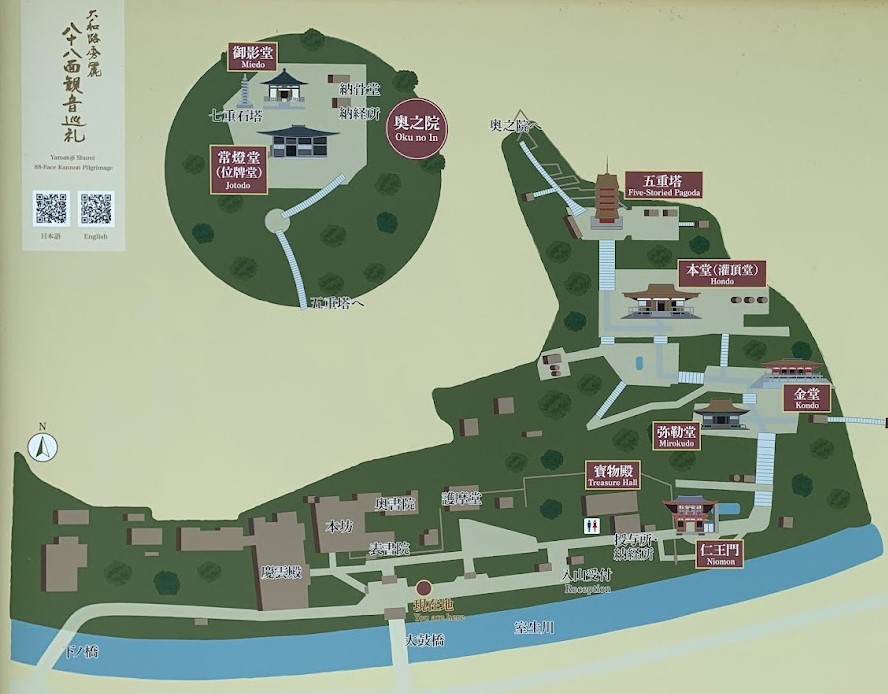
The path continues through the Nioh Gate, Golden Hall, Miroku Hall, Main Hall, Five-Story Pagoda, and the Inner Shrine.
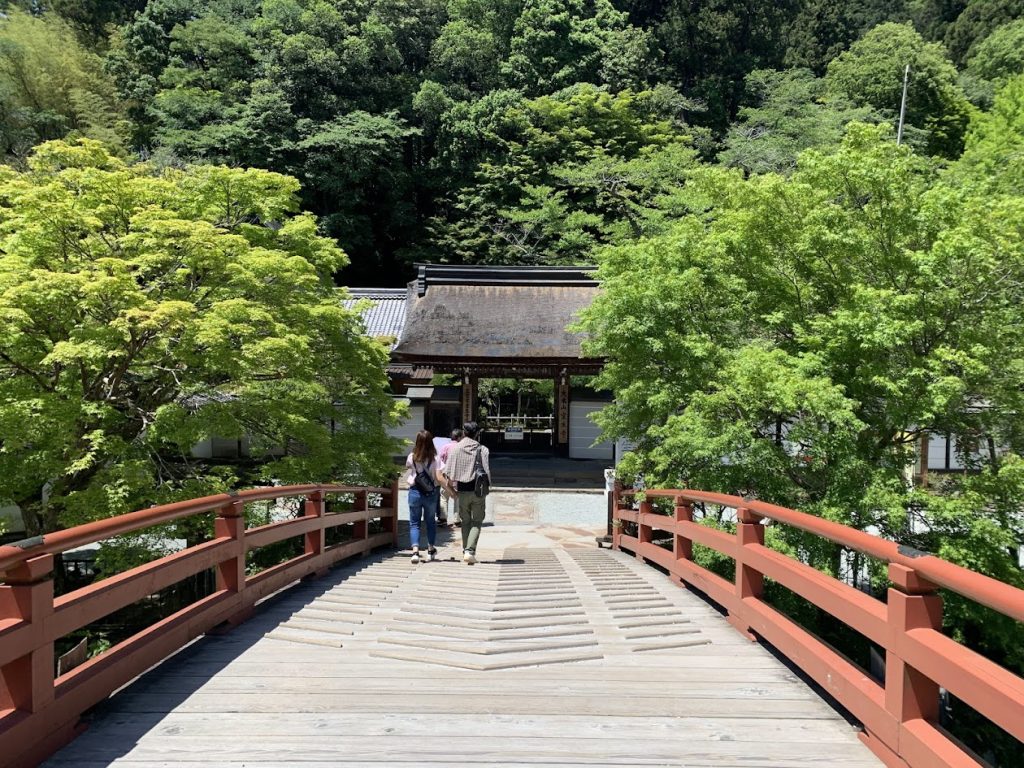
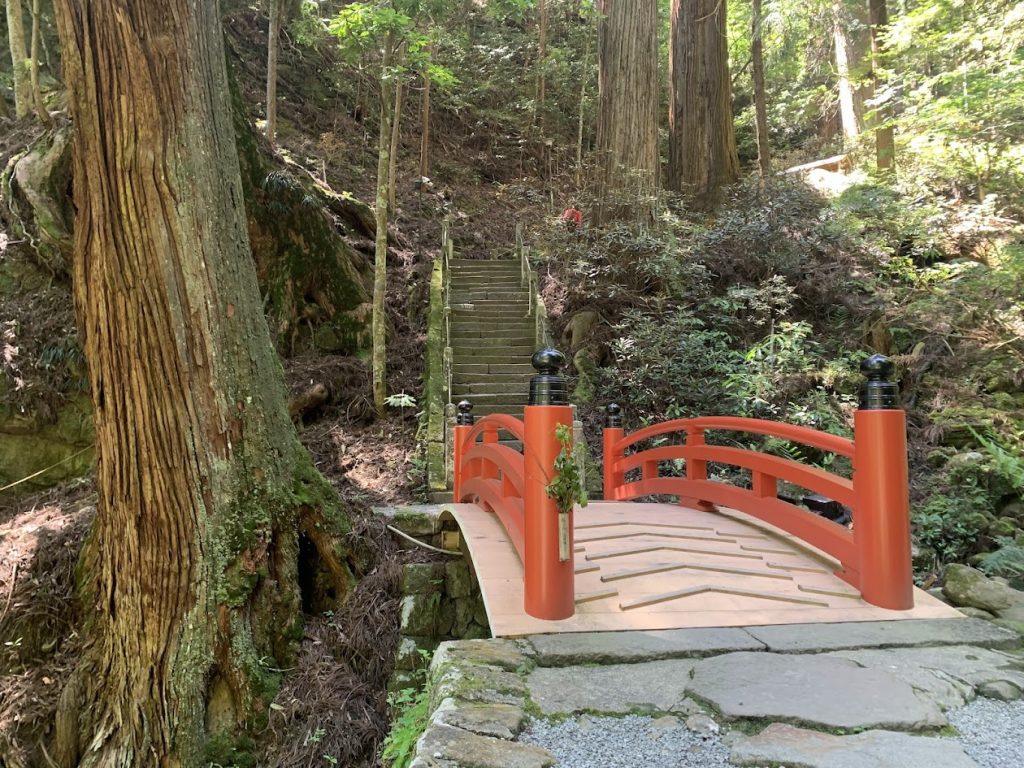
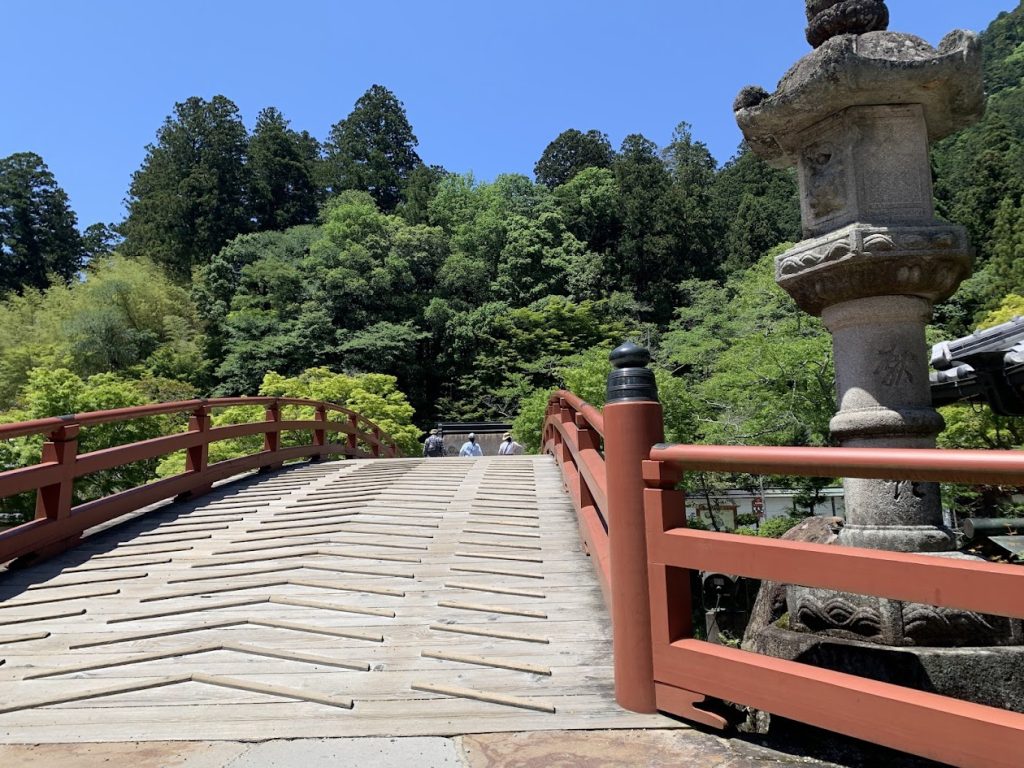
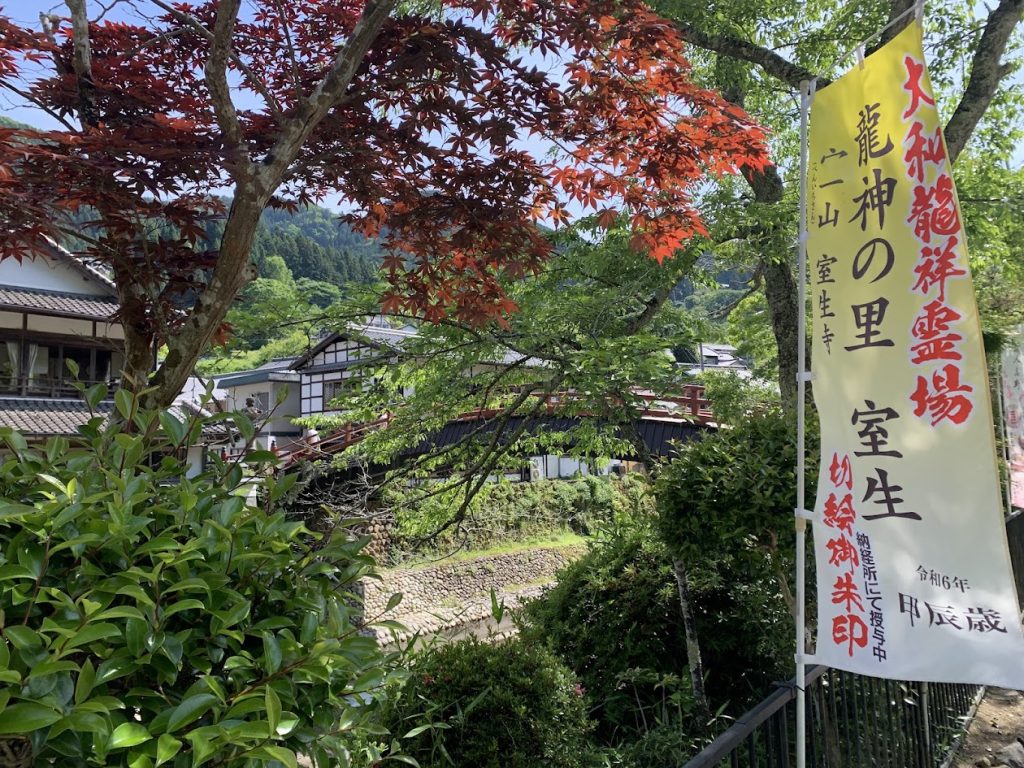
Once you cross the bridge, you enter the grounds of Muroji Temple.
Muroji Temple is a Shingon Buddhist temple that has long been known as “Nyonin Koya” (Women’s Koya).
Since Koyasan was closed to women until 1905, women visited Muroji Temple as an alternative.
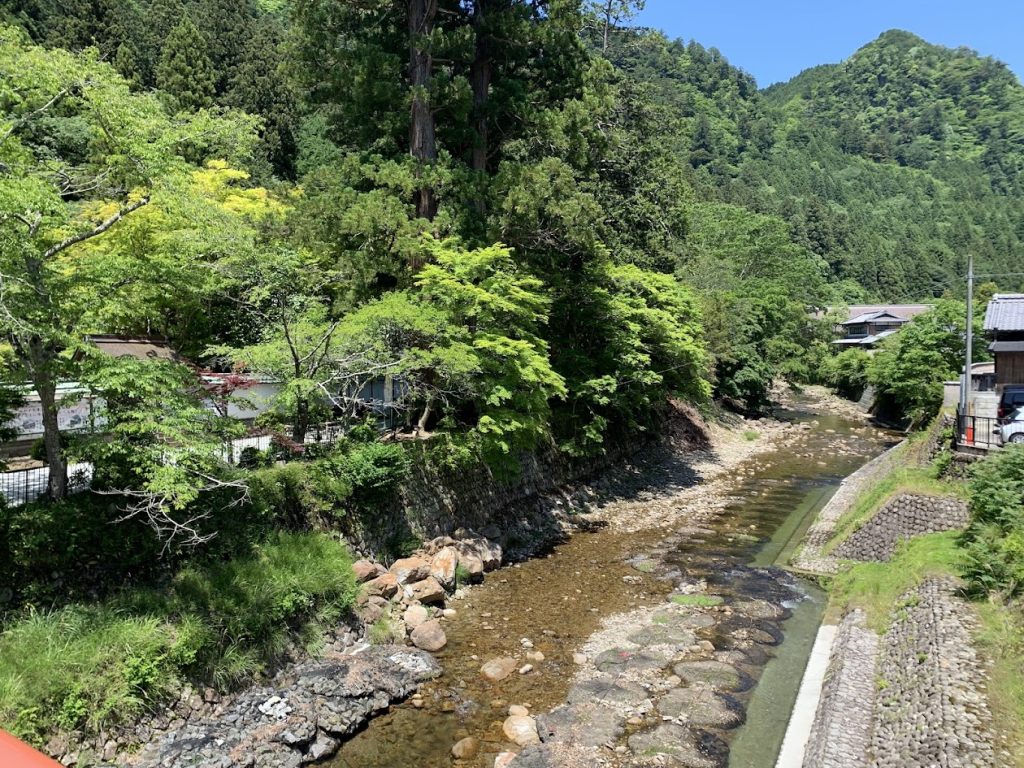
Here’s the view of the Muro River from the bridge.
Just a little upstream is Ryuketsu Shrine, about a 10-minute walk away. If you have time, be sure to visit.
Buses from Kintetsu Muro-guchi Ono Station pass by Muroji Temple and end at Ryuketsu Shrine.
The return bus departs from Ryuketsu Shrine, passing Muroji Temple on the way back to Muro-guchi Ono Station.
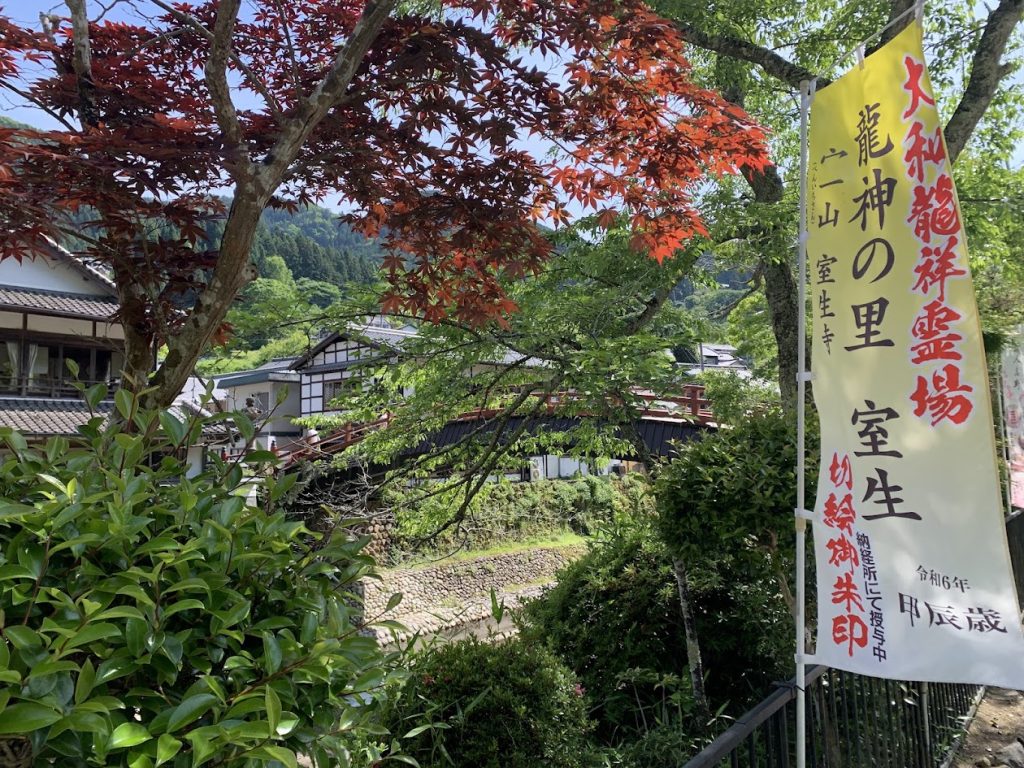
You can see the Taiko Bridge.
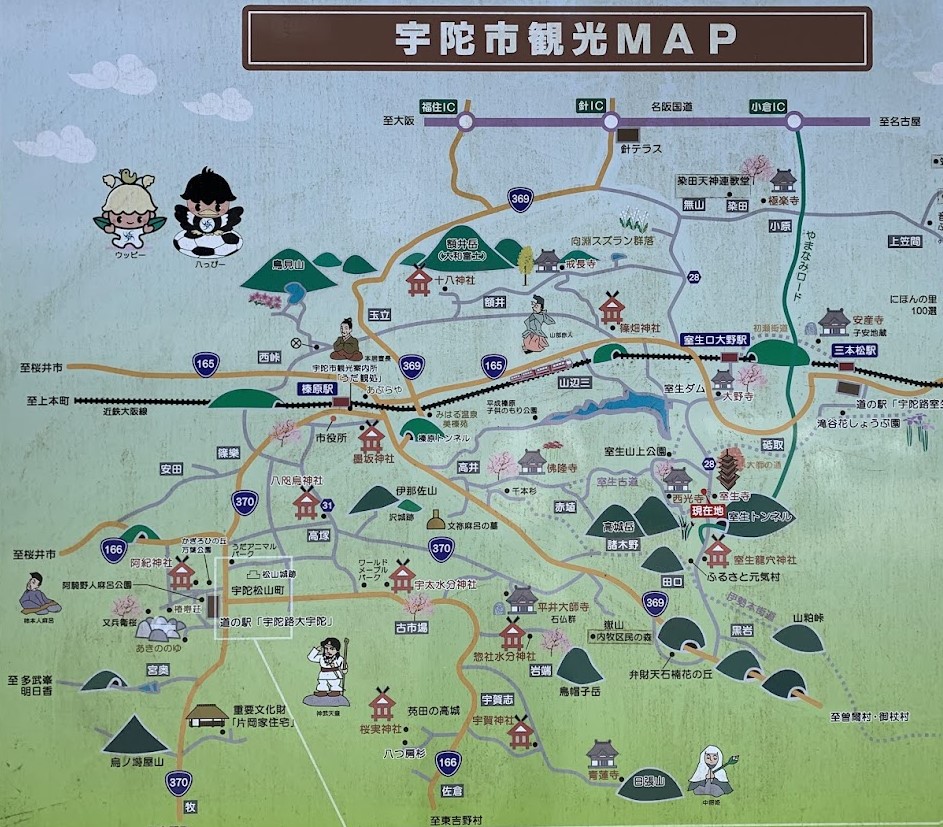
Directions:
From Muro-guchi Ono Station on the Kintetsu Osaka Line, take a bus. The nearby Ryuketsu Shrine is the final stop for the bus.
If you’re driving from Osaka or Nagoya, exit at the Ogura Interchange on the Meihan National Highway. Then, take the “Yamanami Road,” a farm road, which leads directly to Ryuketsu Shrine.
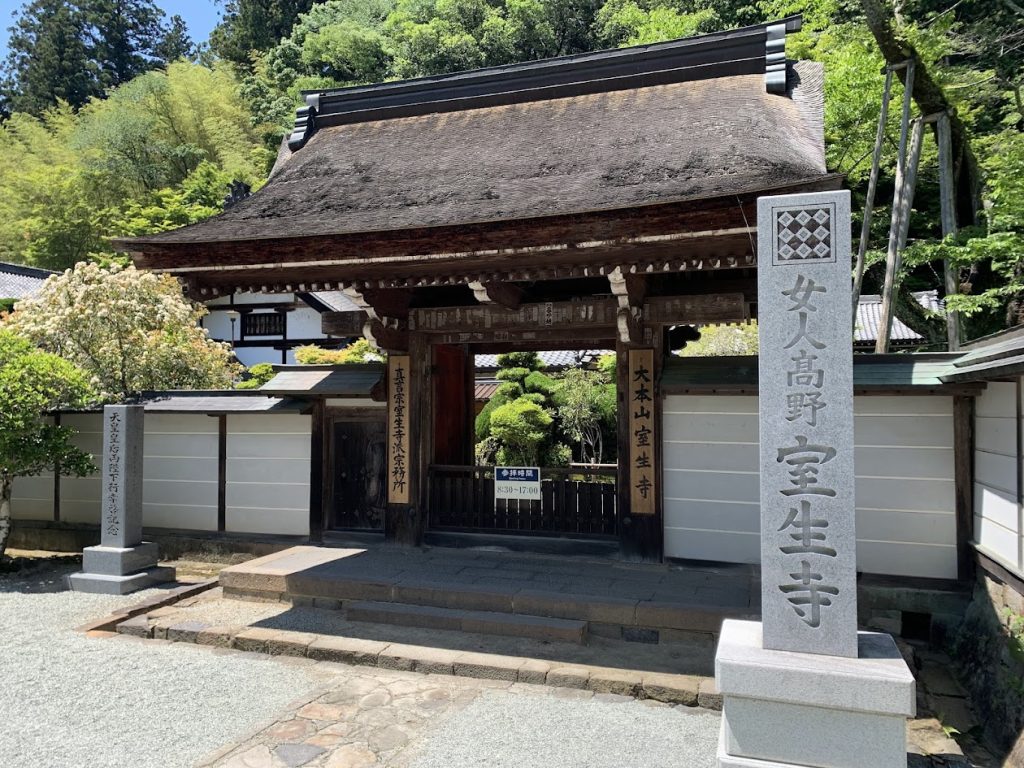
Nyonin Koya (Koyasan for Women), Muro-ji Temple
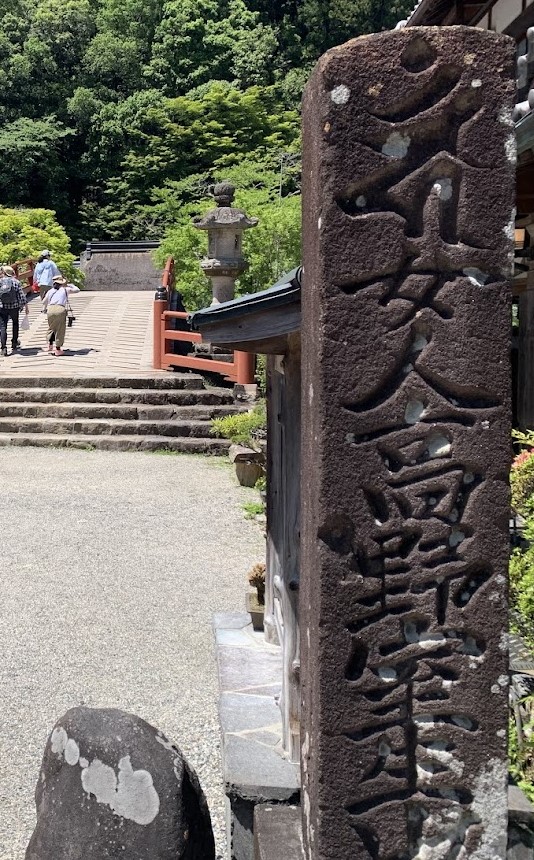
There was also a stone marker in front of the bridge.
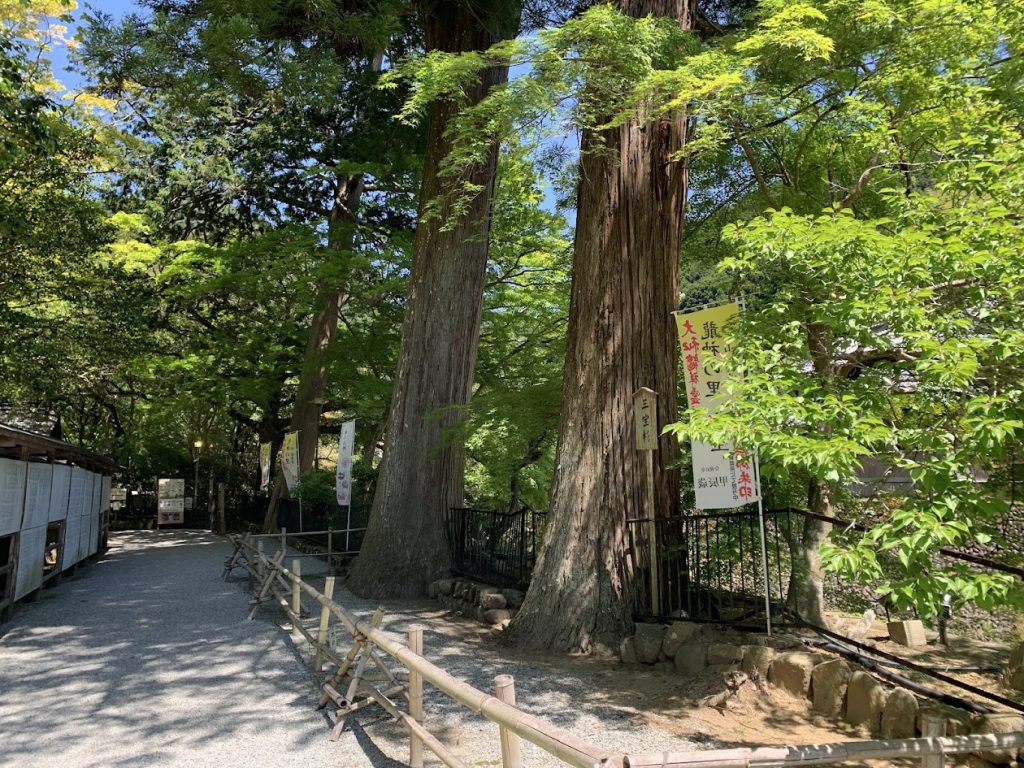
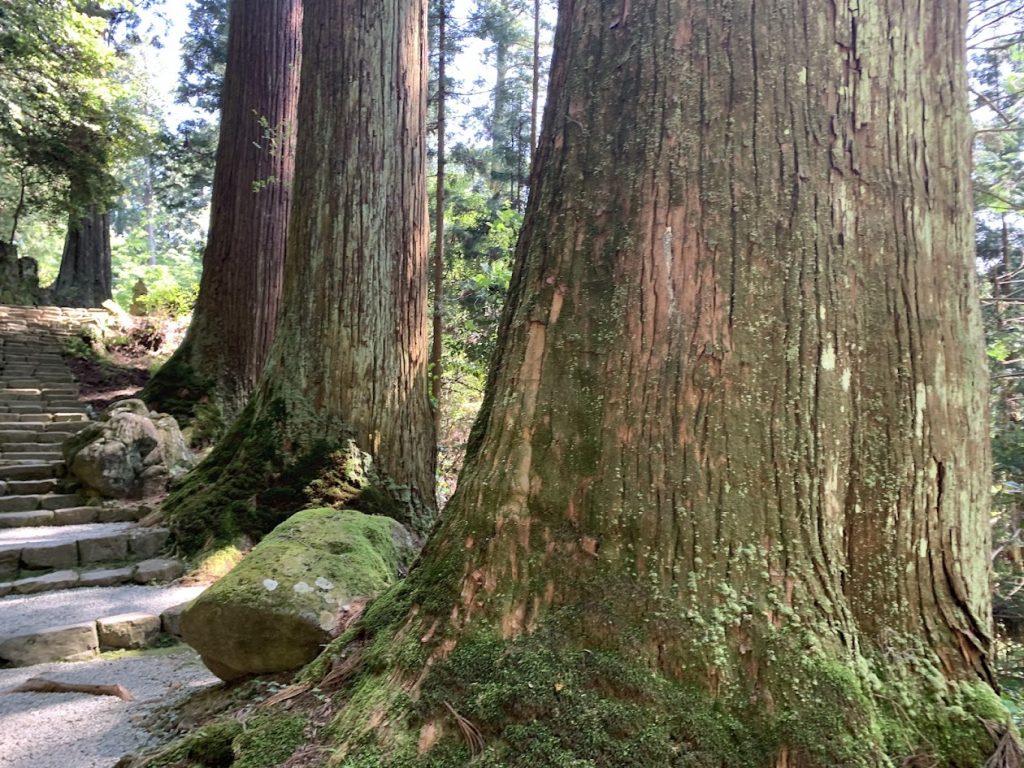
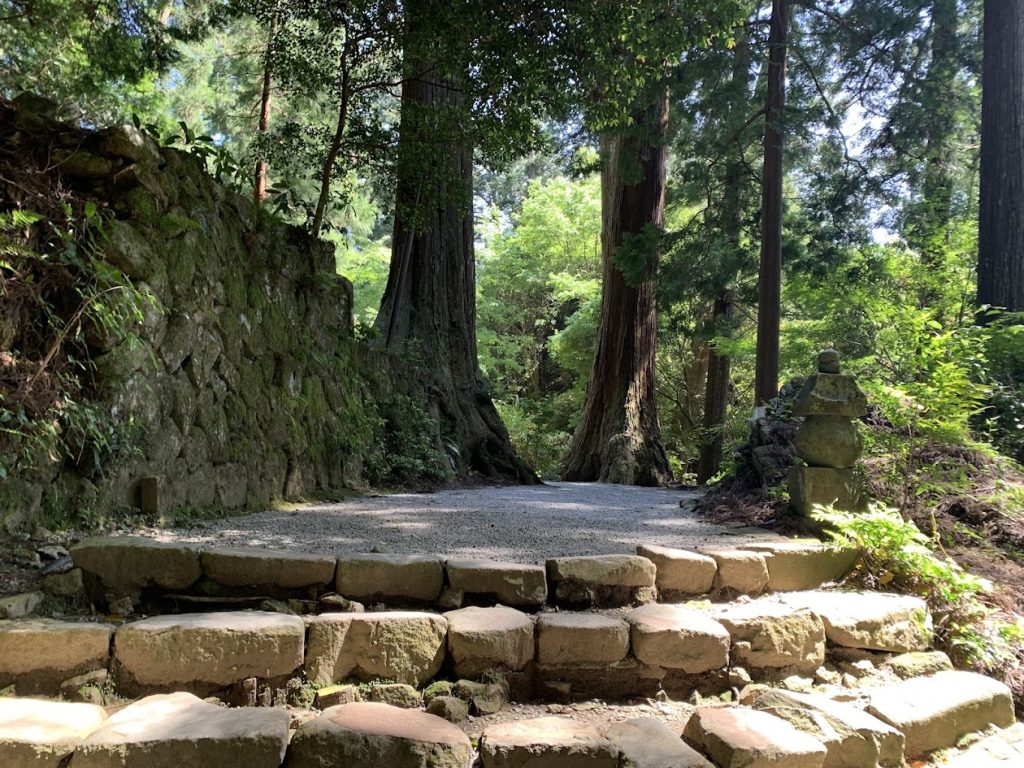
At the entrance stand the “Sanpou Sugi” (Three Sacred Cedars), as if welcoming visitors.
Originally, three large cedars stood together, but in 2022, one fell, leaving only two of the Sanpou Sugi.
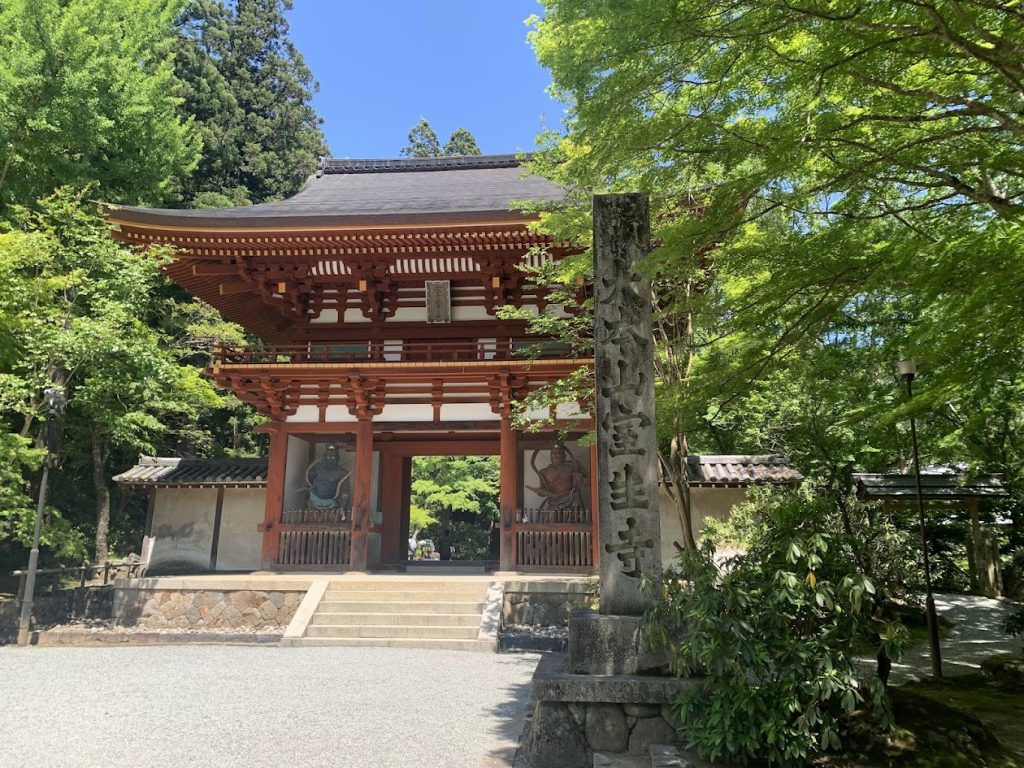
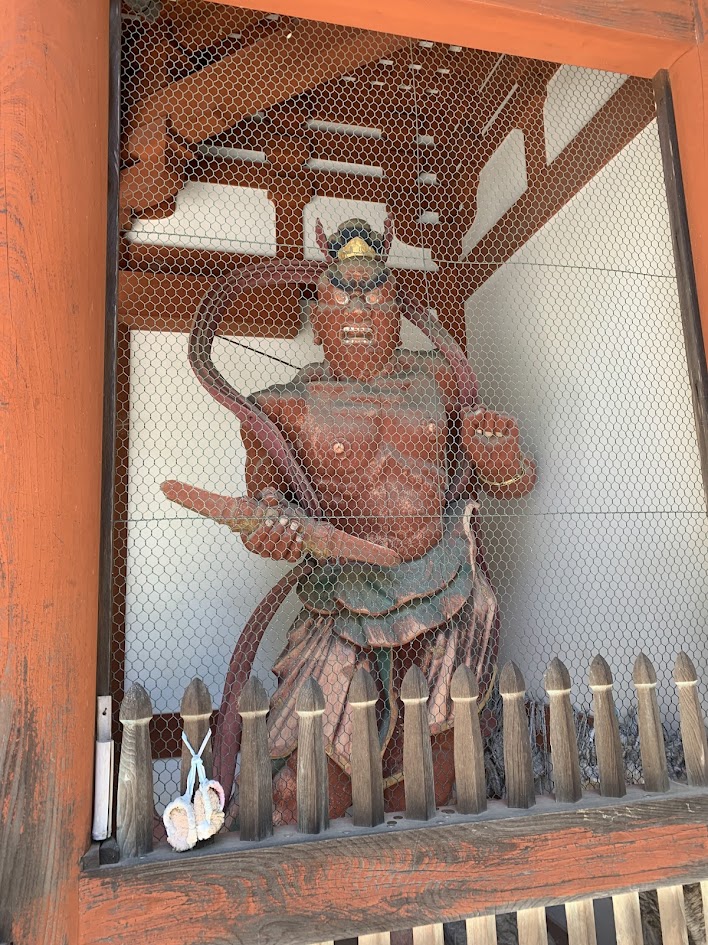
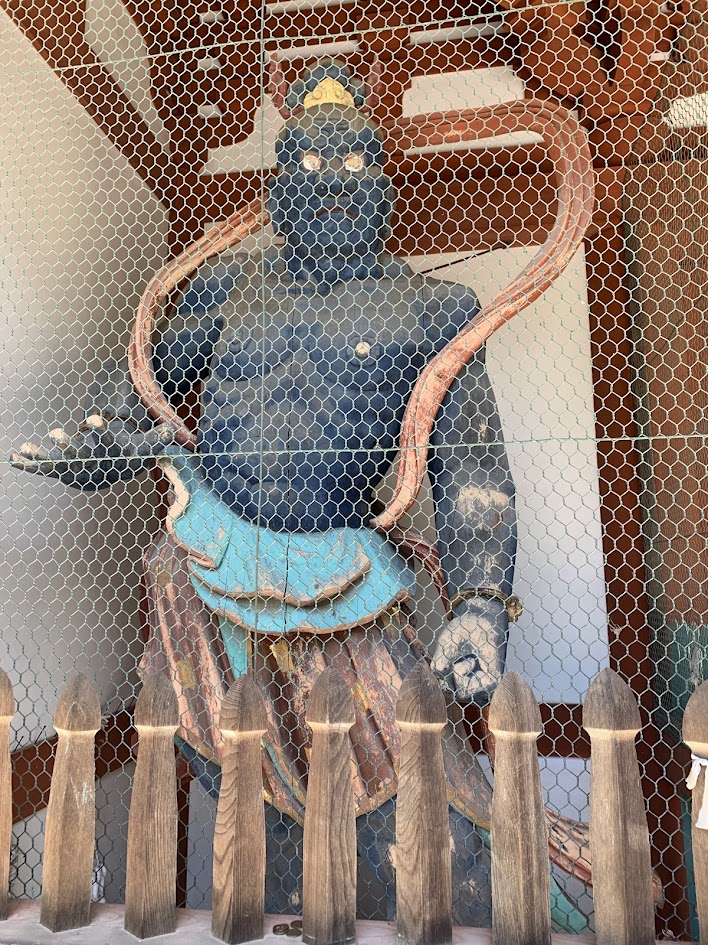
The Nio Gate
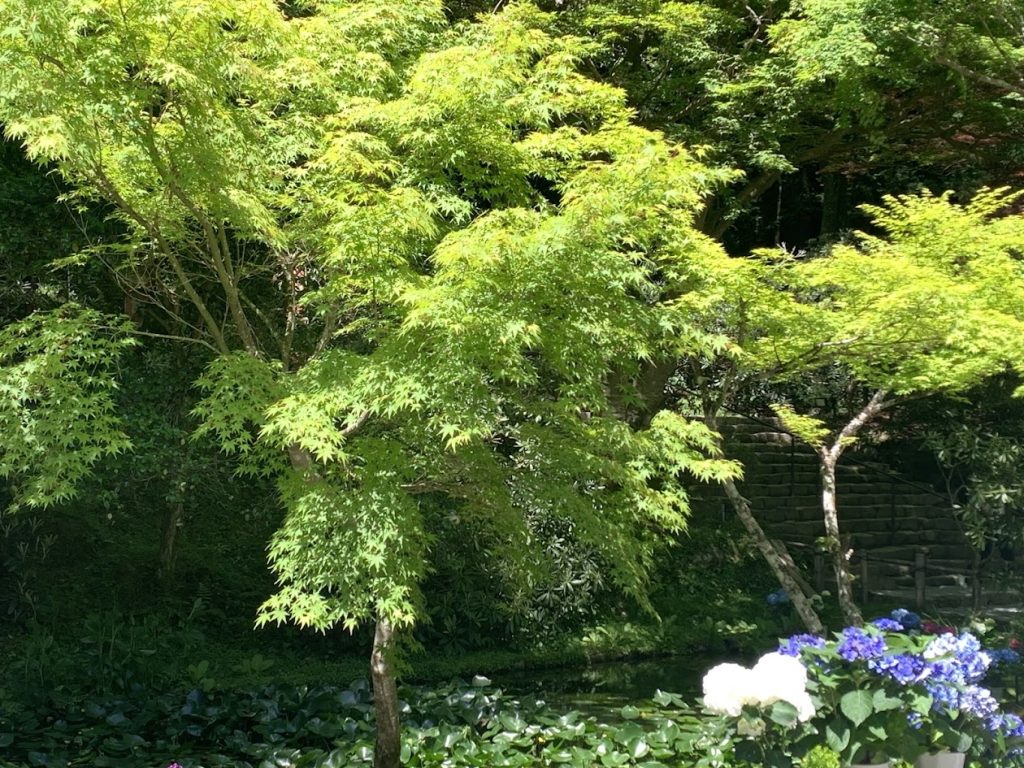
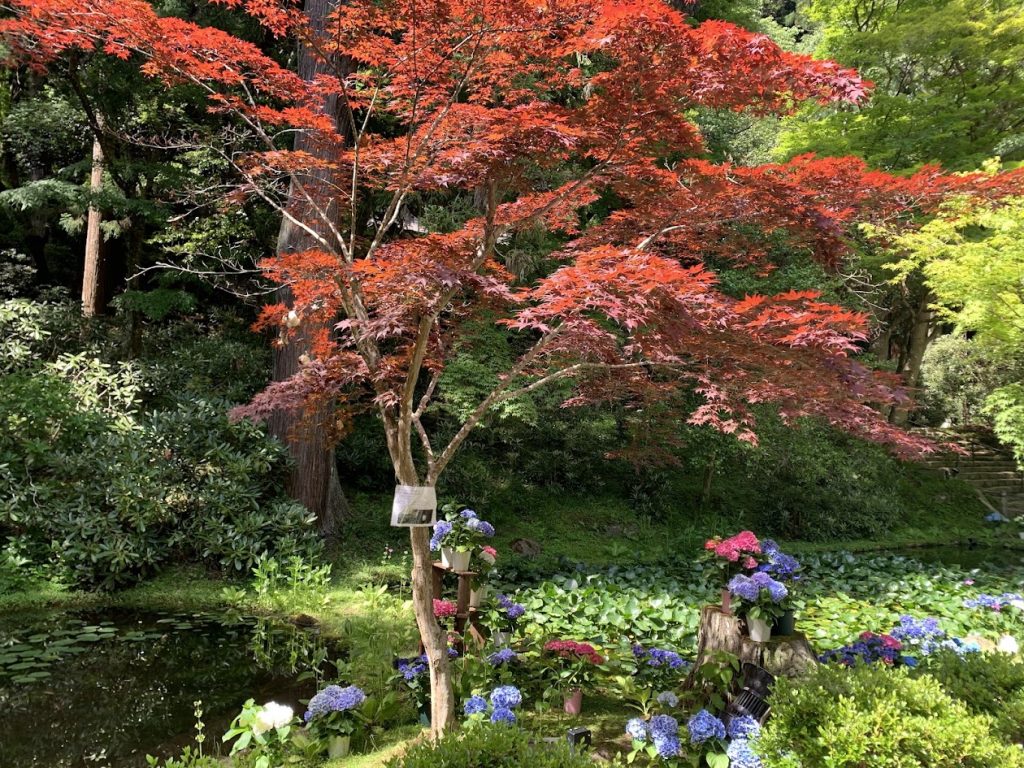
Banji-ike Pond

Banji-ike Pond
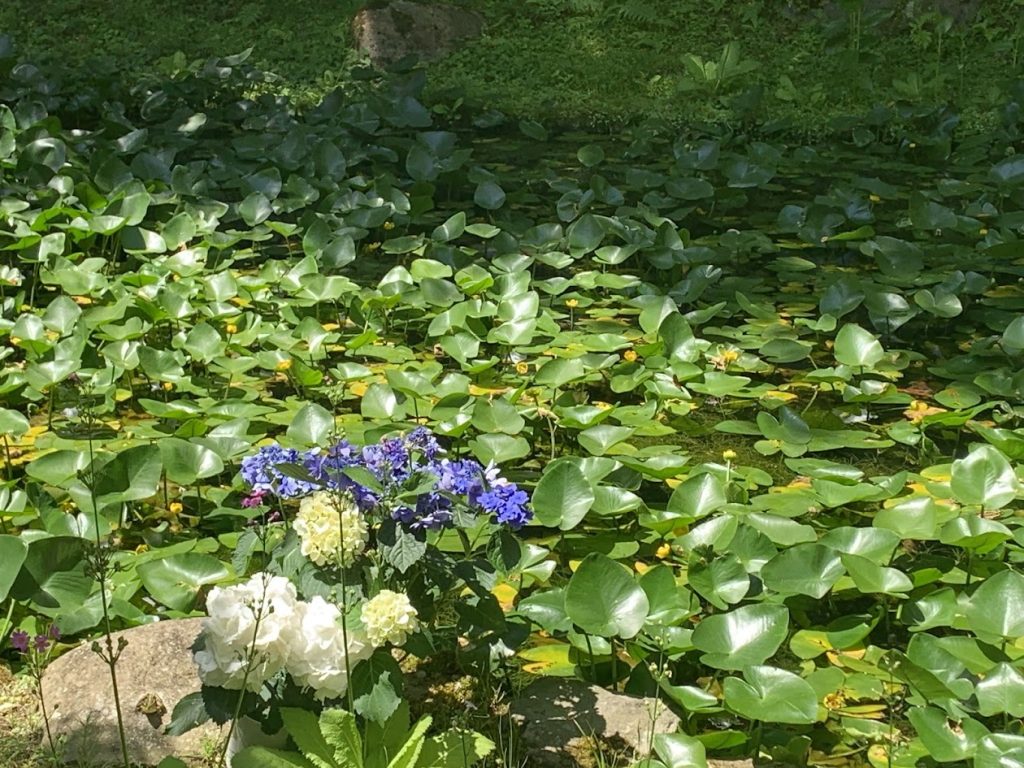
As you pass through the Niomon Gate, you’ll find a pond on your left.
The pond is shaped like the Sanskrit character “Ban”.

Around the Main Hall
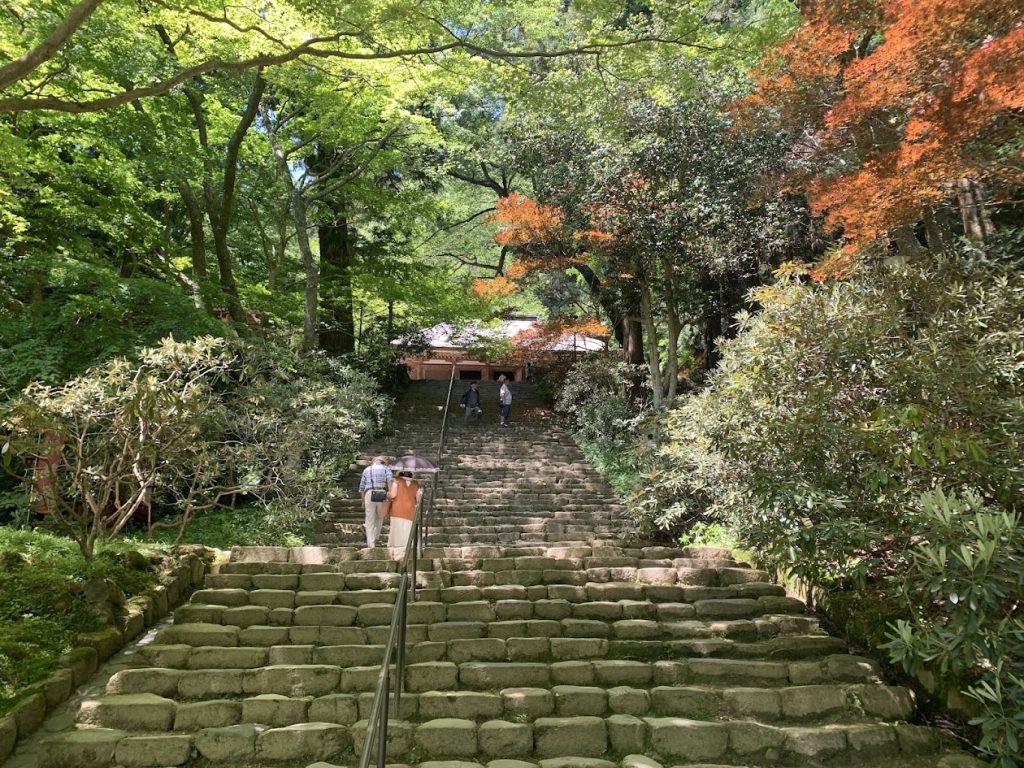
Yoroi-zaka (Armor Slope)
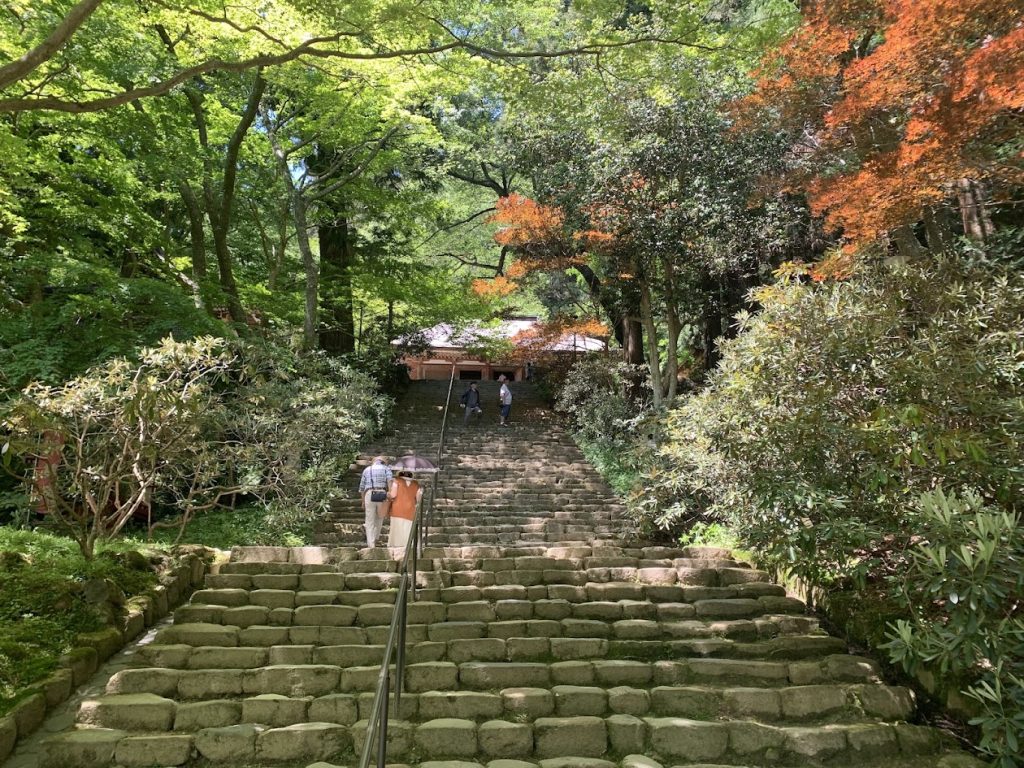
This is the staircase leading to the Main Hall (Kondo).
It was named Yoroi-zaka because the steps resemble the kusazuri (the part of armor that protects the waist and thighs).
Around the main hall

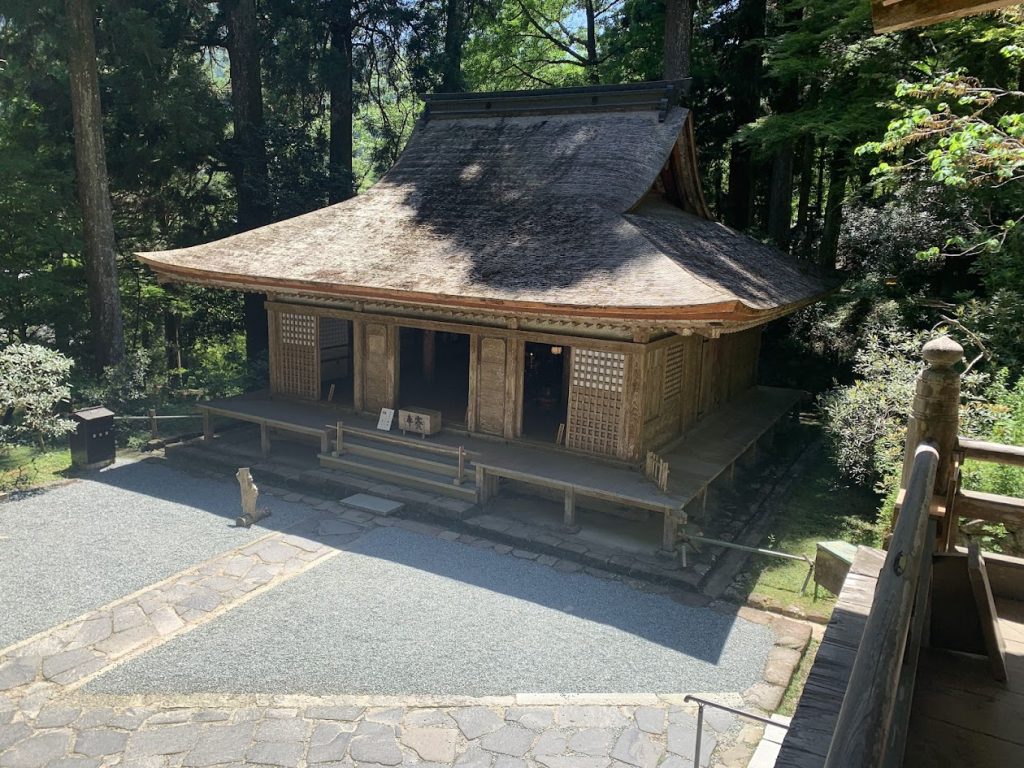
Golden Hall (National Treasure)
The Kondo (Main Hall), a National Treasure.
It was built in the mid-9th century and is one of the oldest buildings in Muroji Temple. It uses a construction method called “Kake-zukuri,” where the building is set on a slope.
Inside the hall, several important statues are enshrined, demonstrating the high level of craftsmanship by sculptors from the early Heian period (About 1,200 years ago).
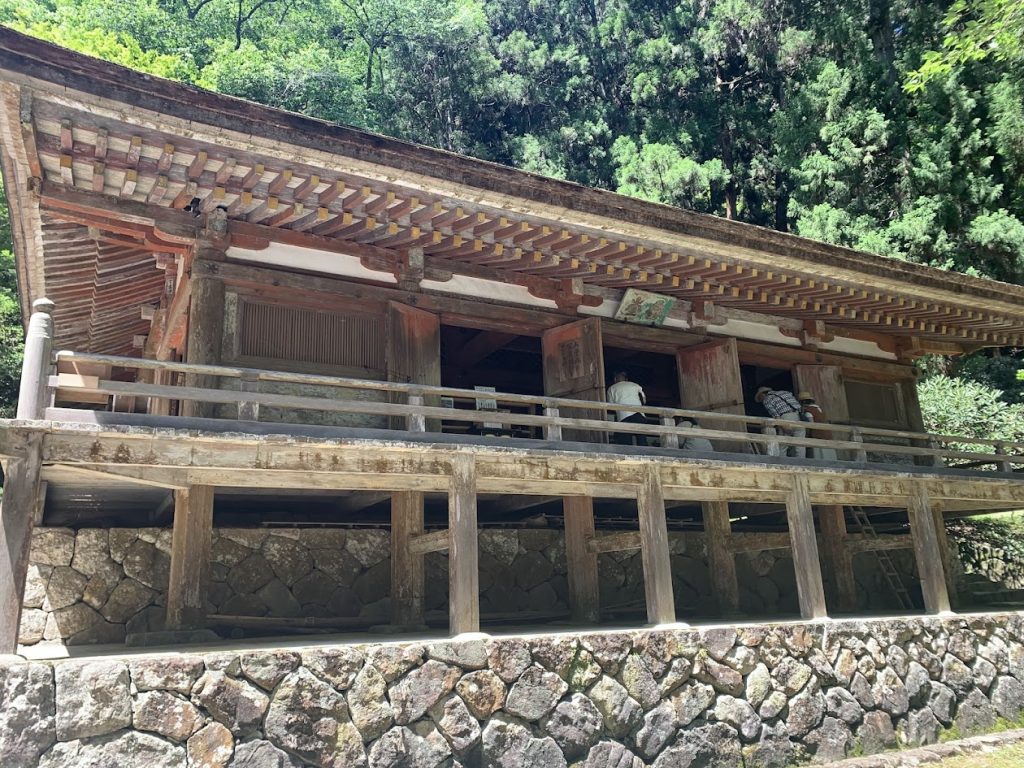
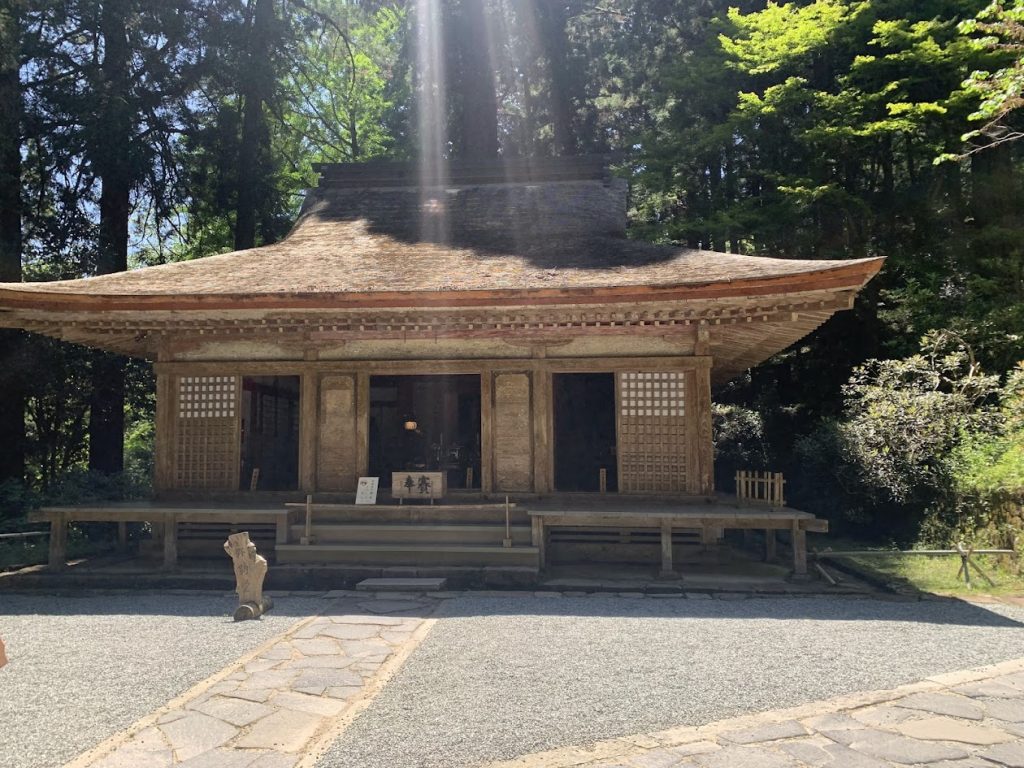
Miroku-do Hall
It houses a seated statue of Shakamyorai Buddha, which is a National Treasure.
The main hall
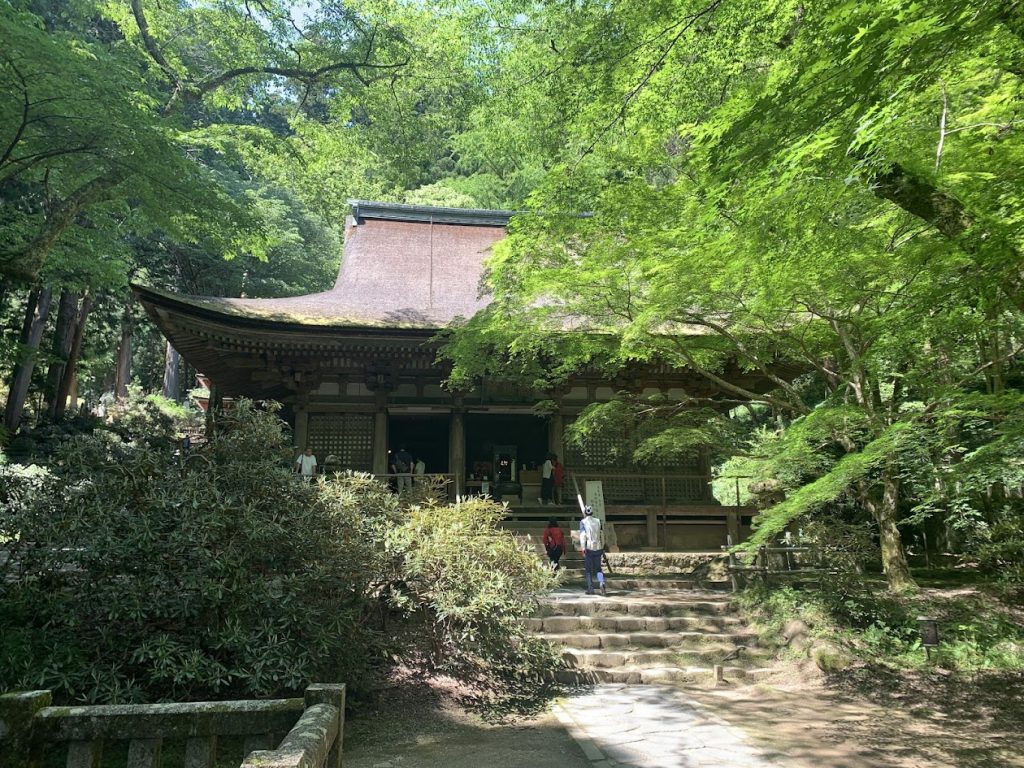
The Main Hall, designated as a National Treasure.
It is where the most important ceremonies of the temple are held.
It was built in 1308.
Five-Story Pagoda
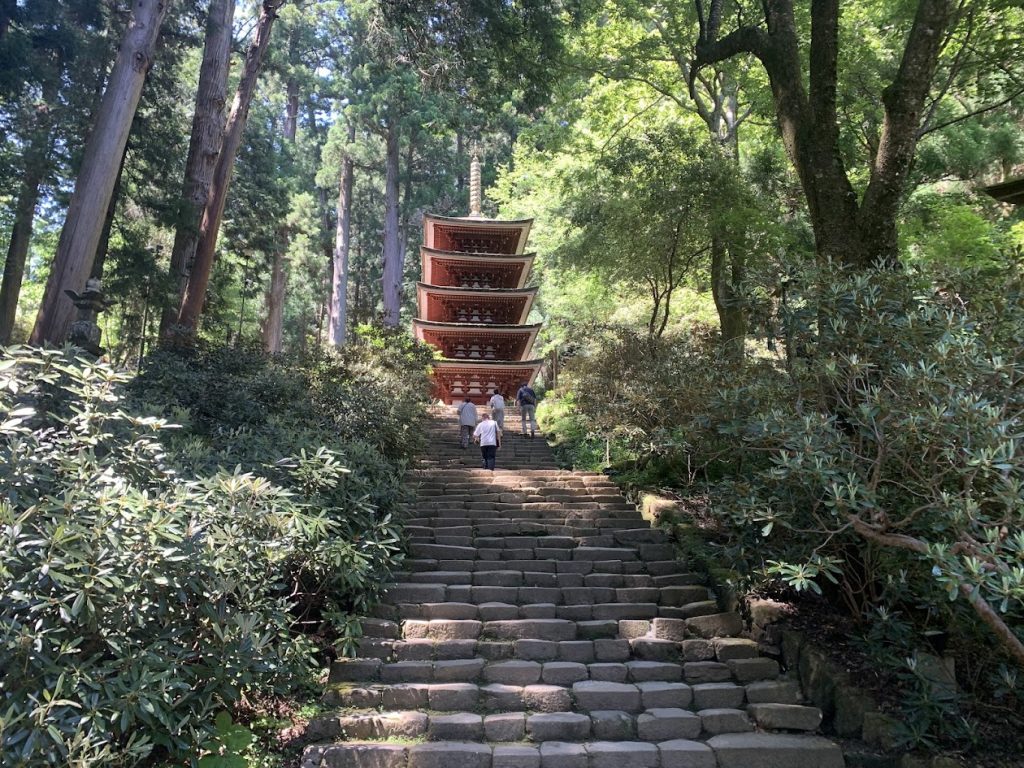
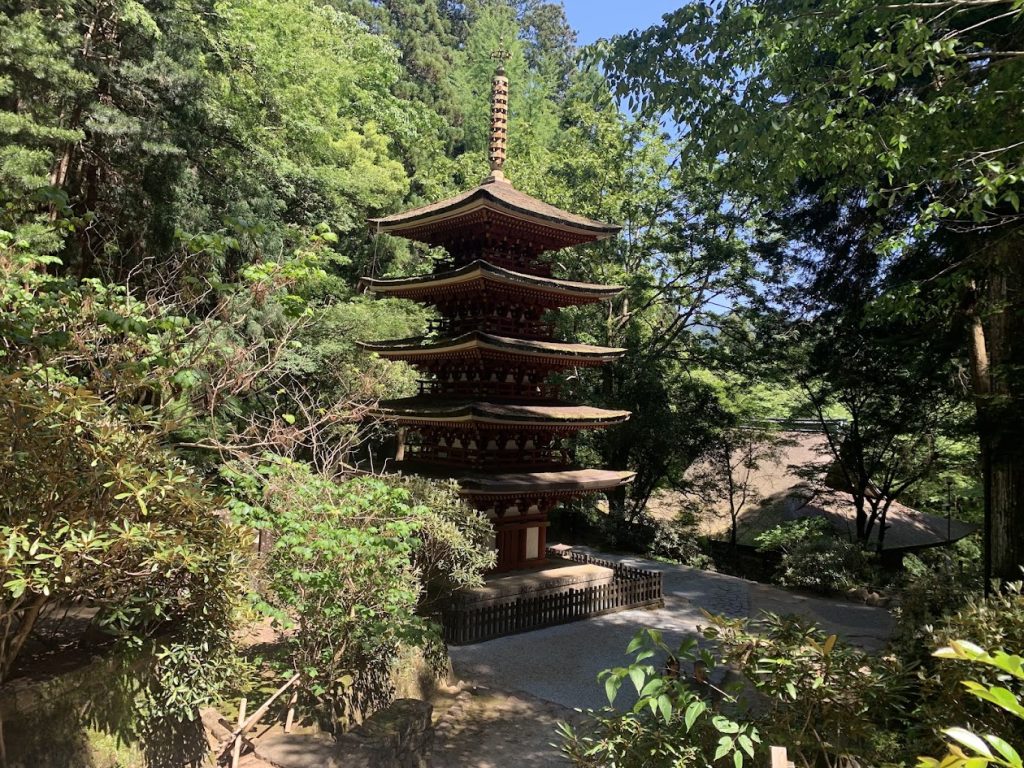
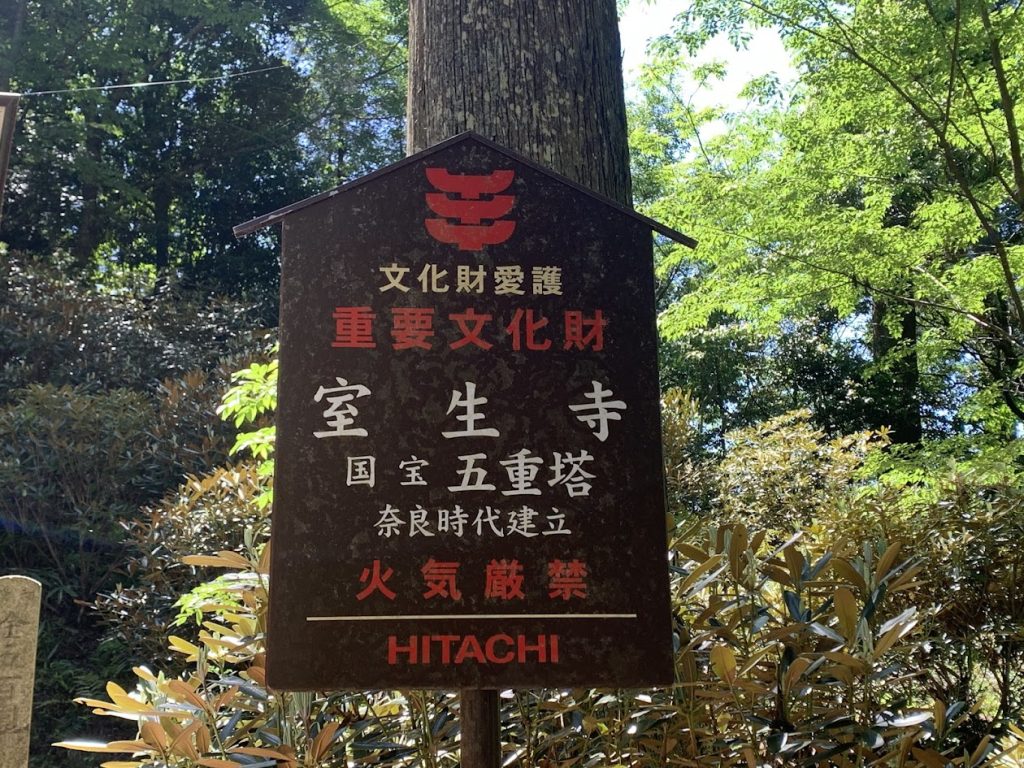
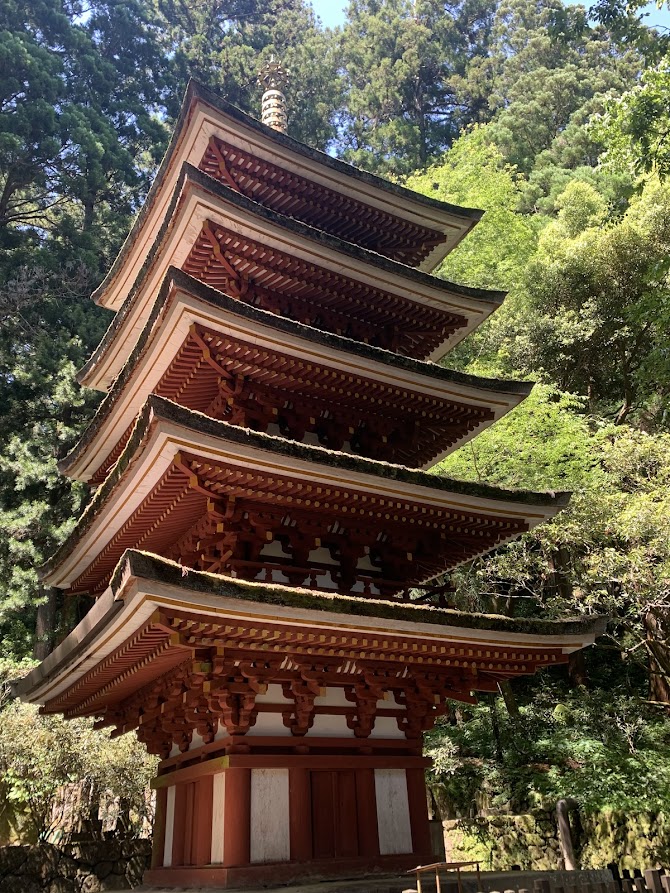
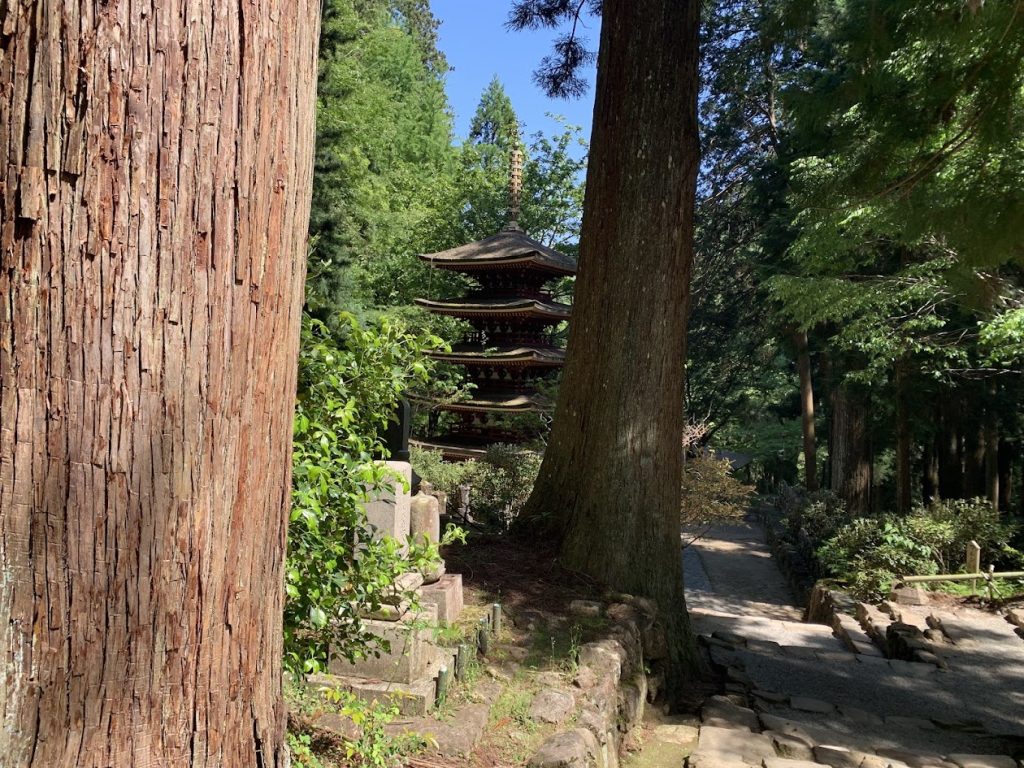
Five-Story Pagoda (National Treasure)
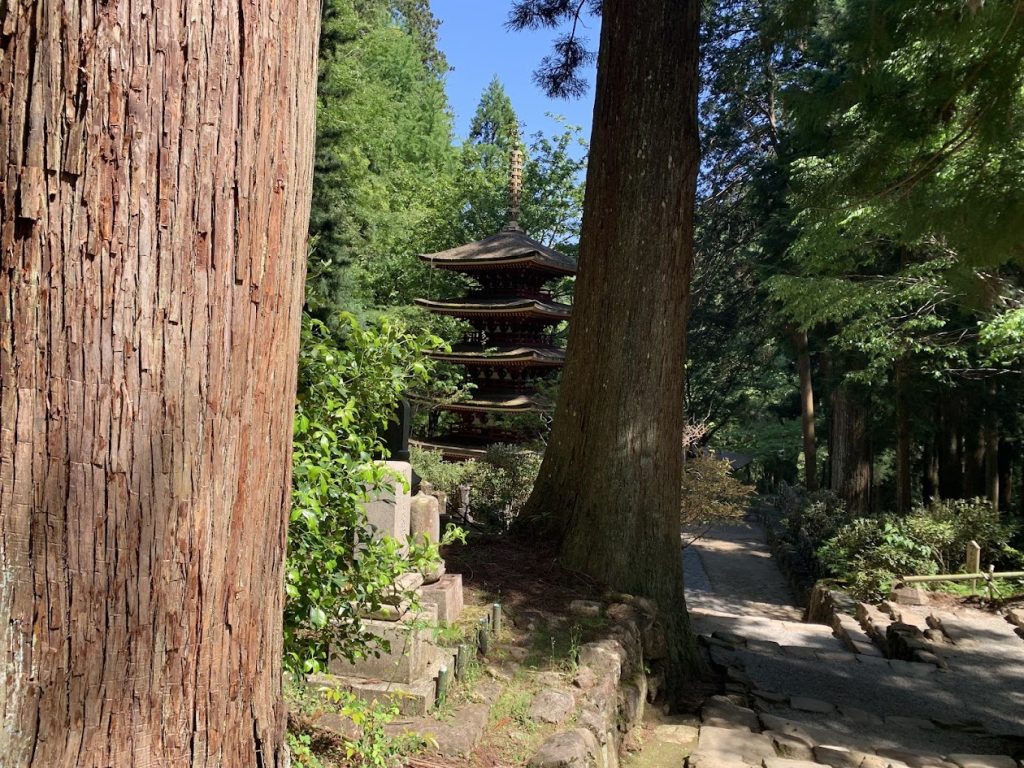
Built in the early Heian period (About 1,200 years ago), this is the oldest structure at Muroji Temple. And it is the smallest five-story pagoda in Japan.
In 1998, a typhoon caused all five tiers of the pagoda’s eaves to be destroyed by a fallen tree, but restoration work was completed in 2000.
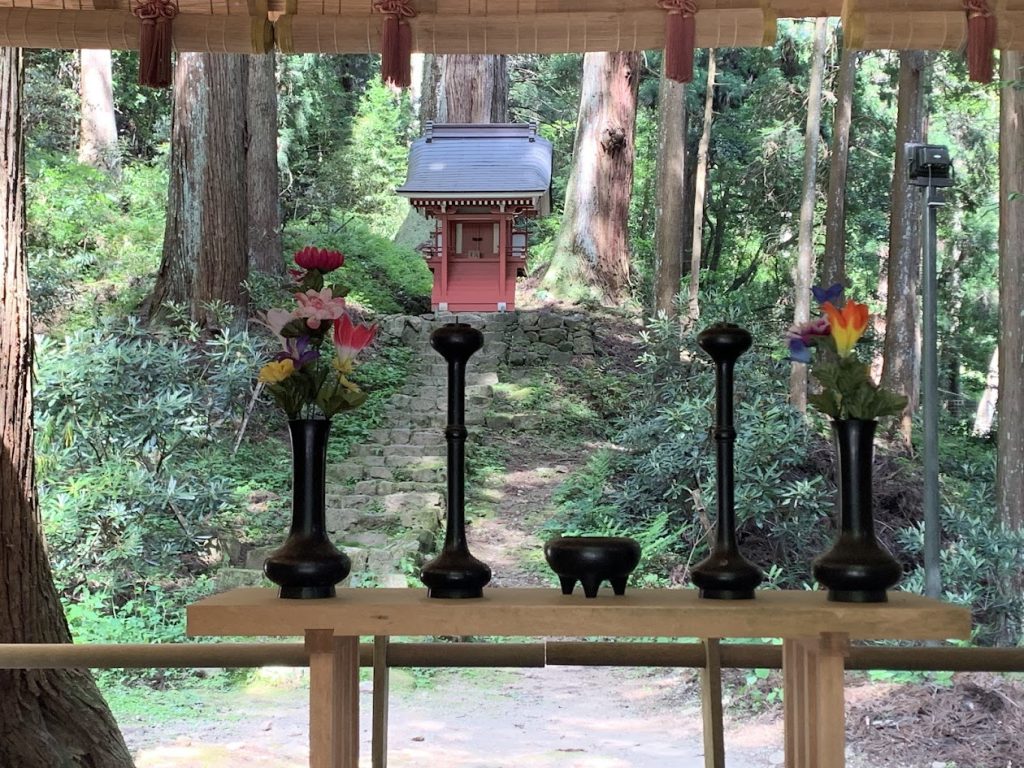
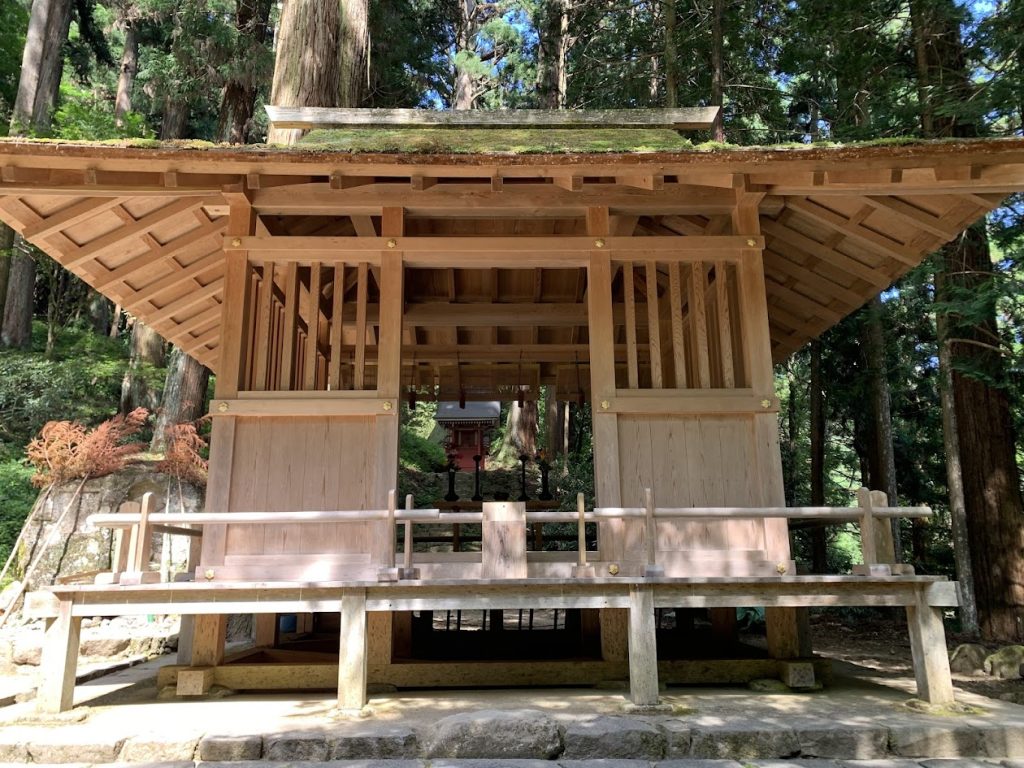
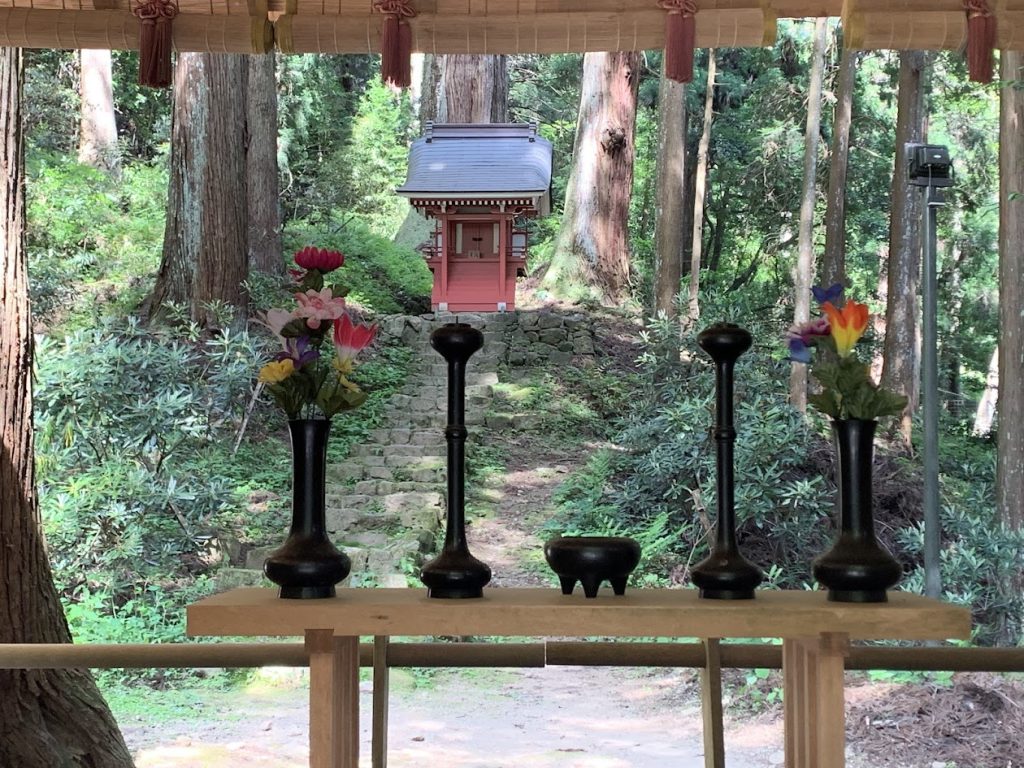
A small hall next to the Five-Story Pagoda
The Inner Sanctuary
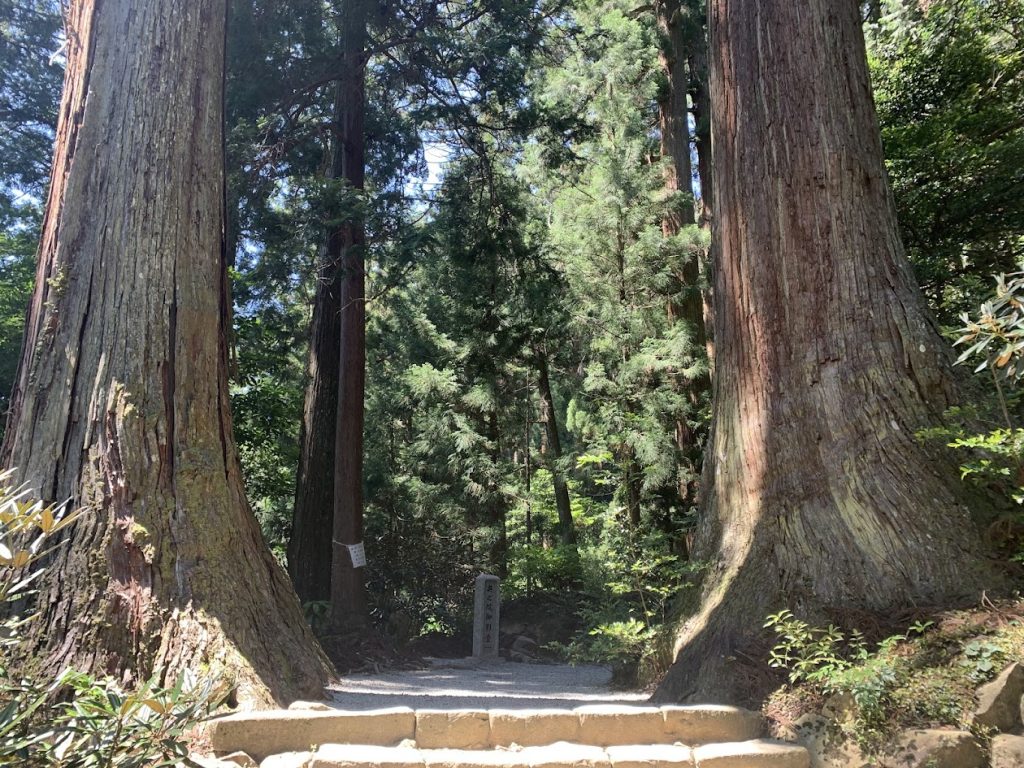
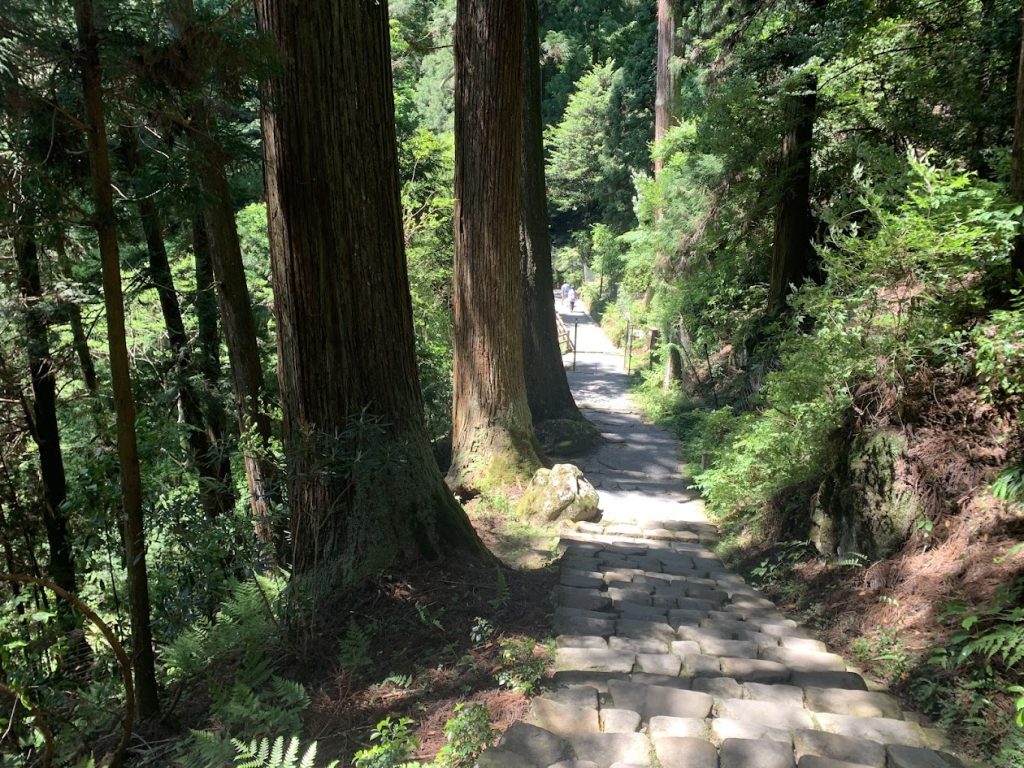
If you continue past the Five-Story Pagoda, you will reach the path leading to the Inner Sanctuary.
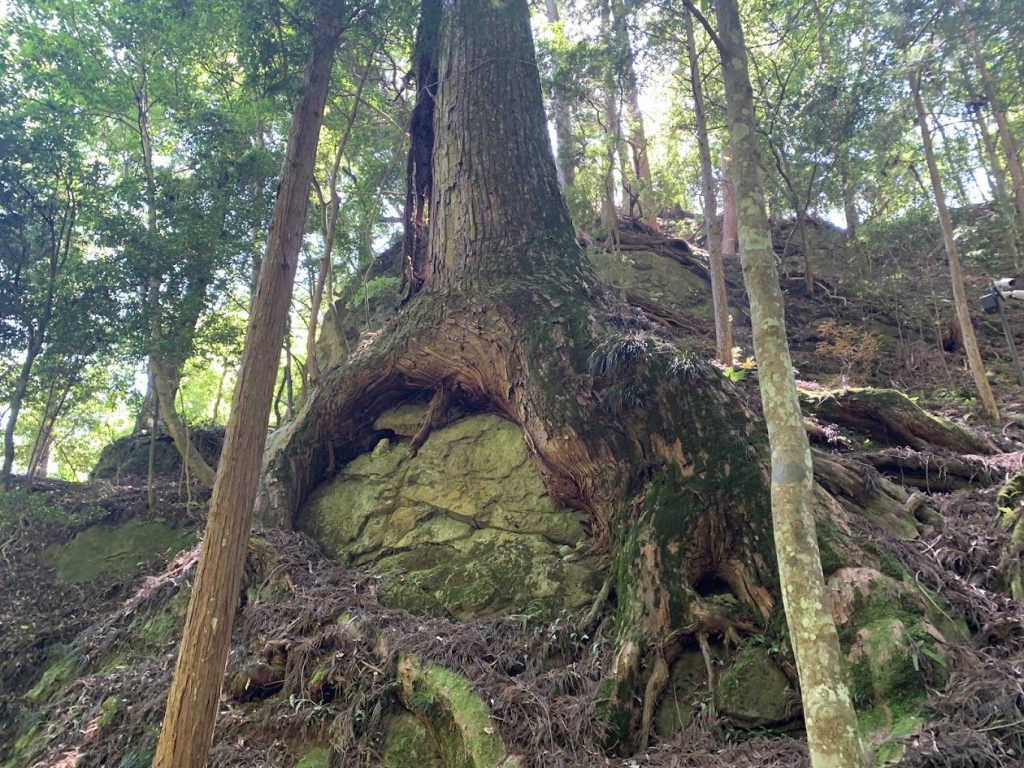
Here is an introduction to the scenery.
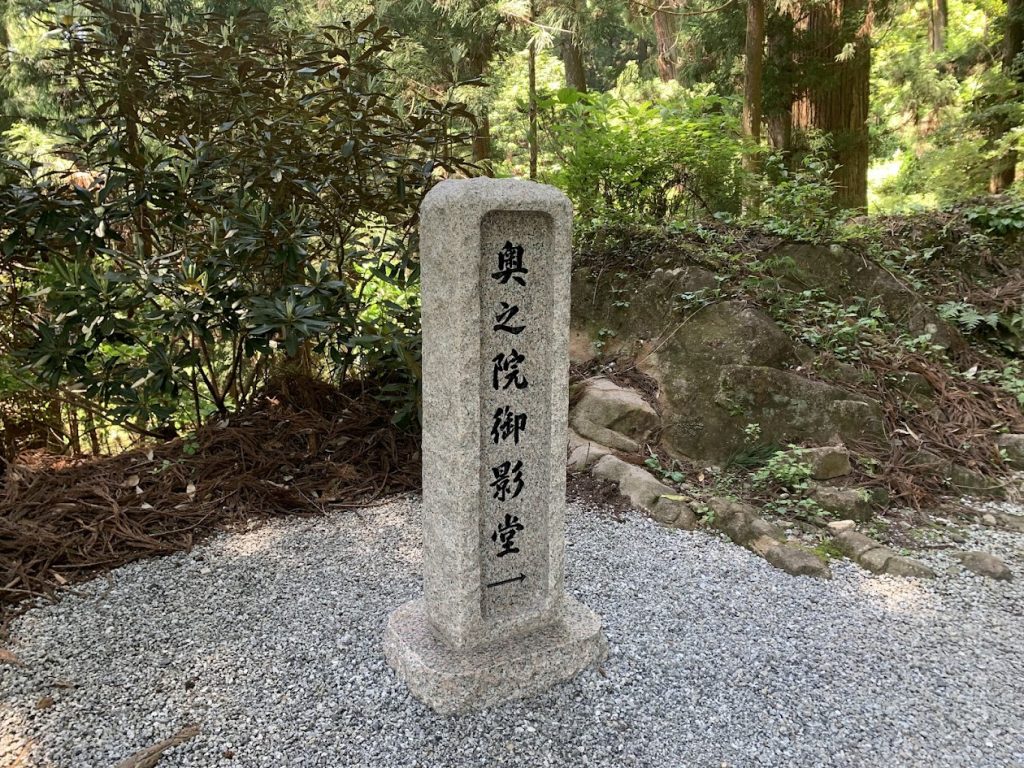
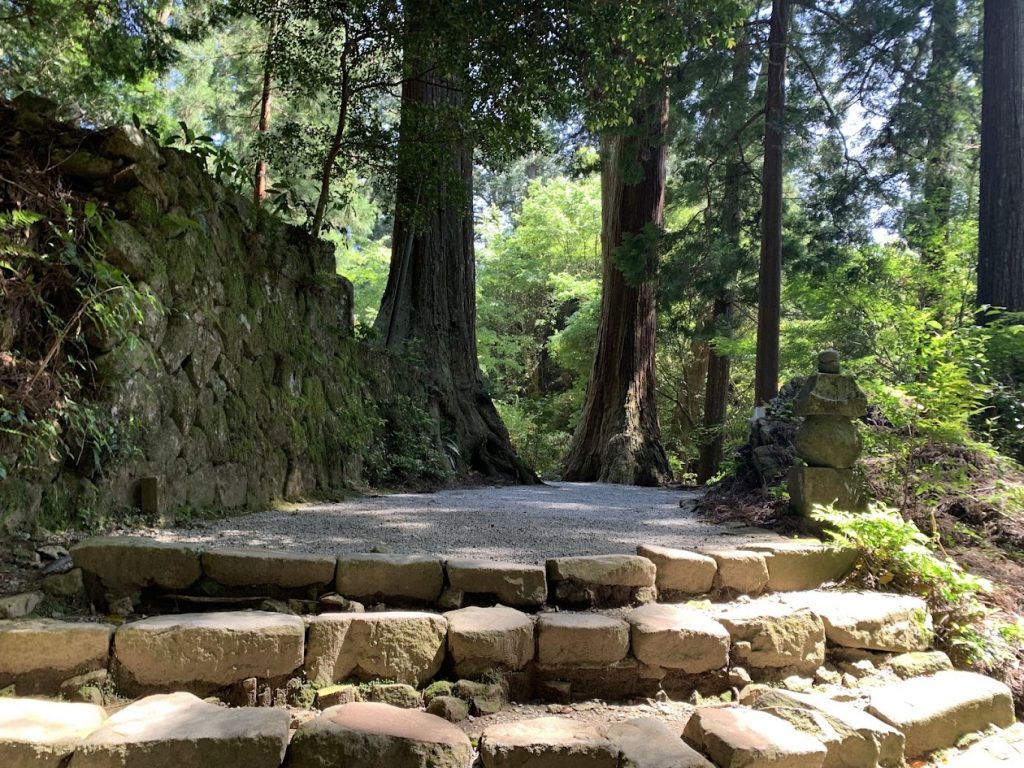
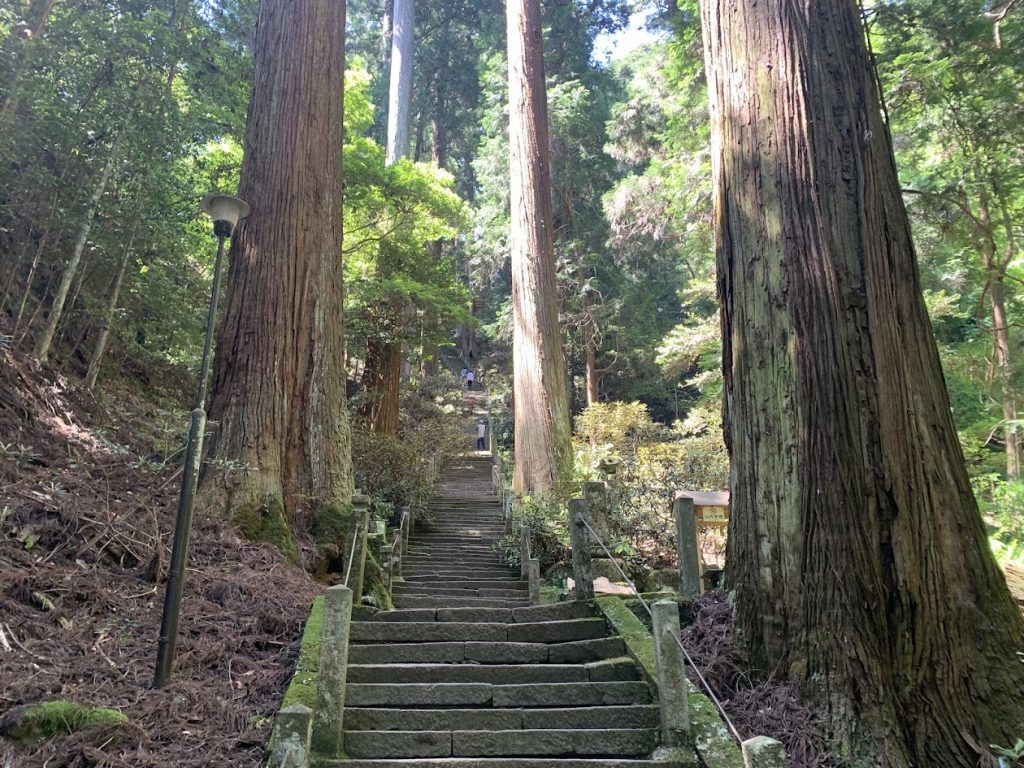
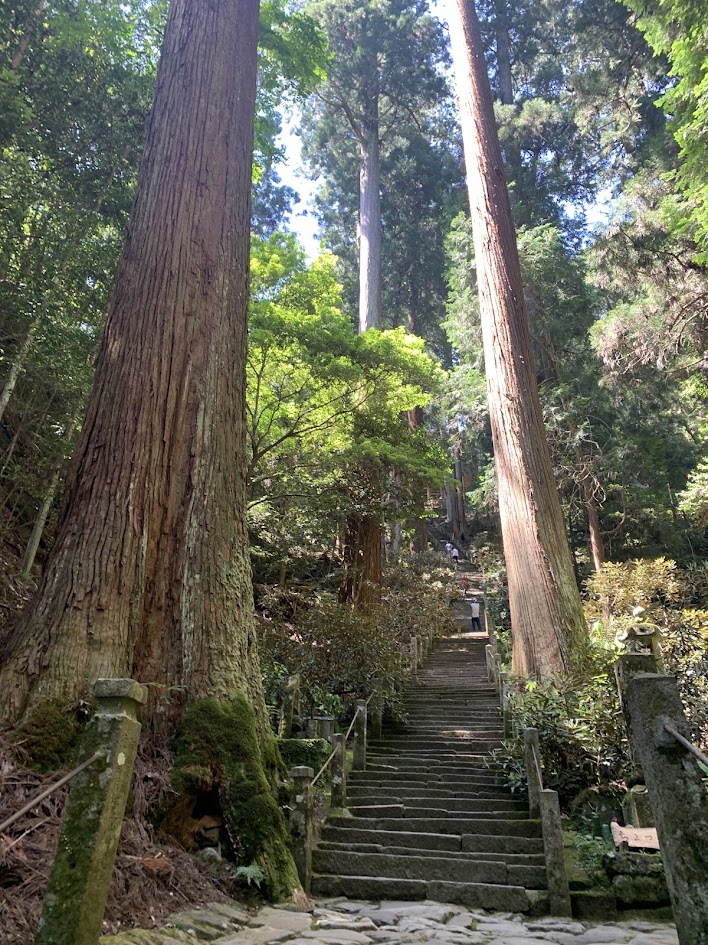
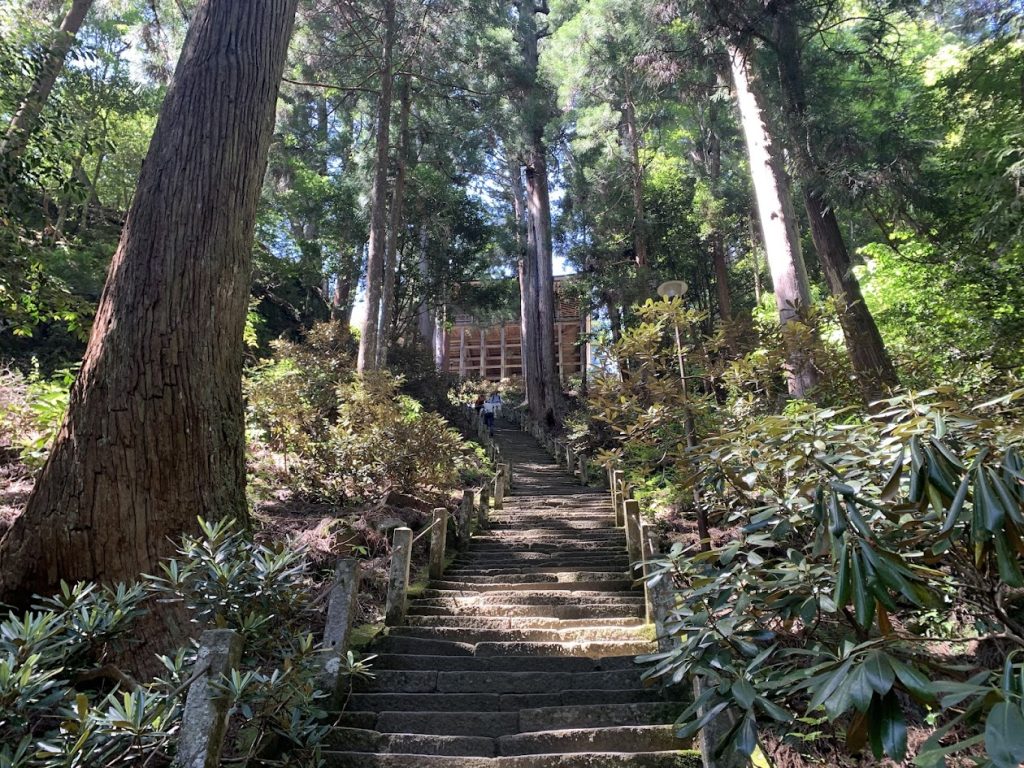
You can see the Inner Sanctuary now.
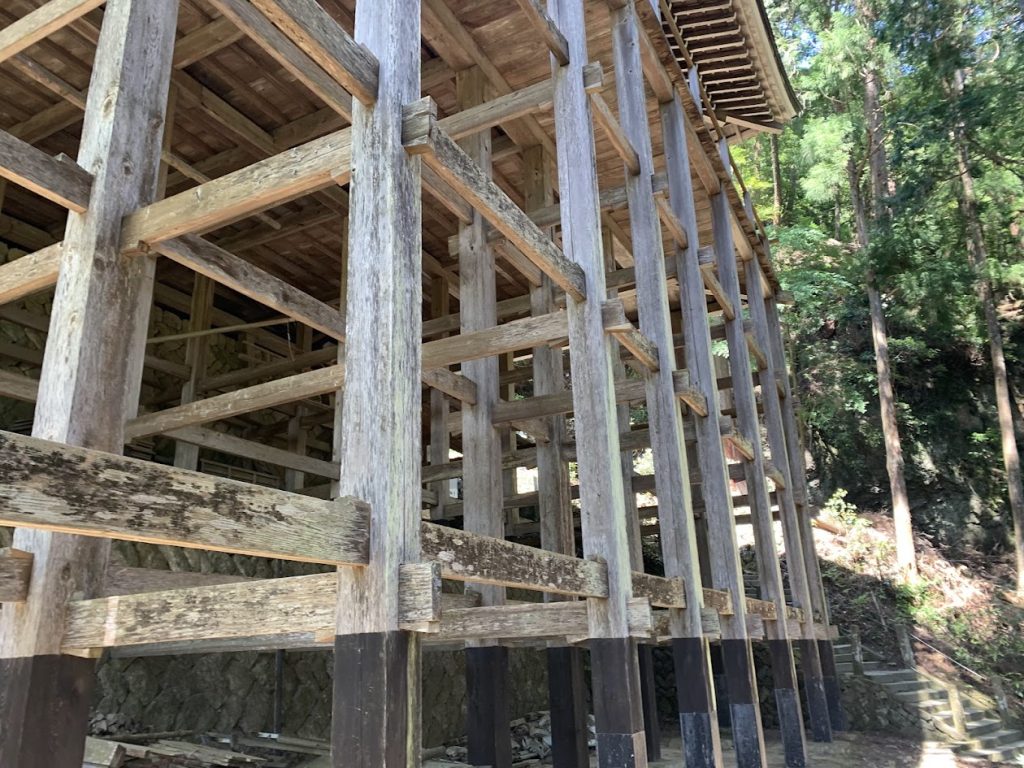
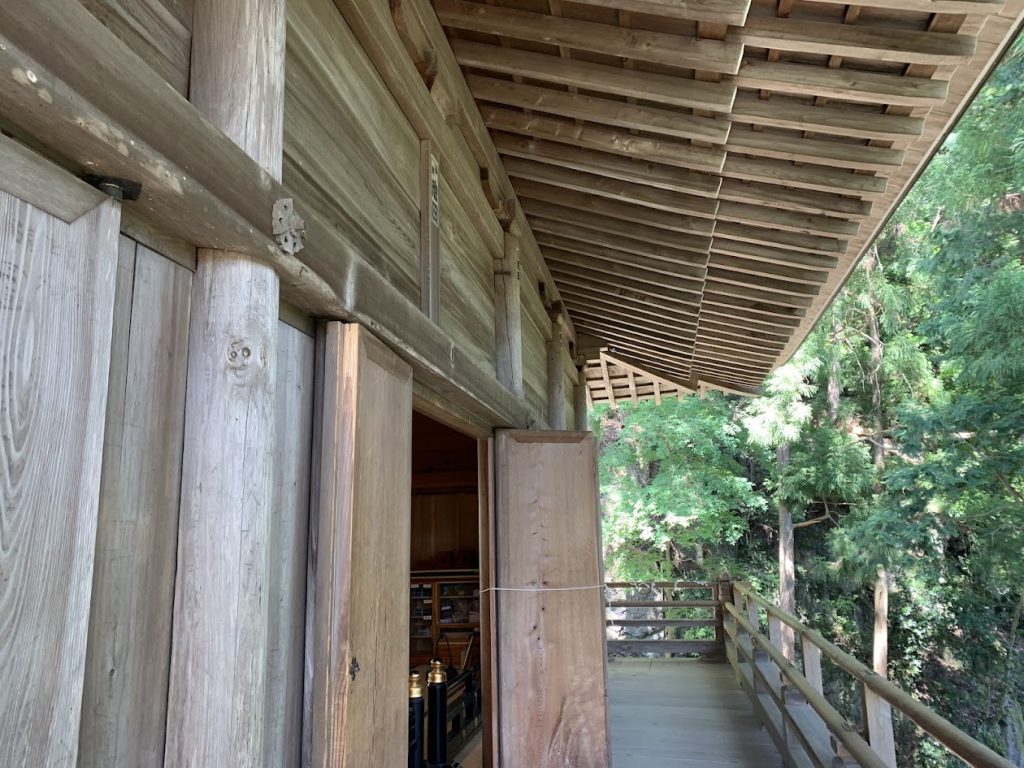
It is a building constructed using the “Kake-zukuri” method.
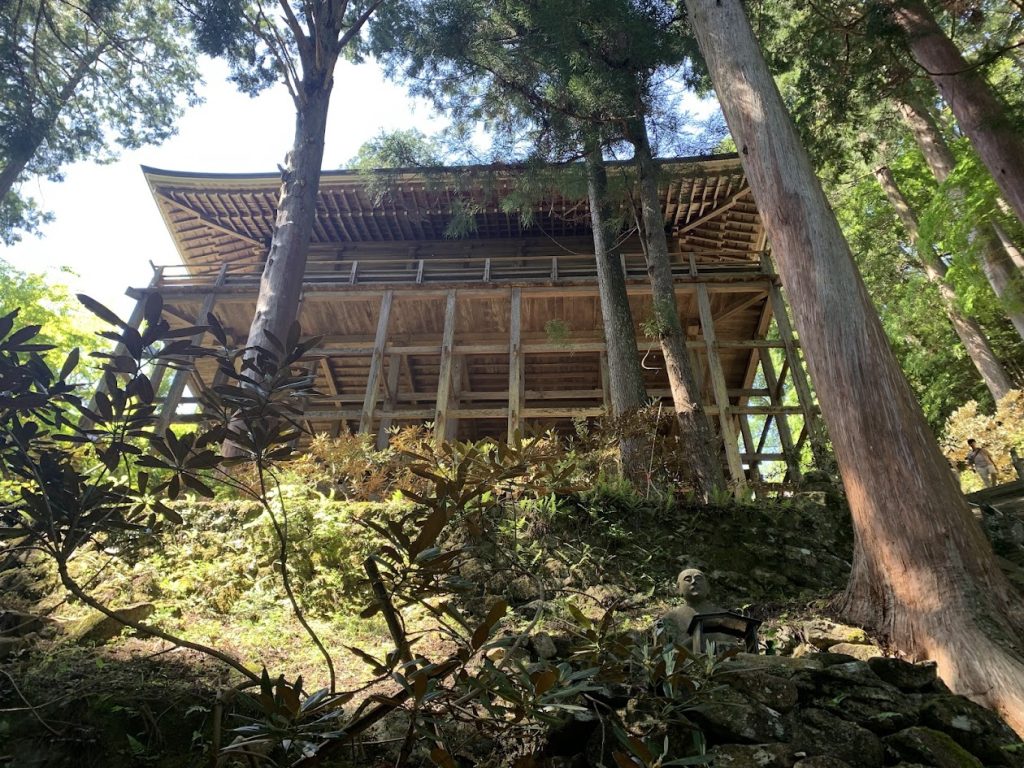
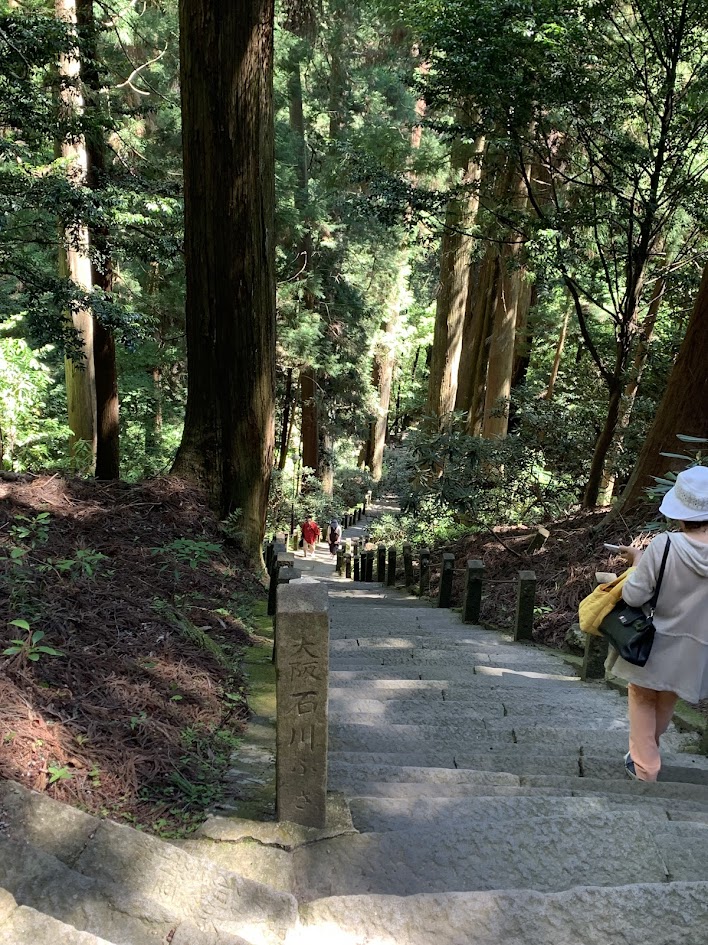

The Joto-do Hall of the Inner Sanctuary has pillars standing on a steep slope, built using the “Kake-zukuri” method.
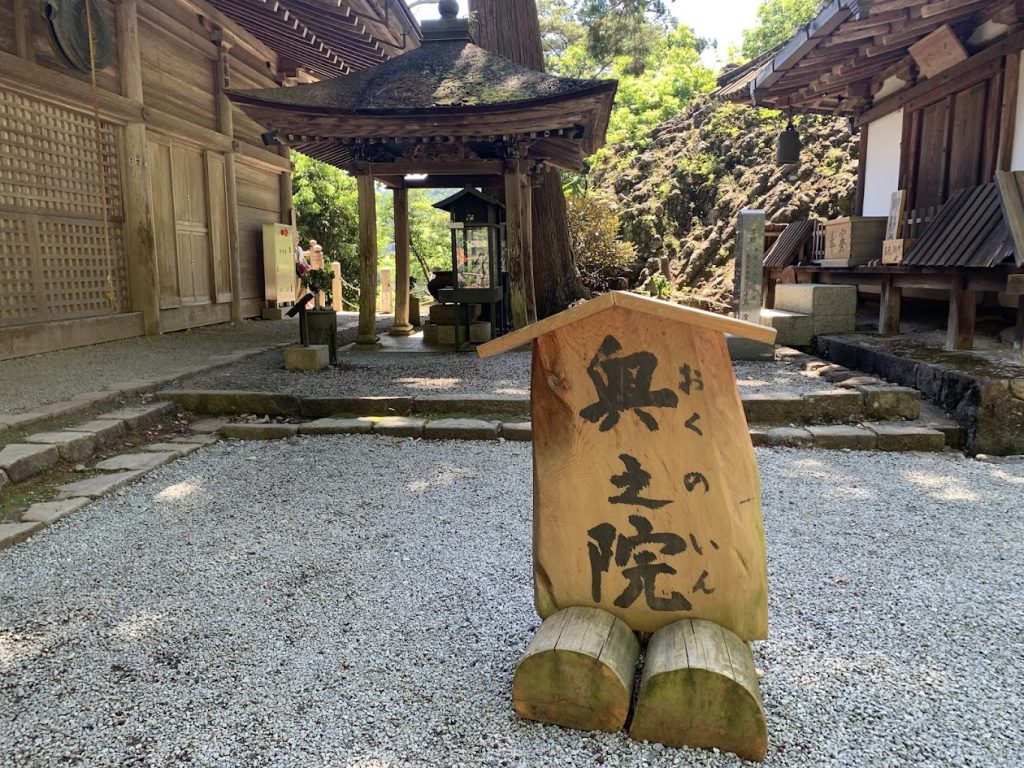
At the top of the stairs, you will find the Inner Sanctuary.
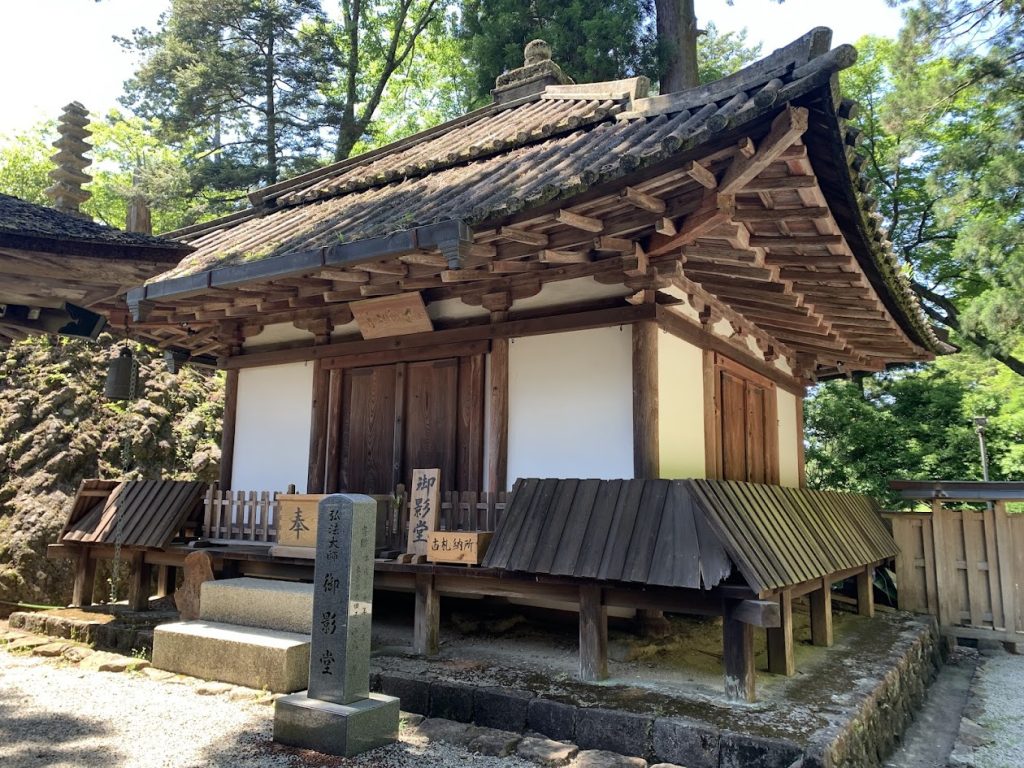
Mieido (The Hall of Kobo Daishi)
This hall enshrines a statue of Kobo Daishi Kukai and is also known as Daishi-do.
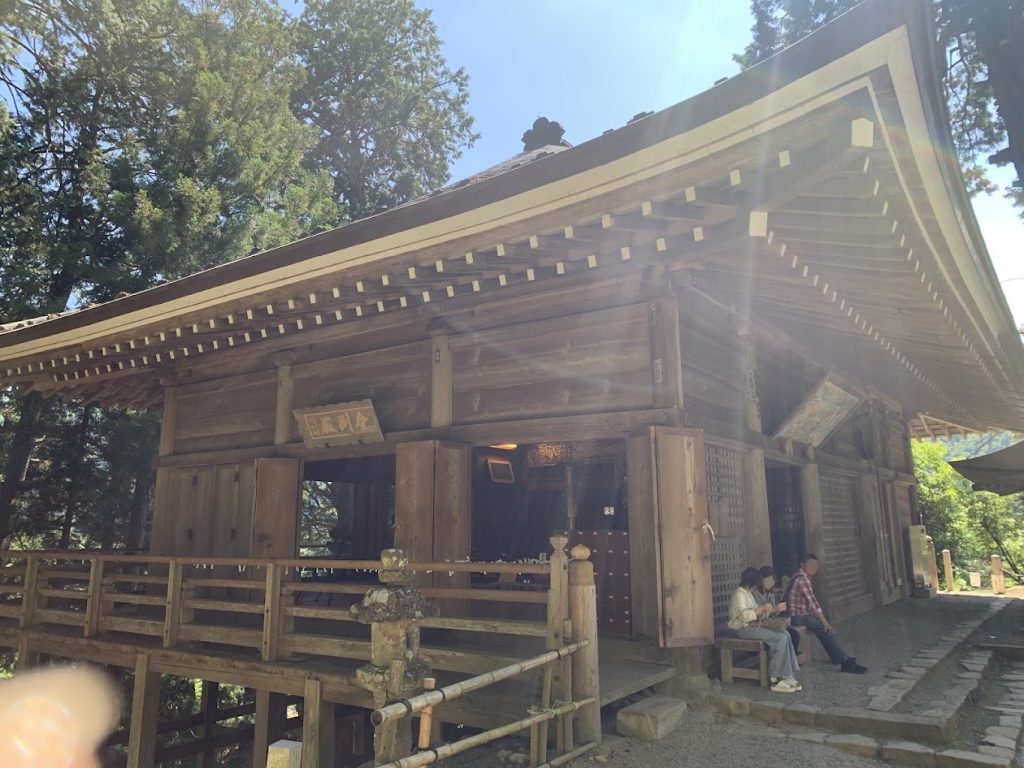
The Joto-do Hall
The term “Joto-do Hall” means “the hall where a light is always lit.
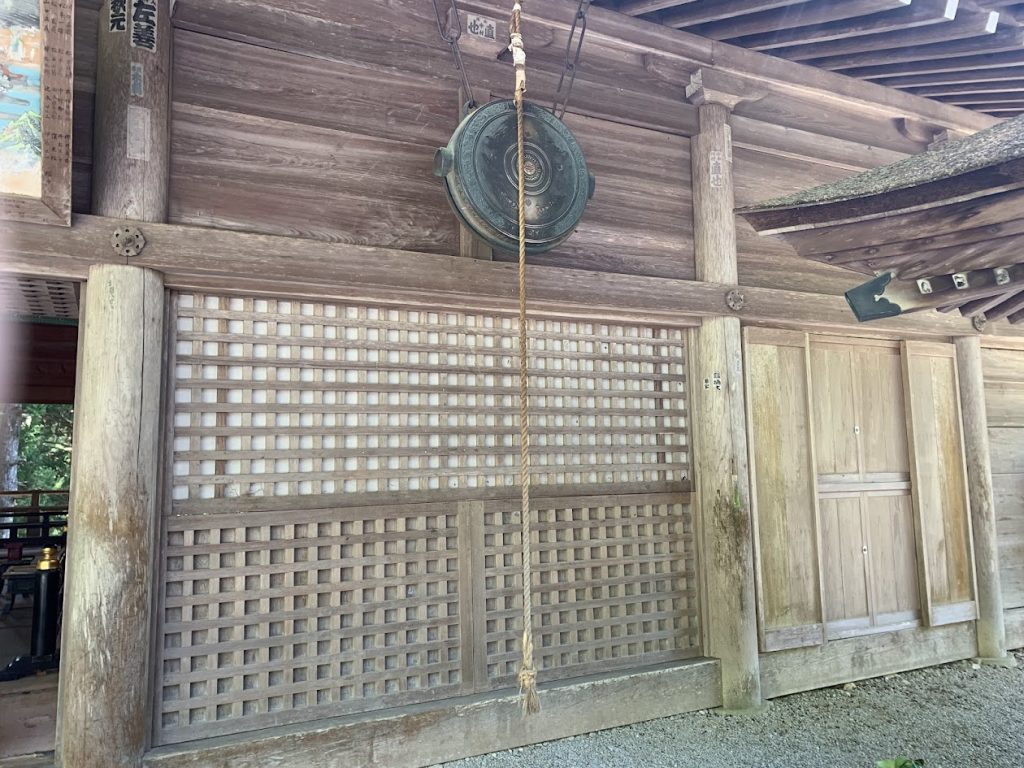
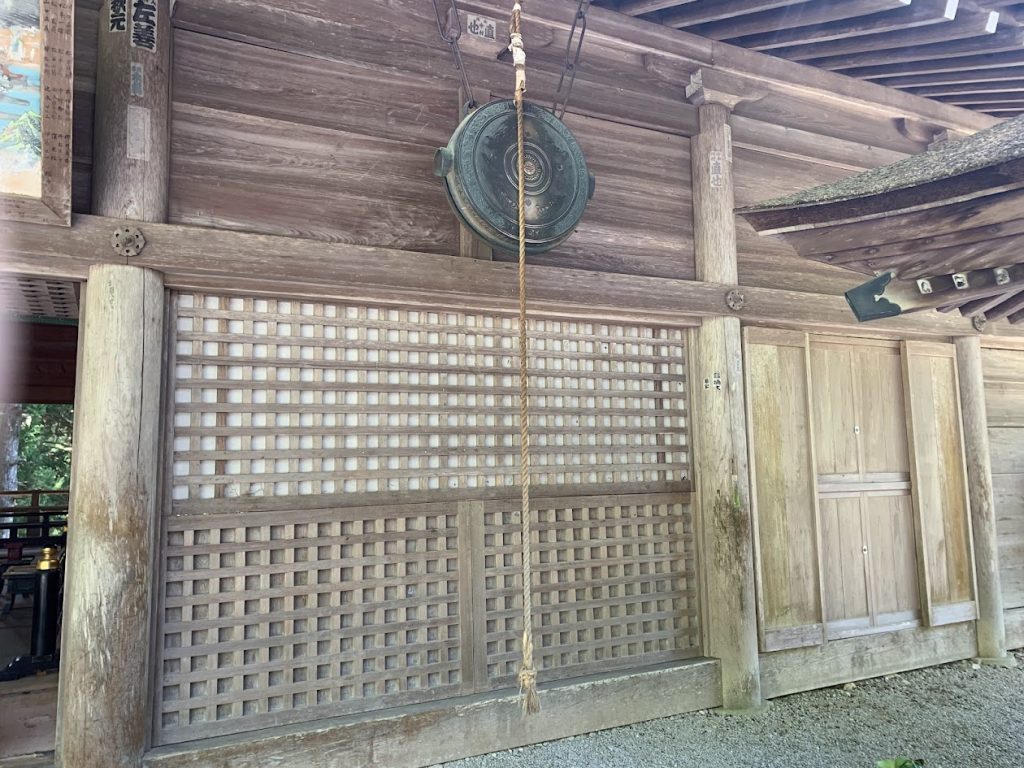
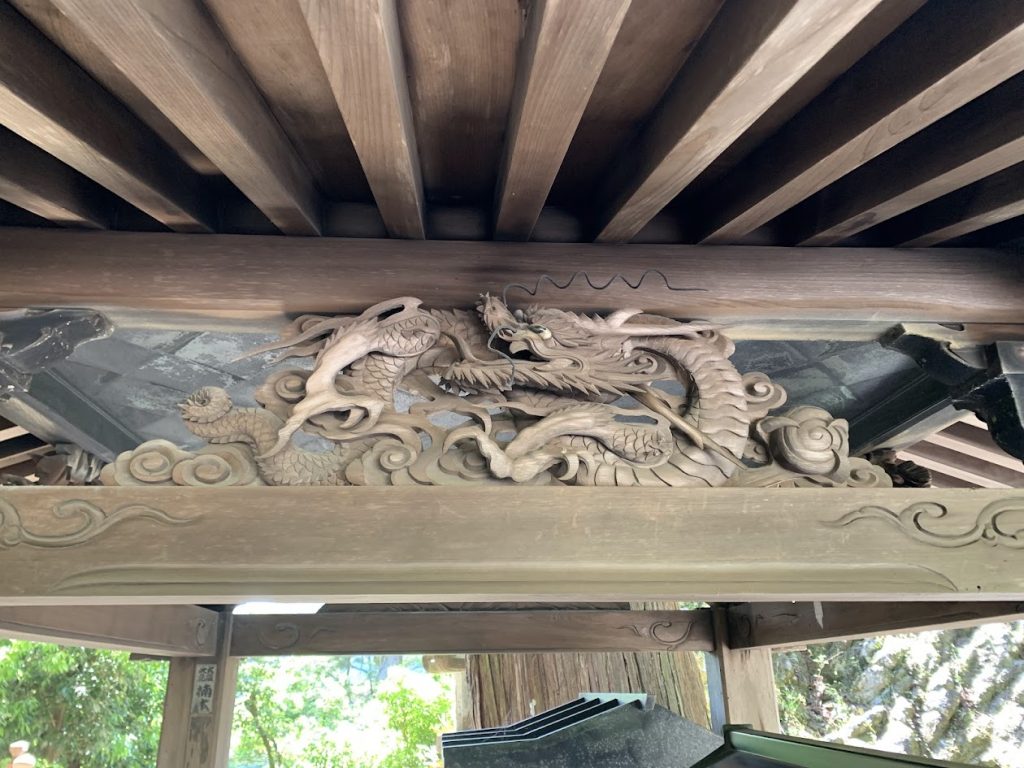
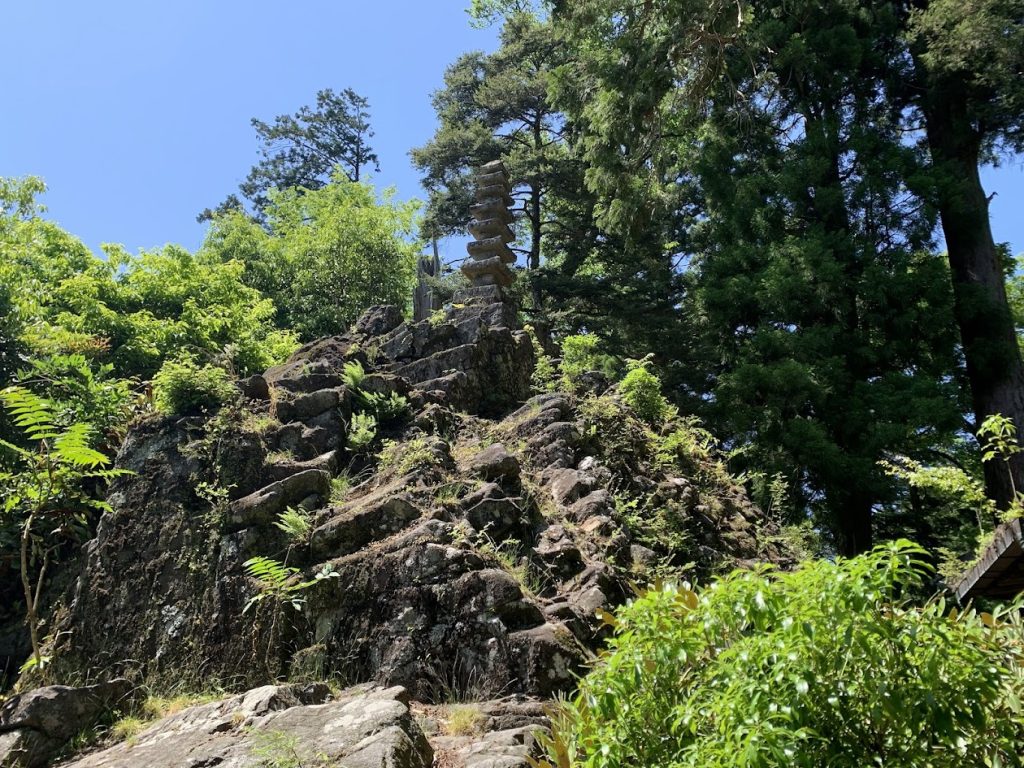
Seven-story stone pagoda
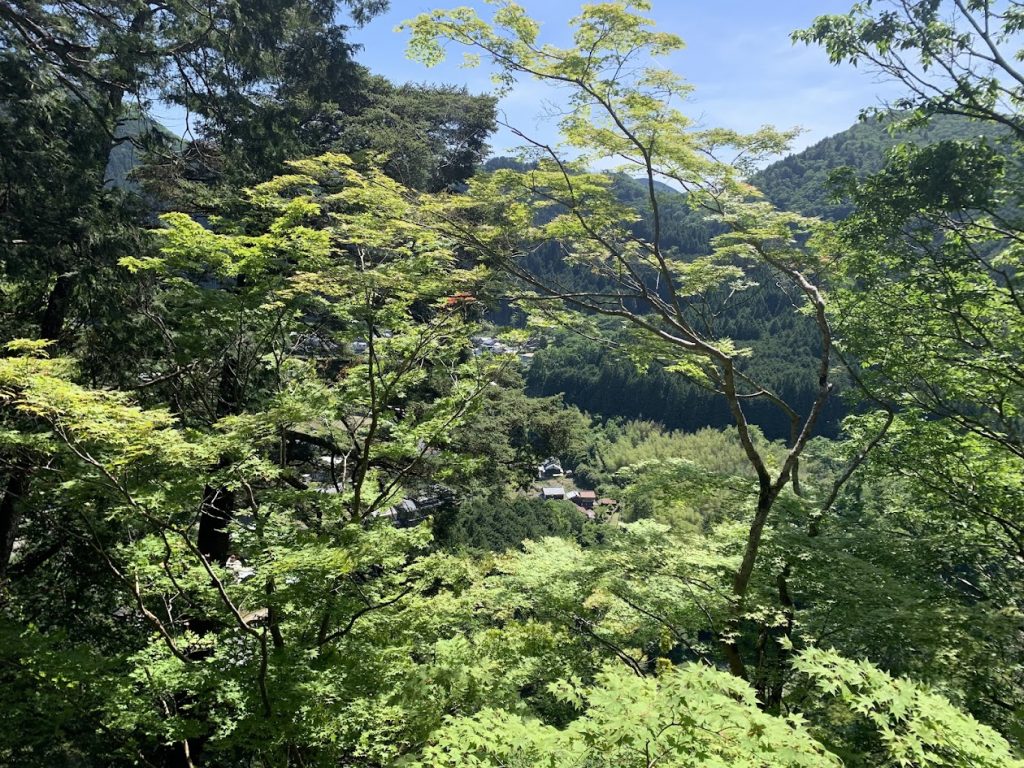
From the Joto-do Hall, you can see the village of Muro below.


コメント