

Saidaiji Temple

Saidai-ji Temple is just a few minutes’ walk from Kintetsu Yamato-Saidaiji Station. Founded during the Nara period, it was one of the Nanto Nana Daiji (Seven Great Temples of Nara) and had many large buildings.
After the capital moved to Kyoto, the temple’s influence declined, but it was rebuilt during the Kamakura period. Many of its structures were destroyed by fire during the Muromachi period. Most of the current buildings were constructed in the mid-Edo period.
Saidai-ji Temple is also famous for the “Ochamori” (Great Tea Ceremony), where participants drink tea from large bowls.

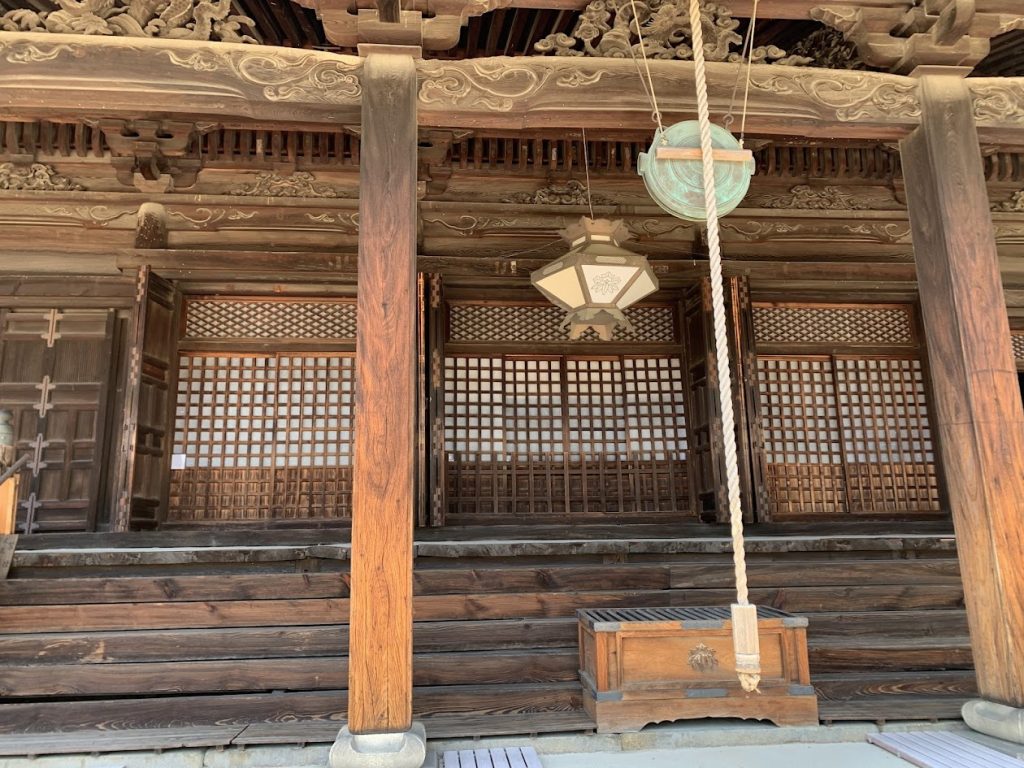
The Main Hall
It is an outstanding modern Buddhist structure, built using a unique construction technique that does not rely on earthen walls.
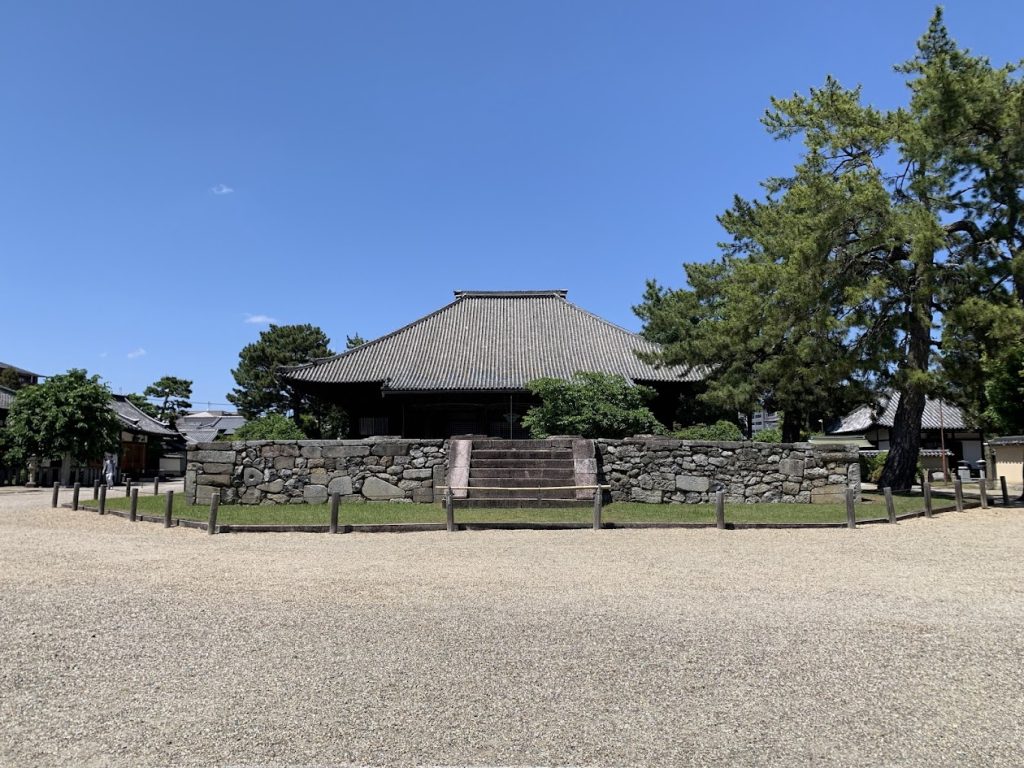
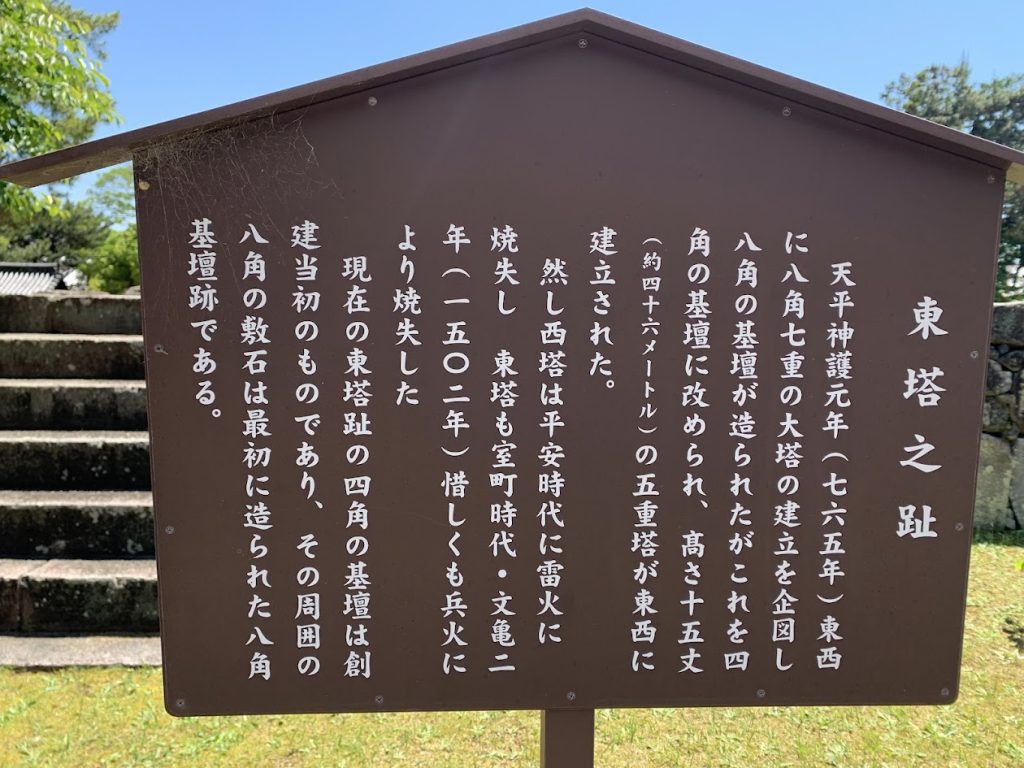
The Site of the East Pagoda and the Main Hall
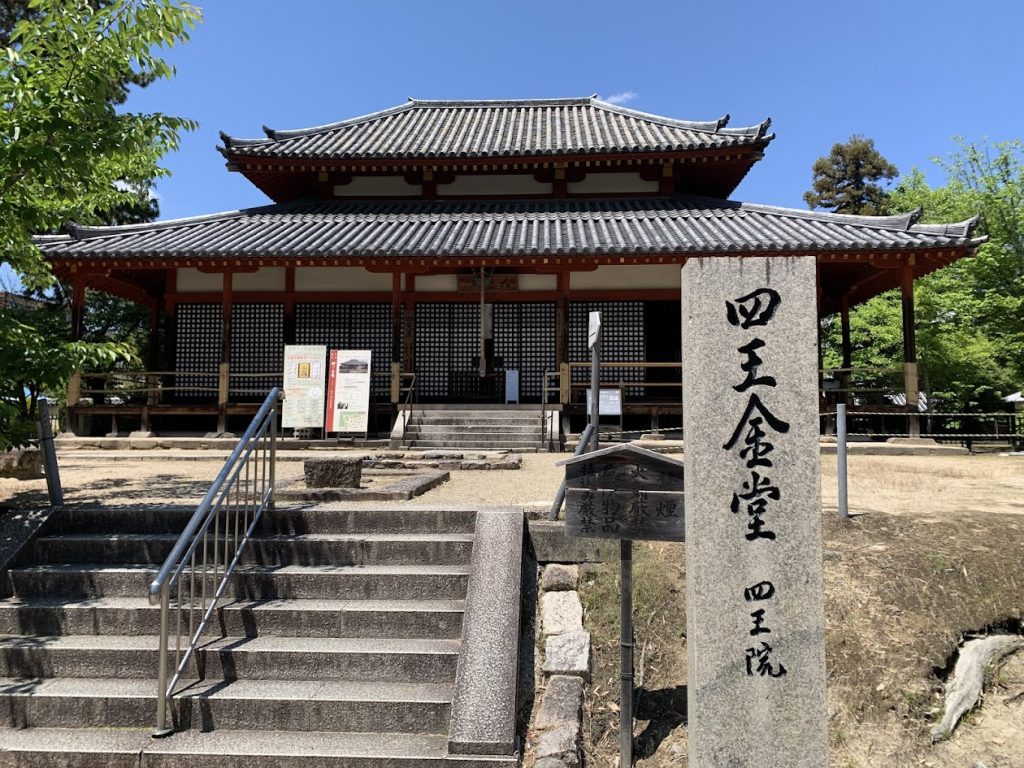
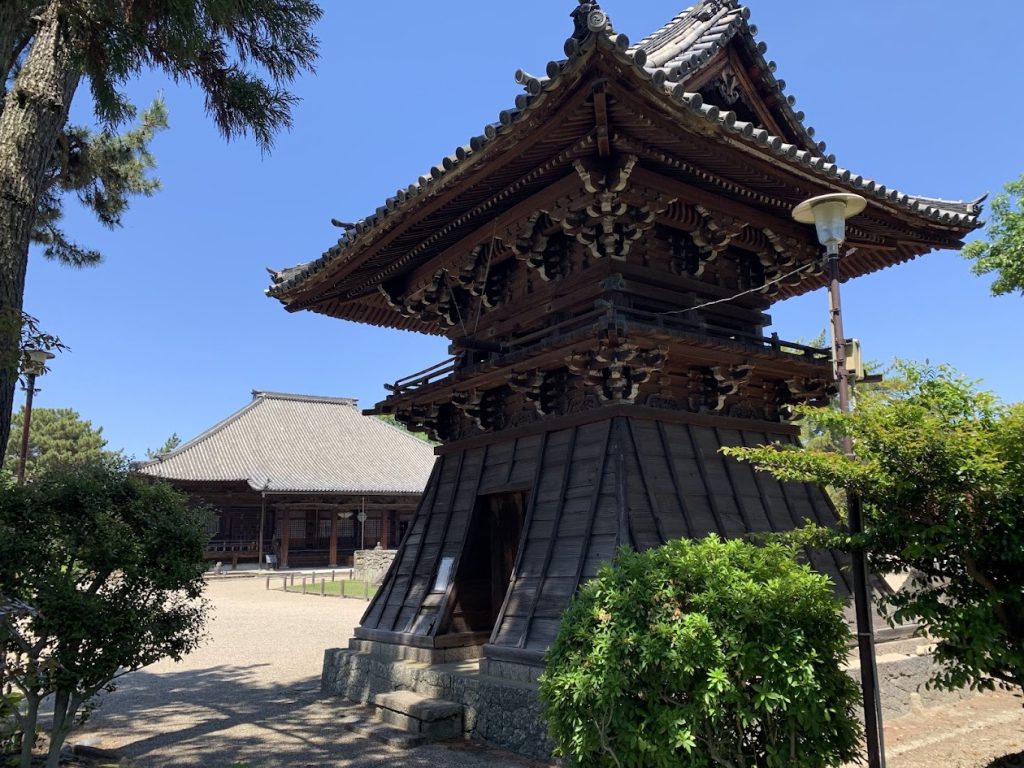
The Bell Tower
Sugawara Tenmangu Shrine
Starting from Saidaiji Temple, located right next to Kintetsu Yamato-Saidaiji Station, you can walk almost directly south along a route known as the “Lotus Road.”
Along the way, you’ll pass Sugawara Tenmangu Shrine, the birthplace of Sugawara no Michizane, and Kiko-ji Temple, where Emperor Shomu is said to have seen a mysterious light. Continuing on, you’ll come to the Mausoleum of Emperor Suinin, followed by Toshodai-ji Temple and Yakushi-ji Temple.
Yakushi-ji is located close to Kintetsu Nishinokyo Station, from where you can take a train or bus back.
These four temples are known for their beautiful lotus flowers, which bloom in summer and delight visitors with their seasonal charm.
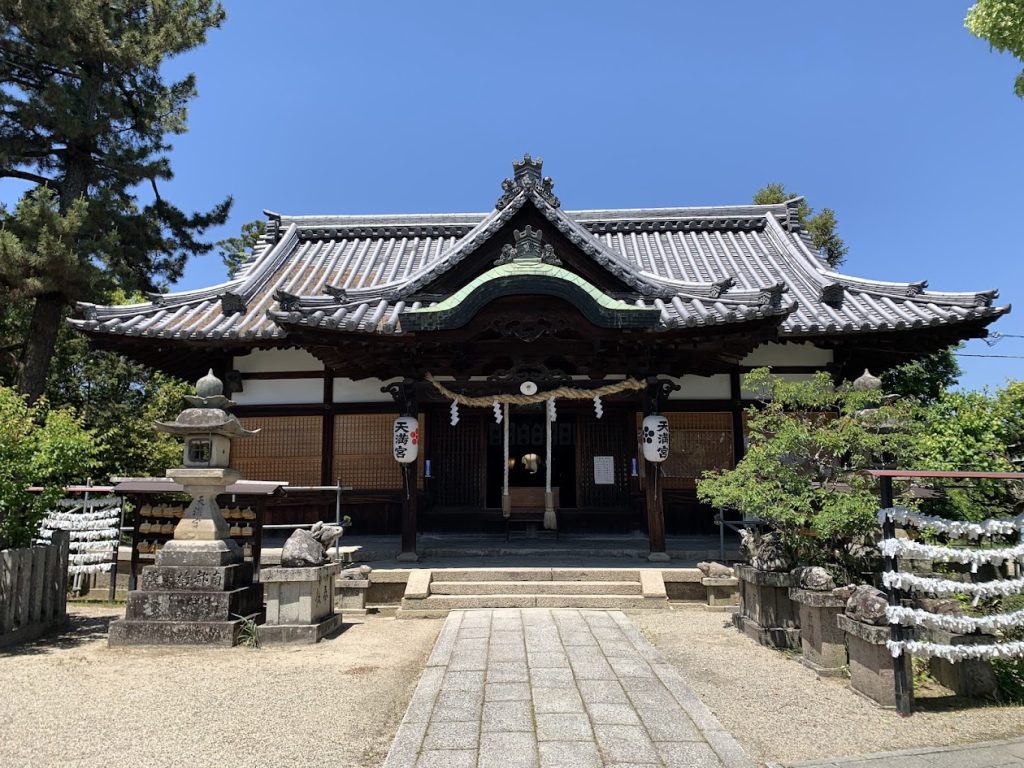
Sugawara Tenmangu Shrine
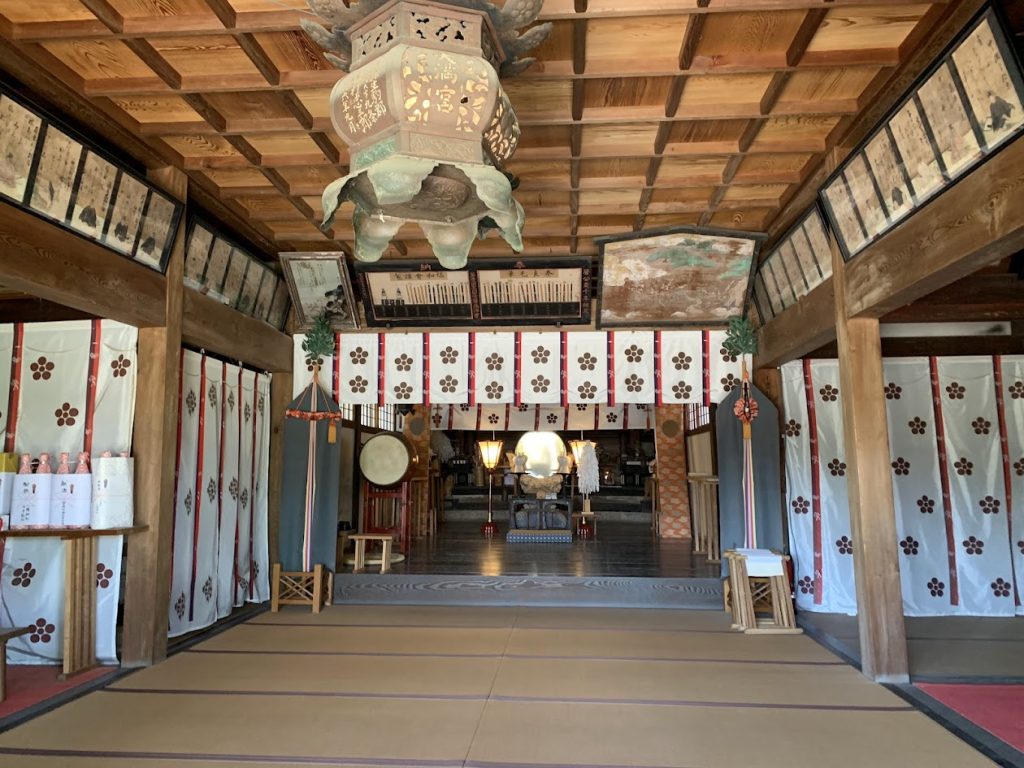
This is the oldest Tenmangu Shrine in Japan, dedicated to Sugawara no Michizane, and is said to be the place of his birth.
Many people visit the shrine to pray for academic success and exam passes.
It is a 15-minute walk south from Kintetsu Yamato-Shaidaiji Station or a 15-minute walk west from Kintetsu Amagatsuchi Station.
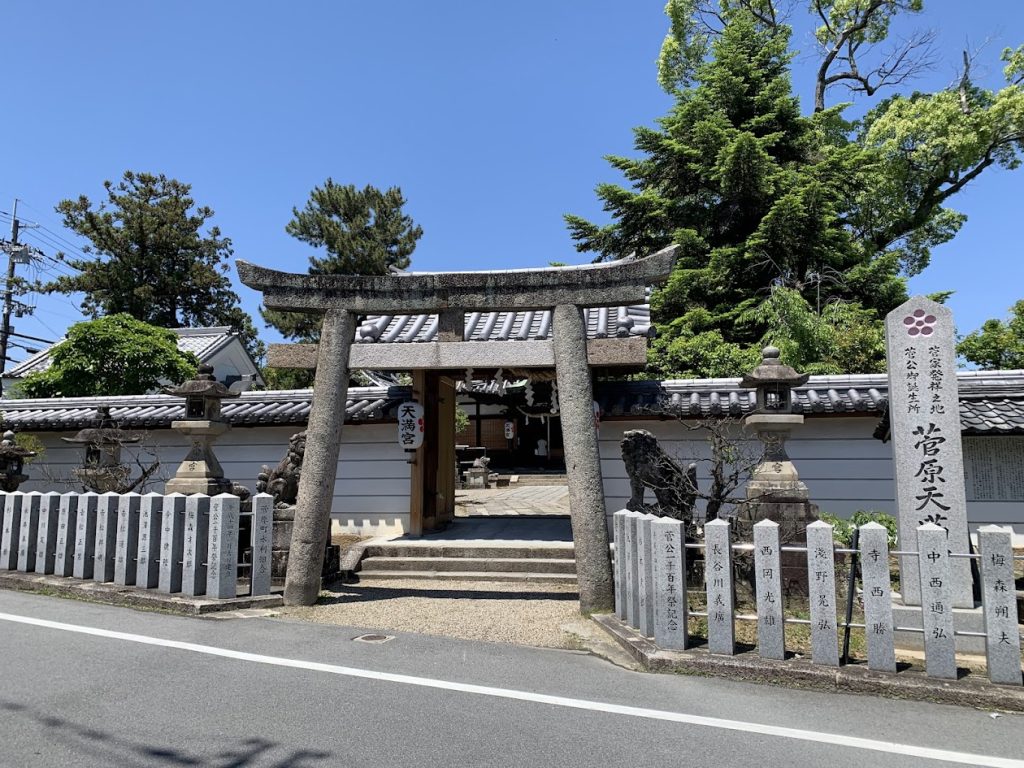
The deity enshrined at Sugawara Tenmangu is honored as the “Deity of Learning,” the “Deity of Calligraphy,” and the “Deity of Protection from Misfortune.”
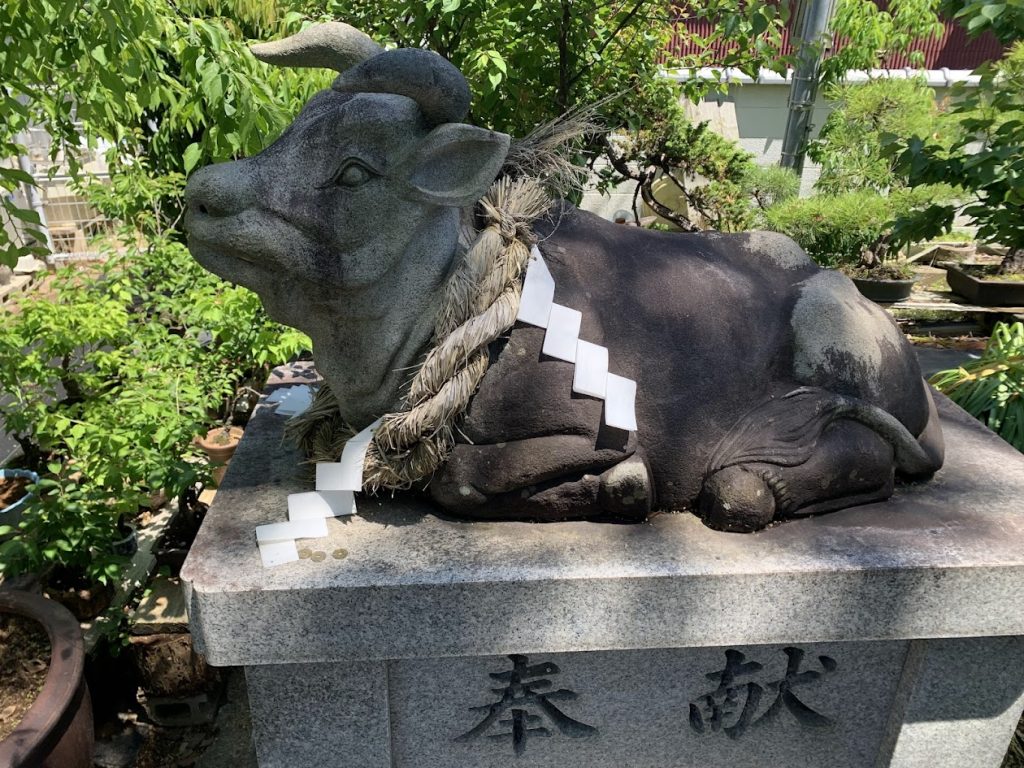
For this deity, the ox is considered the messenger.
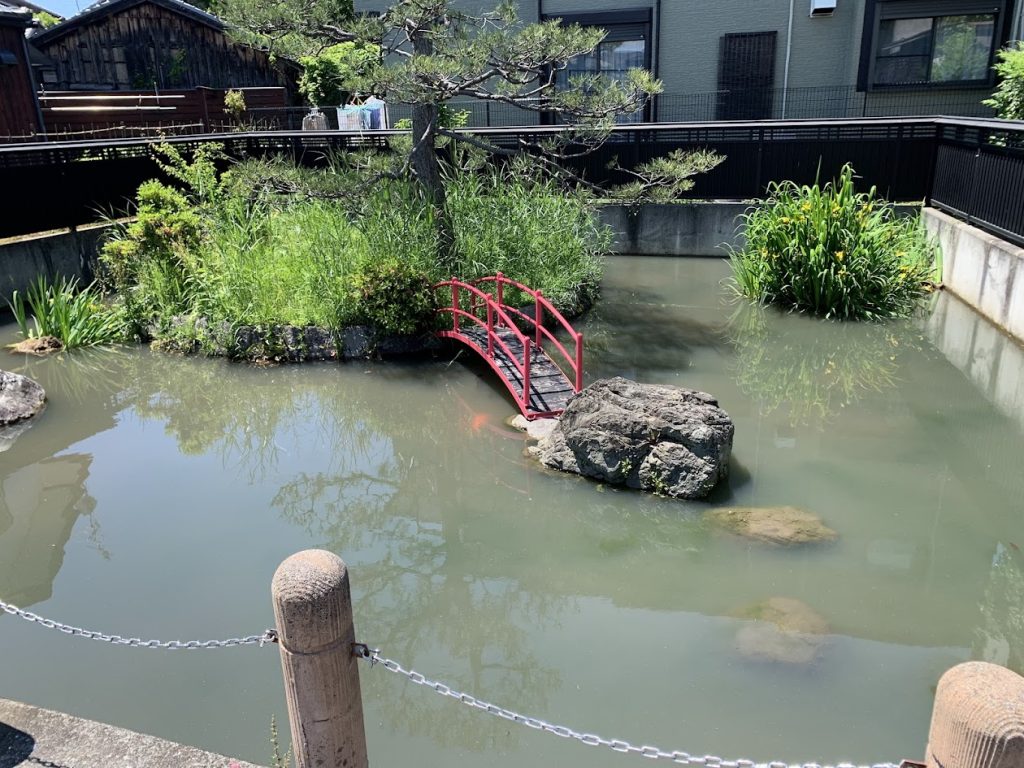
The birthplace of Sugawara no Michizane is located about 100 meters east of Sugawara Tenmangu Shrine.
This pond is said to be where he had his first bath as a newborn. It is believed that his mother returned to her hometown to give birth to him here.
Kikoji Temple
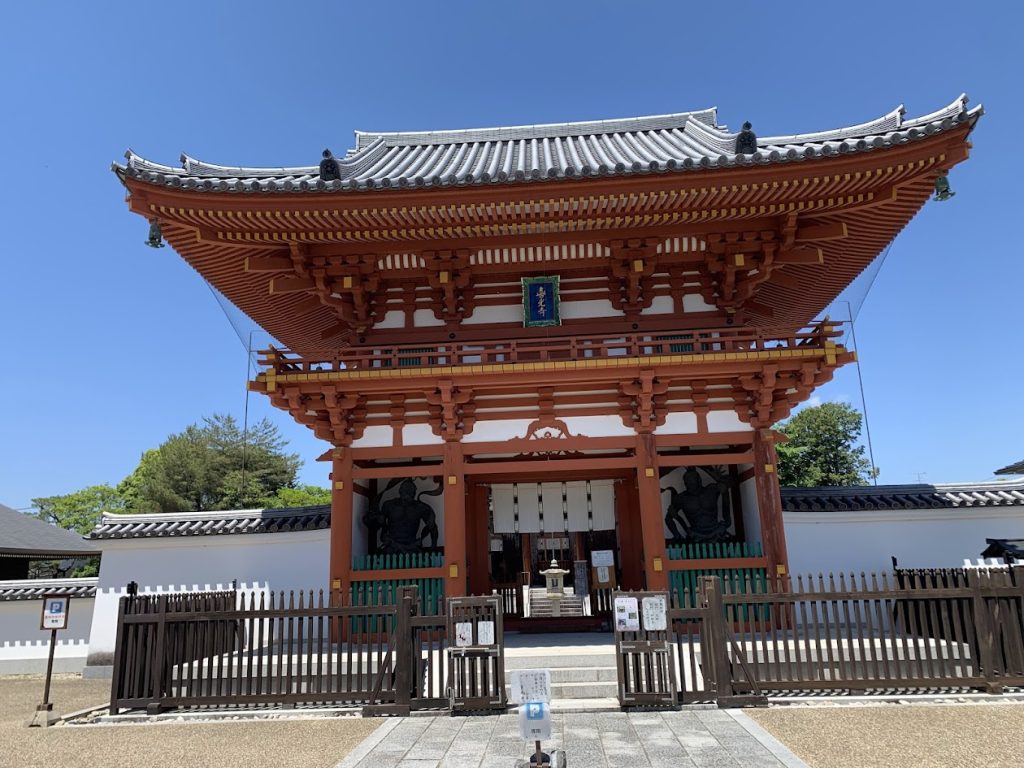
Kiko-ji Temple
Kiko-ji Temple is located south of Saidai-ji Temple and near Sugawara Tenmangu Shrine.
It was founded in 721 during the Nara period by the monk Gyoki.
At that time, the area was known as Sugawara no Sato, so the temple was originally called “Sugawara-dera.”
Gyoki played an important role in the construction of Todai-ji Temple, and the design of Kiko-ji’s main hall served as a model for the Great Buddha Hall (Daibutsuden), earning the temple the nickname “The Trial Hall for the Great Buddha.”
In 748, when Emperor Shomu visited the temple, he saw a mysterious light radiating from the temple’s principal deity.
He was so moved by this experience that the temple was renamed Kiko-ji, meaning “Temple of Joyful Light.”
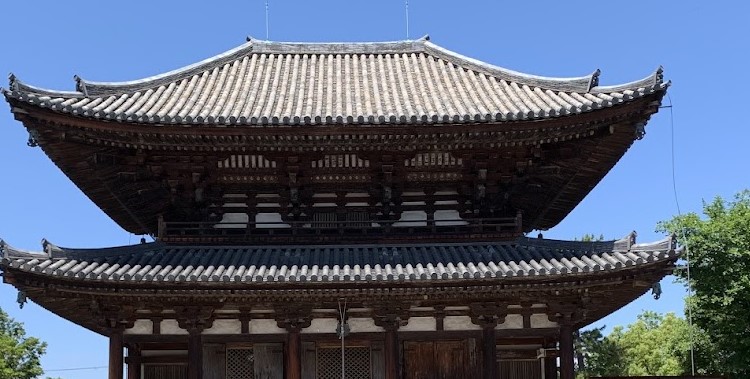
Main Hall
During the lotus flower season, a route connecting Saidai-ji Temple, Kiko-ji Temple, Toshodai-ji Temple, and Yakushi-ji Temple is called the “Lotus Road.”
This initiative allows visitors to enjoy both the temples and the blooming lotus flowers.
The route runs between Kintetsu Yamato-Saidaiji Station and Kintetsu Nishinokyo Station.
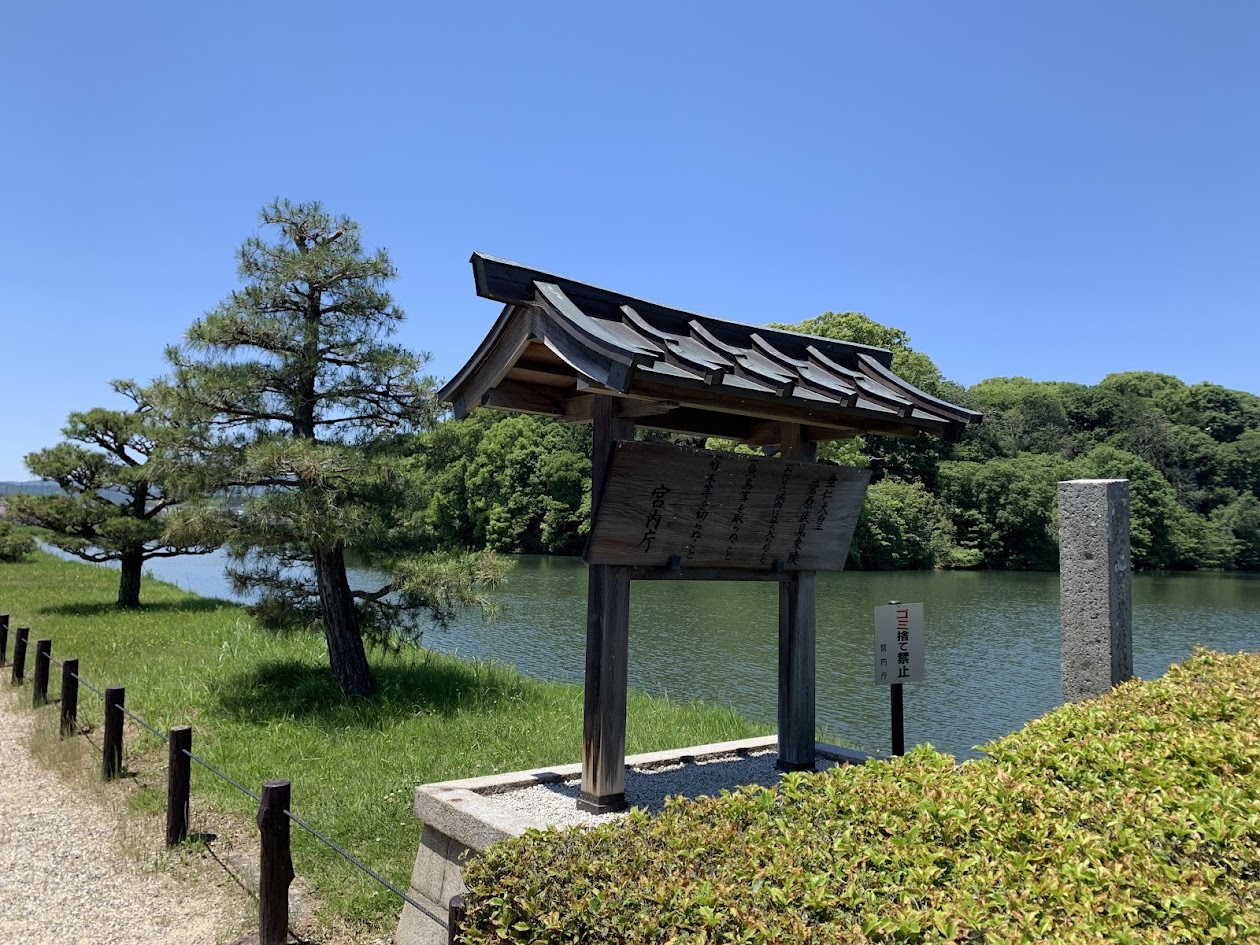
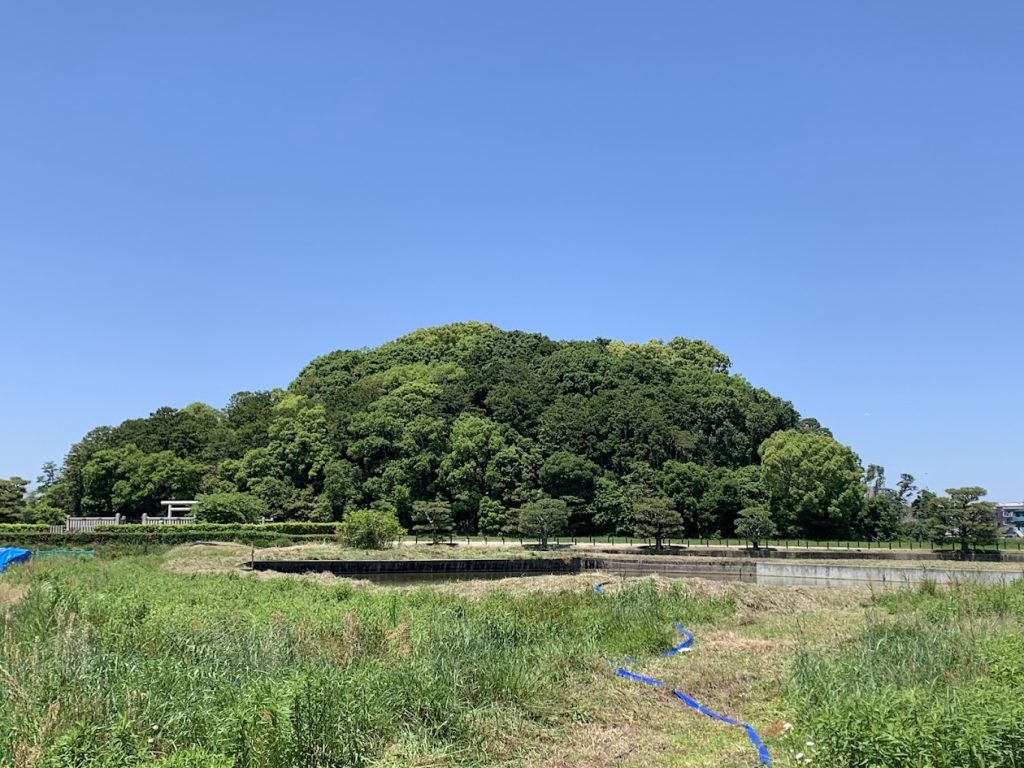
Emperor Suinin’s Mausoleum
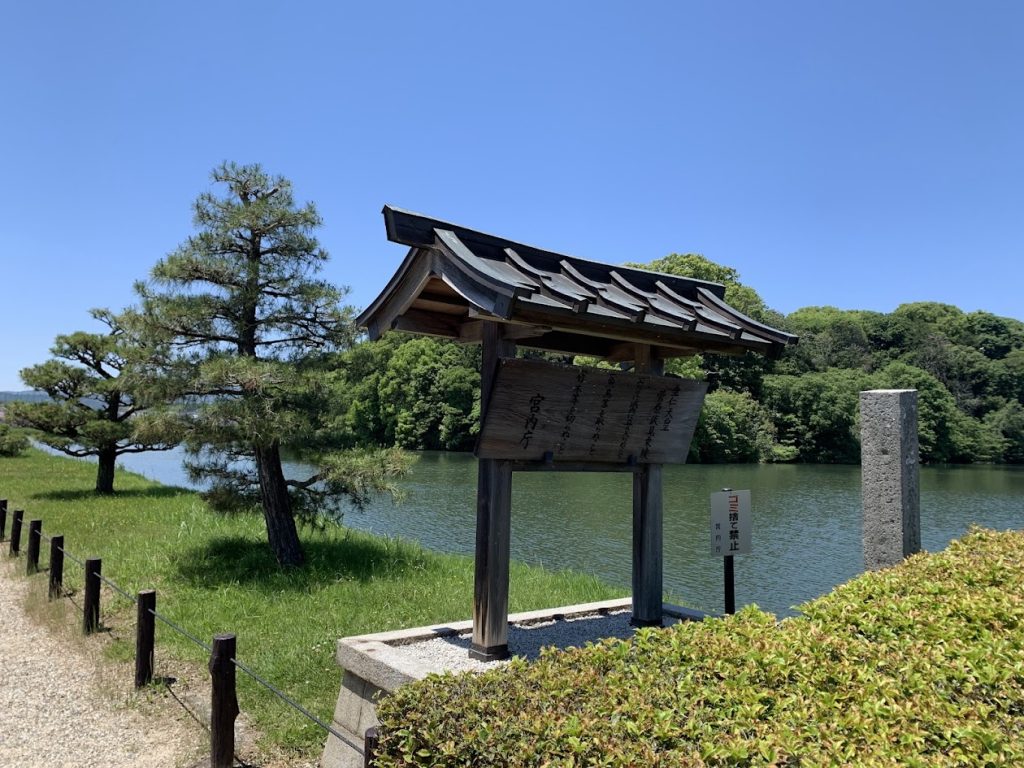
Emperor Suinin’s Mausoleum
Located between Kintetsu Nishinokyo Station and Amagatsuji Station, this keyhole-shaped tomb is easily visible from the train.
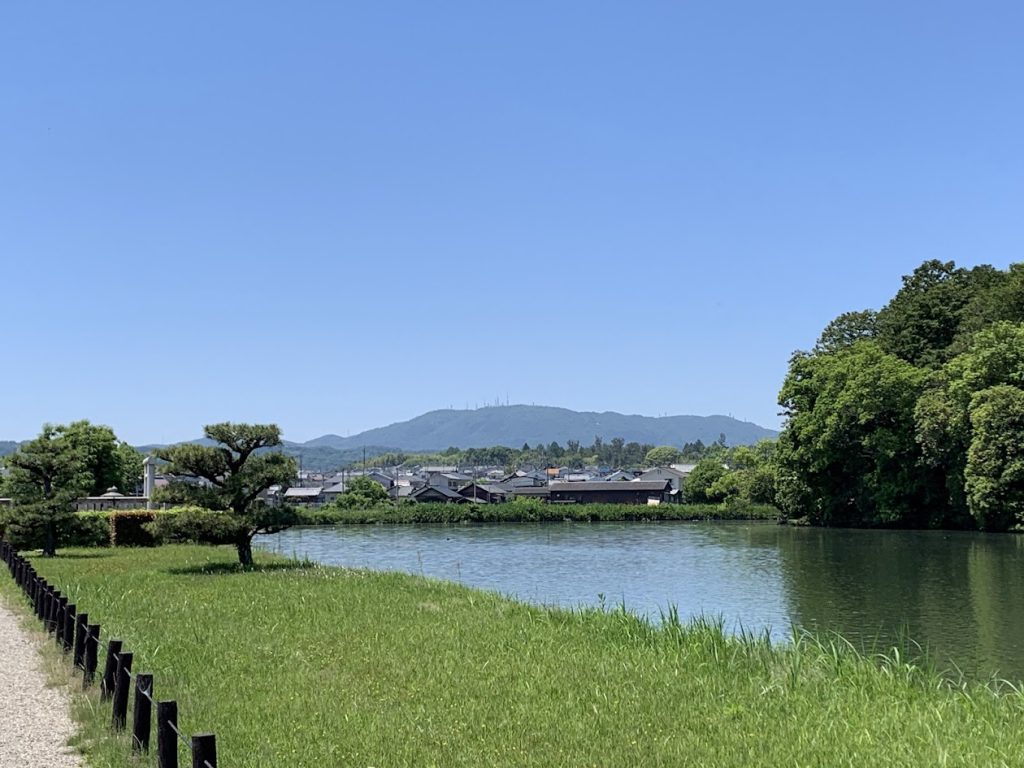
The mountain visible beyond this mausoleum is Mt. Ikoma.
On the other side of Mt. Ikoma is Osaka, and the mountain pass at the border of the two prefectures is called Kuragari-toge (Kuragari mountain Pass).
The road from Osaka that crosses Kuragari mountain Pass into Nara is known as the Kuragari-goe Nara Road, and it passes along the north side of this mausoleum.
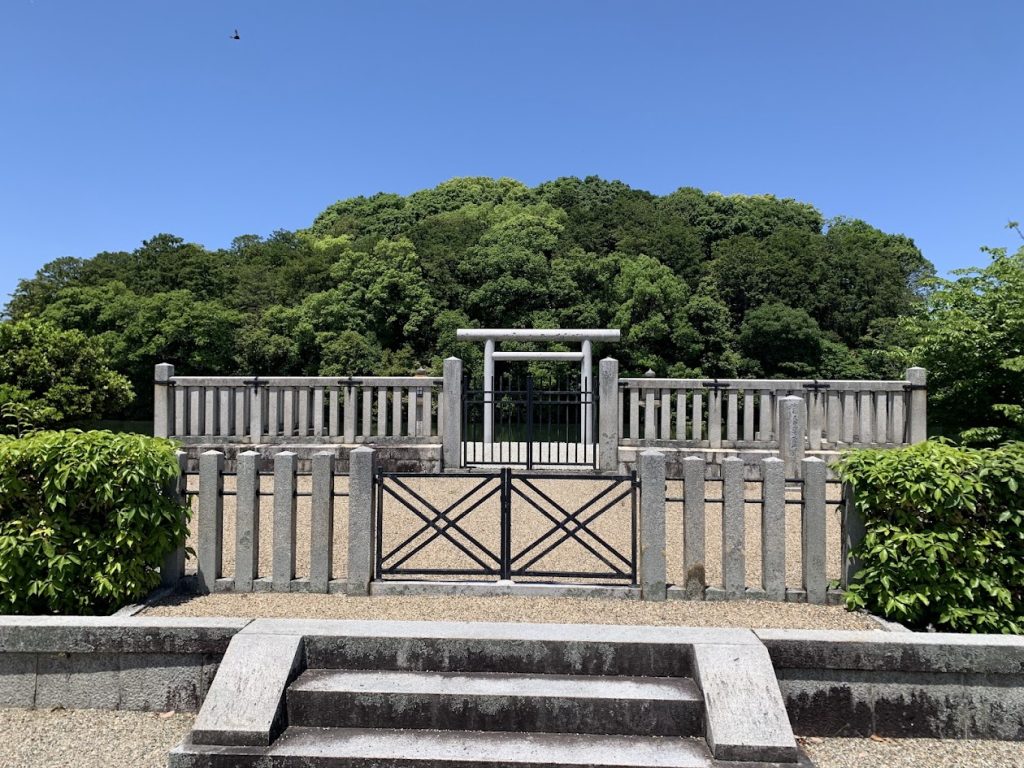
The path continues ahead to Toshodaiji Temple and Yakushiji Temple.
For your return, Kintetsu Nishinokyo Station is conveniently located near Yakushiji Temple.
You can take a Kintetsu train or a bus bound for Kasuga Taisha Shrine, which stops at JR Nara Station and Kintetsu Nara Station along the way.

コメント