
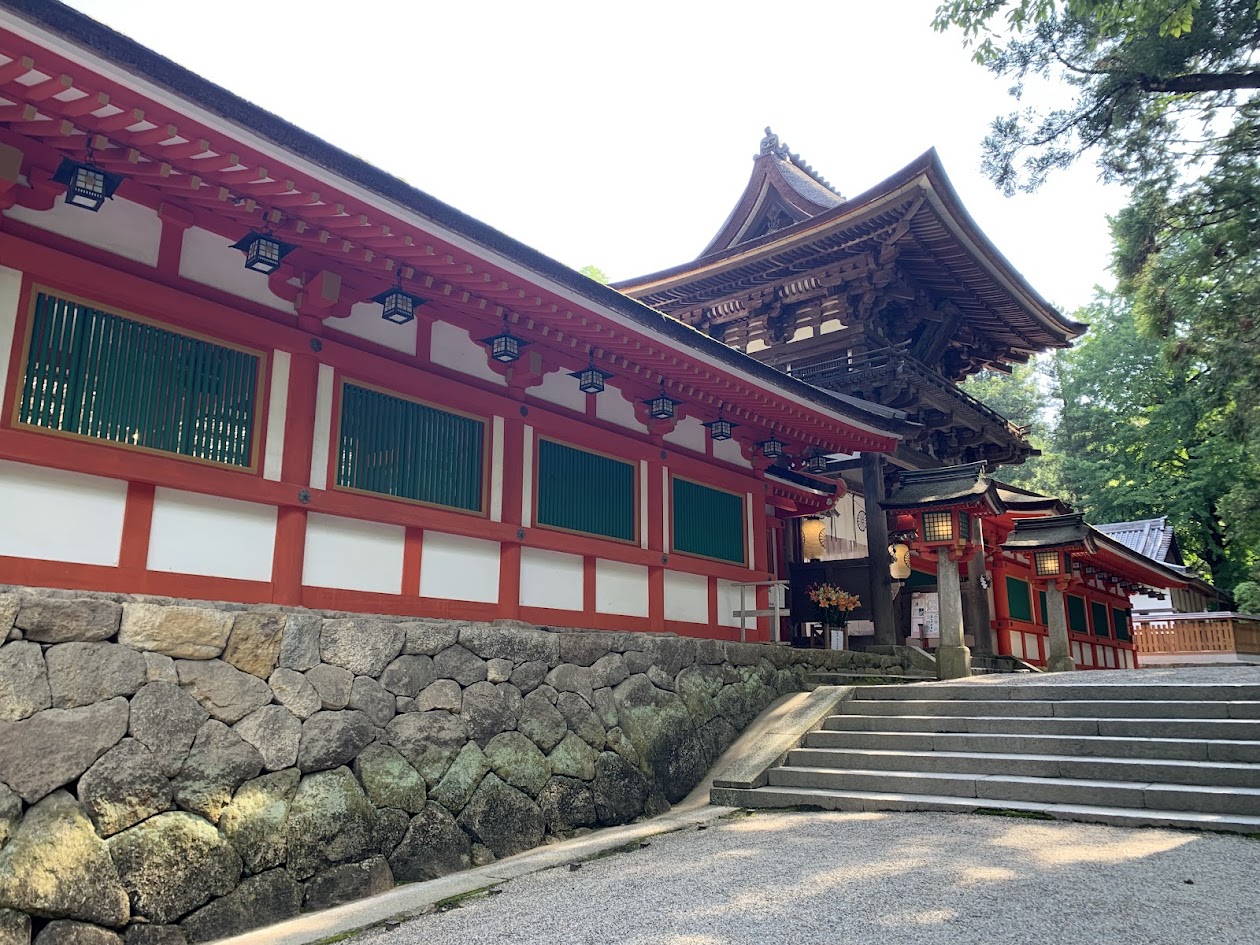

Isonokami jingu Shrine
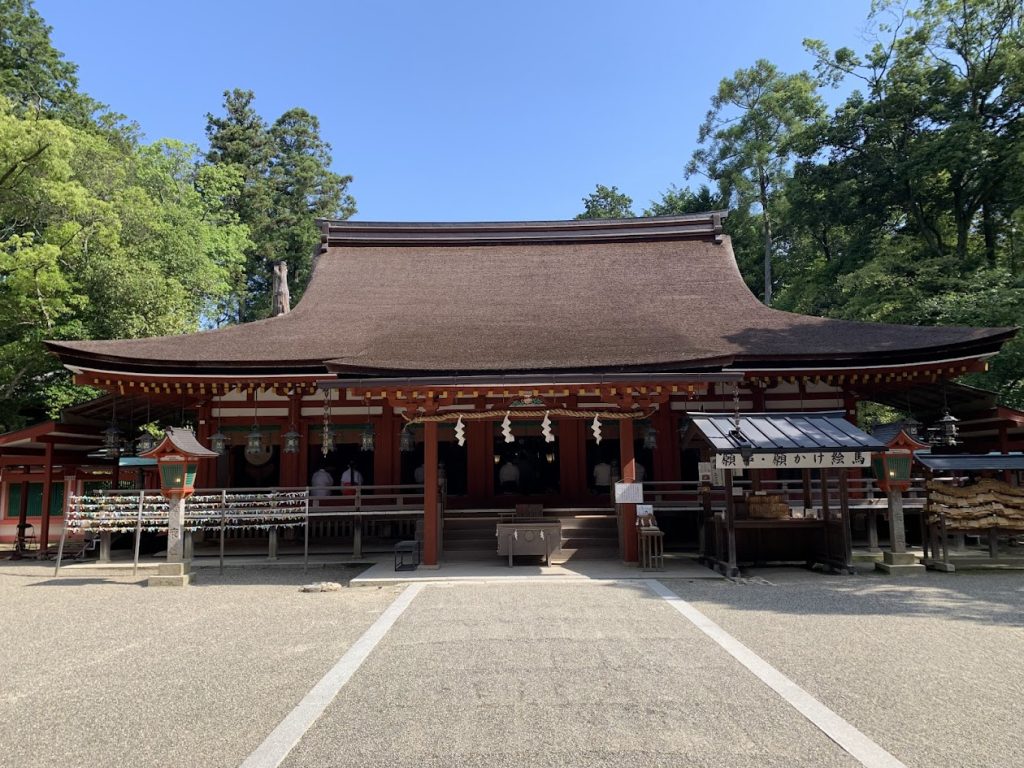
Isonokami Jingu Shrine Haiden (the worship hall) (National Treasure)
Isonokami Jingu is one of the oldest shrines in Japan, mentioned in the Kojiki and Nihon Shoki (the oldest books in Japan). It was the primary shrine for the ancient powerful Mononobe clan and is said to have served as a Weapons storage for the Yamato Sovereignty.
The main deity enshrined here is Futsunomitama-no-Okami. According to the Kojiki and Nihon Shoki, during Emperor Jimmu’s eastern expedition, his soldiers collapsed, losing consciousness due to the poison of a wild deity (the Great Bear) in Kumano (southern Kii Peninsula). Amaterasu Omikami sent down a sword (Futsunomitama) from the heavens, and the power of the sword dispelled the poison.
Additionally, the National Treasure Seven-Branched Sword of Isonokami Jingu Shrine is very famous.

This is what the National Treasure Seven-Branched Sword looks like.
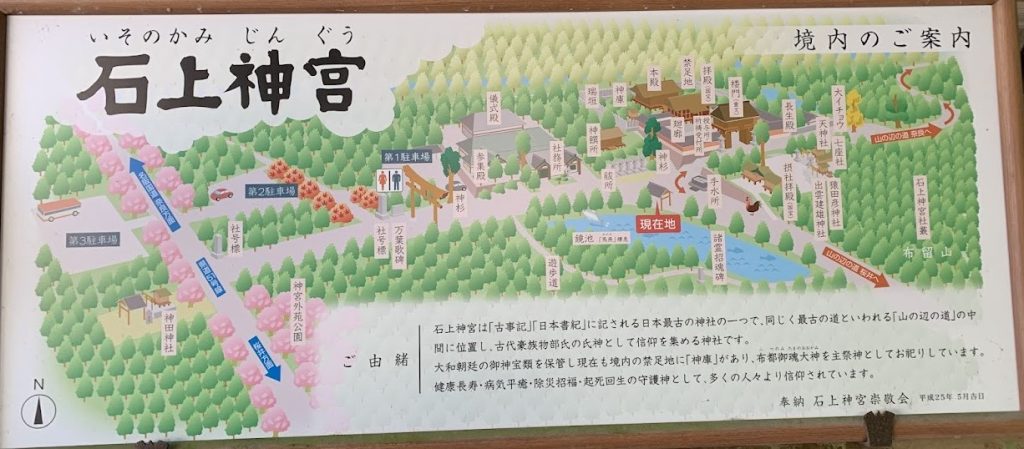
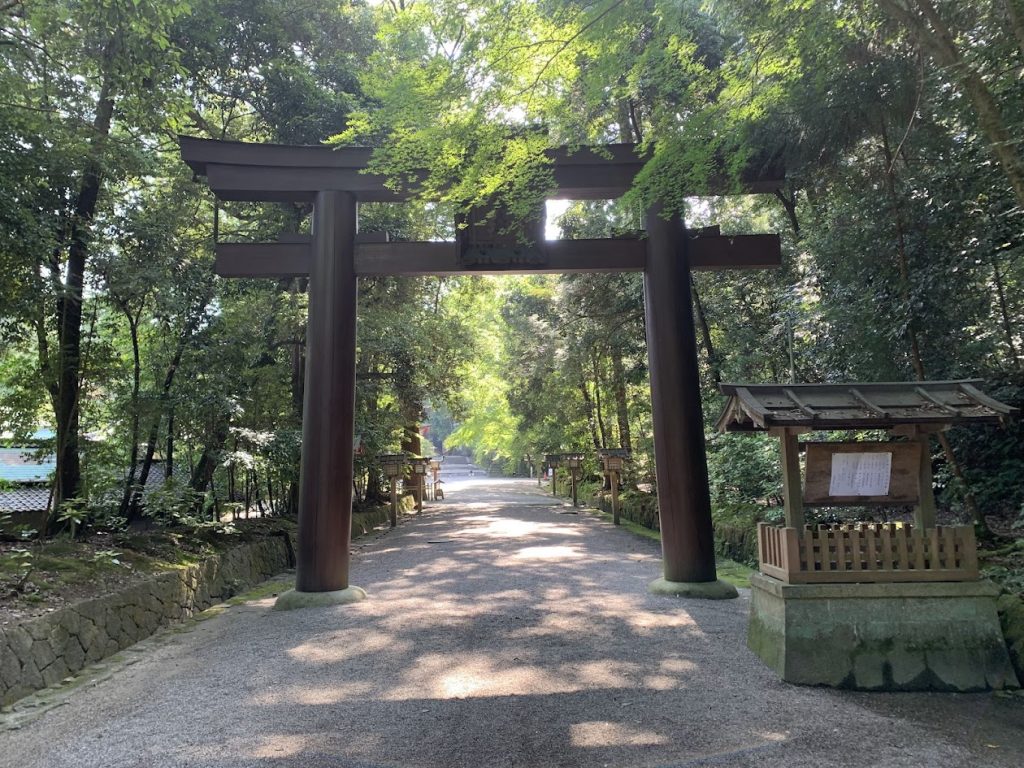
You are now entering the sacred area. The grounds are covered with evergreen broadleaf trees, creating a sacred and serene atmosphere.
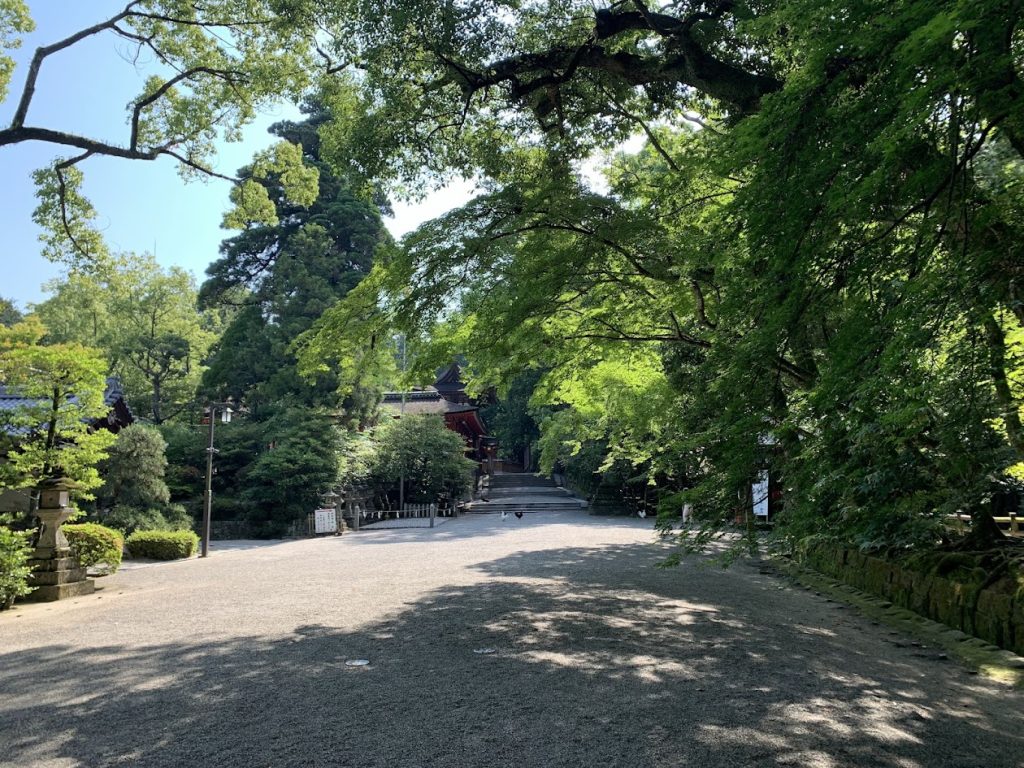
The shrine grounds in the early morning
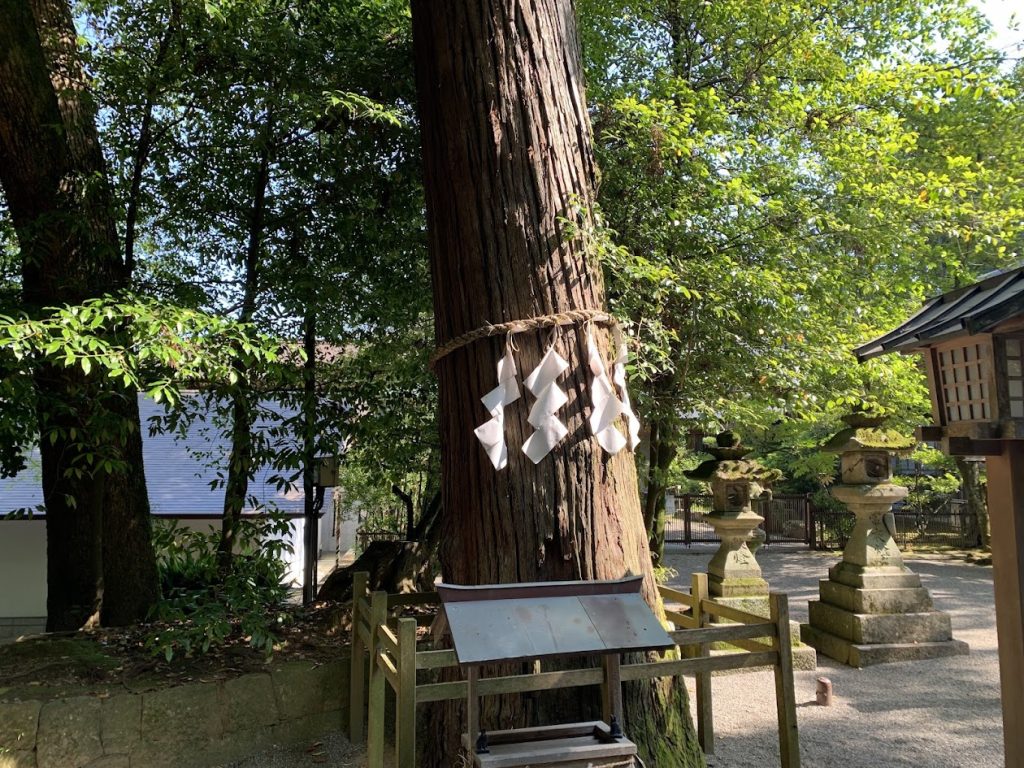
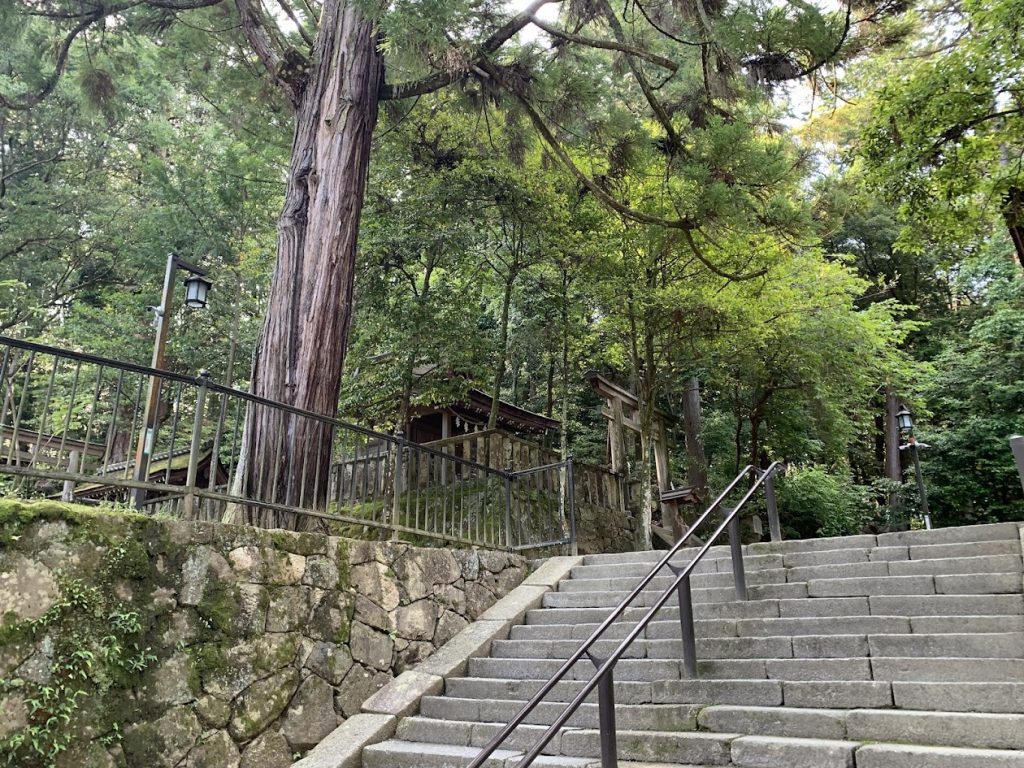
Sacred Cedar Trees
In the shrine grounds, there are several cedar trees over 300 years old, known as Sacred Cedars. The Sacred Cedar shown in the photo is located on the left side as you enter the grounds from the torii gate.
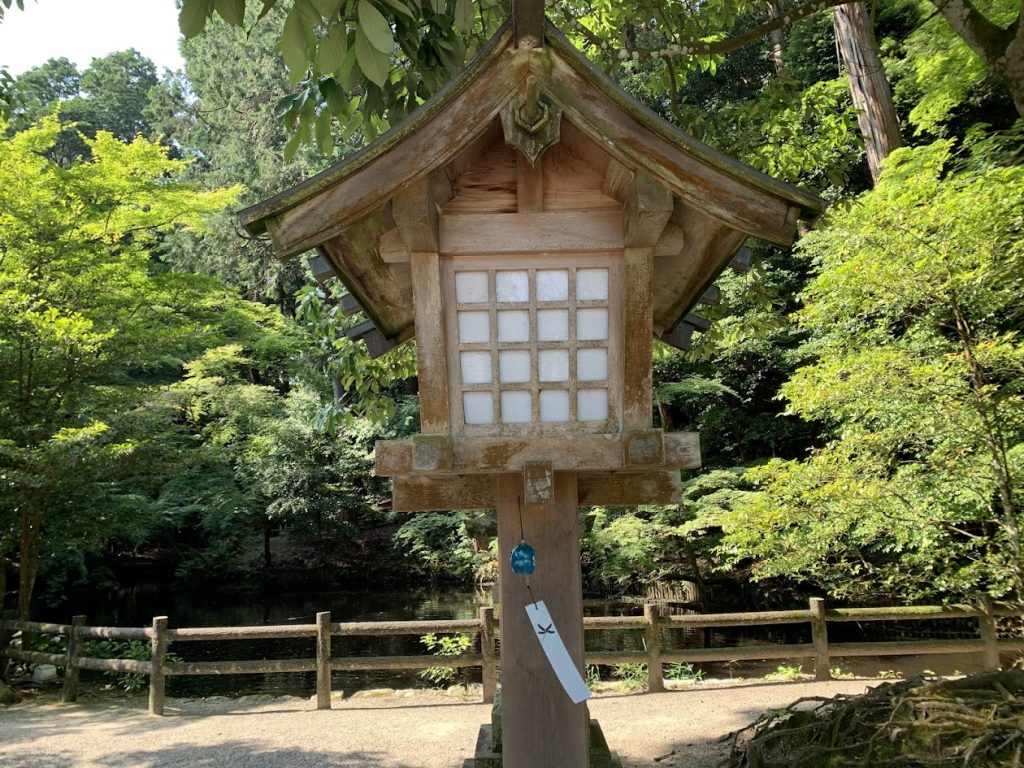
When the wind blows, the sound of the wind chimes gently resonates through the shrine grounds.
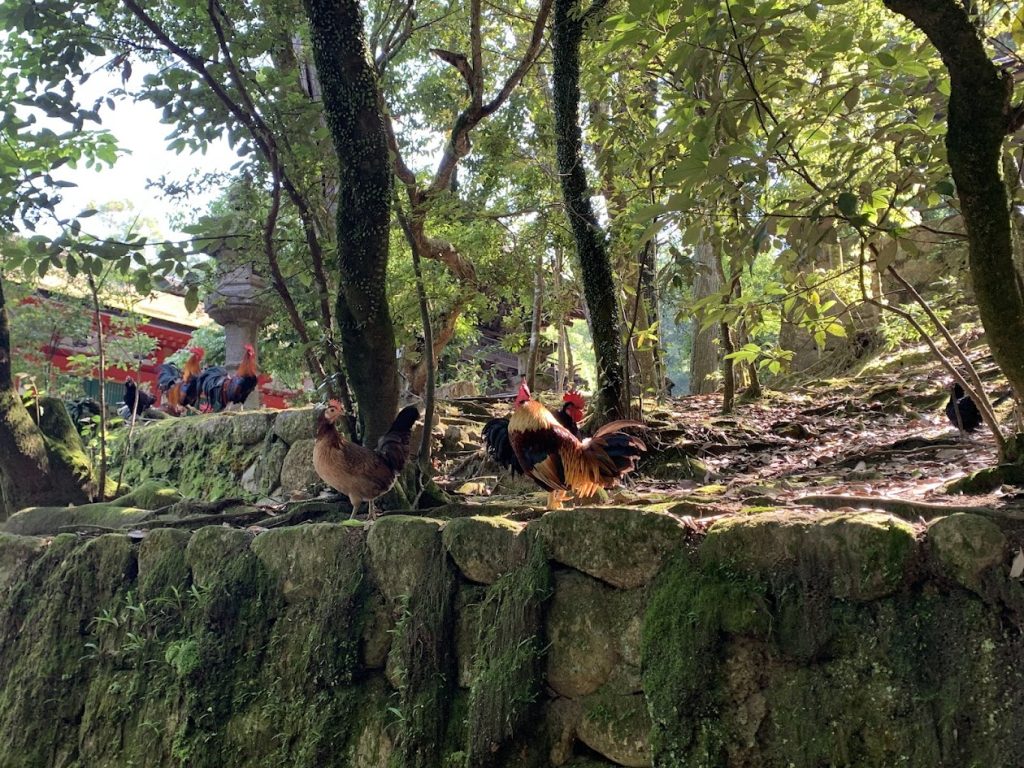
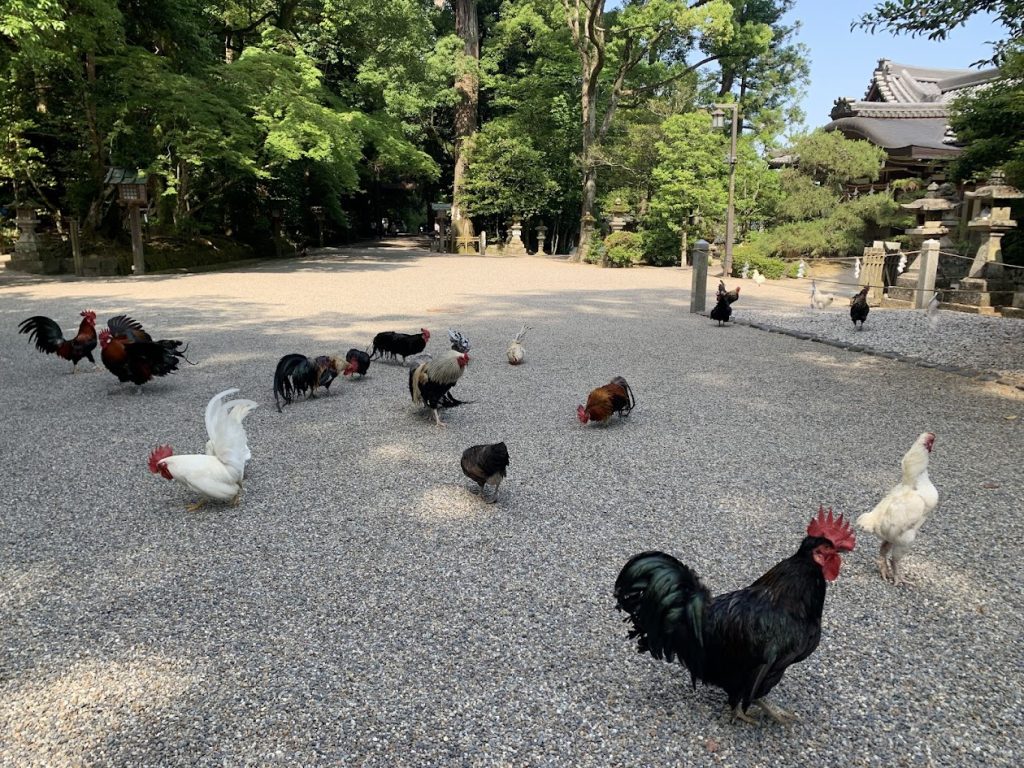
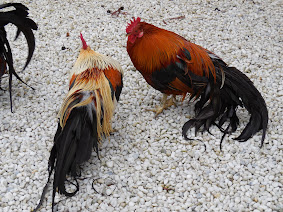
In the shrine grounds, many roosters are energetically crowing.

Mirror Pond
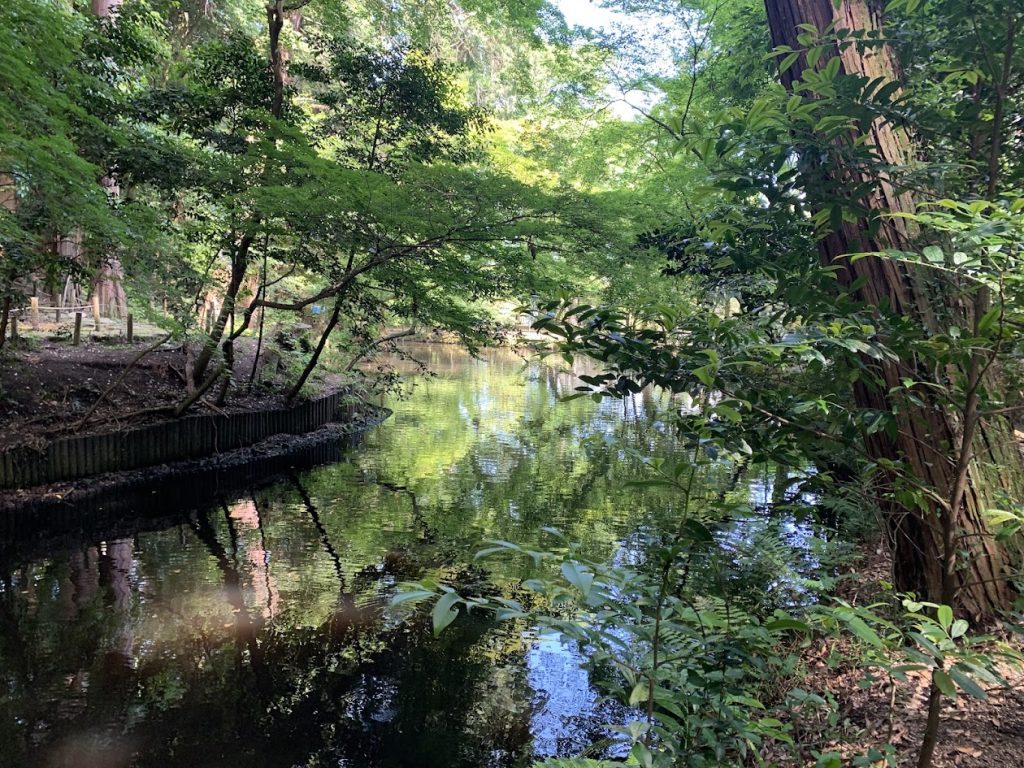
This Mirror Pond is home to the Wataka, a fish native to Japan. It is a rare species, and it can also be found in the Mirror Pond at Todaiji Temple within the prefecture.

Chozu
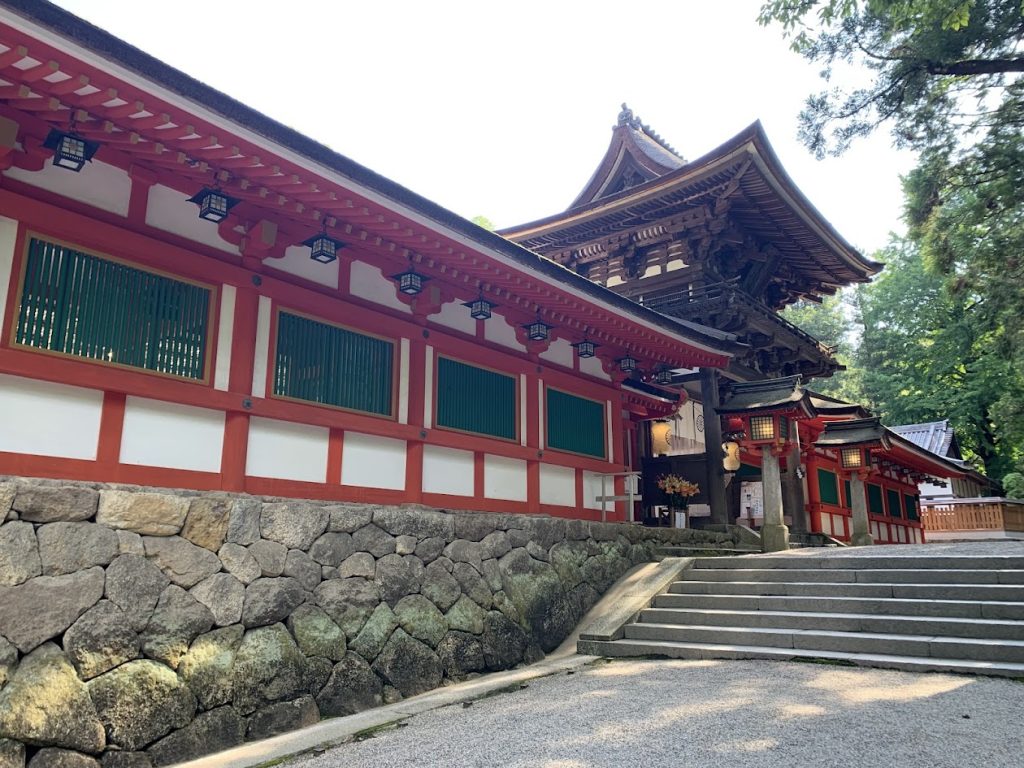
We are heading towards the tower gate, built in 1318 and designated as an Important Cultural Property.
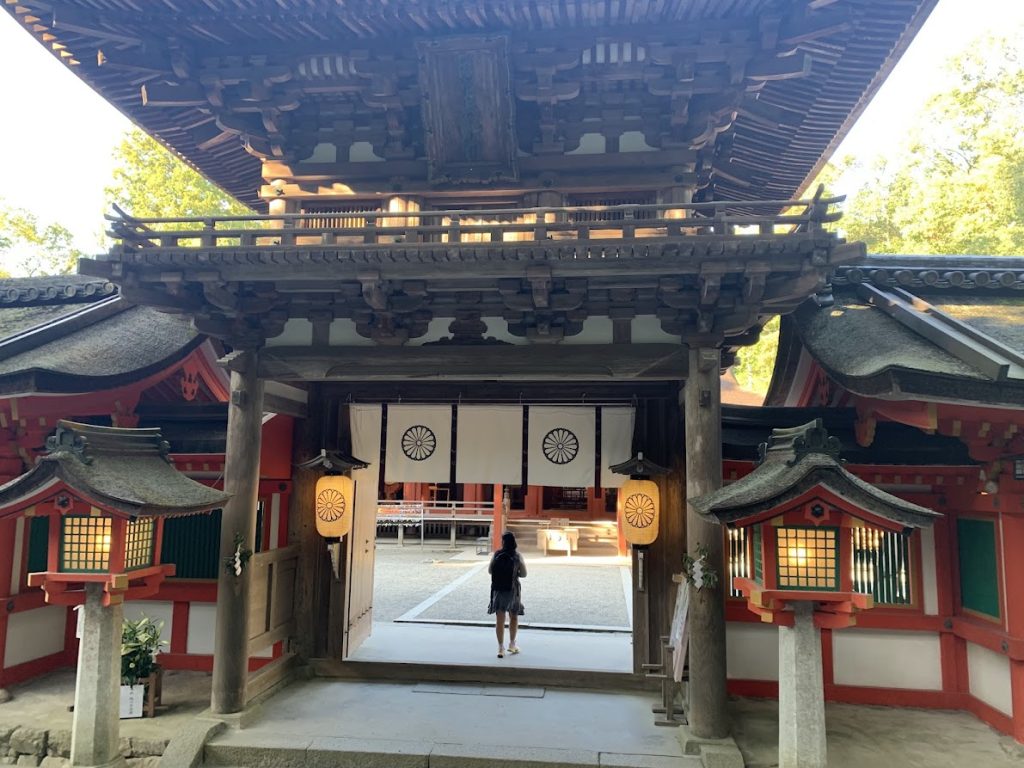

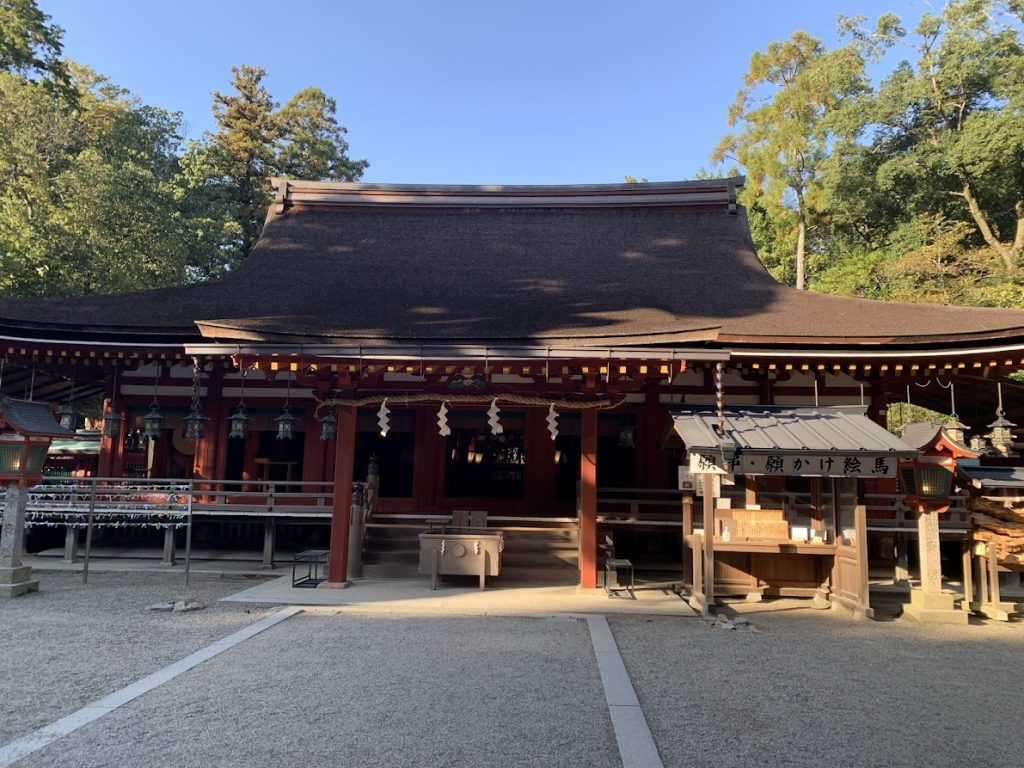
Haiden (the worship hall) (National Treasure)
The Haiden at Isonokami Jingu is said to have been donated by Emperor Shirakawa in 1081, who had great faith in the shrine. It is the oldest existing Haiden in Japan.
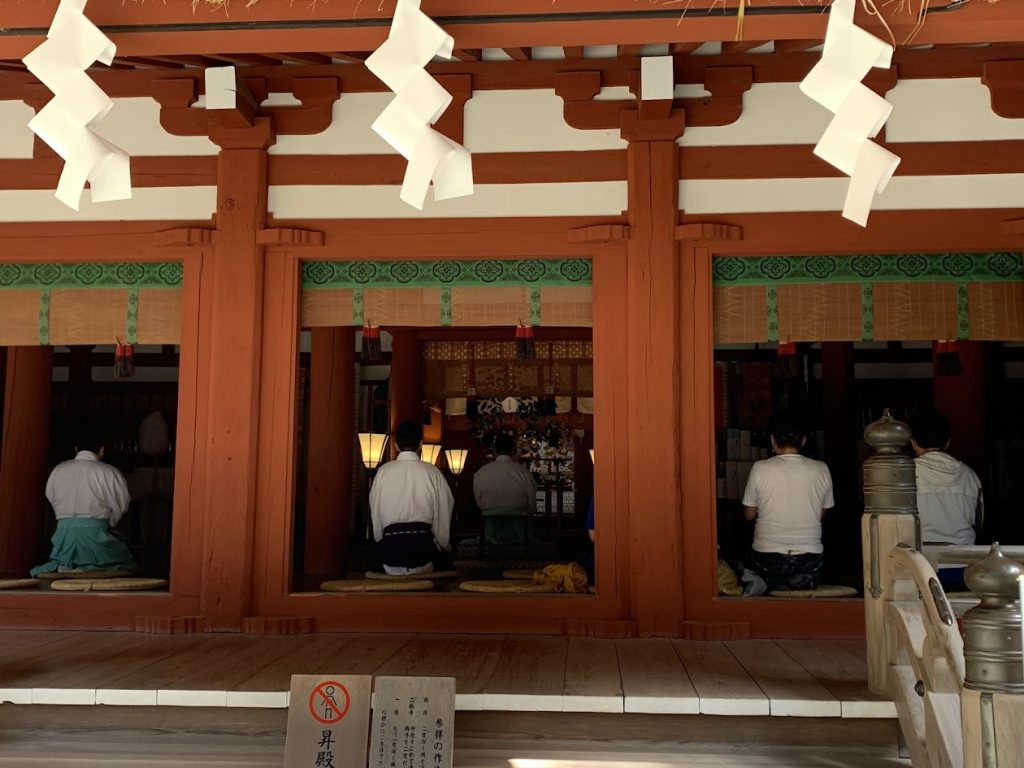
This is the opposite side of the tower gate.
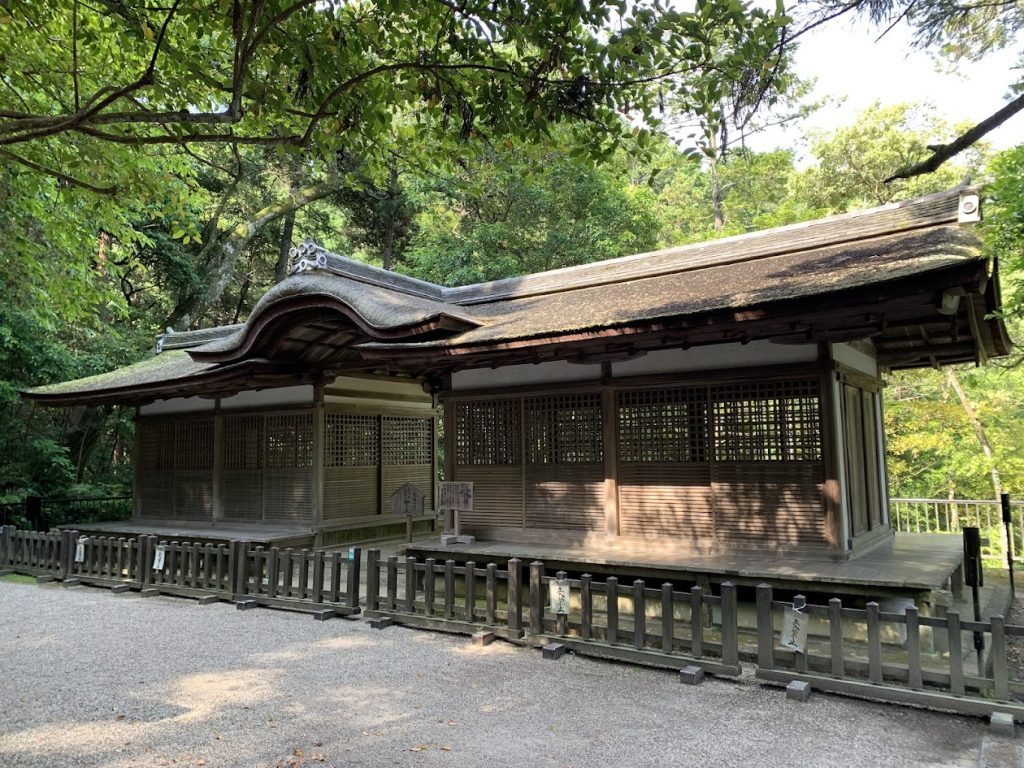
Sessha Haiden (Sub-Shrine’s Worship Hall) (National Treasure)
This Haiden was relocated from Uchiyama Eikyu-ji, a large temple that existed south of Isonokami Jingu until about 150 years ago. It was originally built in 1137.
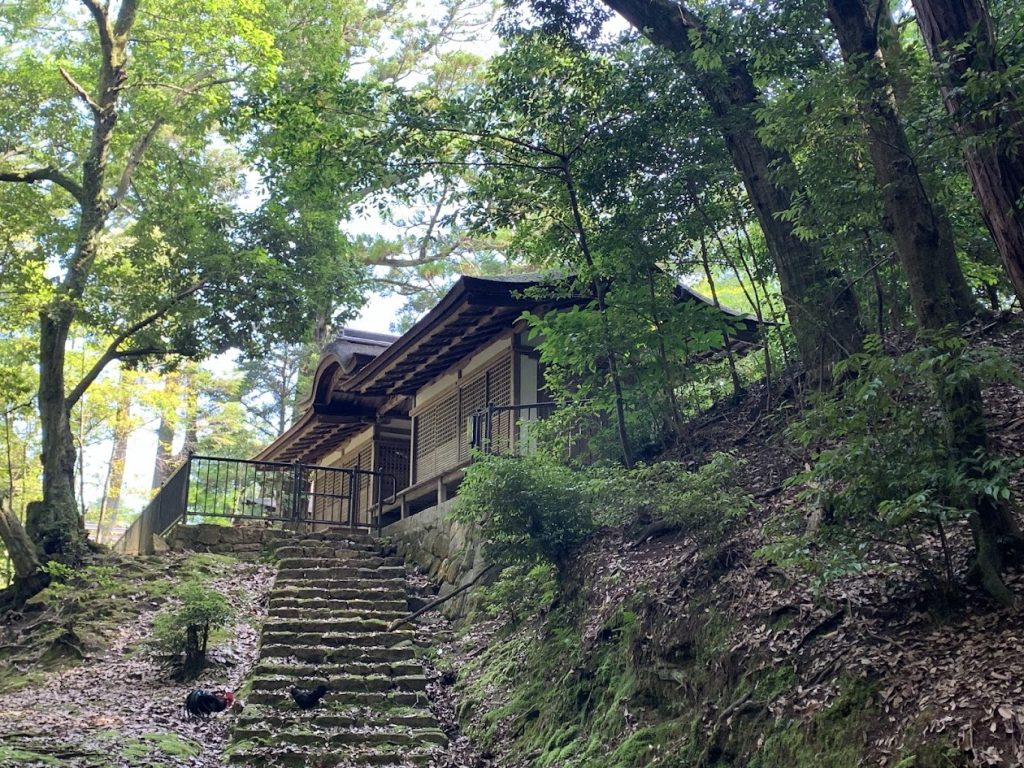
The backside of the worship hall.
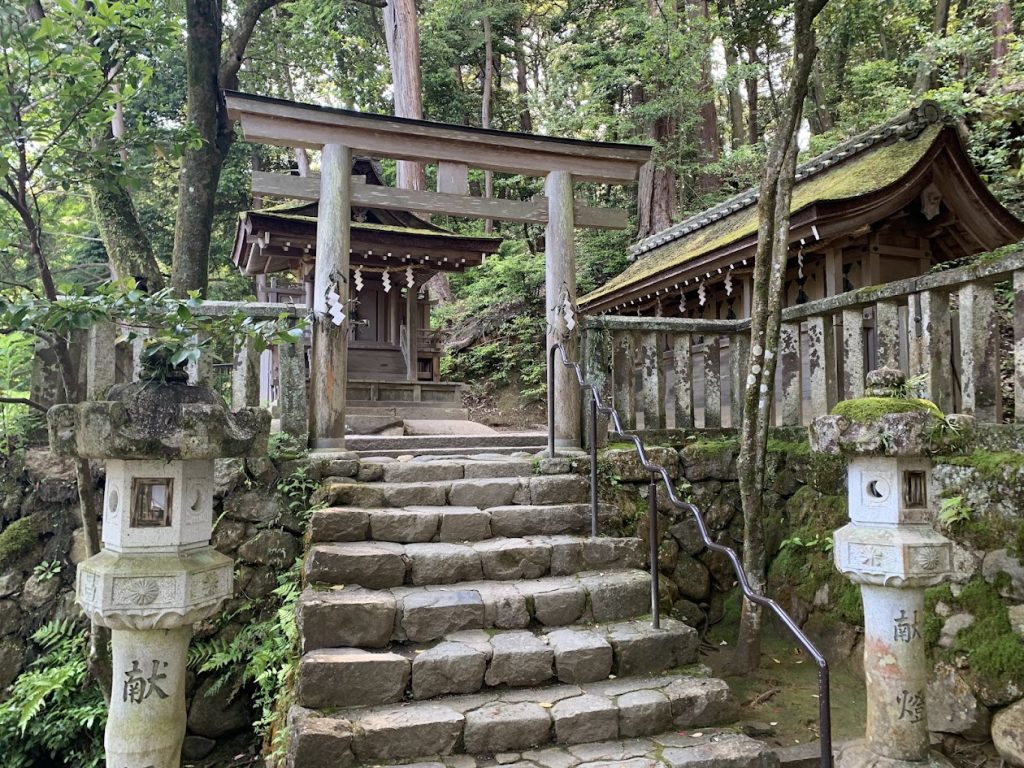
Sessha (Sub-Shrines)

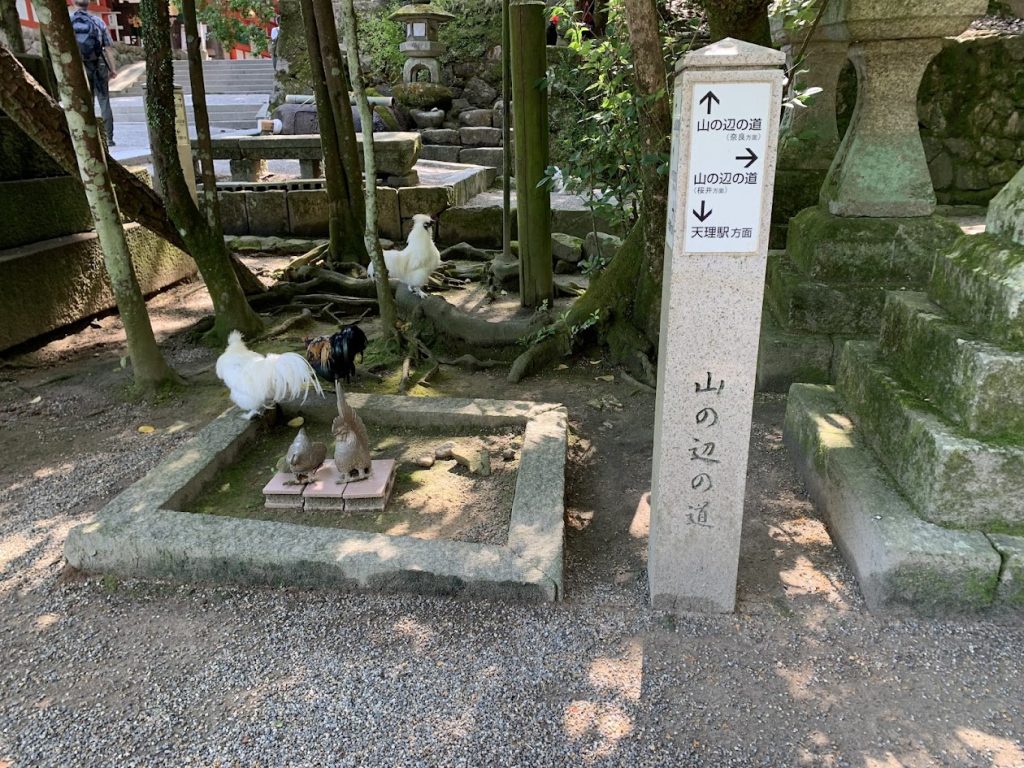
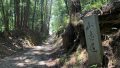
The Yamabe-no-Michi (Japan’s oldest path) starts at Isonokami Jingu and continues south toward Omiwa Jinja.
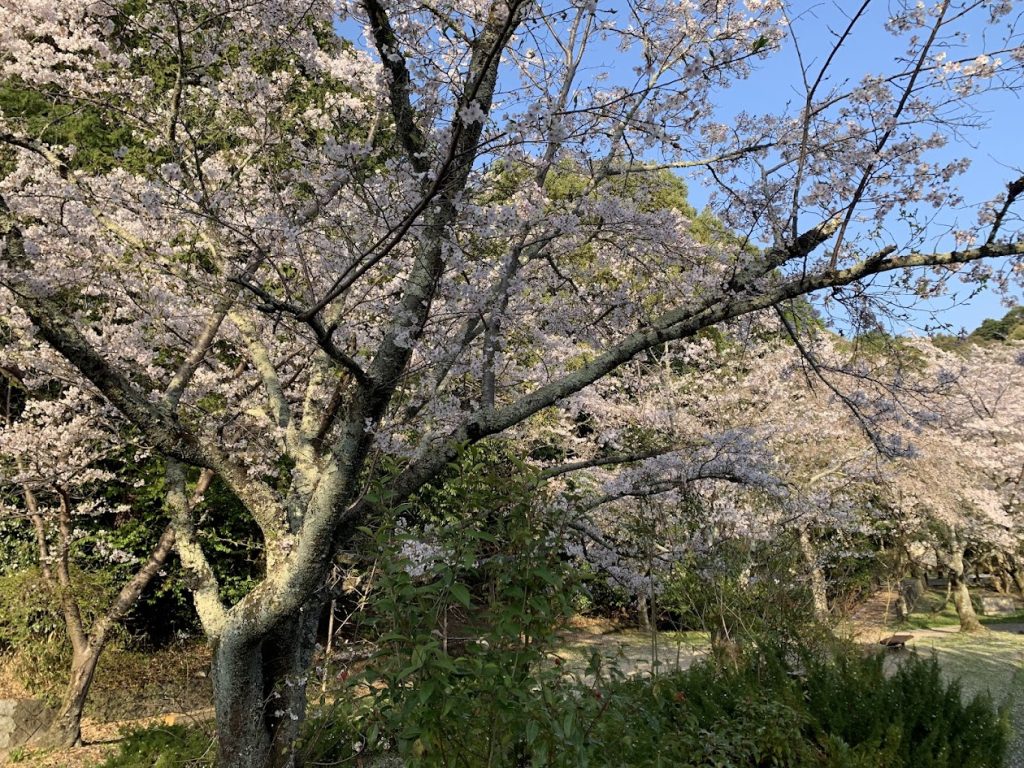
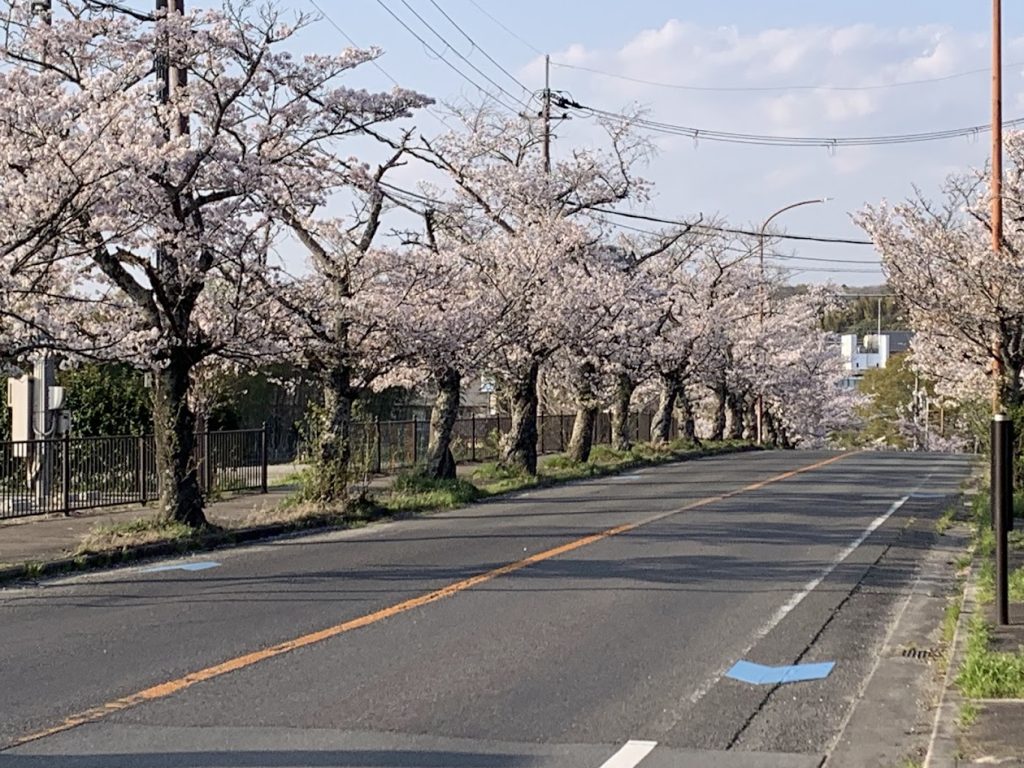
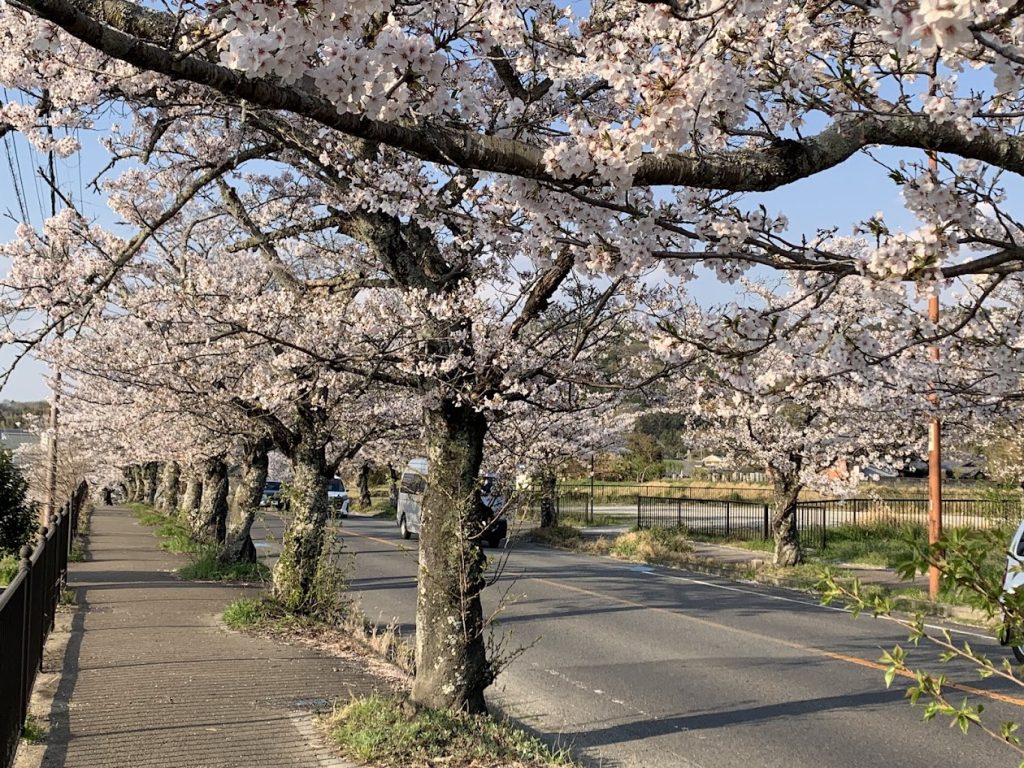
石上神宮外苑公園の桜
Nagoshi no Oharae -June 30
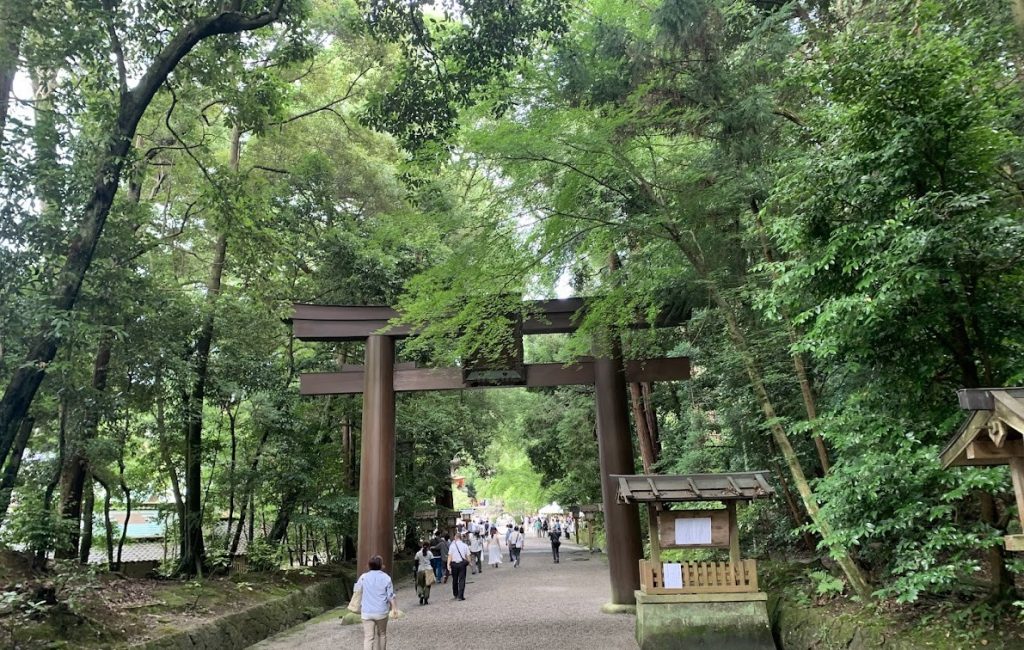
Nagoshi no Oharae (Purification Ritual) takes place on June 30, marking the midpoint of the year. During this ceremony, people transfer the sins and impurities accumulated from January to June onto a “katashiro” (a substitute figure) and then purify them with the power of the deities. The ritual aims to restore purity to the body and mind and to pray for a healthy and peaceful life for the next six months.
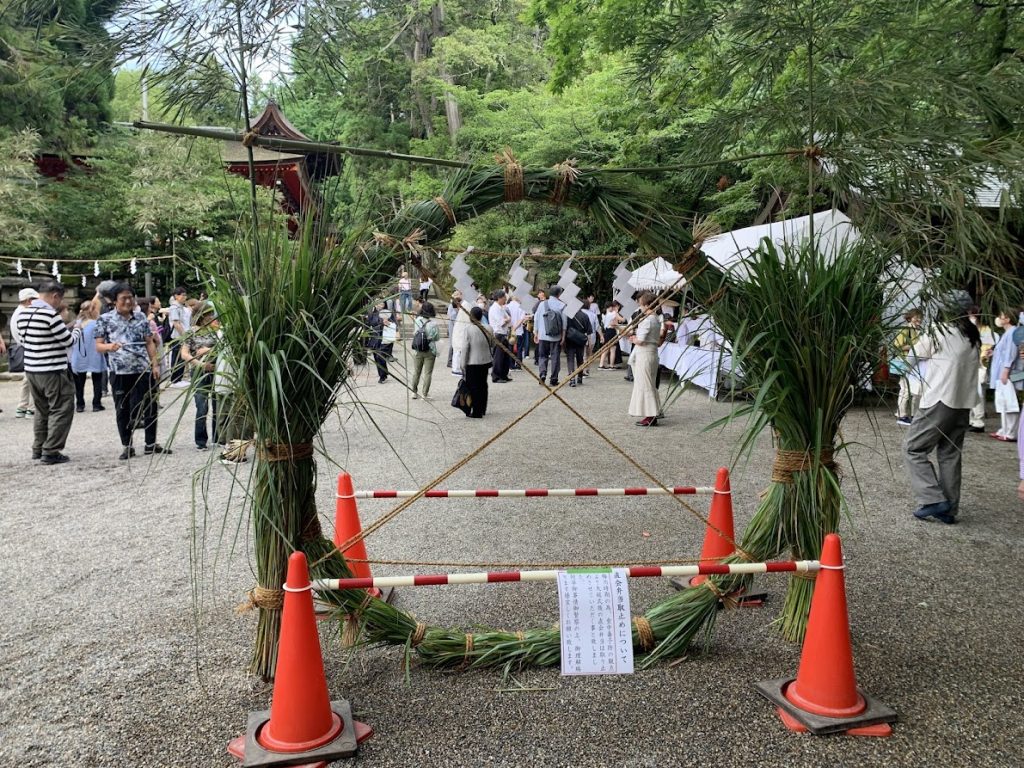
The Chinowa is passed through three times.
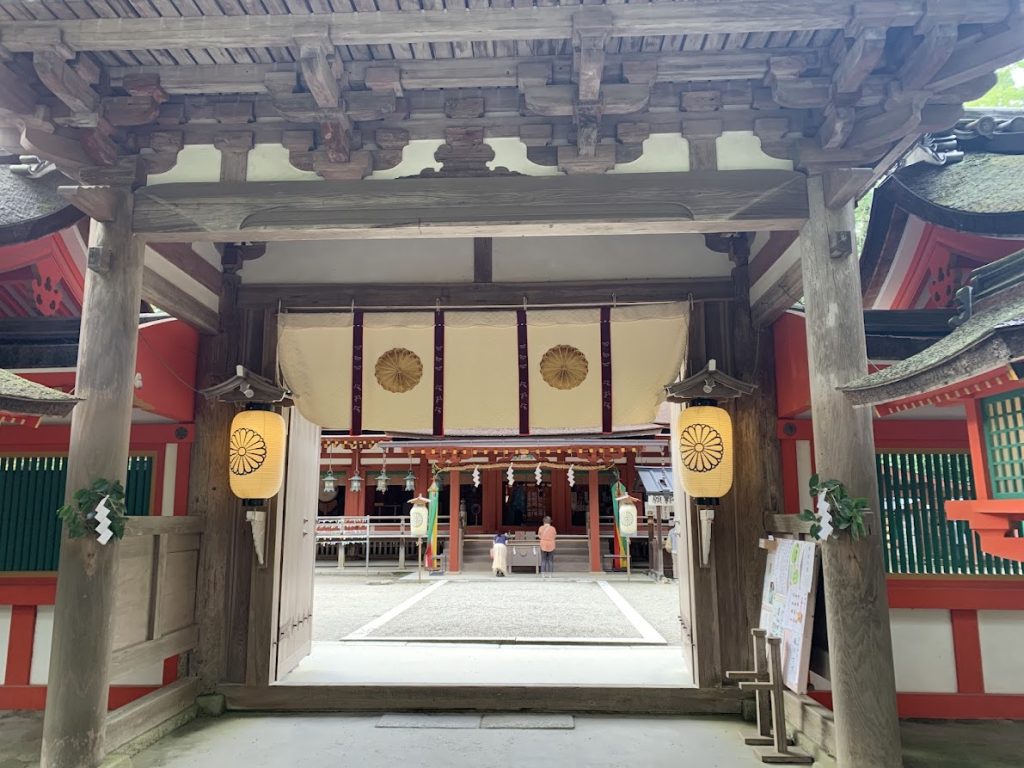
First, visit and worship at the Haiden (The Worship Hall).
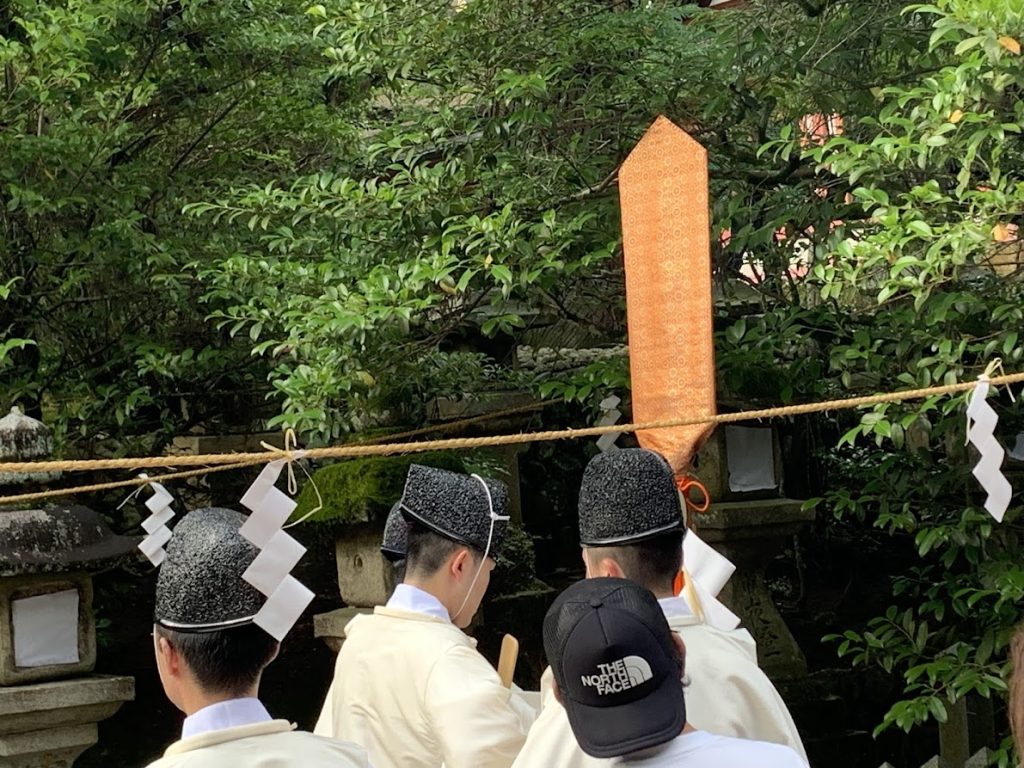
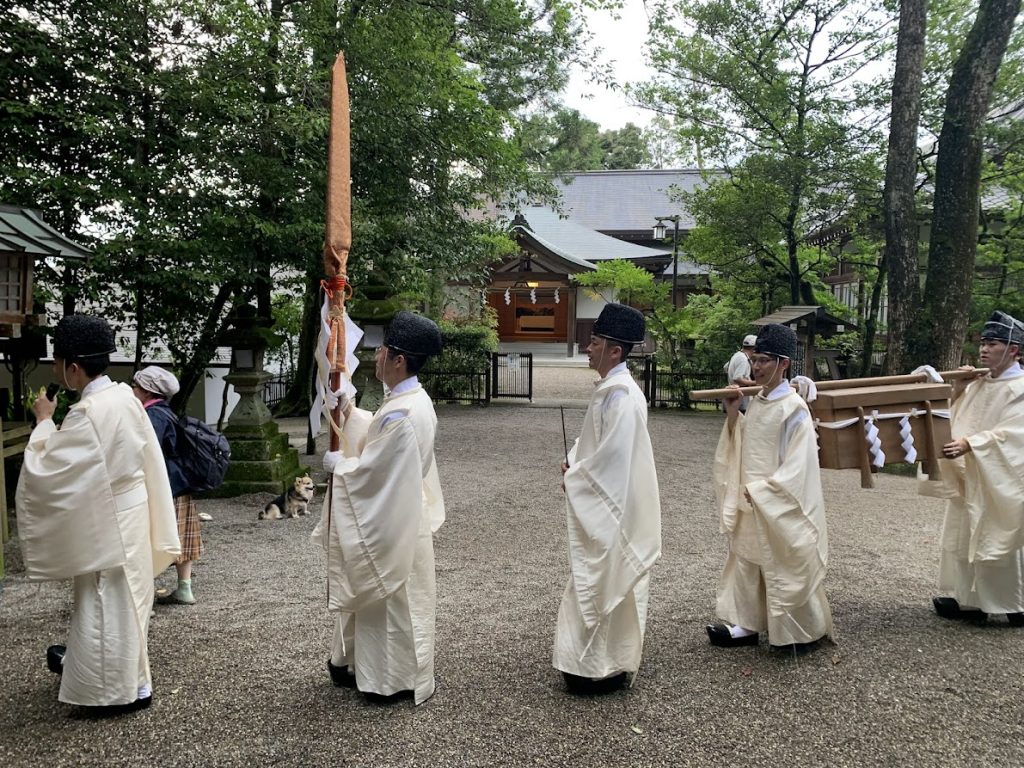
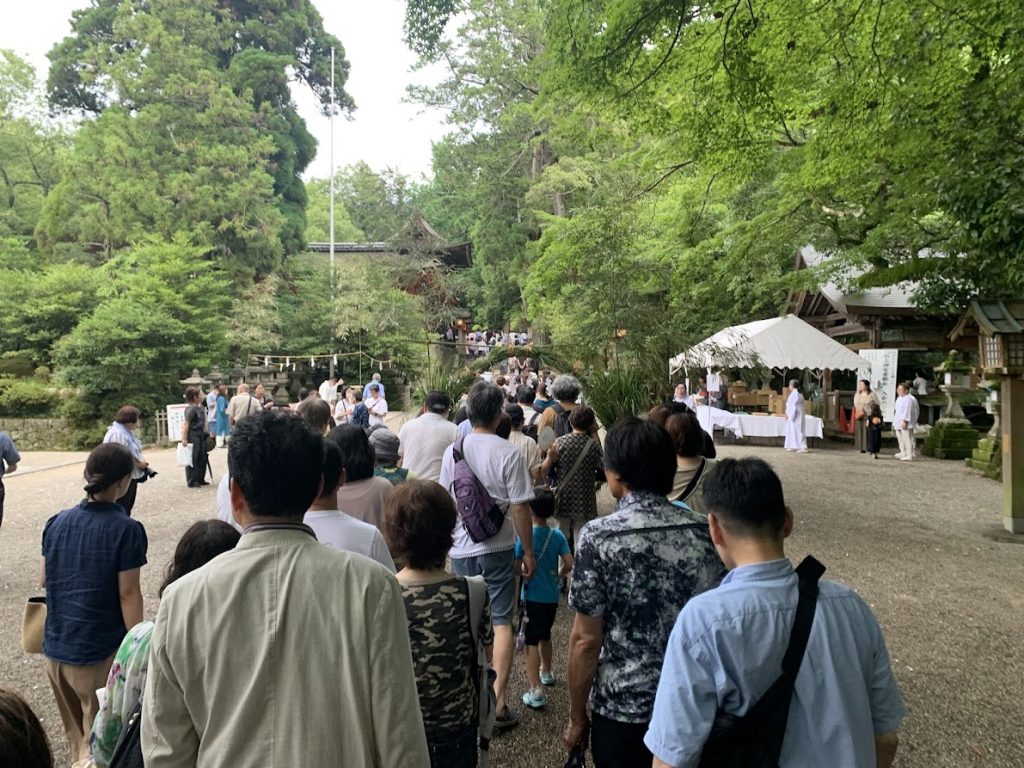
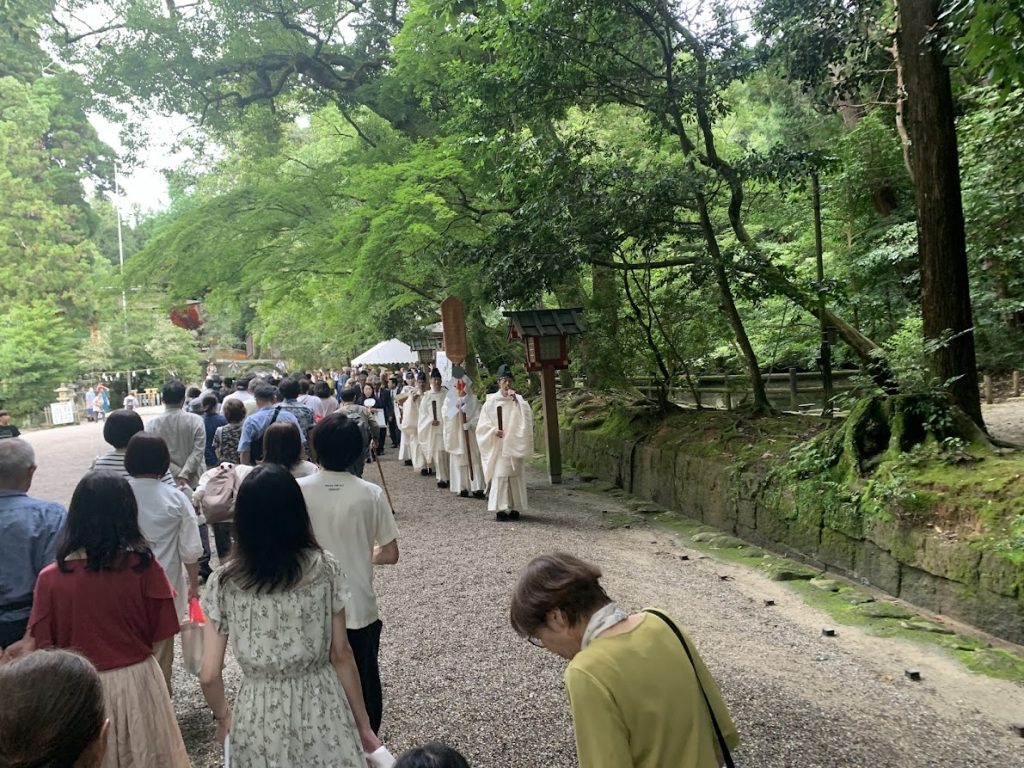
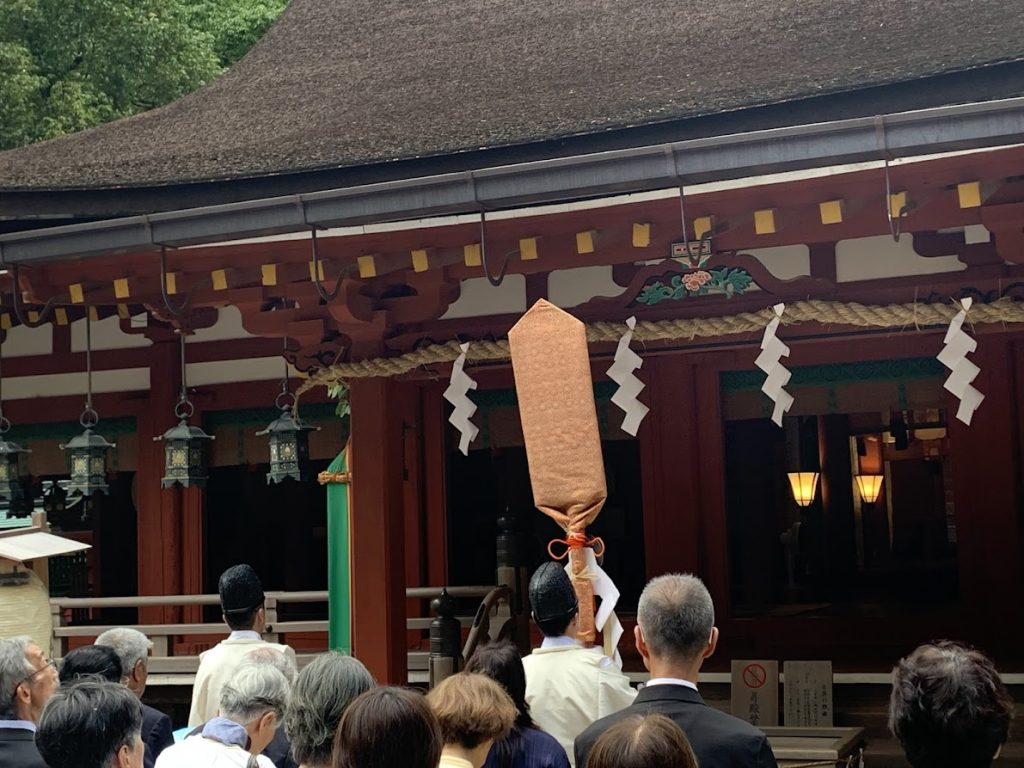
The following is a traditional poem recited during the ceremony:
In the month of Minazuki (June),
Those who perform the Great Purification Ritual,
Will extend their life by a thousand years.
While reciting this type of poem, participants pass through the Chinowa three times. The ceremony concludes with a final prayer in front of the Haiden (Main Hall).

コメント