


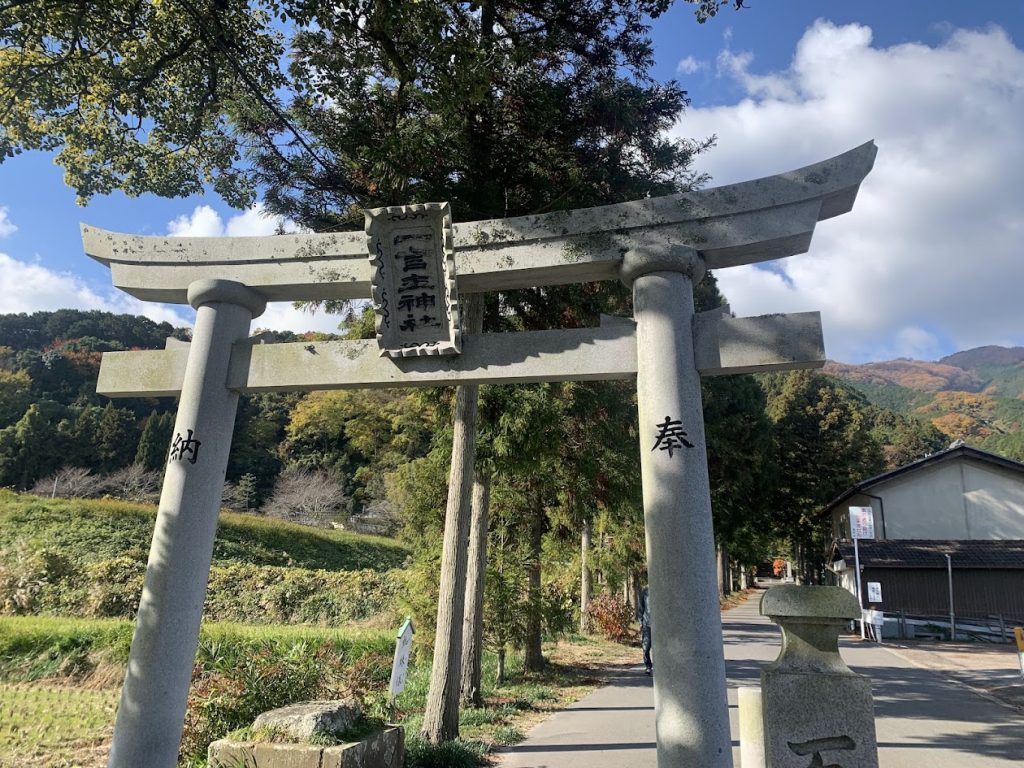
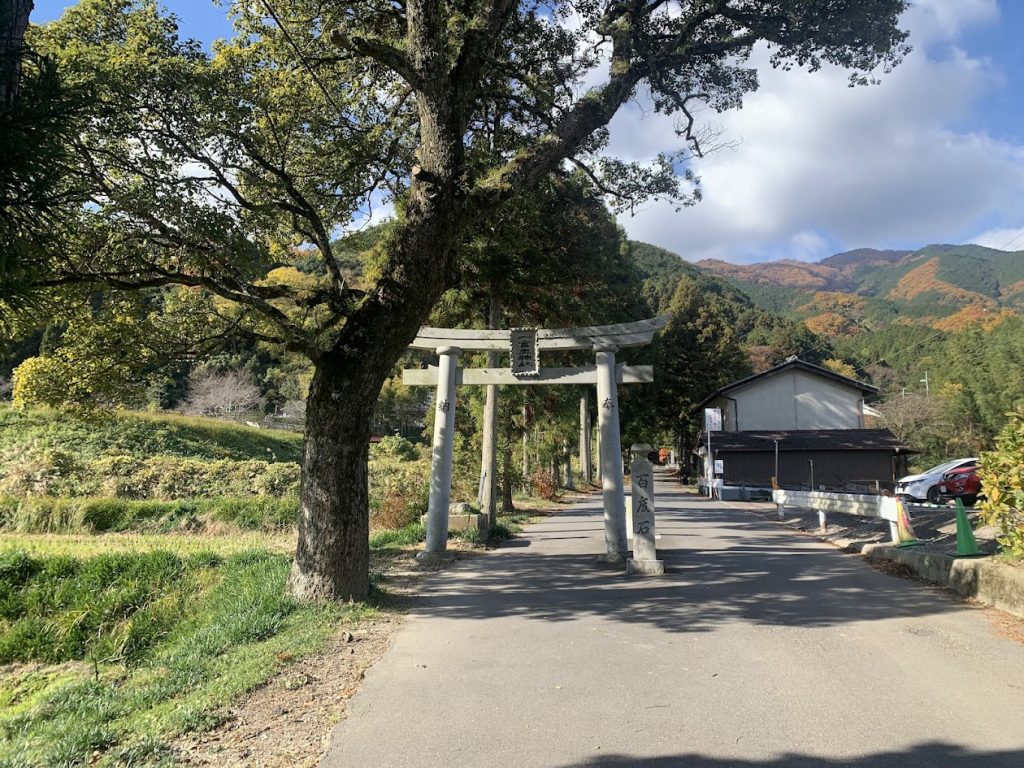
There is a parking lot located next to the torii gate.
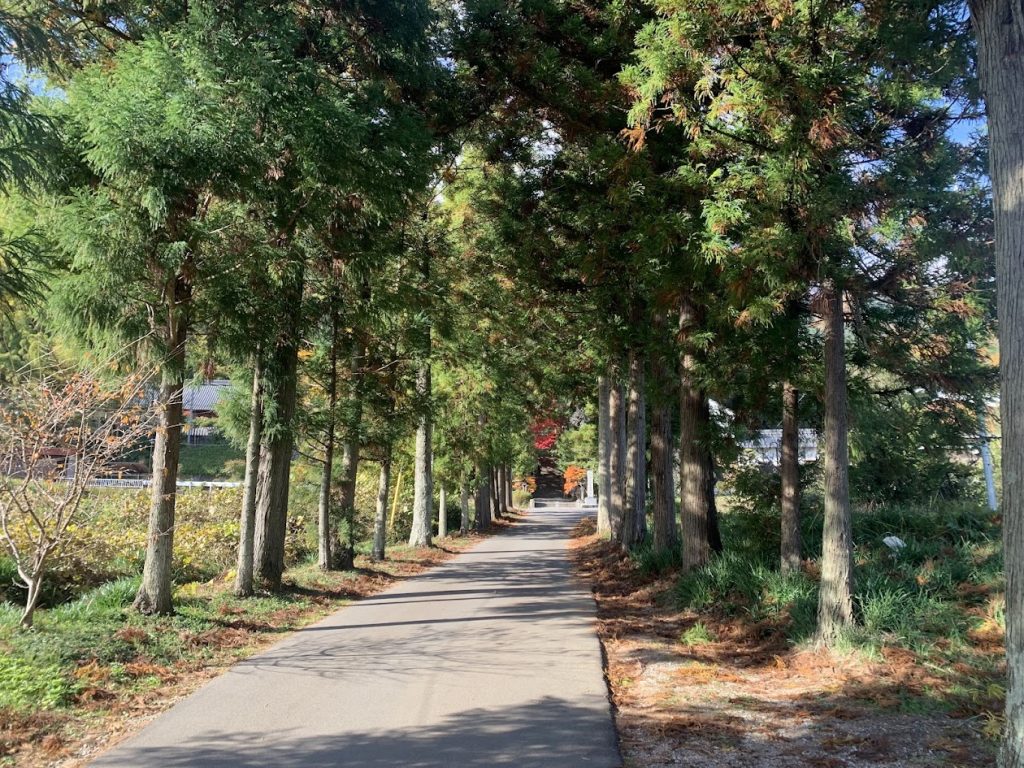
The approach from the torii gate to the shrine is called the sando.
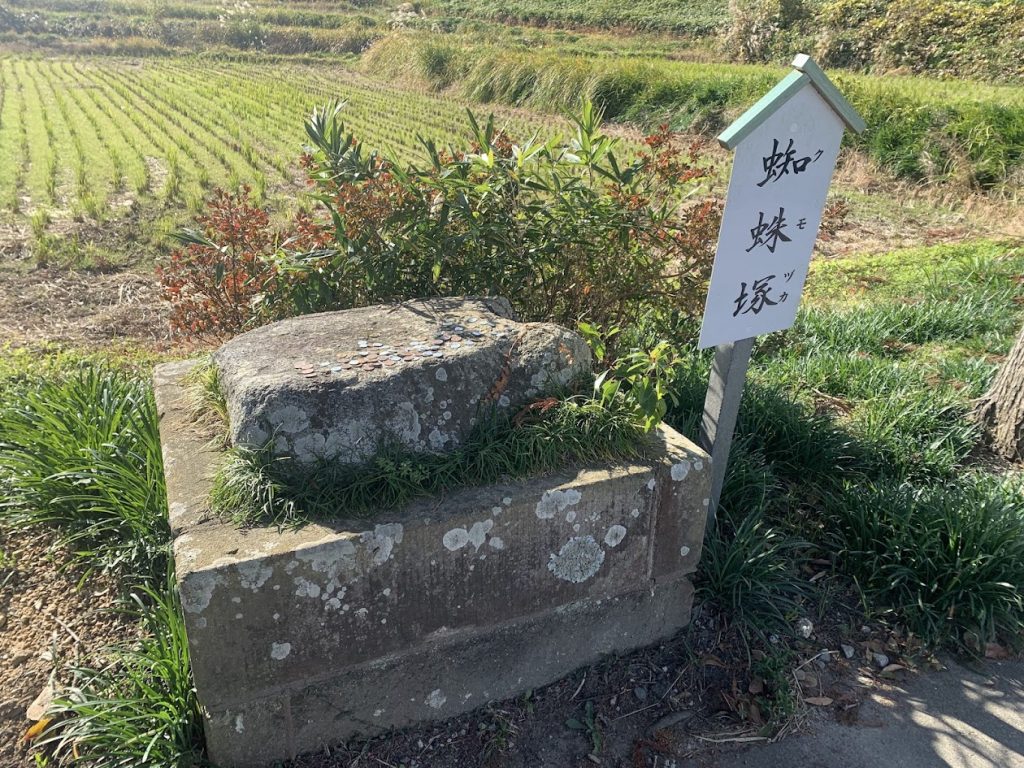
The Legend of the Spider Mound (Kumo-zuka)
According to legend, a monstrous spider (tsuchigumo) disguised itself as a monk and visited Minamoto no Yorimitsu (Raikō) under the pretense of caring for his illness. However, Yorimitsu saw through the deception. When discovered, the spider threw a thousand threads, attempting to ensnare and strangle Yorimitsu.
Yorimitsu, using his famed sword Hizamaru, struck the spider and inflicted a fatal wound. The creature fled, but Yorimitsu’s loyal retainers, the Four Heavenly Kings (Shitennō), tracked its trail of blood to its lair and ultimately vanquished the tsuchigumo.
This tale is a well-known example of Yorimitsu’s heroism and the supernatural battles of ancient Japan.
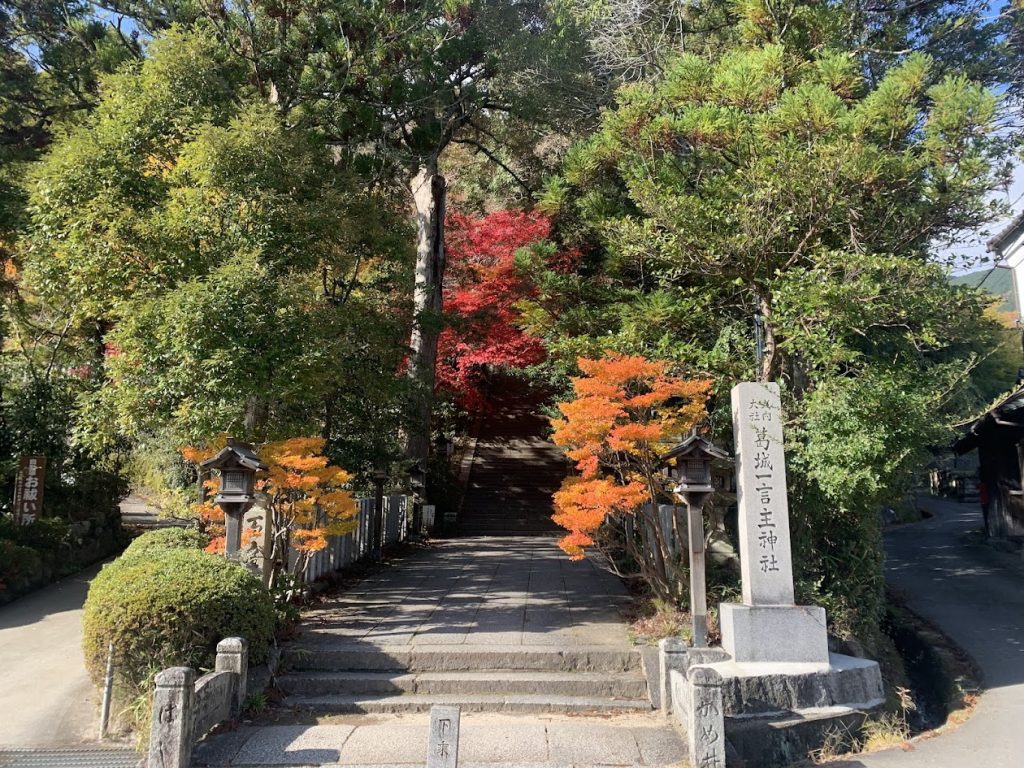
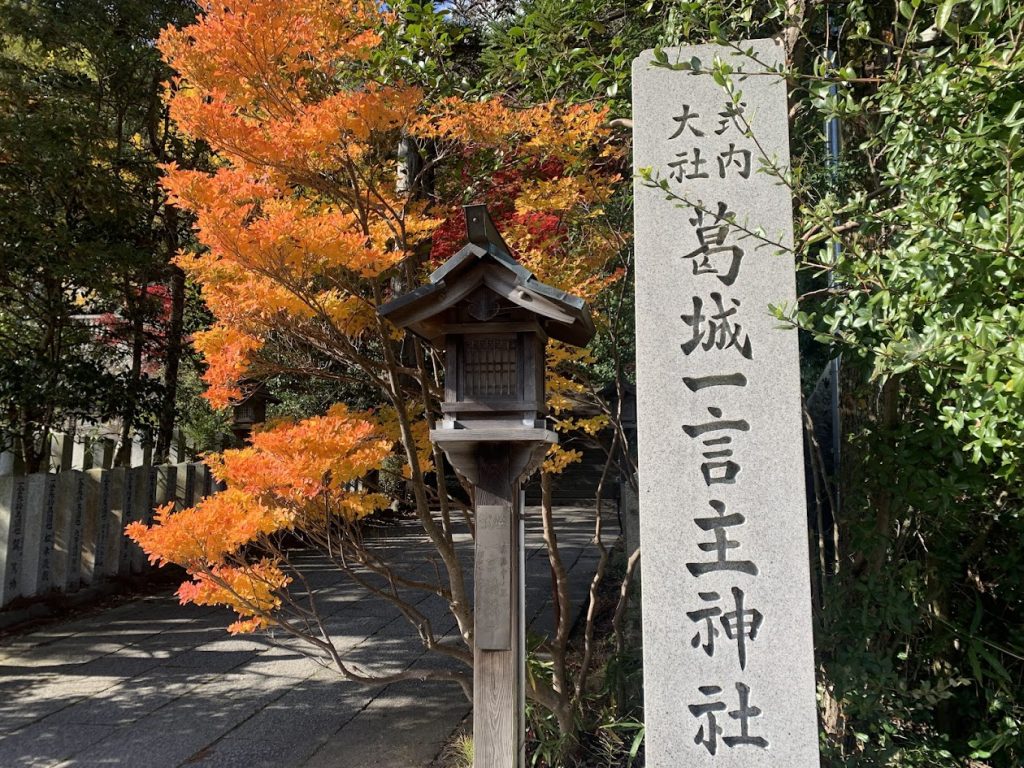
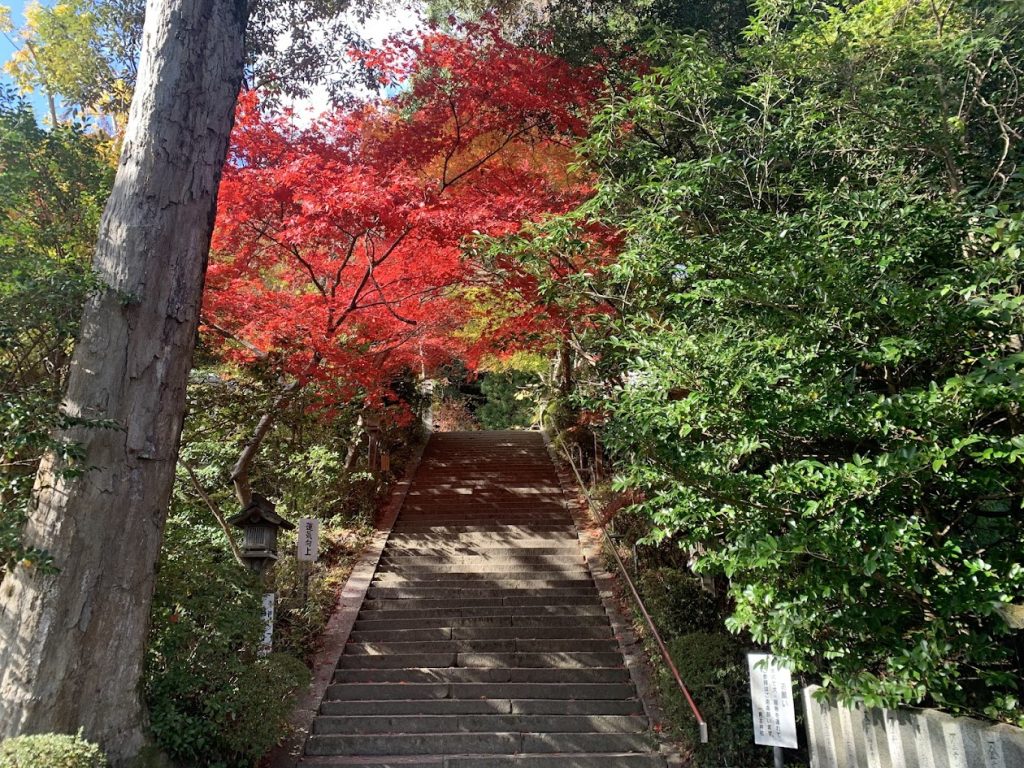
You climb the stairs.
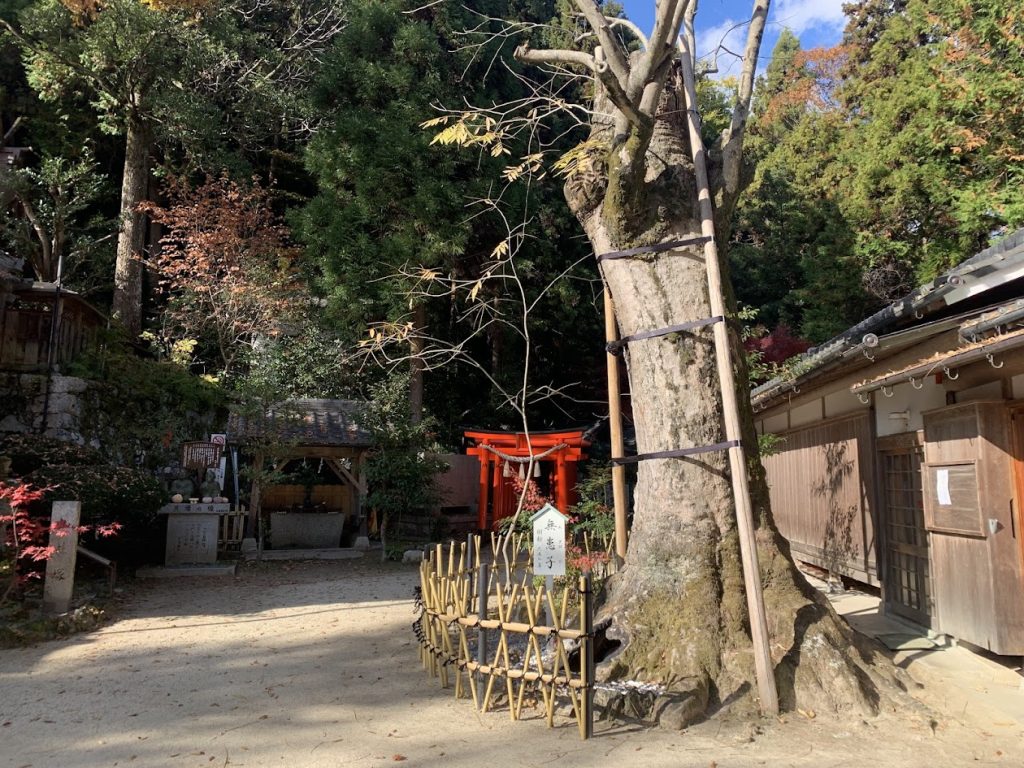
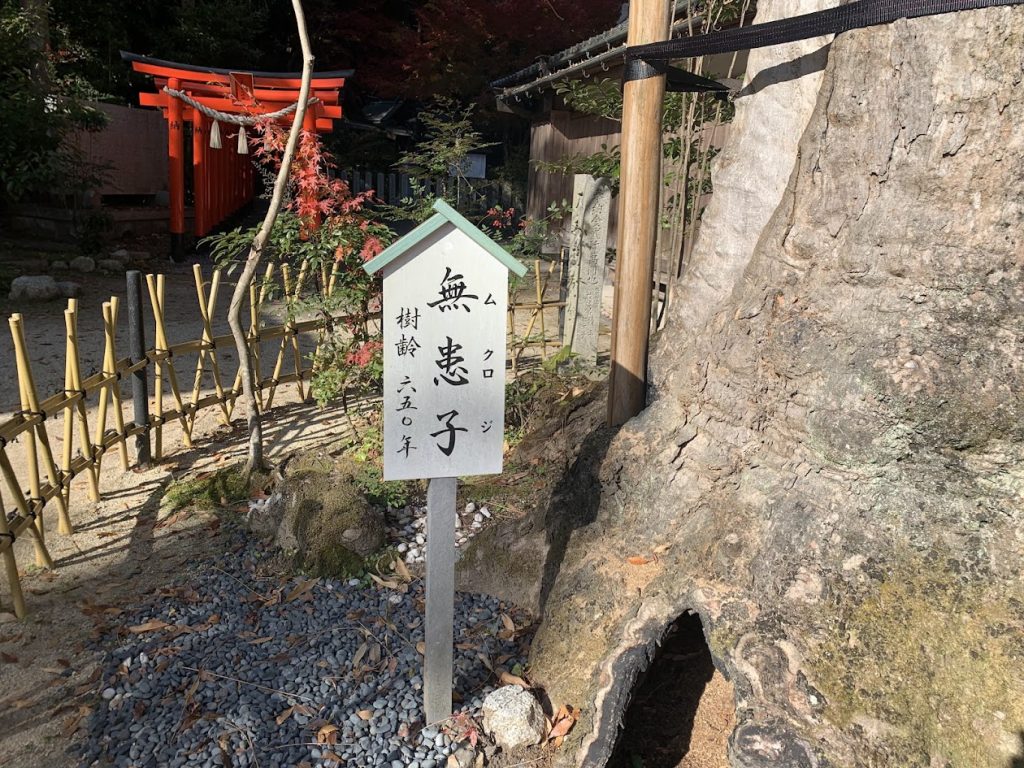
An ancient Soapberry tree (Mukuroji), estimated to be 650 years old.
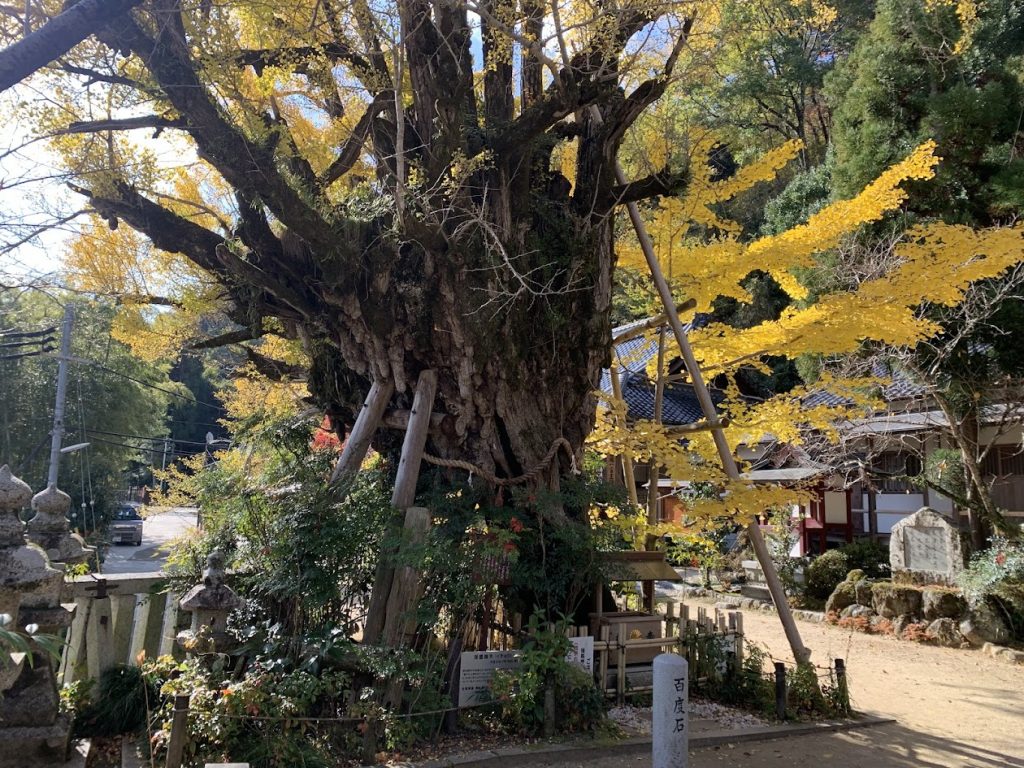
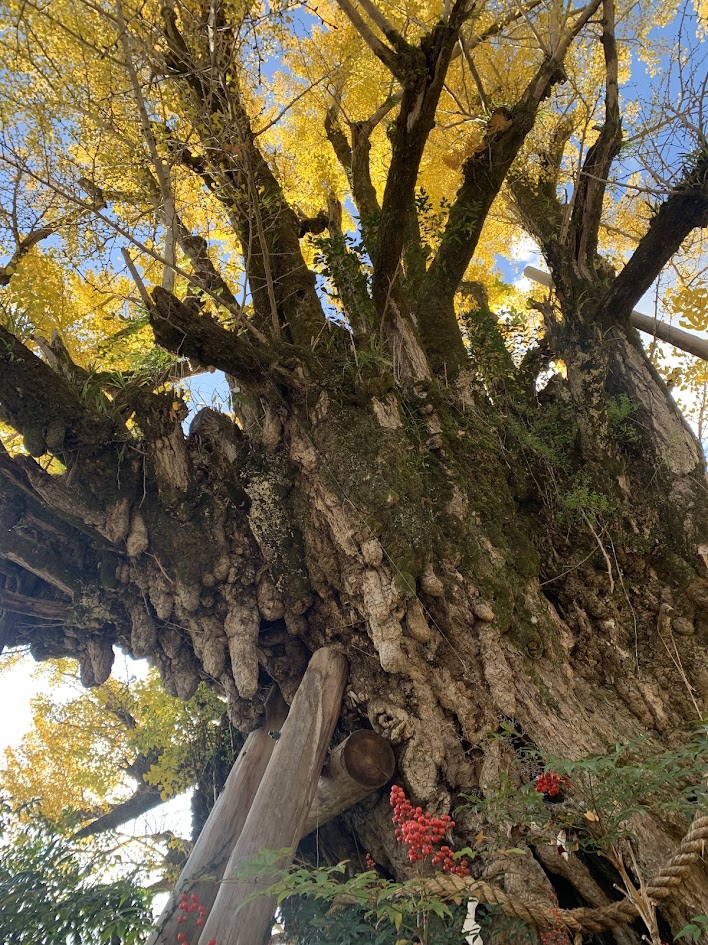
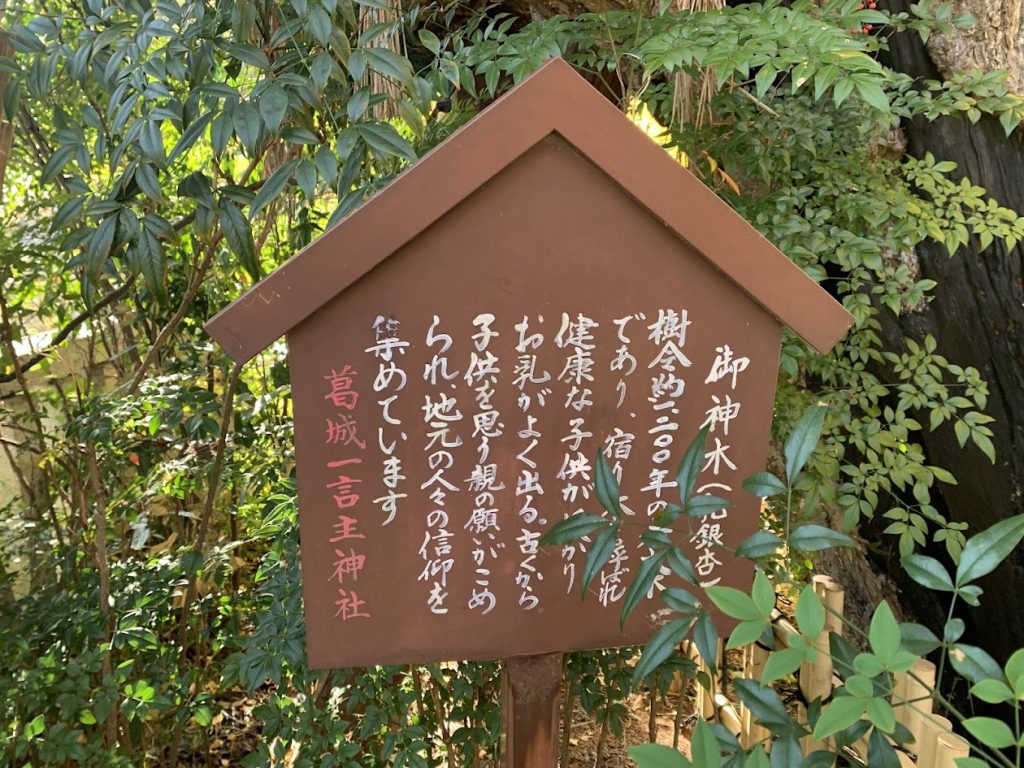
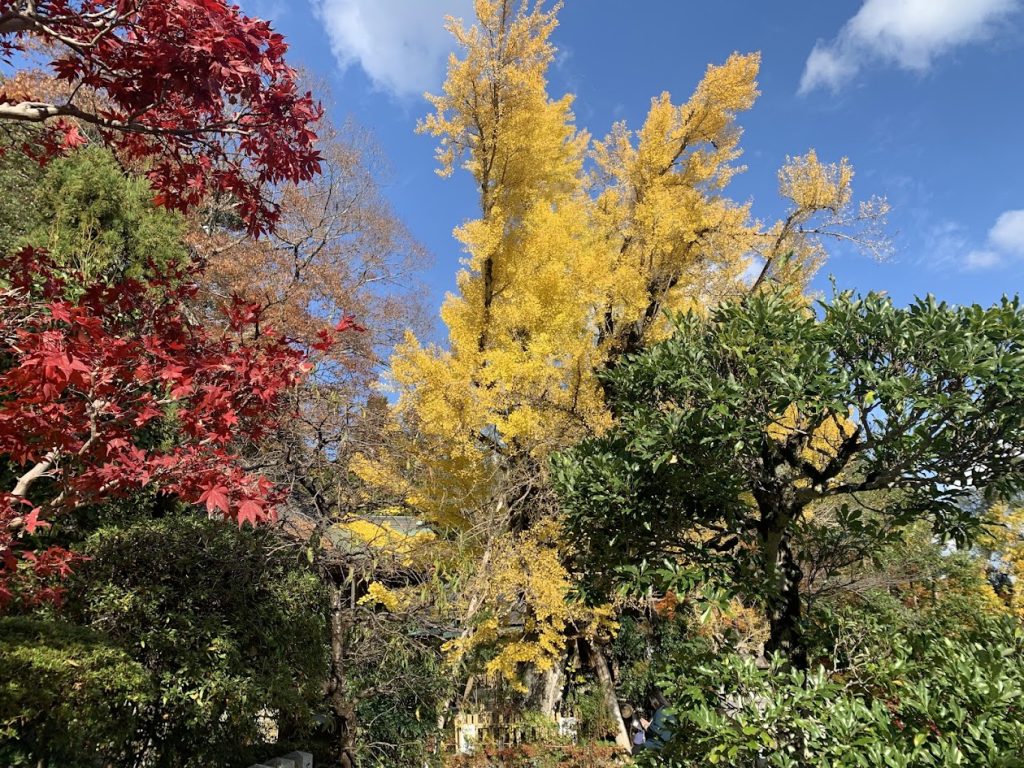
The sacred ginkgo tree (Goshinboku), known as the “Leaf-Bearing Ginkgo,” is estimated to be 1,200 years old.
Unique features of this tree include numerous growths resembling breasts extending from its trunk, earning it the nickname “Chichi-Icho” (Breast Ginkgo). It is believed that praying to this tree can bless individuals with children and ensure abundant breast milk for nursing mothers.
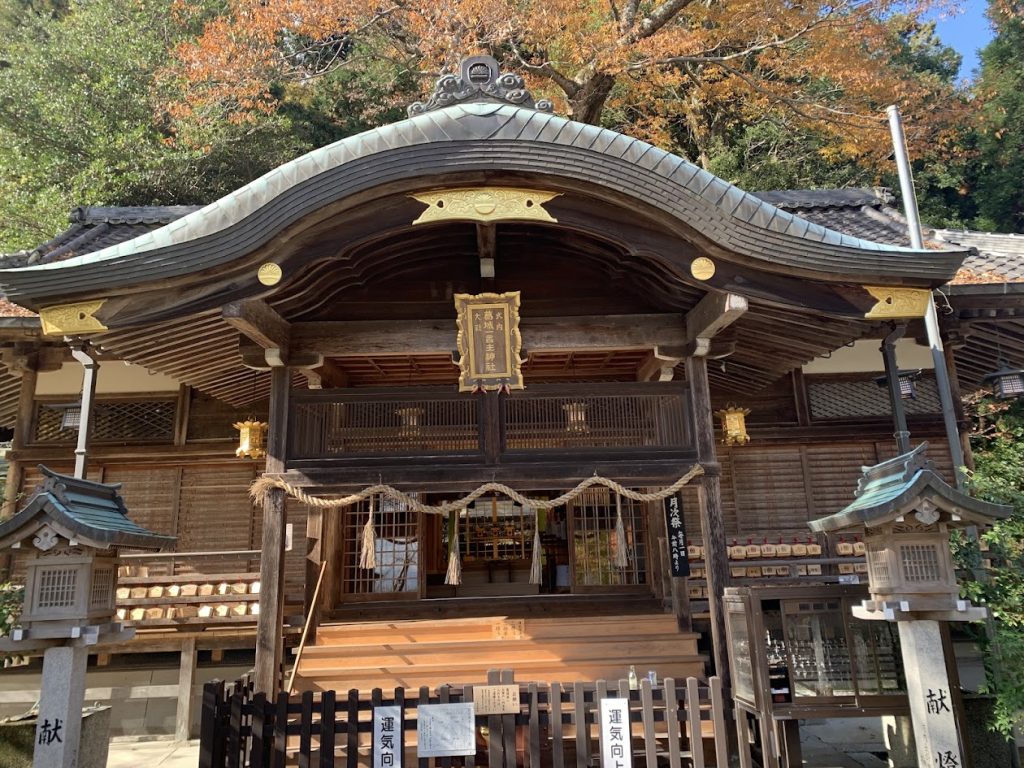
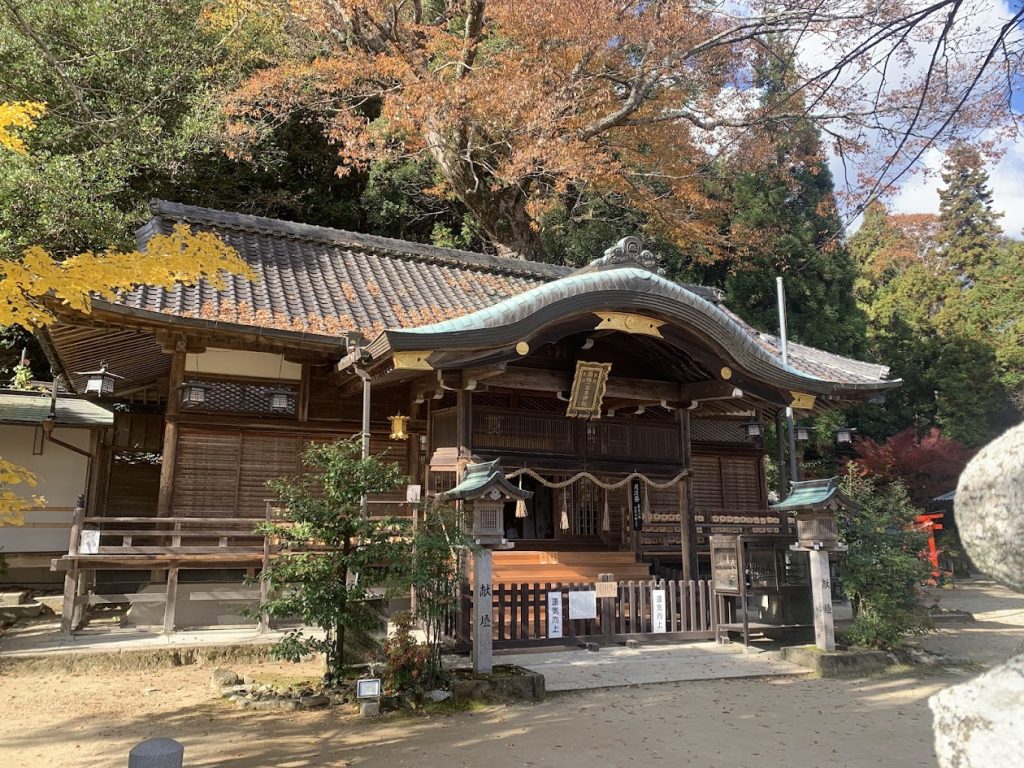
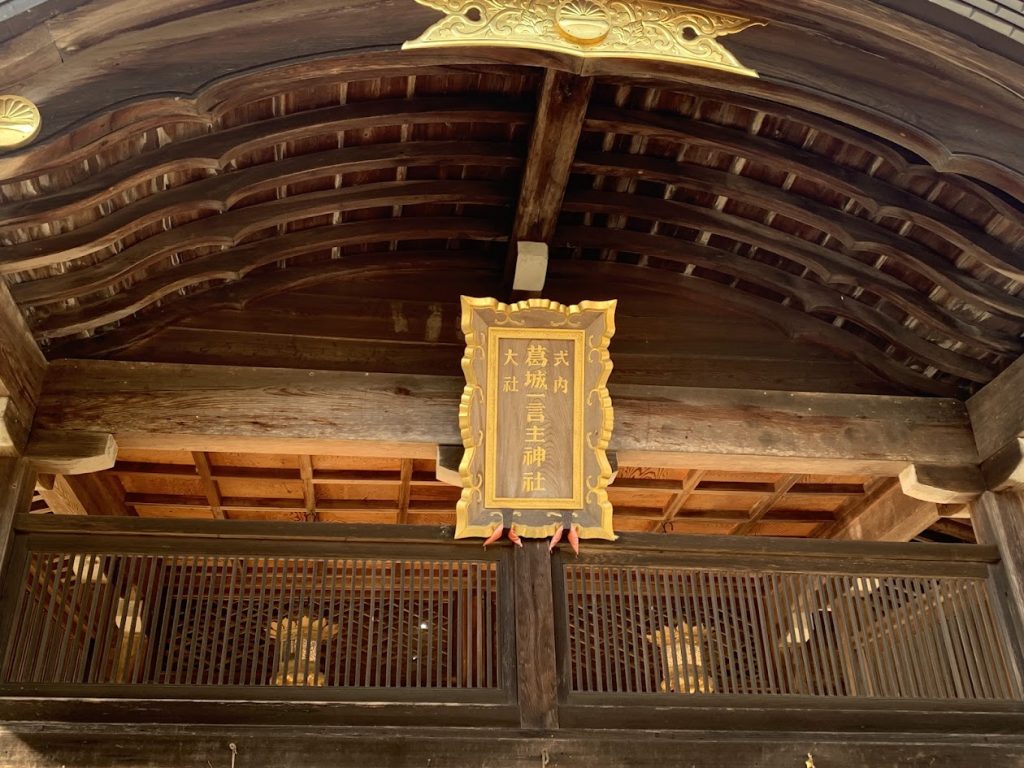
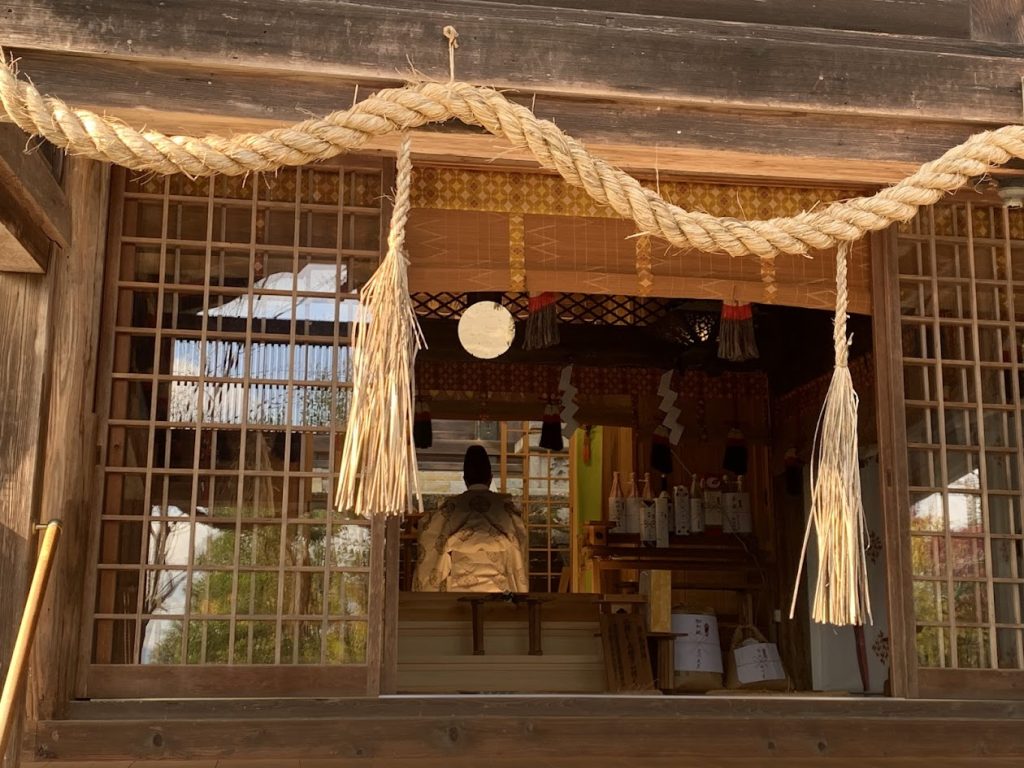
The worship hall (haiden) of Hitokotonushi Shrine
Hitokotonushi-no-Okami is said to have had an unattractive appearance. According to legend, when assisting En no Gyōja—a renowned ascetic monk—in building a bridge between Mount Katsuragi and Mount Kinpu in Yoshino, the deity was so self-conscious about his appearance that he worked only at night and hid during the day.
Despite this tale, the deity is affectionately referred to as Ichigon-san by locals, highlighting the community’s deep respect and connection to Hitokotonushi-no-Okami.
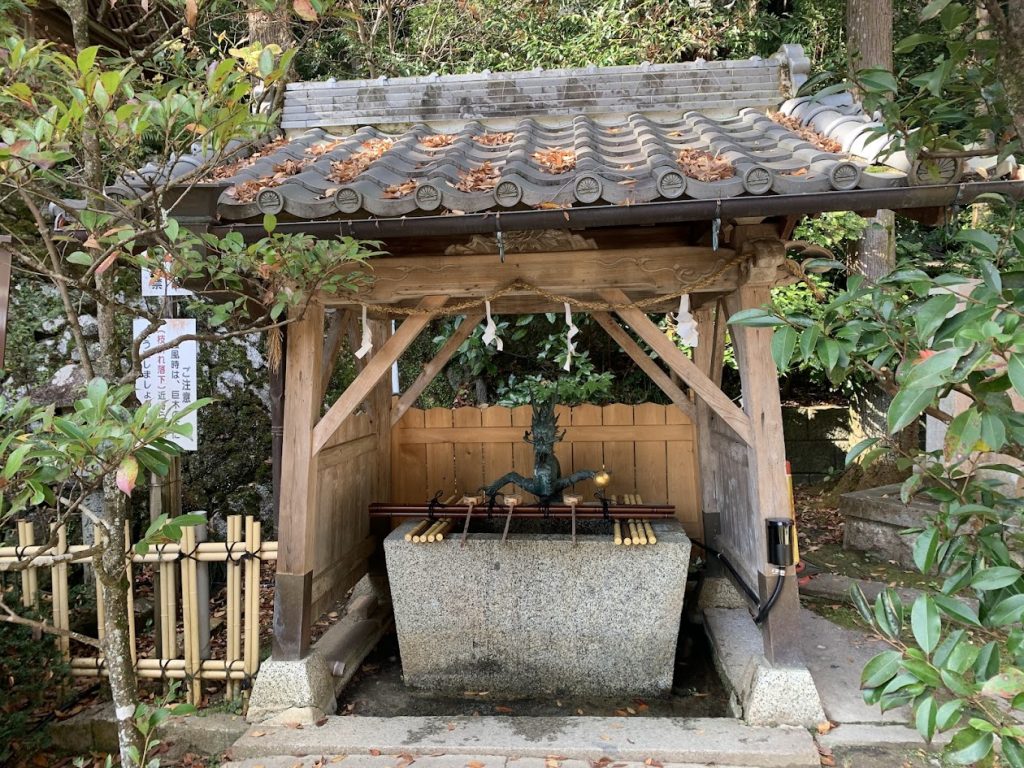
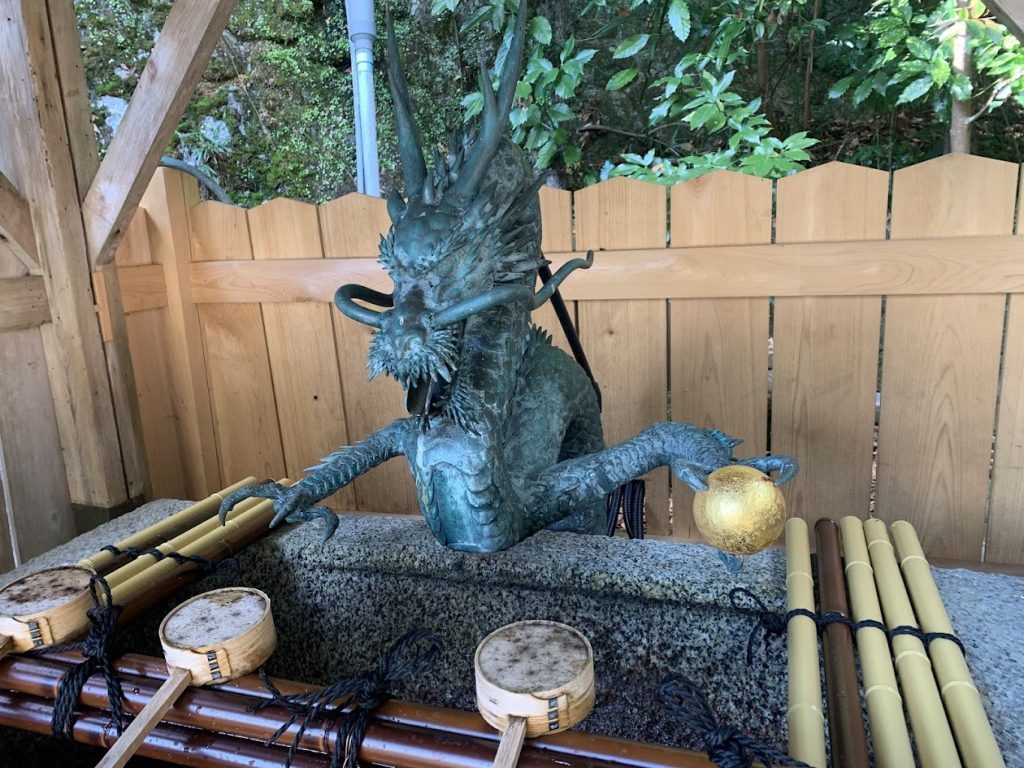
The dragon is holding a golden orb.
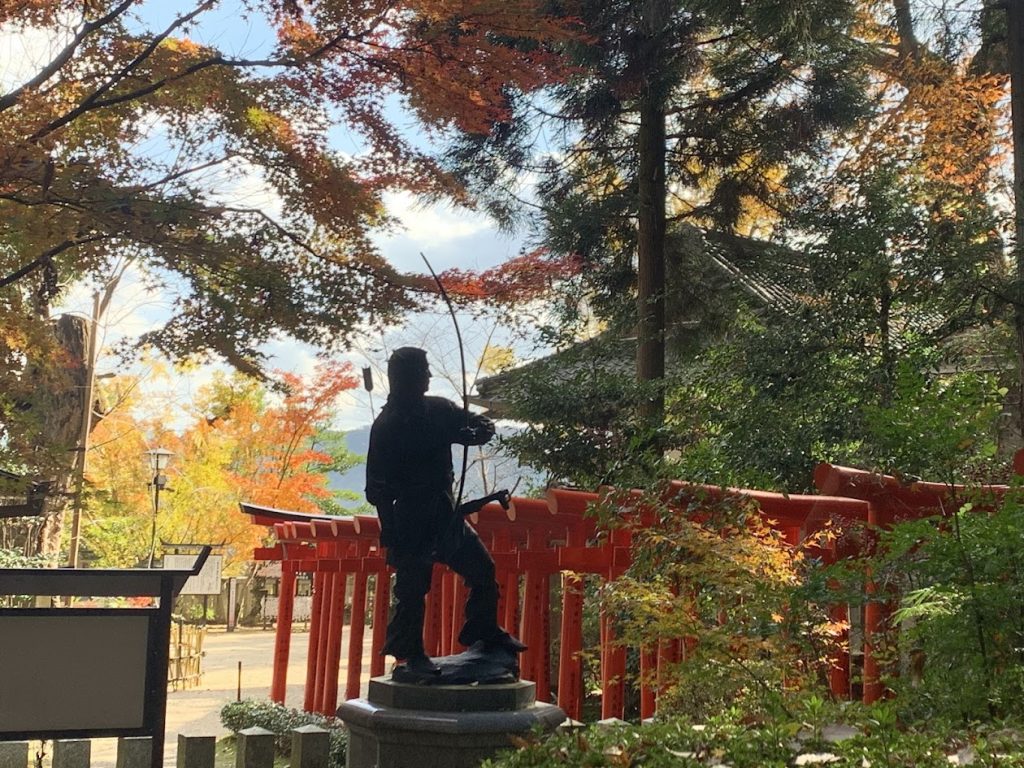
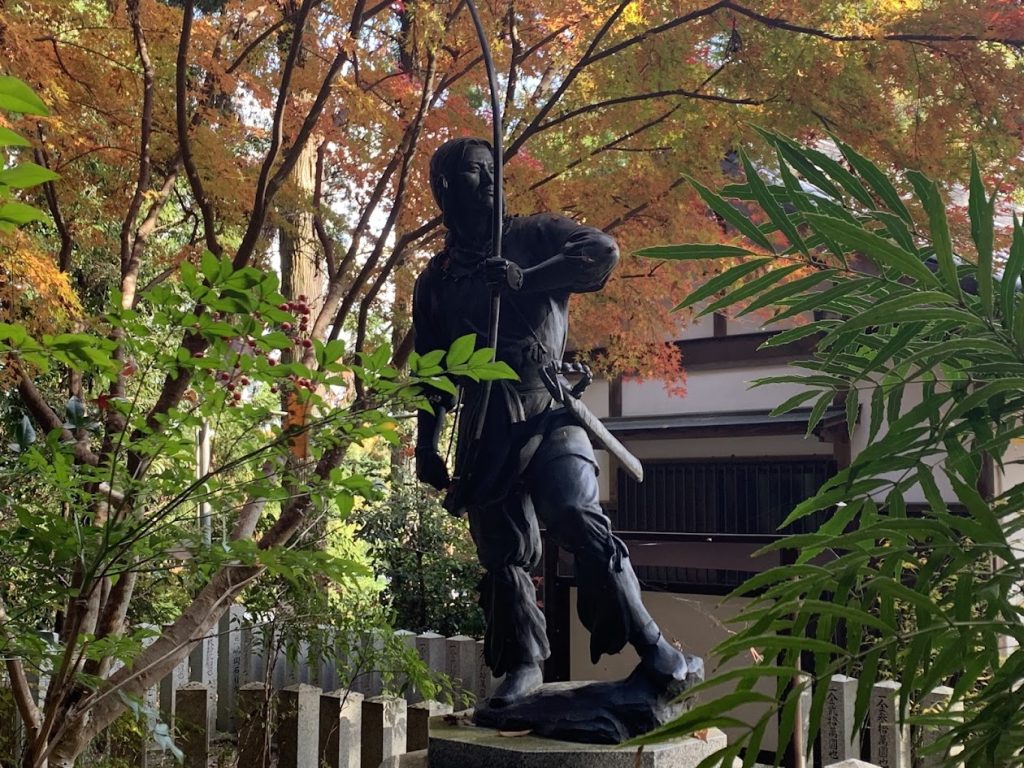
Emperor Yūryaku depicted in his hunting attire.

コメント