
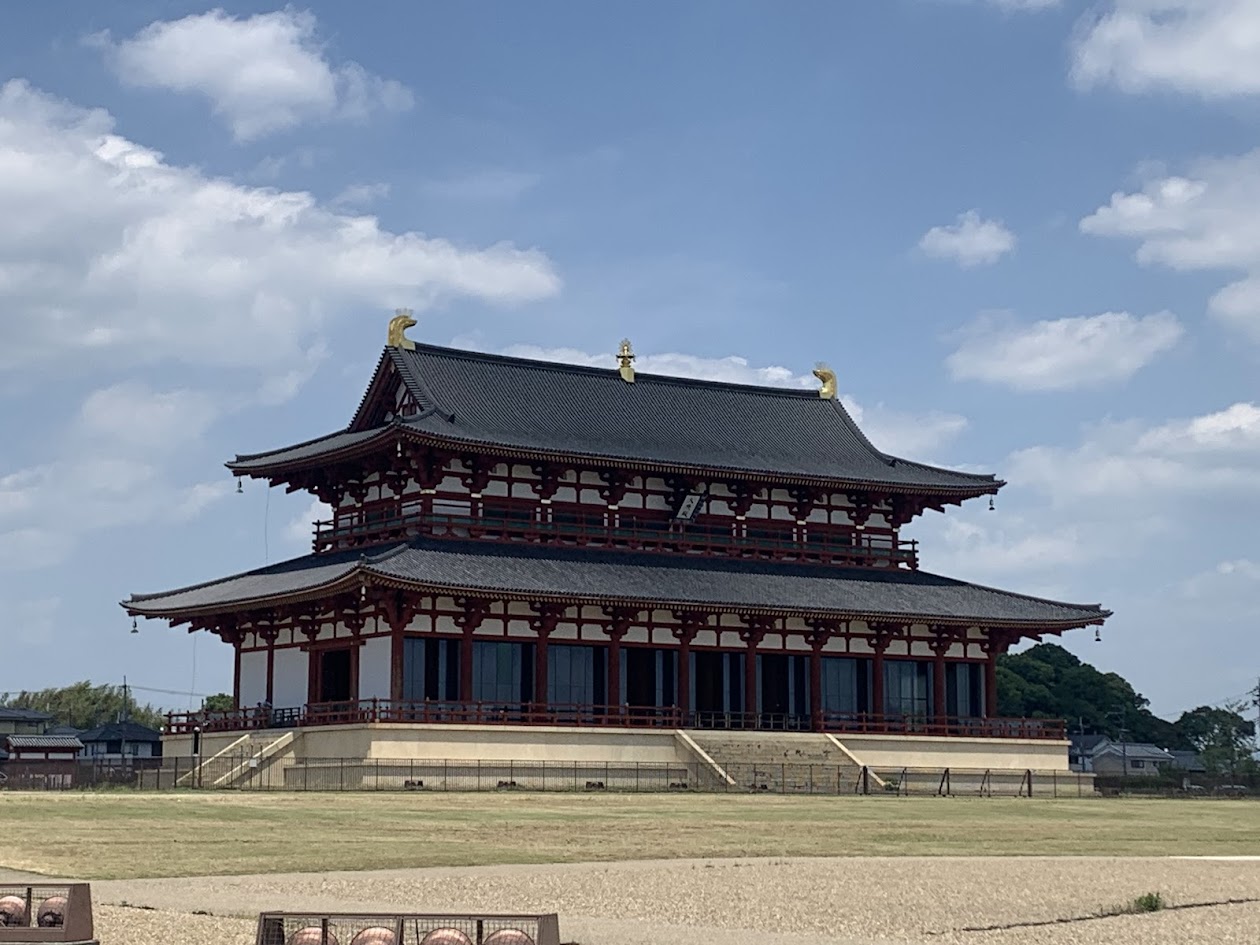

In front of the Suzaku Gate
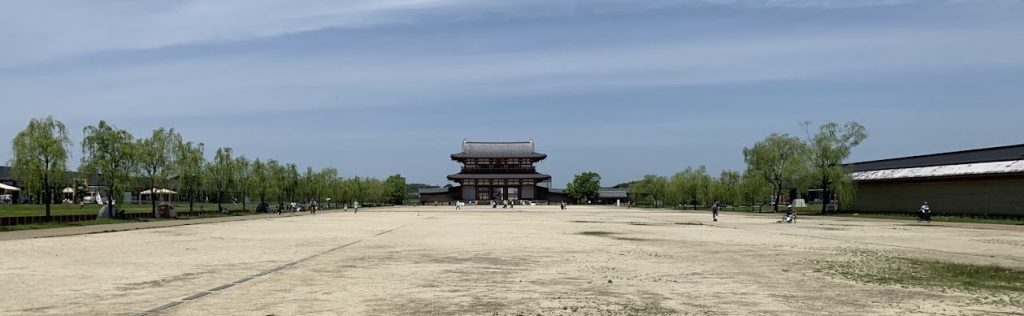
The Heijo Palace Site
The gate visible directly in front of you is the reconstructed Suzaku Gate.
From the Suzaku Gate, the main street of Heijo-kyo, called Suzaku Boulevard, stretched 3.7 km to the southern Rajo Gate.
The road was an impressive 70 meters wide.
Heijo-kyo flourished as Japan’s capital for 74 years, starting in 710.
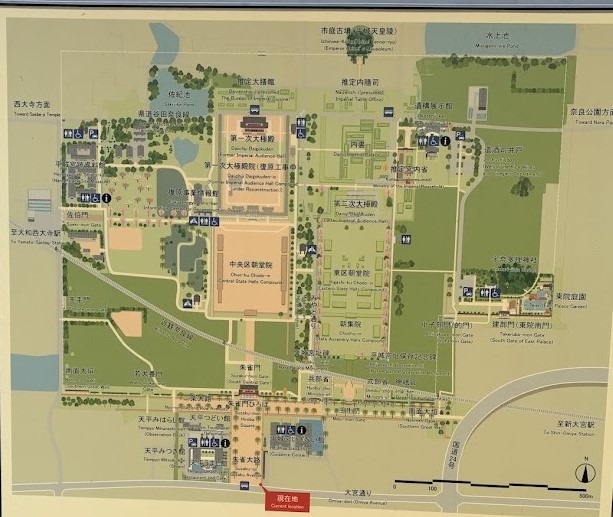
Map of the Heijo Palace Site Historical Park
From the north (top) of the center:
First Daigokuden Hall
First Daigokuin (under reconstruction)
Chodo-in Central Ward
(Across the Kintetsu railway tracks)
Suzaku Gate
Suzaku Gate Plaza
Suzaku Boulevard
(Current location of this map)
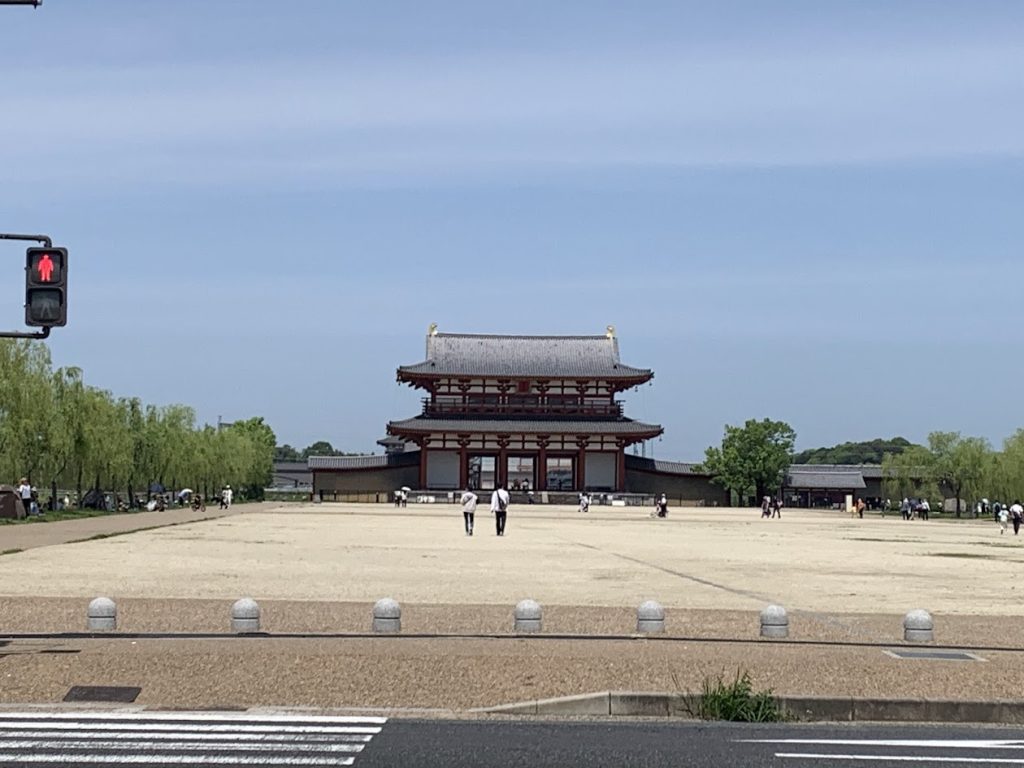
Reconstructed Suzaku Gate and Suzaku Gate Plaza
In front of this gate, foreign envoys were welcomed, and various celebrations were held.
Passing through this gate leads to Heijo Palace, where the Emperor’s residence and government offices were located.
The Heijo Palace Site was registered as a UNESCO World Cultural Heritage site in 1998 as part of the “Historic Monuments of Ancient Nara.”
Additionally, efforts to restore and preserve the site are steadily progressing under the designation of the National Heijo Palace Site Historical Park.
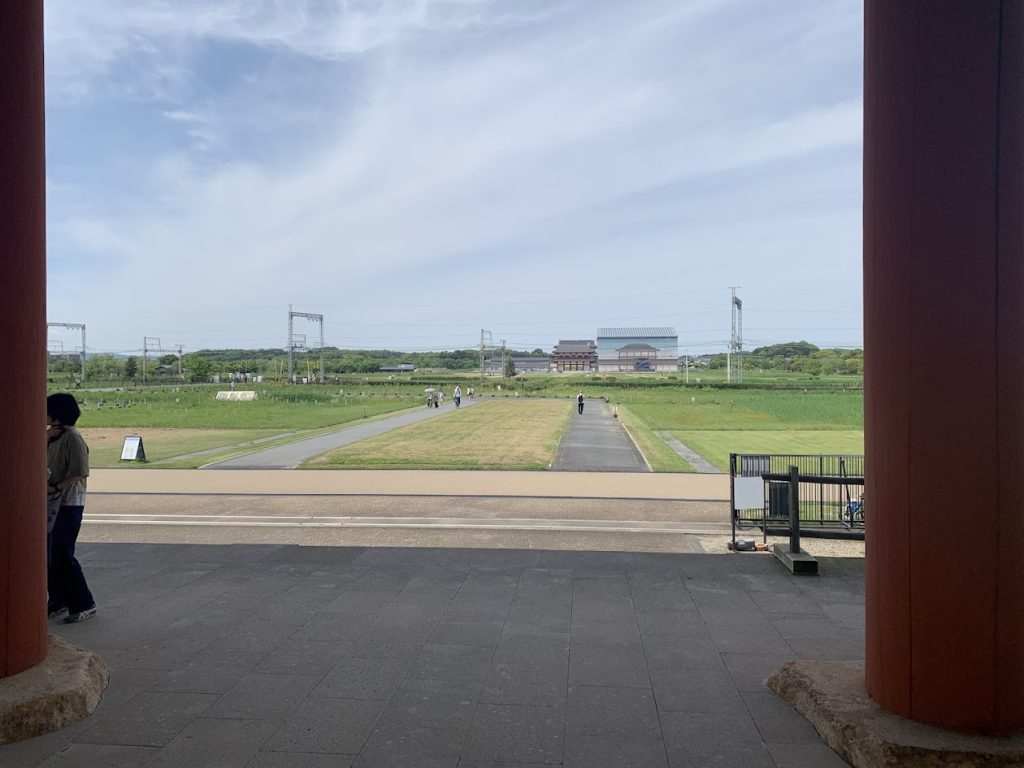
Looking at Heijo Palace from Suzaku Gate
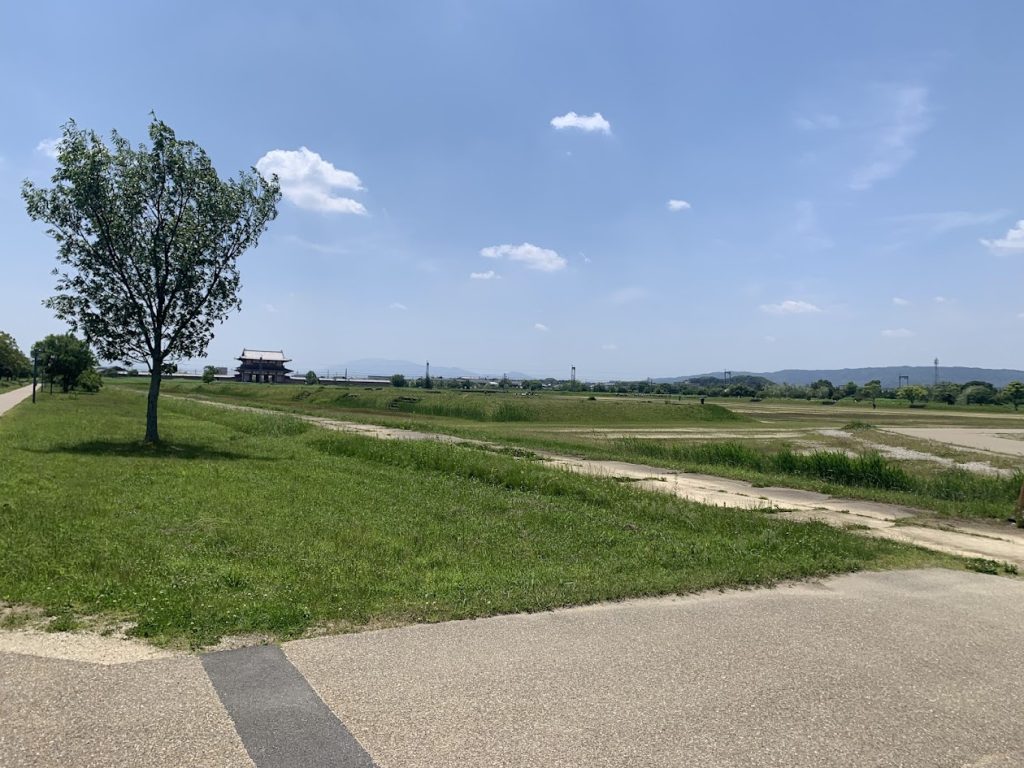
This vast area is Heijo Palace.
The reconstruction of the Daigokuden Hall has been completed, and currently, the restoration of structures like the Daigokumon Gate is underway.
Reconstructed “Kento-shi Ship”
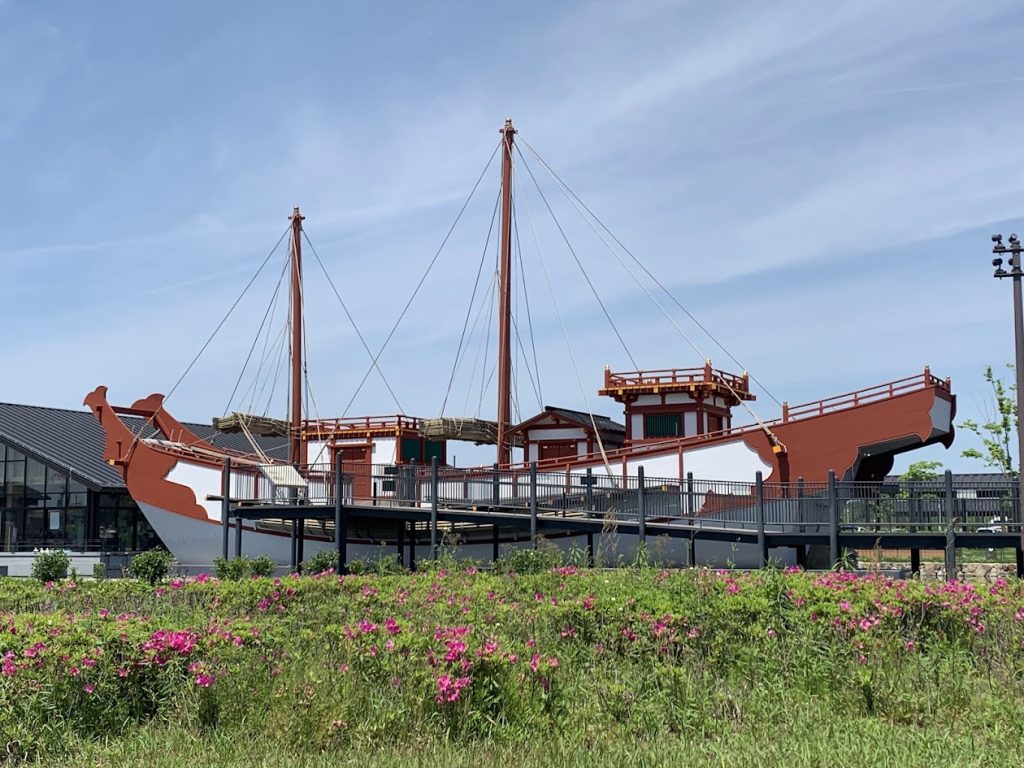
Reconstructed “Kento-shi Ship”
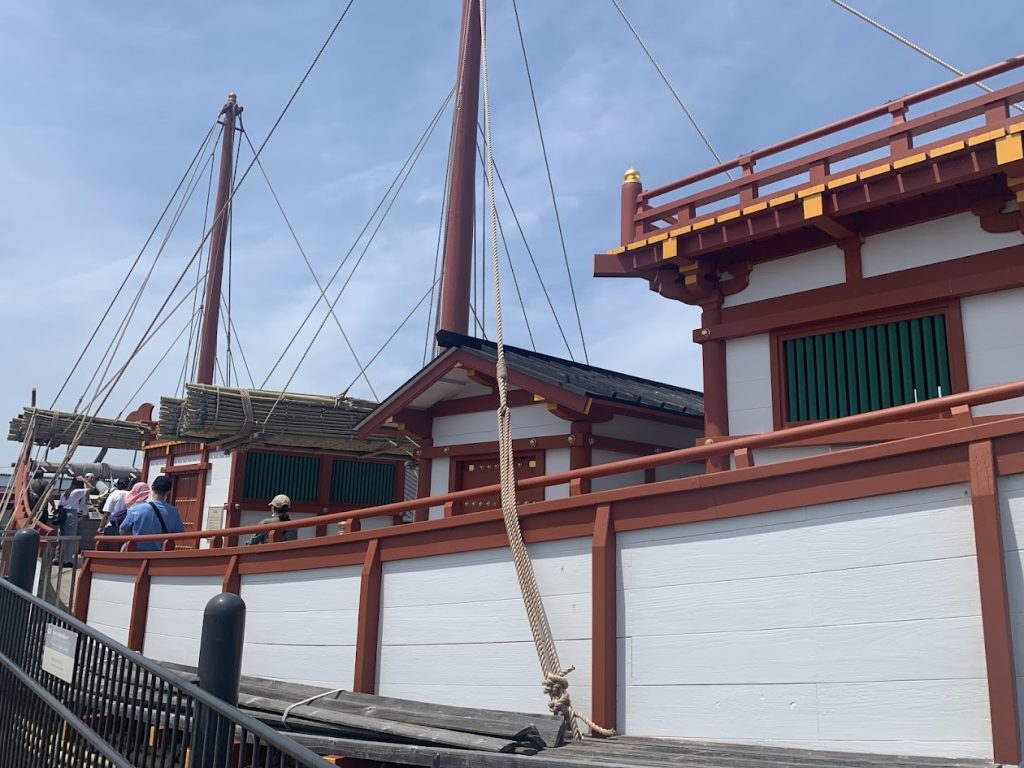
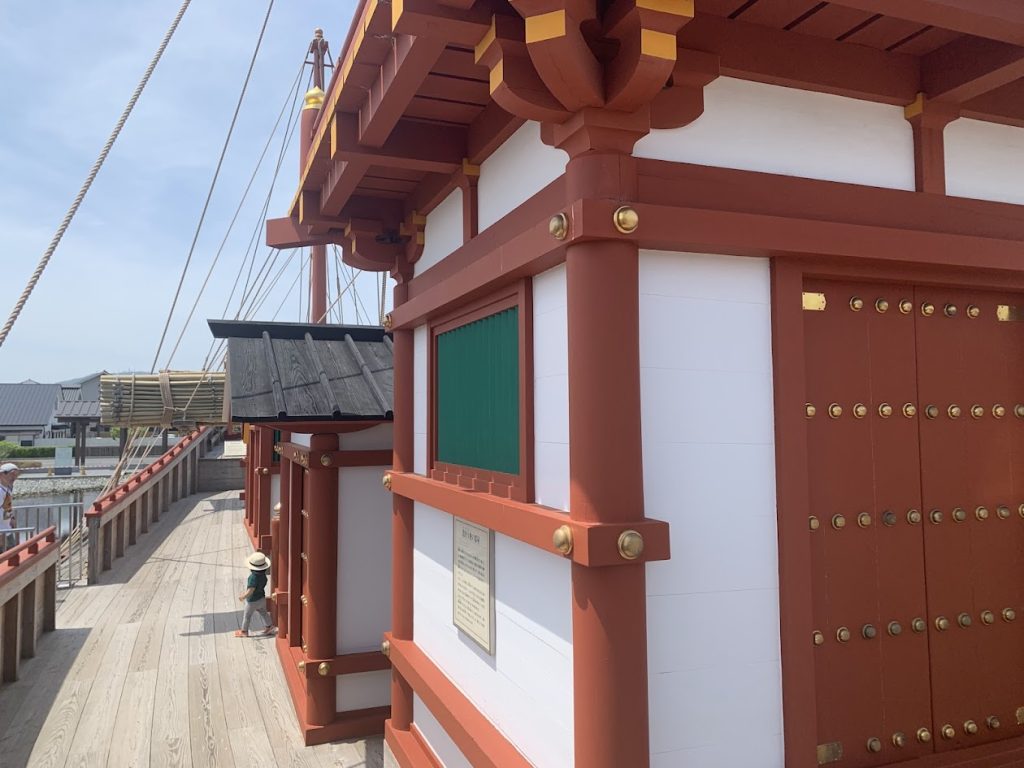
This ship is displayed at the entrance to the Heijo Palace Site Historical Park.
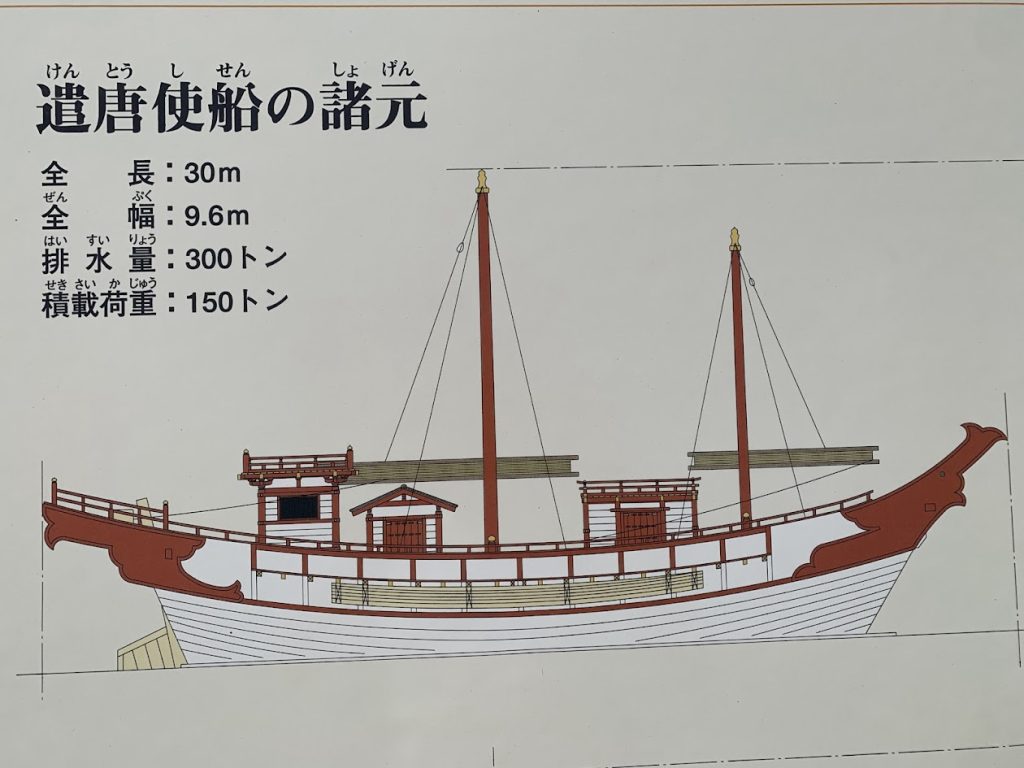
It is 30 meters long, 9.6 meters wide, with a displacement of 300 tons, and could carry up to 159 tons of cargo.
Kento-shi ships were dispatched 16 times between 630 and 838.
Each ship carried around 150 people, half of whom were envoys, including ambassadors, interpreters, doctors, students, and scholar monks, while the rest were rowers.
Initially, two ships were sent at a time, but from the 8th century onwards, four ships were dispatched as a group.
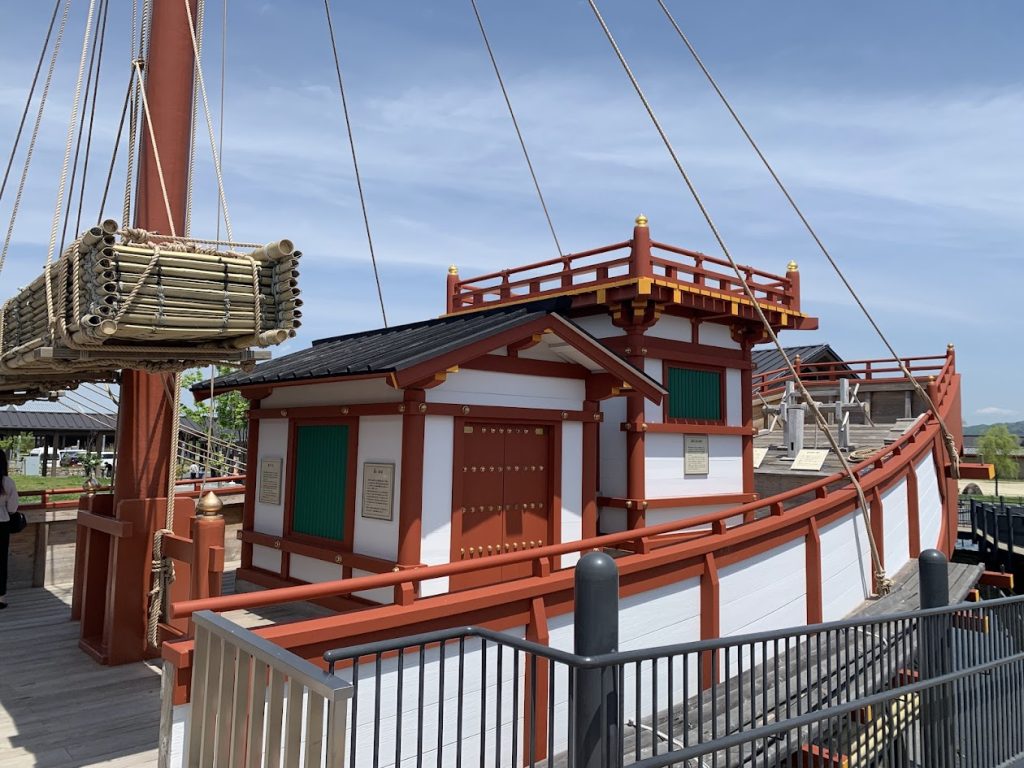
The back of the Kento-shi ship
The notable figures associated with the Kento-shi include:
Kukai
Yamanoue no Okura
Kibi no Makibi
Abe no Nakamaro
Saicho
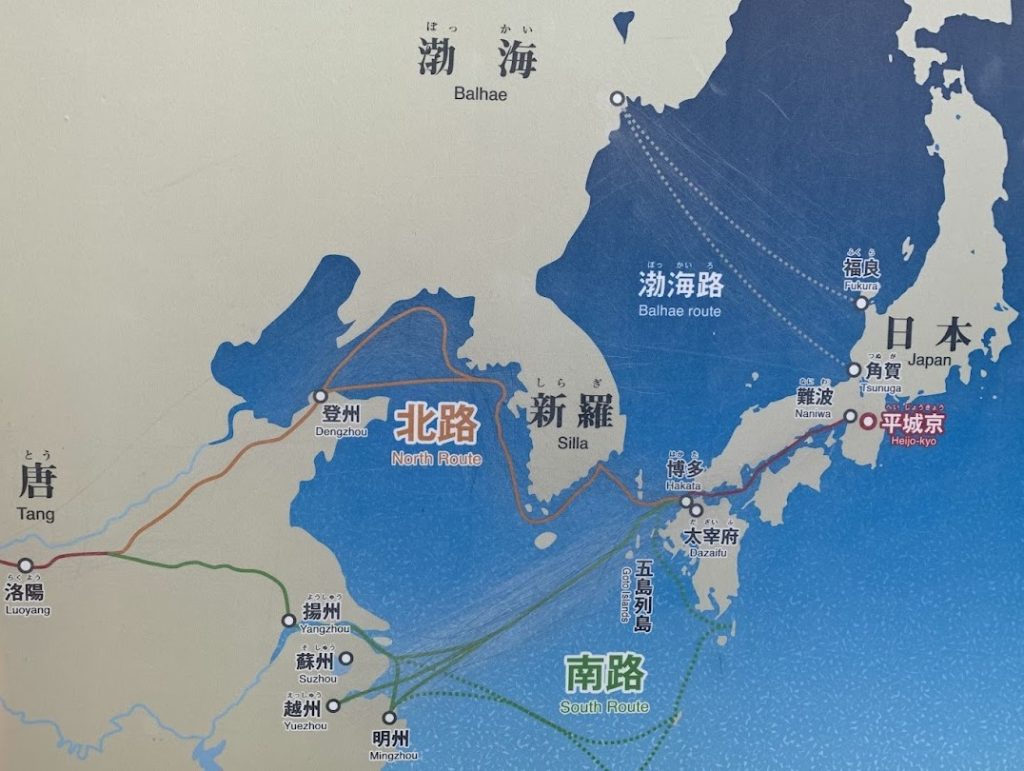
Initially, they traveled via the northern route, but during the Nara period, they crossed the sea using the southern route, aiming for the Tang capital.
Great Hall of the Heijo Palace
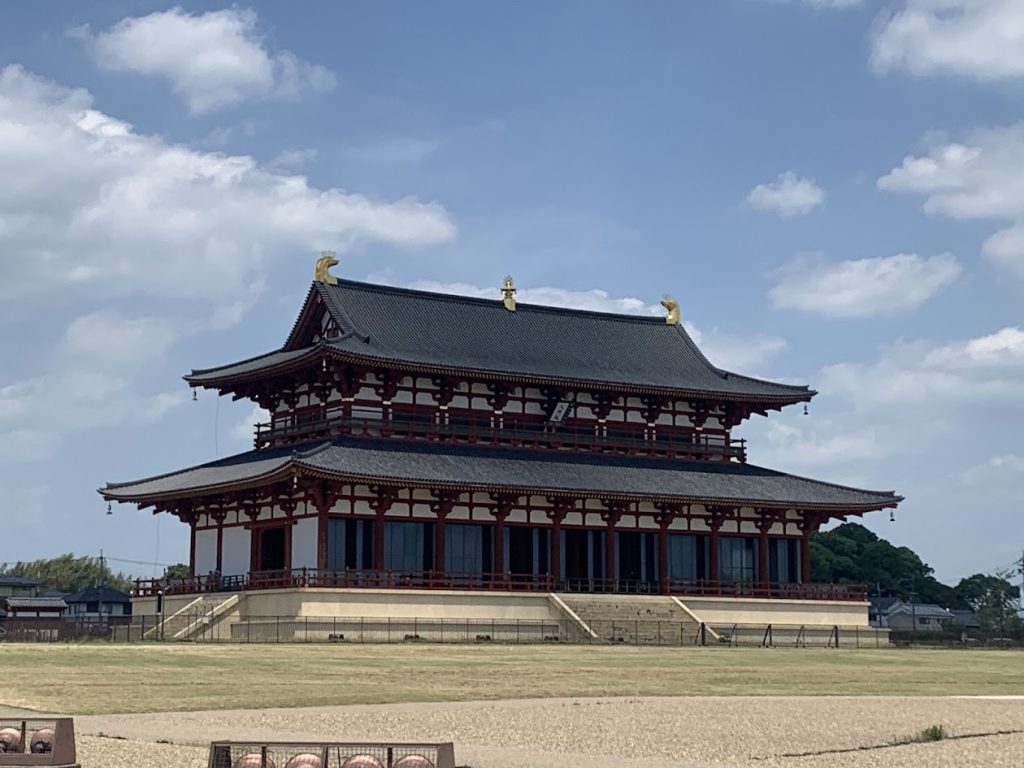
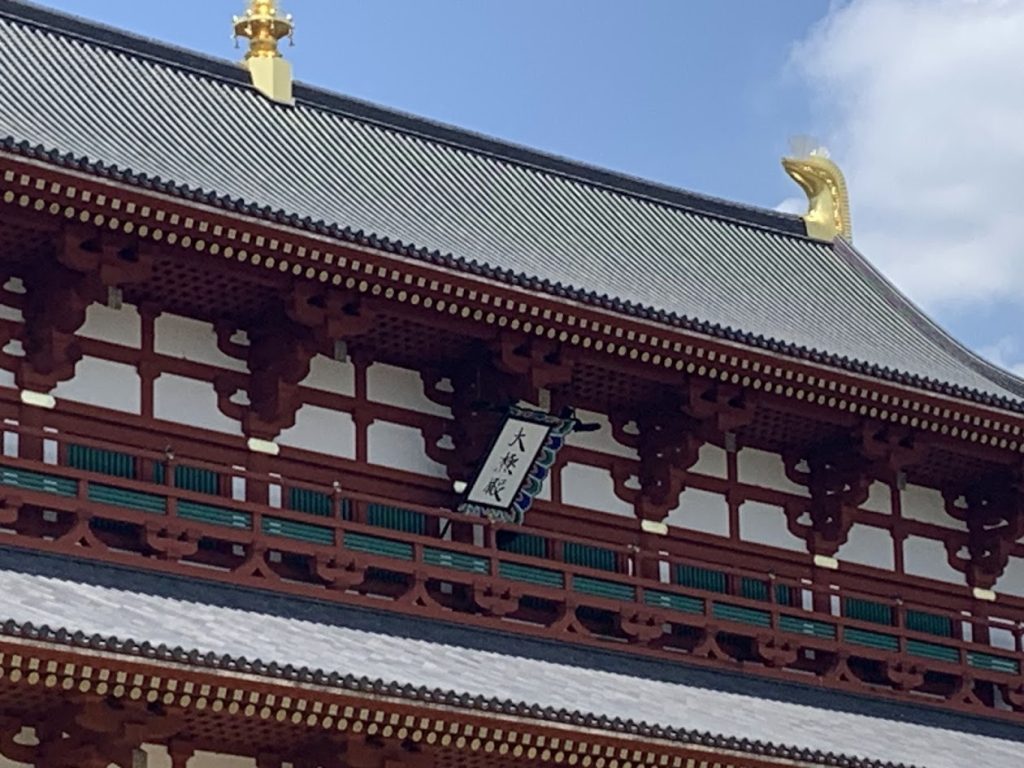
The Great Hall of the Heijo Palace was the most important place where national ceremonies, such as the emperor’s enthronement, were held.
Restoration work was completed in 2010.
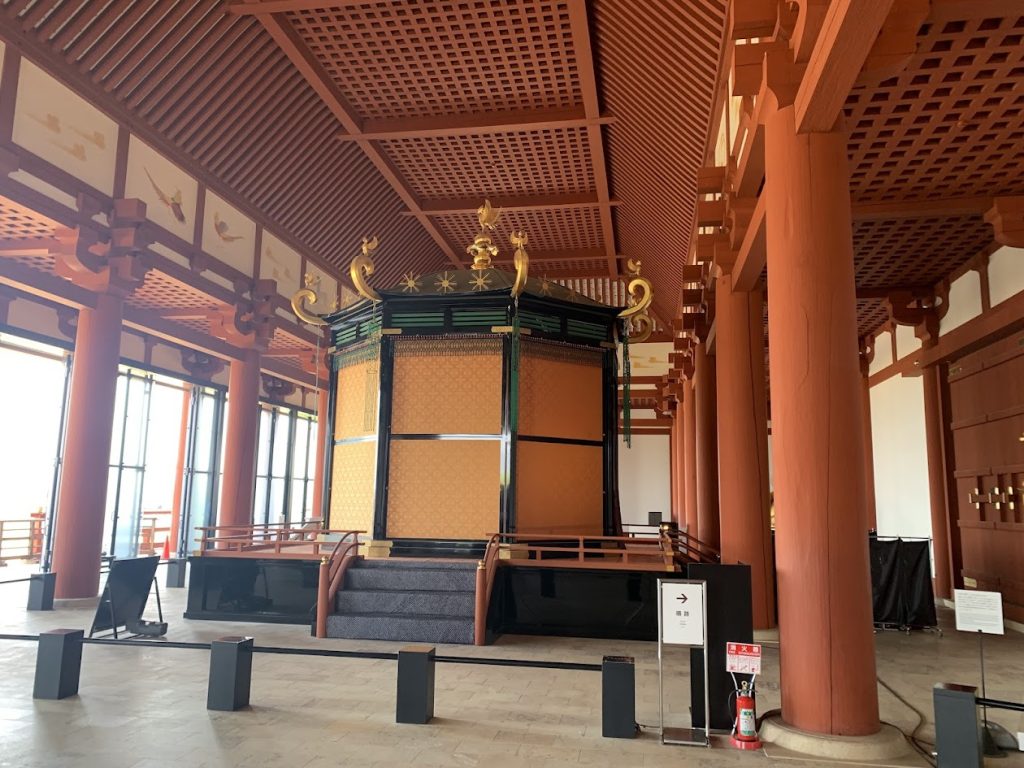
This is the Takamikura inside the Daigokuden Hall.
It is the throne where the emperor would sit during national ceremonies.
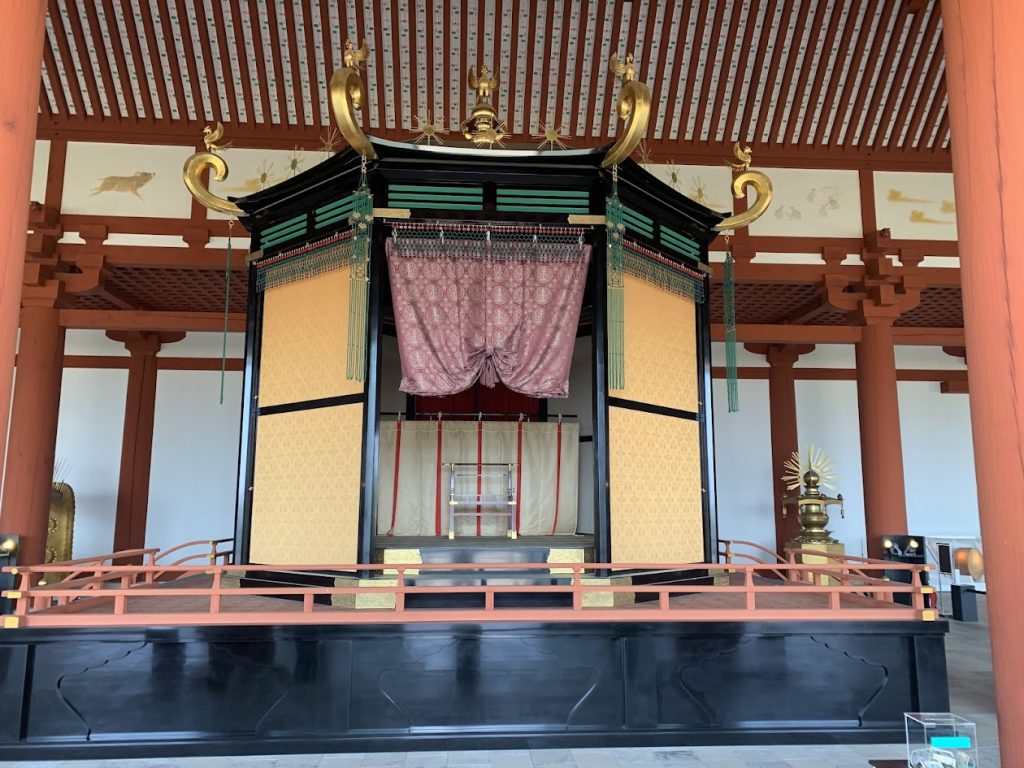
The Takamikura viewed from the front
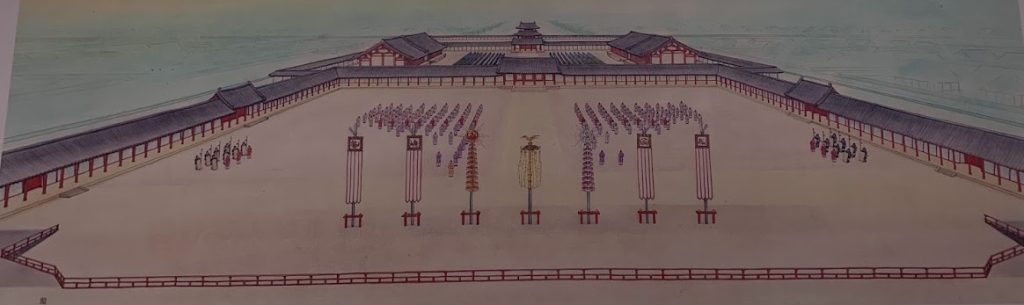
During national ceremonies such as the enthronement and New Year’s Day ceremonies, aristocrats lined up in the inner courtyard in front of the Daigokuden Hall.
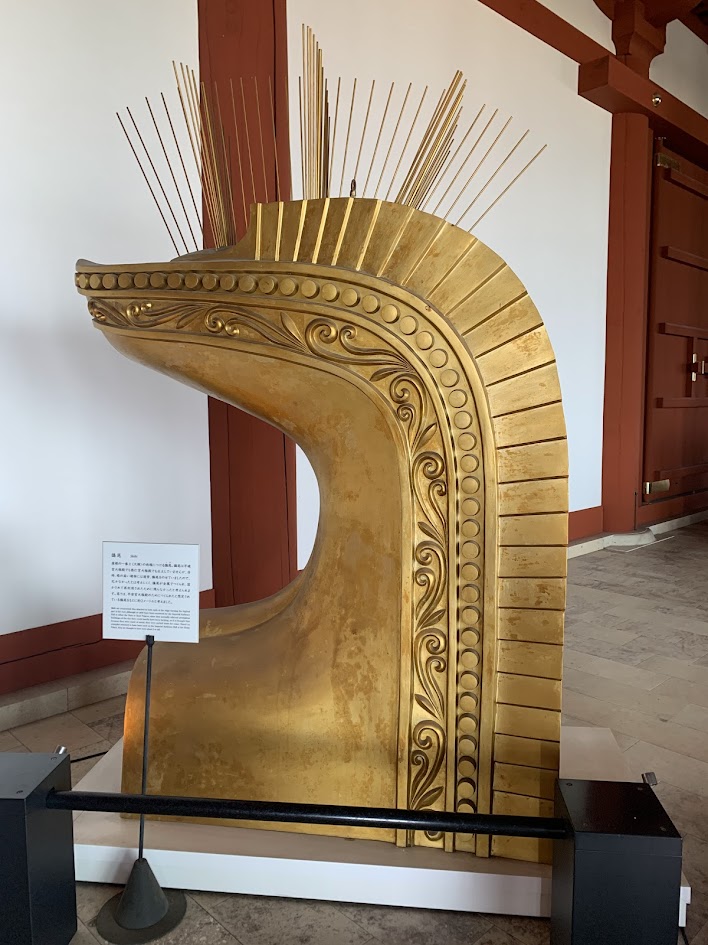
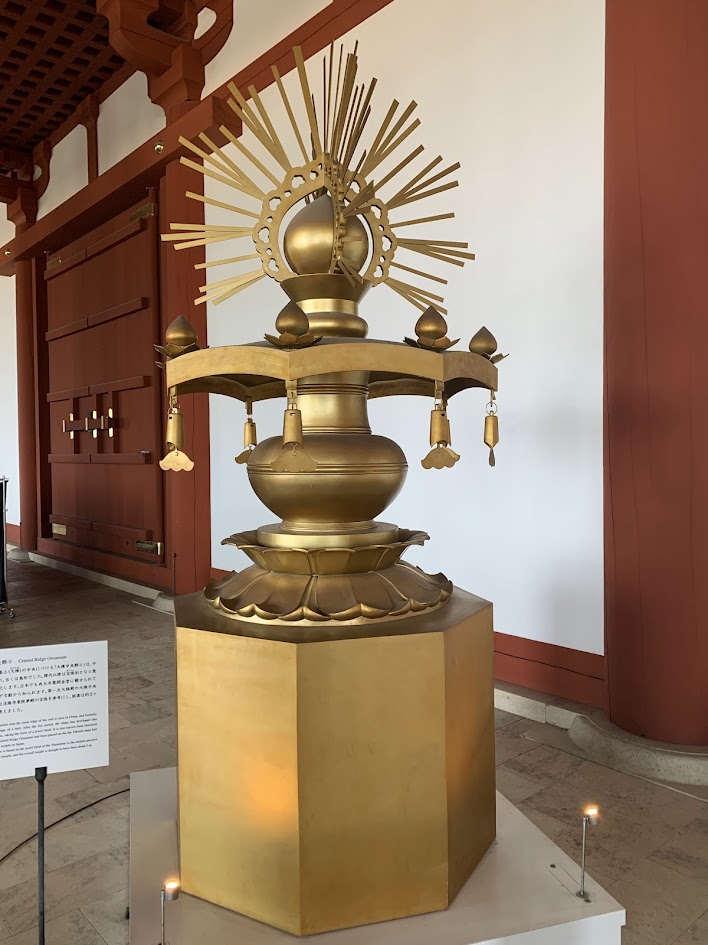
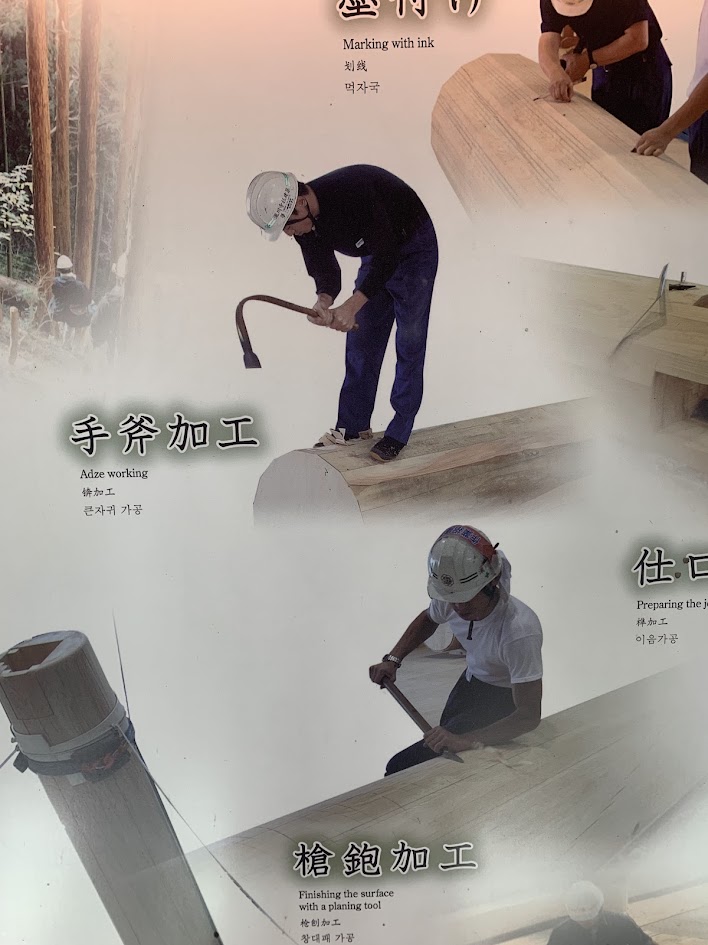
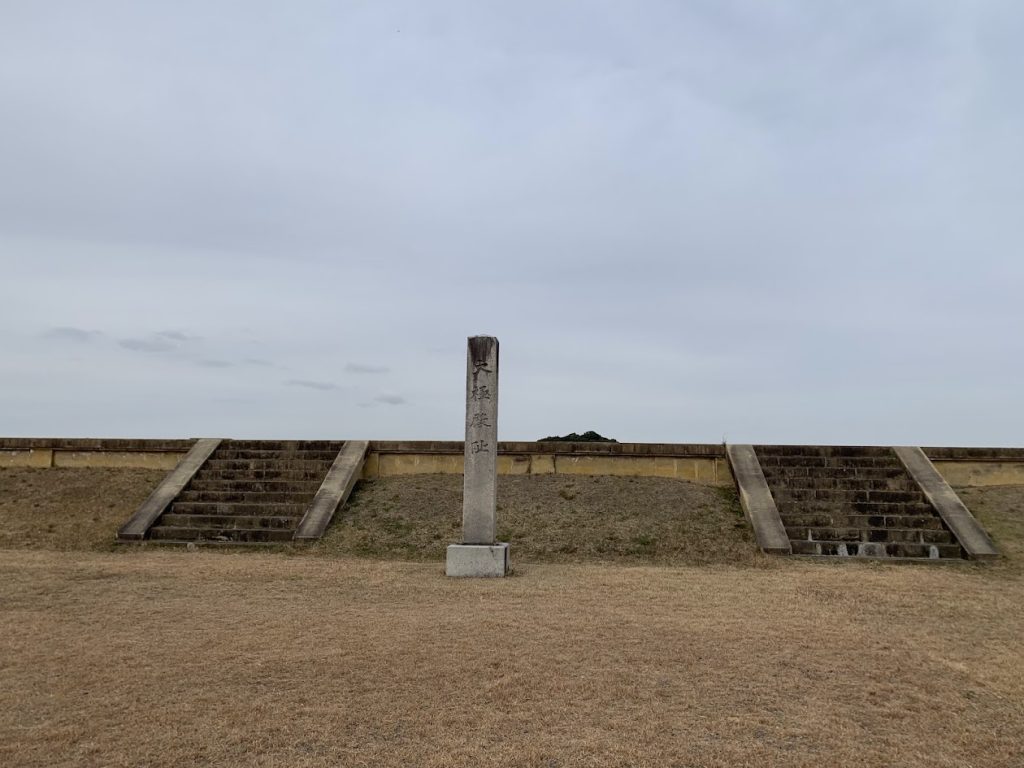
Monument to the Site of the Daigokuden The Daigokuden, or Imperial Audience Hall, was constructed twice during the Nara period.
This site marks the remains of the Second Daigokuden.
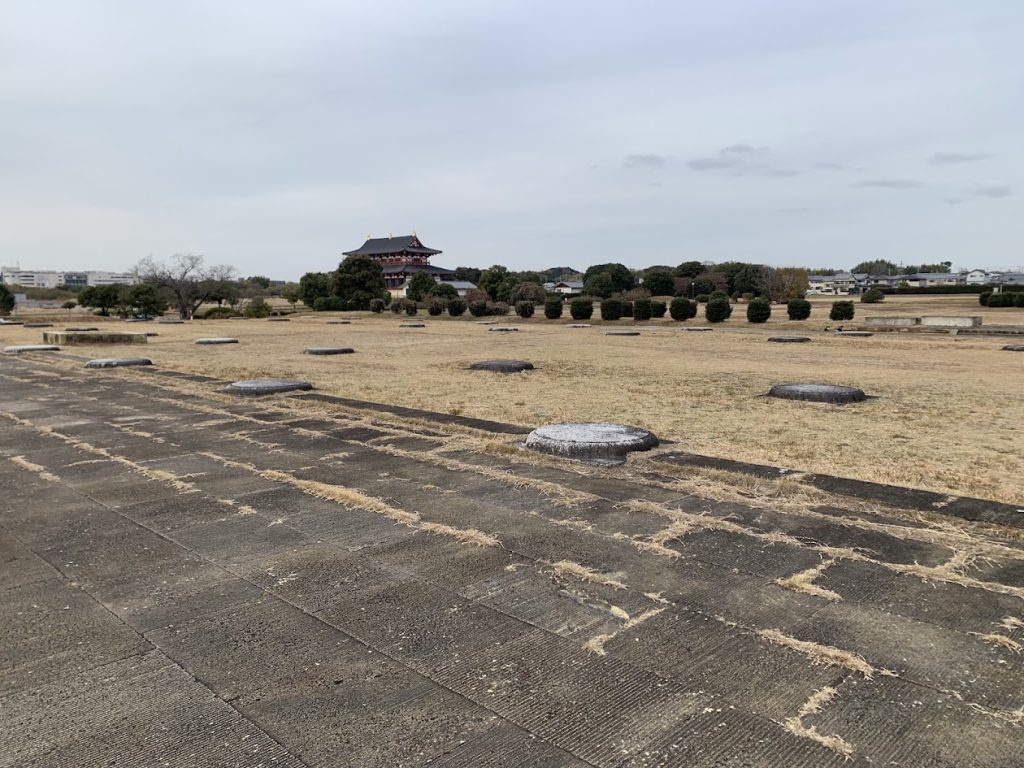
Foundation Stone of the Second Daigokuden This stone marks the foundation of the second Imperial Audience Hall (Daigokuden).
In the distance, you can see the structure of the first Daigokuden.
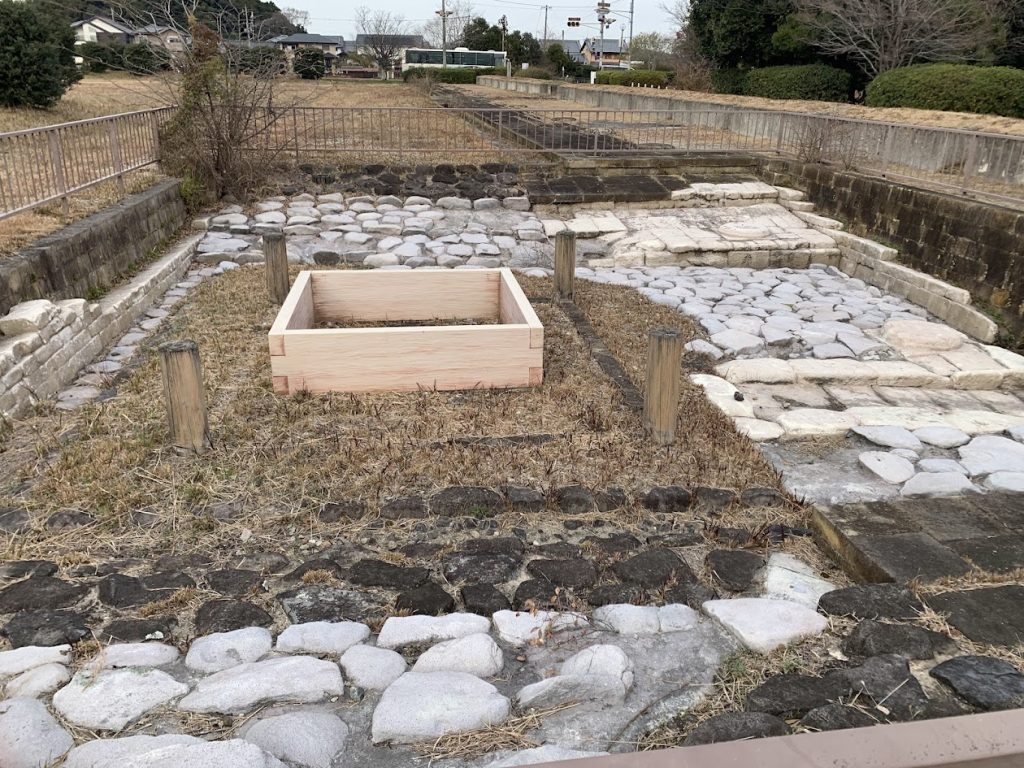
Remains of a Well
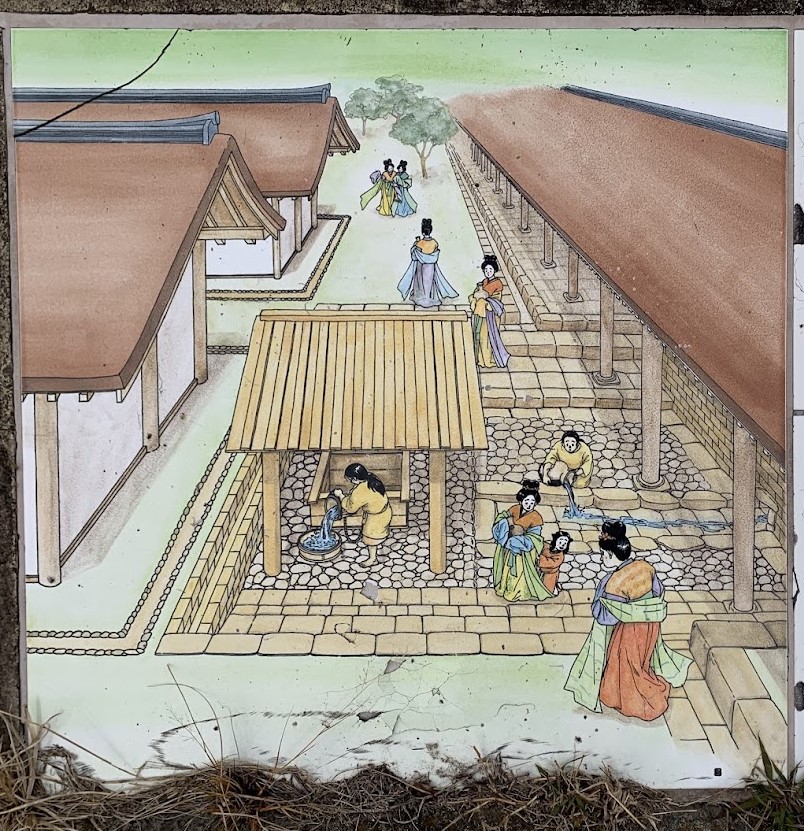
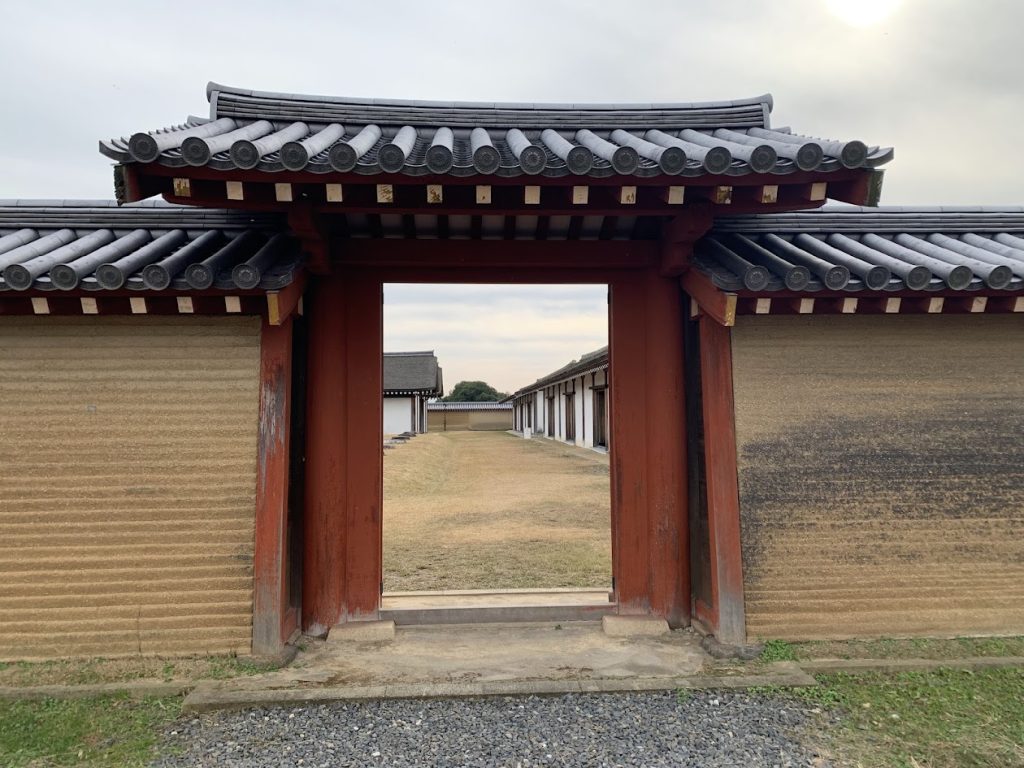
Presumed Entrance to the Imperial Household Ministry
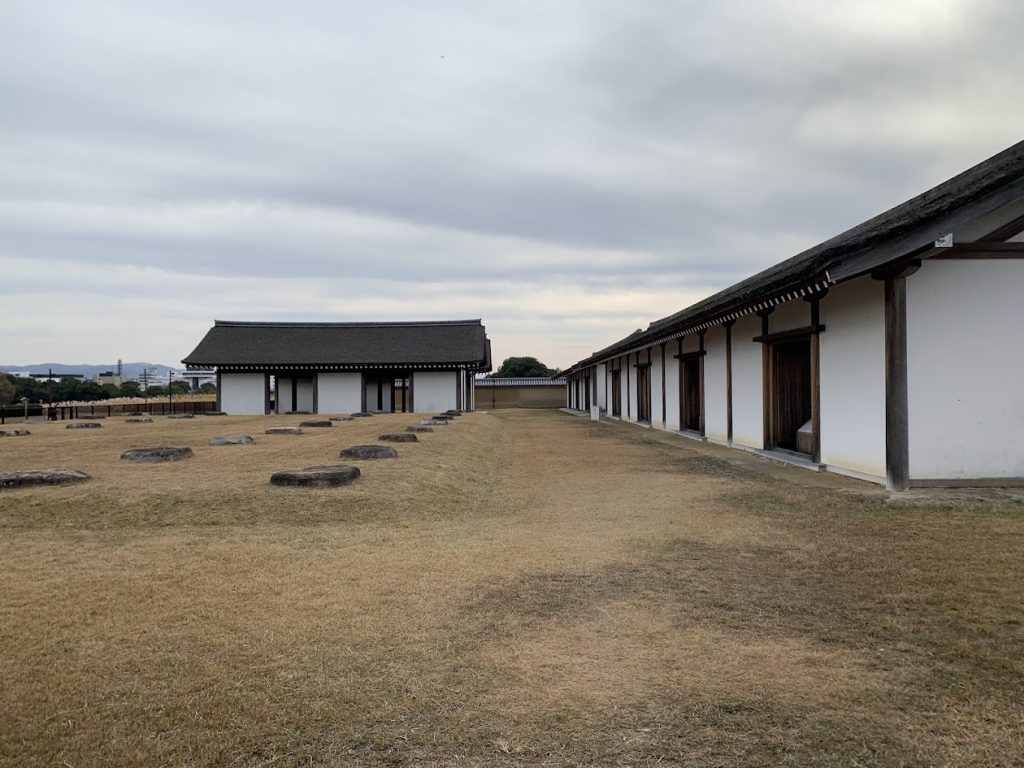
Presumed Site of the Imperial Household Ministry
Many government officials are believed to have worked here in administrative service.
The Toin Garden
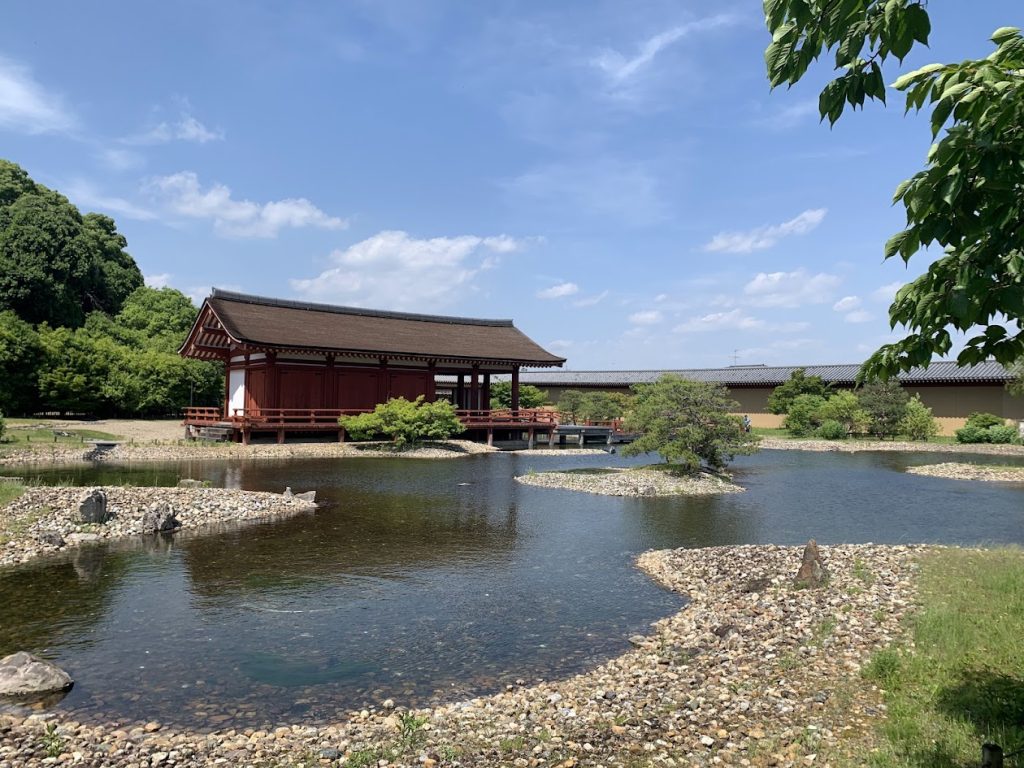
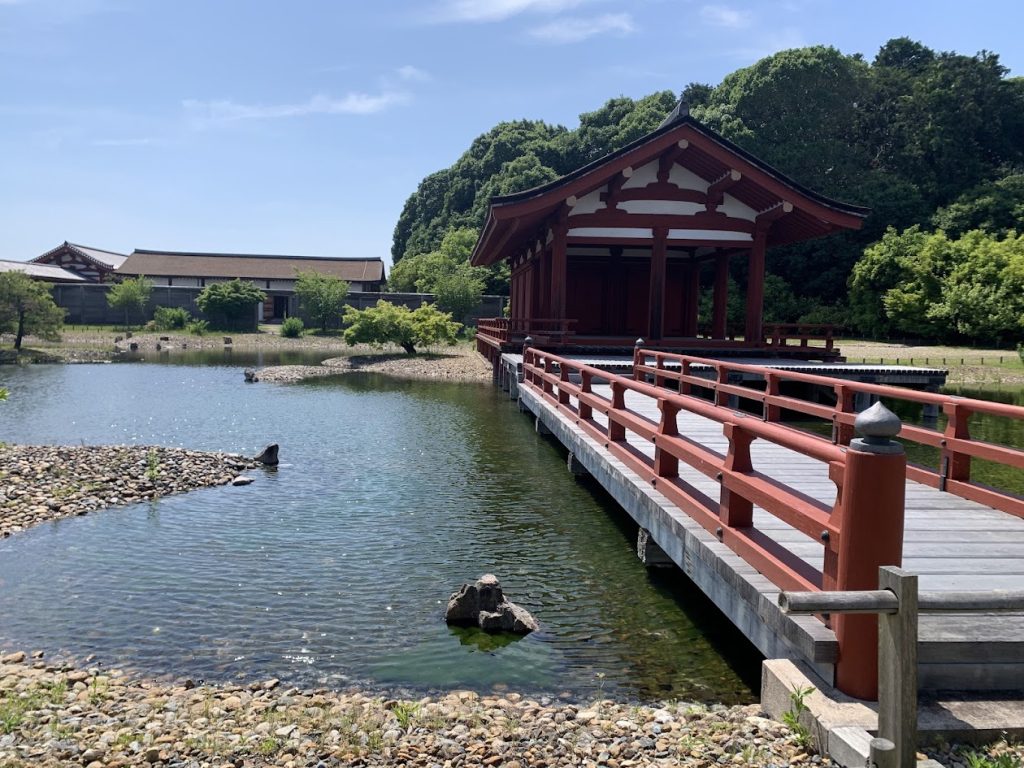
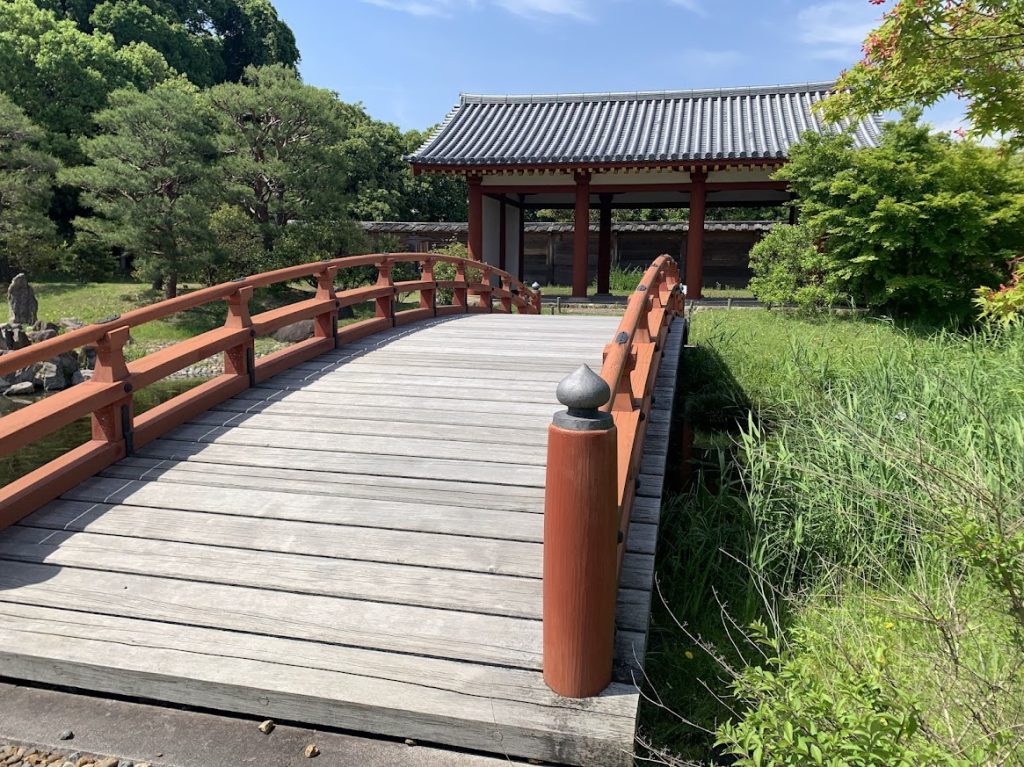
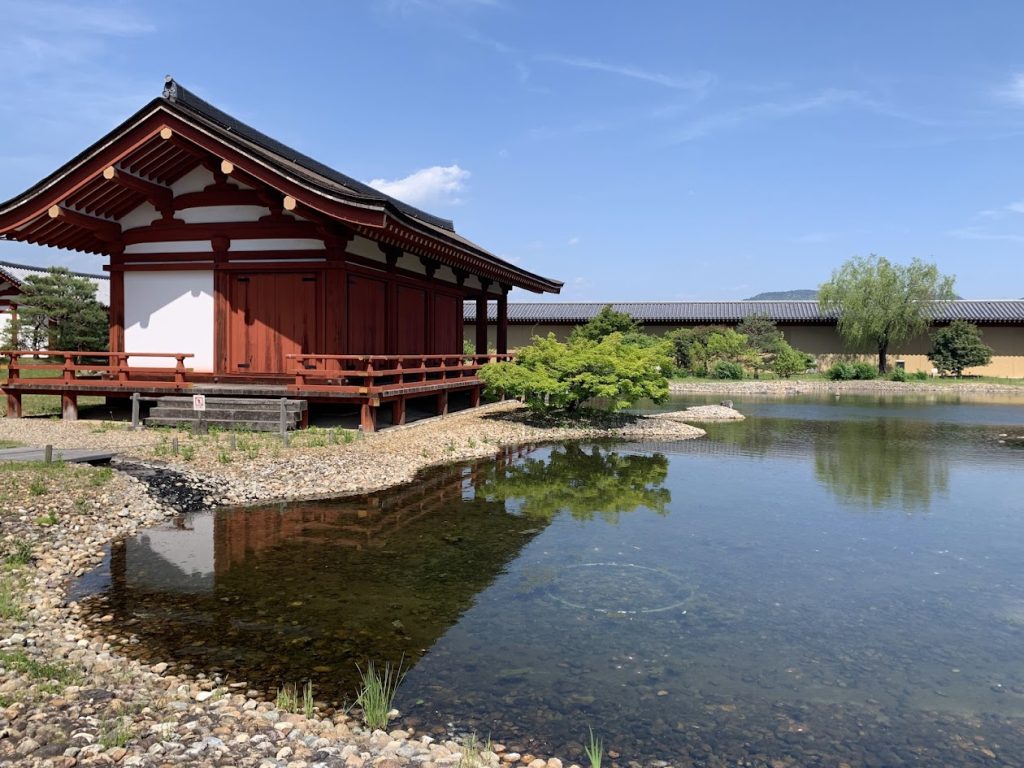
Located in the eastern extension of the Heijo Palace, the Toin Garden seems to have served as a reception area centered around a pond.
The Heijo Palace Izanai-kan
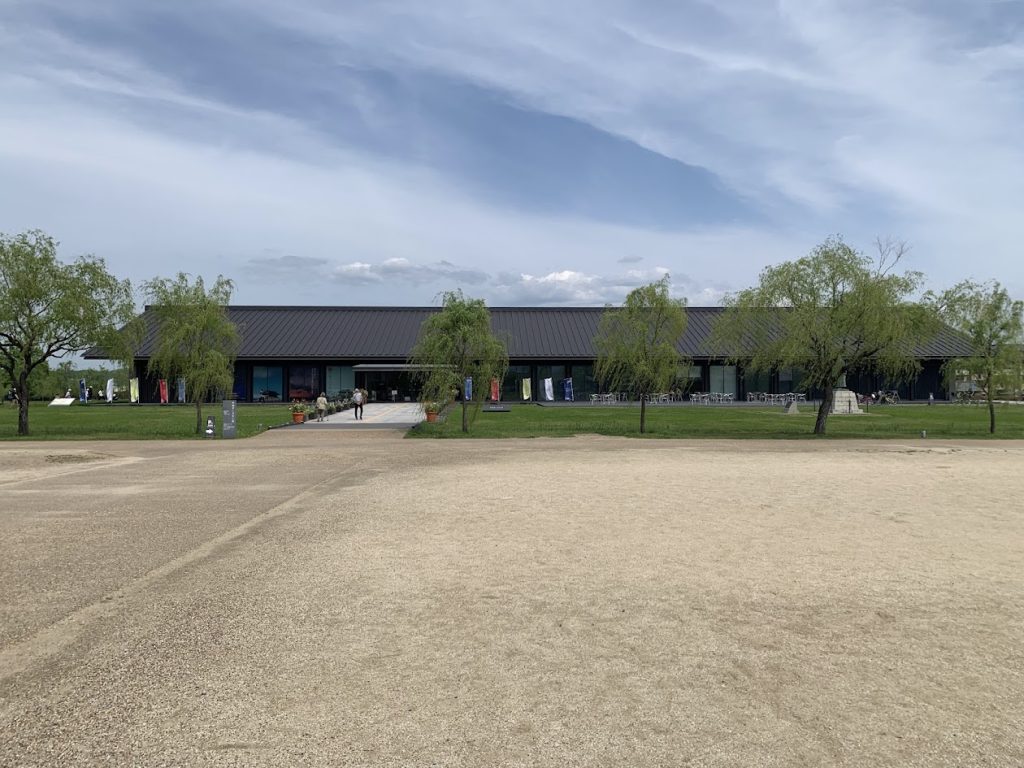
The Heijo Palace Izanai-kan is located next to the Suzaku Gate.
It offers detailed information about Heijo-kyo.
Here are some of the things you can learn about:
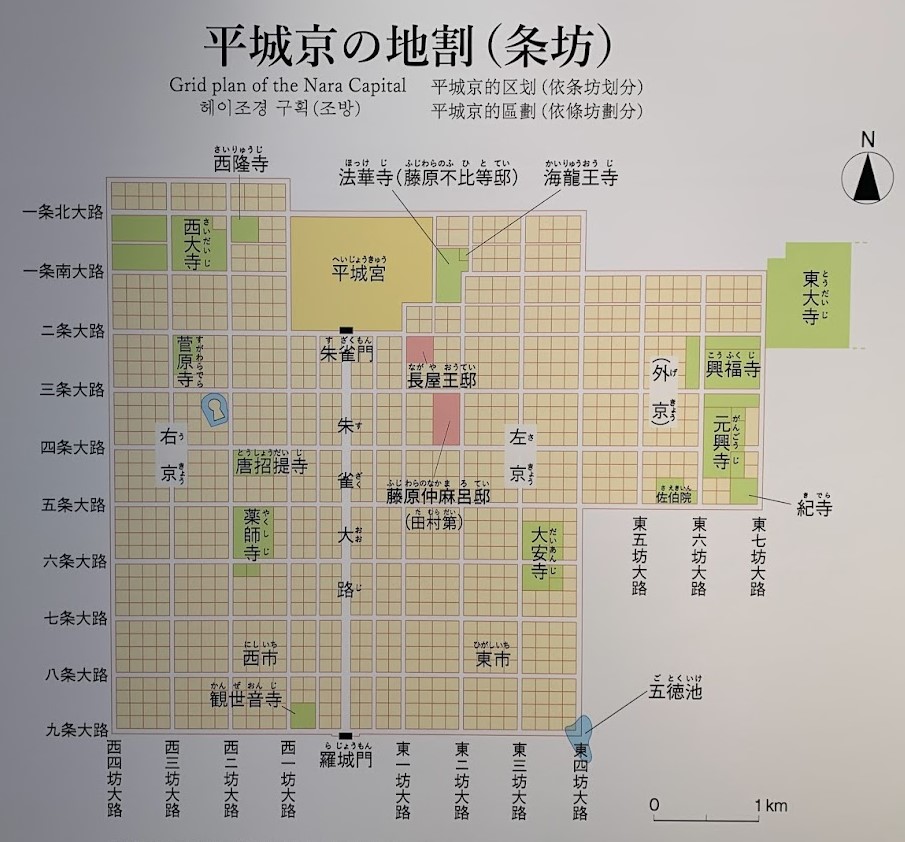
The grid system of Heijo-kyo included east-west streets numbered from 1-jo to 9-jo and north-south streets numbered from 1-bo to 4-bo, creating a layout of both east-west and north-south streets.
The area around present-day Nara City Center, including the JR and Kintetsu Nara Station areas, was known as the eastern extension called Gekyo.
This diagram includes all seven temples known as the Seven Great Temples of Nanto: Todai-ji, Kofuku-ji, Gango-ji, Daian-ji, Saidai-ji, Yakushi-ji, and Toshodai-ji.
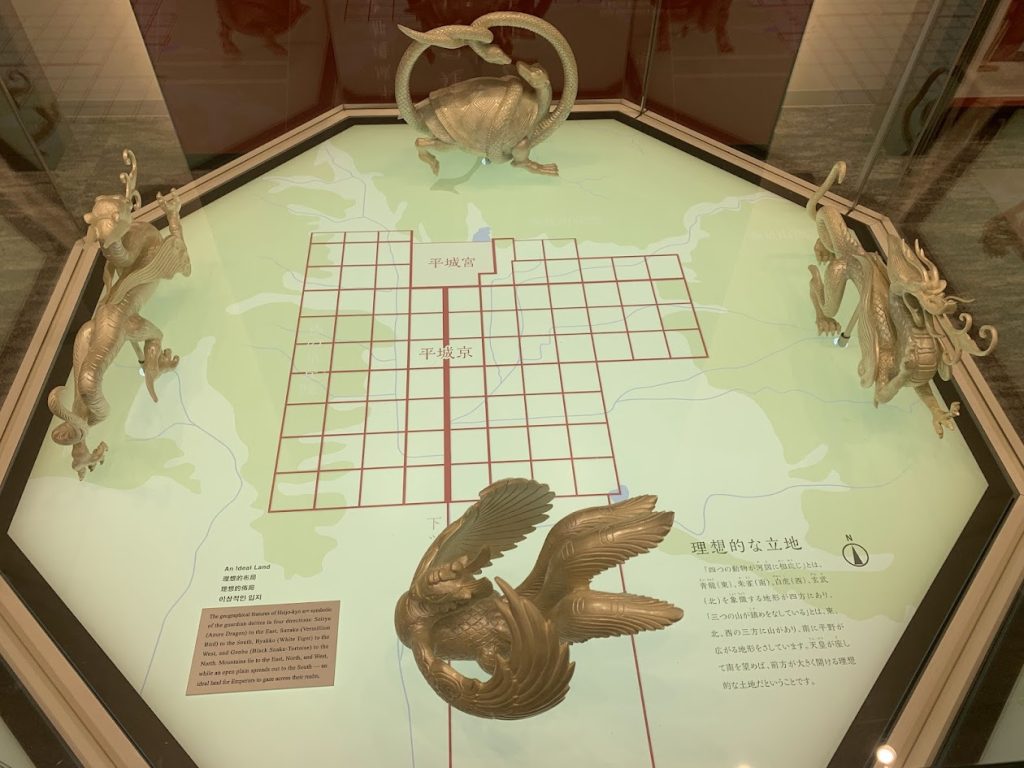
The Four Divine Beasts that govern the four directions are:
North (up): Genbu, the Black Tortoise
East (right): Seiryu, the Blue Dragon
South (down): Suzaku, the Red Bird
West (left): Byakko, the White Tiger
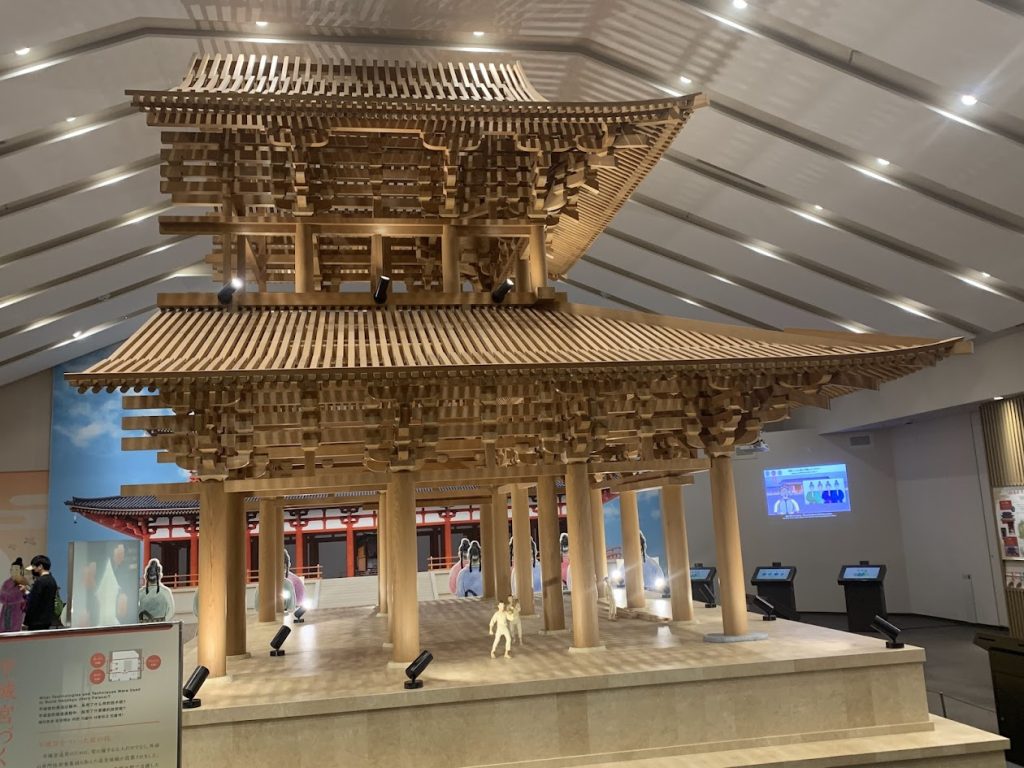
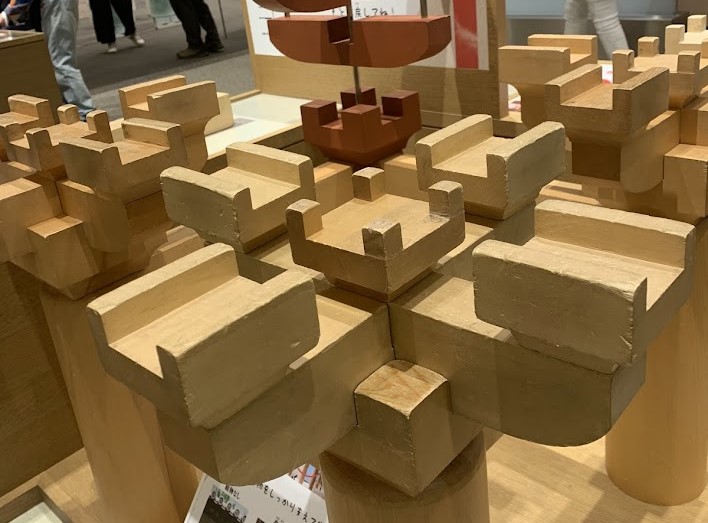
The way that the heavy tiled roof is supported is very complex.
There are remarkable techniques used to distribute the weight.
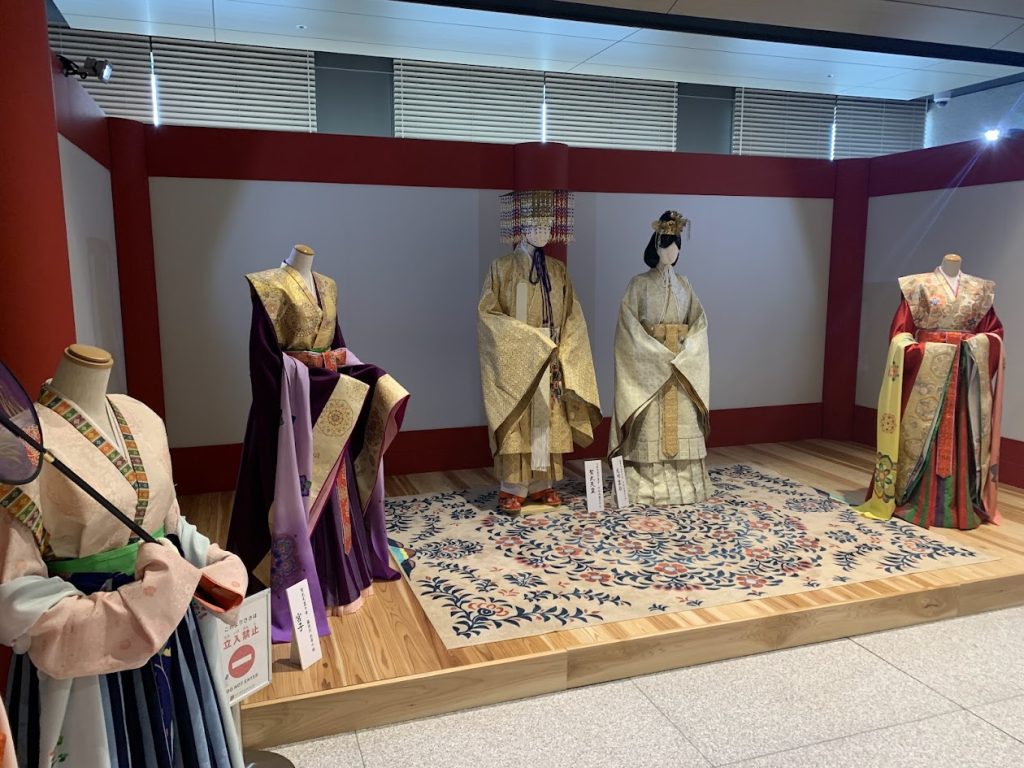
The clothing from that time was on display.
I remember that when the Takamatsu-zuka Tomb in Asuka was excavated, the term “Tenpyo Bijin” (Nara-era beauty) became popular.
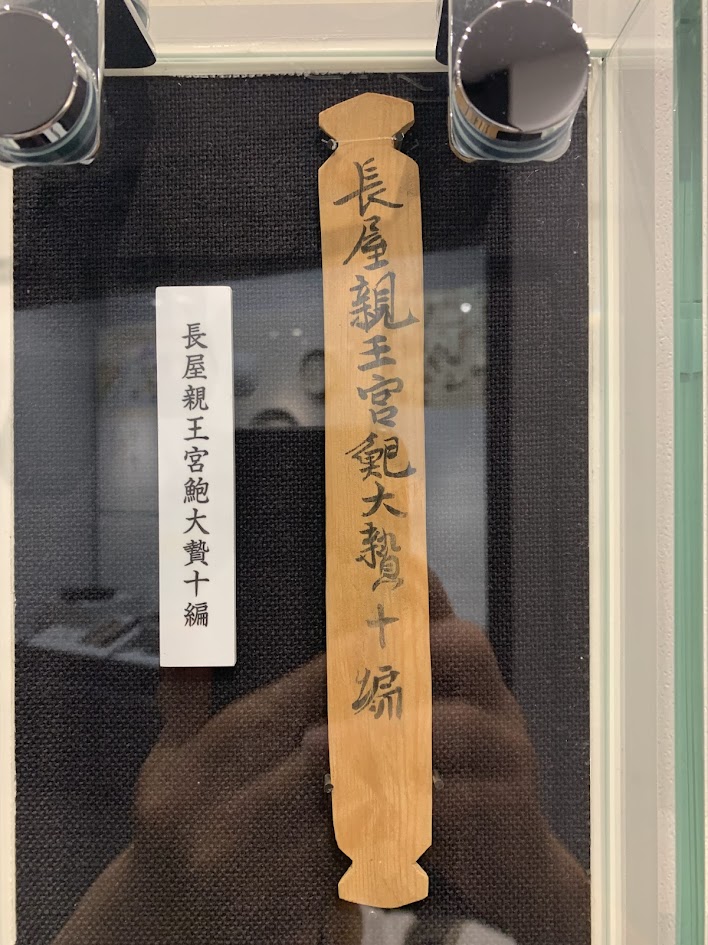
A large number of wooden tablets (mokkan) were discovered at the Heijo Palace ruins.
From these, we can gain a good understanding of the conditions at that time.
This particular tablet seems to mean “Ten sets of abalone are offered to the residence of Prince Nagaya.”
It’s amazing that we can still roughly understand the meaning today.
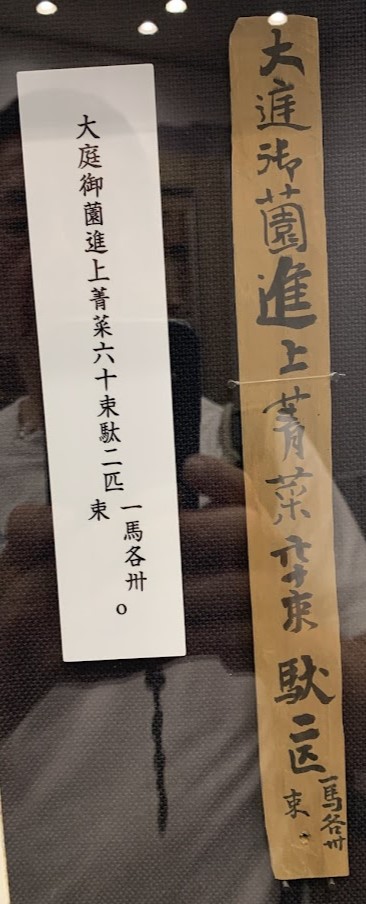
It seems to mean, “60 bundles of green vegetables and 2 horses are offered to the Oniwa Garden. Thirty bundles per horse.”
It’s impressive that we can almost read it.
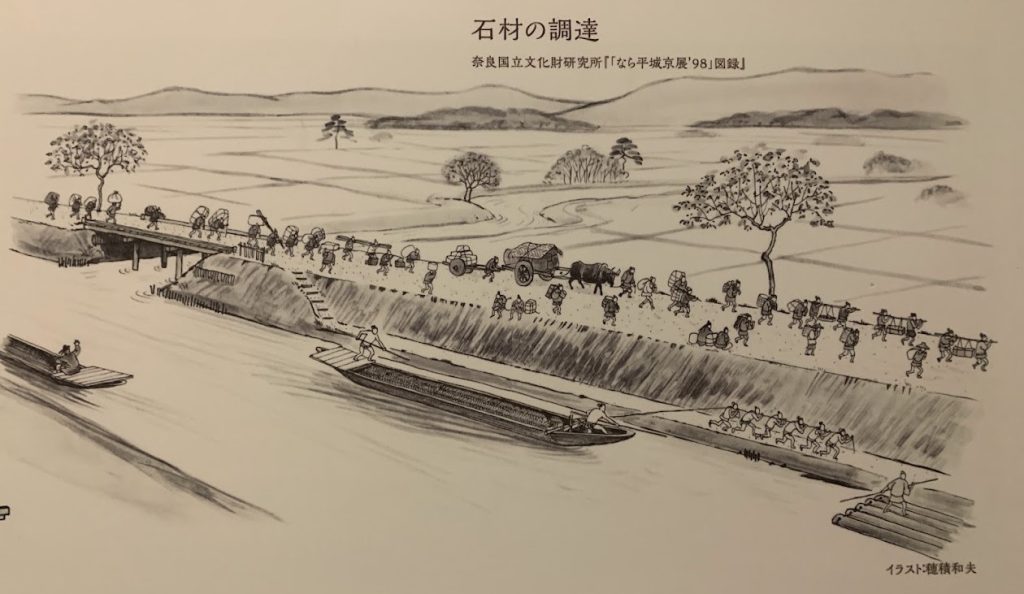
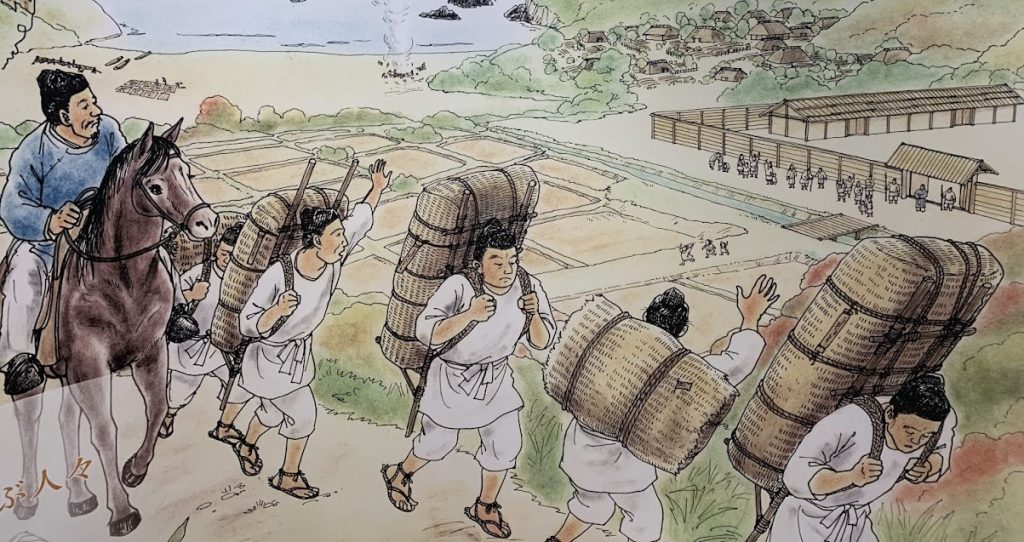
At that time, it seems that goods were transported in this manner.
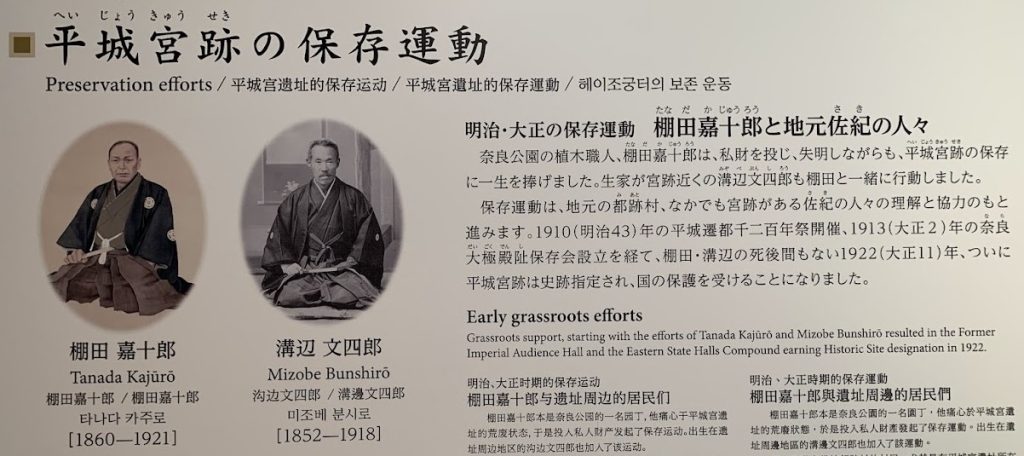
The statue of Kajuuro Tanada

The Statue of Kajuuro Tanada at the Entrance of the Heijo Palace Izanai-kan
After the capital moved from Nara to Kyoto, the Heijo Palace ruins gradually became rice fields over the decades and faded from people’s memories. Although it was well known that the capital once existed in Nara, the exact location was forgotten.
At the end of the Edo period, a samurai from the Todo clan, Sadamasa Kitaura, who was investigating imperial tombs in Nara Prefecture, noticed traces of a well-planned street grid north of Koriyama Castle and discovered that Heijo-kyo had been located in that area.
In the Meiji period, Professor Tadashi Sekino from the University of Tokyo identified the location and announced it in the newspaper.
Around that time, Kajuuro Tanada, a gardener in Nara Park, was often asked by tourists, “Where was the capital of Nara located?” but he could not answer. After visiting the ruins of the Daigokuden Hall of the Heijo Palace and seeing the area where the emperor once lived turned into rice fields, he felt sad and resolved to dedicate his life to preservation efforts. He poured all his personal finances into these activities, enduring extreme poverty, and made multiple trips to Tokyo to petition for preservation. He also collected donations and, along with his local collaborator Bunshiro Mizobe, persuaded the villagers to sell the rice fields where the Daigokuden Hall ruins were located in order to preserve it.
In 1910, marking the 1200th anniversary of the relocation of the capital, he held the “1200th Anniversary Festival” to emphasize the importance of preservation to everyone. Even after Kajuuro Tanada’s passing, preservation efforts continued, and the land he purchased was ultimately donated to the state.
These preservation activities bore fruit, and today, the site is recognized as a UNESCO World Heritage Site and is also preserved as the Nara National Heijo Palace Site Historical Park.
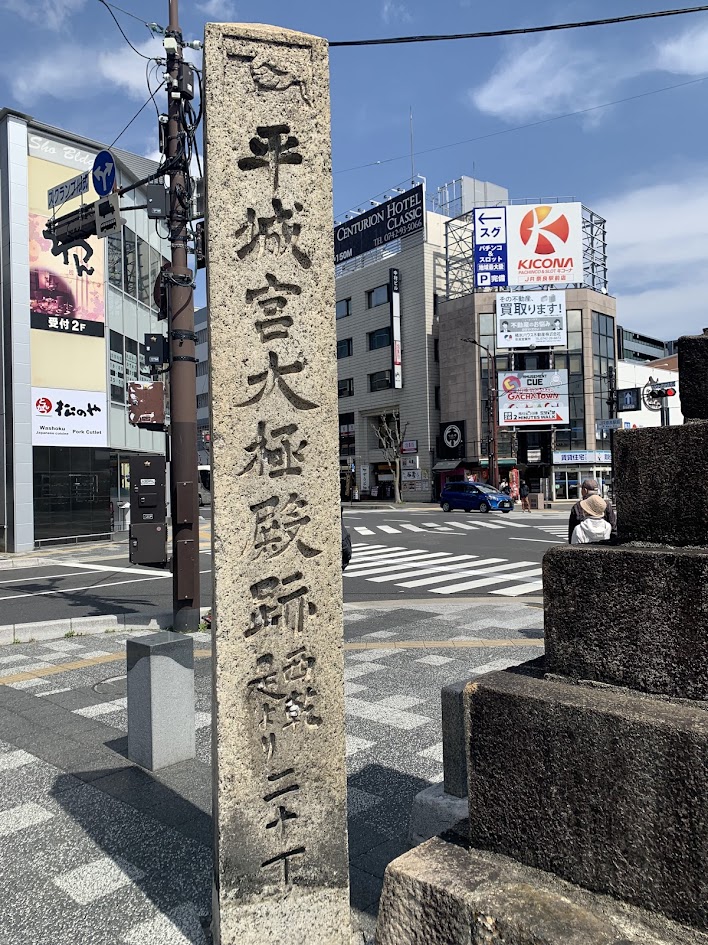
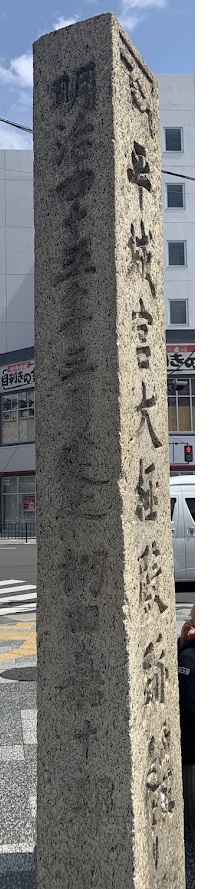
Stone Monument at JR Nara Station
This monument was erected during the 1910 “1,200th Anniversary of the Transfer to Heijo” to guide visitors to the site of Heijo Palace.
It reads: “☜ Site of the Daigokuden, Heijo Palace — 20 cho (approx. 2 km) from here” “Erected March, Meiji 43 (1910) by Tanada Kajuro”
コメント