


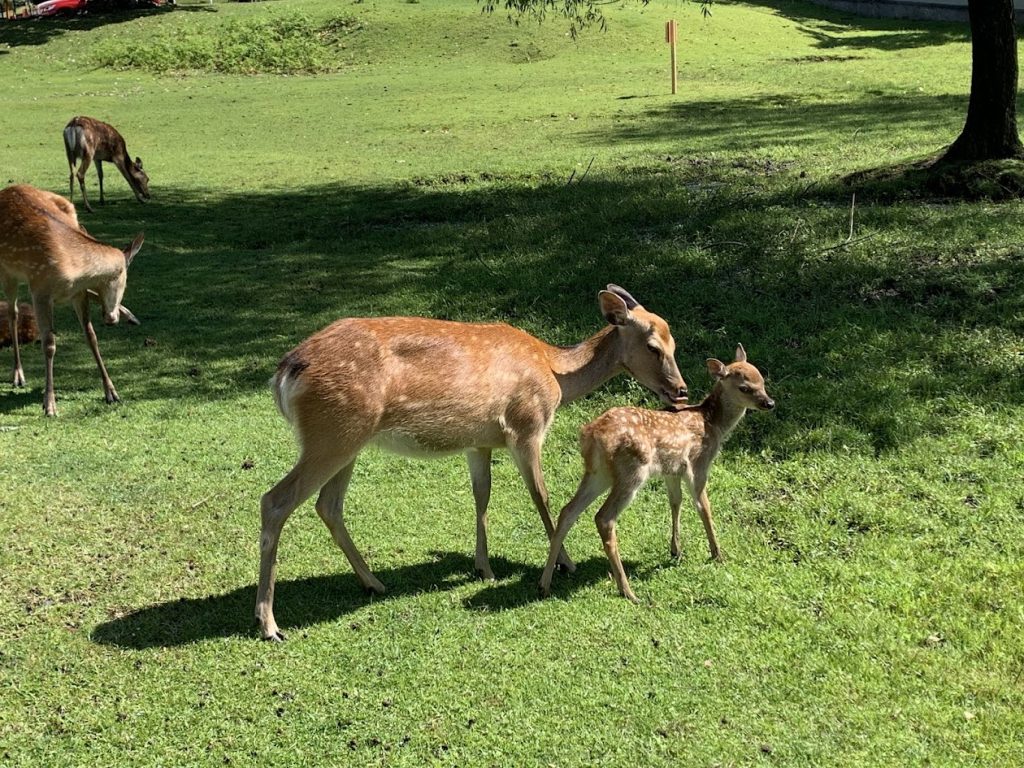
A mother deer and her fawn on the path to Kasuga Taisya Shrine
Nara Park is home to around 1,300 wild deer.
In Nara, these deer have been cherished and protected by the people for centuries, as they are considered messengers of the deities. At times, killing a deer was considered a serious crime.
The belief that deer are divine messengers is closely linked to the establishment of Kasuga Taisha Shrine.
During the Nara period, when the shrine was founded to pray for the nation’s prosperity, the deity Takemikazuchi was invited from Kashima Taisha Shrine in Ibaraki Prefecture.
According to legend, this deity arrived riding on the back of a white deer and descended upon the peak of Mount Mikasa, located behind Kasuga Taisha Shrine.
Since then, the deer in Nara have been revered and carefully protected as sacred messengers.

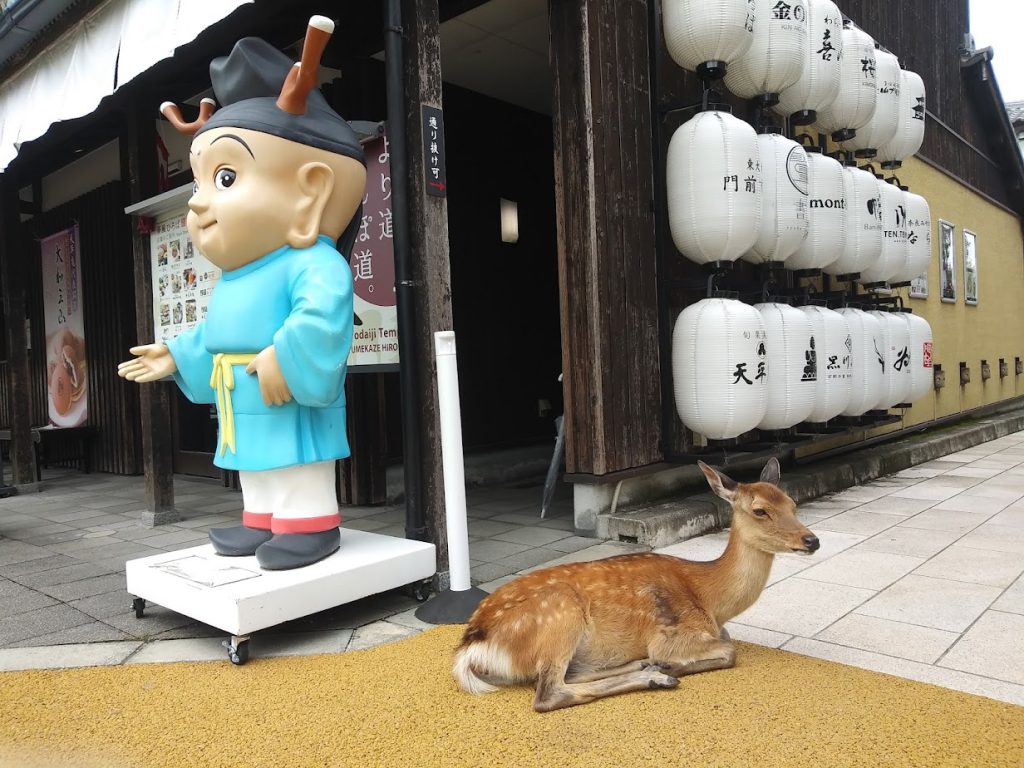
At the entrance of Yumekaze Plaza beside the Daibutsuden Path
The statue to the side is “Sento-kun,” the Nara Prefecture’s Mascot Character dressed in Nara period costumes.
He was introduced in 2008 to promote the 2010 “1300th Anniversary of Heijokyo Capital Relocation Festival.”
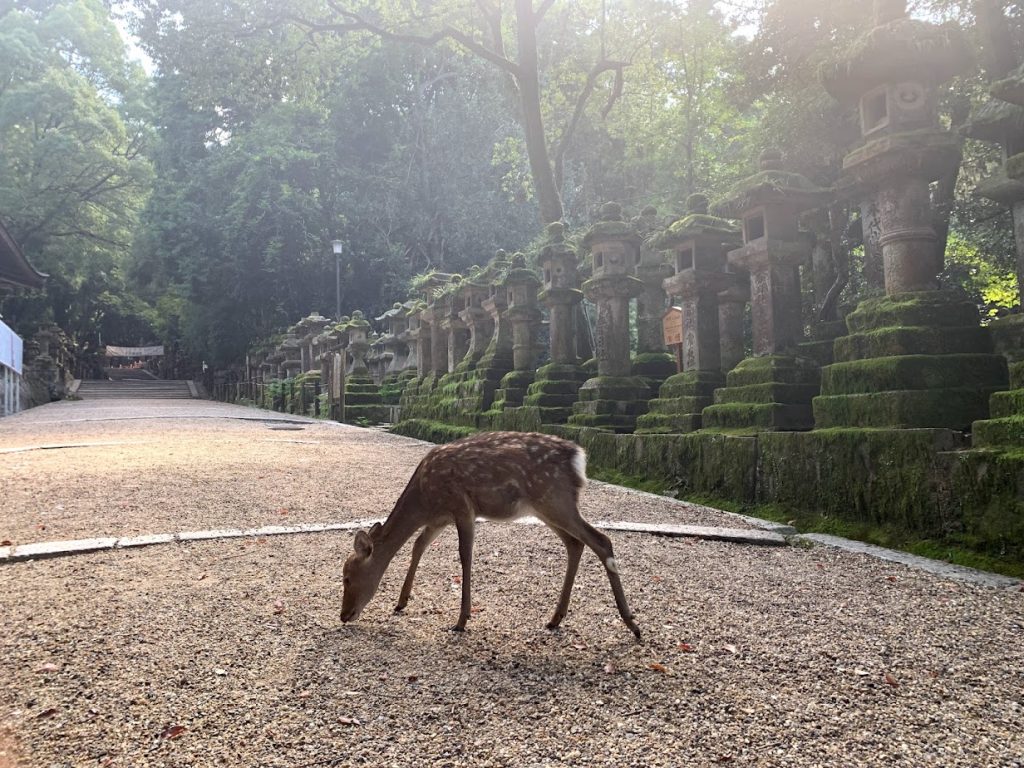
In the early morning, the deer are out for a walk.
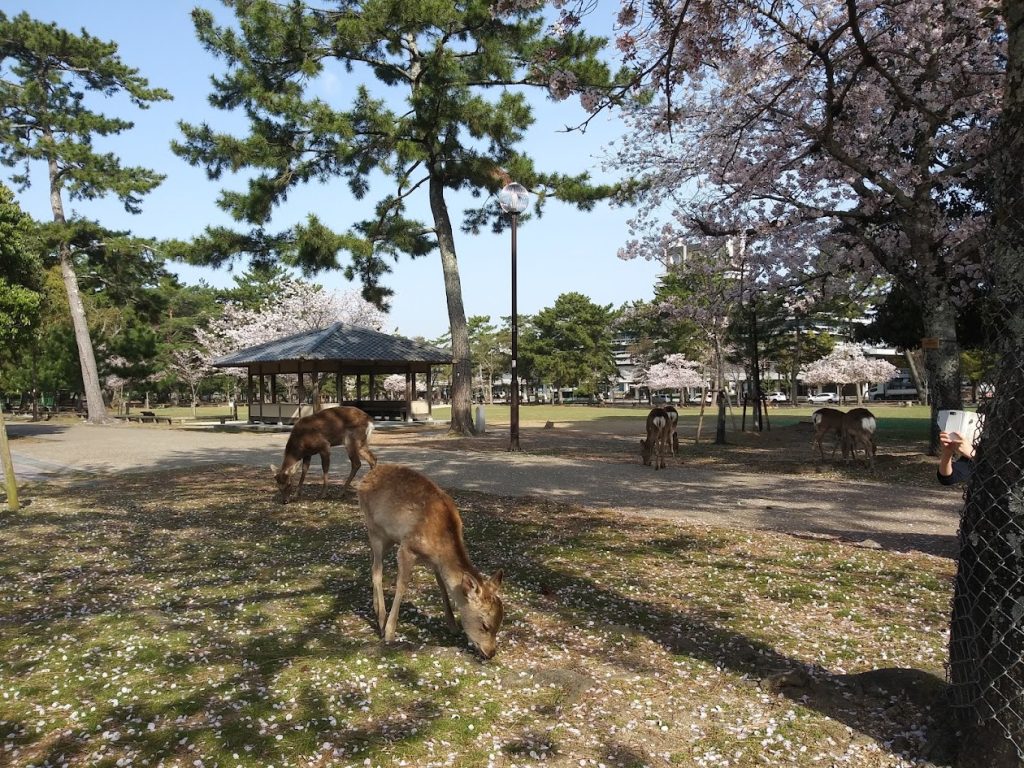
The deer in Nara Park are wild animals and gather under the trees in the forest to sleep at night.
At dawn, they head out to various places within Nara Park in search of food.

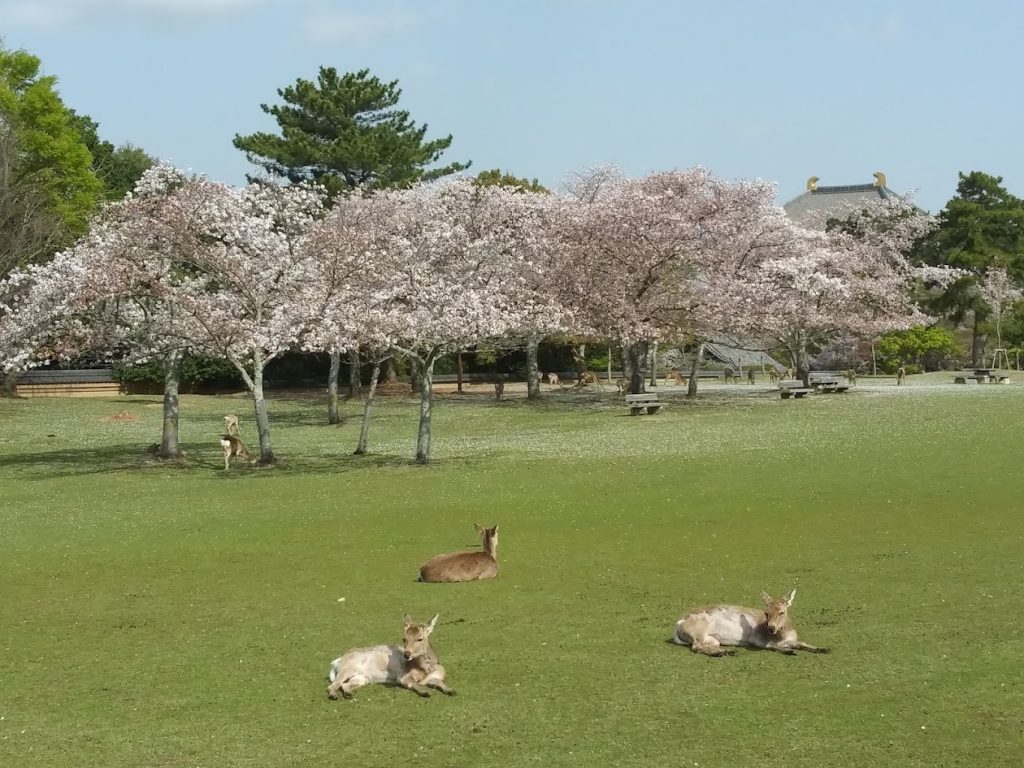
Resting together on the path to Kasuga Taisha Shrine
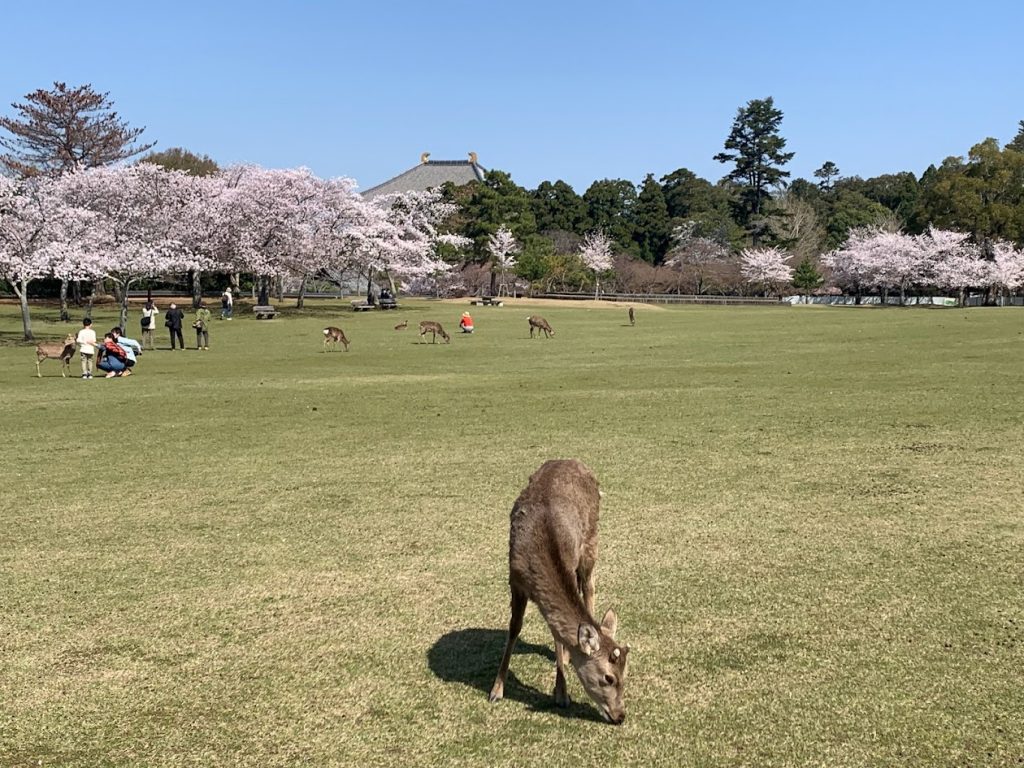
In the distance, you can see the roof of Todaiji Daibutsuden Hall.
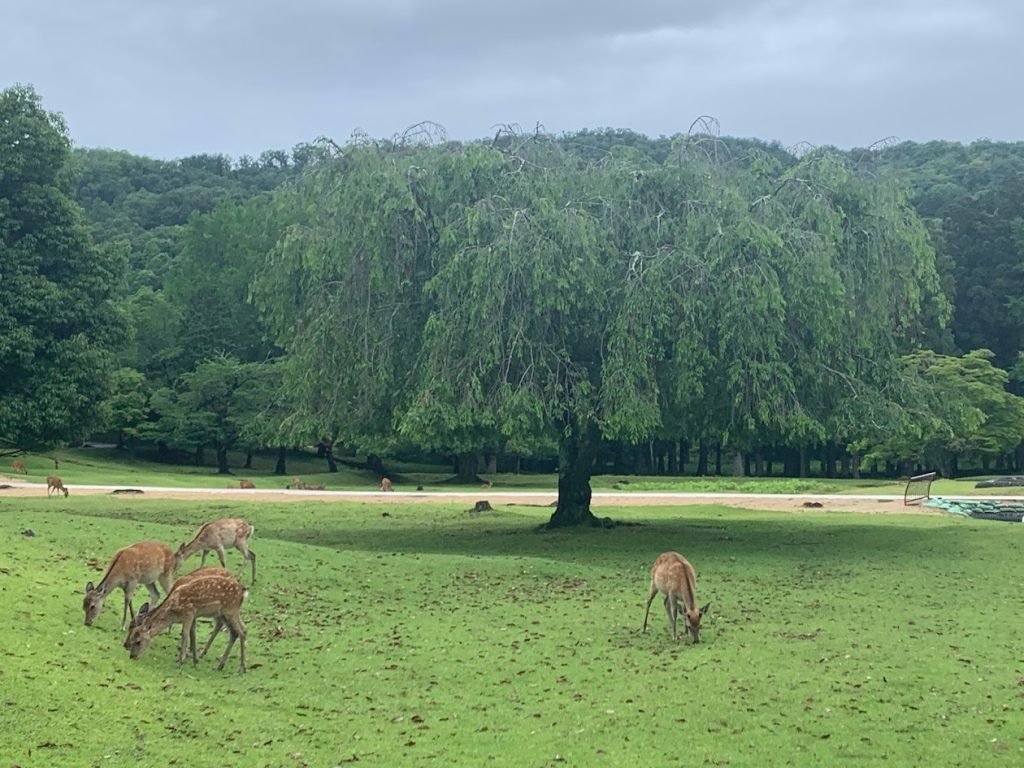
Nara Park is covered with beautiful green grass, but no one is mowing it. The deer are neatly grazing and keeping it trimmed.
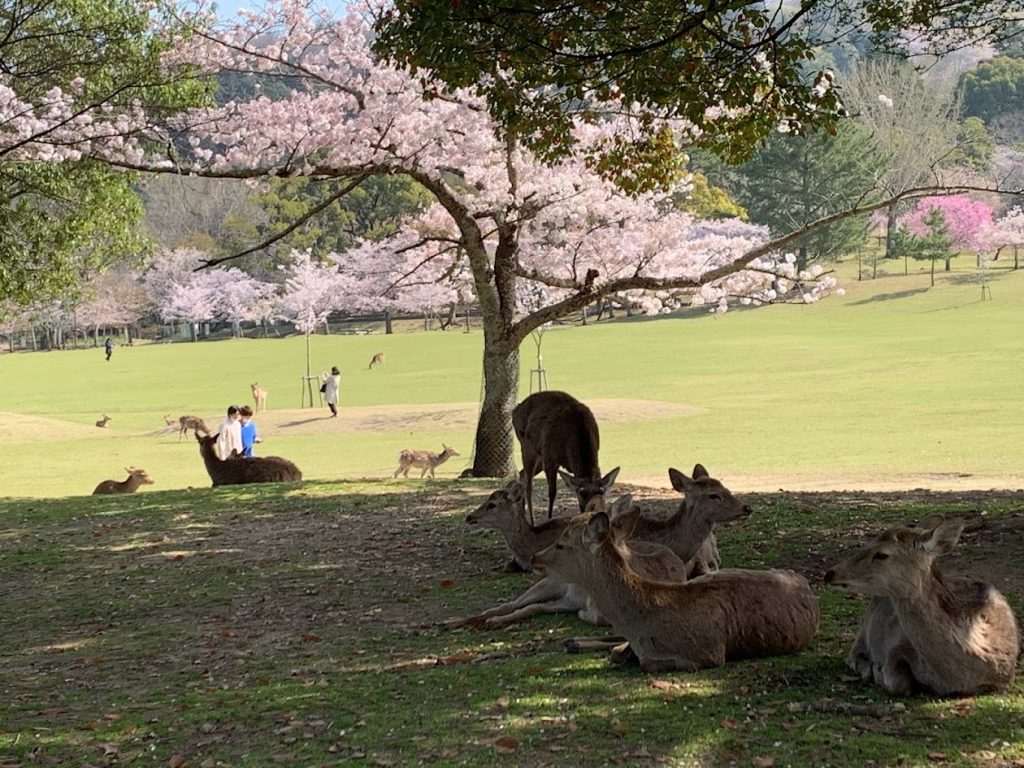
The deer are resting in the shade.
In spring, the grass grows quickly, so the deer have plenty to eat.
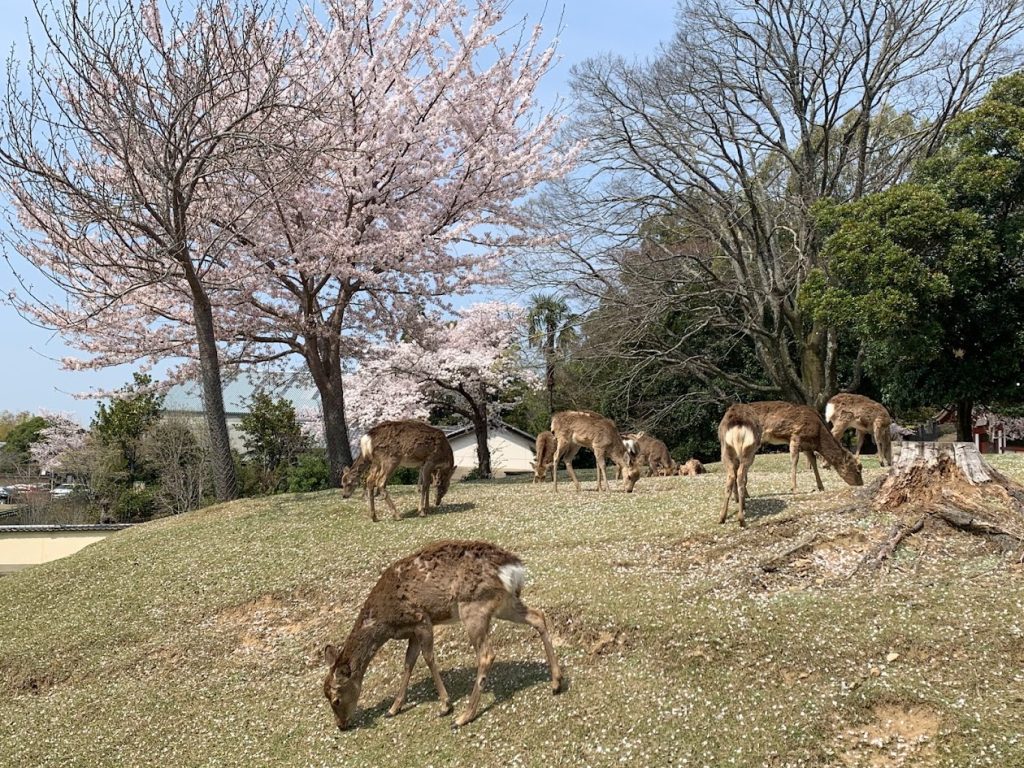
The deer are eating together.
Their main food is, of course, grass—not deer crackers.
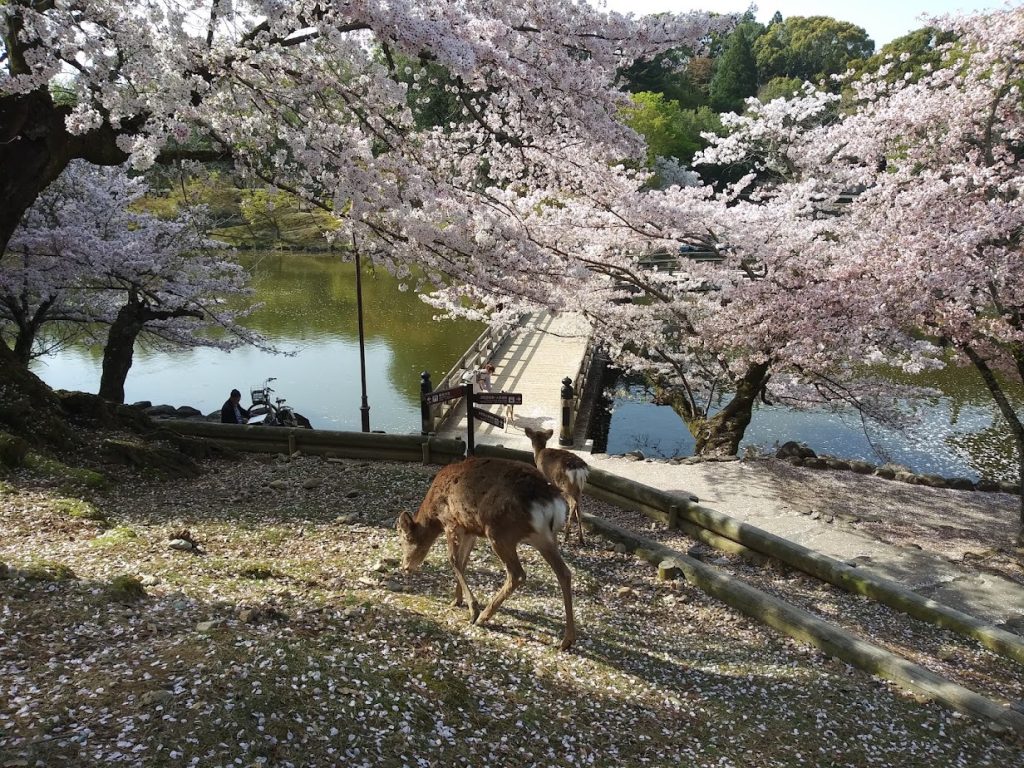
Here are the cherry blossoms and deer near Ukimido Pavilion.
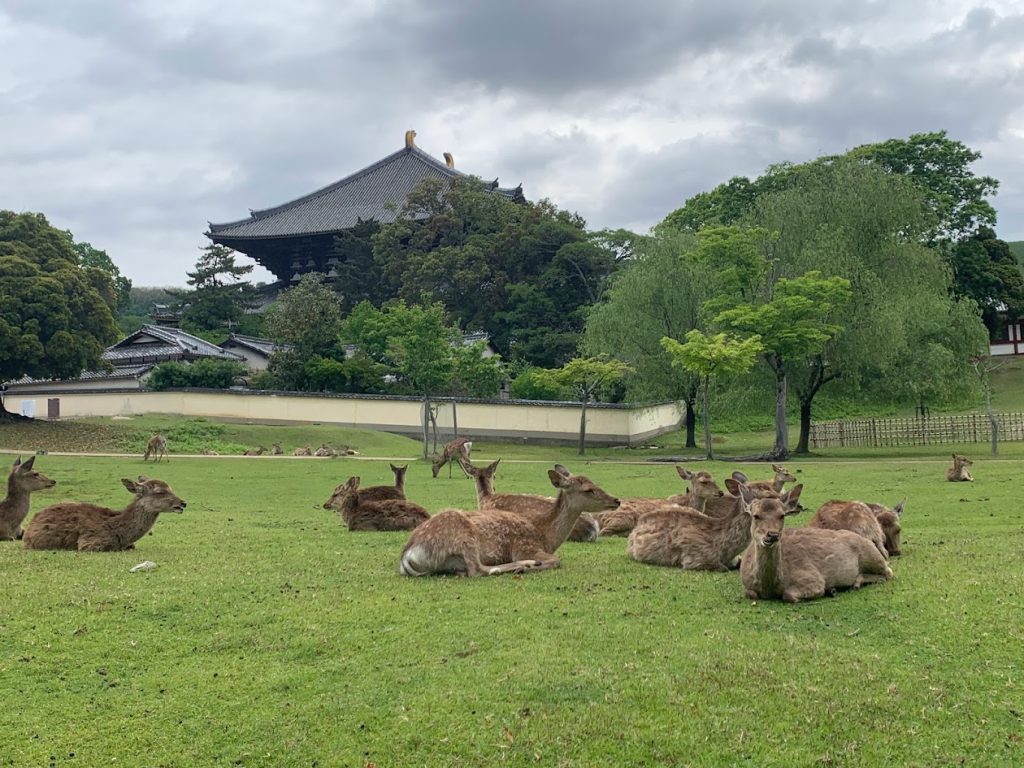
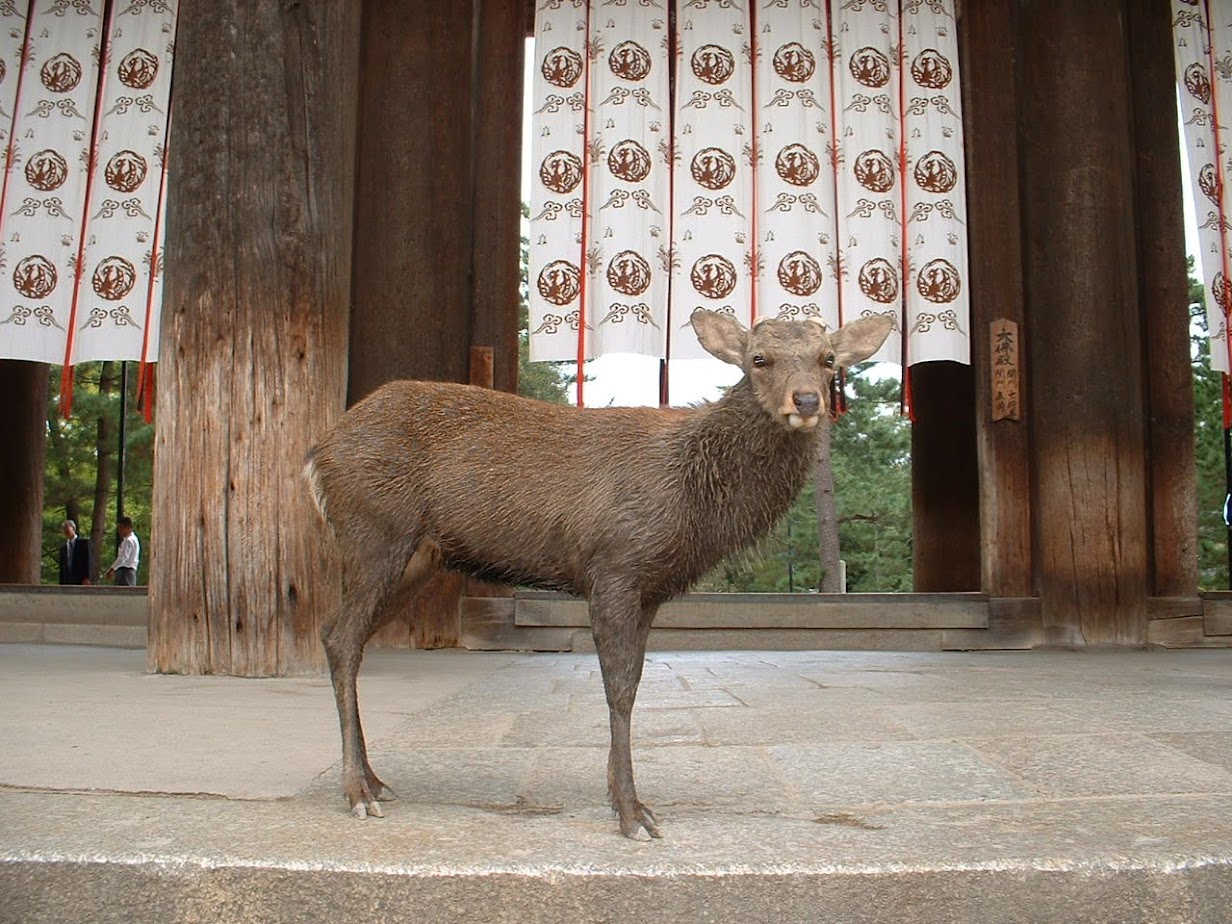
It’s on the west side of Todaiji Daibutsuden Hall.

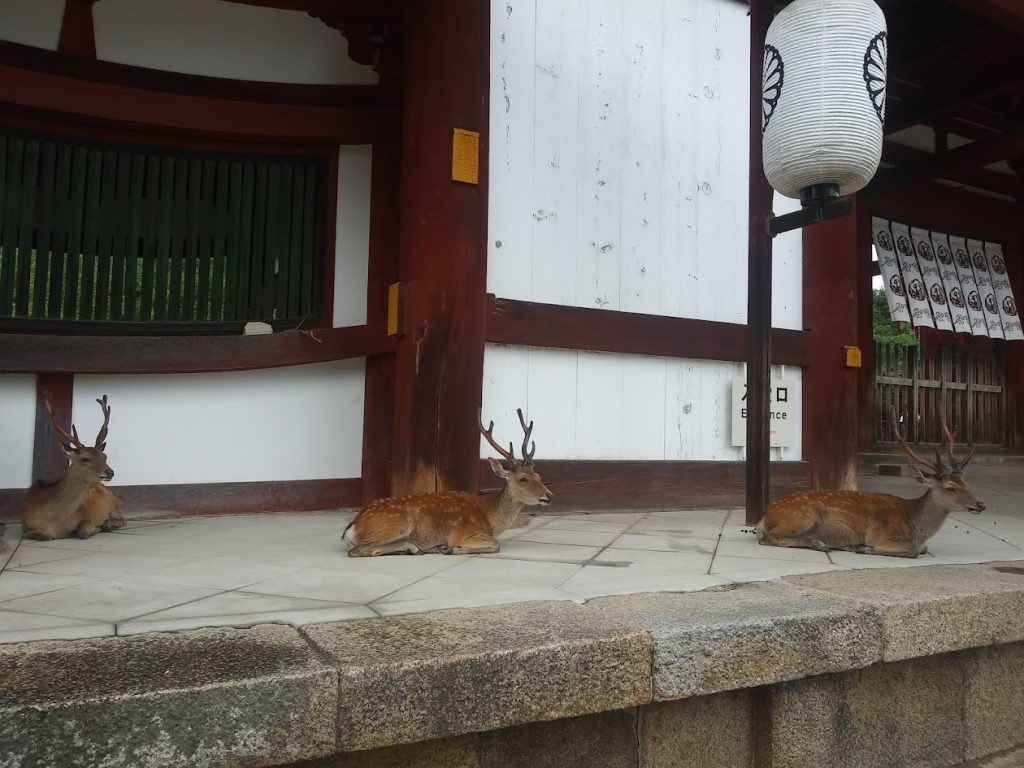
It’s next to the Chudaimon Gate of the Daibutsuden Hall.
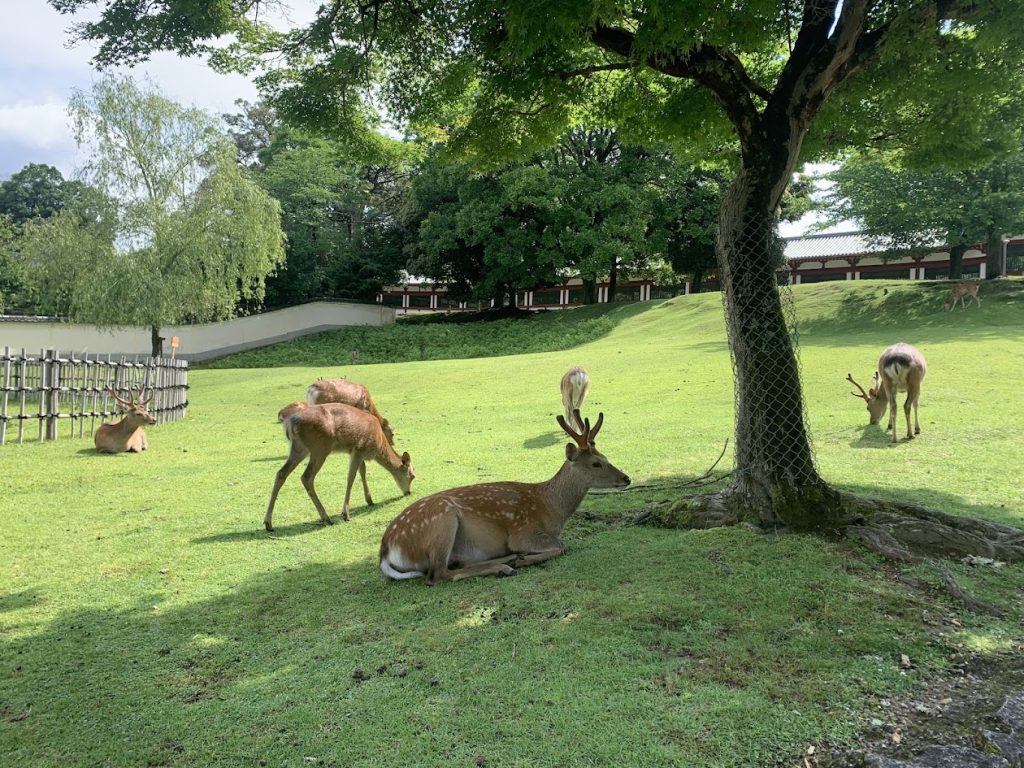
It’s on the west side of Todaiji Daibutsuden Hall.

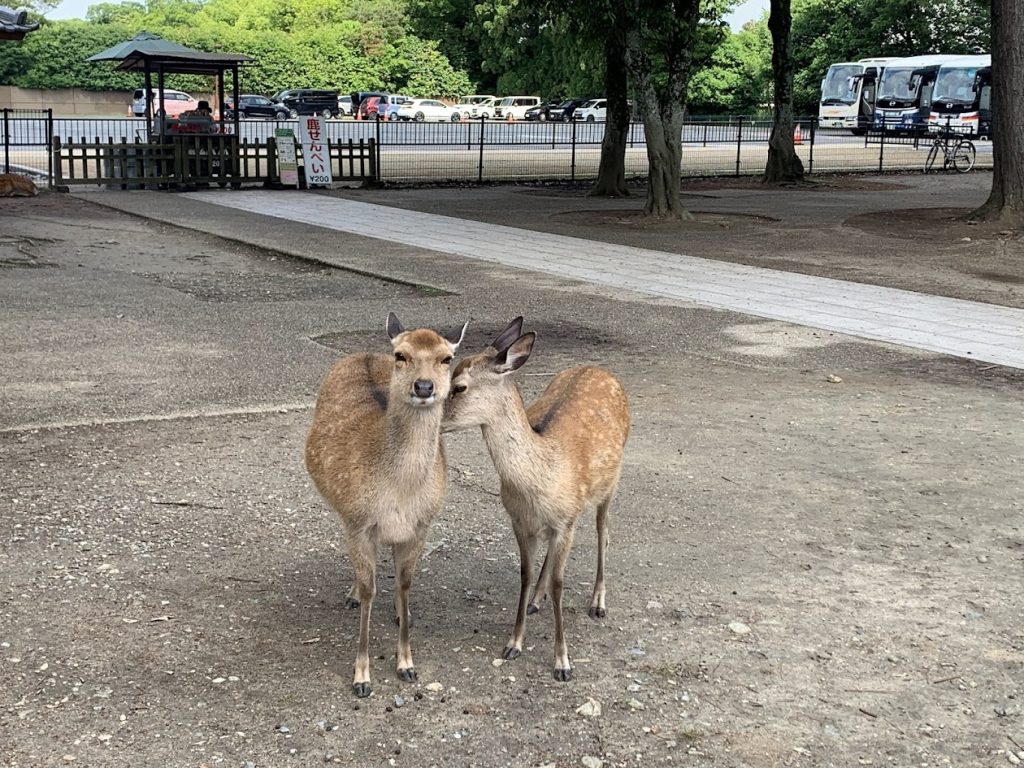
It’s in front of the parking lot just before the Great Southern Gate of Todaiji Temple.
The two deer waiting for deer crackers look adorable.

The deer are gathering in a group on the path to Kasuga Taisha Shrine.
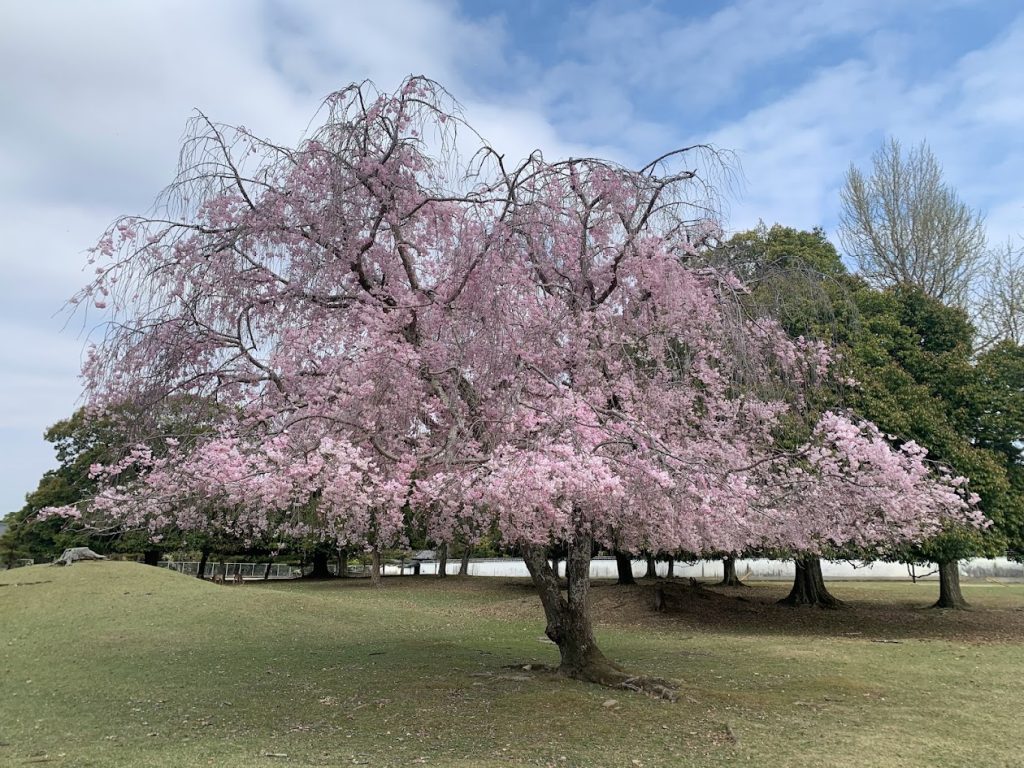
The “Okappa Zakura” behind Daibutsuden Hall (on the north side)
Deer can stand on their hind legs and reach leaves up to about 2 meters high.
As a result, the leaves of trees in Nara Park look as if they’ve been trimmed at a height of 2 meters.
Nara Park has very clear visibility because the deer eat all the leaves close to the ground.
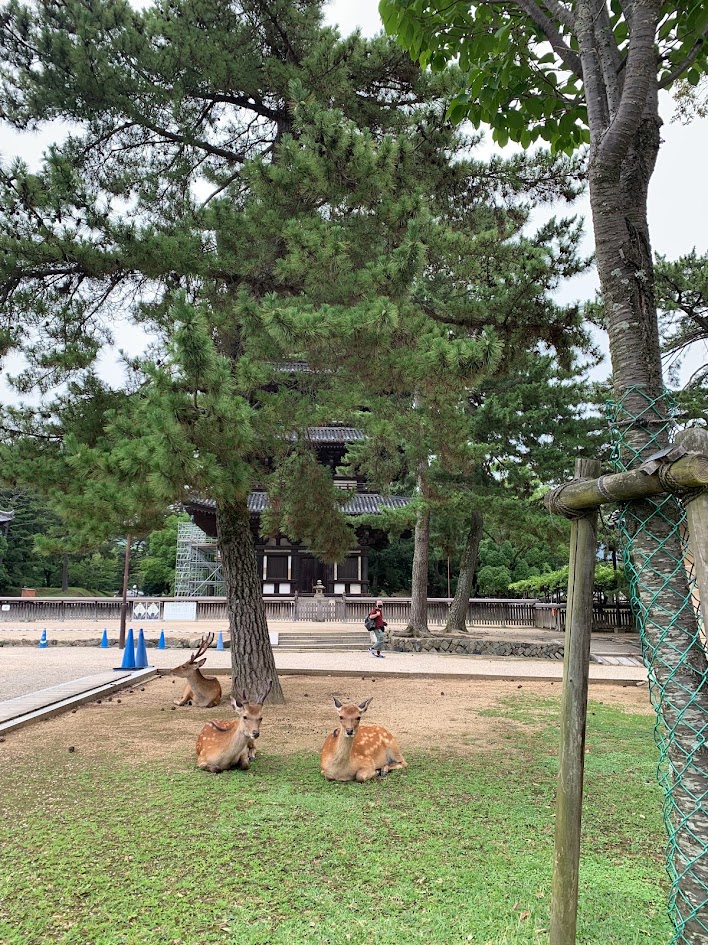
You can see the five-story pagoda of Kofukuji Temple through the trees.

It’s the Great Southern Gate of Todaiji Temple.
This is on May 2nd, the day of the Emperor Shomu Festival.
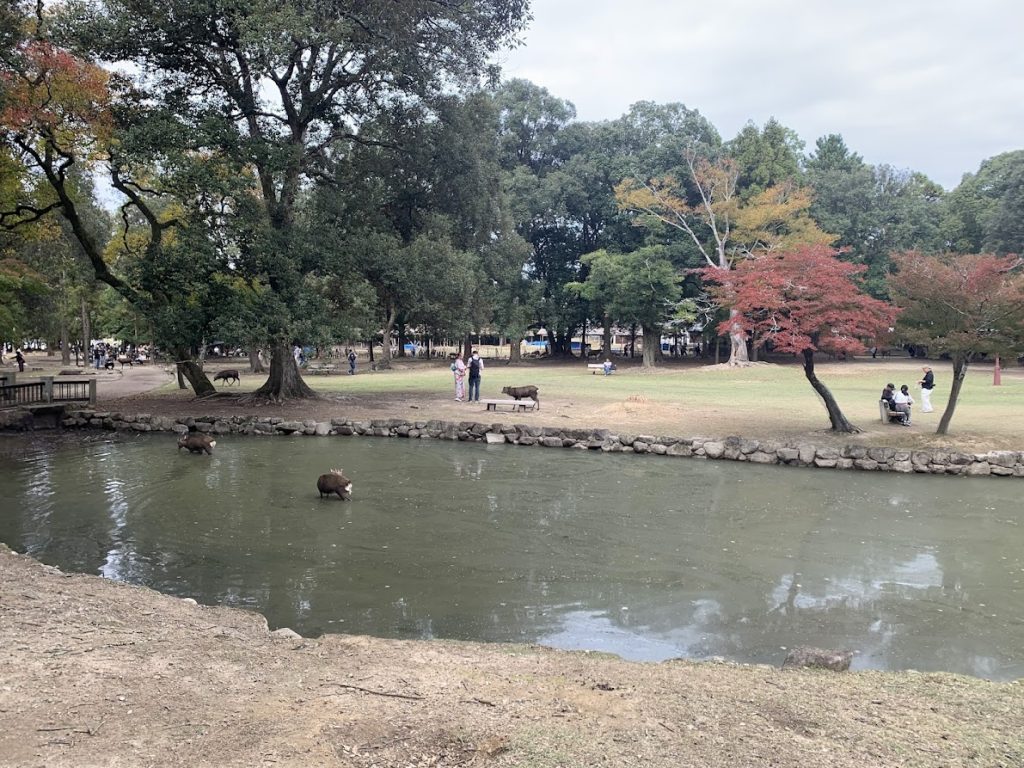
In late autumn at Nara Park, deer are bathing in the water.
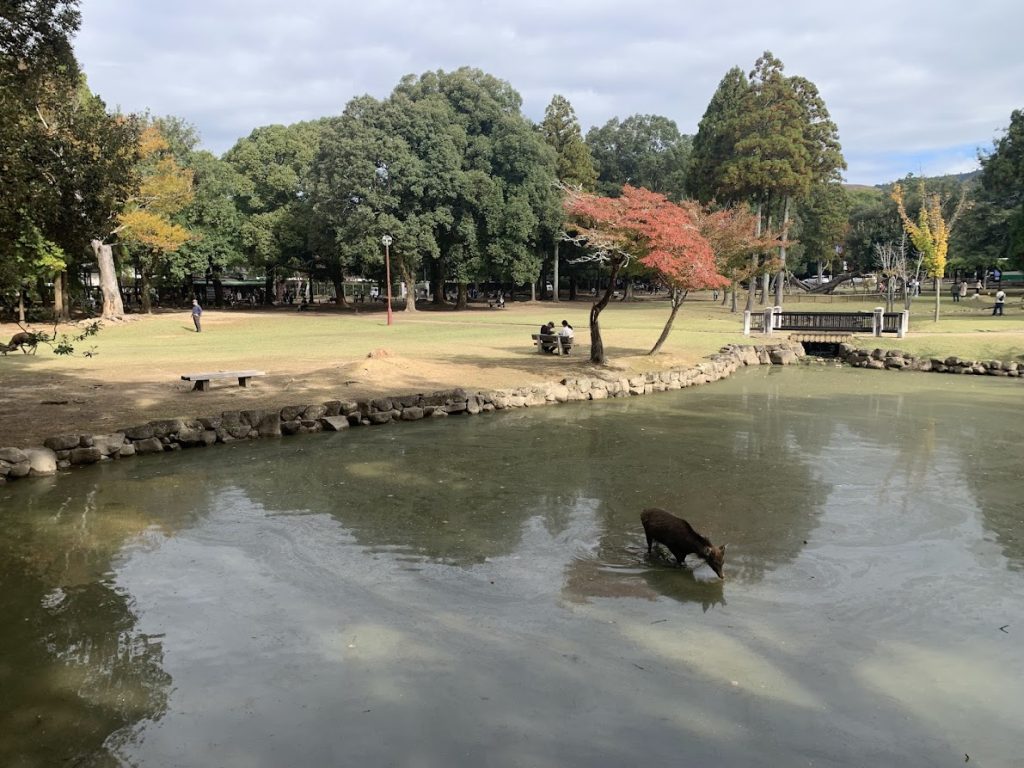
A deer drinking water while bathing in Nara Park during late autumn.
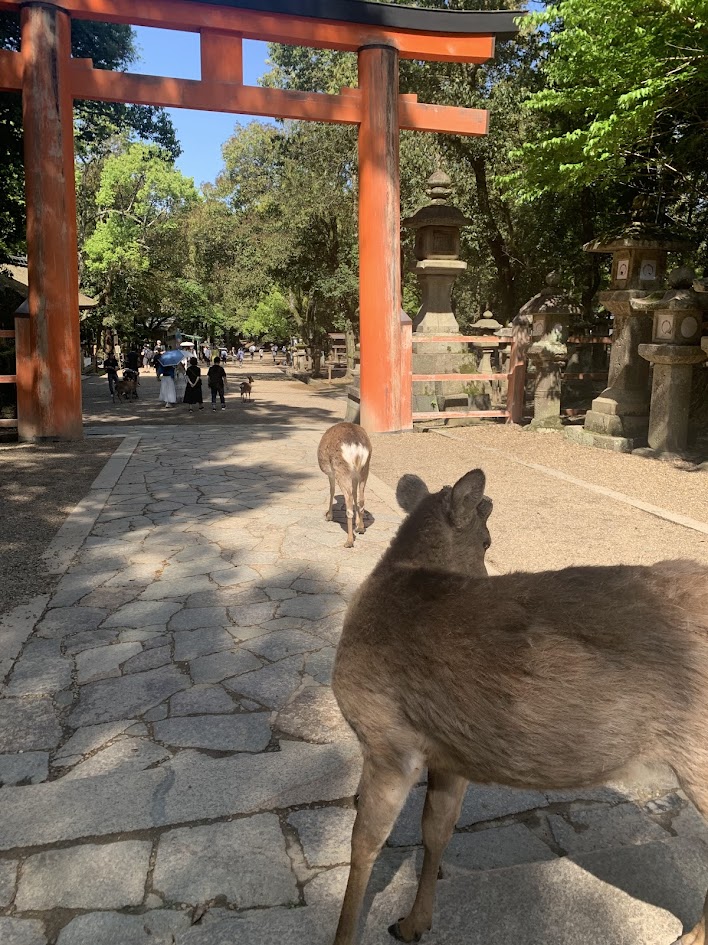
This is the “Second Torii Gate” of Kasuga Taisha Shrine. The deer are heading towards the “First Torii Gate.”
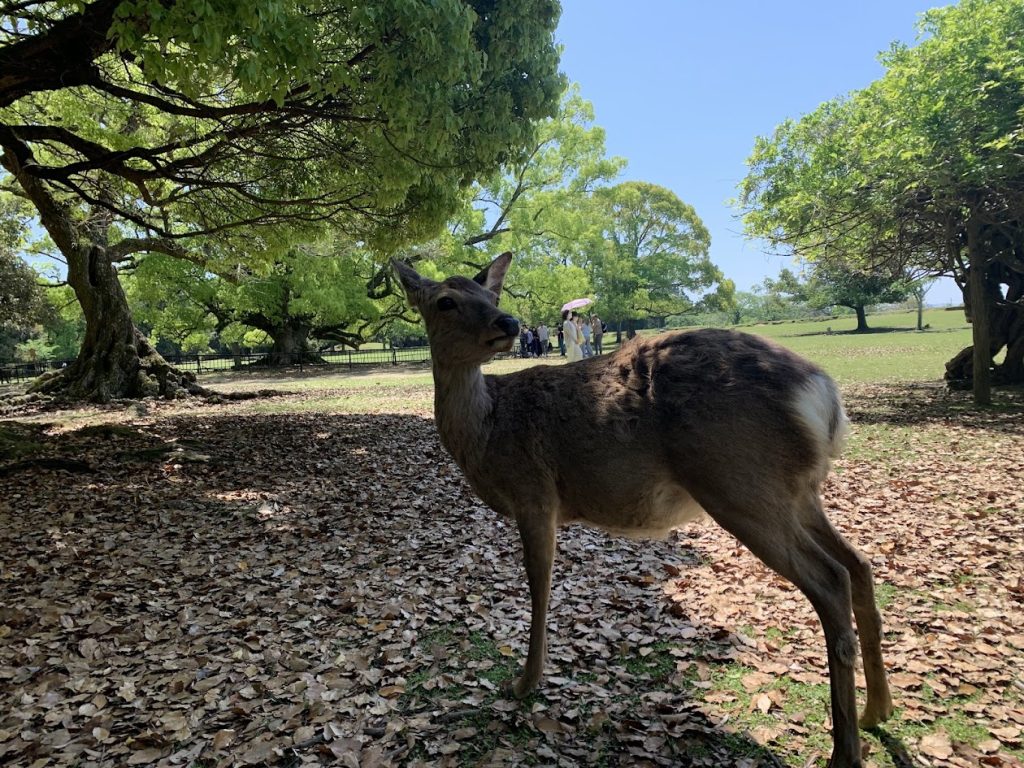
“Tobihino” is located next to the path to Kasuga Taisha Shrine.
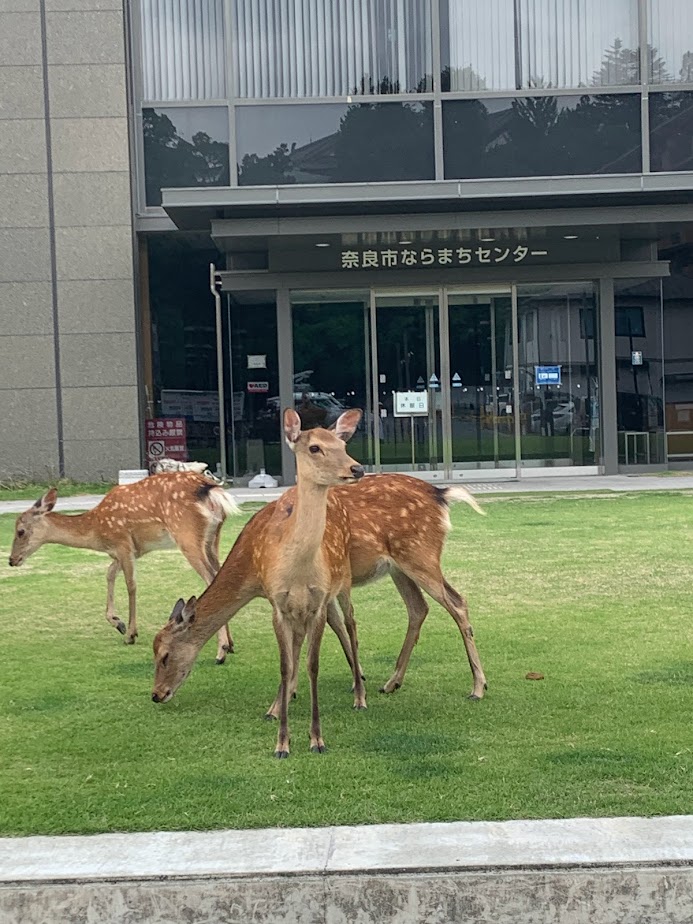
They are mowing the grass in front of the Naramachi Center.
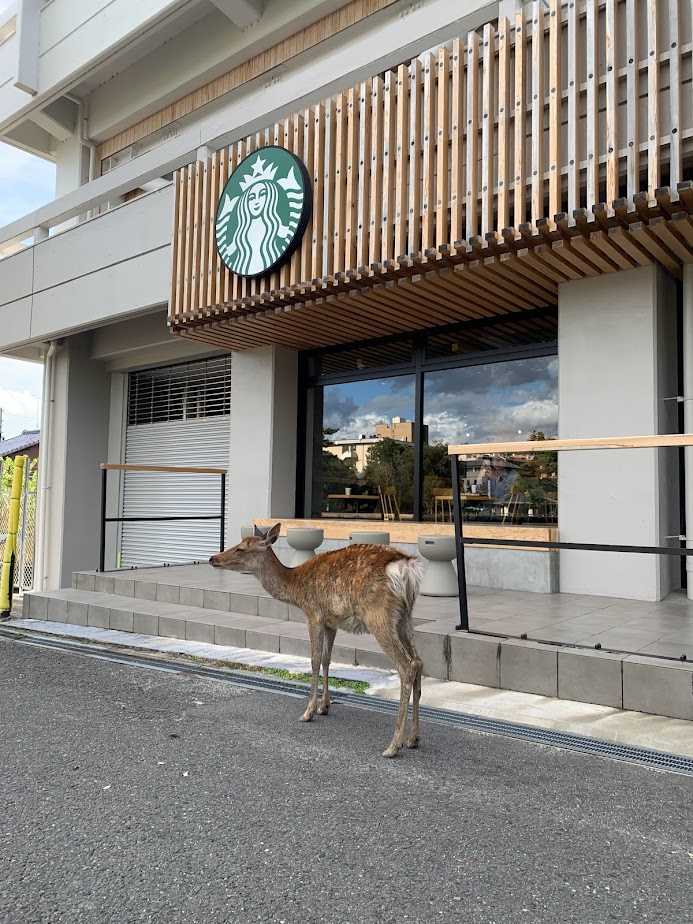
It’s in front of the Starbucks located next to Sarusawa Pond.
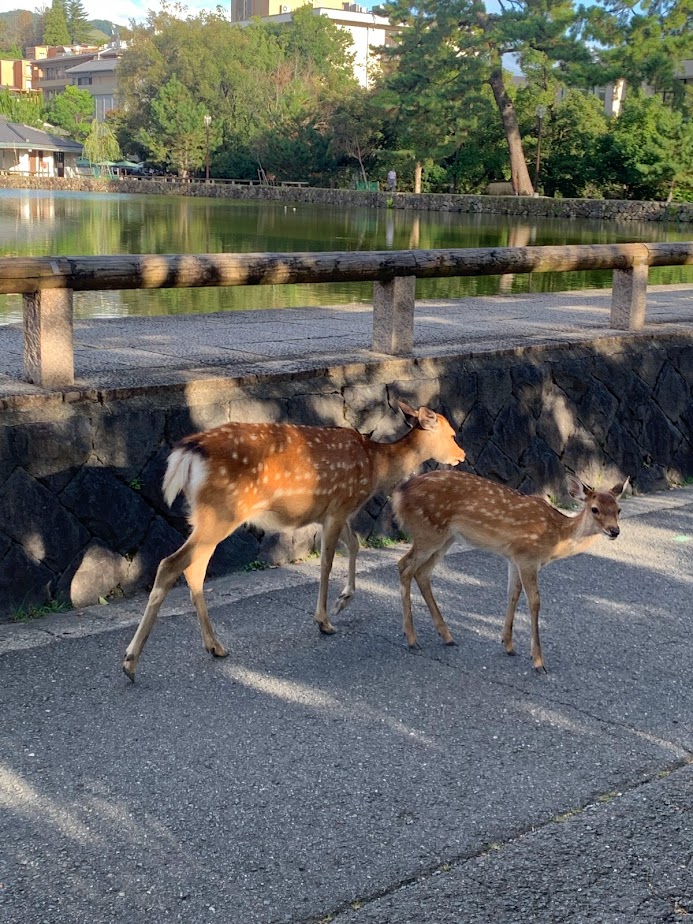
A child and its mother walking along the road next to Sarusawa Pond.
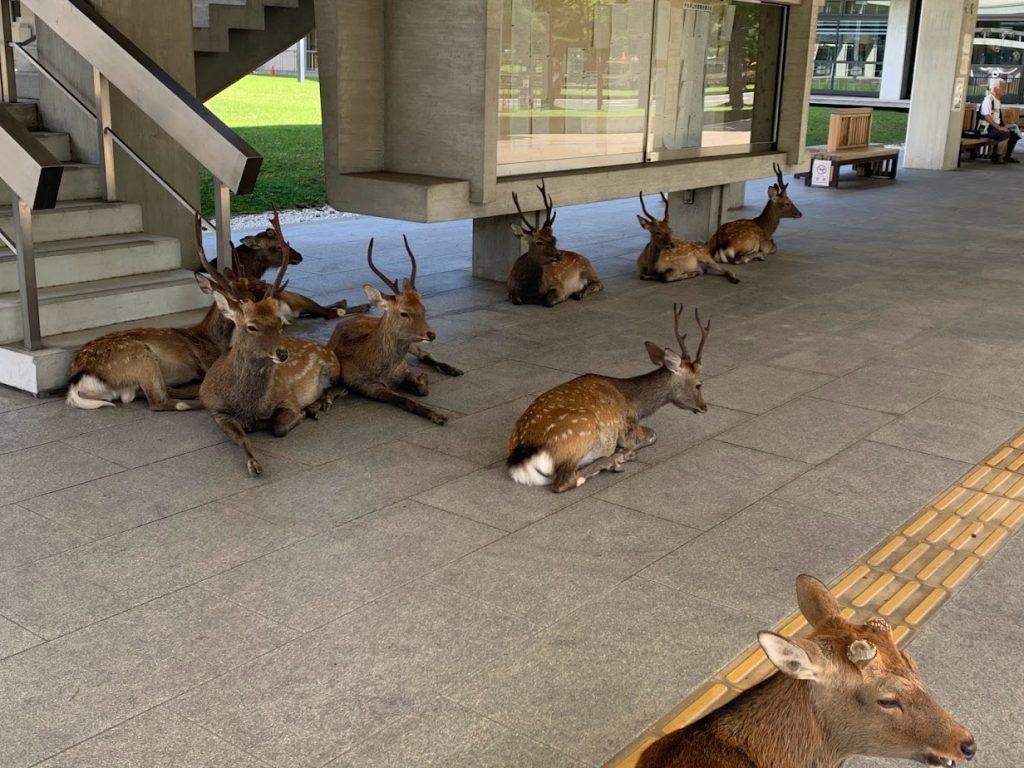
Deer resting in front of the Prefectural Office
For some reason, all of them are male deer.
Perhaps they consider themselves residents of Nara Prefecture too.

There are two deer in front of the National Treasure’s bell tower and great bell at Todaiji Temple.
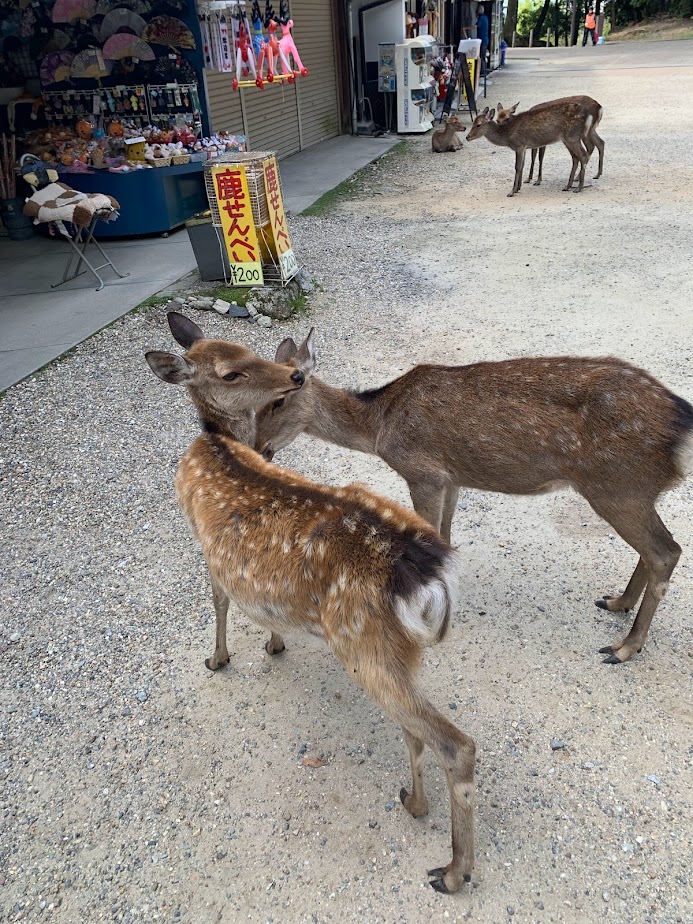
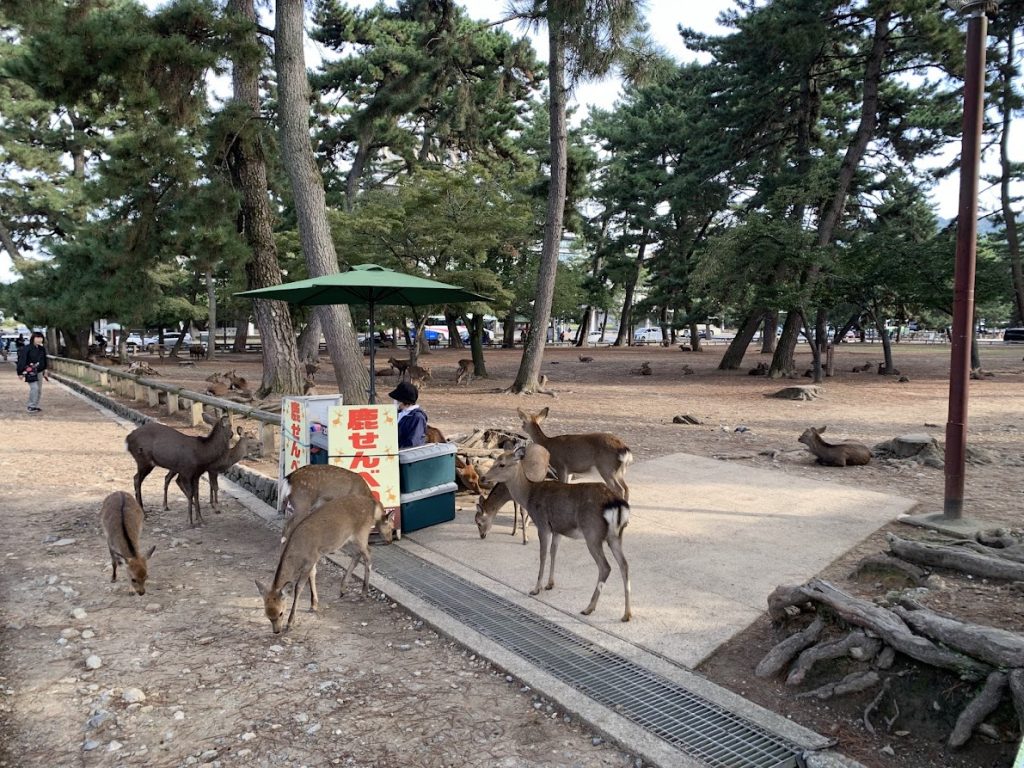
The deer are patiently waiting for someone to buy them deer crackers. These crackers are made primarily from rice bran and contain no added sugar or spices. A portion of the sales supports deer conservation efforts.
Please note that deer crackers are not produced, registered, or inspected for human consumption and should not be eaten by people.
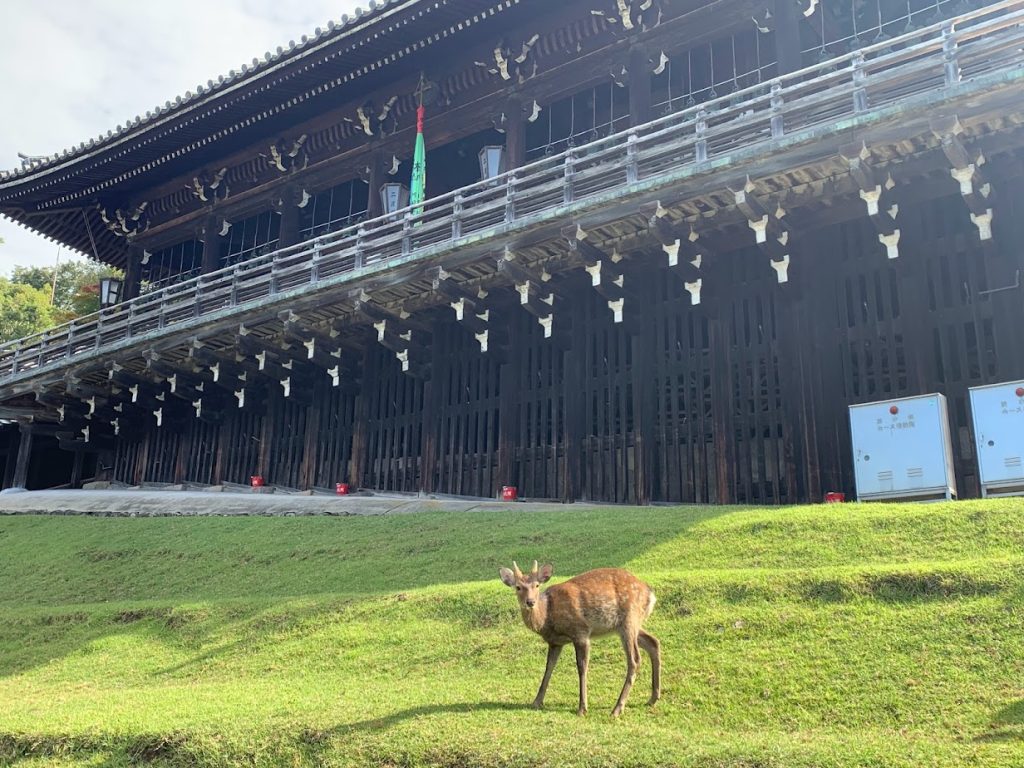
On the lawn beneath the Nigatsudo Hall of Todaiji Temple
The ‘Omizutori’ ceremony held in early March takes place here.
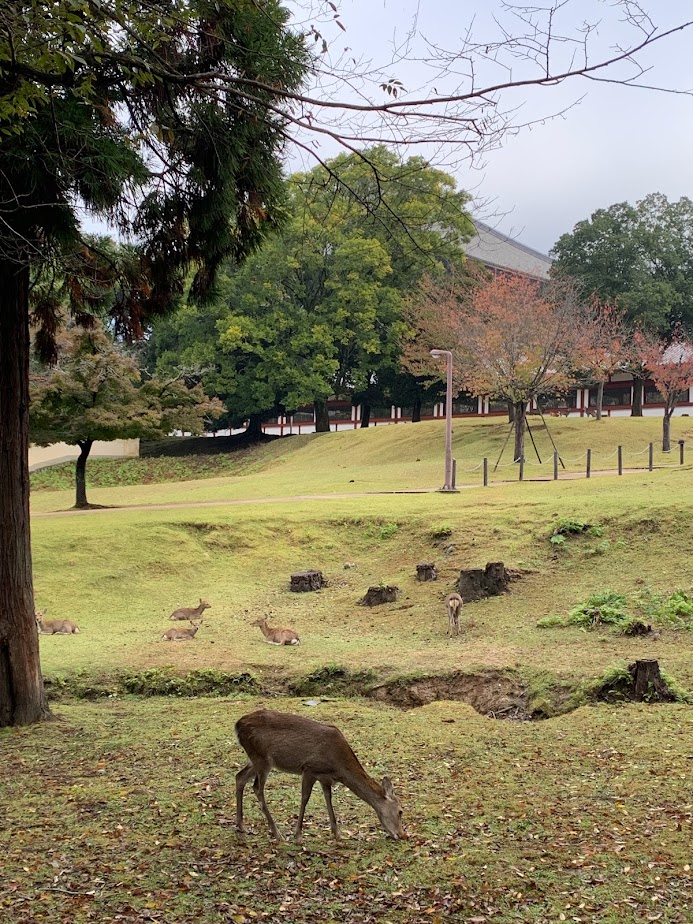
The view next to Daibutsuden Hall in autumn.

Resting near the Great Southern Gate of Tōdai-ji Temple, these deer are often given plenty of deer crackers by tourists. As a result, they appear comfortably full and content.
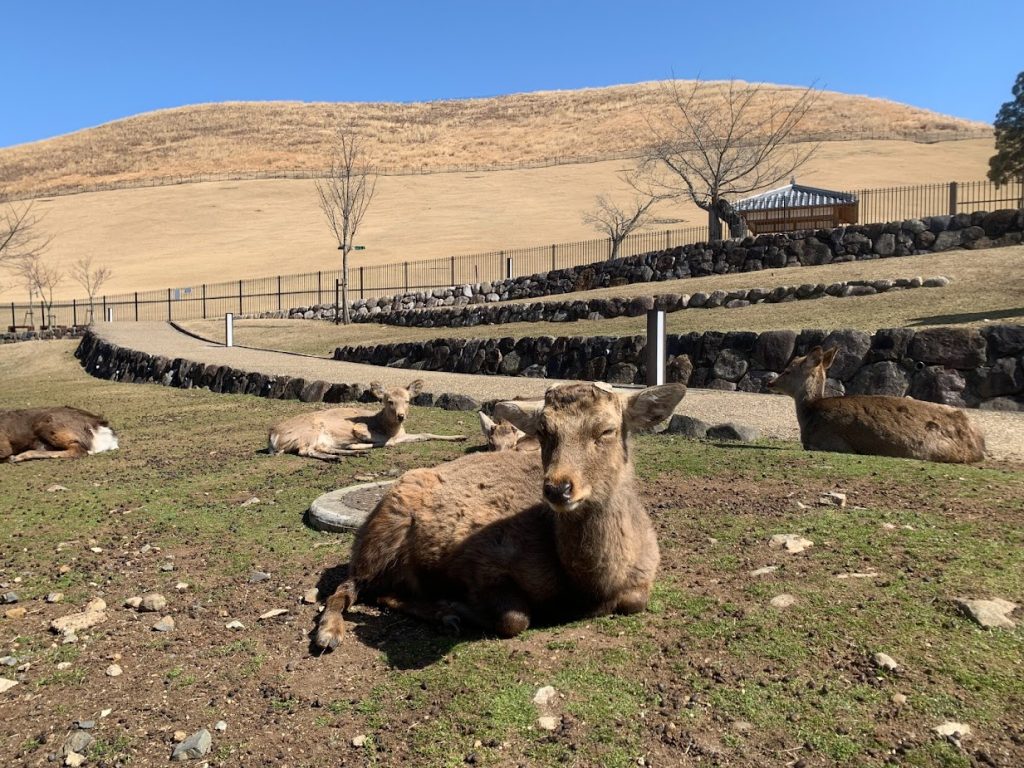
Deer relaxing at the base of Wakakusa Mountain in early spring.
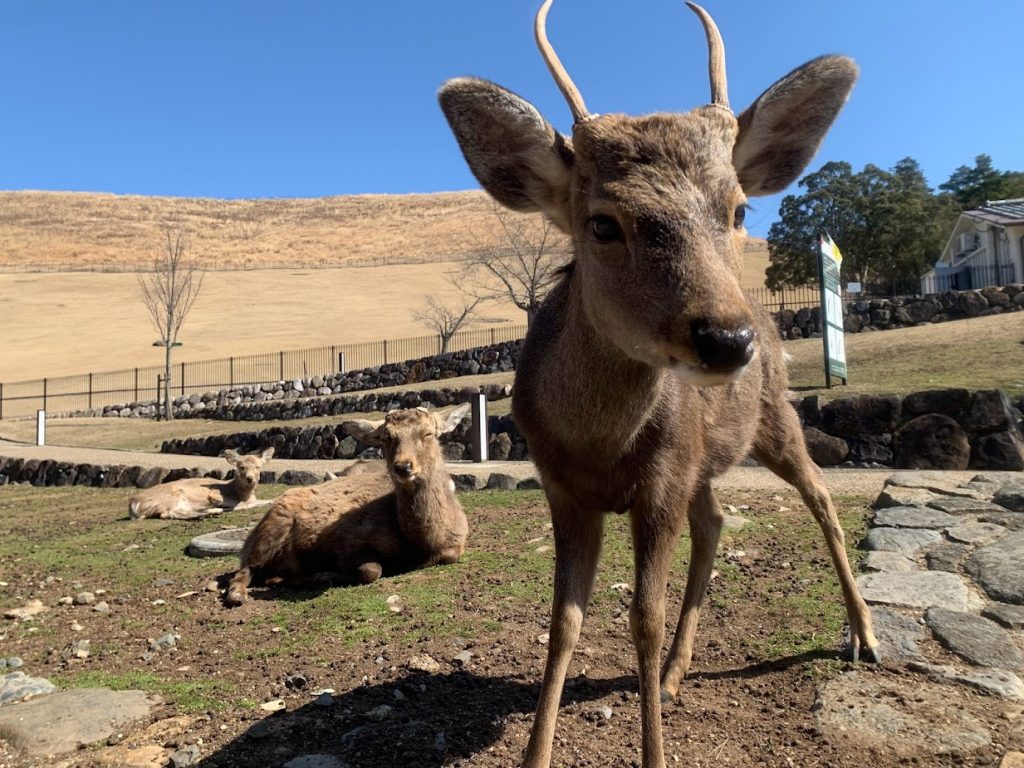
A young male deer with antlers beginning to grow.
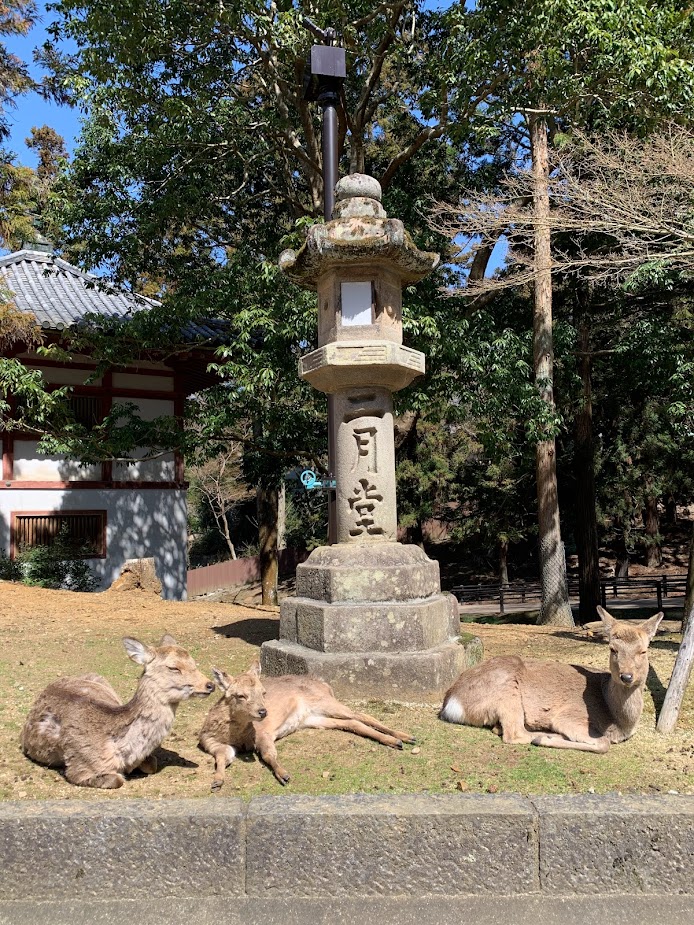
Next to the stone lantern at Nigatsudo Hall, Todaiji Temple.
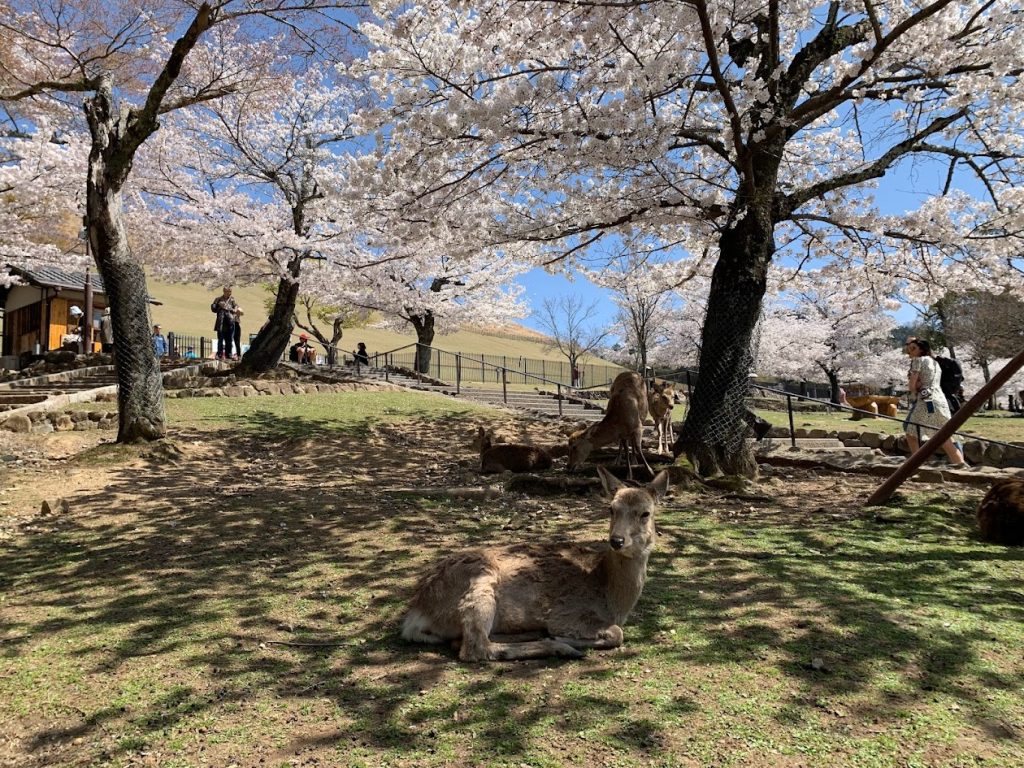
Enjoying a leisurely hanami (blossom viewing) under the fully blooming cherry blossoms. The slope in the background is Wakakusa Mountain.
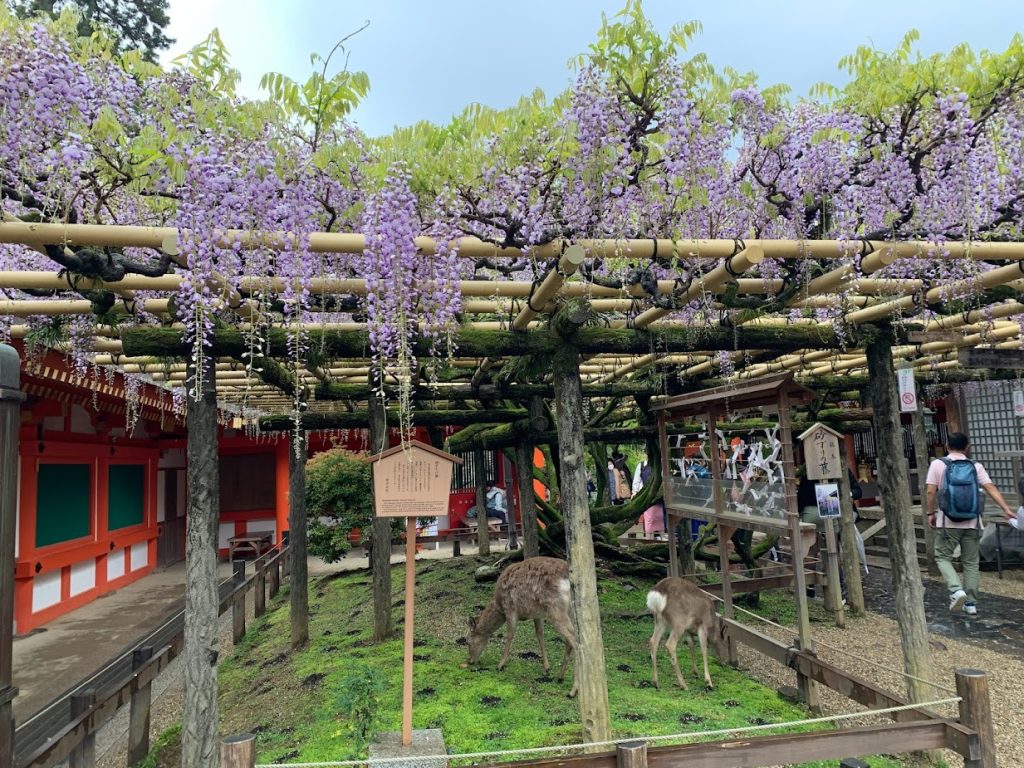
Dining under the “Sunazuri no Fuji” (wisteria) at Kasuga Taisha Shrine
Entry is prohibited under the wisteria for visitors.
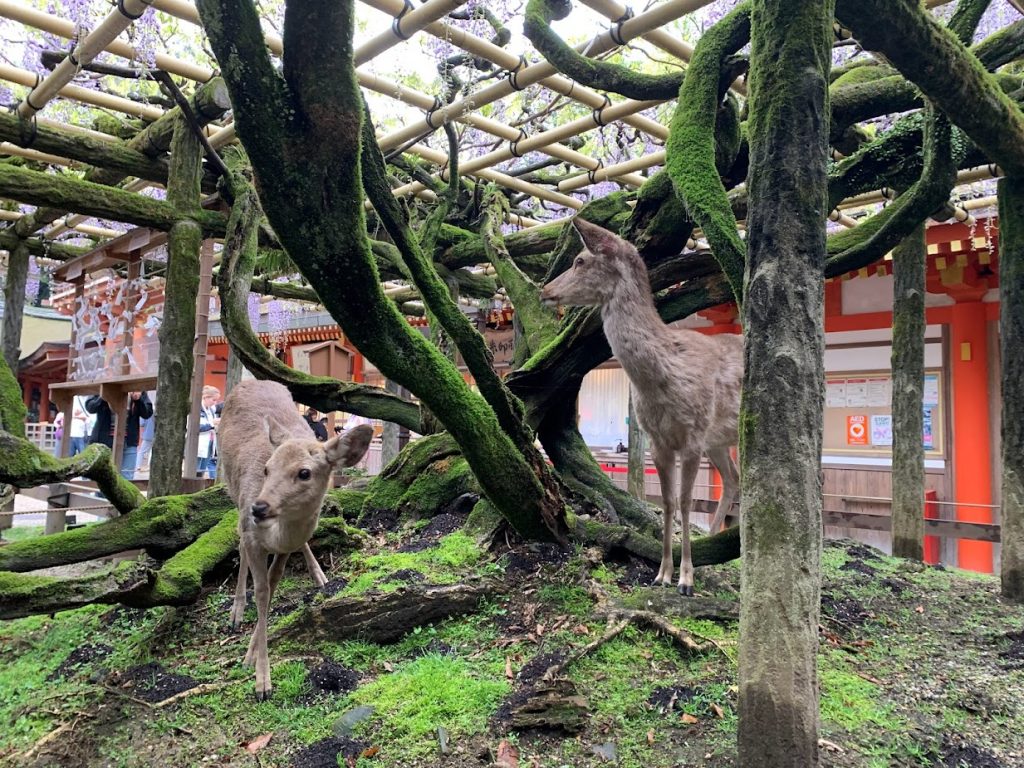
“Sunazuzuri no Fuji(wisteria)” is said to be around 800 years old.
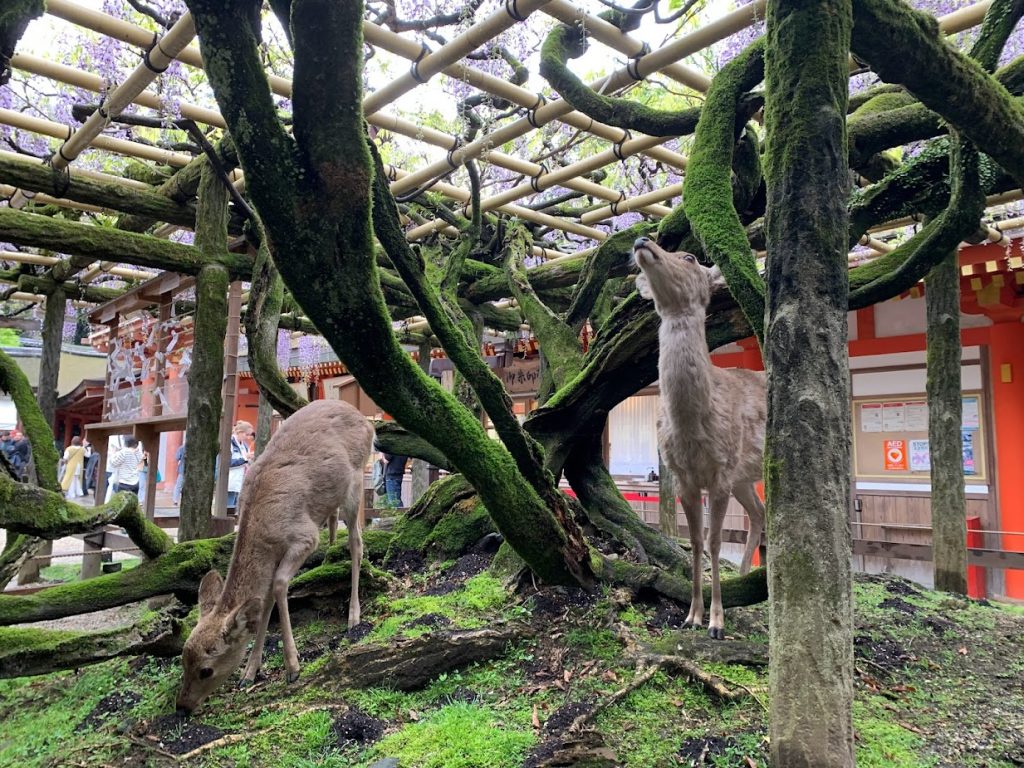
One deer is looking up, but it seems it can’t quite reach the leaves.
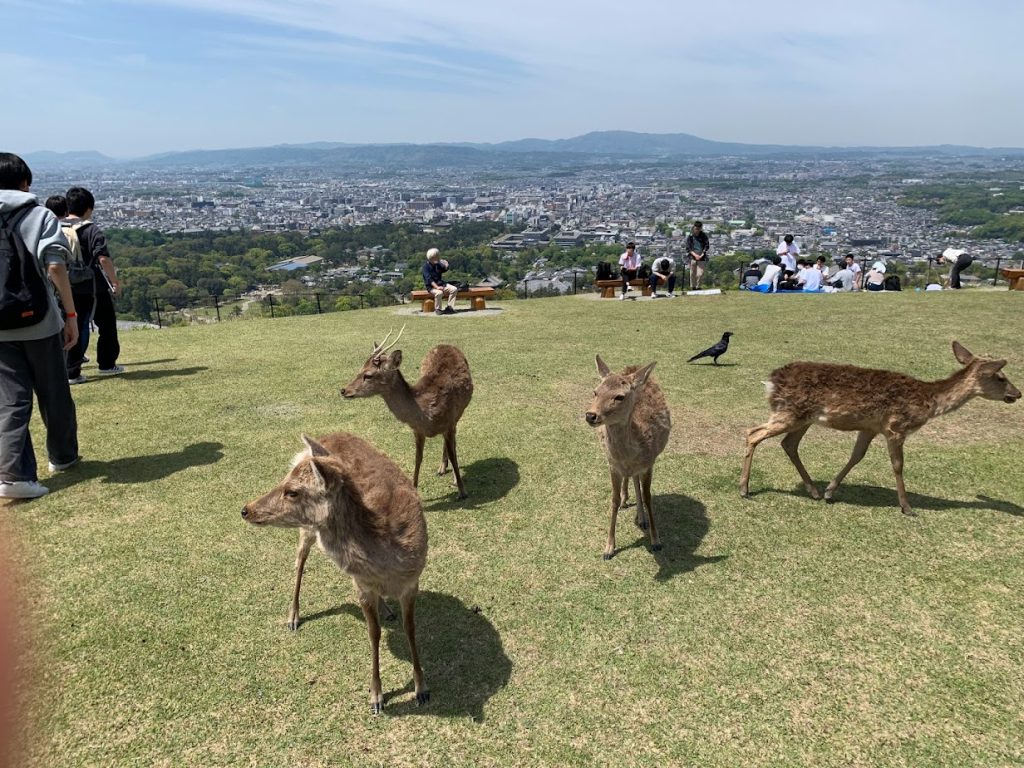
At the top of Wakakusa Mountain, the night view has been recognized as one of the “New Three Great Night Views of Japan.”
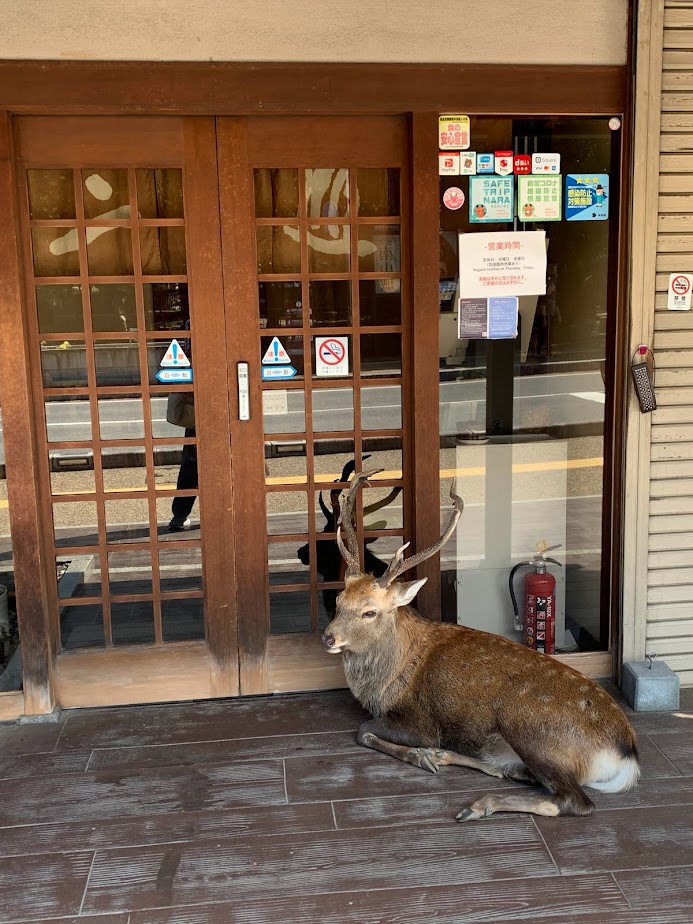
It is located next to the entrance of the path to Todaiji Temple.
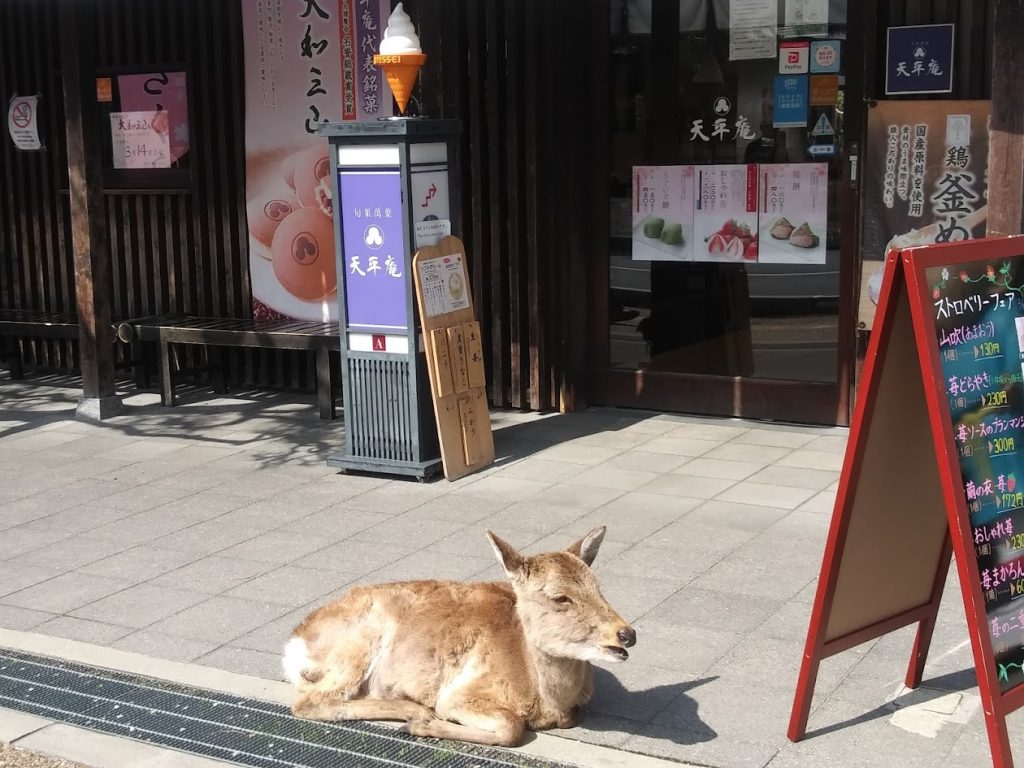
The deer is positioned at the entrance of a Japanese restaurant.
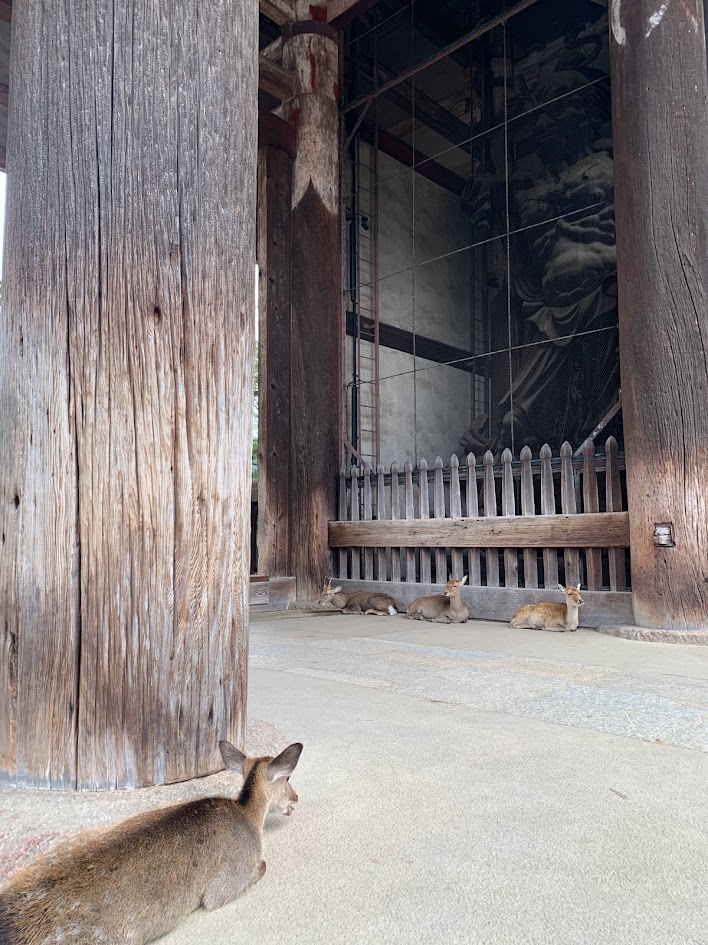
At the Great Southern Gate of Todaioji Temple, in front of the Nio Guardians, they take a break. They sit quietly in a row to the side, behaving very well.
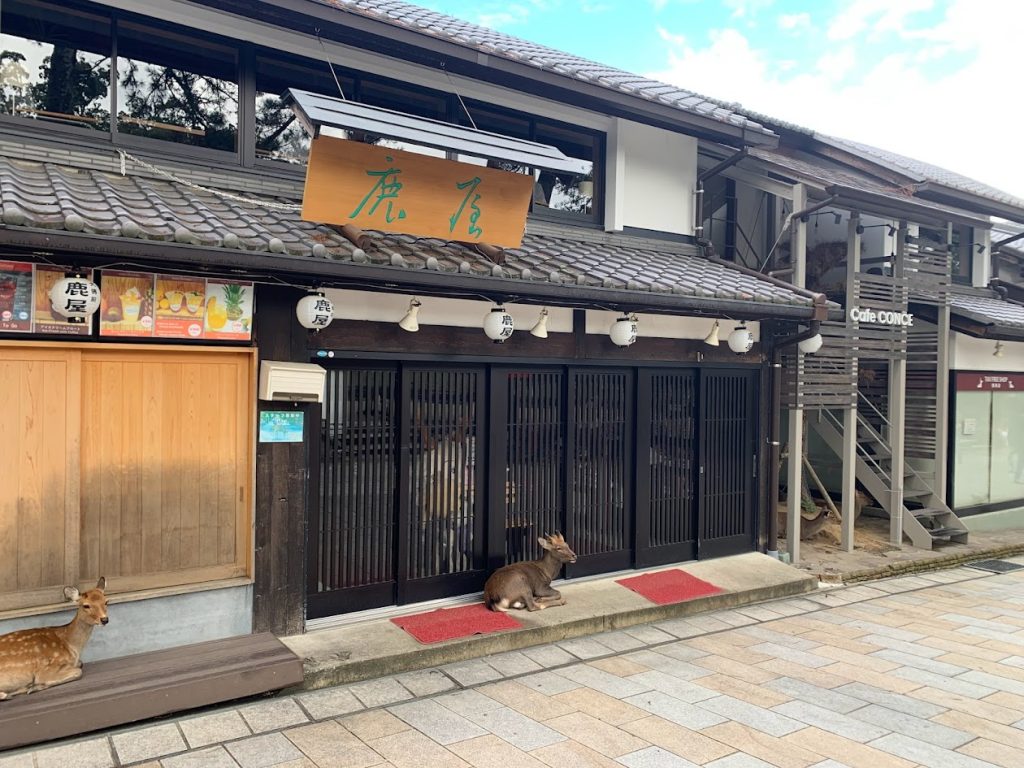
A deer is firmly stationed in front of the souvenir shop, as if waiting for it to open.
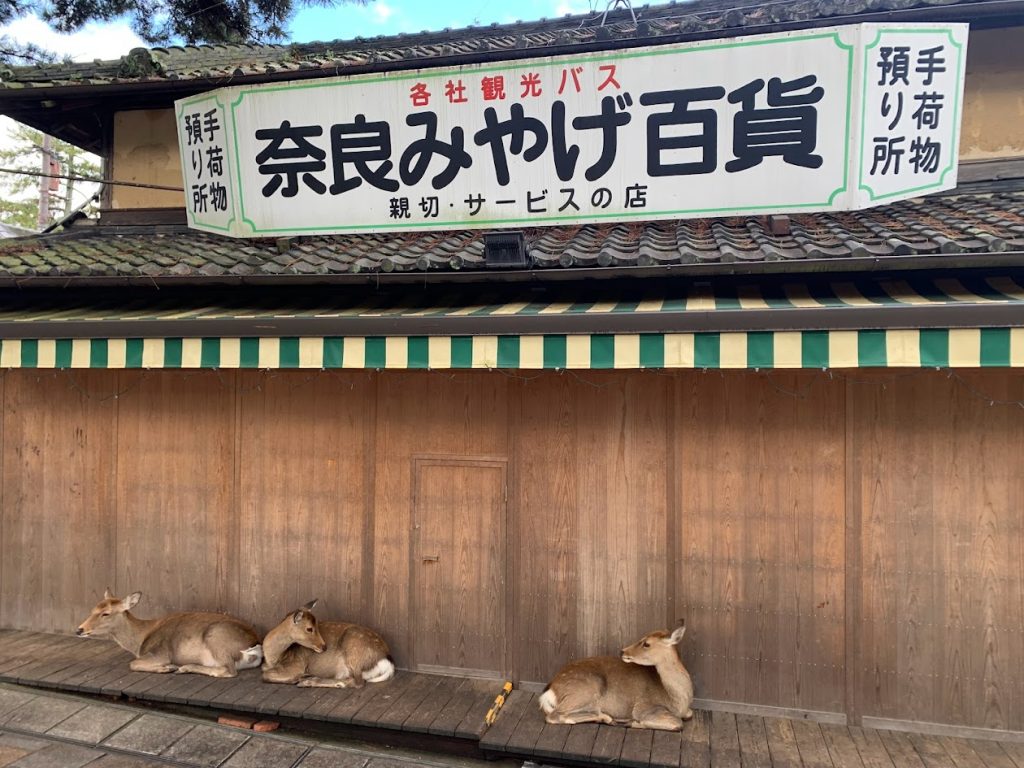
The entrance to the path leading to Todaiji Temple.
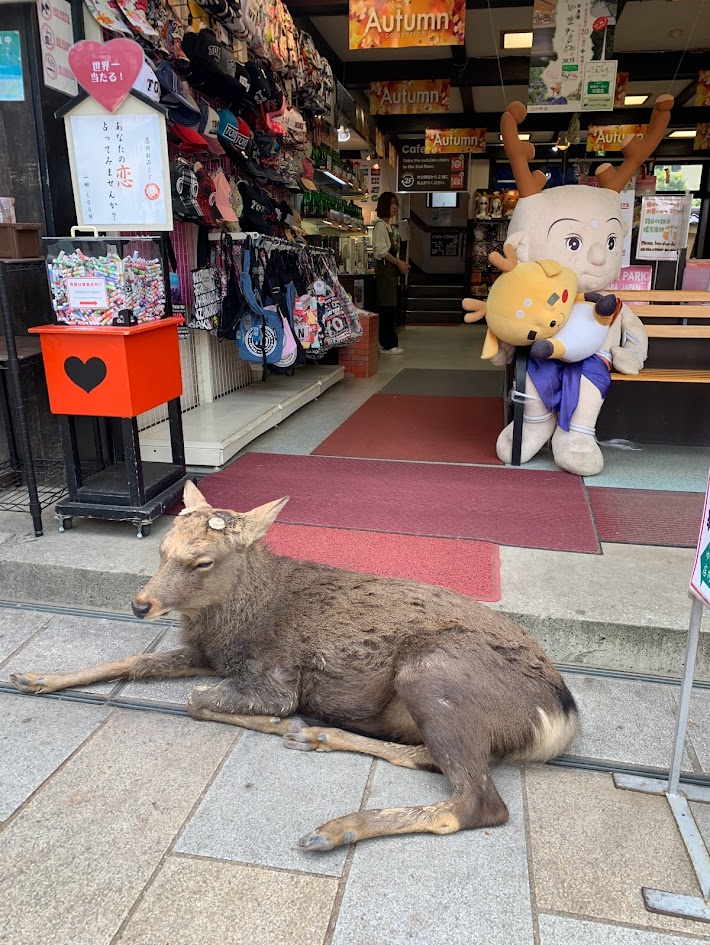
This well-behaved deer doesn’t enter the shop.
Instead, it waits in front of the store, greeting customers.
It’s hard to tell whether it’s welcoming them or blocking their way inside.
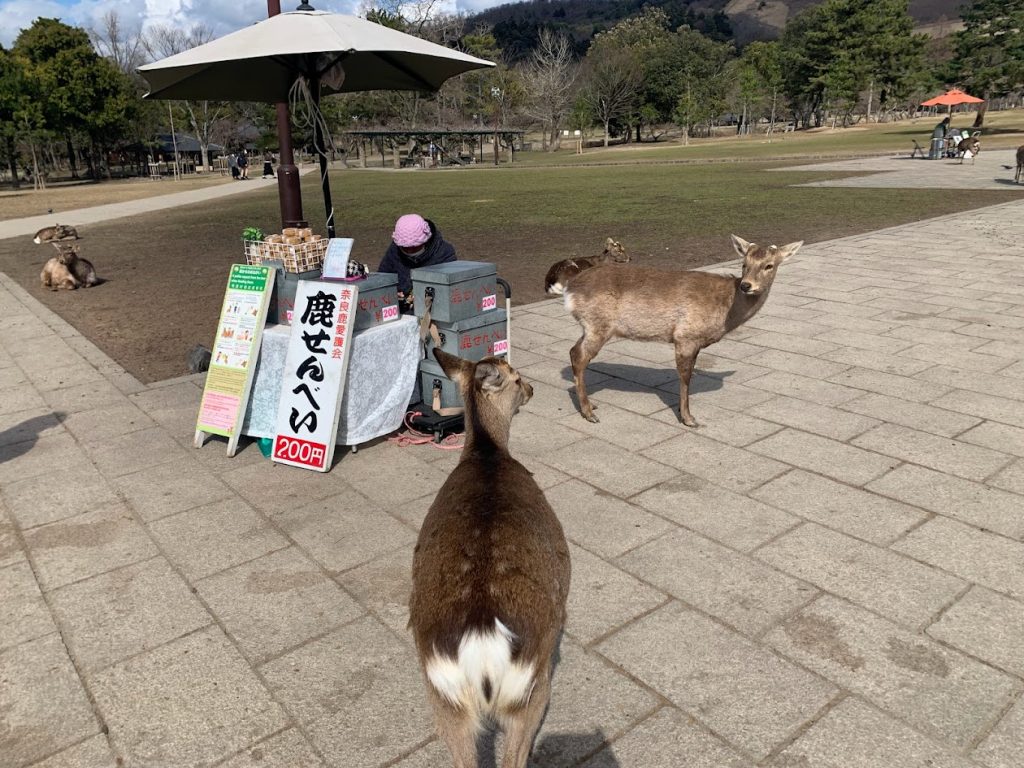
Two deer are waiting for someone to buy them deer crackers.
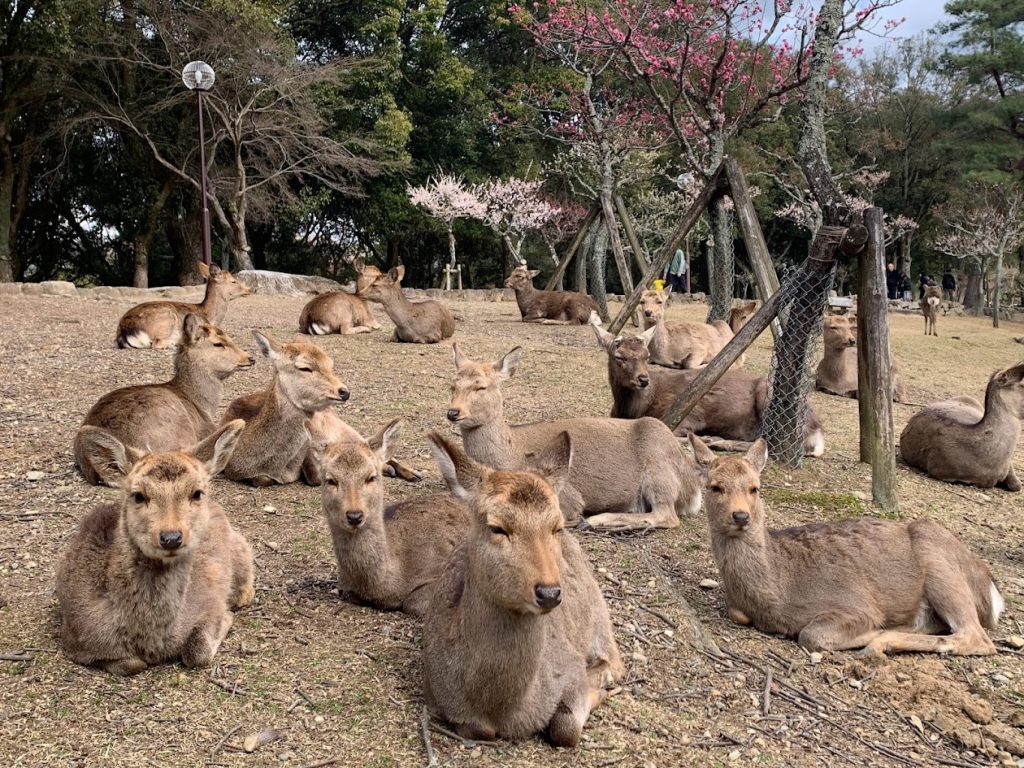
This is the Kataoka Plum Grove, located north of Ukimido Pavilion.
The flowers in bloom are plum blossoms.
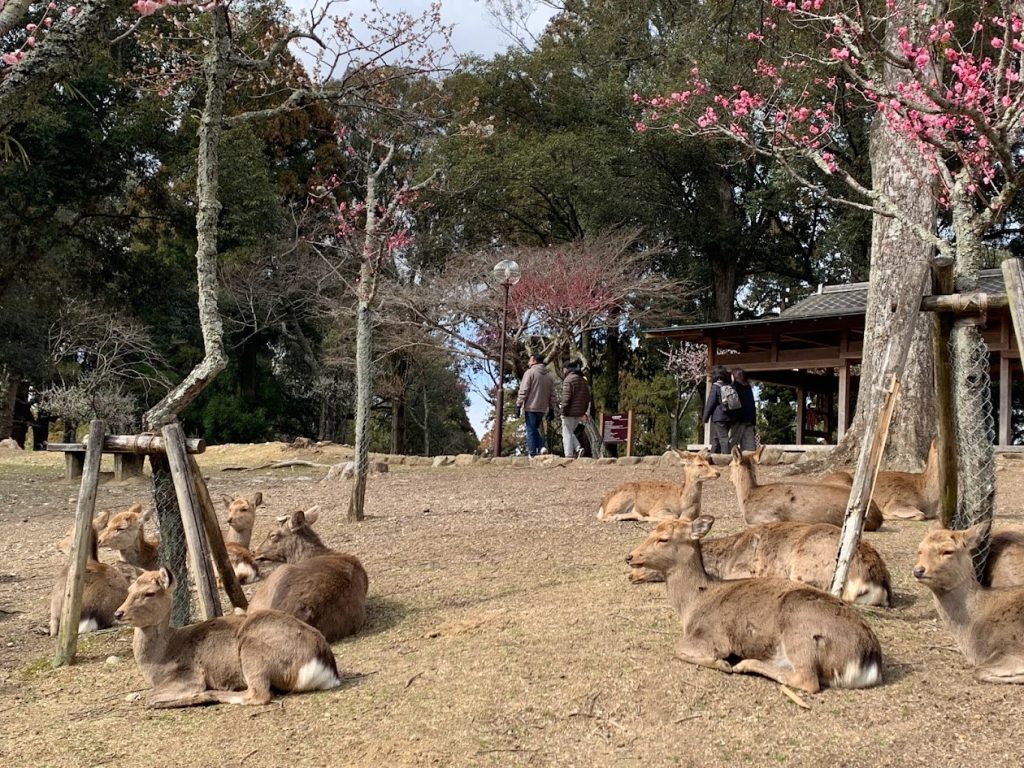
This is also the Kataoka Plum Grove, showcasing a scene from early spring in early March.
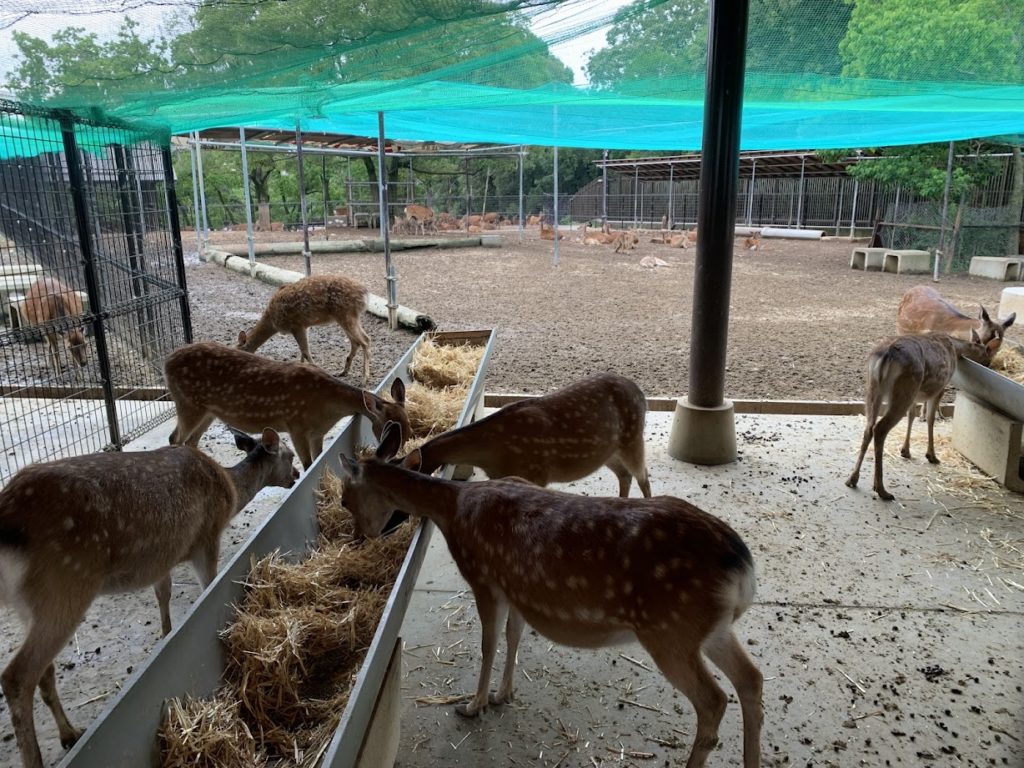
The Deer at Rokuen
Rokuen provides protection for mother deer before and after giving birth, as well as for newborn fawns.
It also serves as a sanctuary for injured or elderly deer.
Deer are considered sacred messengers of the deities and are called “Shinroku” (sacred deer). This is why the facility is named “Rokuen.”
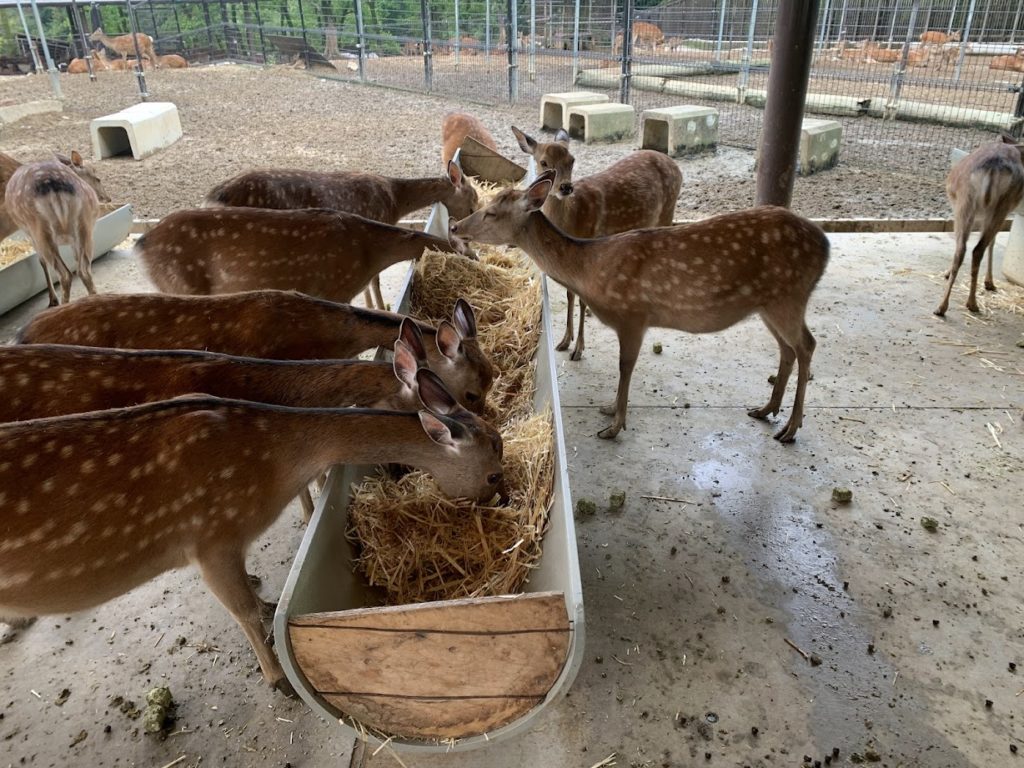
The Deer Protected at Rokuen
All of them get along well, happily burying their faces in the hay as they eat.
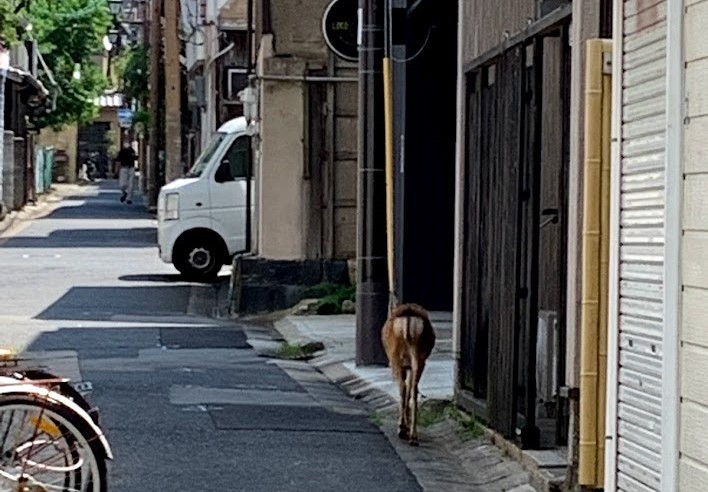
One deer strolling through the town.
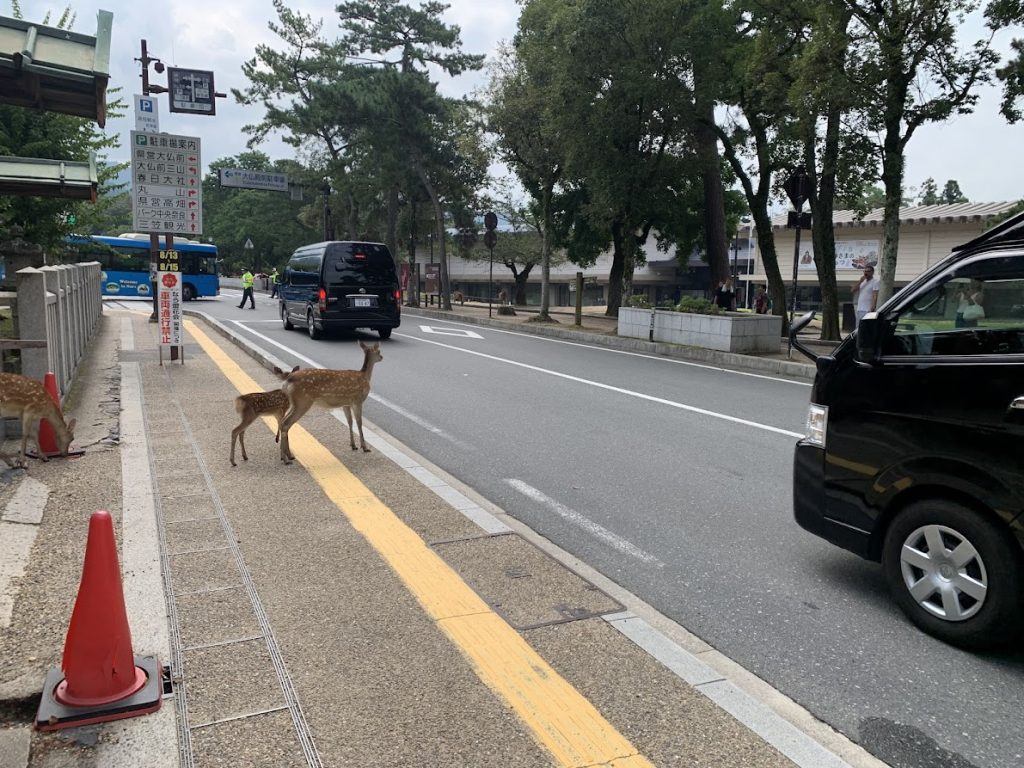
Since the deer stopped in front of the road, a car came to a halt. However, as the deer did not cross, the black car slowly resumed moving.
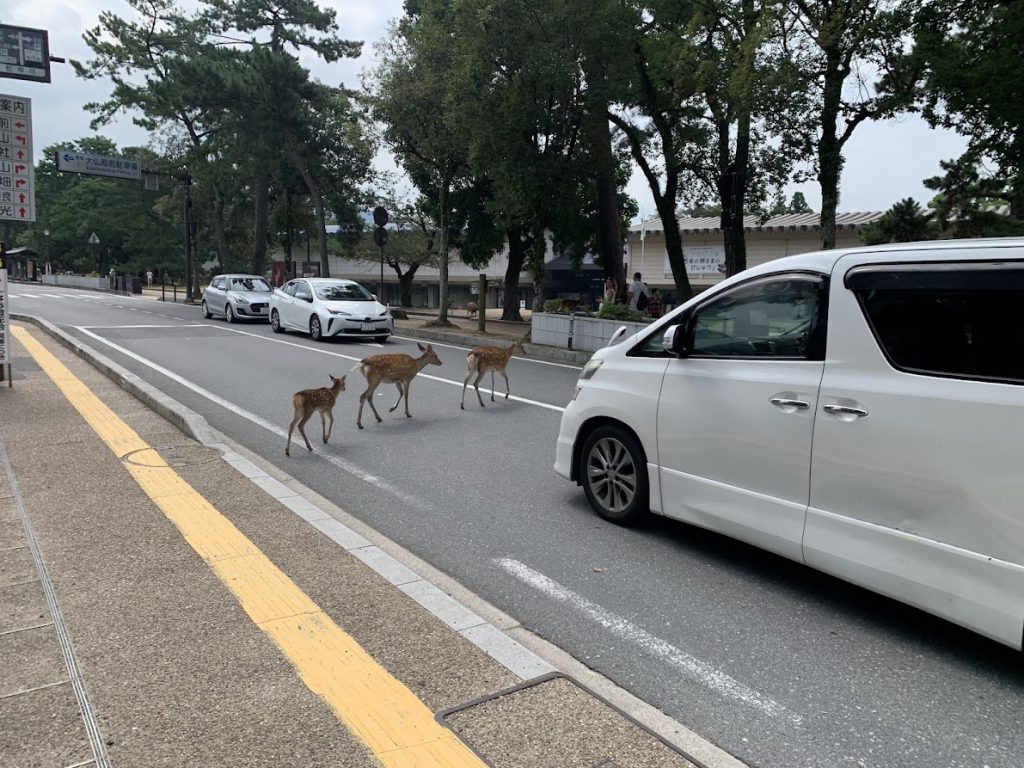
The deer have started to cross. The cars immediately stop and wait for them to finish.
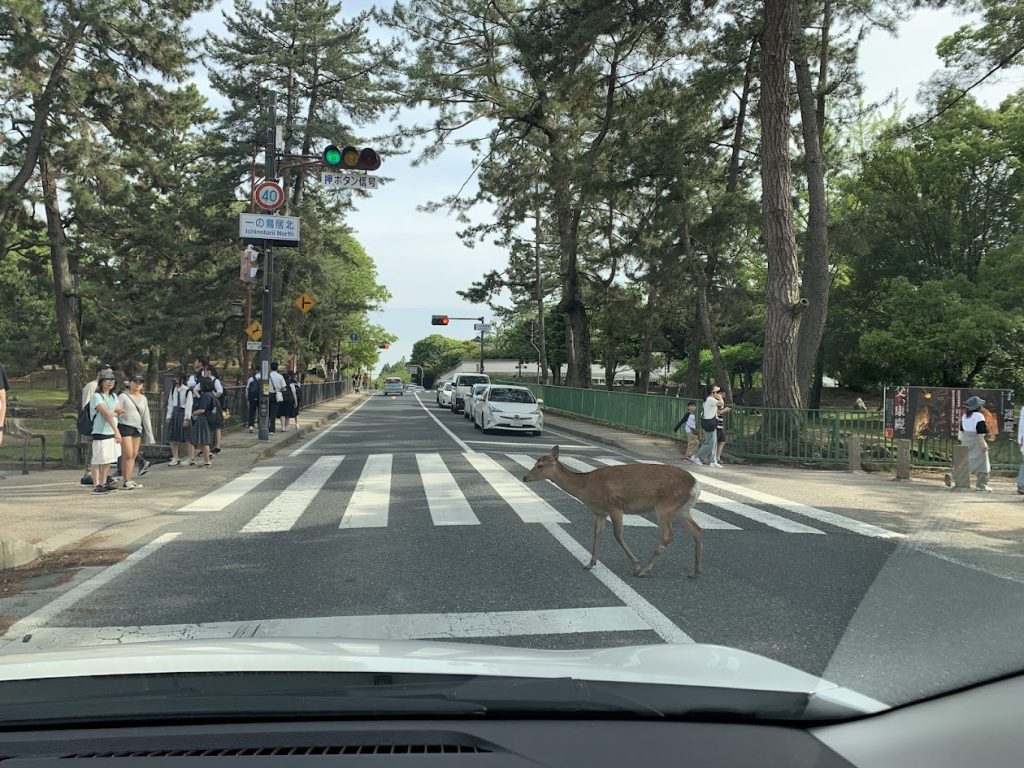
The deer’s signal is red.
Let’s obey the signal and cross at the crosswalk.
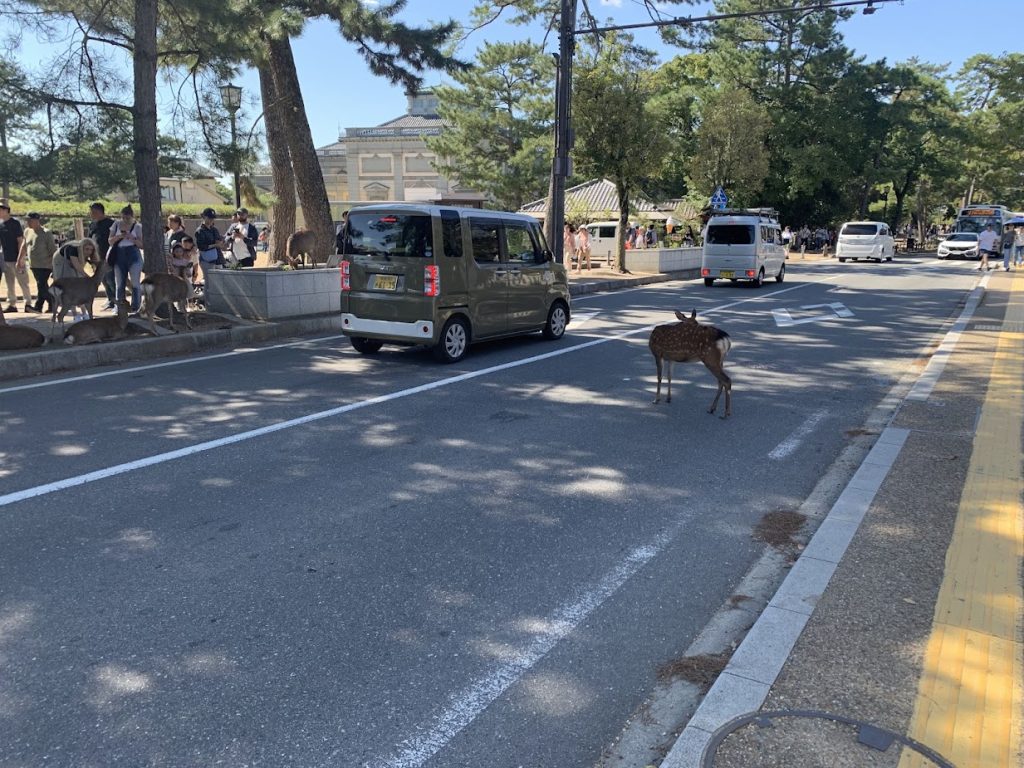
One deer was grooming itself in the middle of the road.
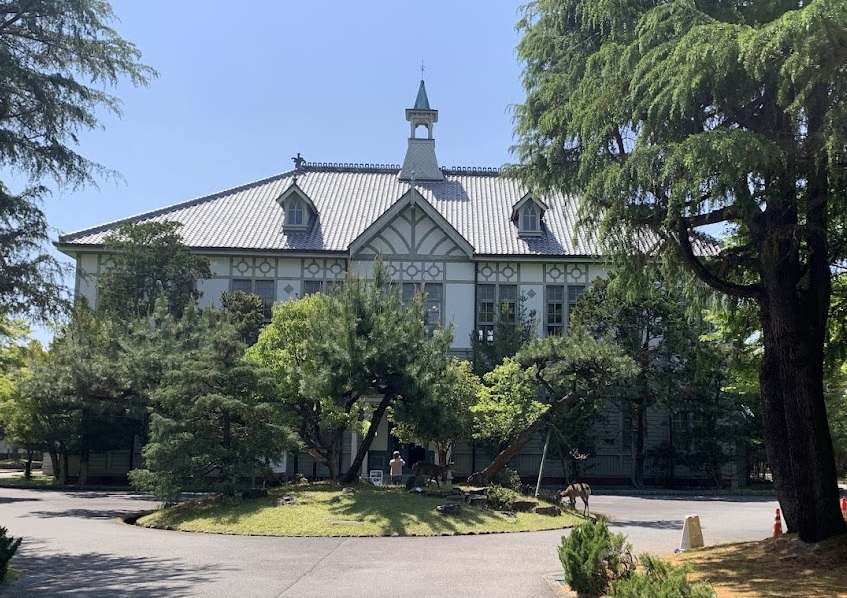
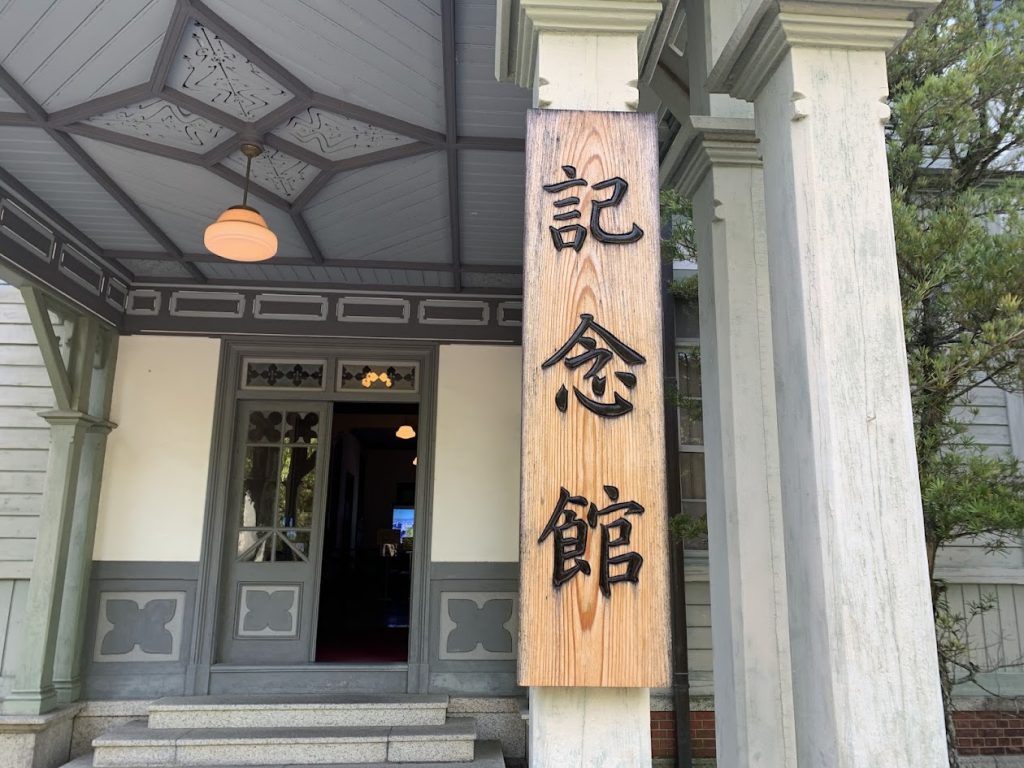
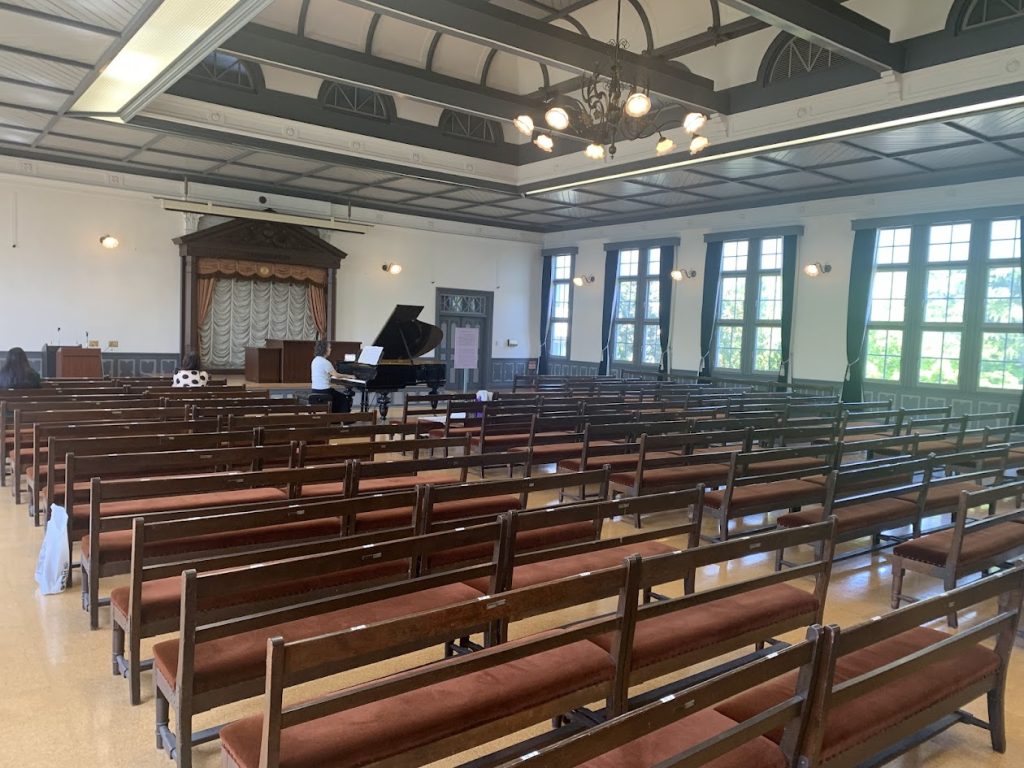
Nara Women’s University Memorial Hall
This hall, located north of Kintetsu Nara Station, is part of Nara Women’s University. In the Edo period, it was the Nara Magistrate’s Office.
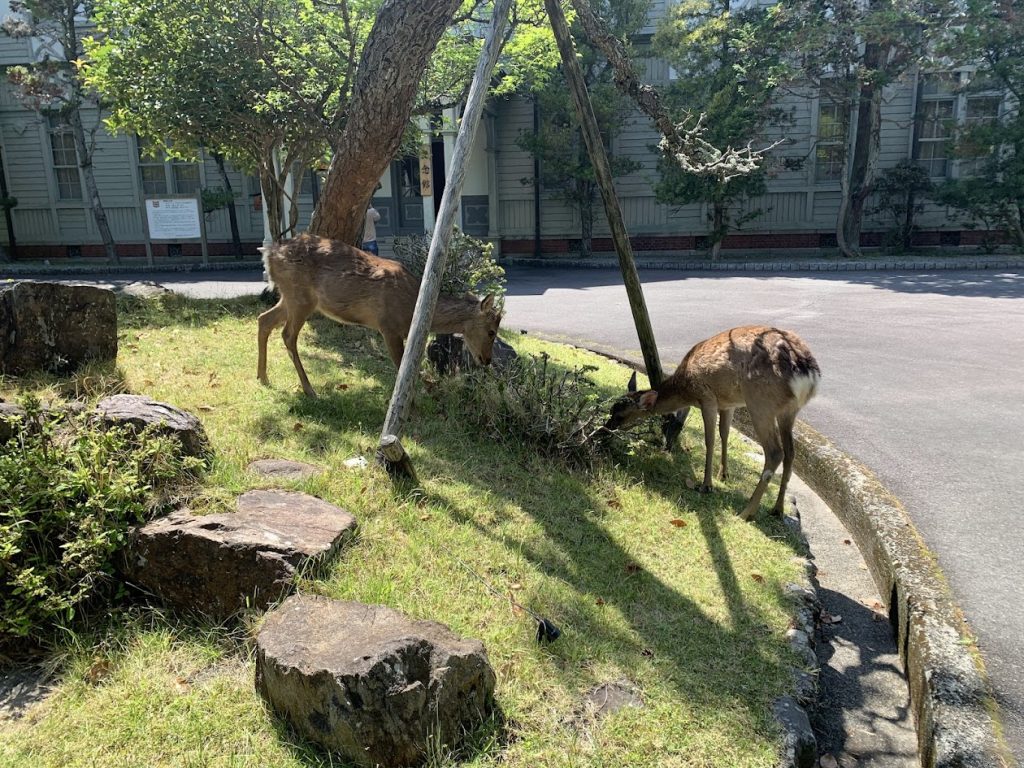
Deer can be seen calmly eating grass in front of the hall.
This peaceful scene of deer on the campus is a special sight unique to Nara.
コメント