
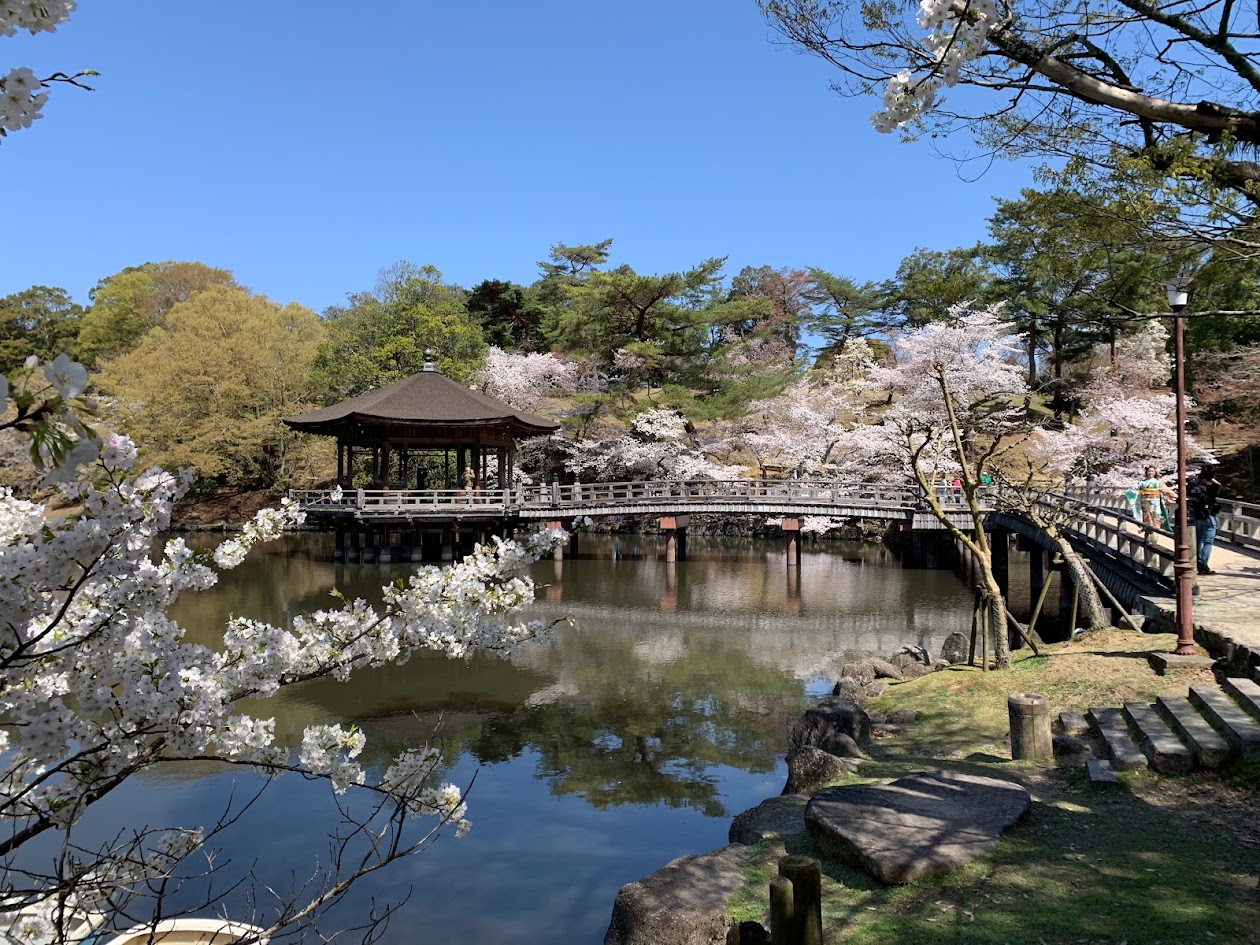

Nara Park has been selected as one of Japan’s ‘Top 100 Cherry Blossom Spots.’
Visitors can enjoy the beautiful collaboration of cherry blossoms and deer along the pathways of Todaiji, Kofukuji, and Kasuga Taisha Shrine.
The wisteria at Kasuga Taisha Shrine and the ashebi (Japanese andromeda) Blossoms in Nara Park are also stunning.
Cherry Blossoms
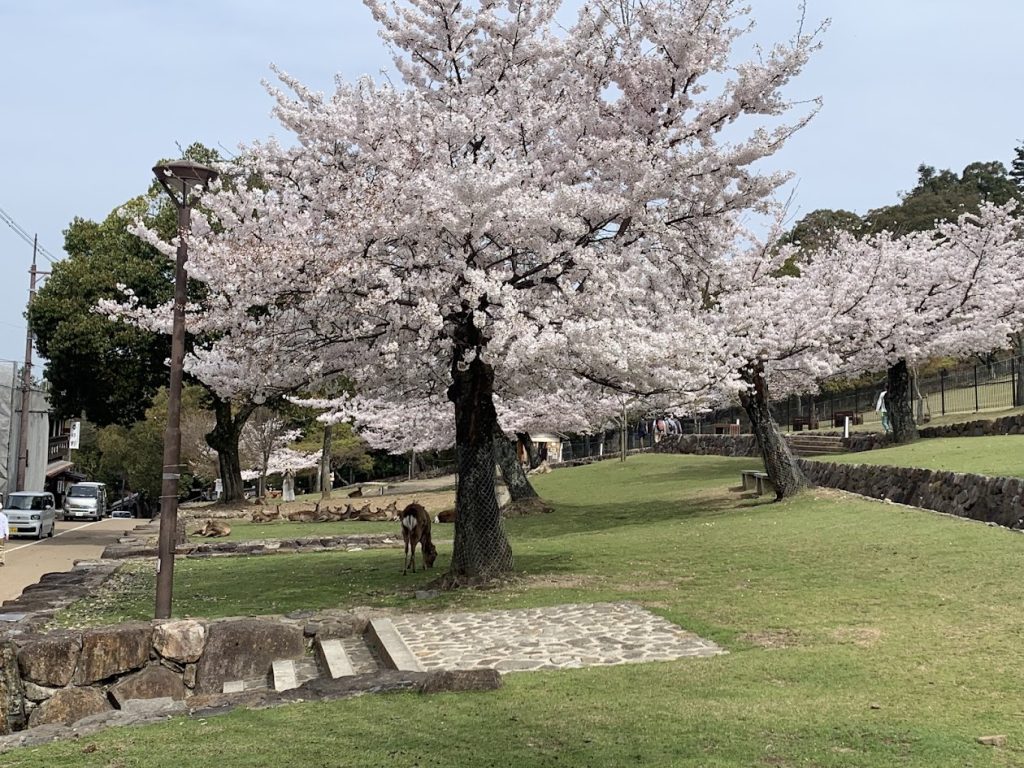
This is at the base of Wakakusa-yama Mountain. A bit farther ahead, a group of deer is resting.
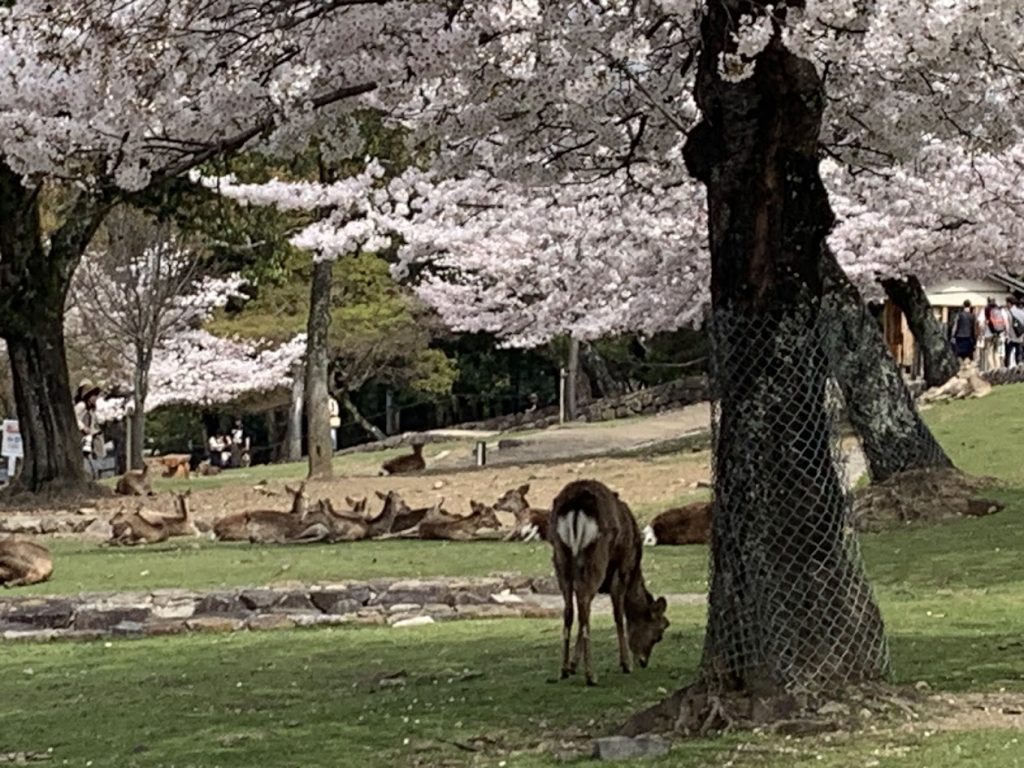
At the base of Wakakusa-yama Mountain, many deer are resting under the cherry blossoms.
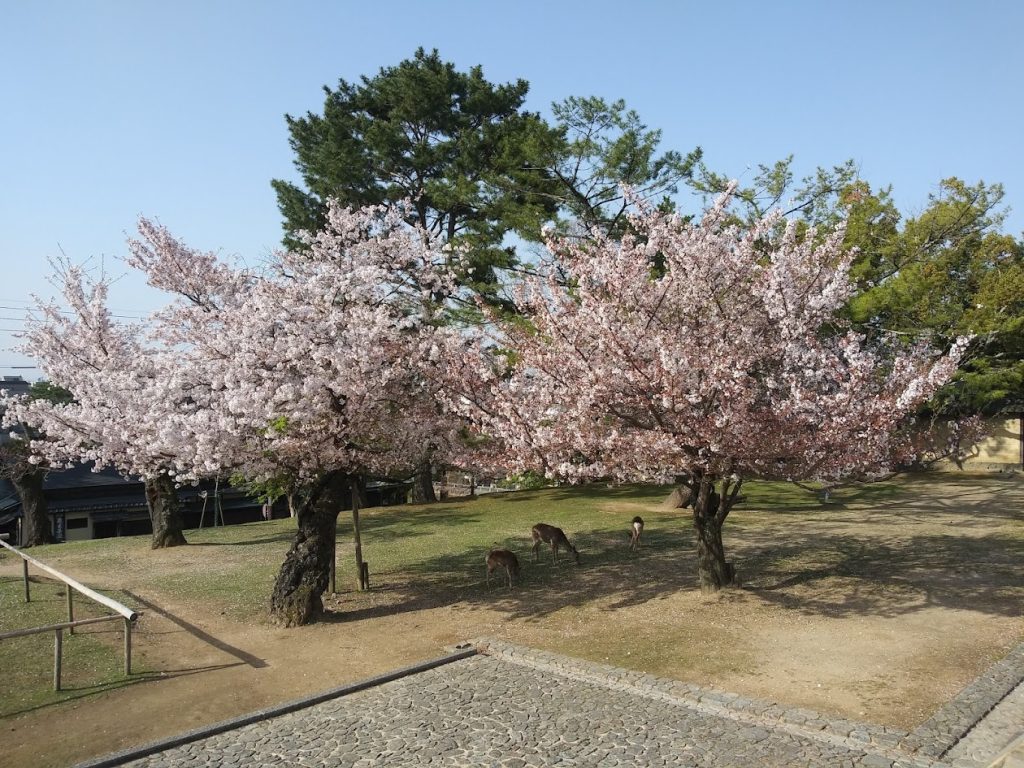
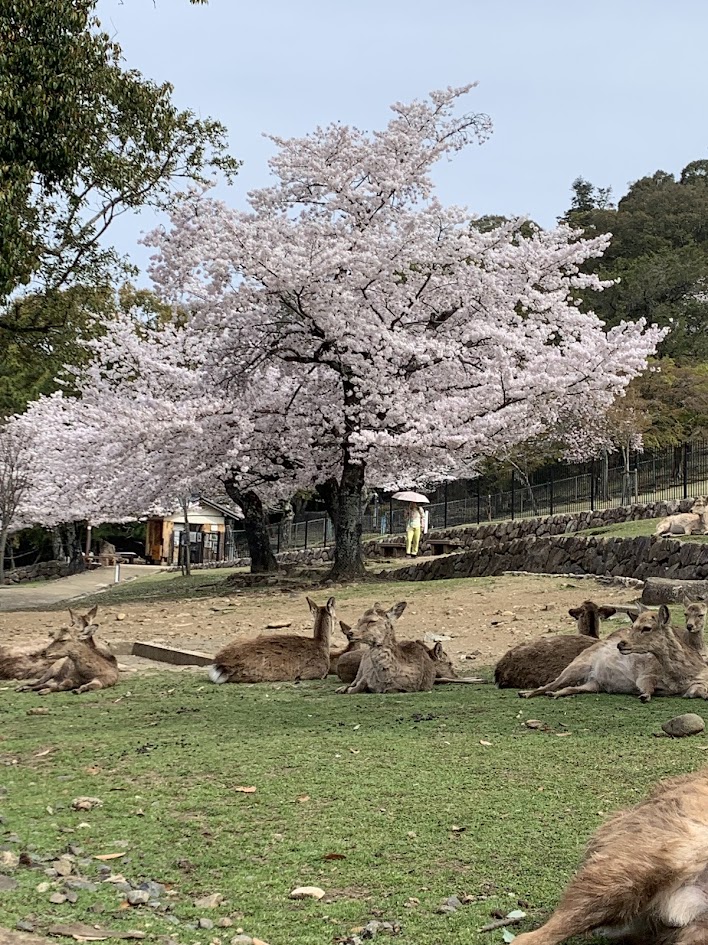
It’s at the base of Wakakusa-yama Mountain.
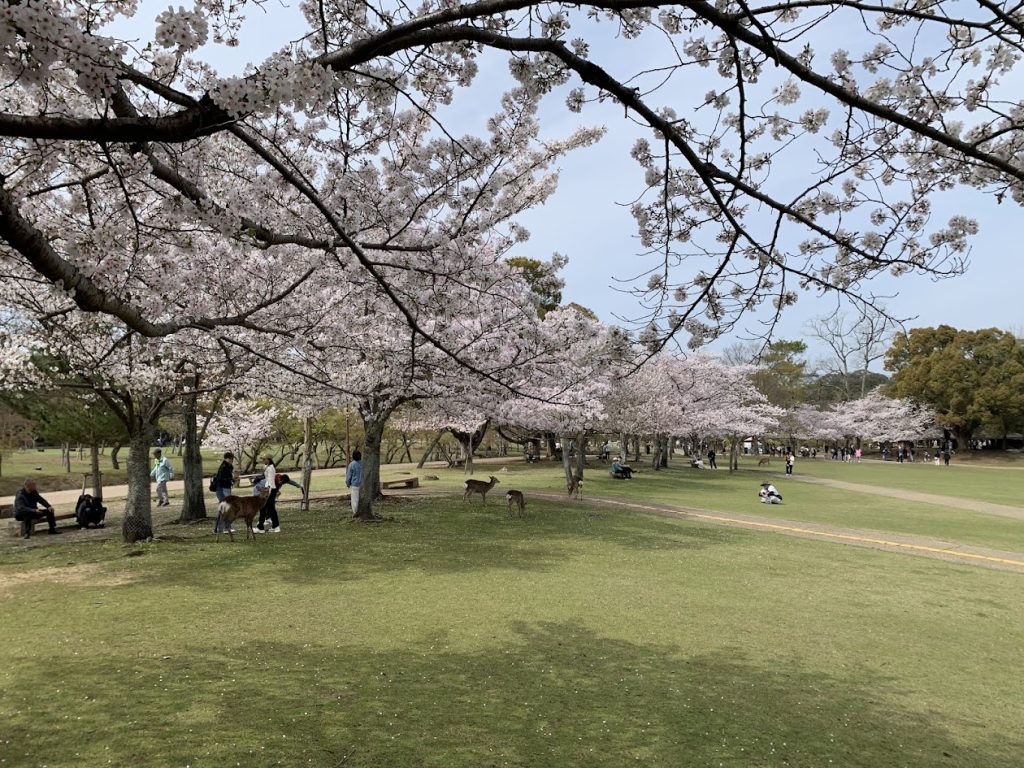
It’s on the east side of the approach to the Great Buddha Hall.
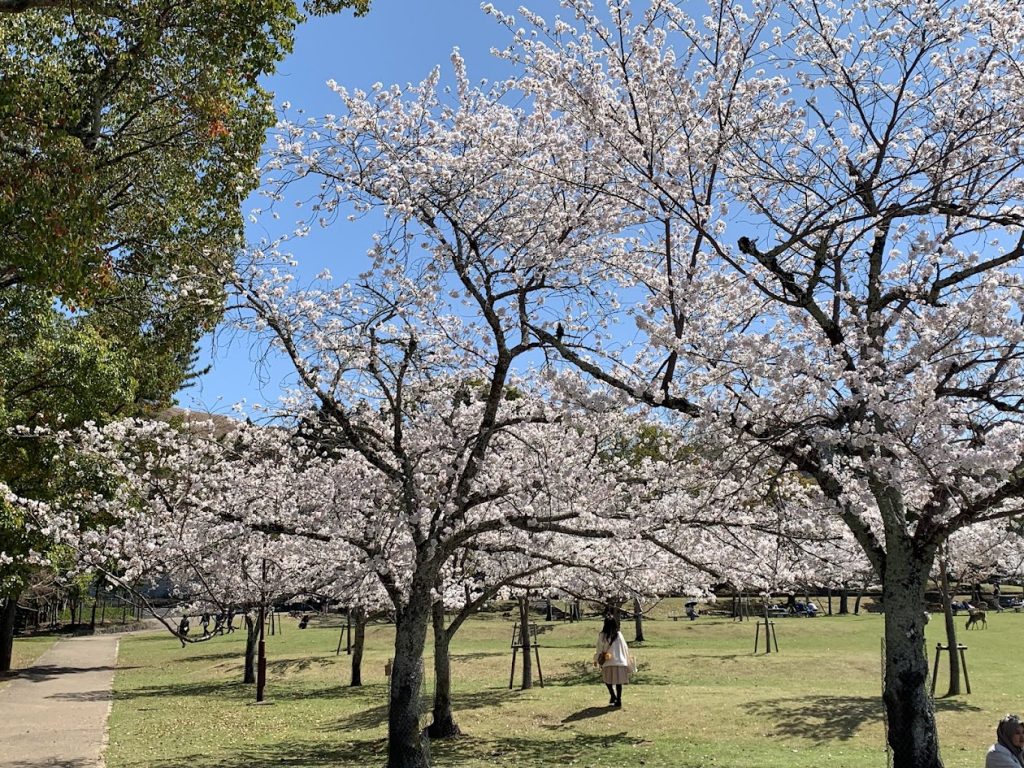
The cherry trees are in full bloom.
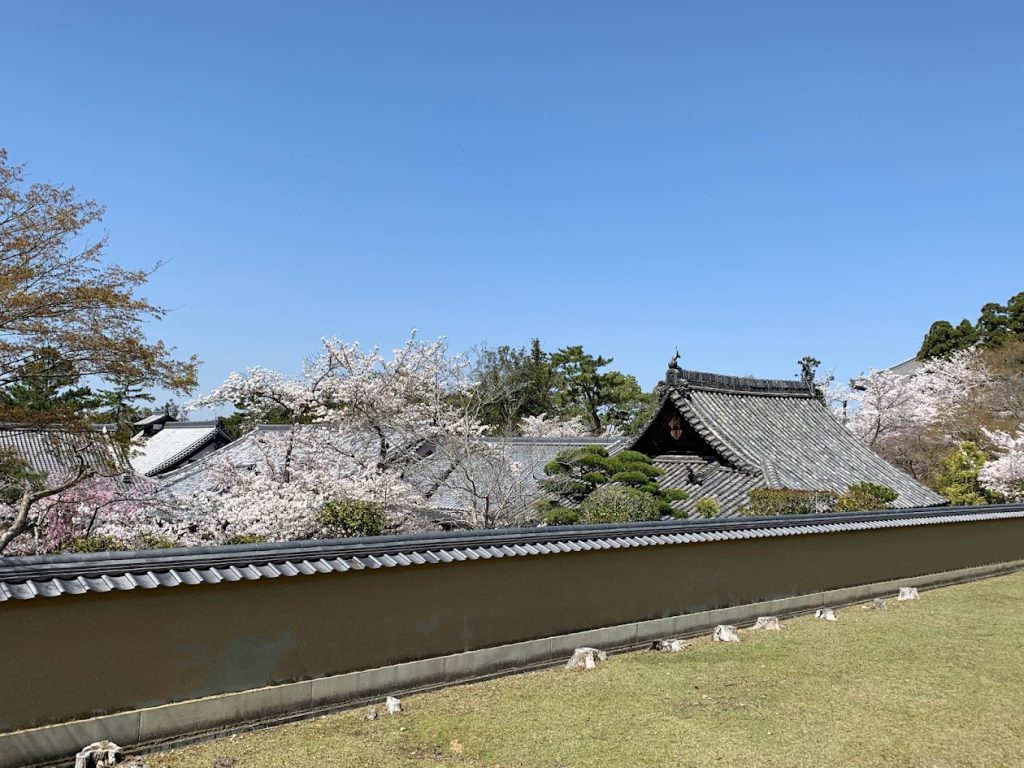
It’s the main hall of Todai-ji Temple.
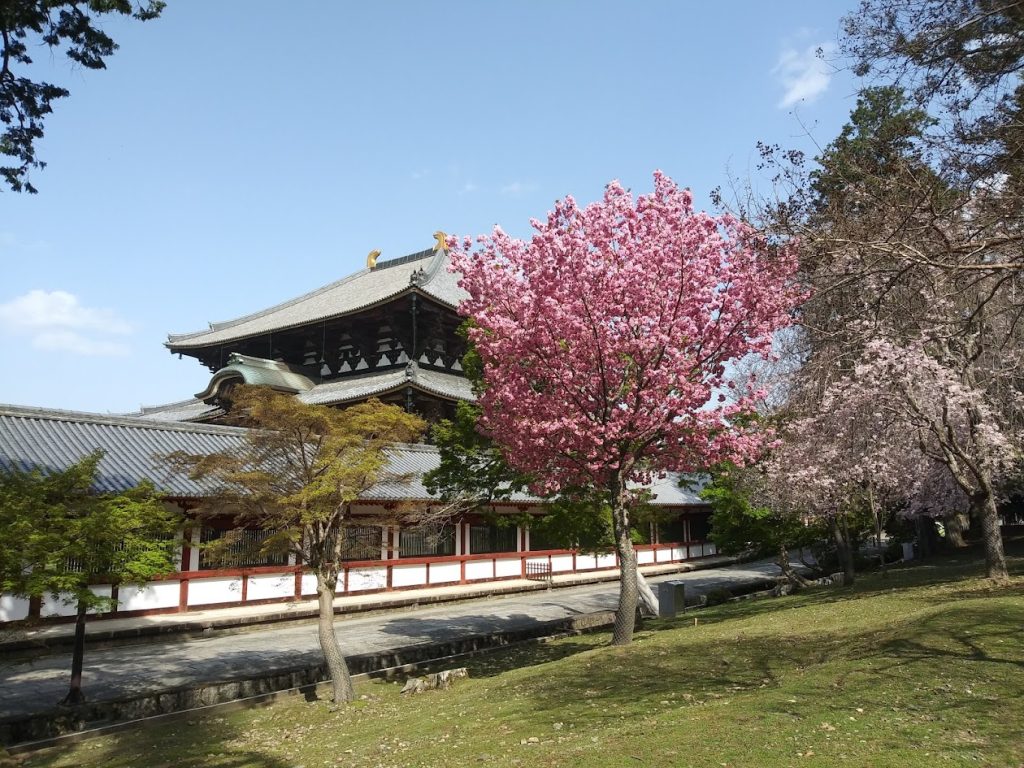
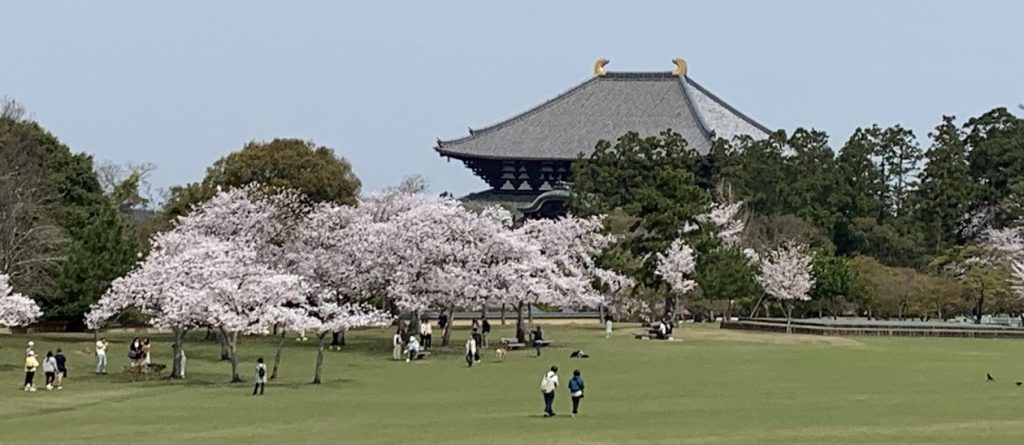
Cherry blossoms next to the Daibutsuden Hall.
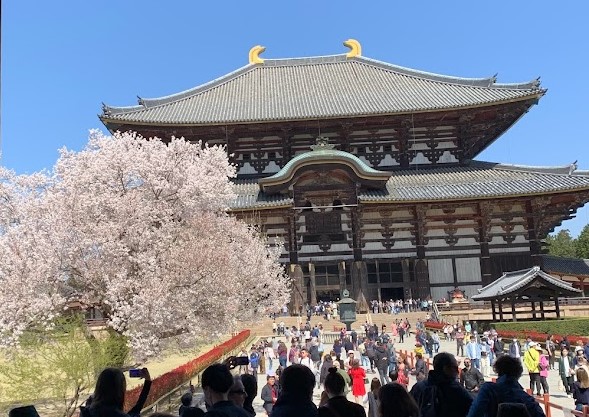
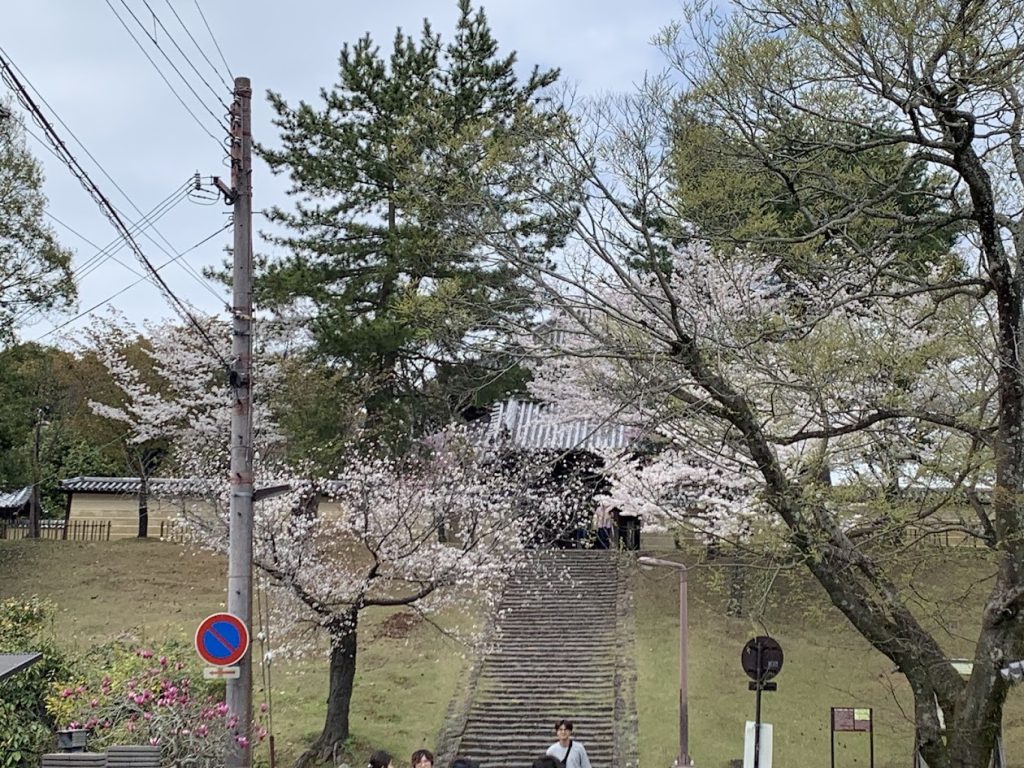
It’s the stairs in front of the Todai-ji Kaidanin Hall.
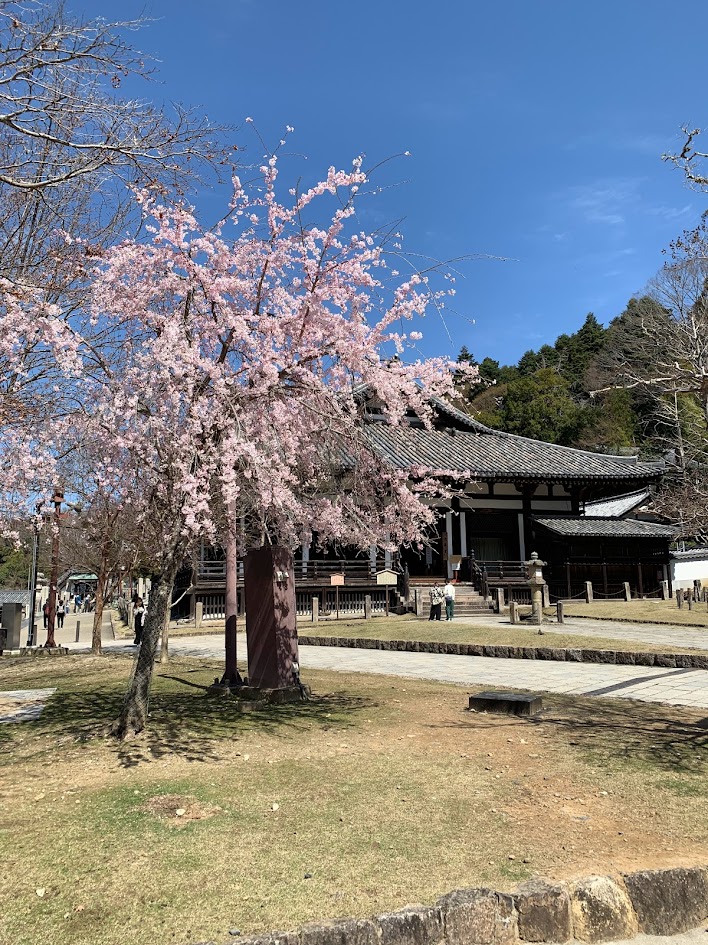
It’s the Todai-ji Sangatsudo.
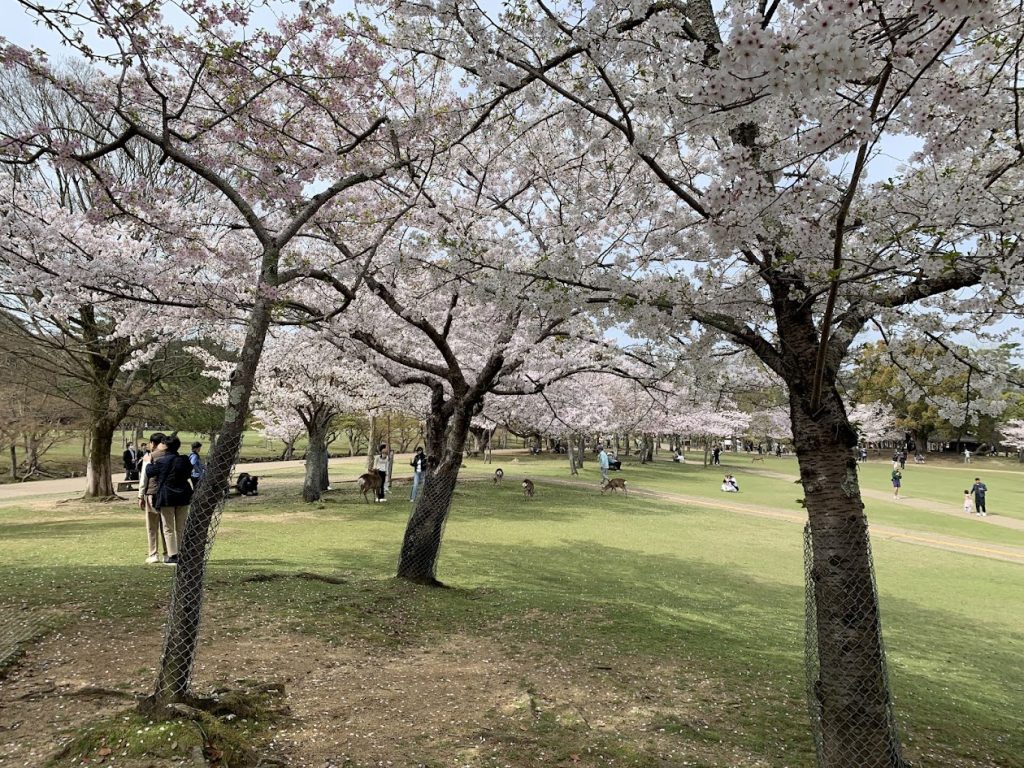
It’s on the east side of the approach to the Great Buddha Hall.
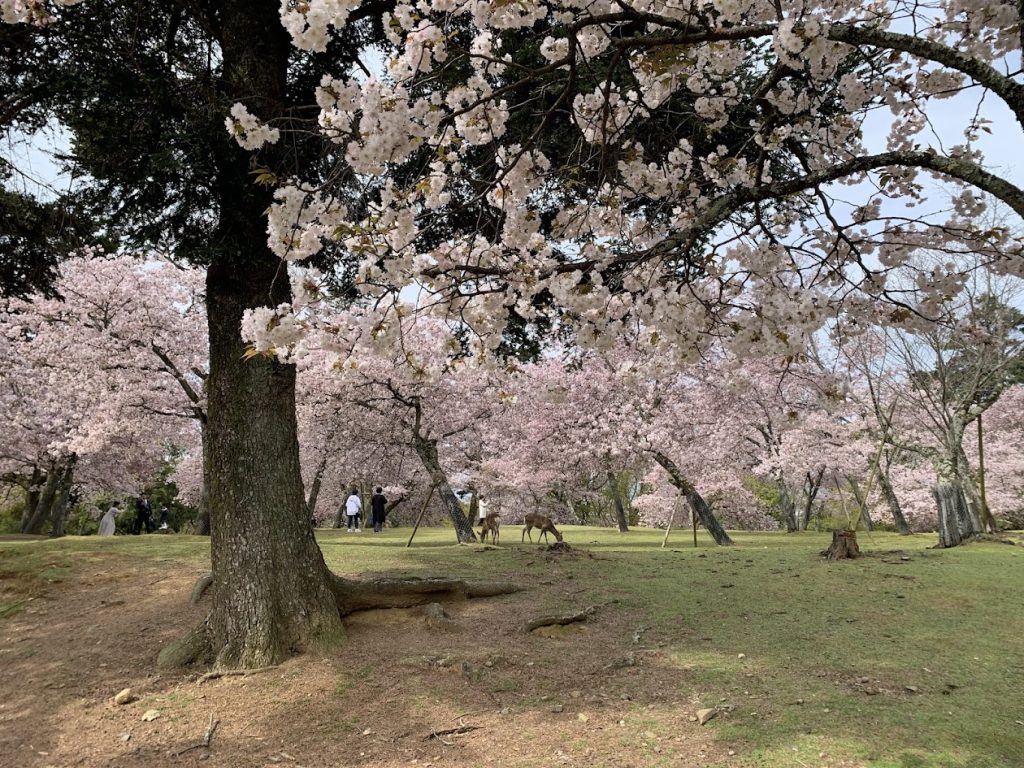
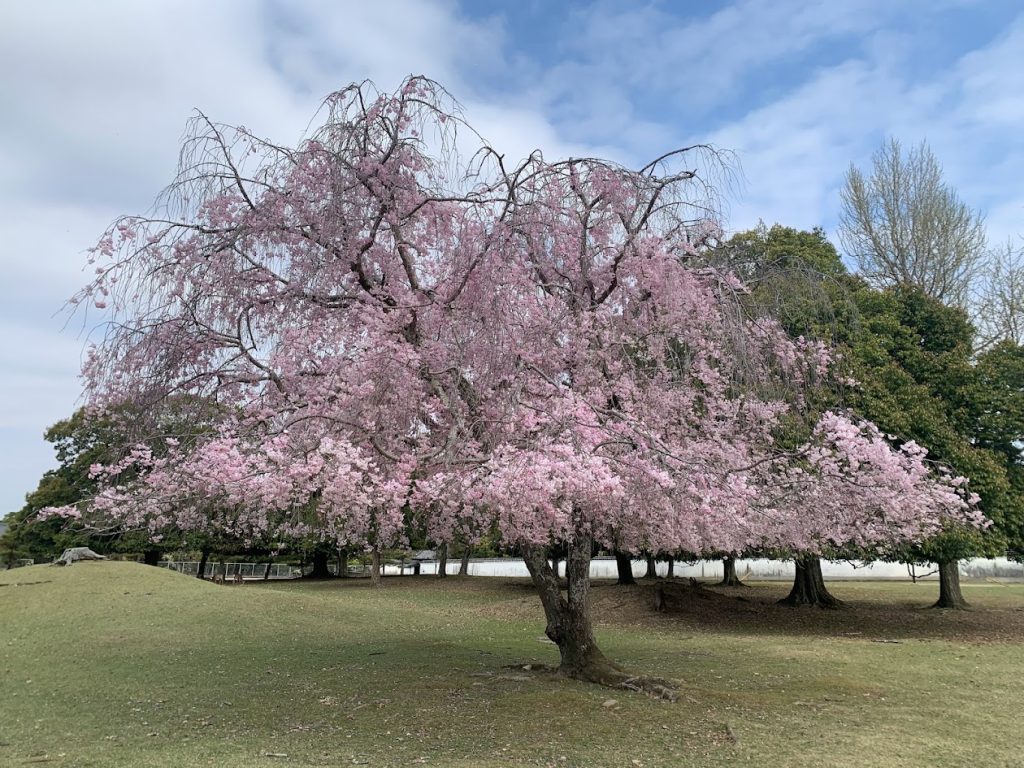
This cherry blossom, known as ‘Okappa Cherry Blossom,’ is located behind the Daibutsuden Hall.
The branches are trimmed to about 2 meters above the ground, allowing deer to stand on their hind legs to eat the leaves at that height.
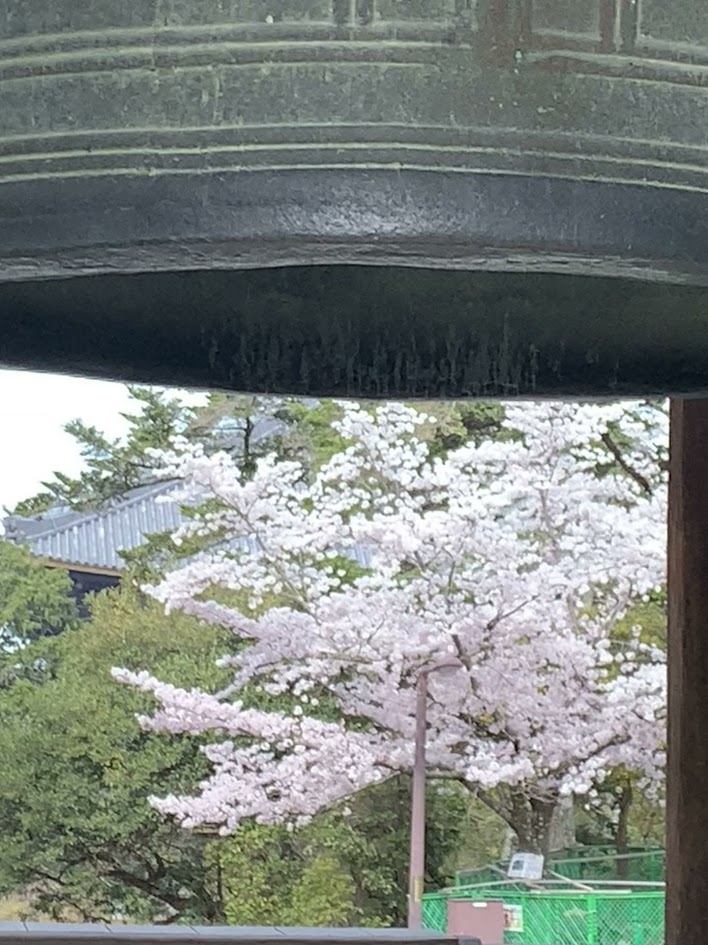
Beyond the National Treasure Great Bell, you can see cherry blossoms in full bloom.
The roof visible beyond the cherry blossoms is that of the Daibutsuden Hall.
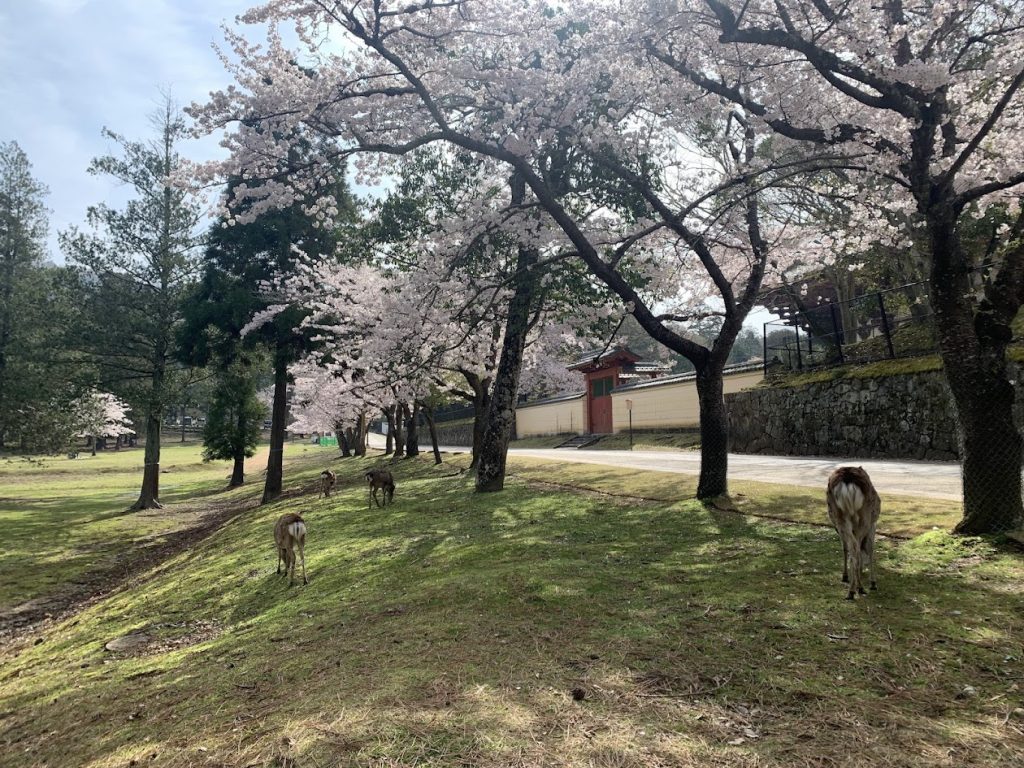
This is behind the Daibutsuden Hall. The wall on the right is the wall of the Daibutsuden Hall.
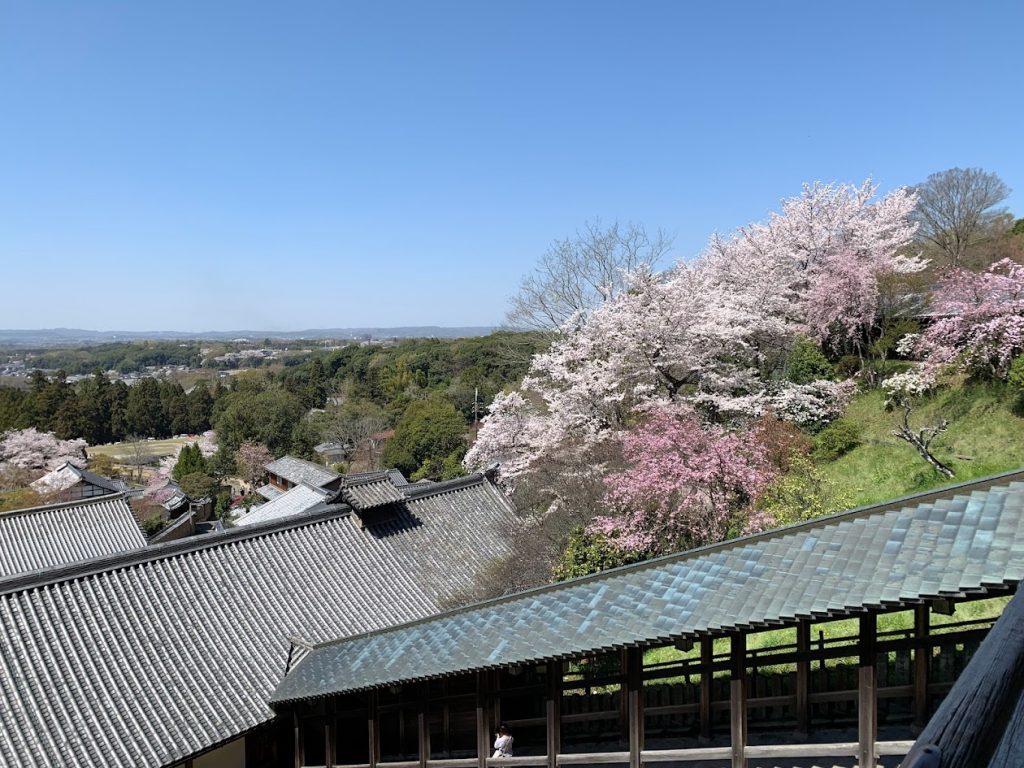
This is the long staircase of Todai-ji Nigatsudo Hall. Beyond it, on the slope, beautiful cherry blossoms bloom every year.
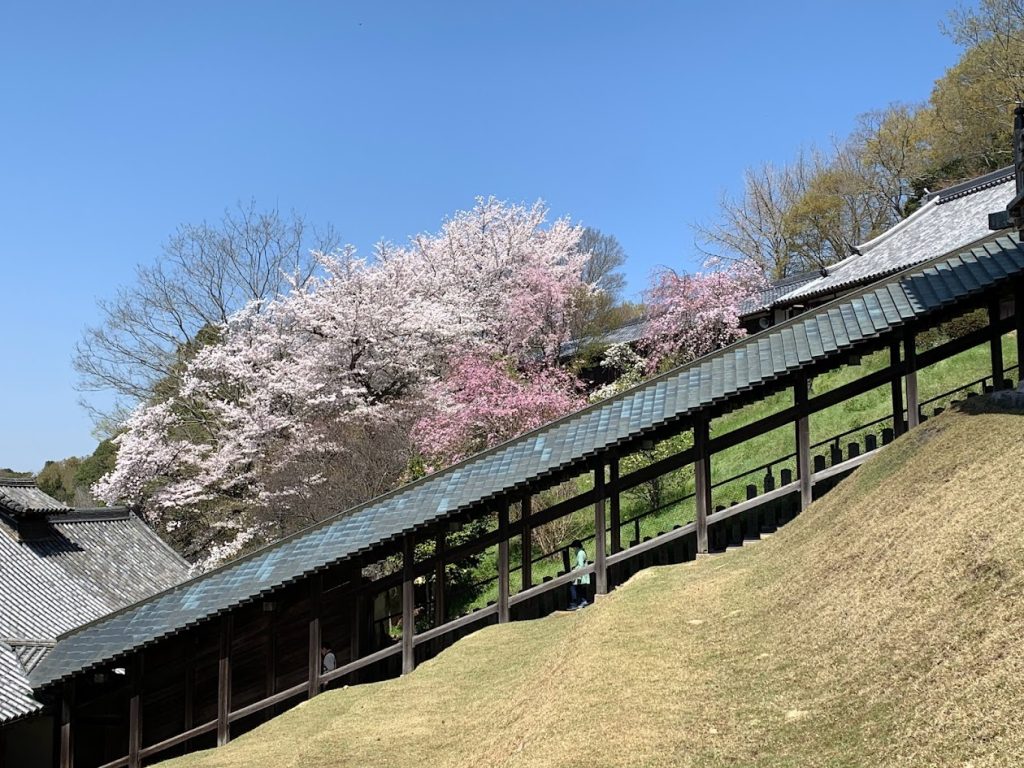
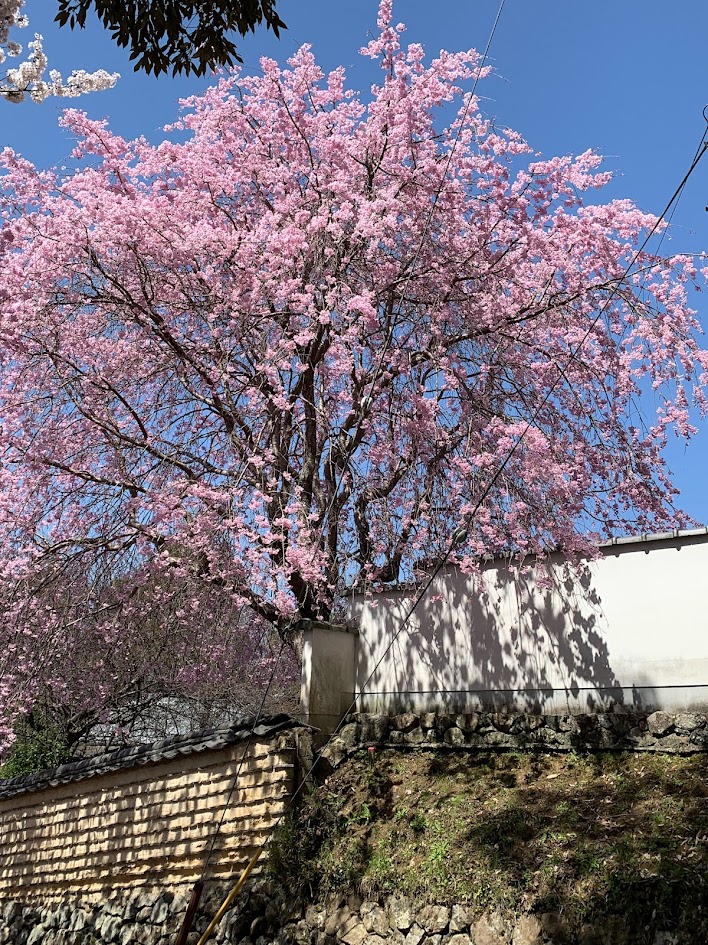
Todai-ji Temple’s earthen wall and cherry blossoms.
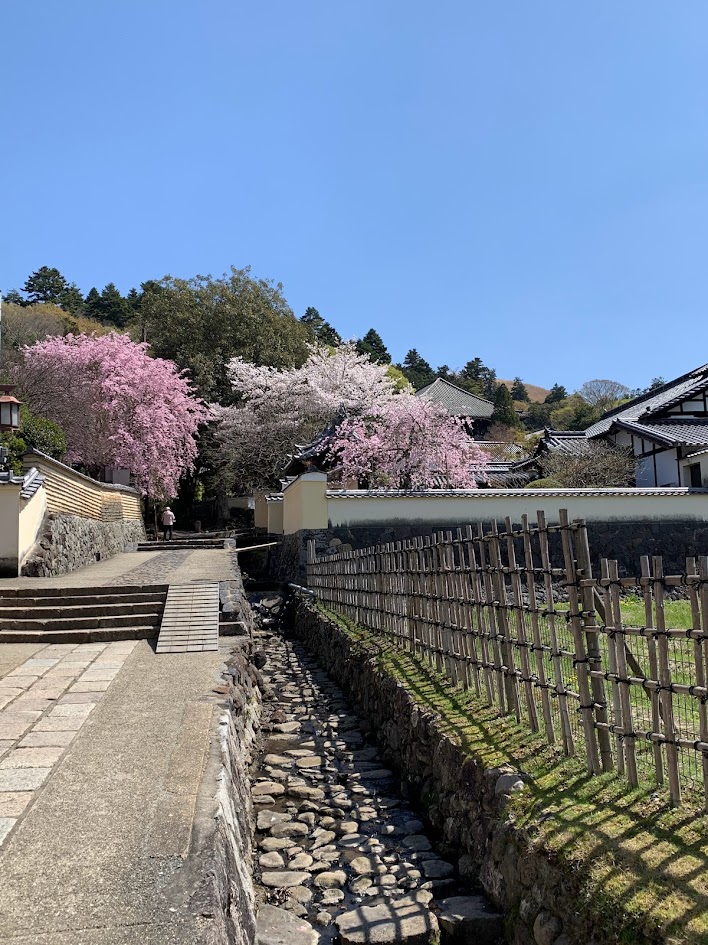
This is the path leading from the Daibutsuden Hall to Nigatsudo Hall.
The earthen wall along the path is very beautiful and adds a sense of elegance.
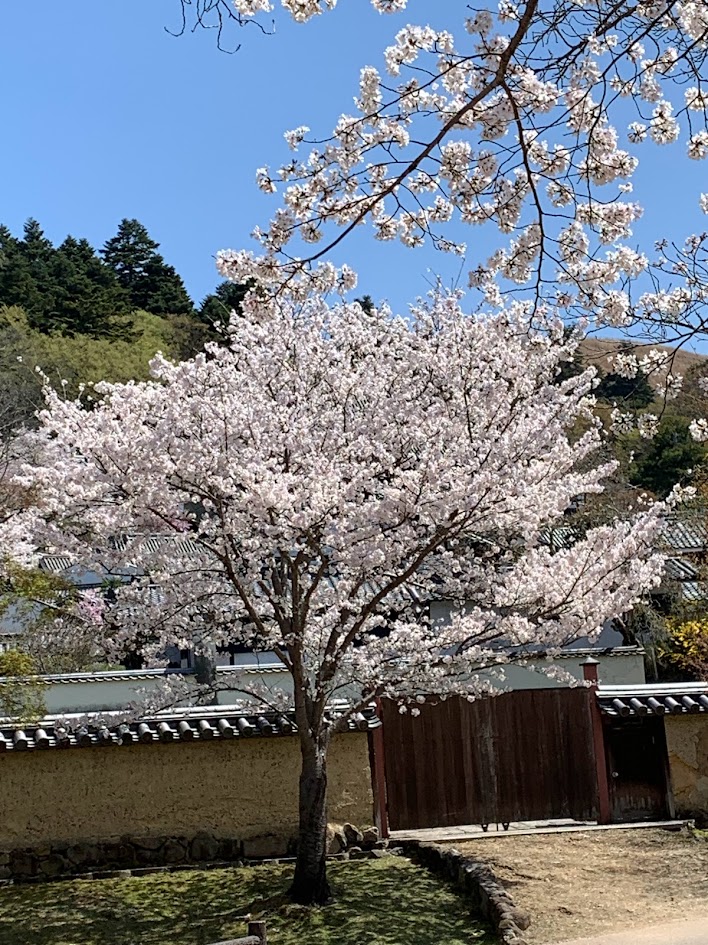
Todai-ji Temple grounds

“This is the weeping cherry blossom at Himuro Shrine.
It is the first cherry blossom to bloom in Nara Park.
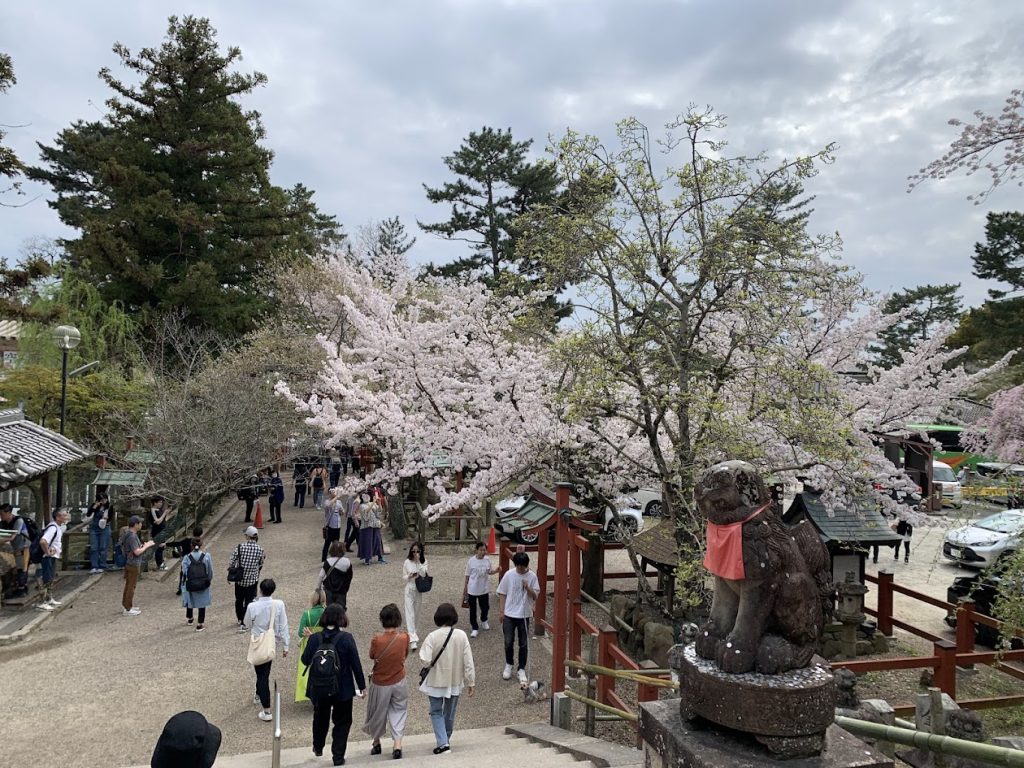
Himuro Shrine
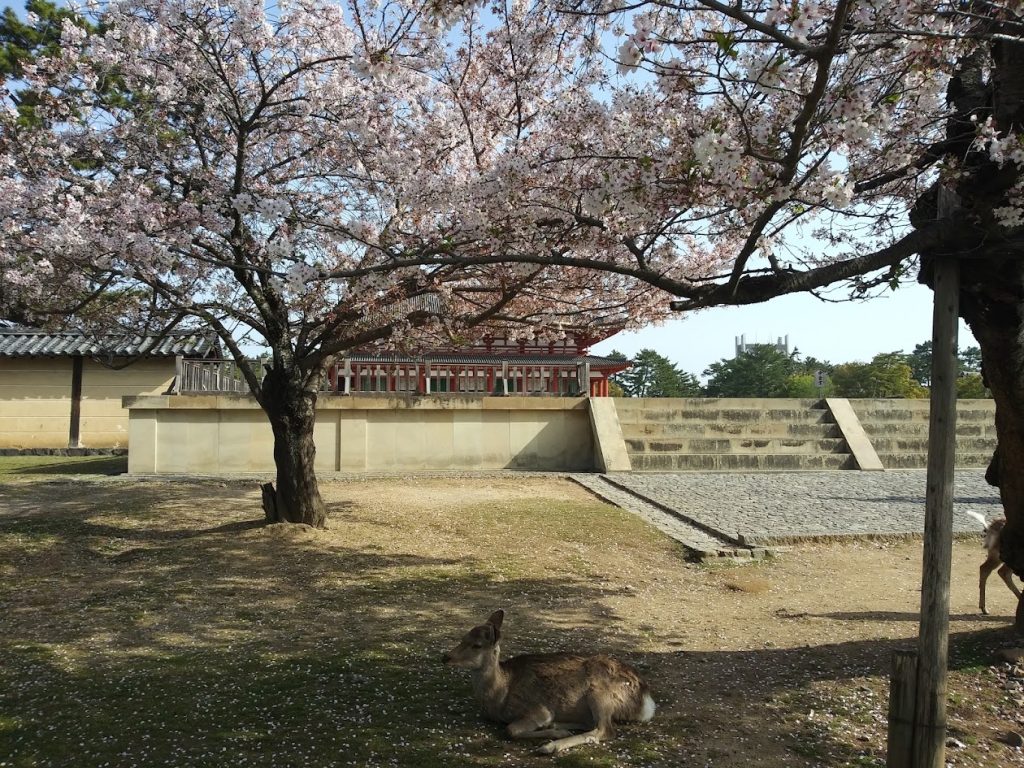
Kofuku-ji Temple.
The structure visible in the distance is the Chu-kondo (Central Golden Hall).
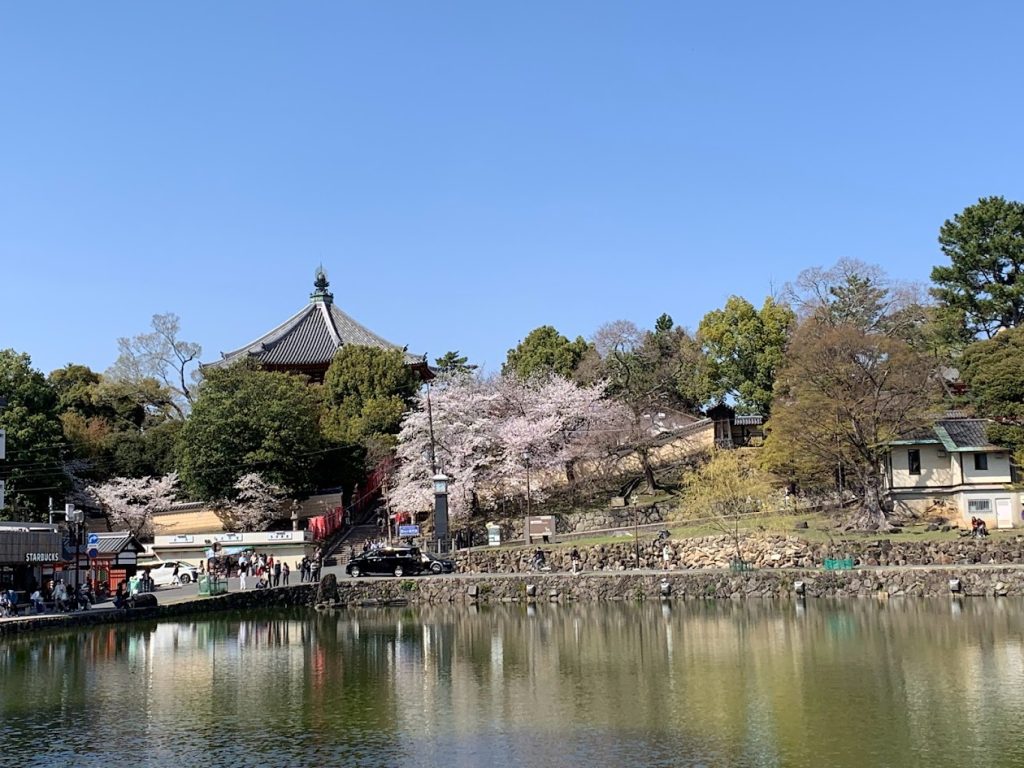
Looking at the South Octagonal Hall of Kofuku-ji Temple from Sarusawa Pond.
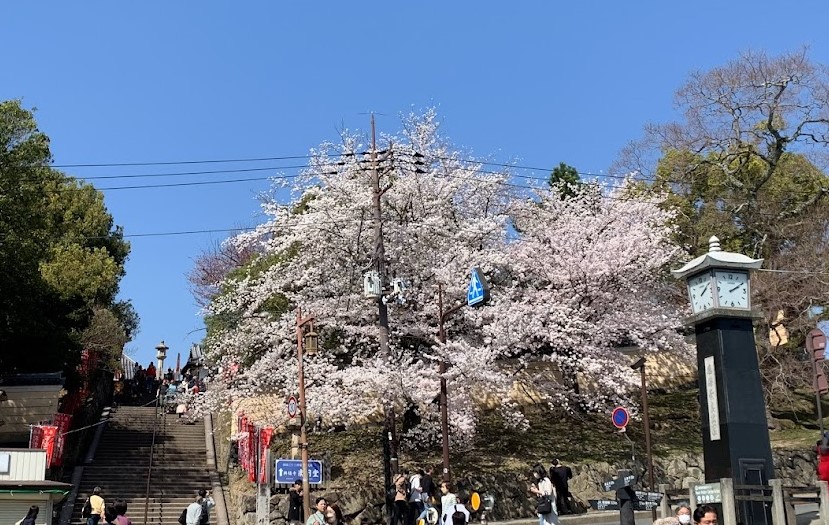
Stairs leading up to the South Octagonal Hall of Kofuku-ji Temple.
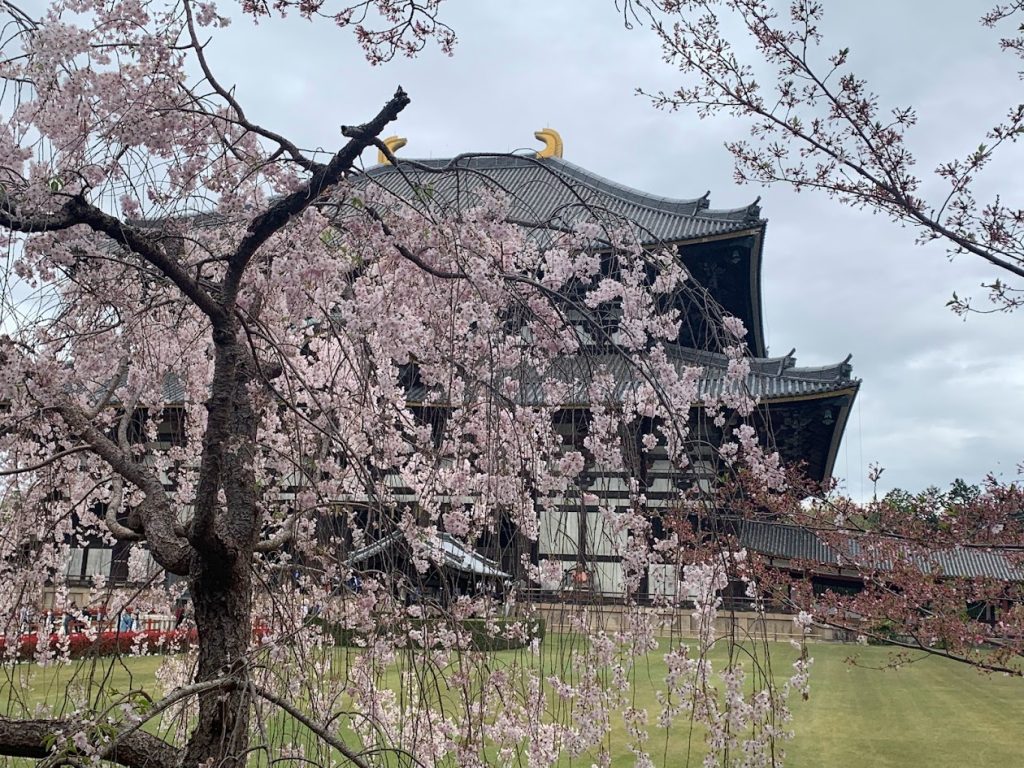
Daibutsuden Hall and the weeping cherry blossoms.
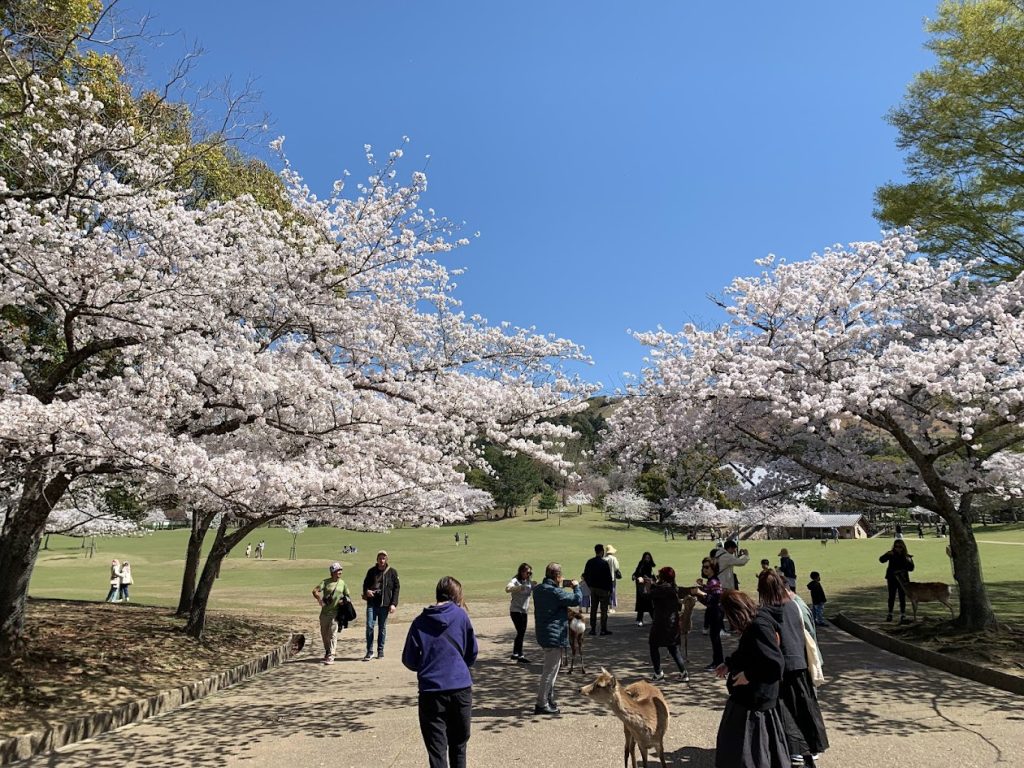
Beyond the cherry blossoms, you can glimpse Wakakusa-yama Mountain.
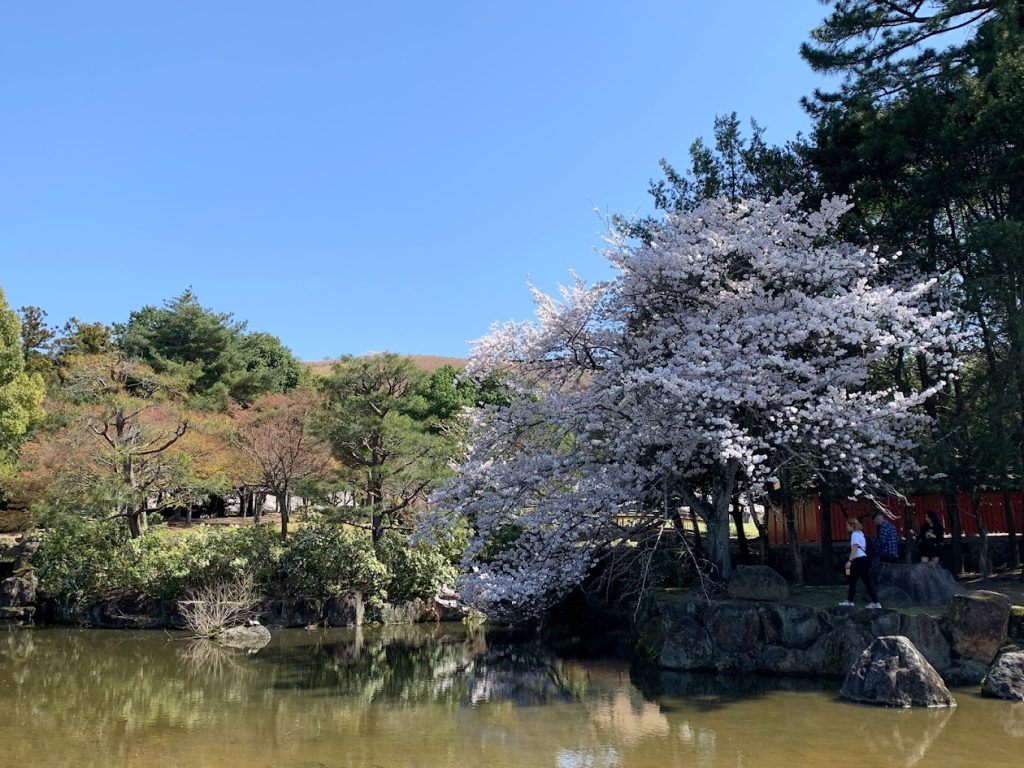
Next to the Great Southern Gate of the Daibutsuden Hall.
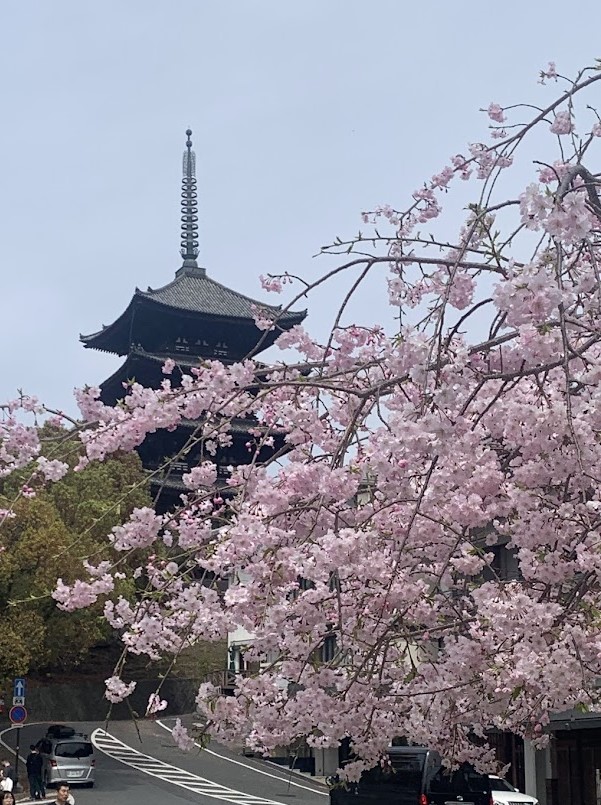
Yae cherry blossoms and the five-story pagoda of Kofuku-ji Temple.
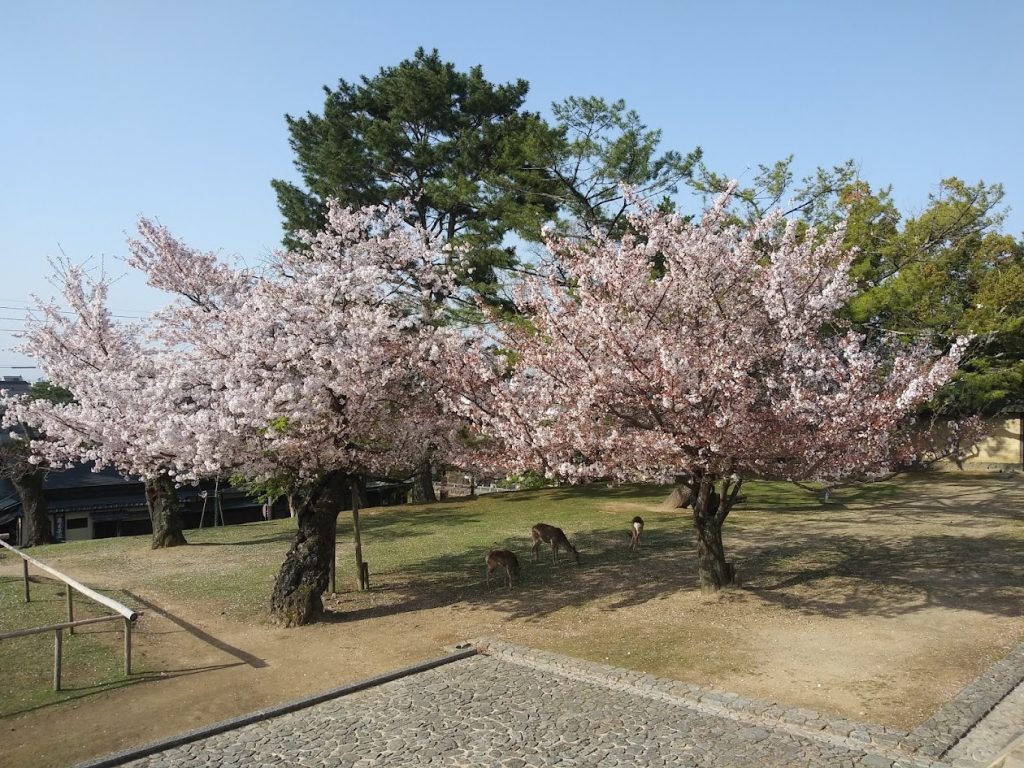
It’s within the grounds of Kofuku-ji Temple.
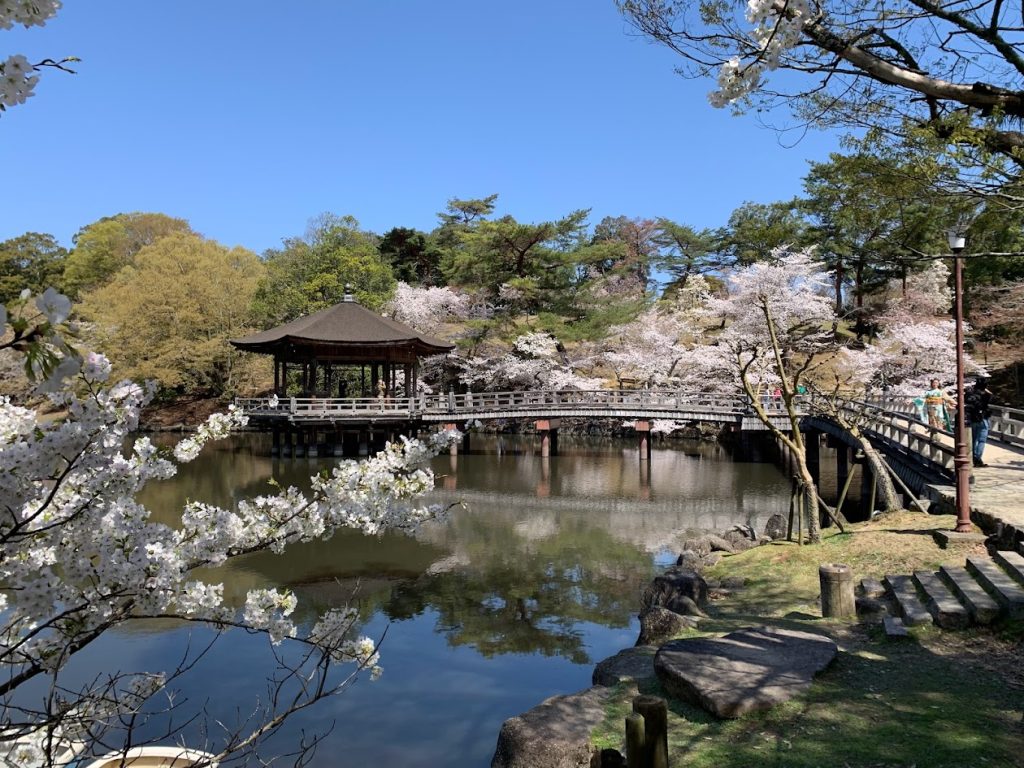
Ukimido Pavilion
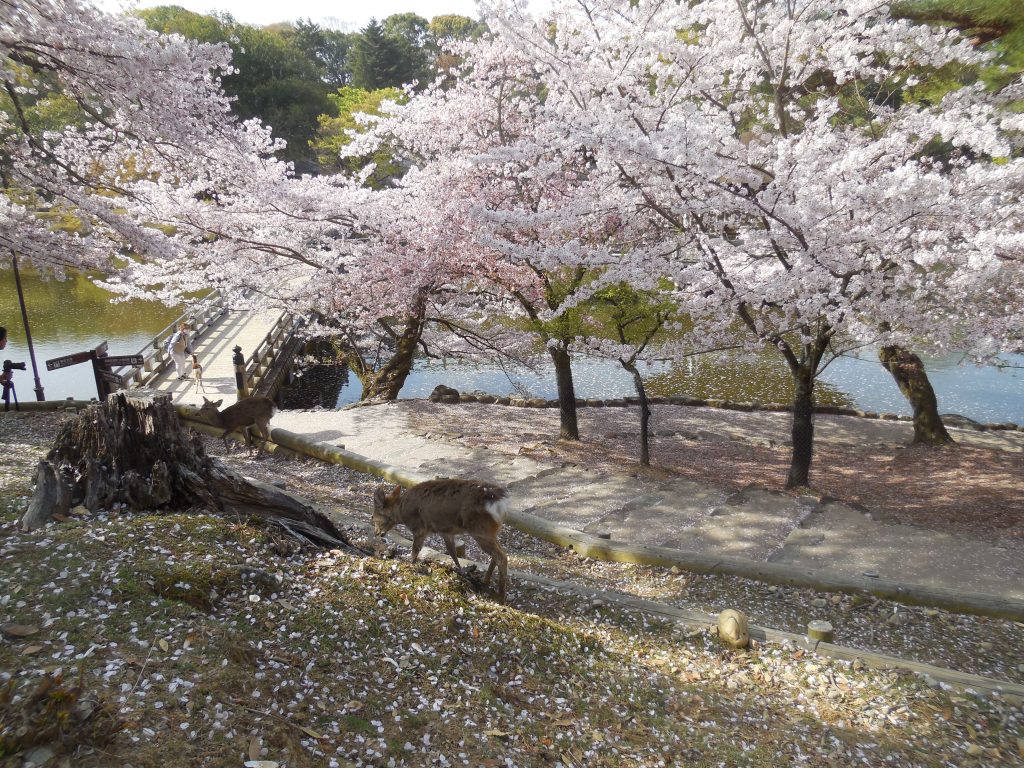
Cherry blossoms just beginning to fall, next to the Ukimido Pavilion.
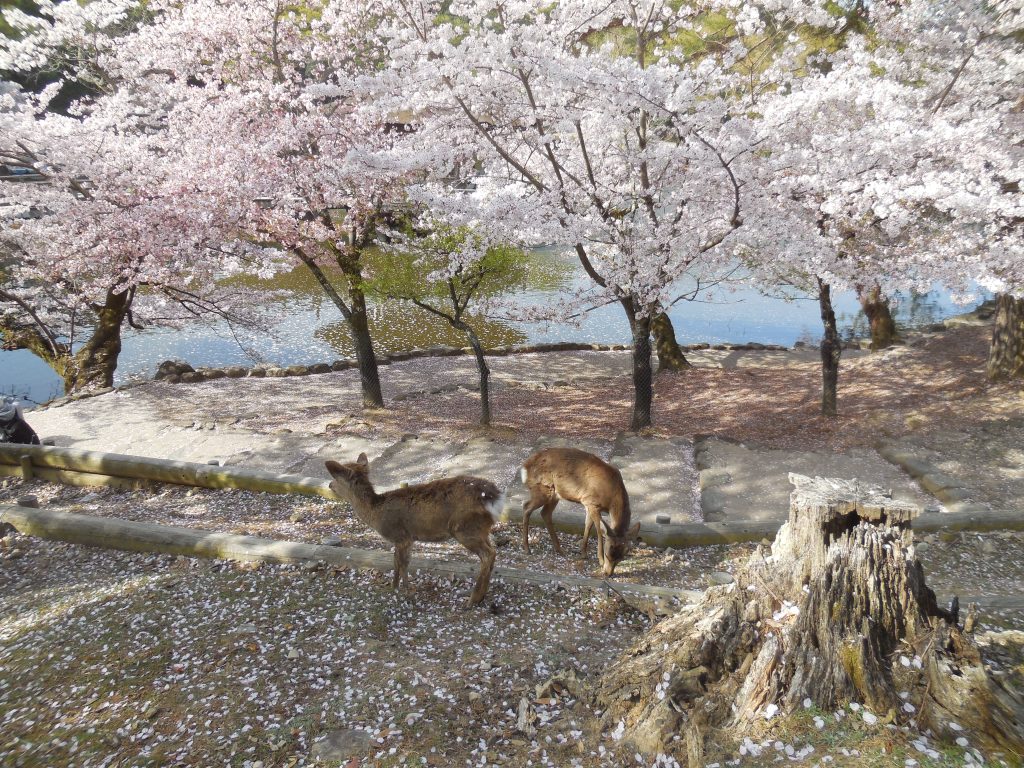
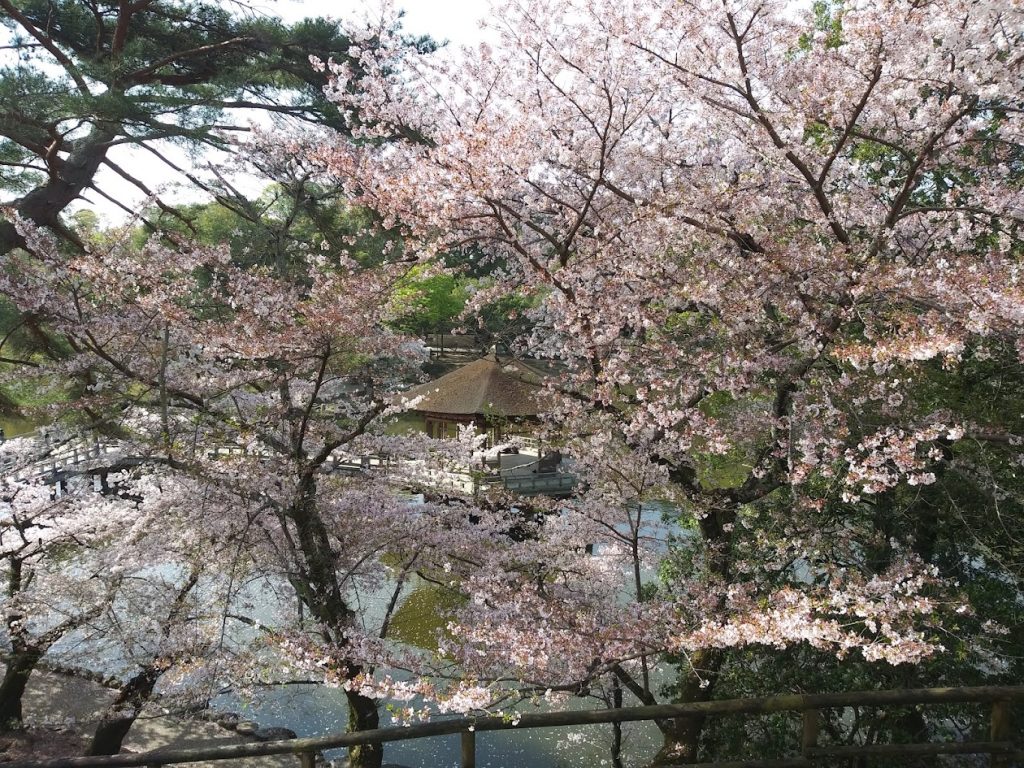
Ukimido Pavilion glimpsed through the cherry blossoms.
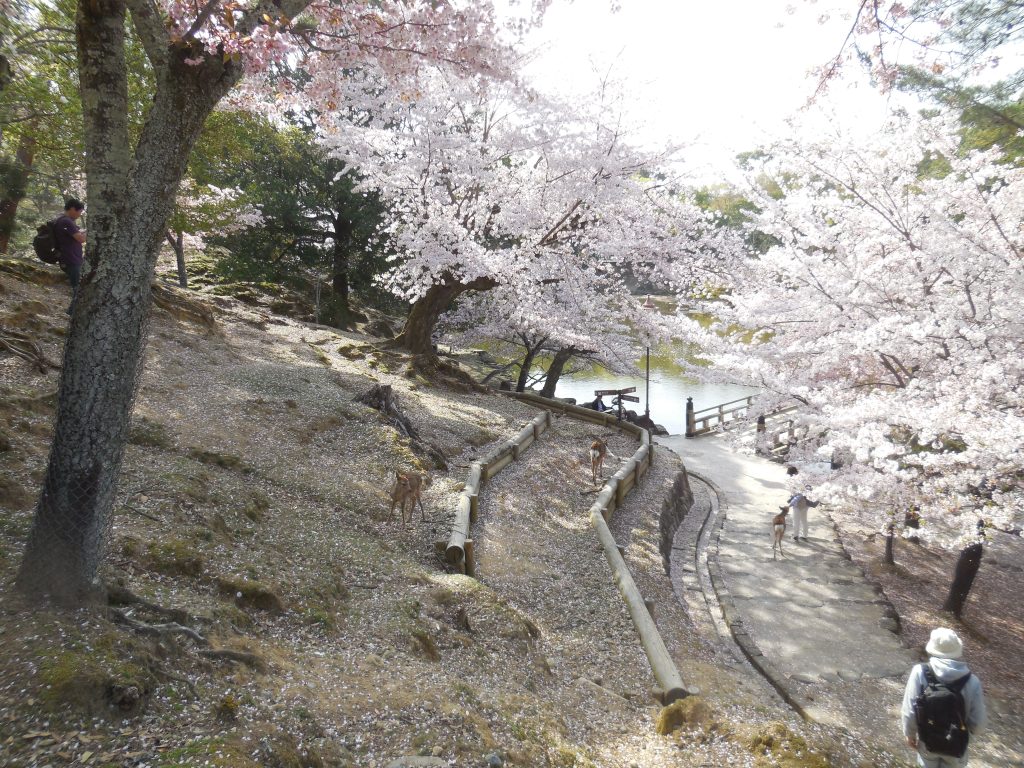
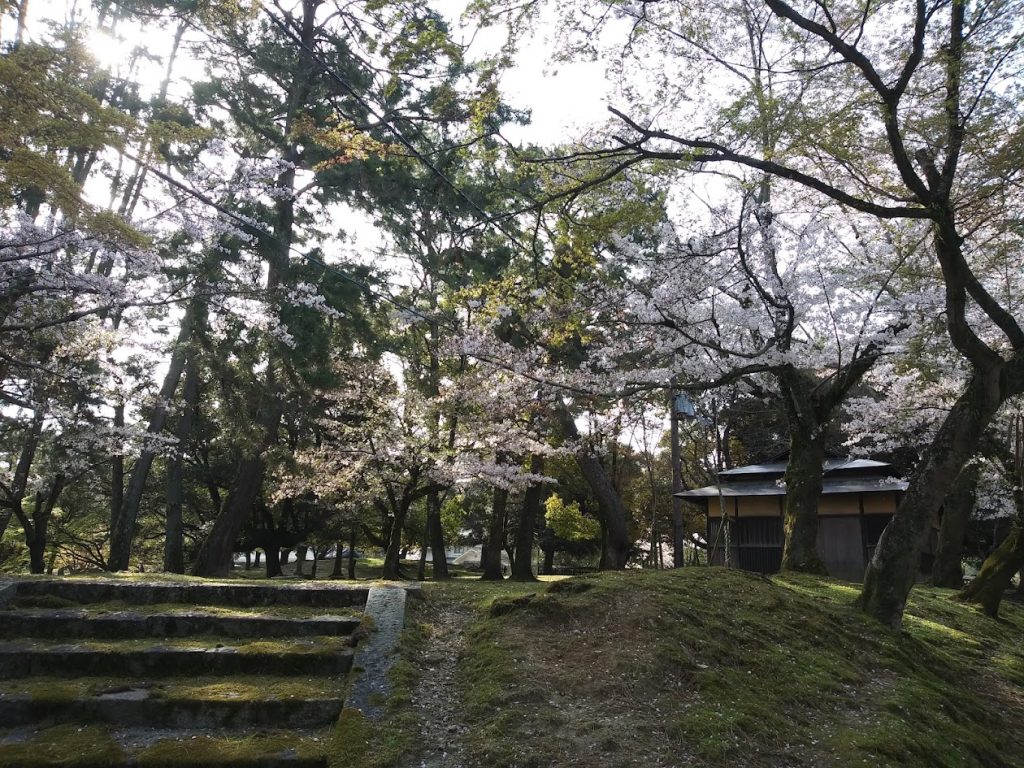
Beside the processional path of Kasuga Taisha Shrine.
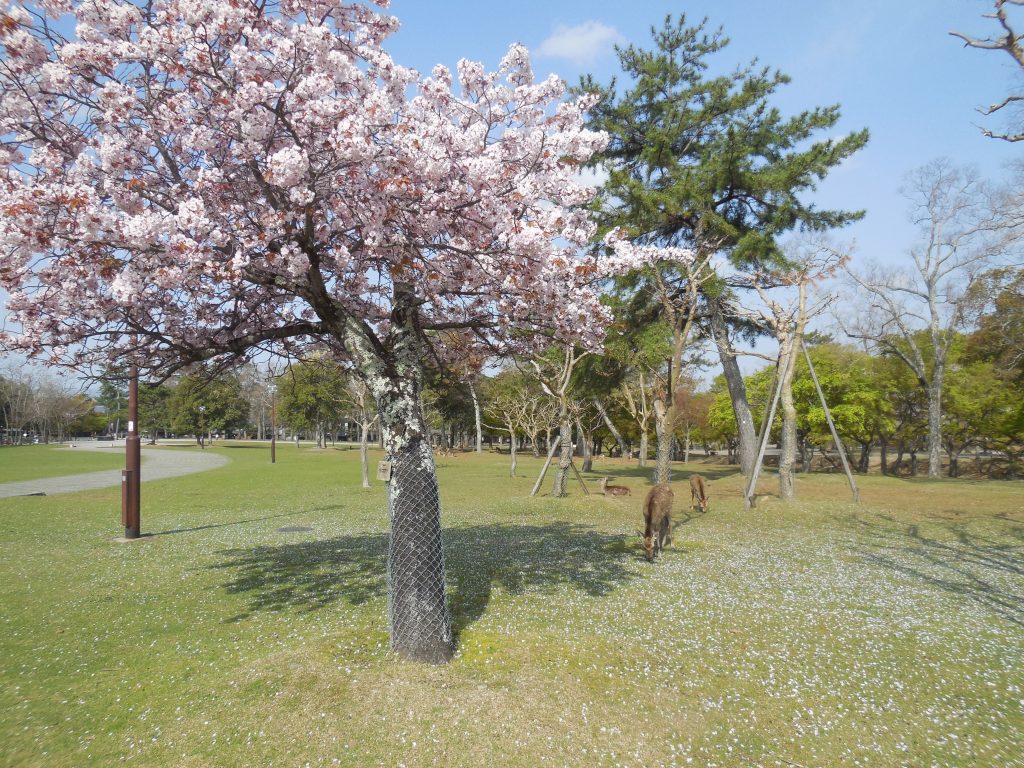
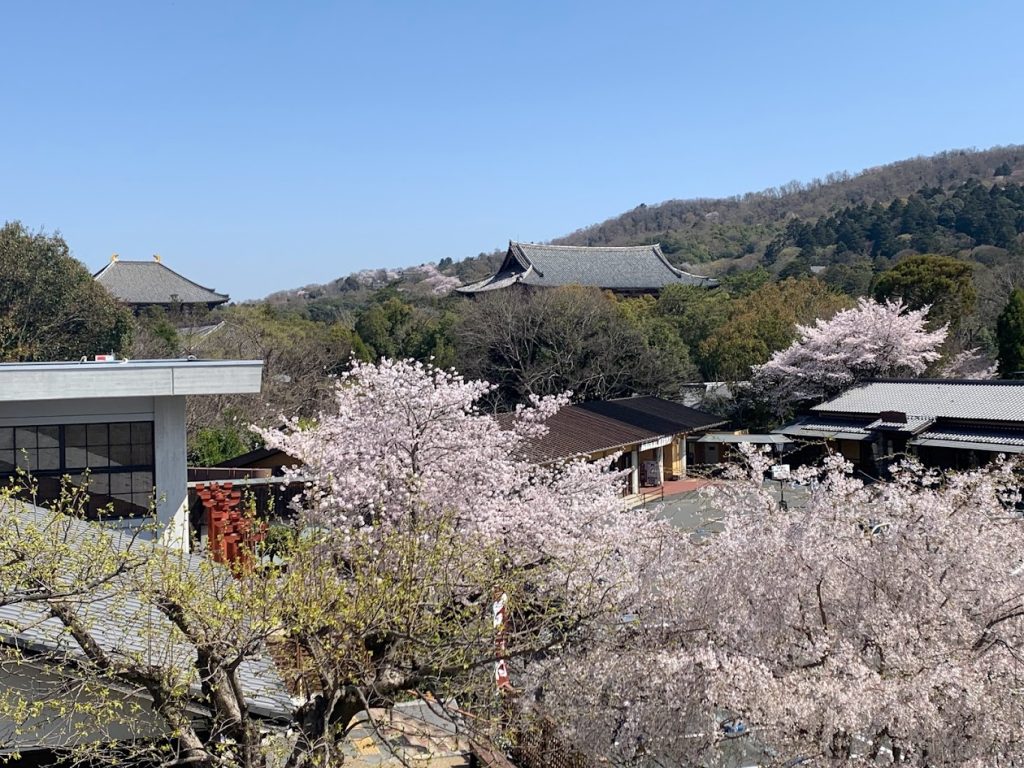
From the Okumura Commemorative Museum, located just before the Todai-ji processional path, you can see the cherry blossoms in full bloom and a view of the Todaiji Daibutsuden Hall.
Plum blossoms
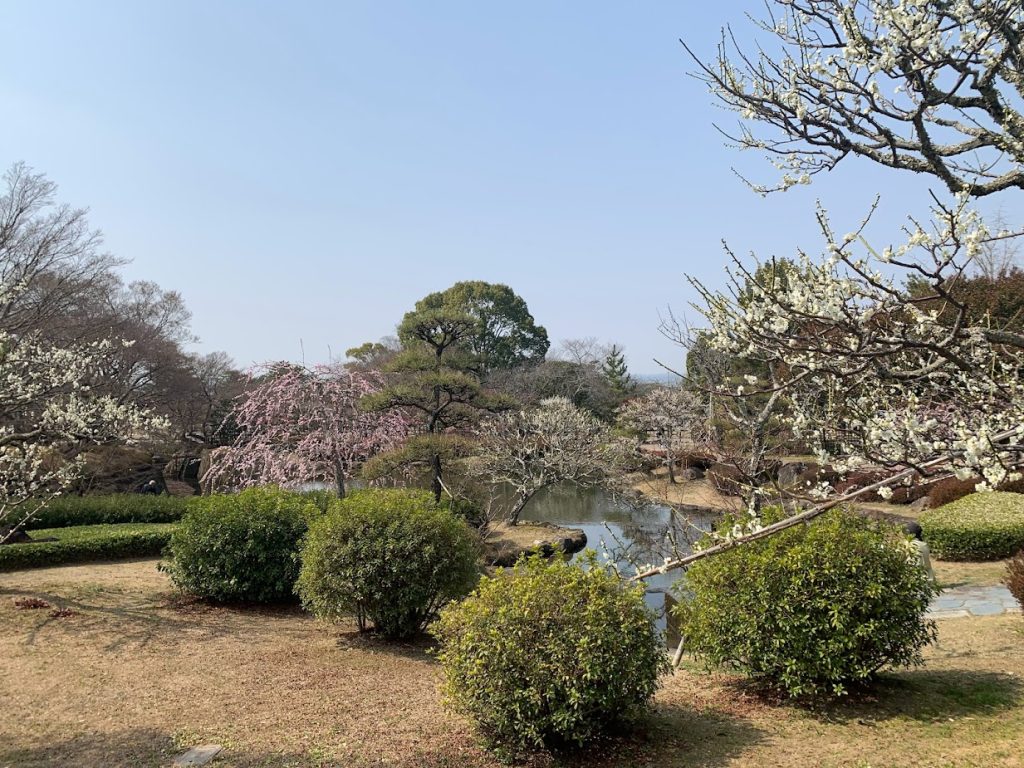
Nara Kasugano International Forum IRAKA.
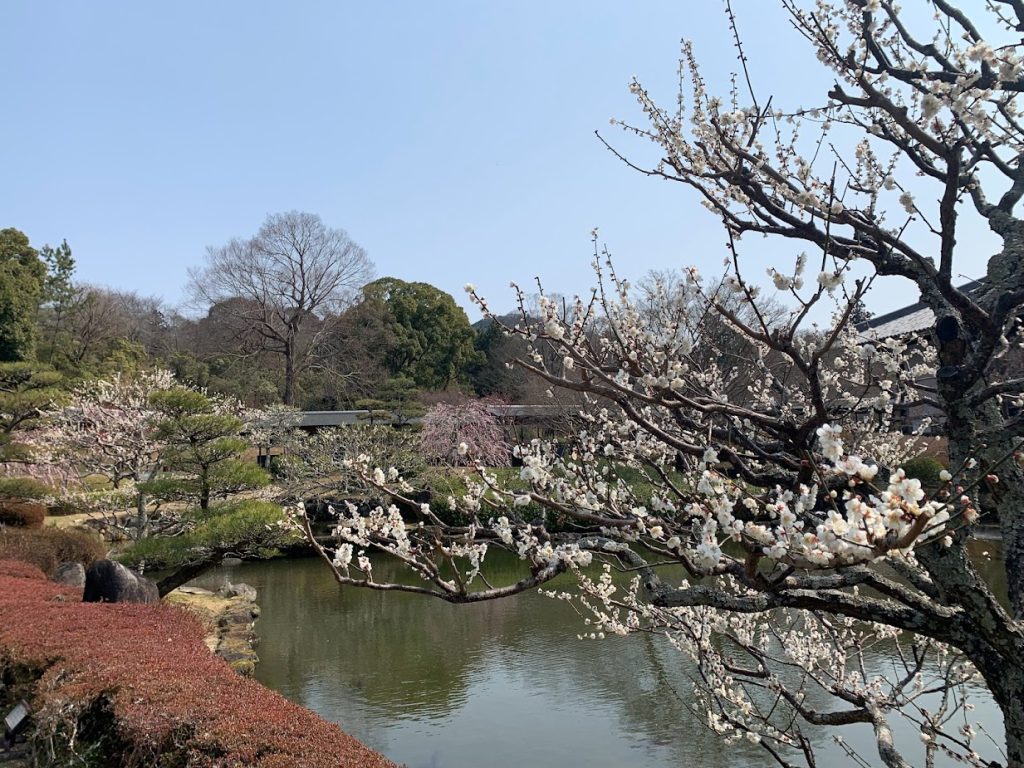
Nara Kasugano International Forum IRAKA.
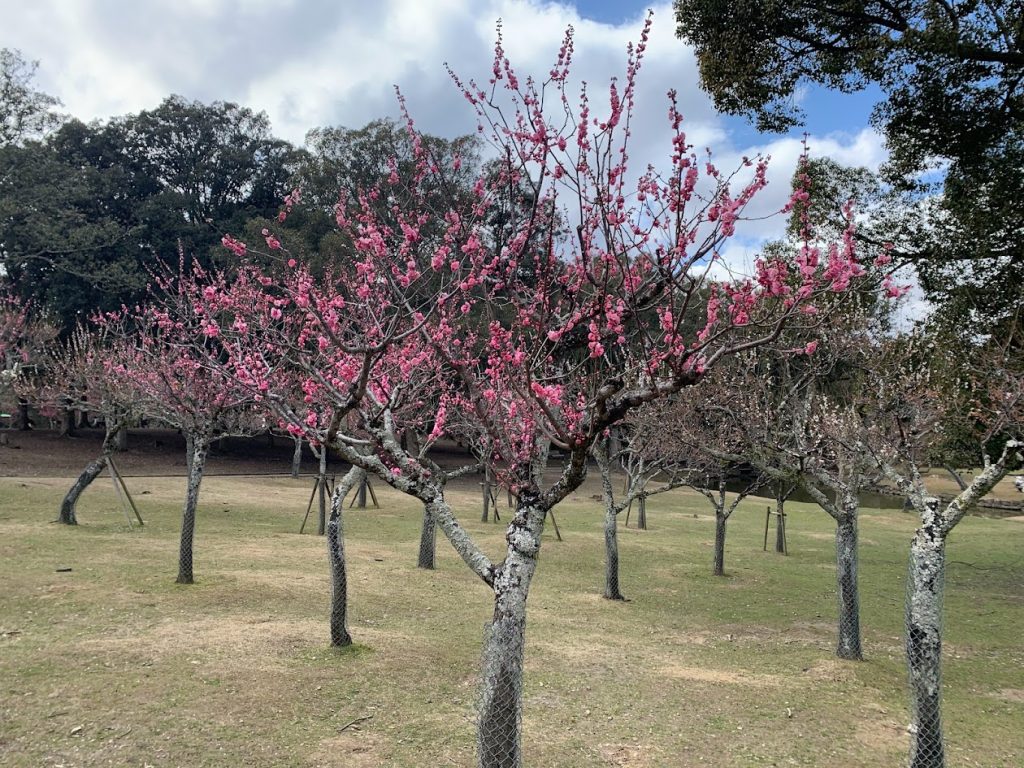
Kataoka Plum Grove.
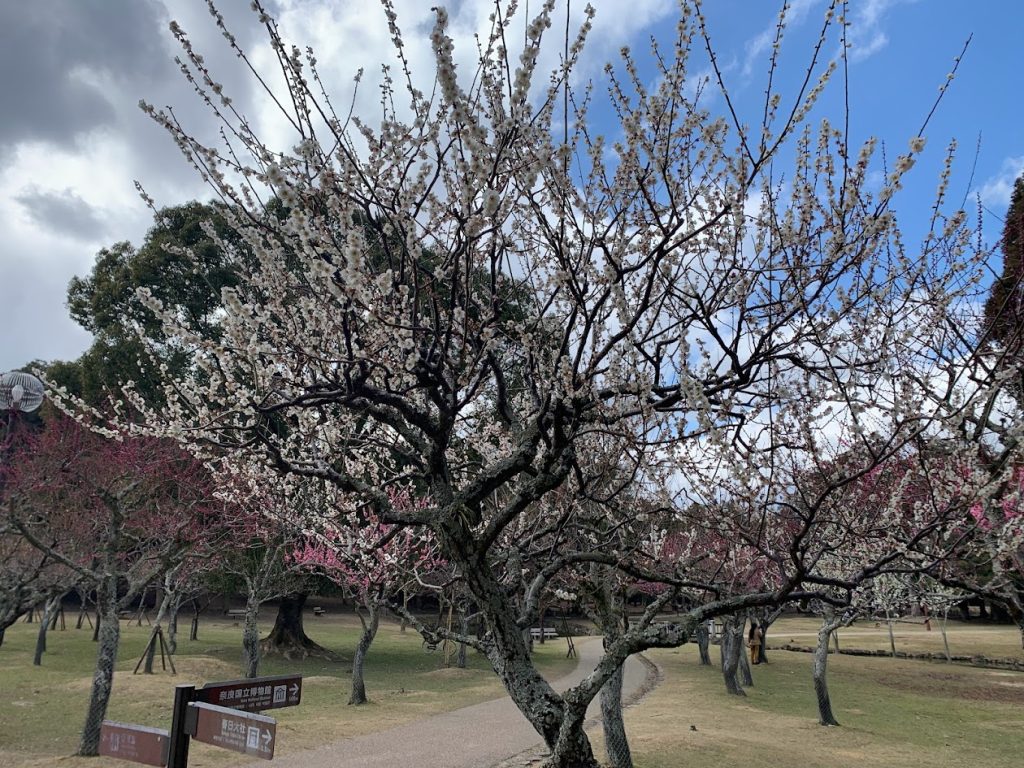
Kataoka Plum Grove.
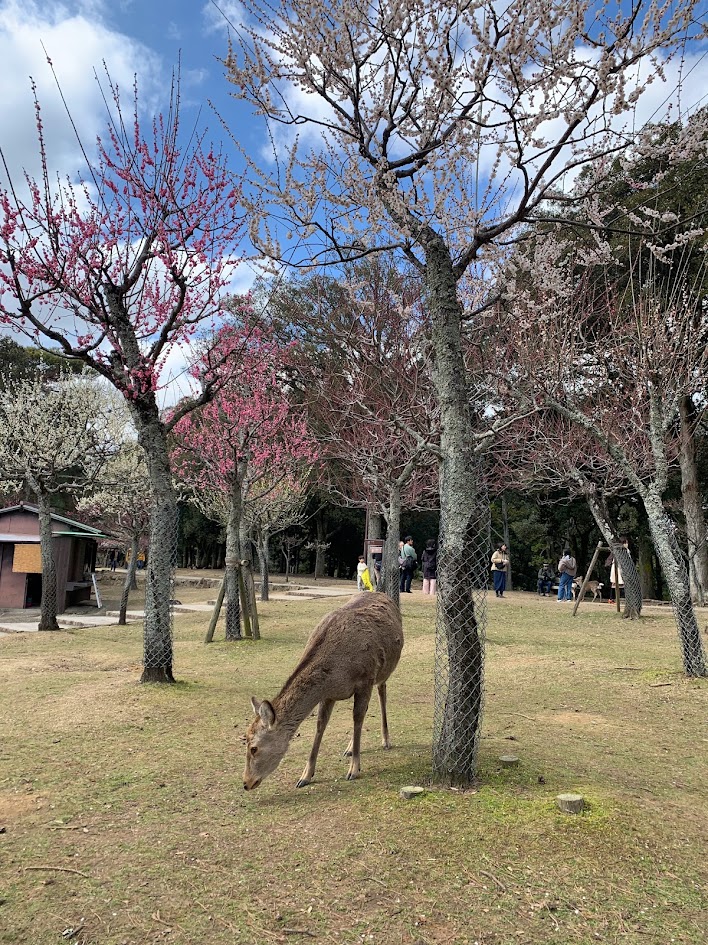
Kataoka Plum Grove.
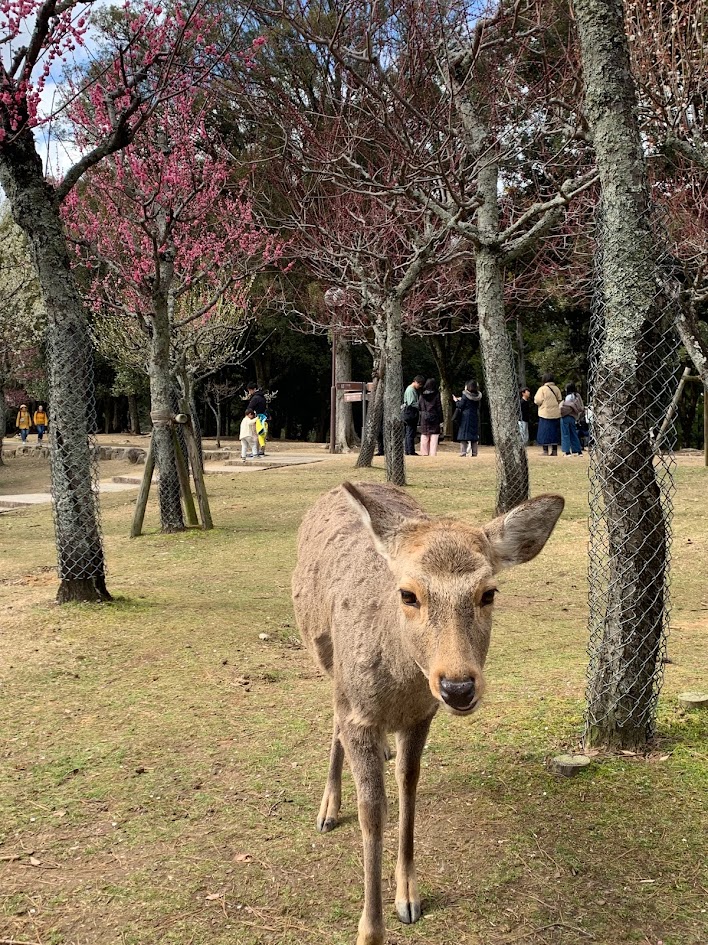
Kataoka Plum Grove.
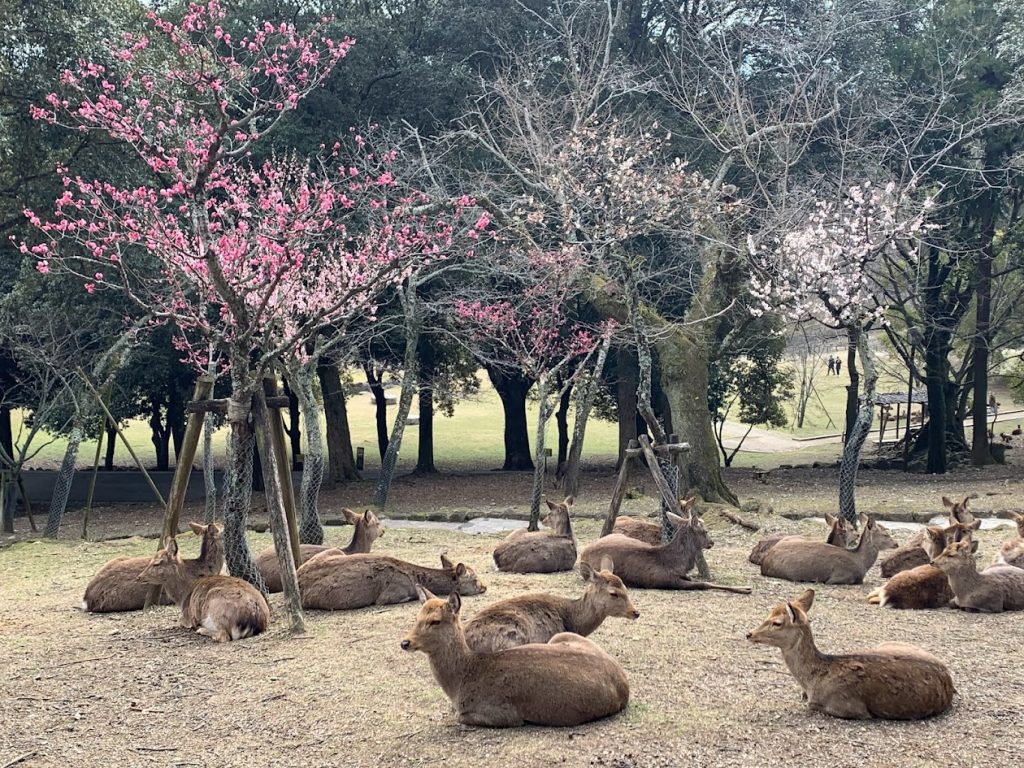
Kataoka Plum Grove.
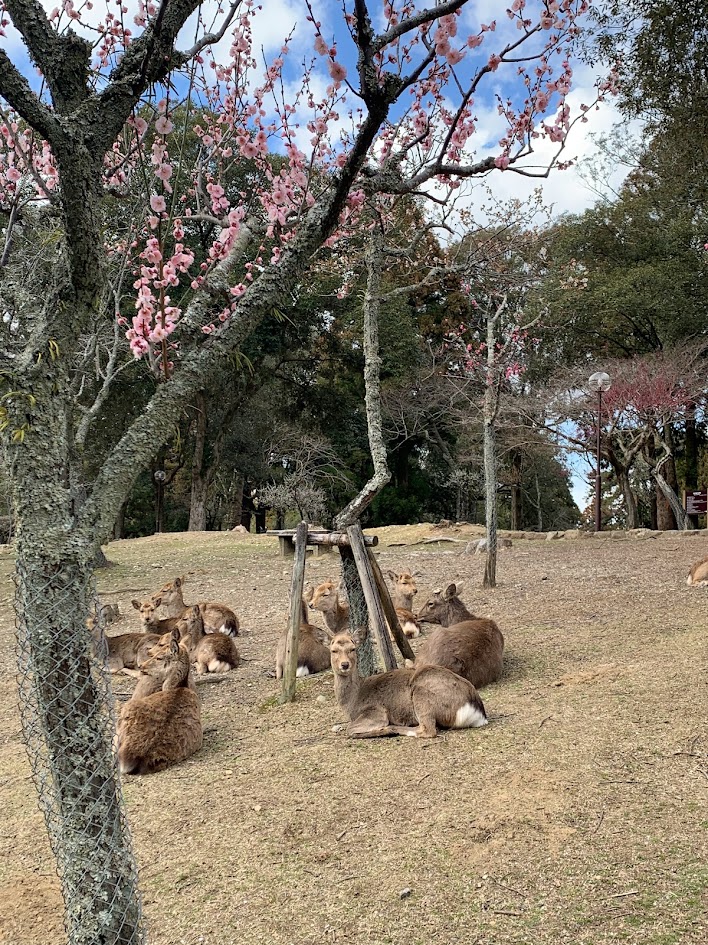
Autumn leaves(It’s not flowers, but I’d also like to introduce autumn leaves.)
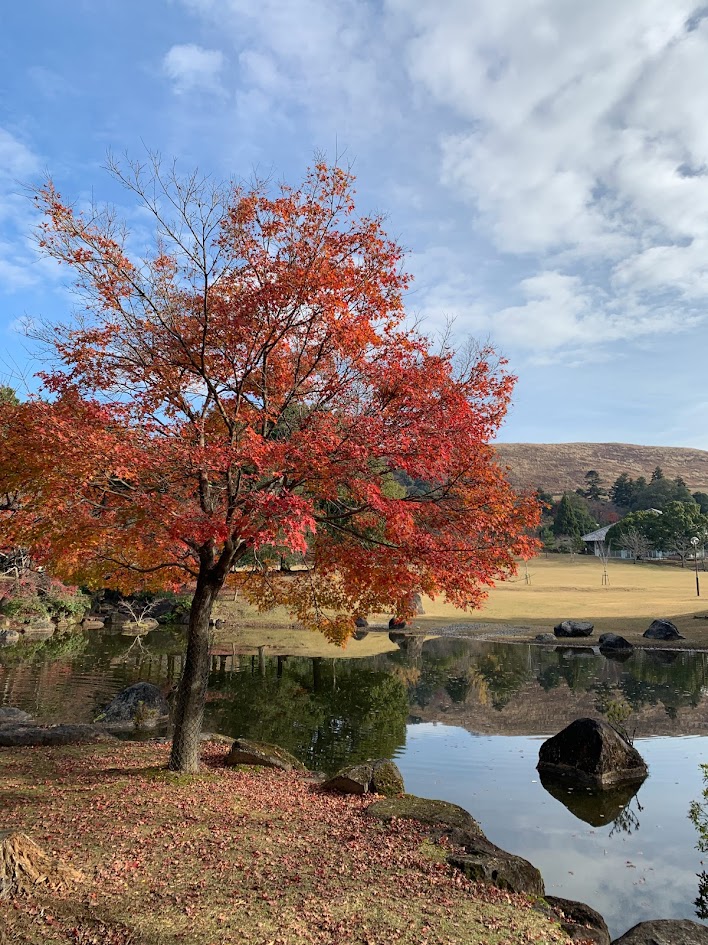
Beside the Todai-ji processional path, the mountain visible in the distance is Wakakusa-yama Mountain.
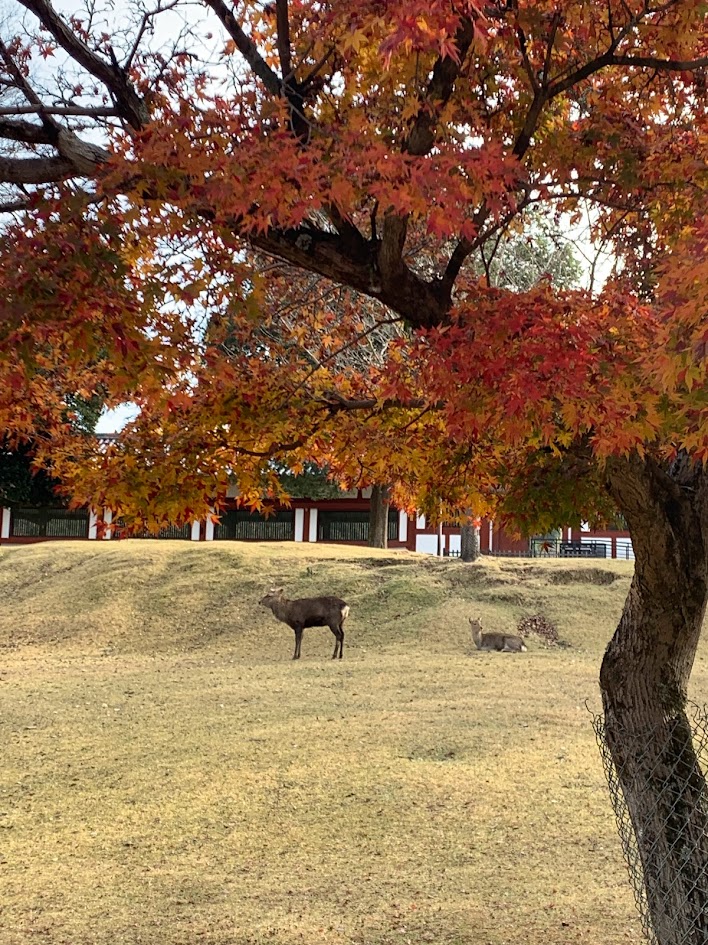
The maple trees beside the Todai-ji Daibutsuden Hall.
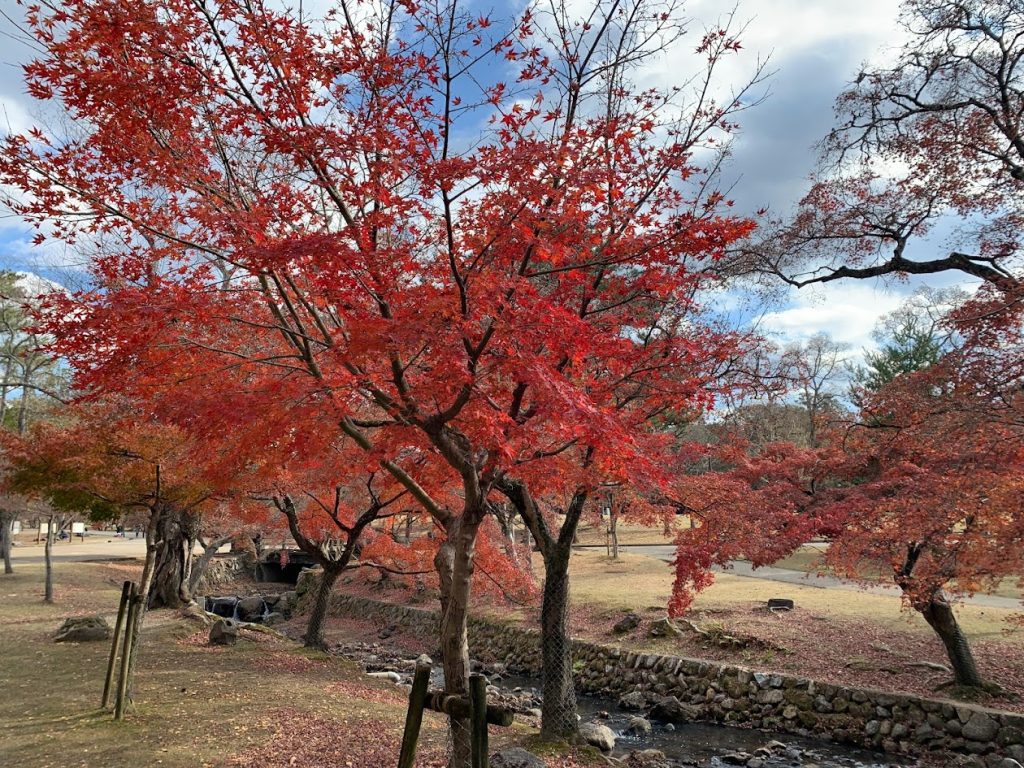
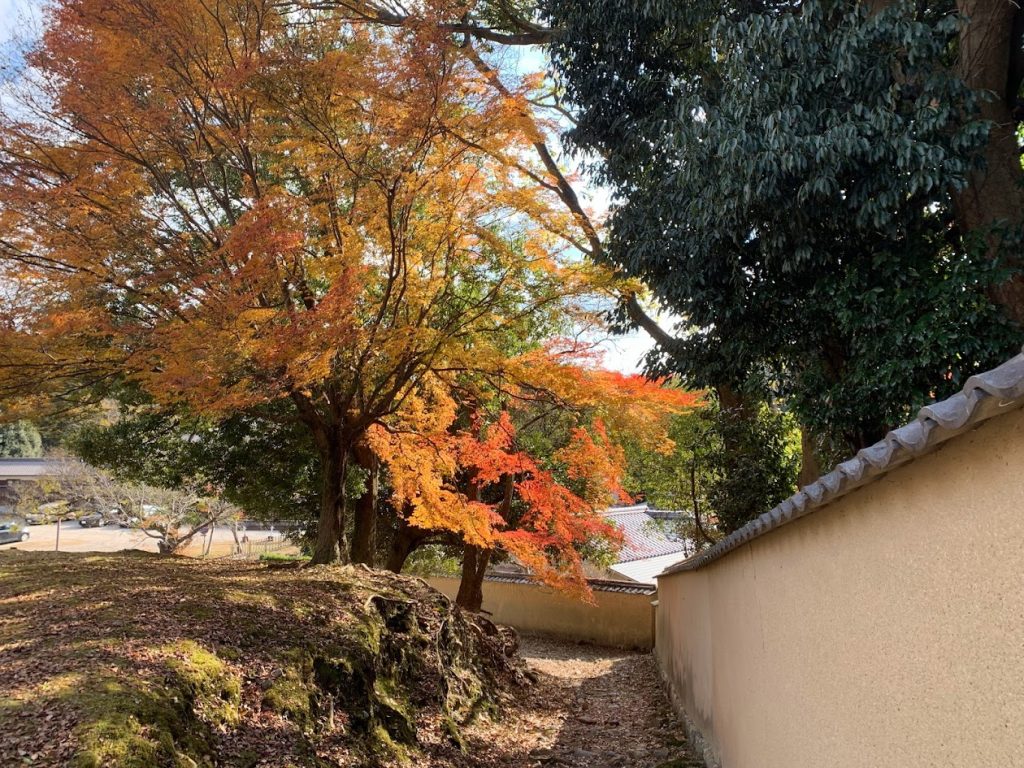
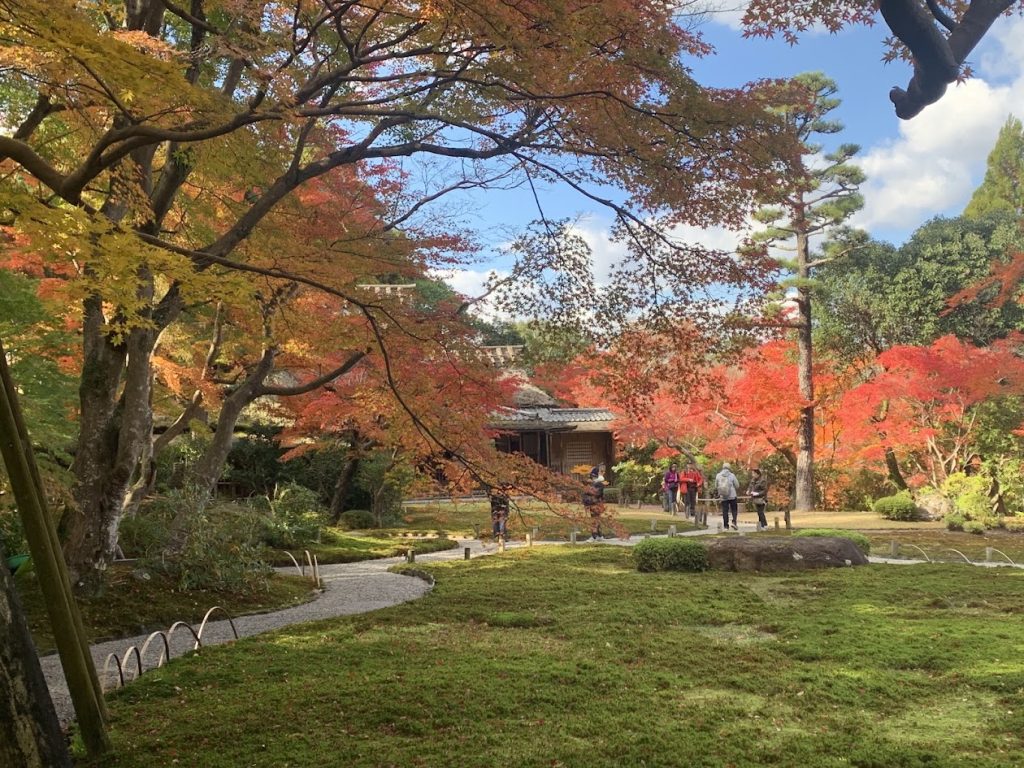
The Stunning Autumn Leaves of Yoshikien
Yoshikien, located near Todai-ji Temple, is a prefectural park with free admission.
If you have even 20 minutes to spare, it’s well worth a visit.
Click on the photo to visit the “Gardens” page.
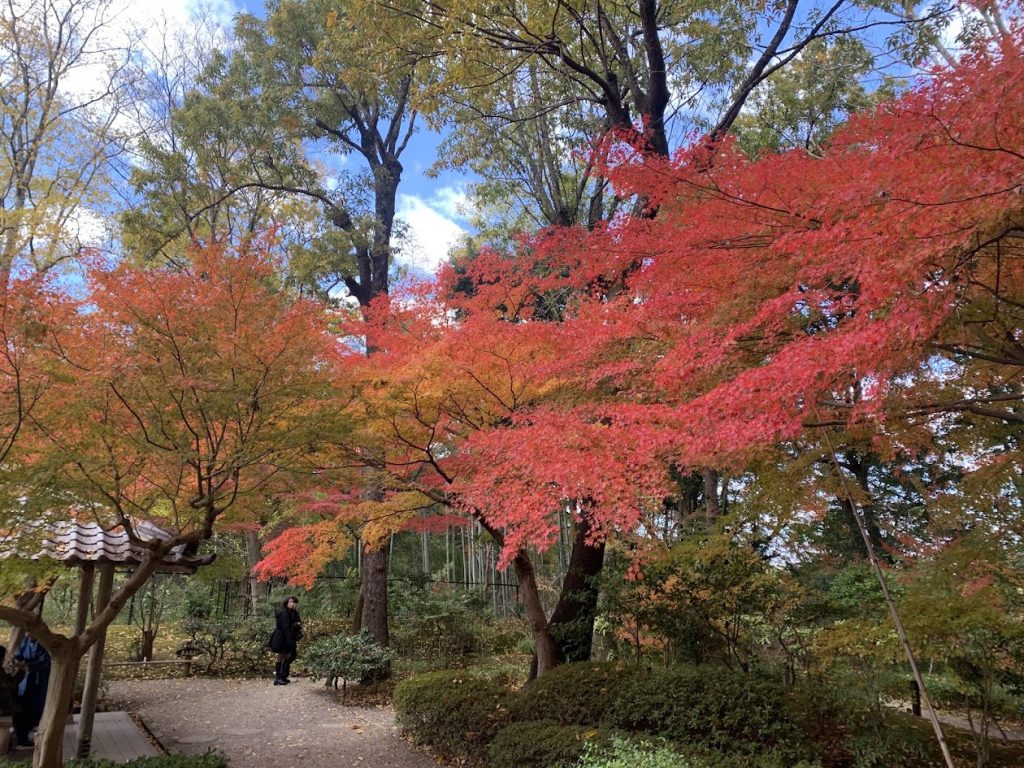
These are the autumn leaves of Yoshikien.
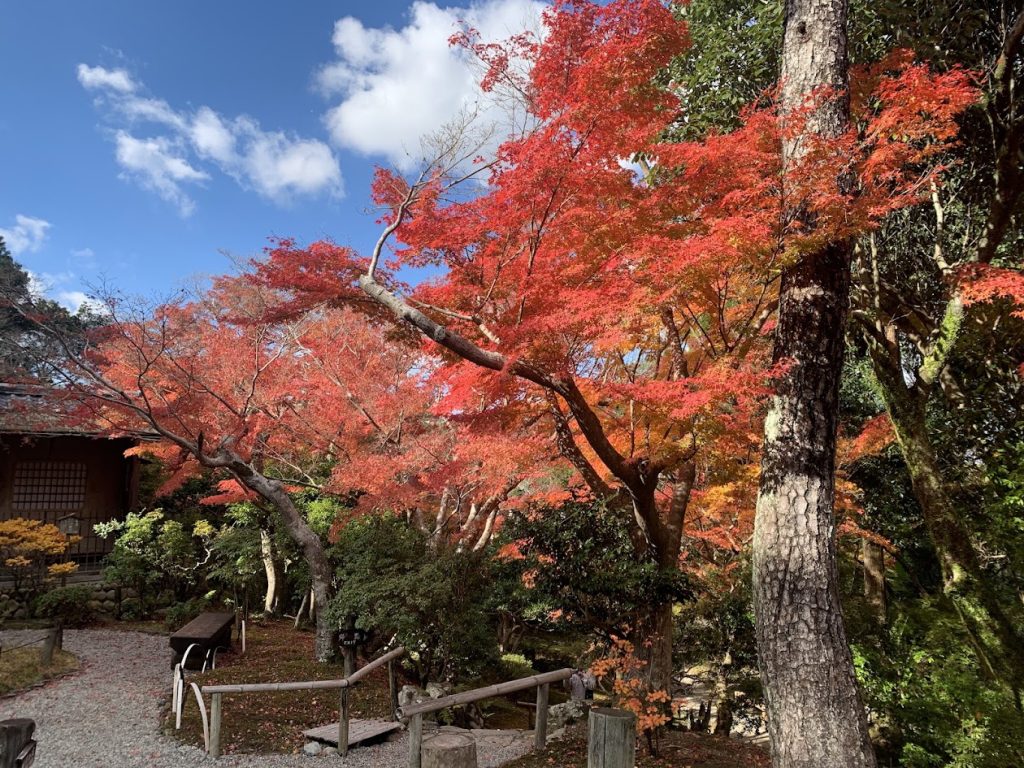
The autumn leaves of Yoshikien.
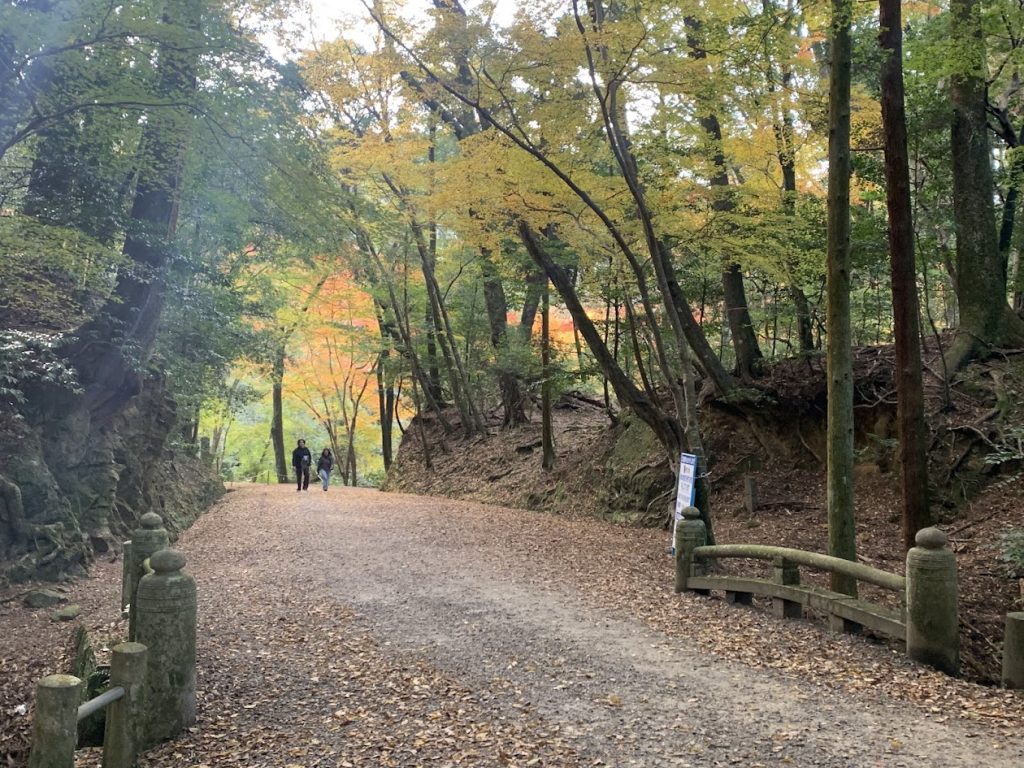
As you enter the walking trails of Kasugayama Primeval Forest from Nara Park, you can enjoy stunning autumn foliage in the fall.
Click on the photo to visit the “Kasugayama Primeval Forest” page.
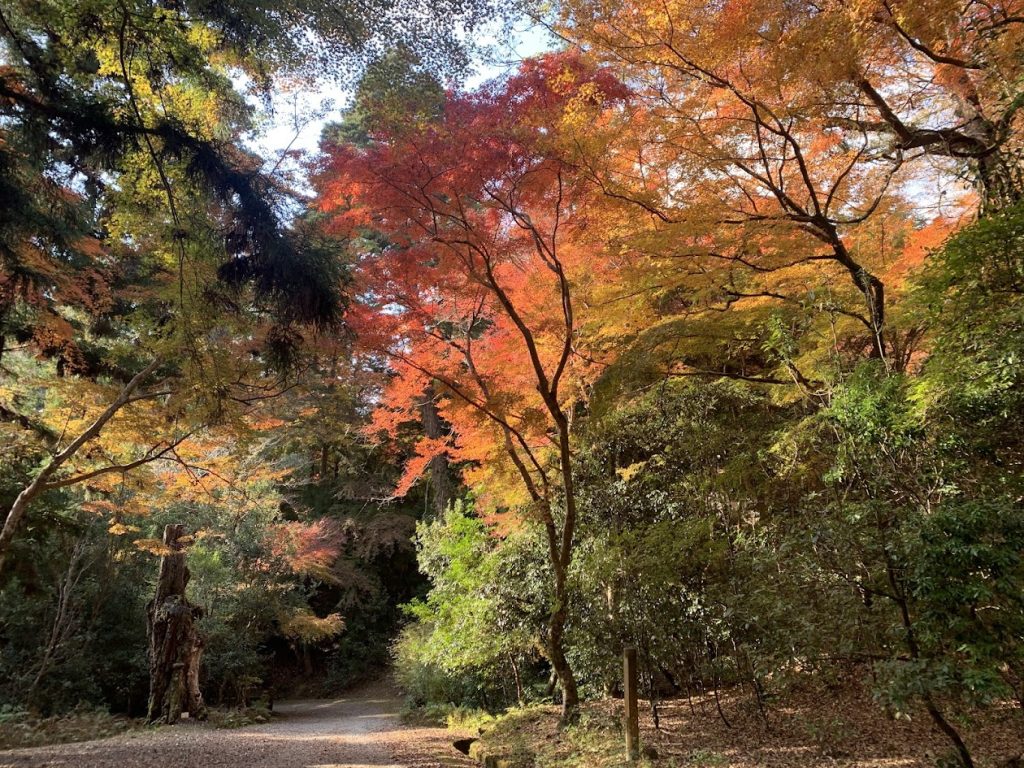
Kasugayama Primeval Forest
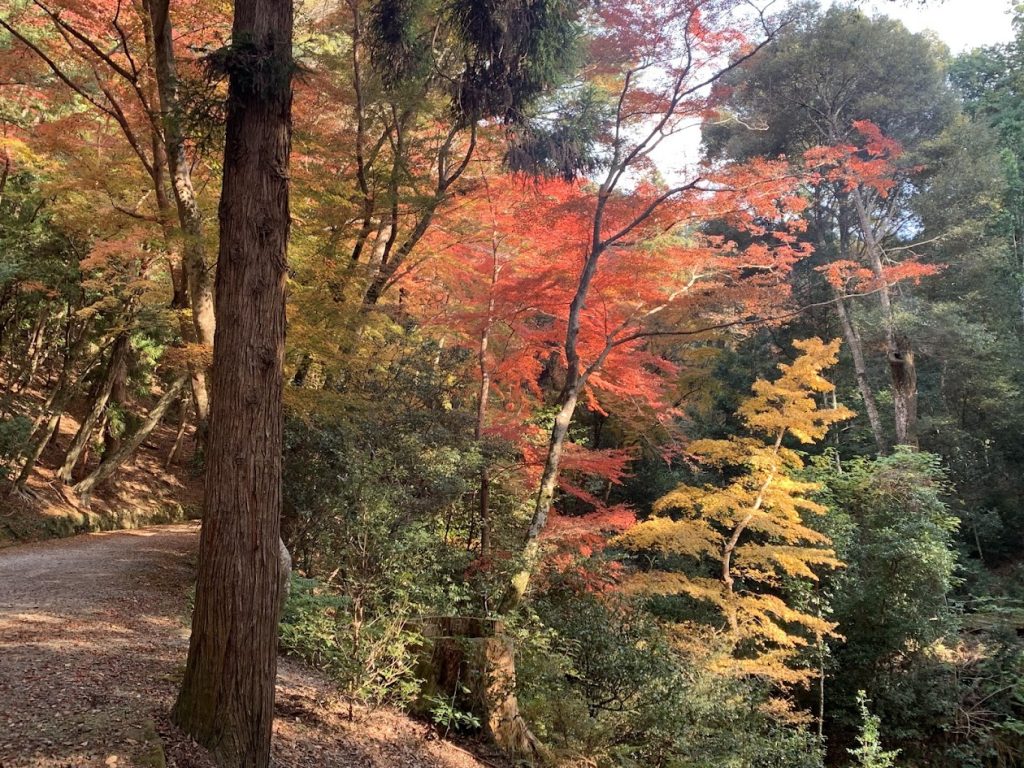
Kasugayama Primeval Forest
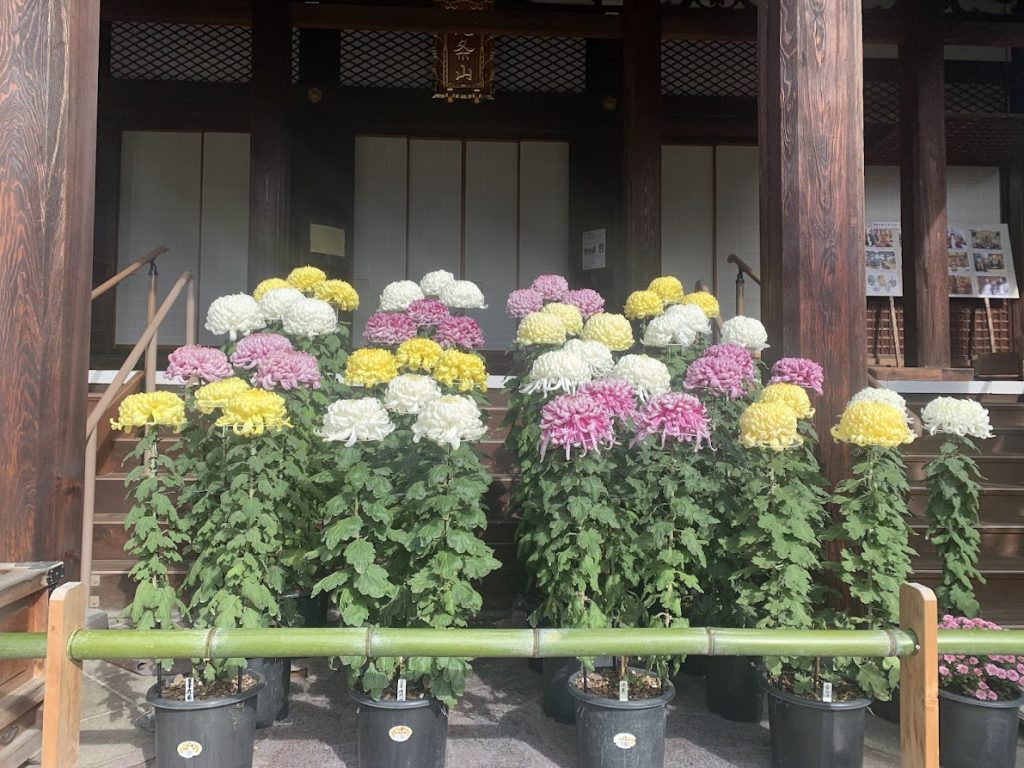
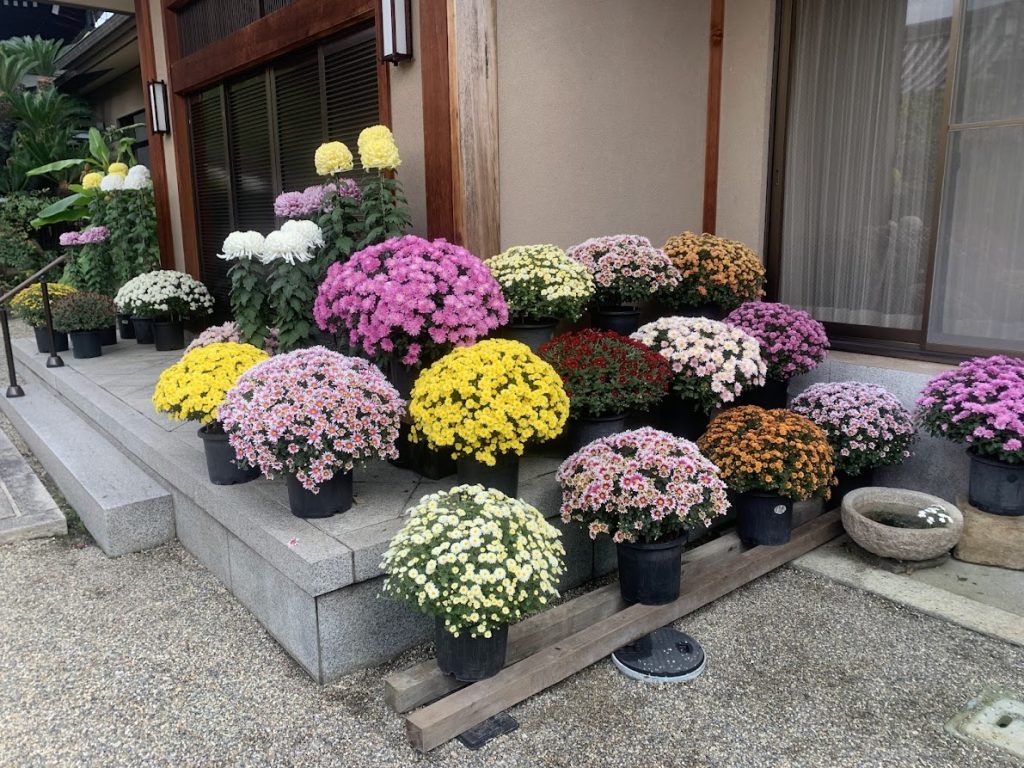
Chrysanthemum
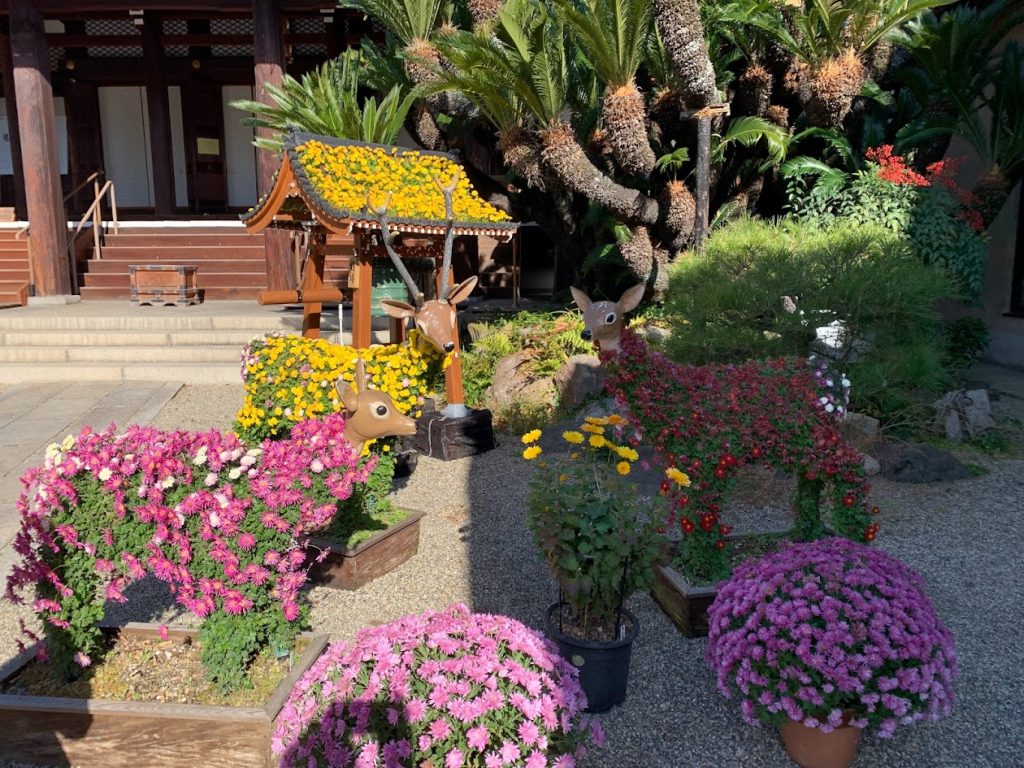
As you walk up Sanjo-dori toward Kofuku-ji Temple from JR Nara Station, you will find Jokyo-ji Temple on your left. During the chrysanthemum season, the water basin and animals were beautifully decorated with chrysanthemums.
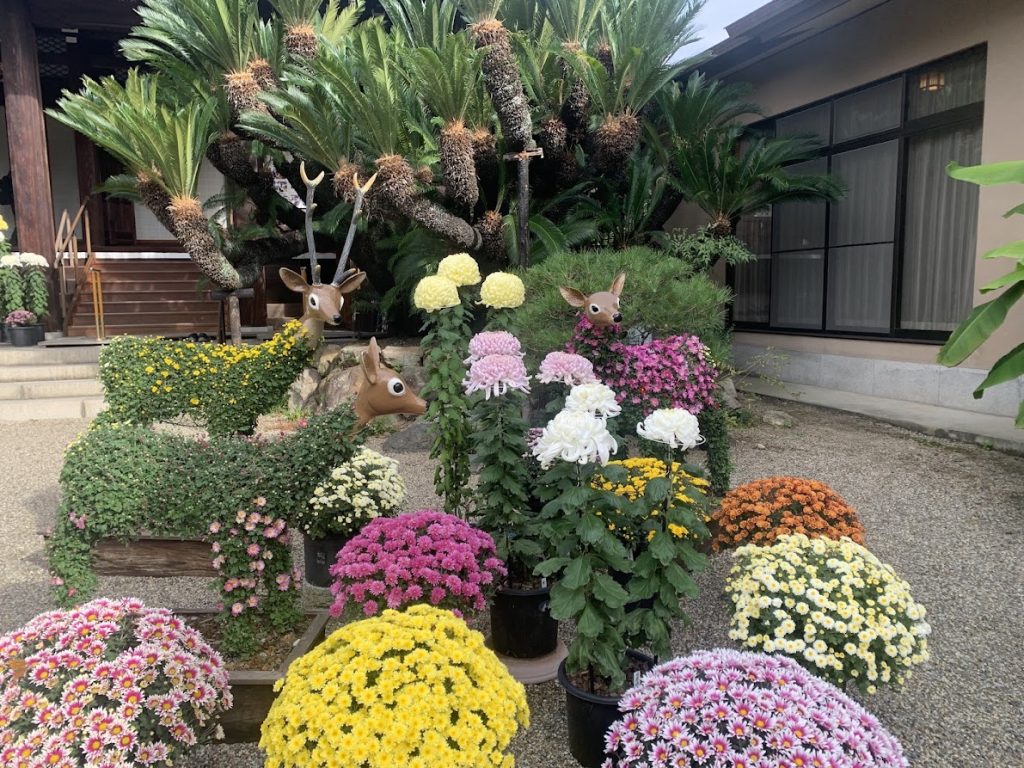
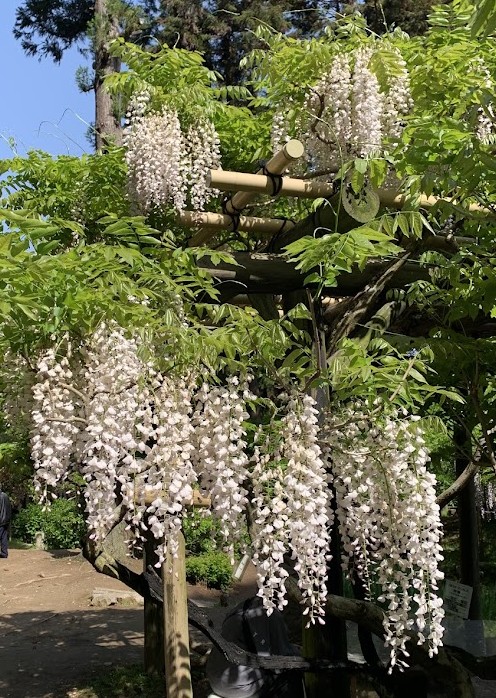
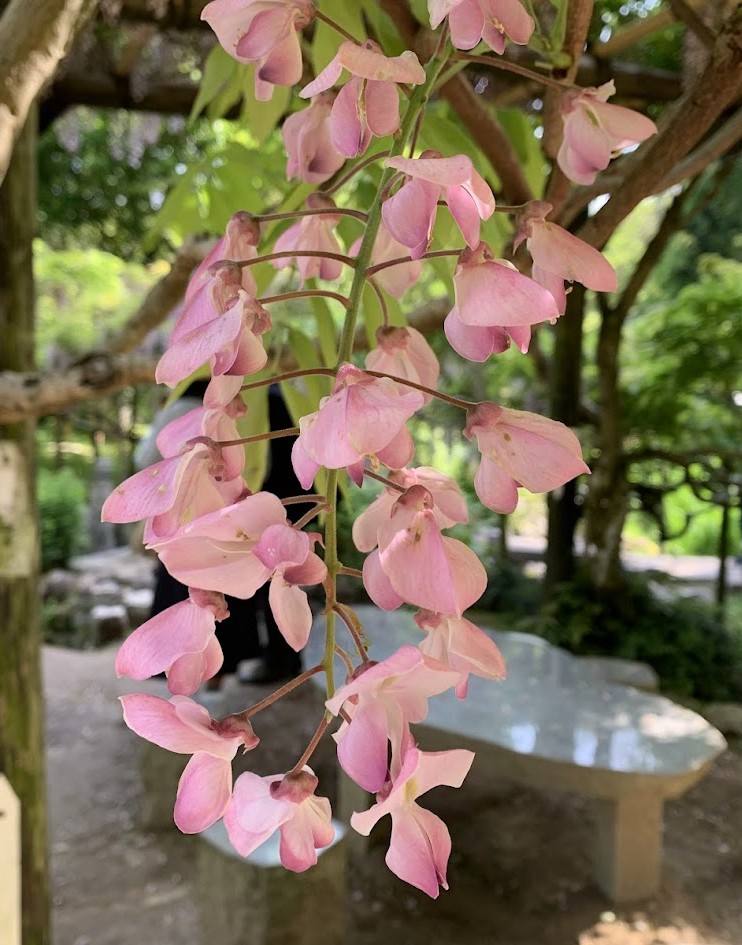
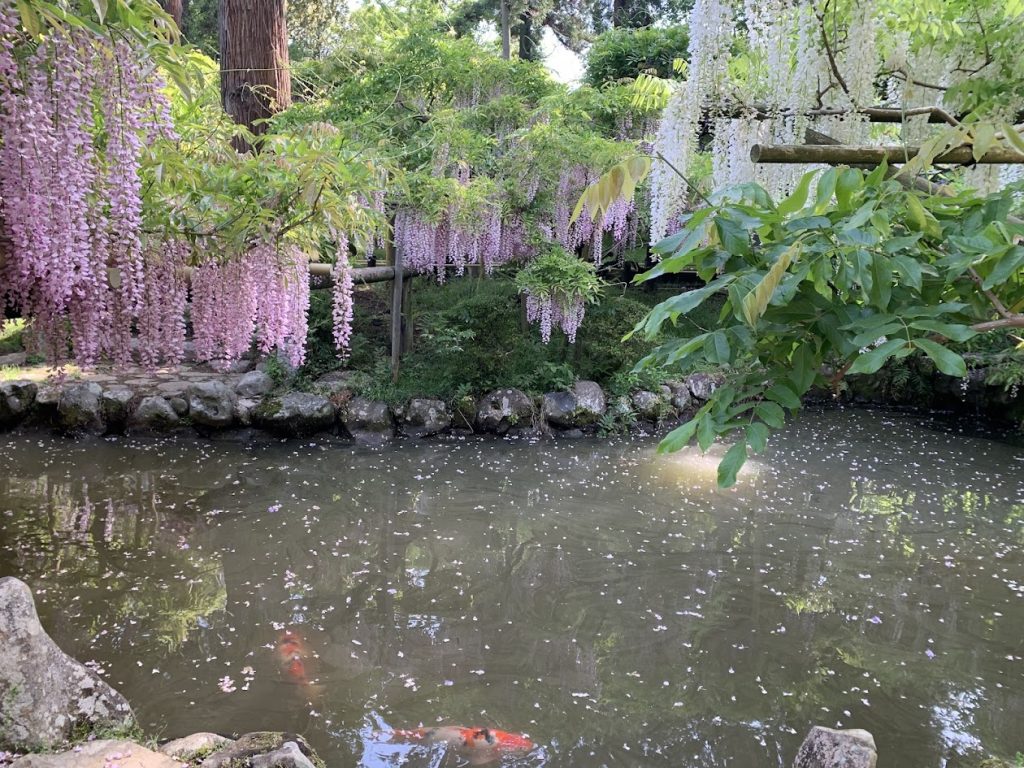
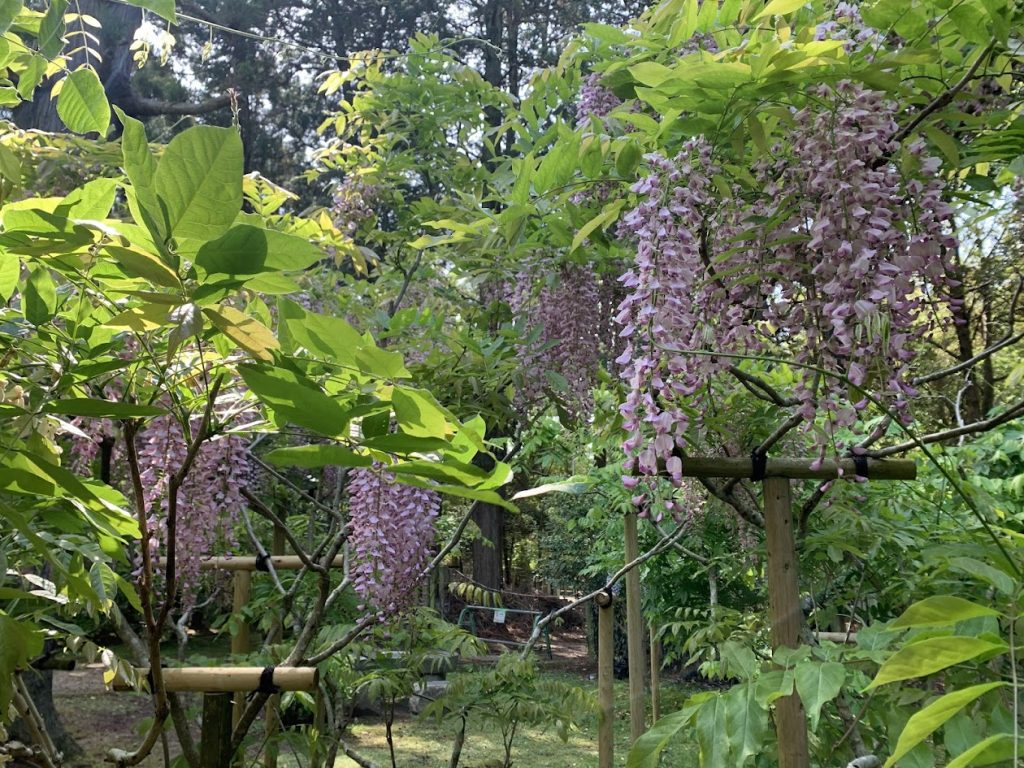
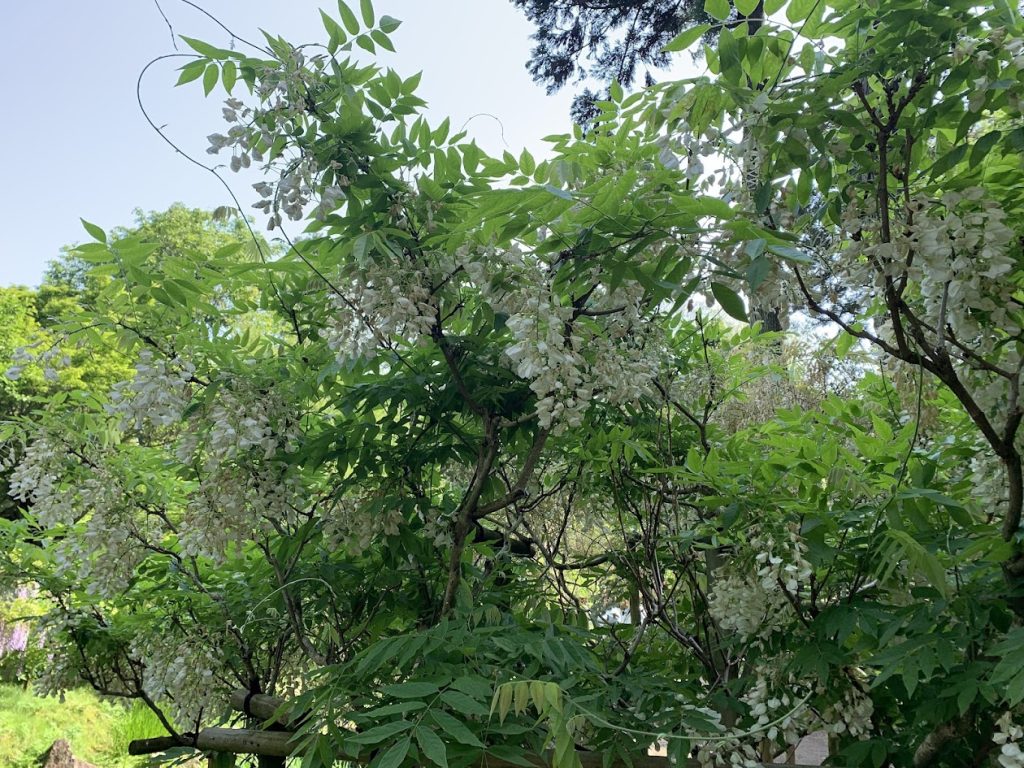
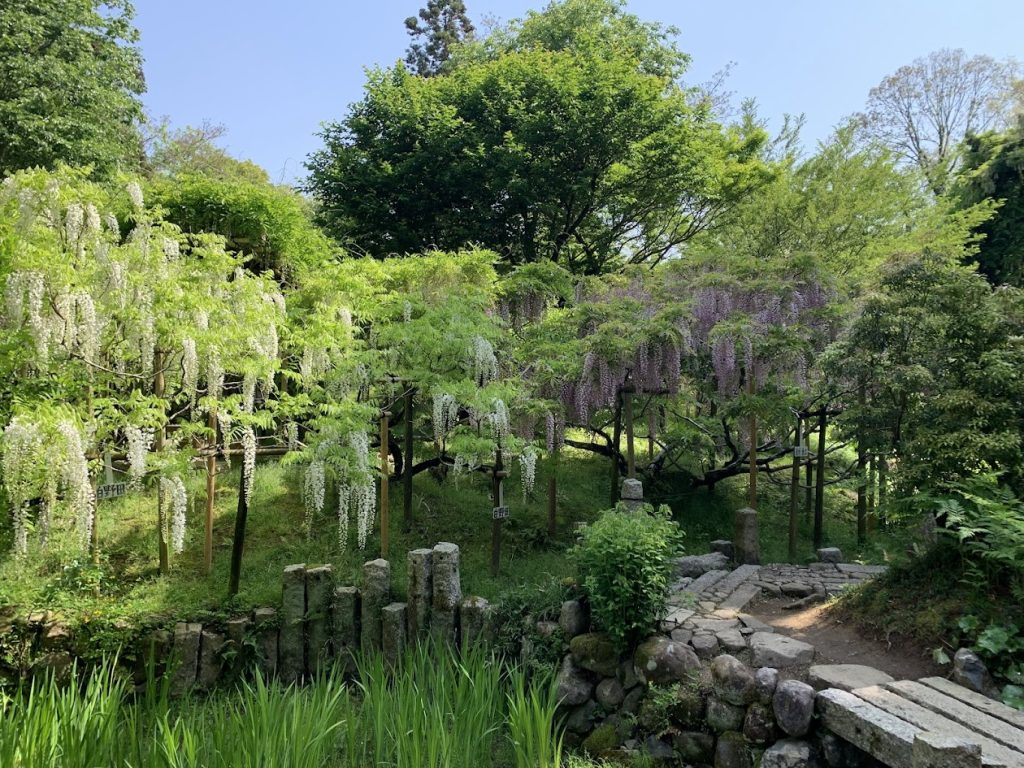
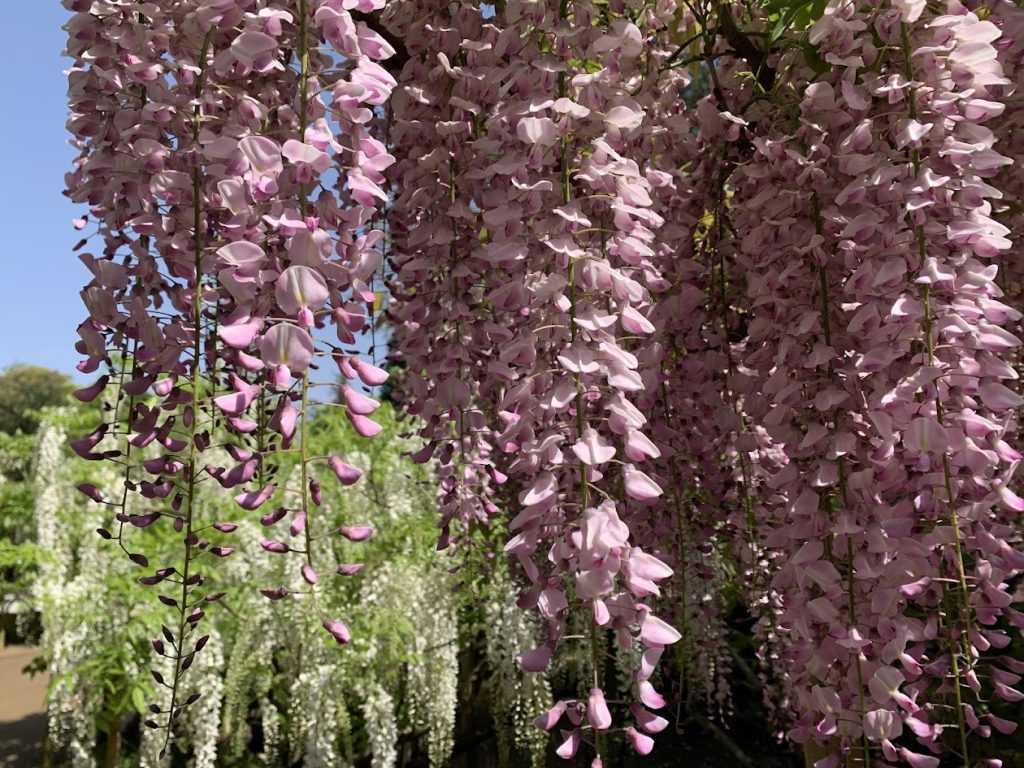
Wisteria
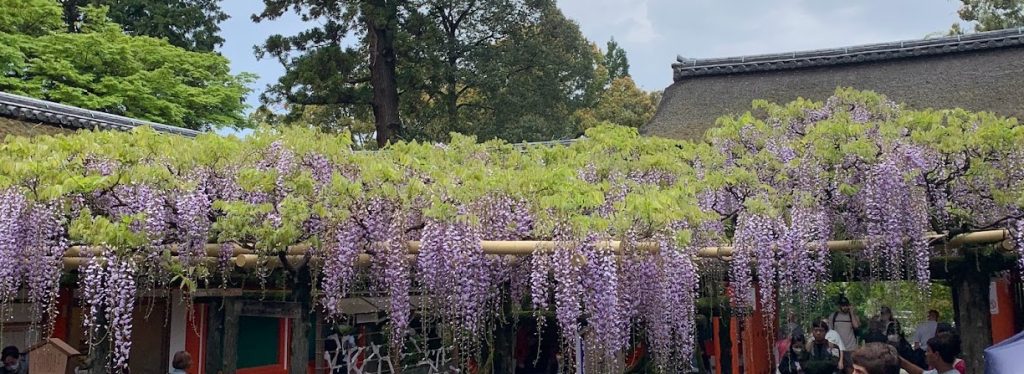
Shunazuri no Fuji (Sand-Brush Wisteria) at Kasuga Taisha Shrine.
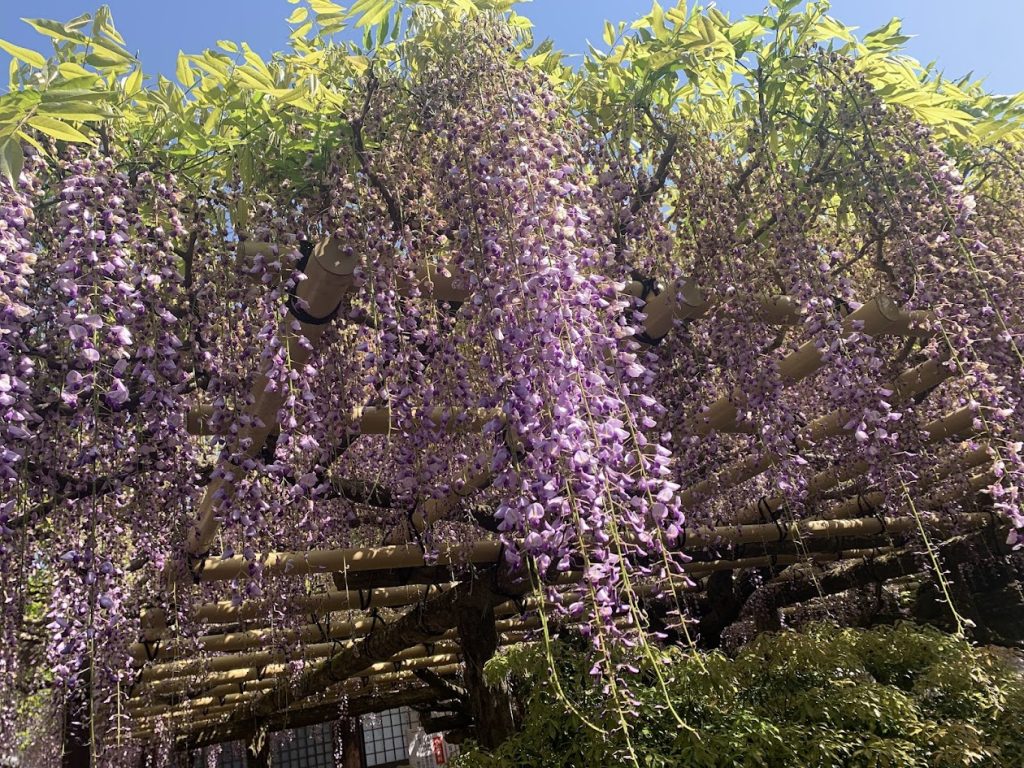
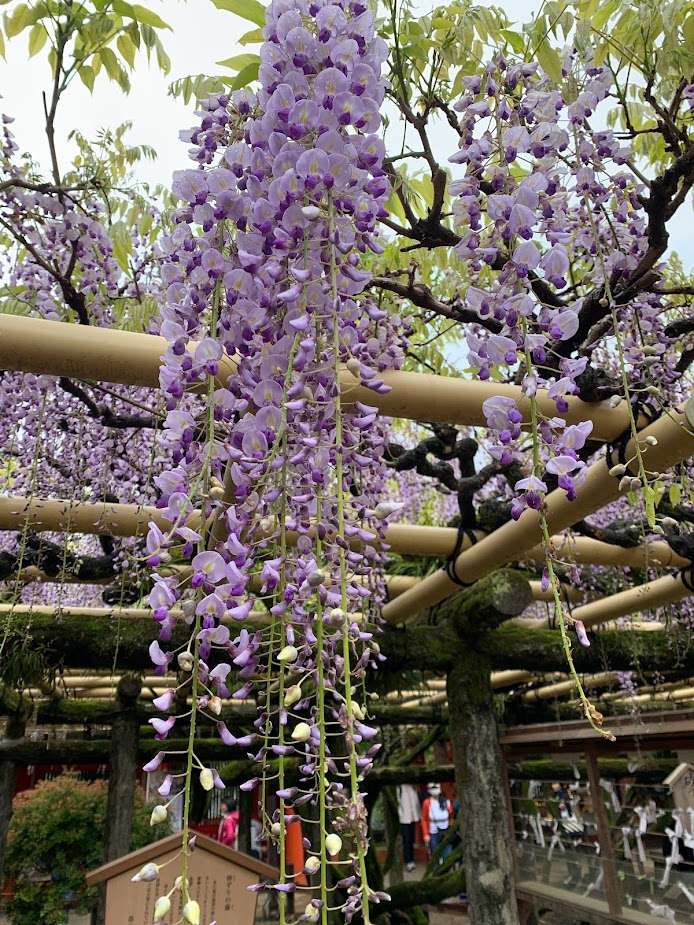
Shunazuri no Fuji (Sand-Brush Wisteria) at Kasuga Taisha Shrine.
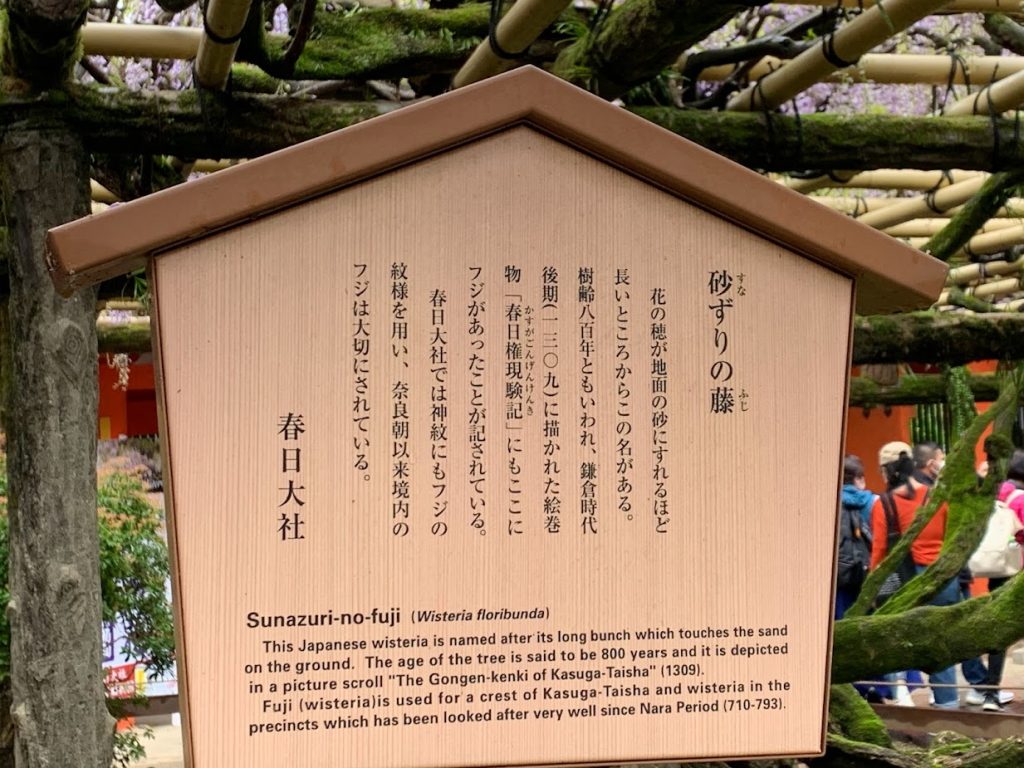
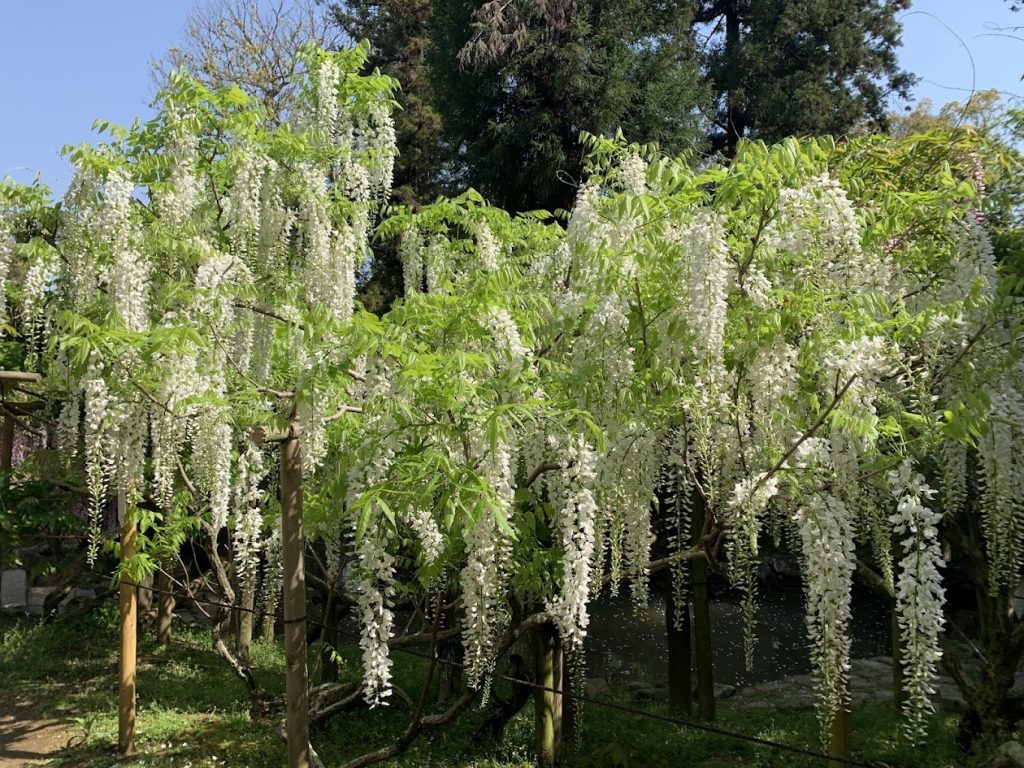
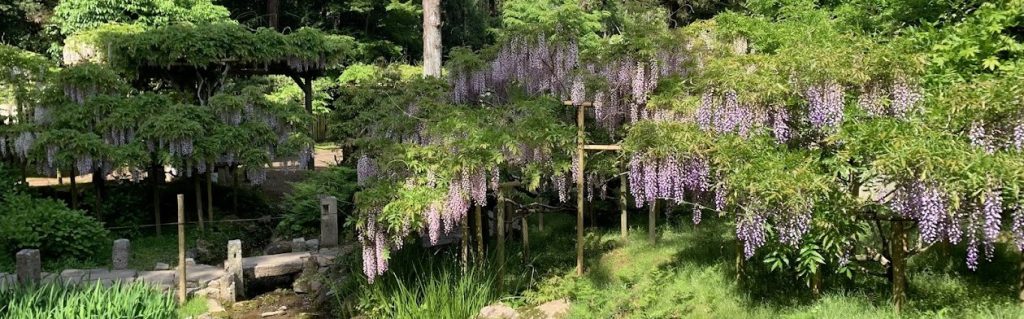
Kasuga Taisha Manyo Botanical Garden
From late April to early May, the wisteria flowers in the Manyo Botanical Garden reach their peak bloom.

Japanese andromeda tree blossoms
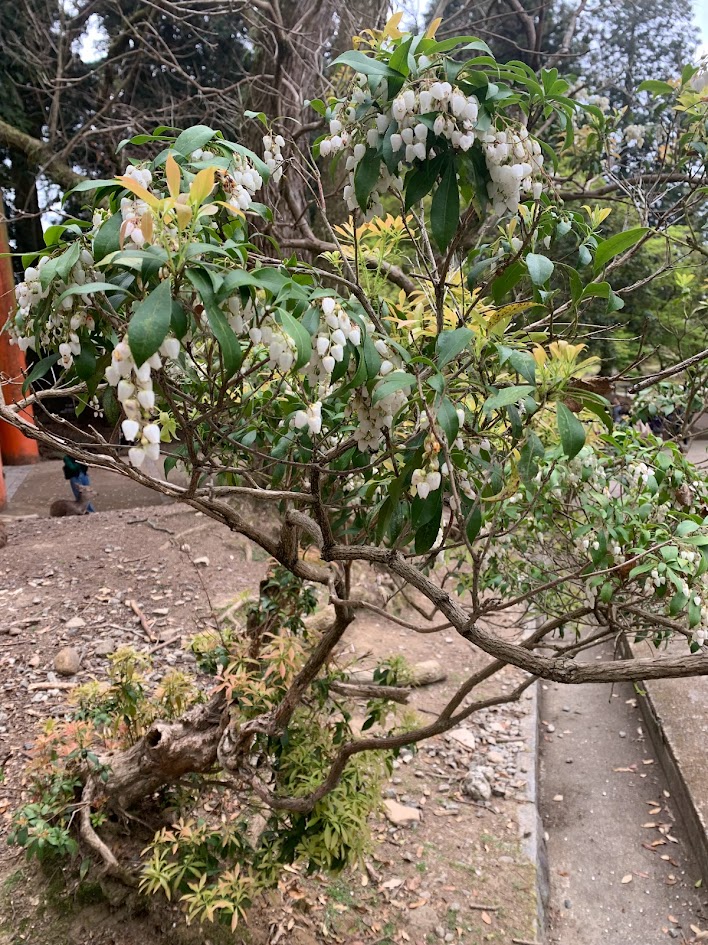
In Nara Park, there are many ashibi (Japanese andromeda) trees.
The name ‘ashibi’ means ‘a tree that makes horses drunk.’
True to its name, it contains toxins, so deer do not eat it.

コメント