
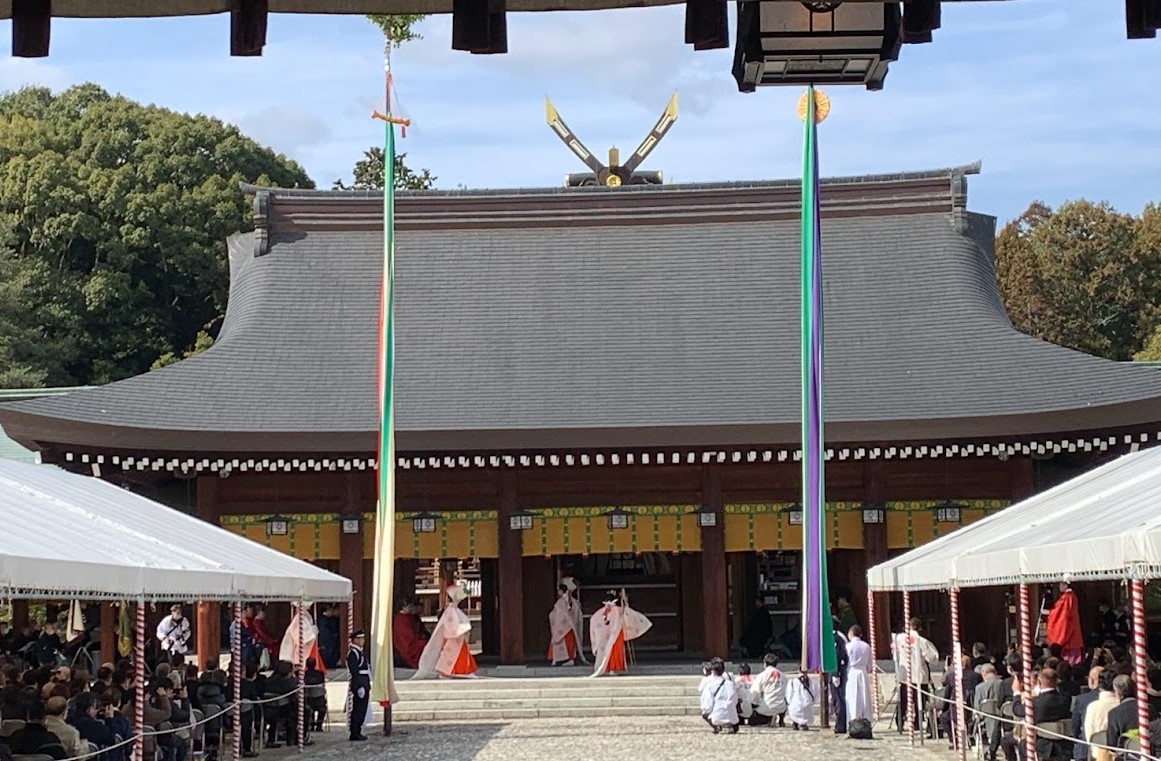

Kashihara Jingu Shrine
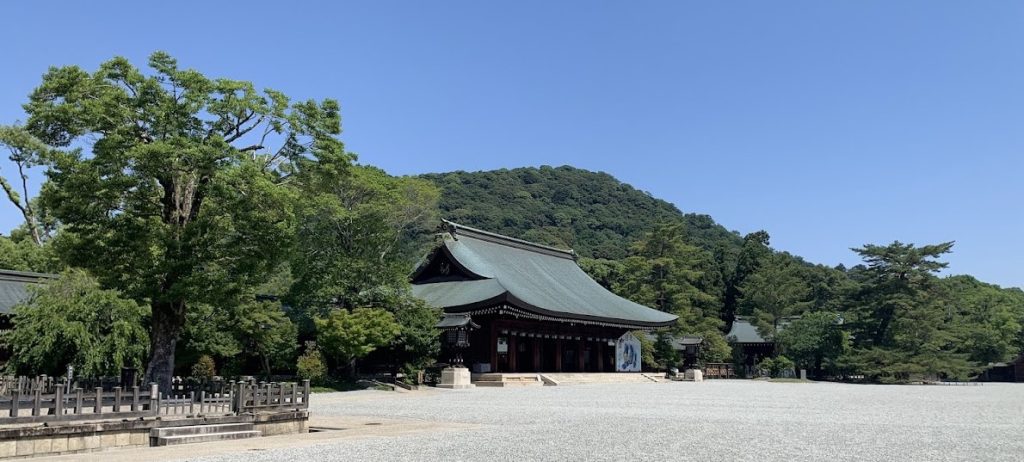
Based on the description in the ‘Nihon Shoki’ that Emperor Jimmu, the first emperor, was enthroned in the southeastern area of Mount Unebi, the site was established in the 23rd year of the Meiji era (1890).
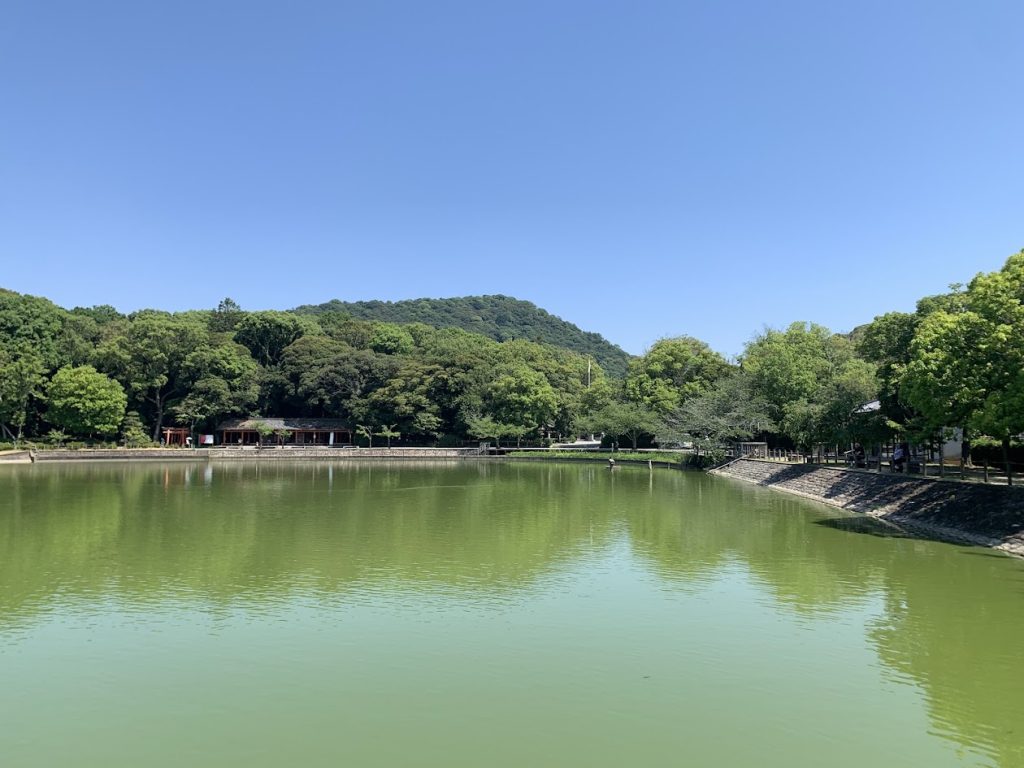
Fukada Pond and Mount Unebi. The Kashihara Jingu Shrine is located to the right side of the photo and is not visible in this image.
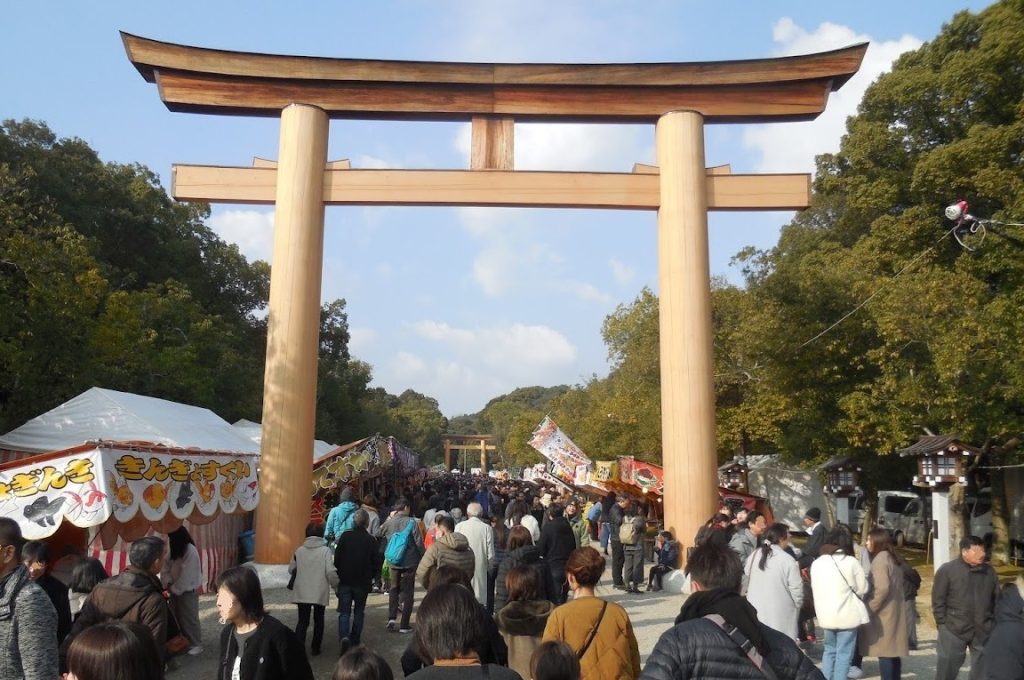
First Torii Gate.
This is a view early in the morning during the New Year’s first visit to the shrine.
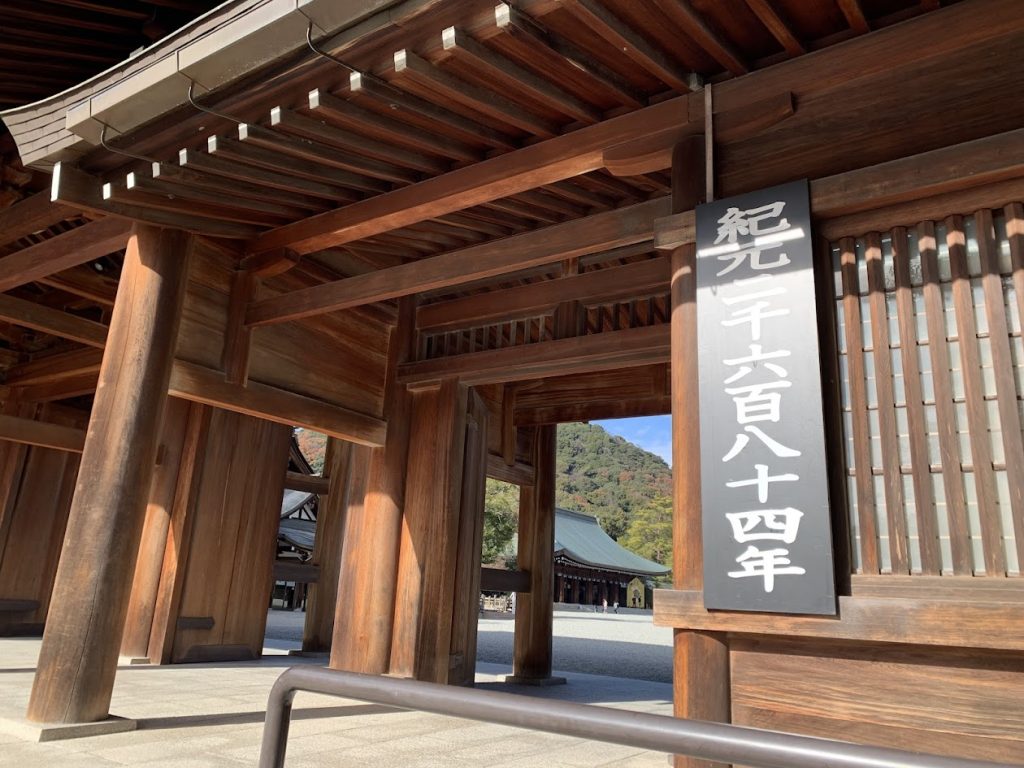
Minami Shinmon (South Divine Gate)
The year 2684 of the Japanese Imperial Era corresponds to 2024.
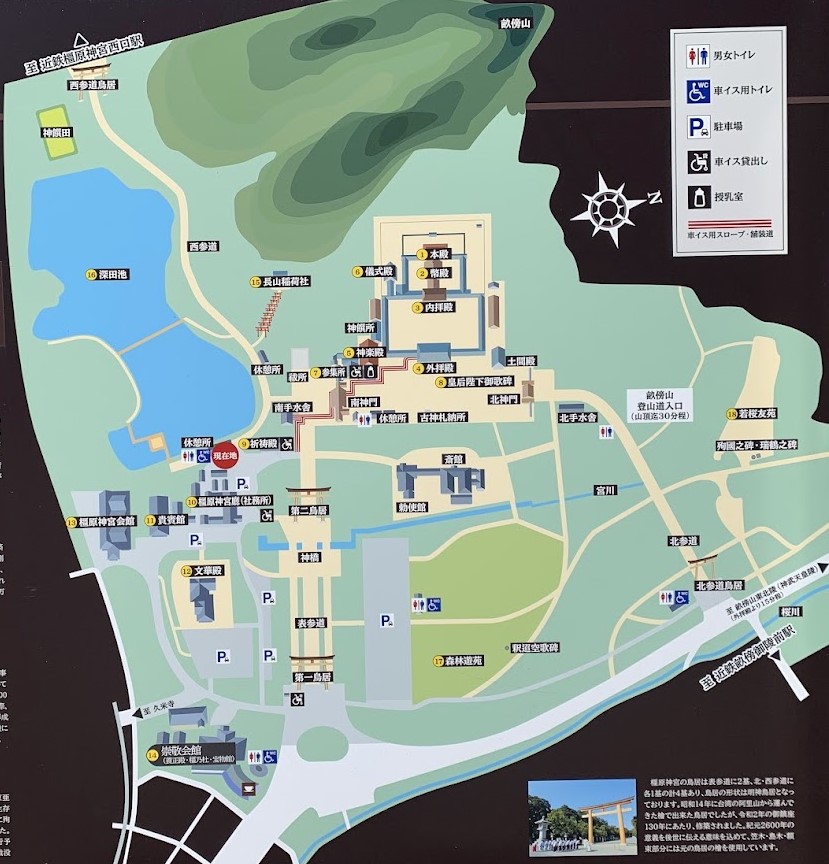
In the center, you can see the main hall, the inner hall, and the outer hall, with Mount Unebi above them.
The First Torii Gate is in the lower left. The start of the hike up Mount Unebi (about 30 minutes to the summit) is in the center-right.
It’s about a 10-minute walk from Kintetsu Kashihara Jingu Station to Kashihara Jingu Shrine.
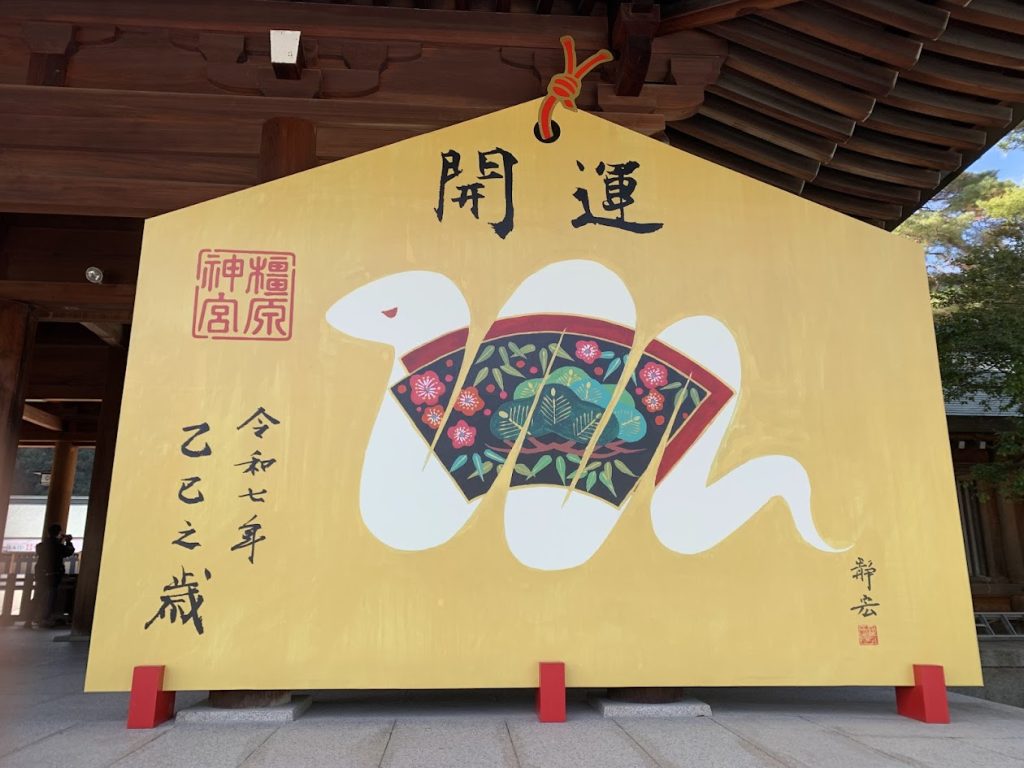
The ema (wooden prayer plaques) beside the worship hall are from Reiwa 7 (2025).
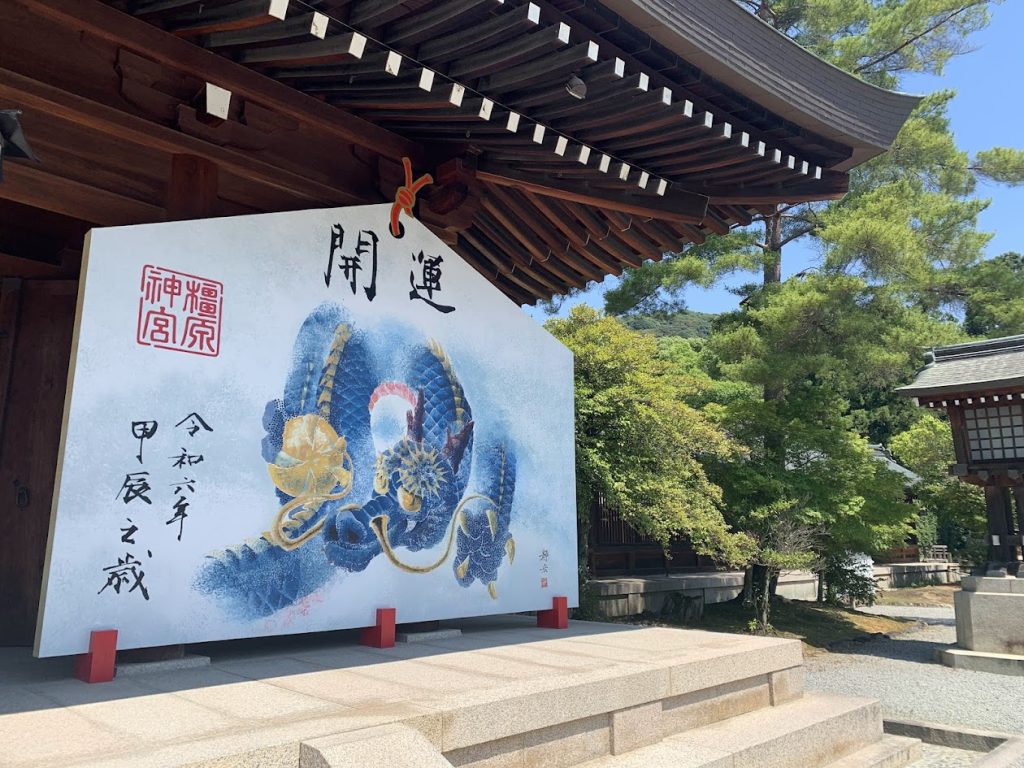
Offering Ema next to the worship hall.
Photographed in the 6th year of the Reiwa era (2024).

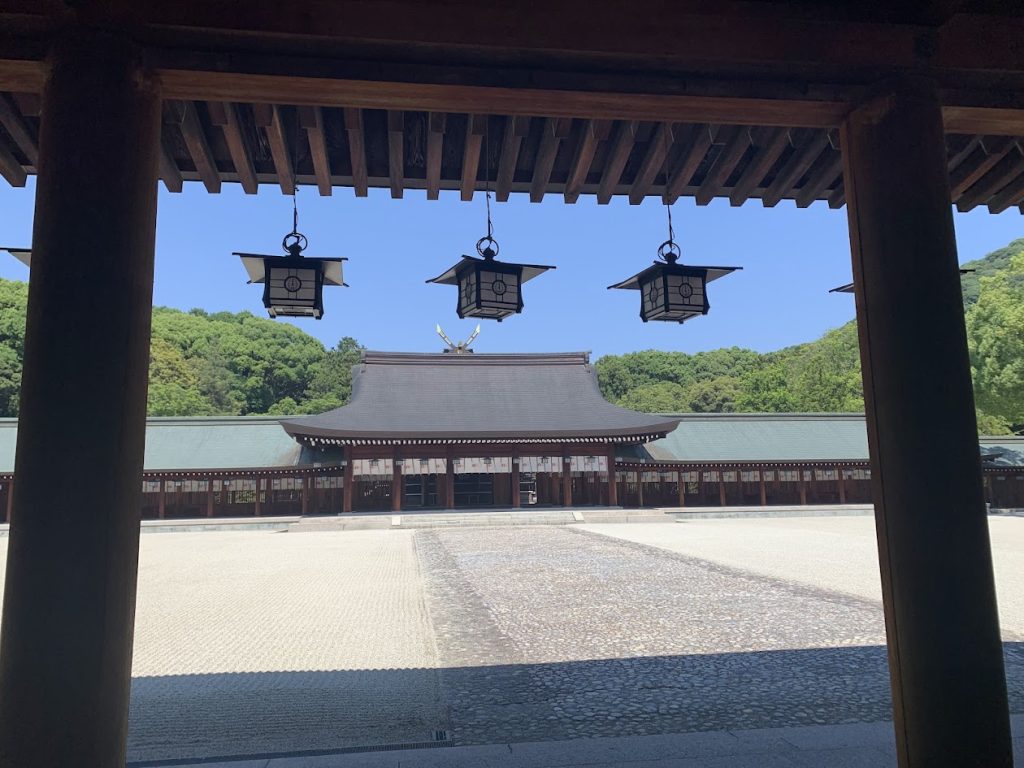
View of the inner worship hall from the outer worship hall.
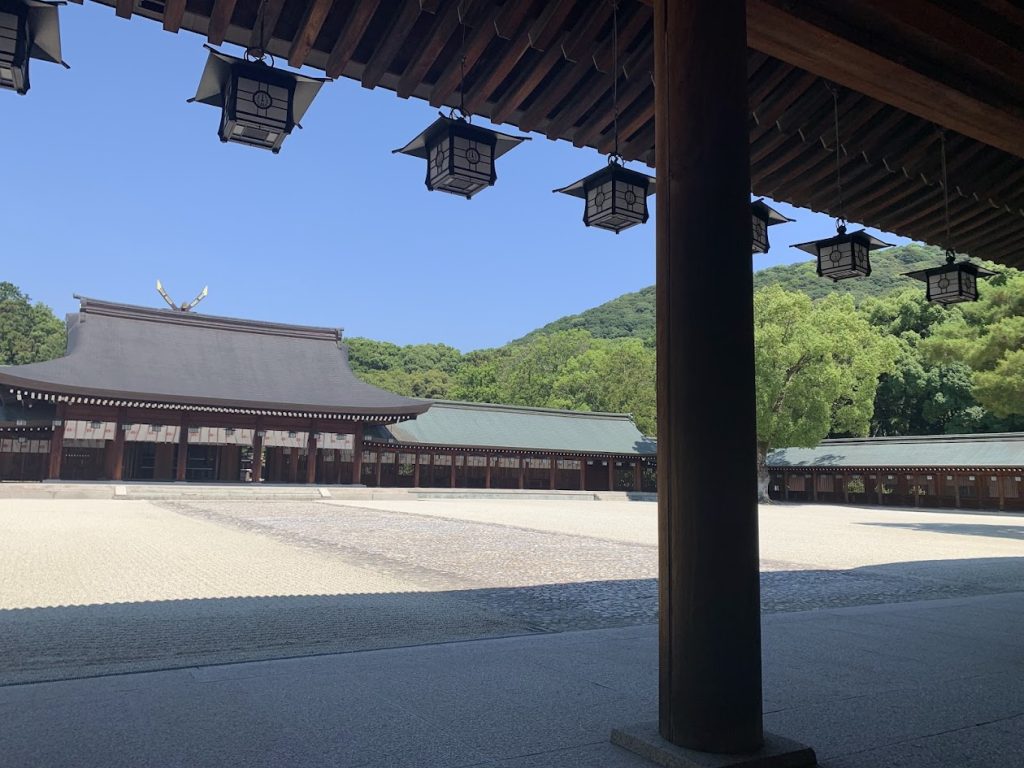
Inner worship hall and Mount Unebi.
A portion of the main hall is visible on the roof of the inner worship hall.
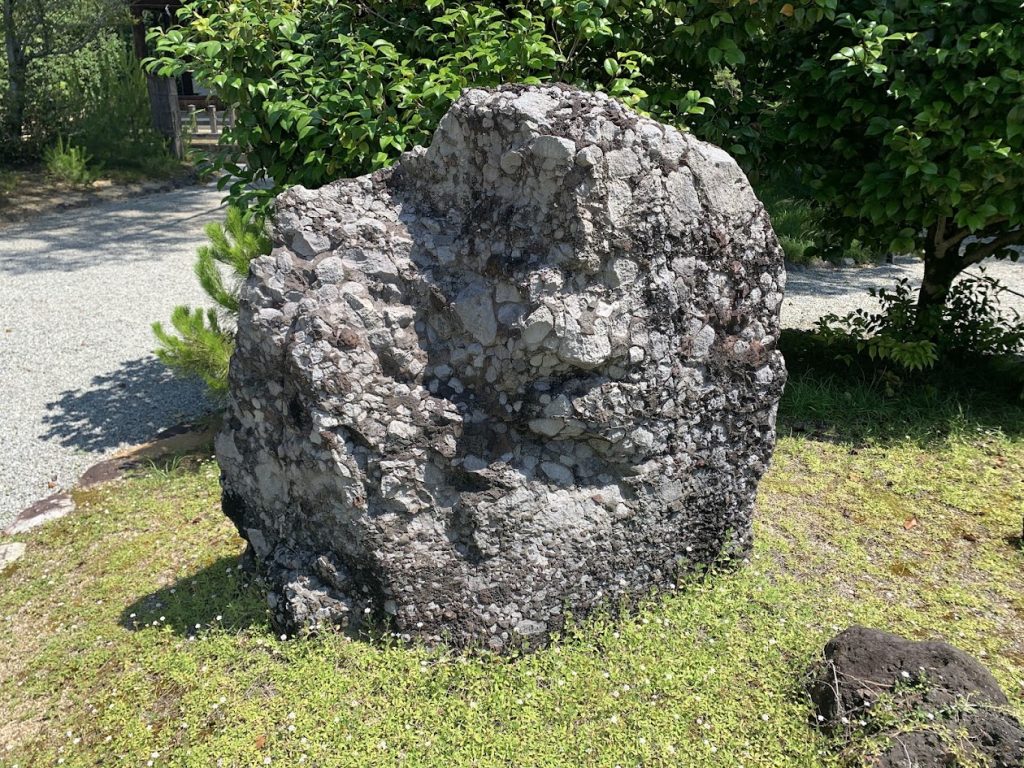
The ‘Sazare Stone’ next to the worship hall.
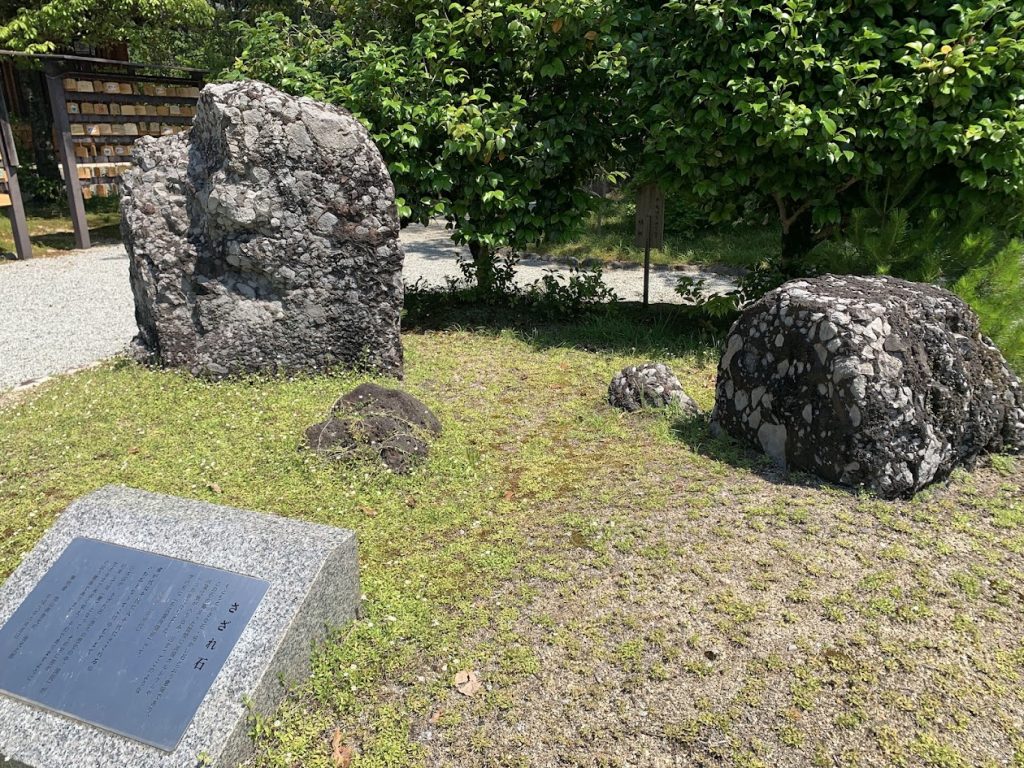
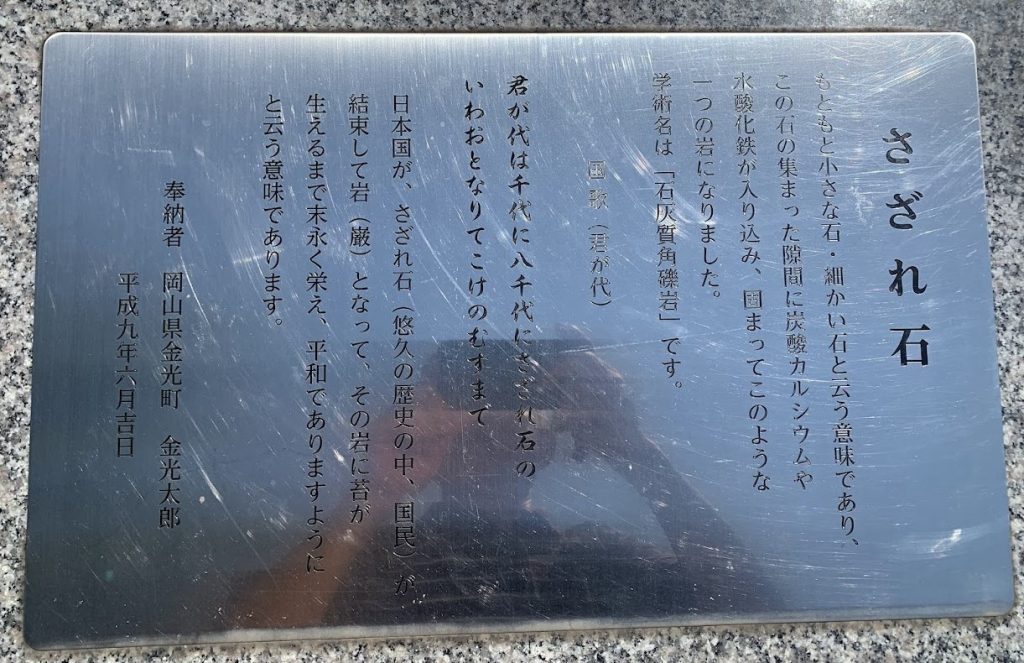
Sazare Stone
Originally, “sazare” means small or fine stones. Over time, calcium carbonate and iron hydroxide filled the gaps between these stones, binding them together into a single rock.
National Anthem (Kimigayo)
The meaning of “Kimigayo” is:
“May the reign of the Emperor continue for a thousand, eight thousand generations,
Until the small stones grow into a great rock covered with moss.”
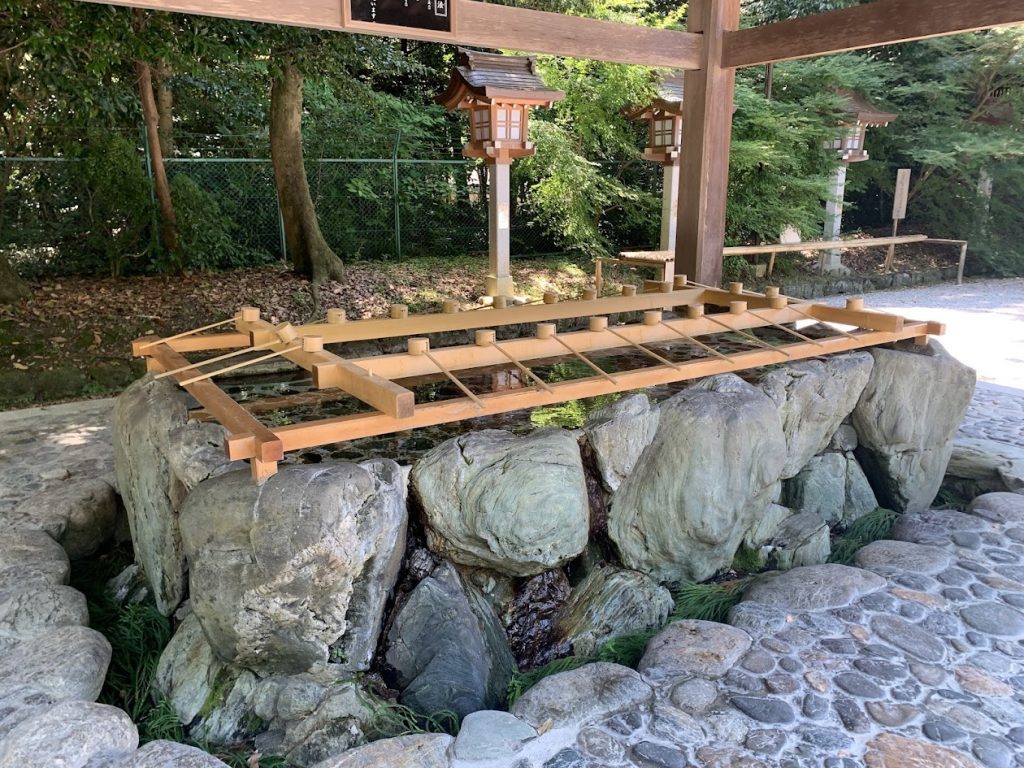
Water purification station
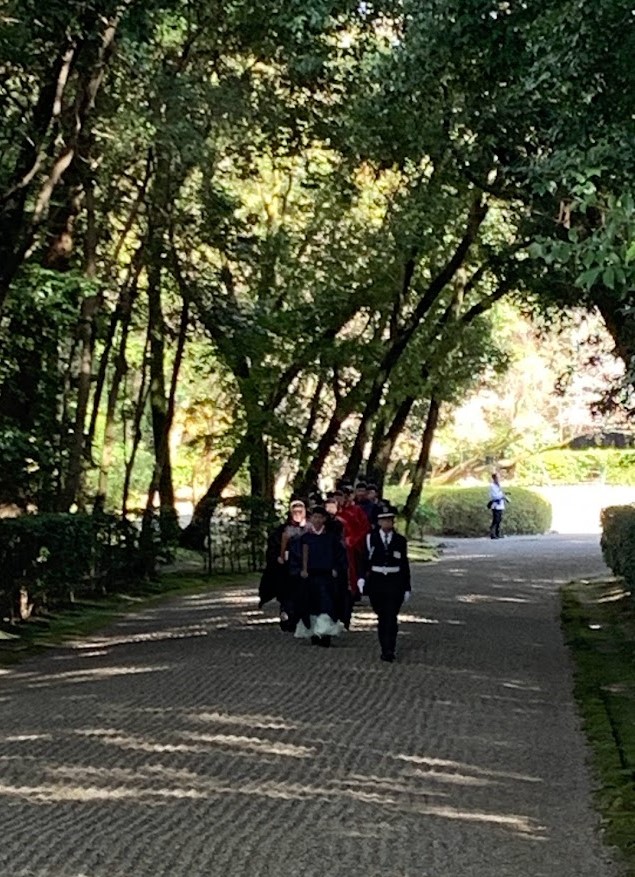
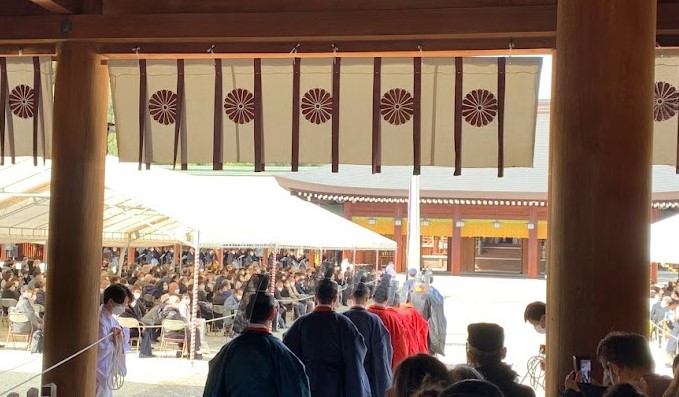
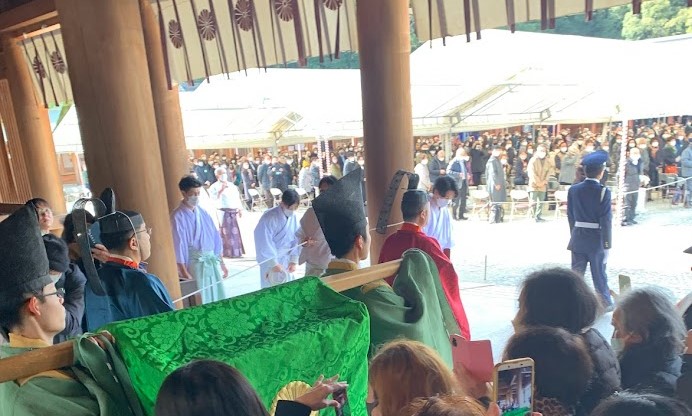
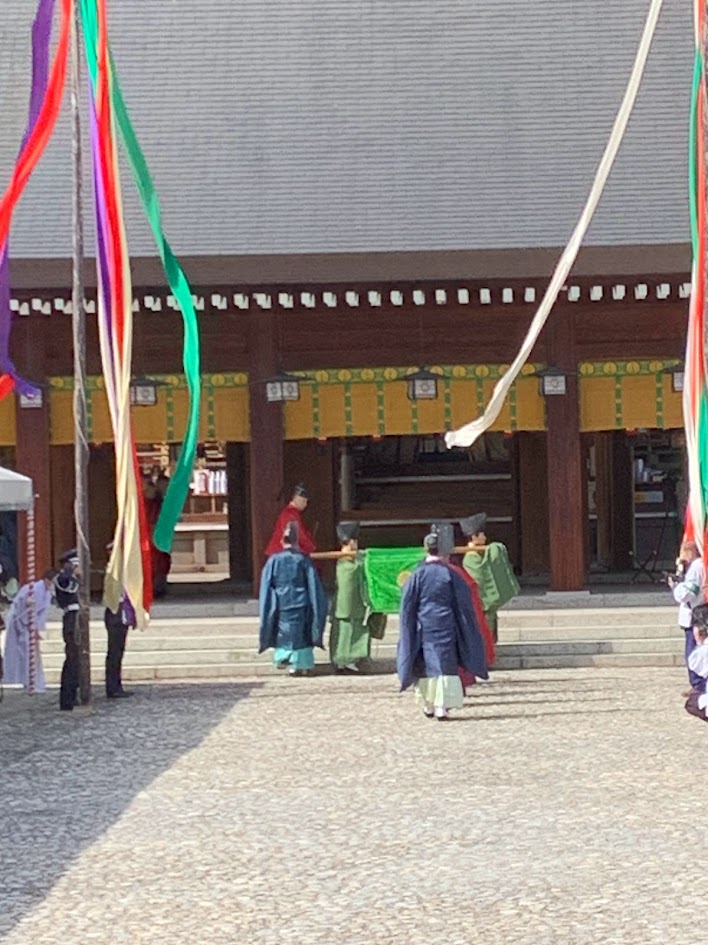
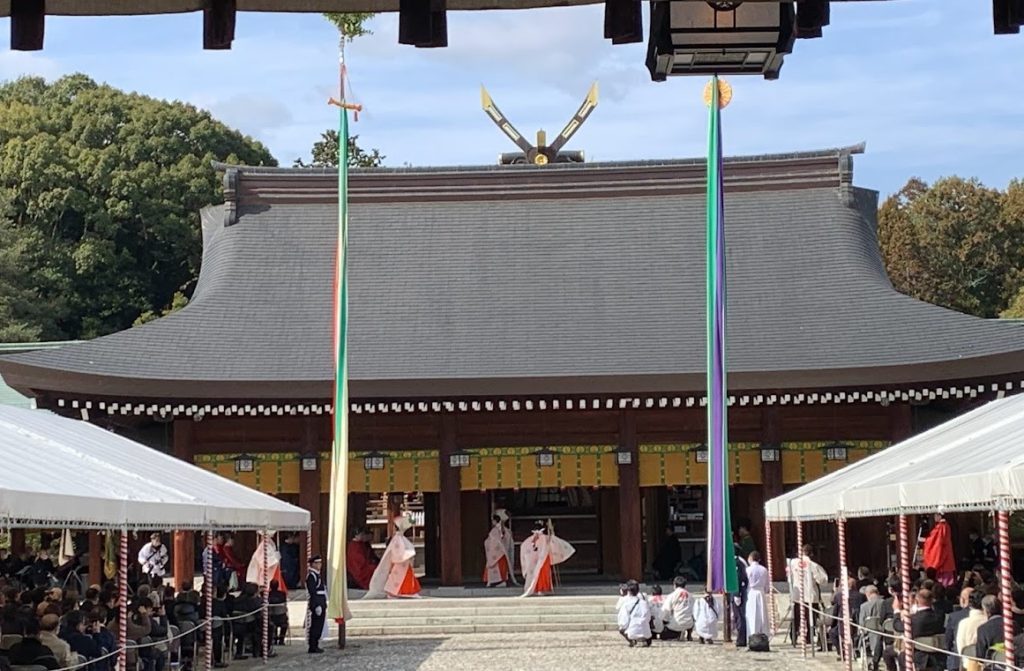
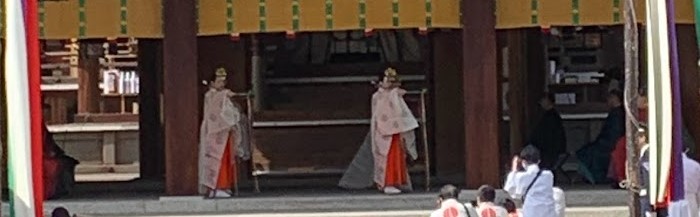
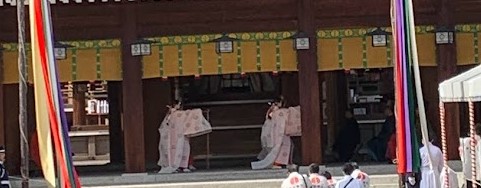
Kenkokusai (National Foundation Festival) (February 11)

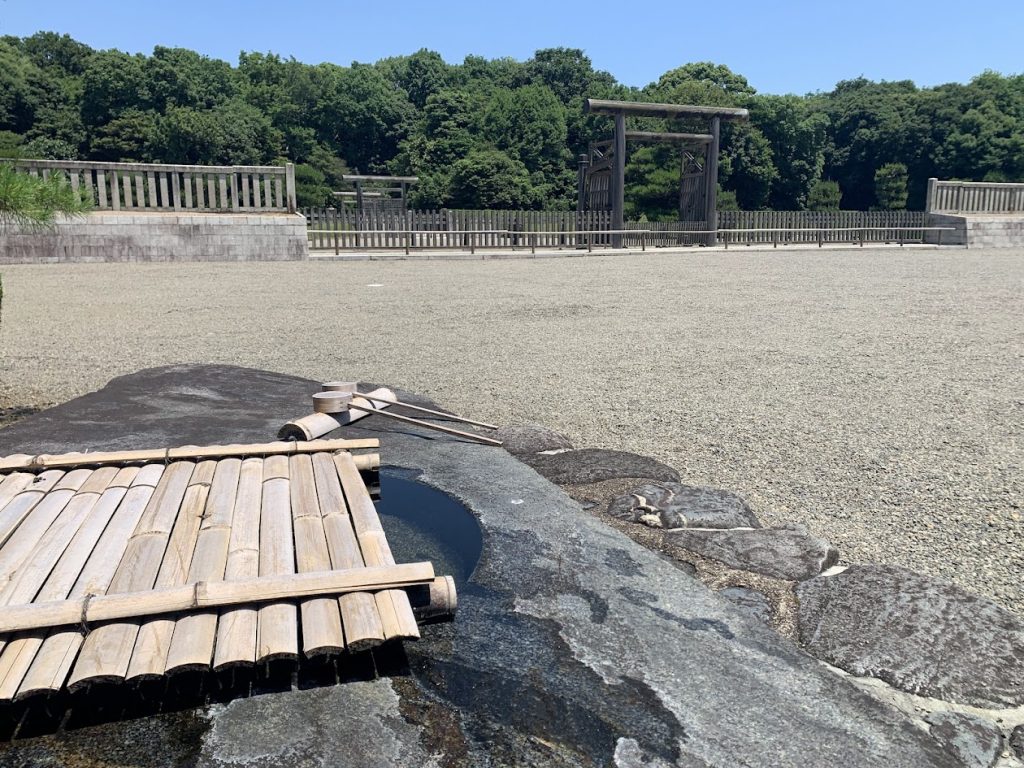
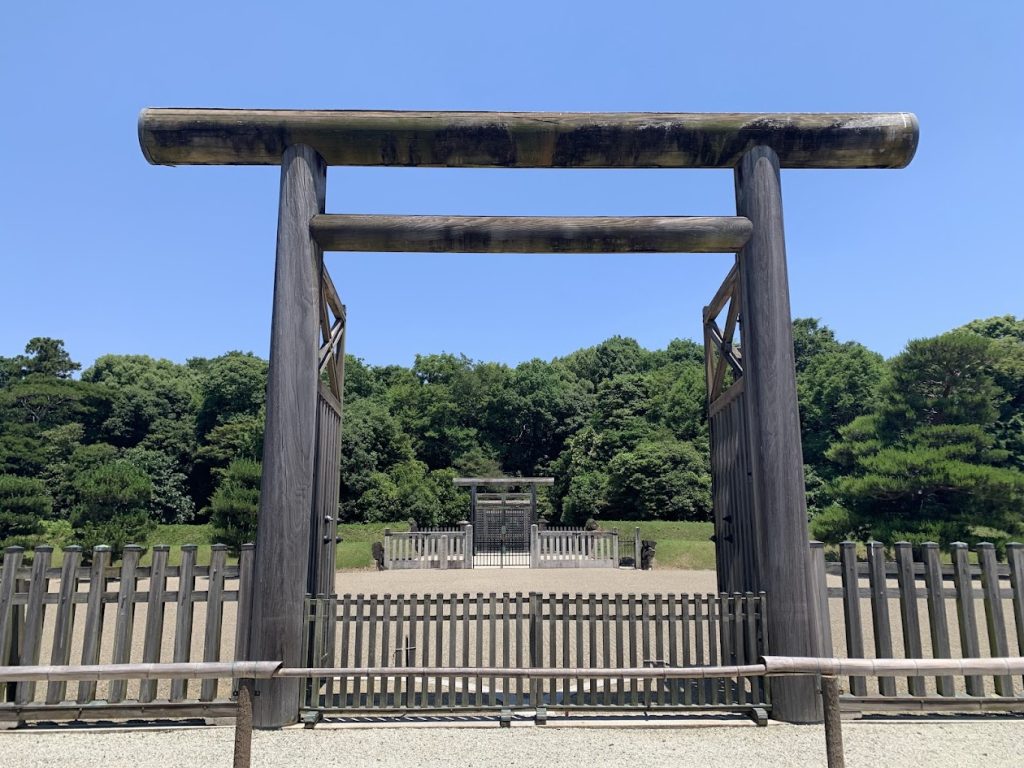
Emperor Jimmu’s Mausoleum
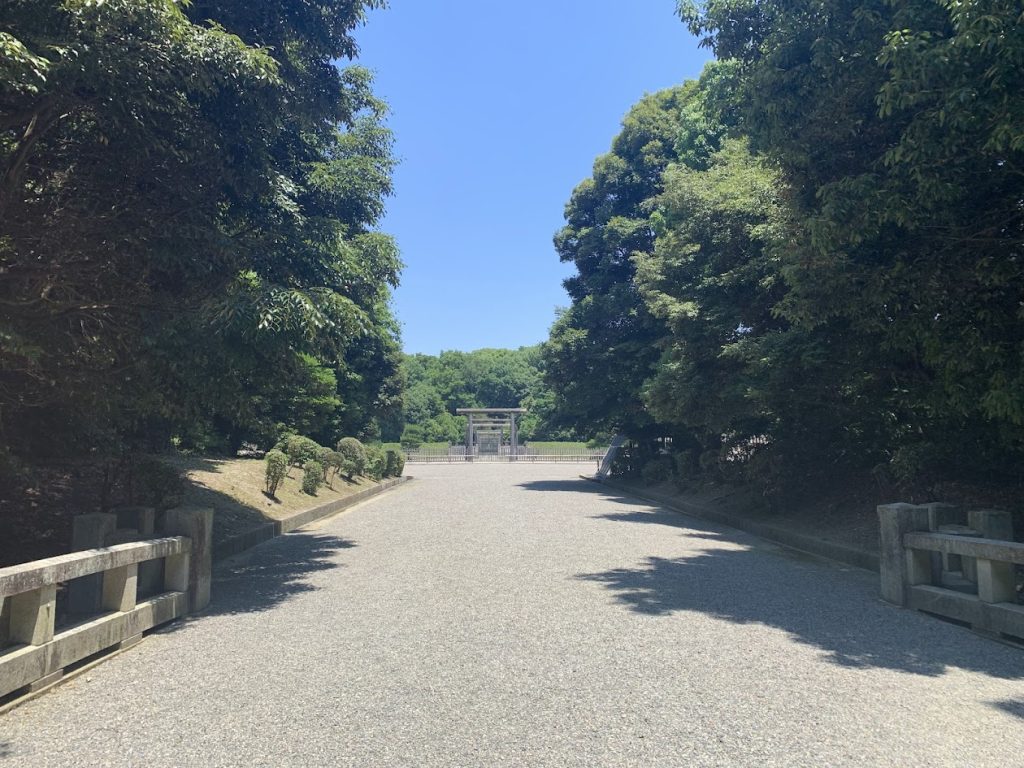
Emperor Jimmu is the first emperor.
Mount Unebi
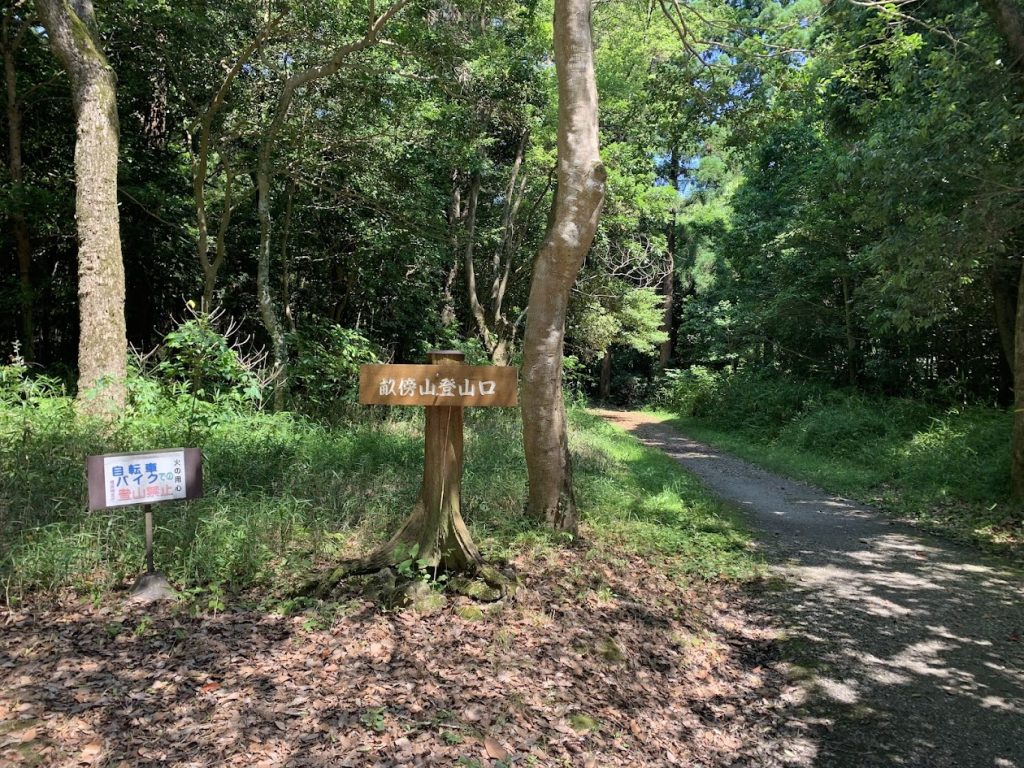
The starting point of the hike up Mount Unebi.
Mount Unebi is a 199.2-meter mountain.
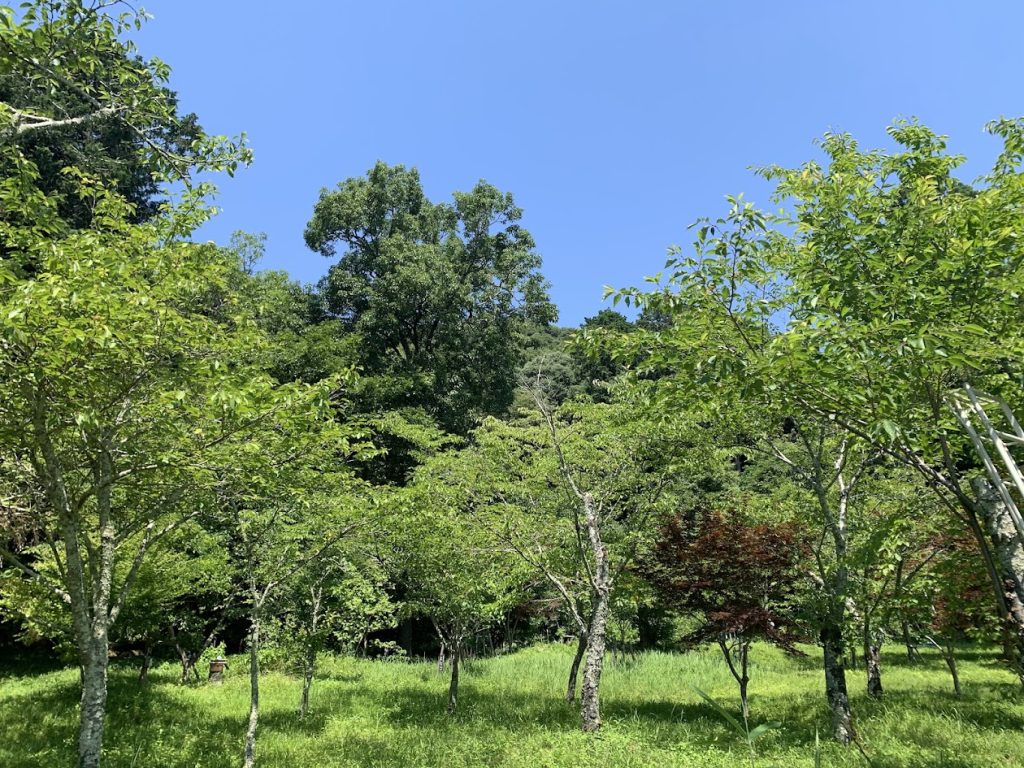
At the base of Mount Unebi.
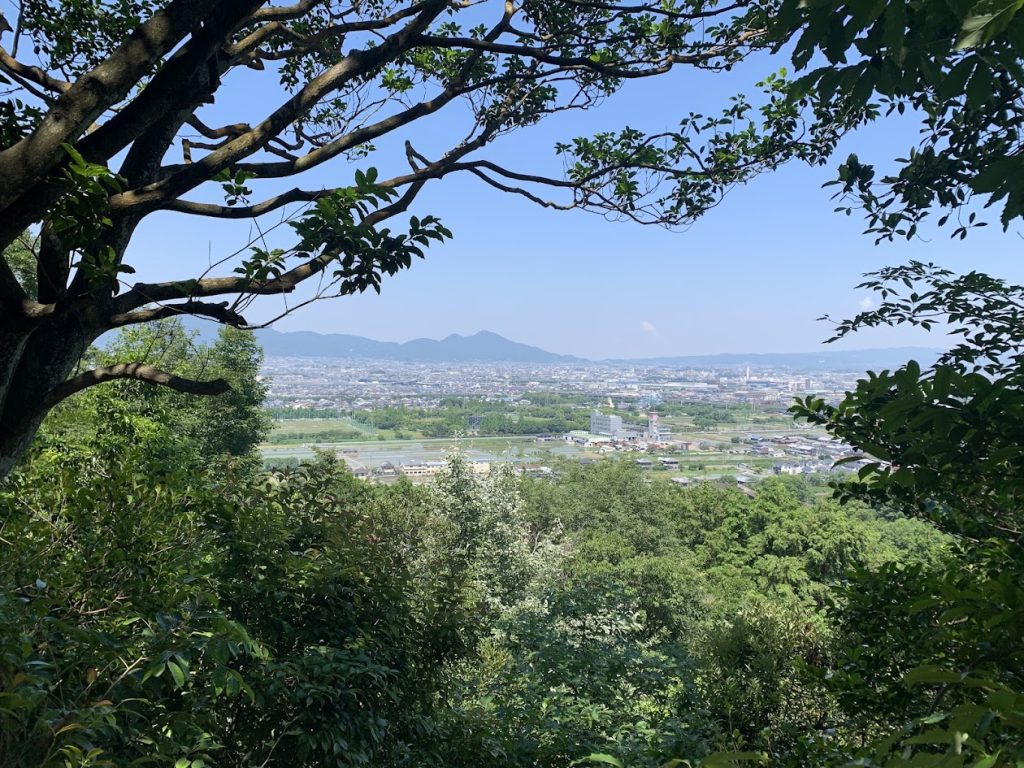
This is a photo taken from the mid-slope, looking northwest.
Mount Nijozan is visible in the center.
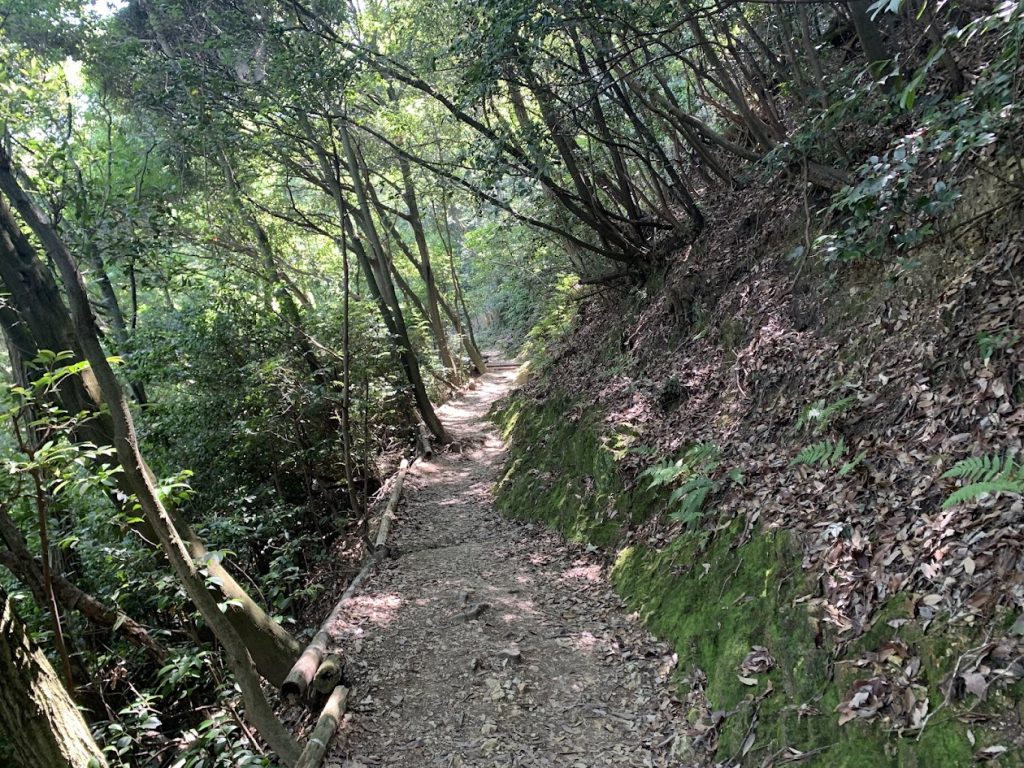
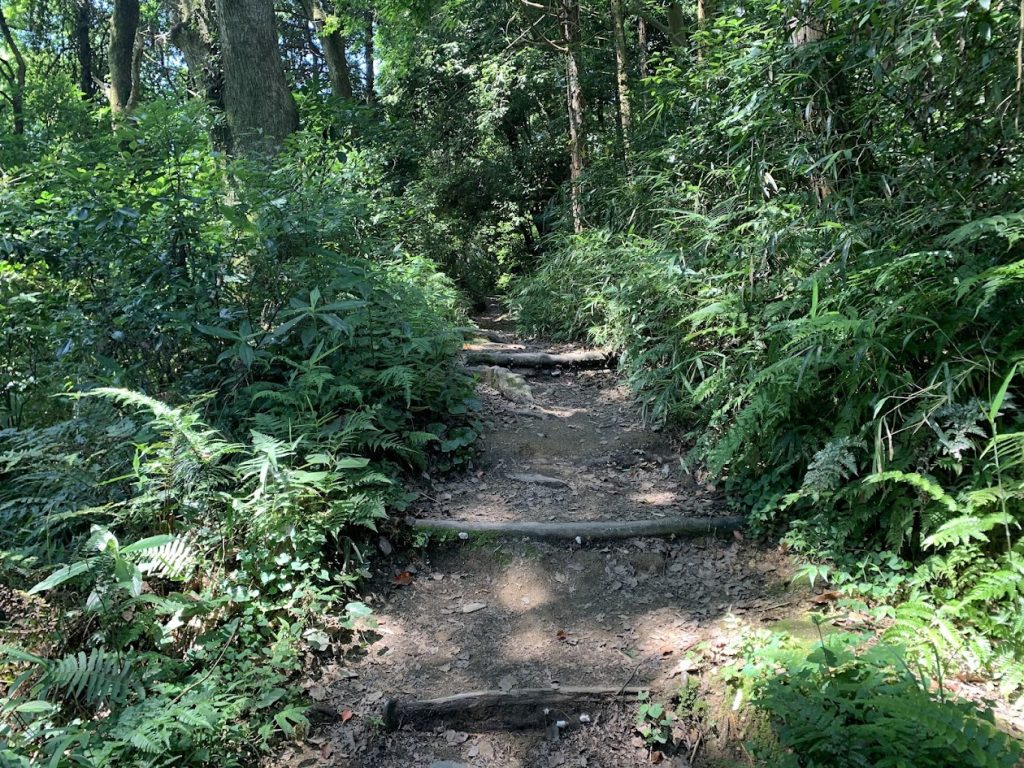
It’s quite steep.

We’ve reached the summit.
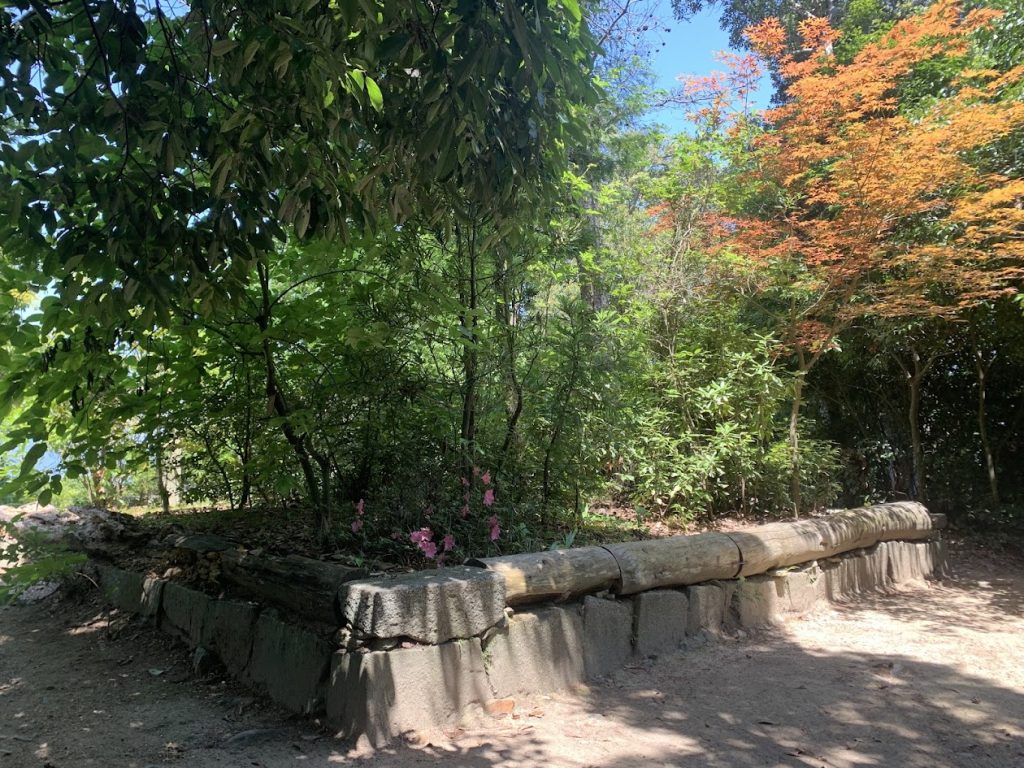
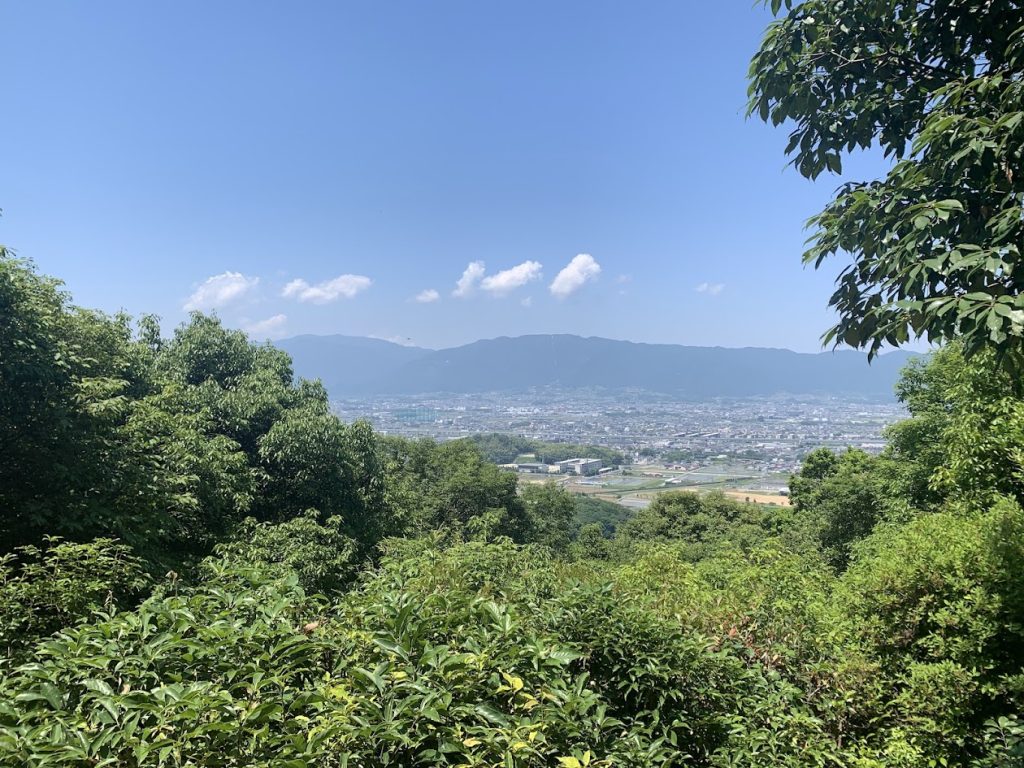
To the west, you can see Mount Katsuragi, and to its left (south), Mount Kongou is visible.

Mount Miminashi from the summit.

Mount kaguyama from the summit.
A Poem by Prince Naka no Oe (later Emperor Tenji):
Mount Kagu
Challenges Mount Unebi and Mount Miminashi,
As if in rivalry since the age of the gods.
It must have been so in ancient times,
Just as mortals now vie for their beloved.
This poem metaphorically describes the three Yamato mountains—Mount Kagu, Mount Unebi, and Mount Miminashi—as if they are contending with one another, likening their “rivalry” to human relationships and emotions.

コメント