
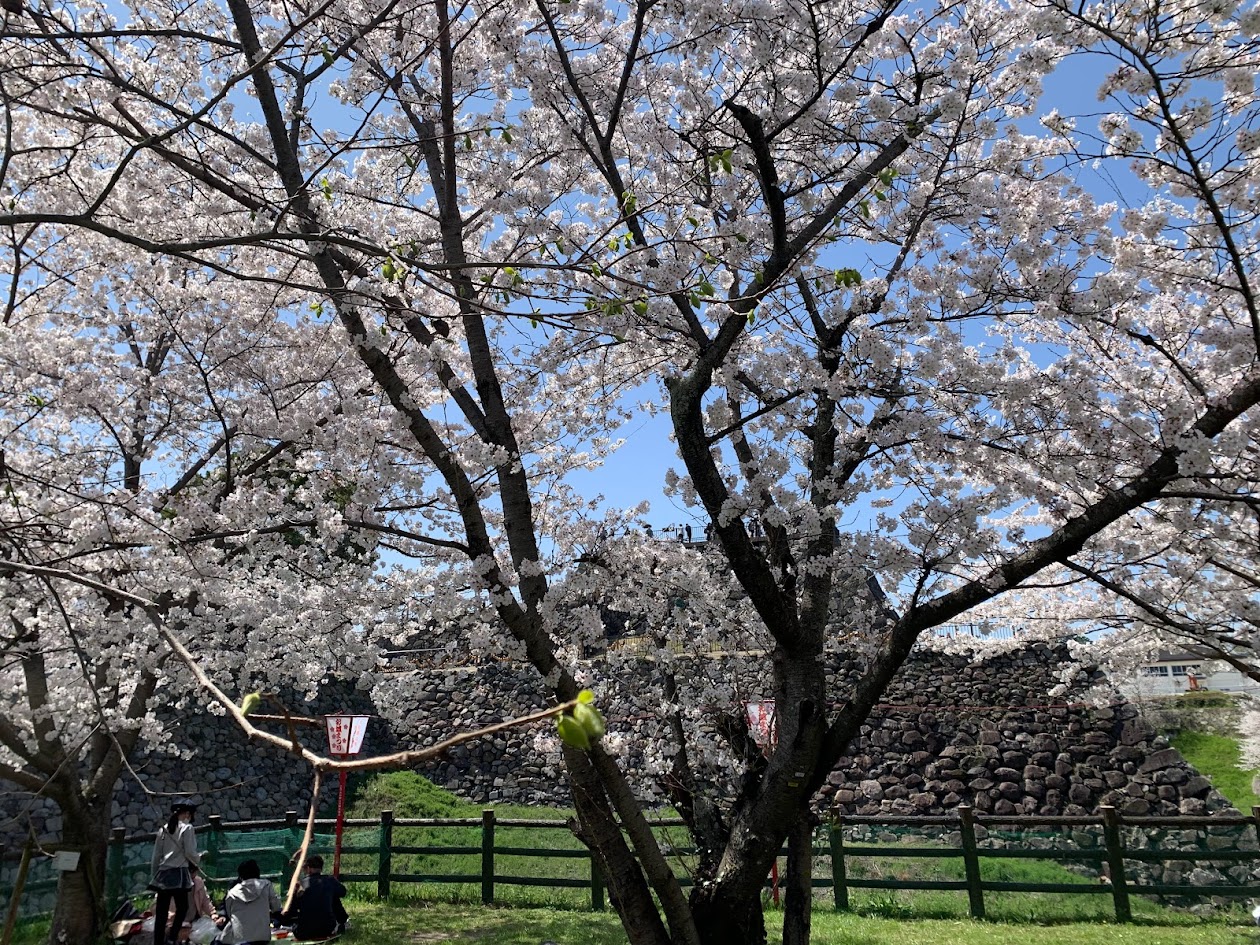

Koriyama Castle
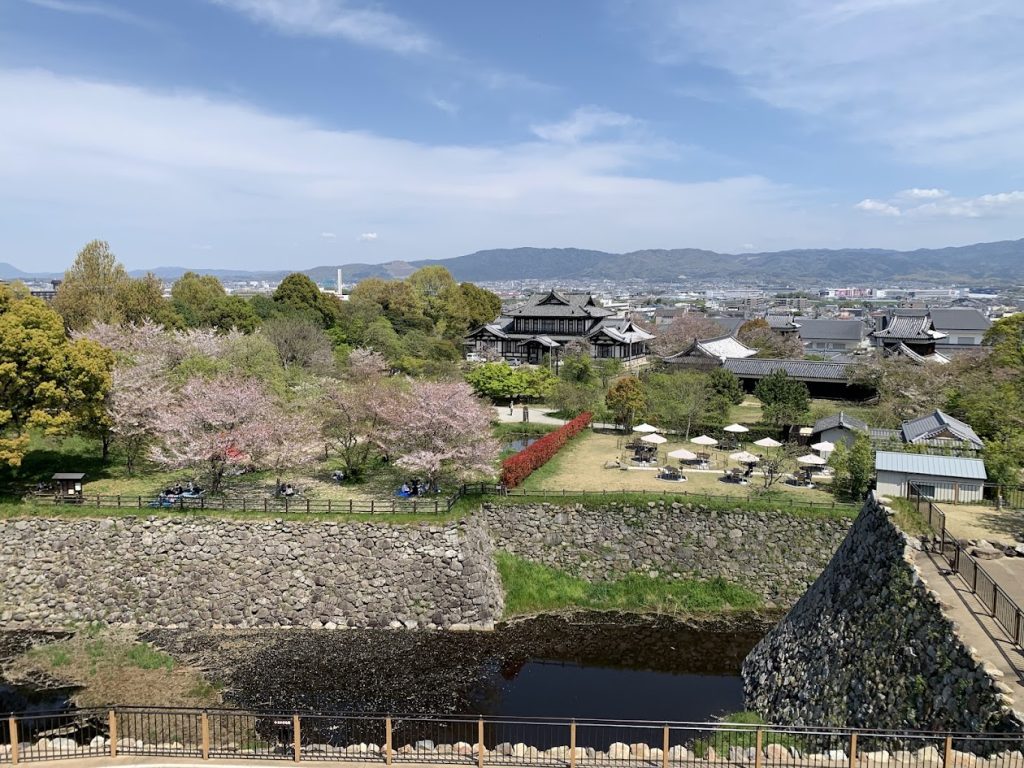
Koriyama Castle’s construction began in 1580 under the Sengoku warlord Tsutsui Junkei. In 1585, Toyotomi Hidenaga, the younger brother of Toyotomi Hideyoshi, became the lord of Koriyama Castle and completed it to match his high status as a powerful lord.
After the Battle of Sekigahara, Tokugawa retainers became its lords. In 1724, the Yanagisawa family took over as lords of the castle, and their rule continued until the end of the Edo period.
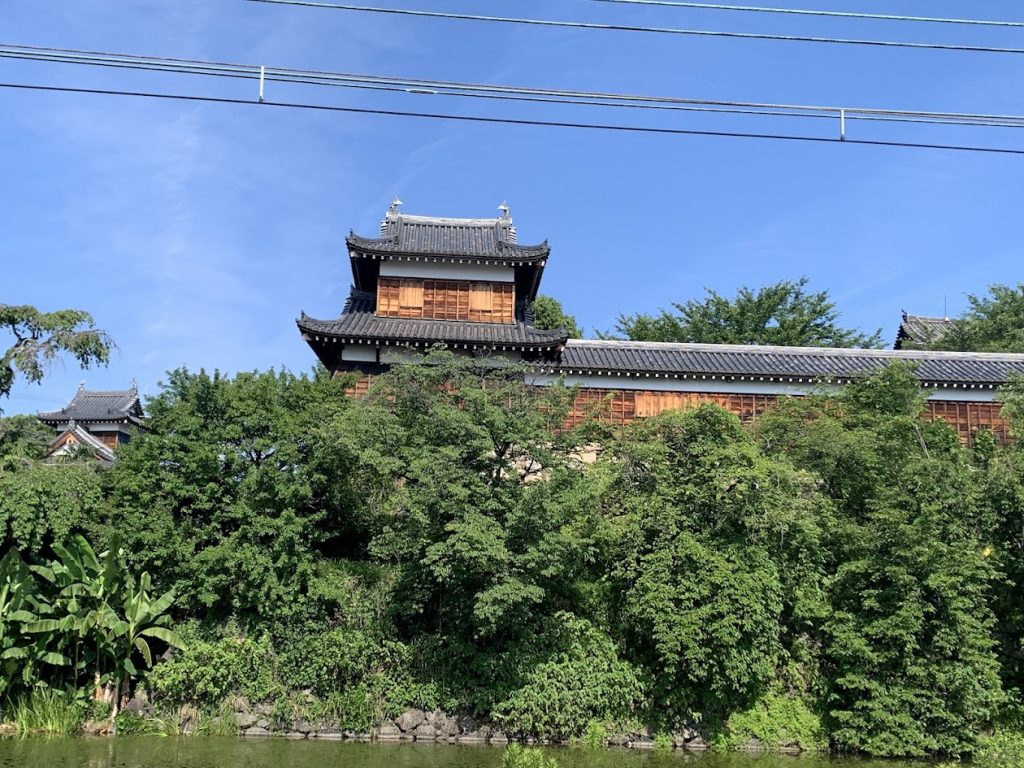
Koriyama Castle is listed as one of the “Continuation of Japan’s 100 Famous Castles.”
It is also chosen as one of the “100 Best Sakura Spots in Japan.”
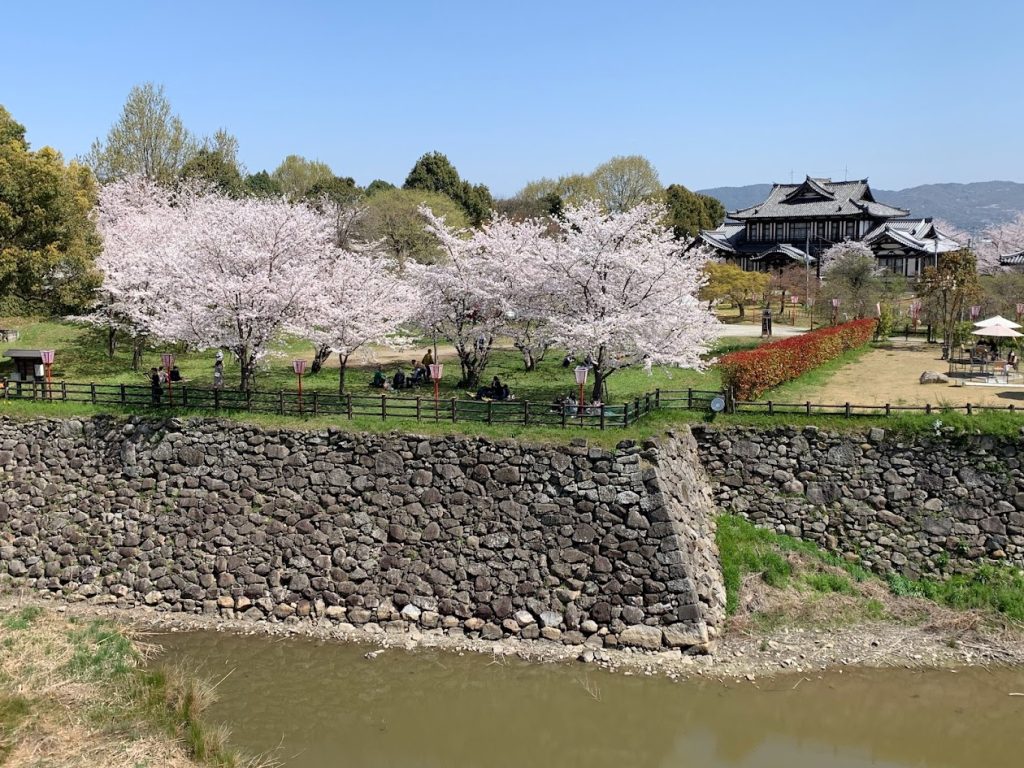
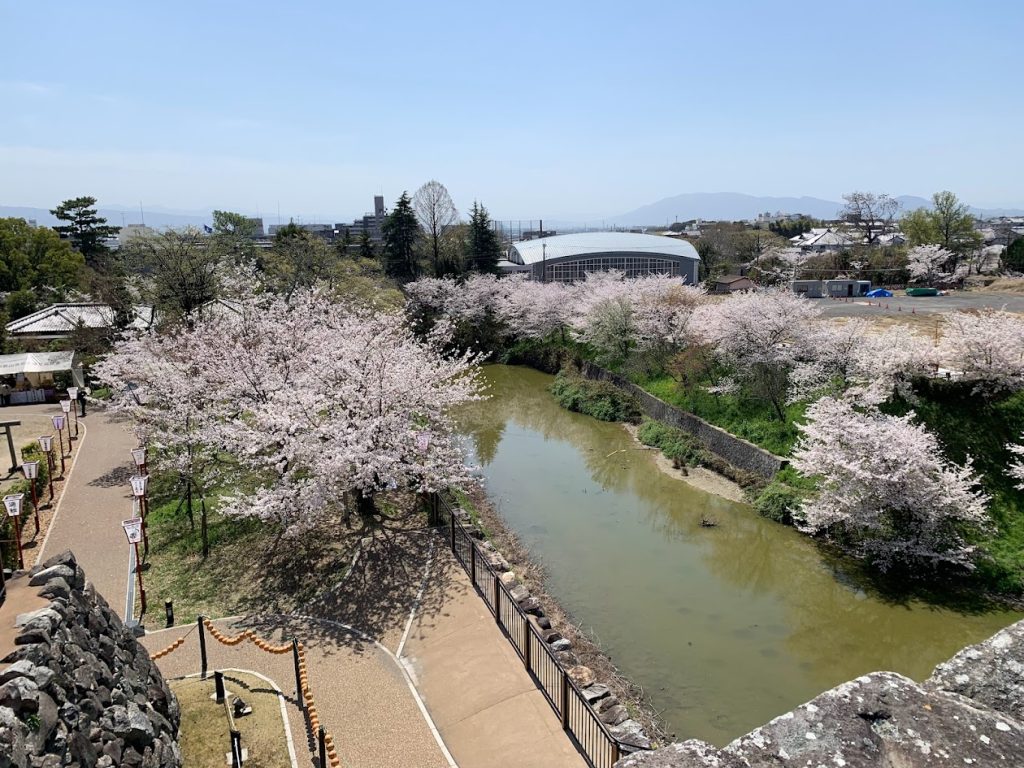
Here is a photo taken from the castle tower base, looking east during the cherry blossom peak season.
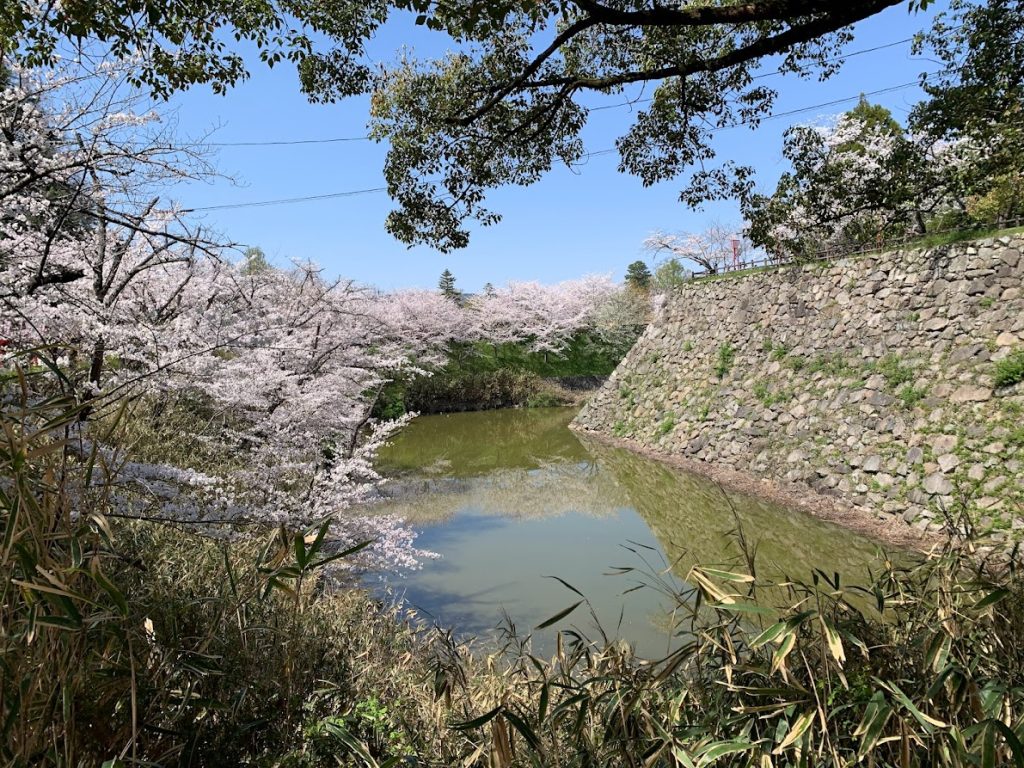
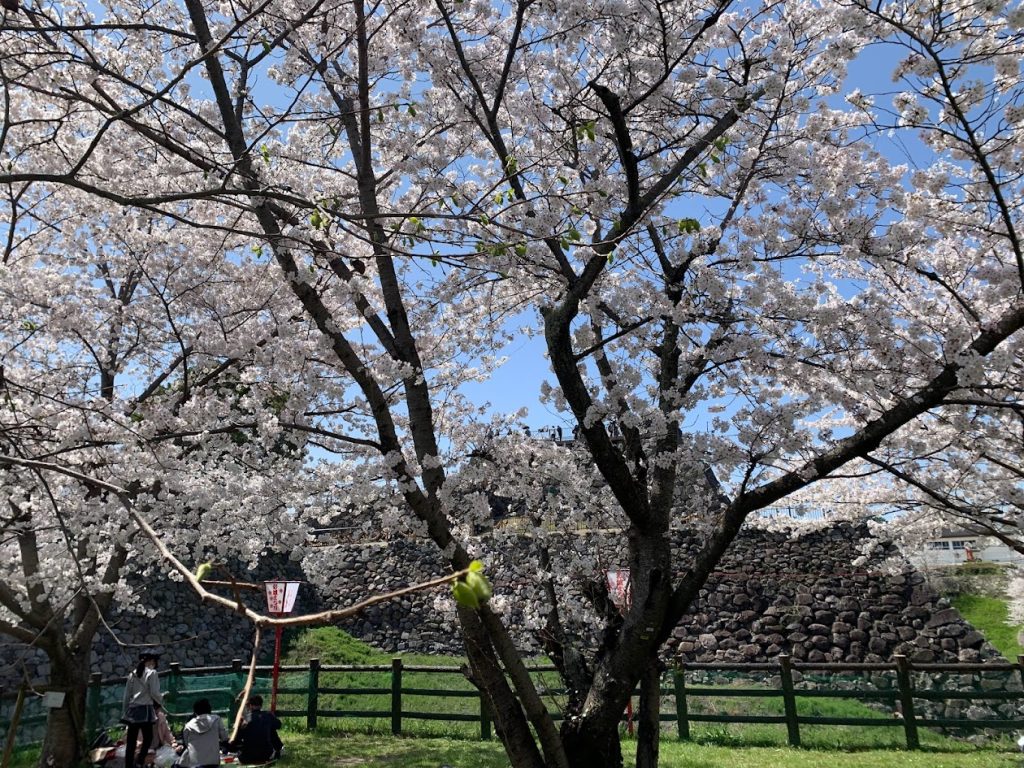
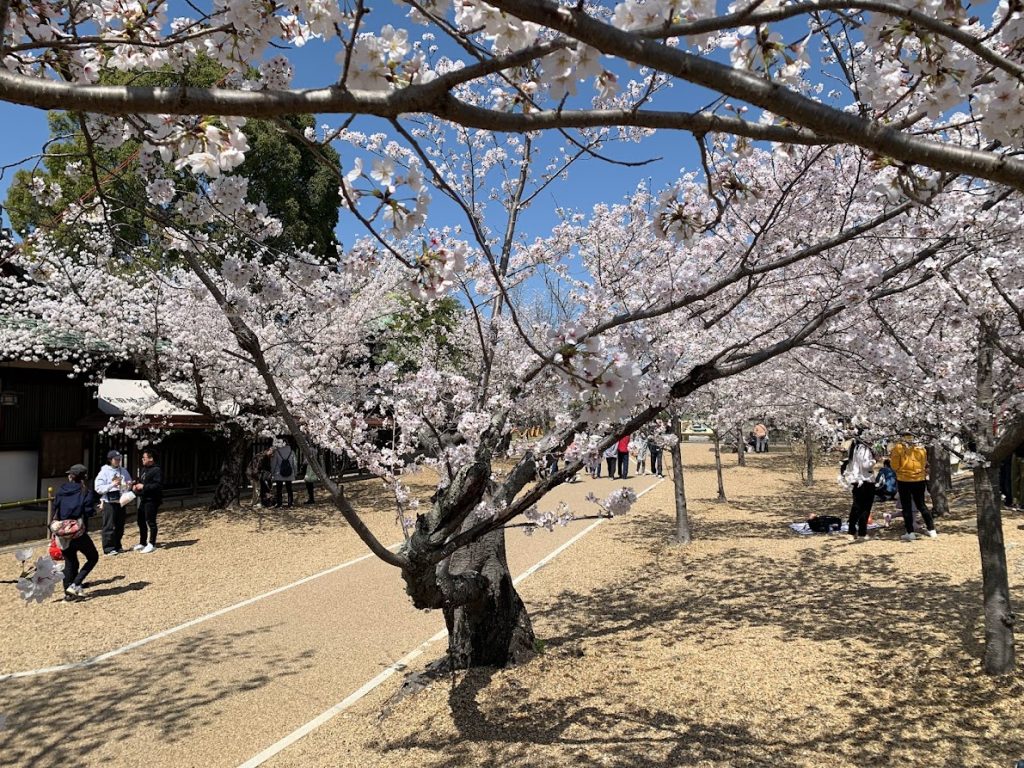
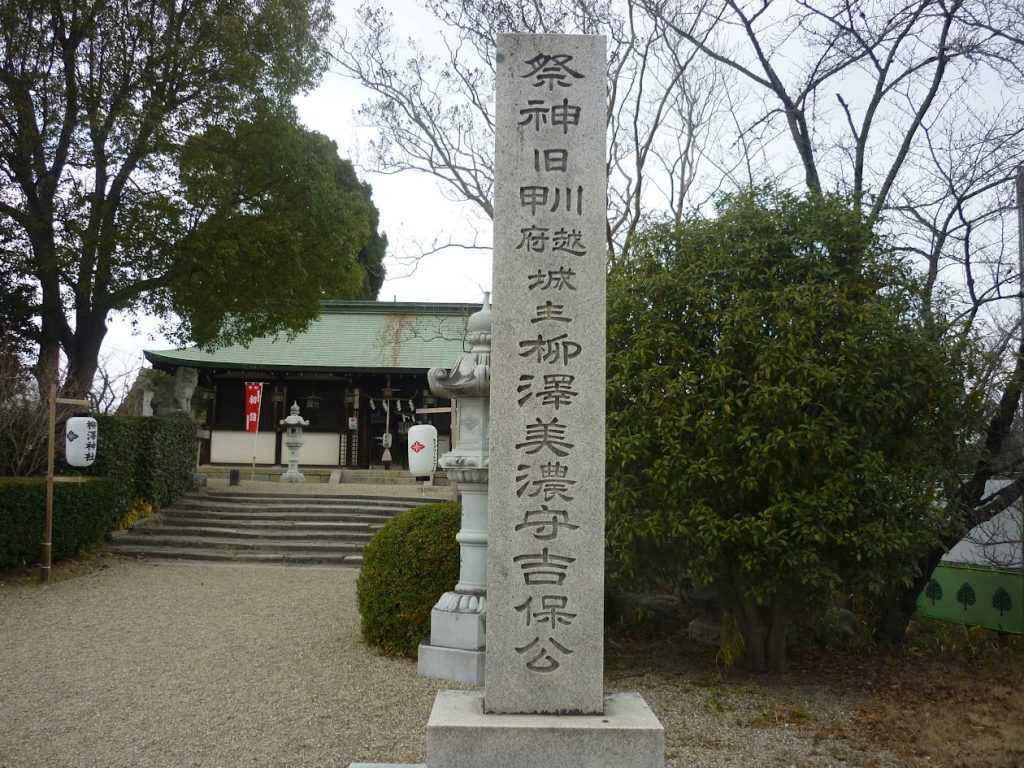
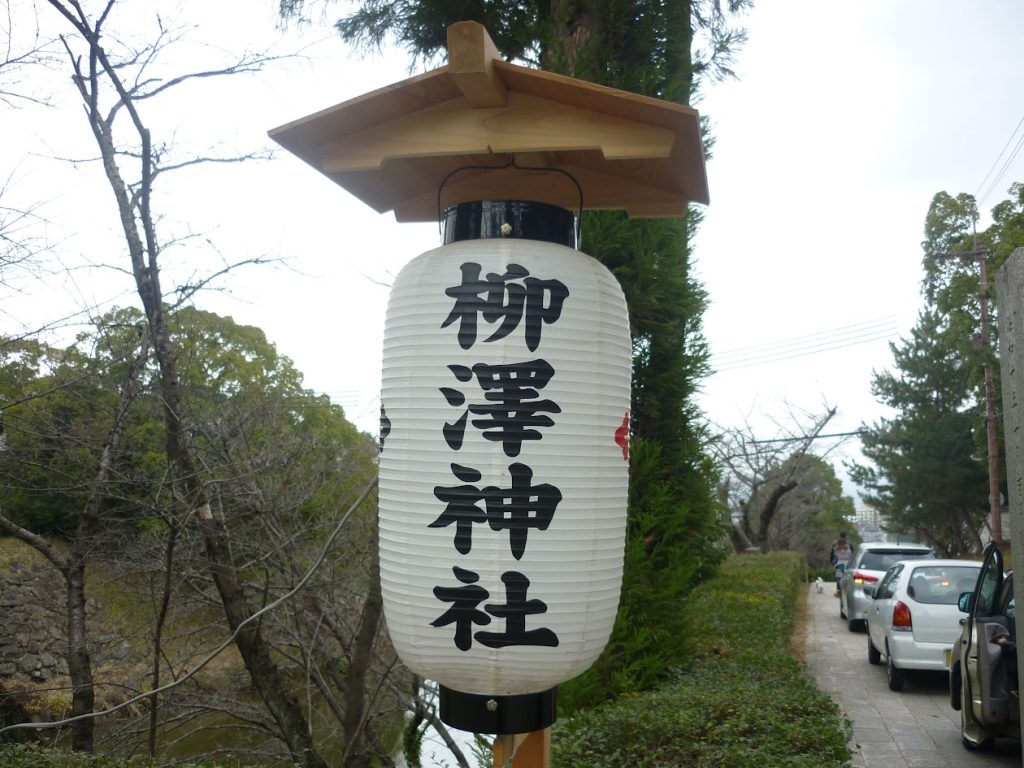
This is Yanagisawa Shrine located in the castle.
The Yanagisawa family served as the lords of Koriyama Castle from 1724 until the end of the Edo period.
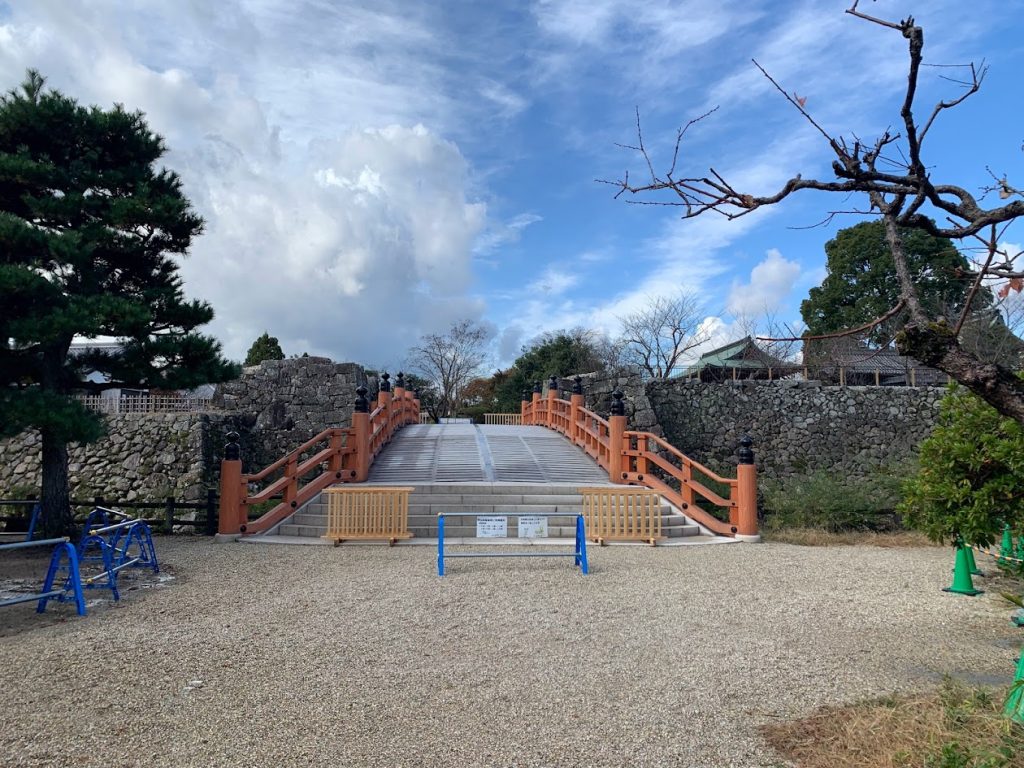
Gokuraku Bridge was restored in 2021.
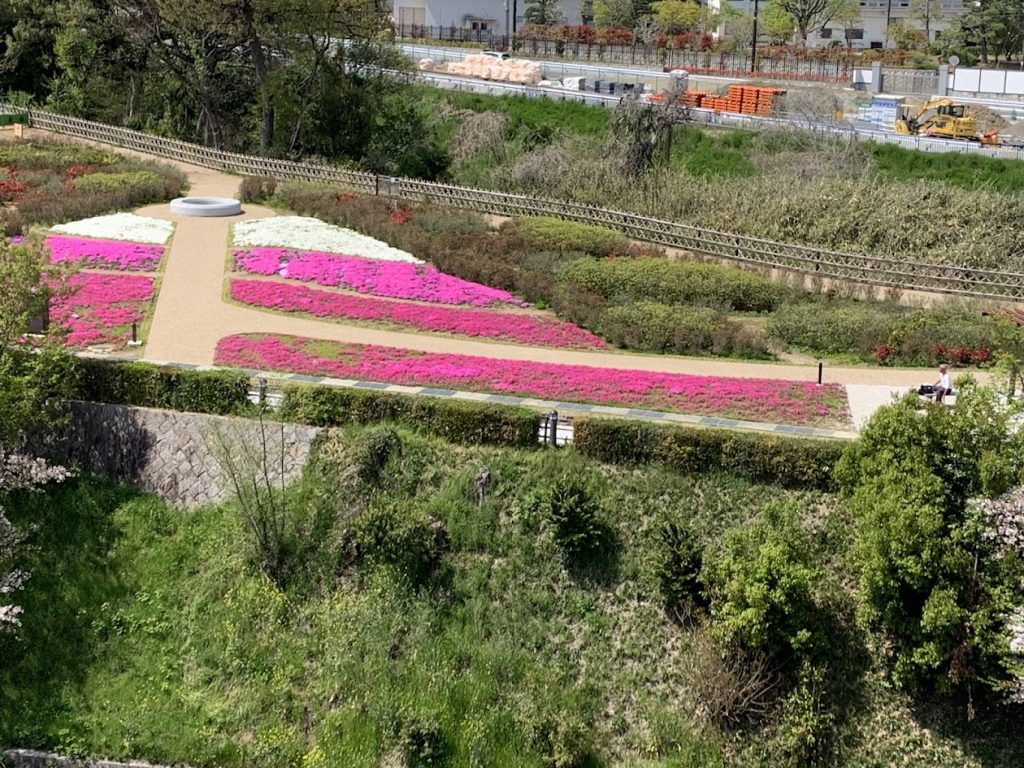
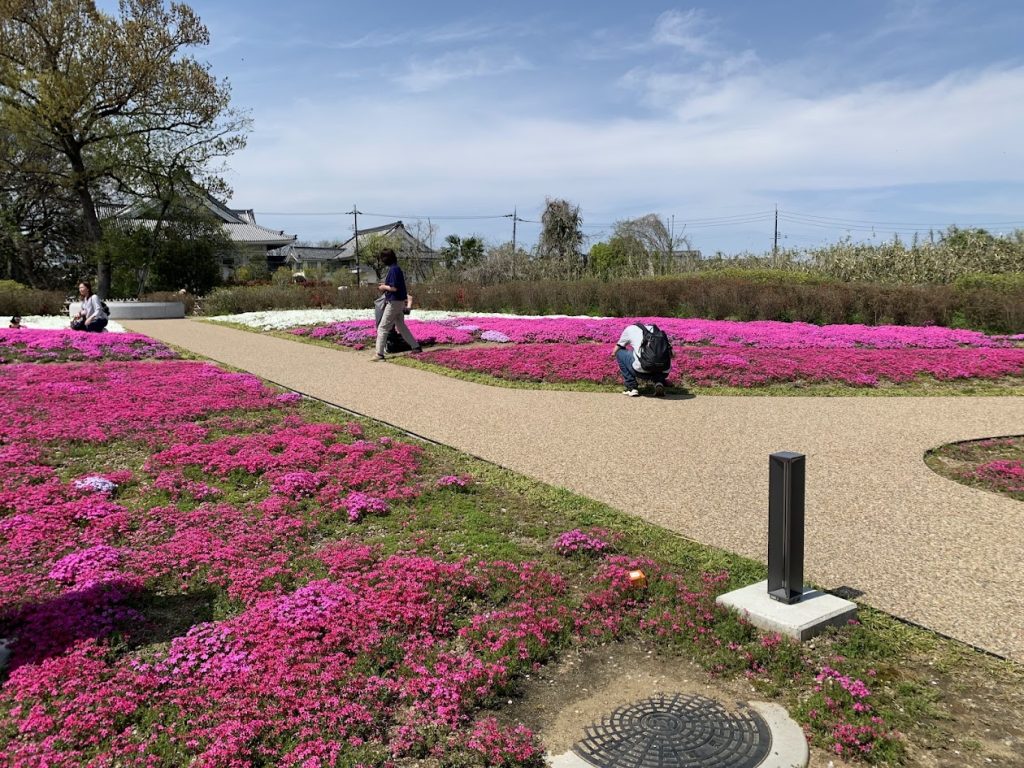
The shibazakura is in bloom.
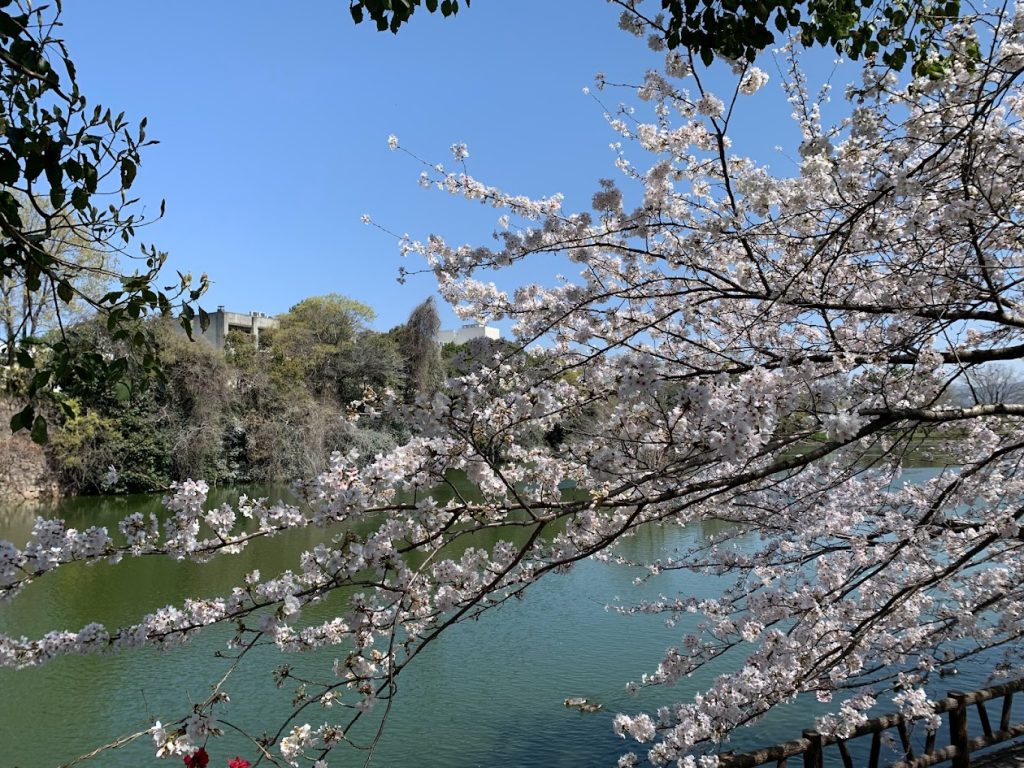
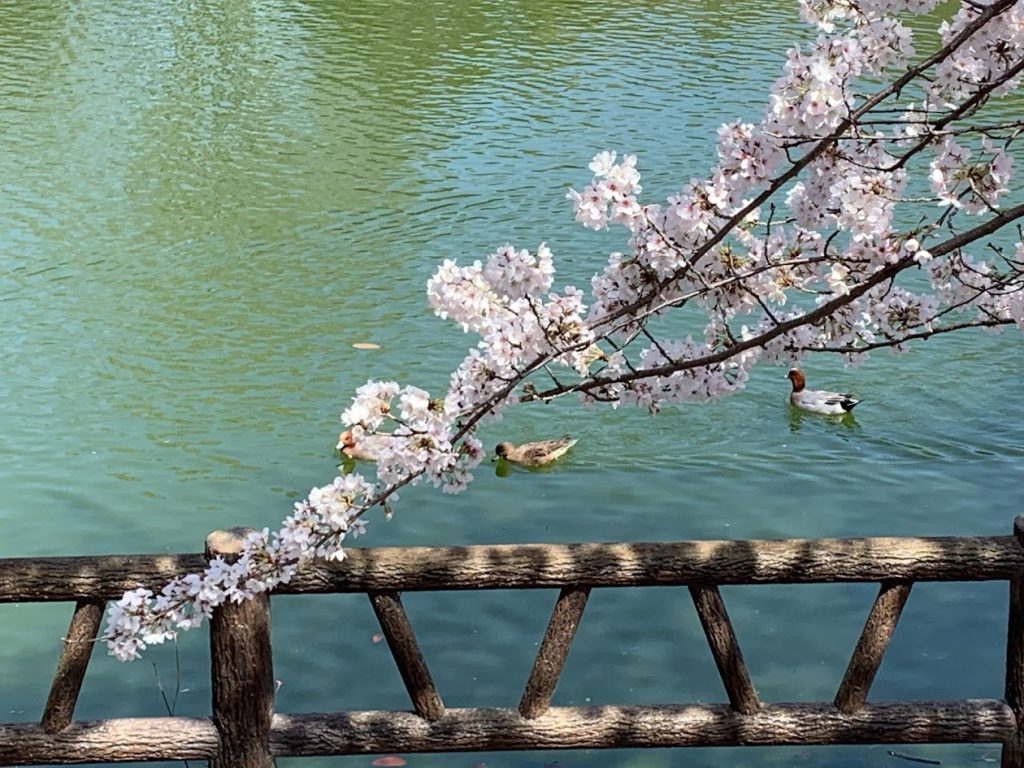
Heron Pond and Waterfowl
This is a moat located on the south side of the Second Enclosure.
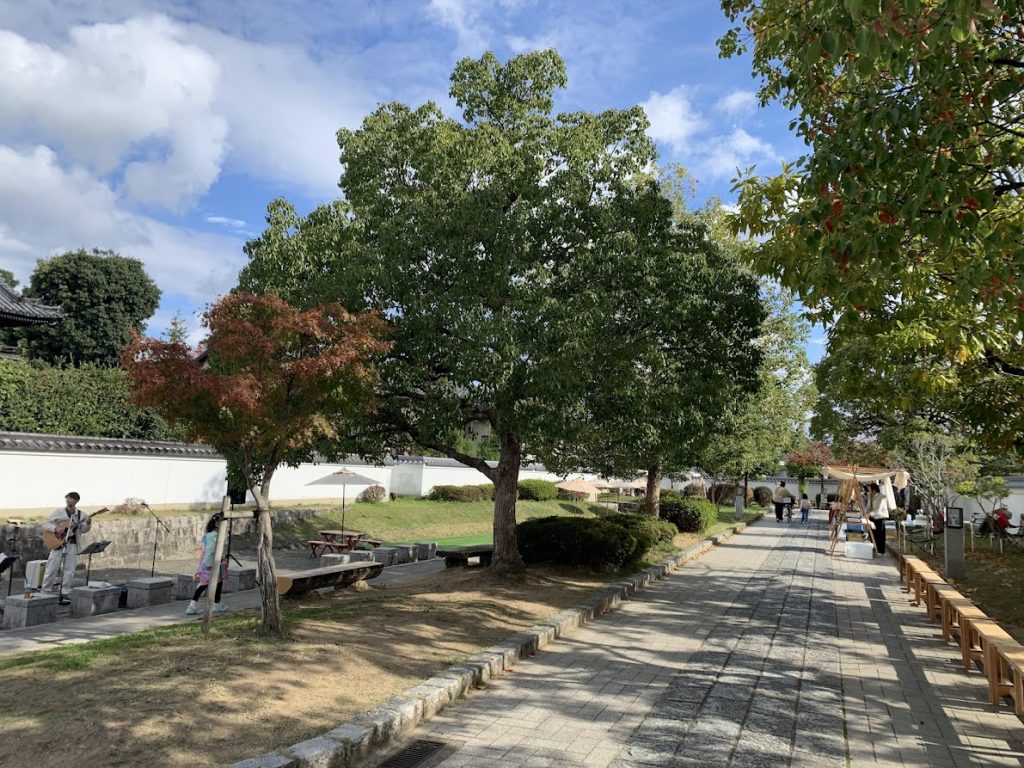
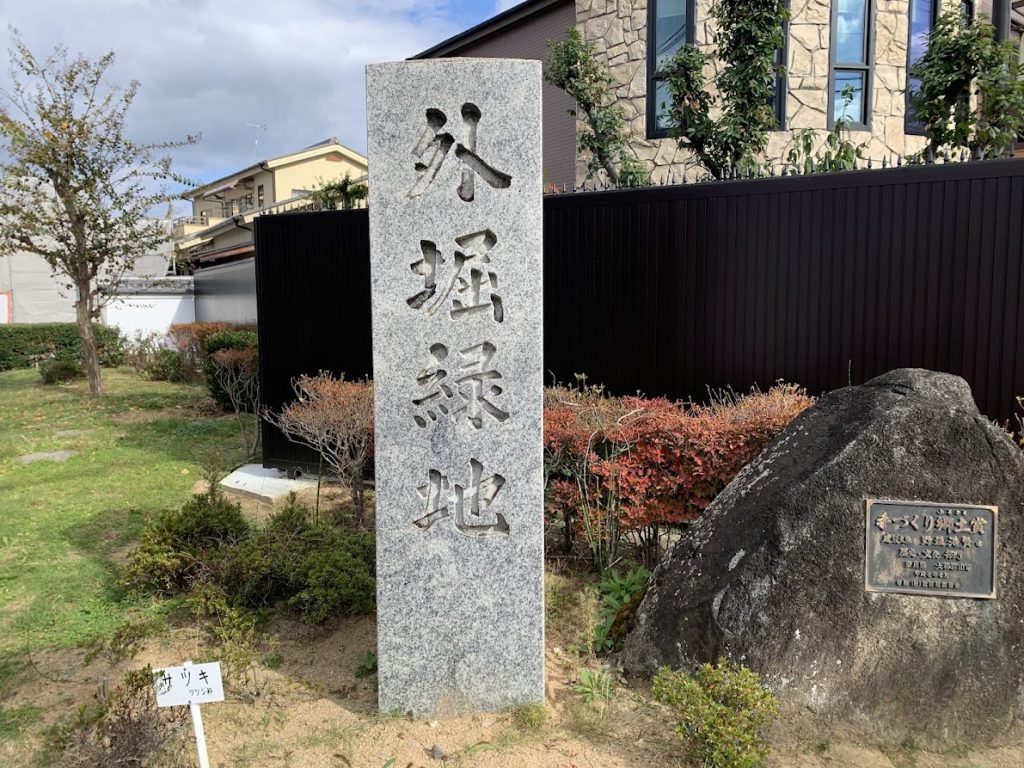
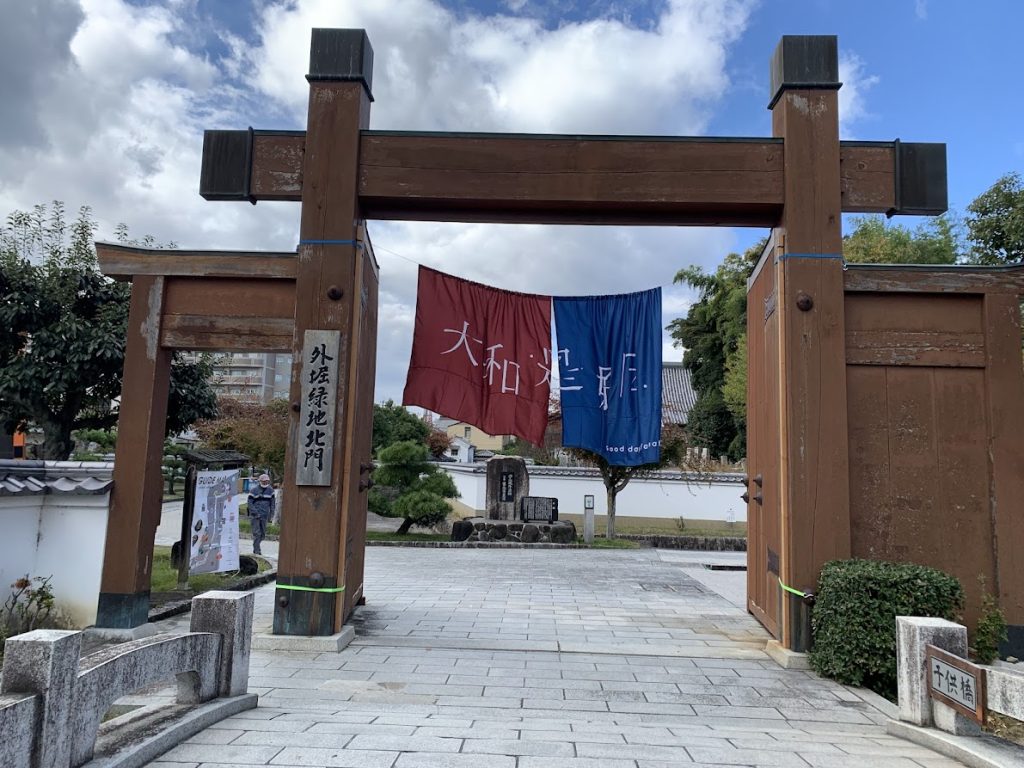
Outer Moat Green Space
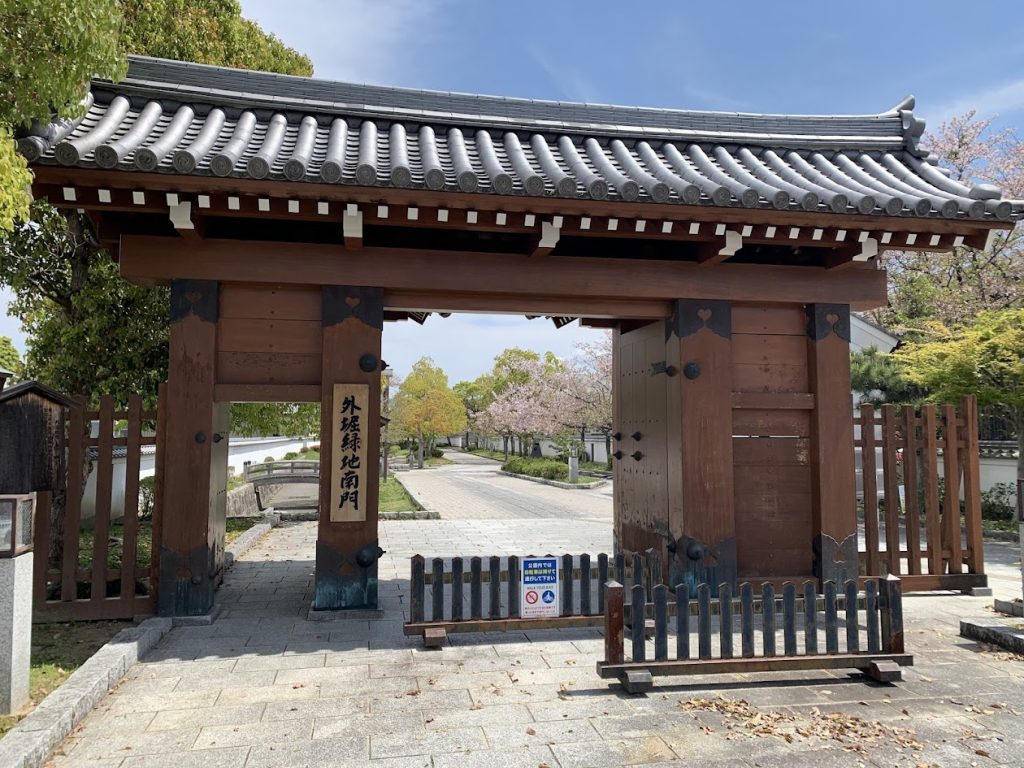
The south gate of the outer moat green space.
The outer moat extended 5.5 km.
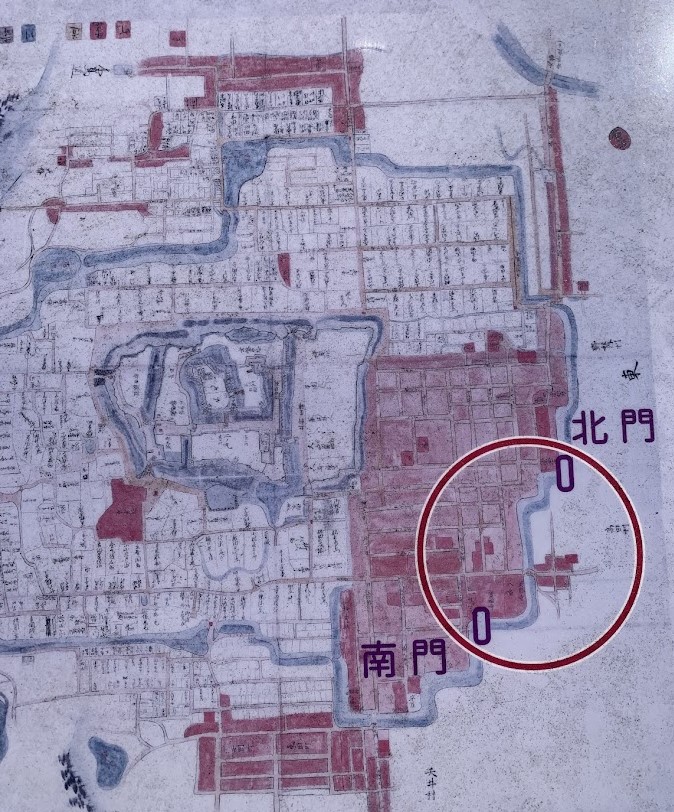
This is a street corner guide.
The area enclosed in a red circle is currently developed as the “Outer Moat Green Space.”
A long-established traditional Japanese sweets shop
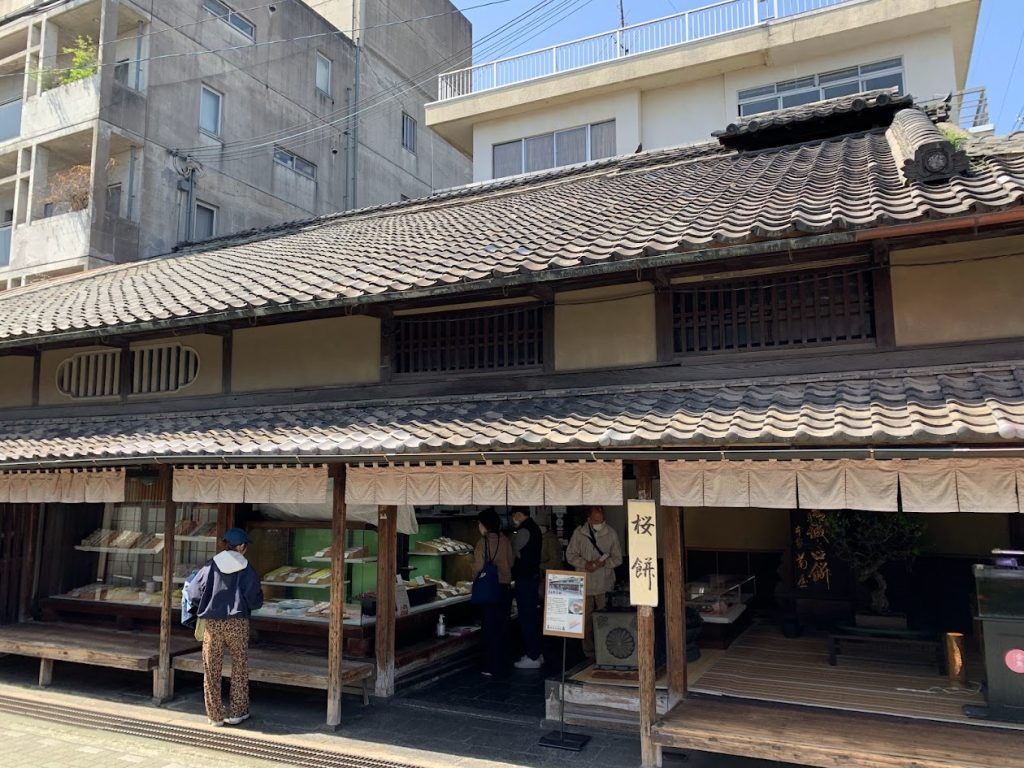
Traditional Japanese sweets shop
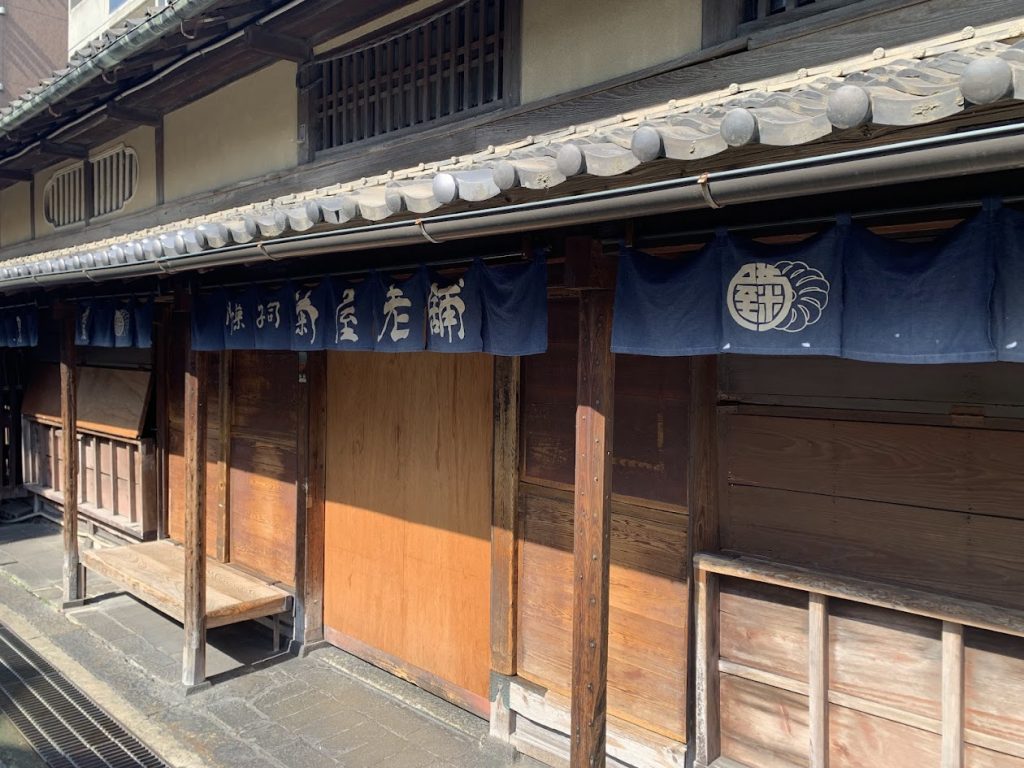
According to the shop’s guide, when Toyotomi Hidenaga hosted a tea ceremony and invited his older brother, Toyotomi Hideyoshi, the founder of the shop presented “sweet rice cakes wrapped in sweet red bean paste and coated with soybean flour.”
Hideyoshi was so pleased with these sweets that he named them “Uguisu-mochi” (Nightingale Rice Cakes).
Goldfish Town
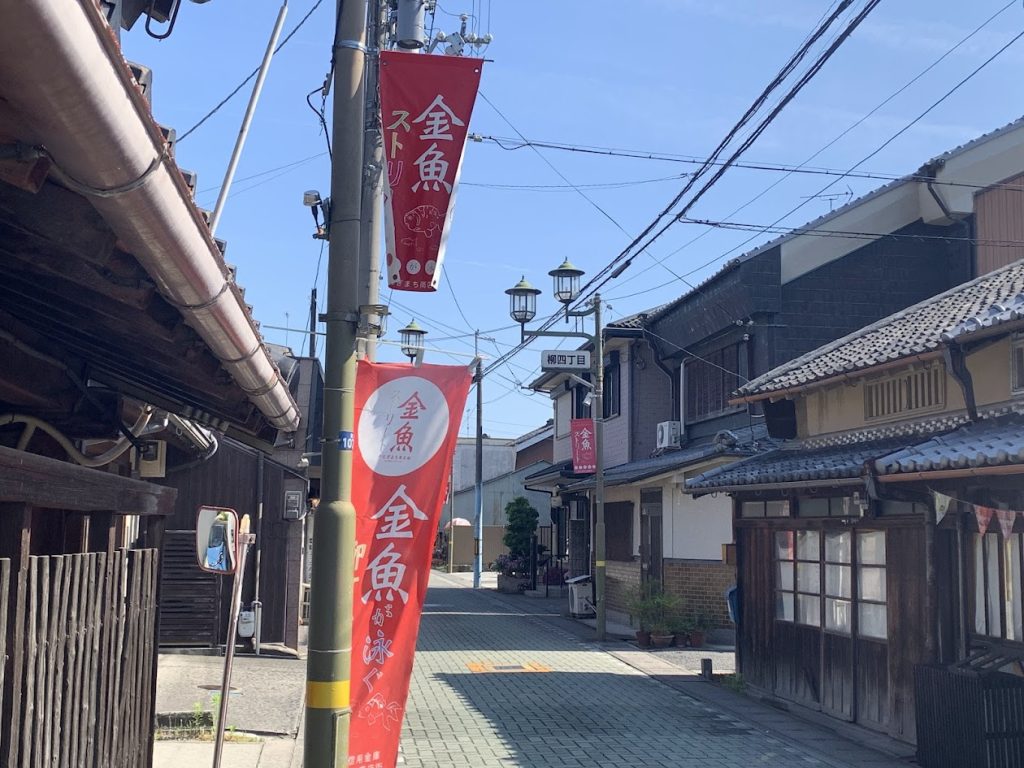
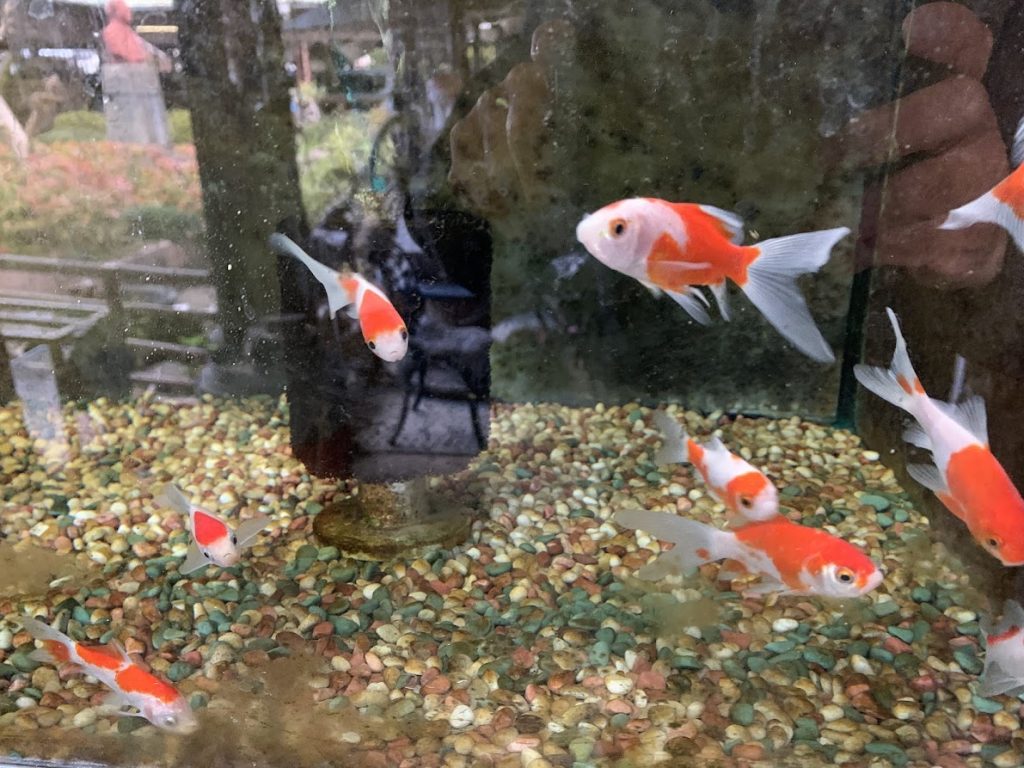
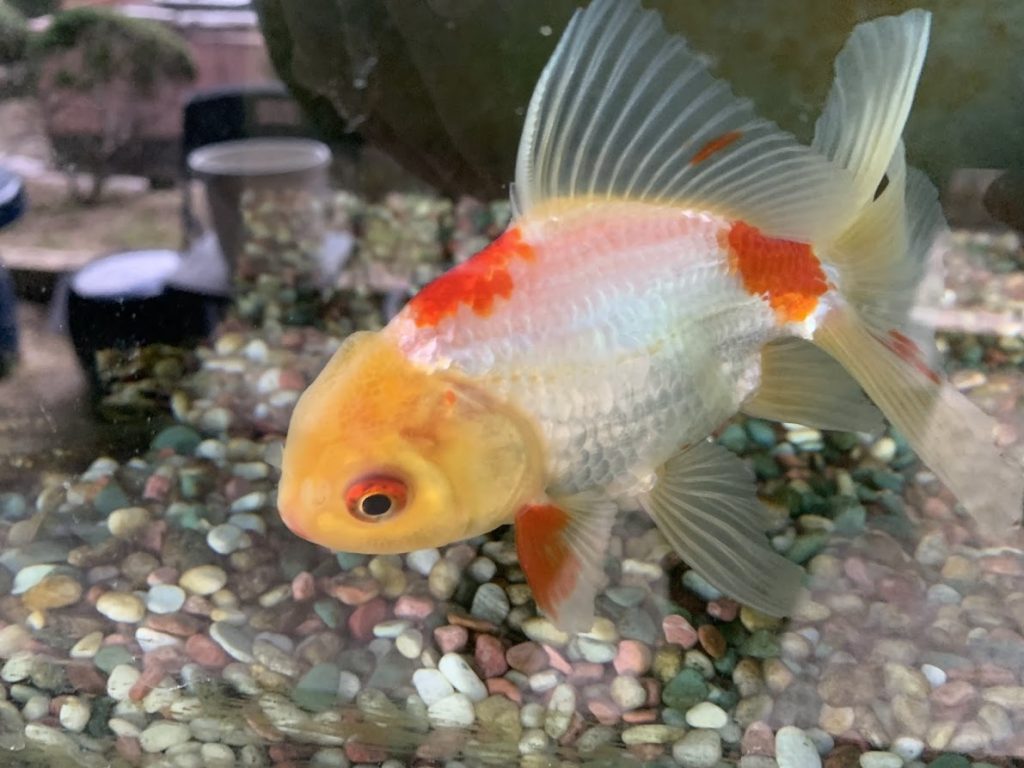
Yamatokoriyama City is known as the “Goldfish Town.”
The history of goldfish in Yamatokoriyama City began in 1724, when the Yanagisawa family became the lords of Koriyama Castle.
About 60 million goldfish are sold each year.
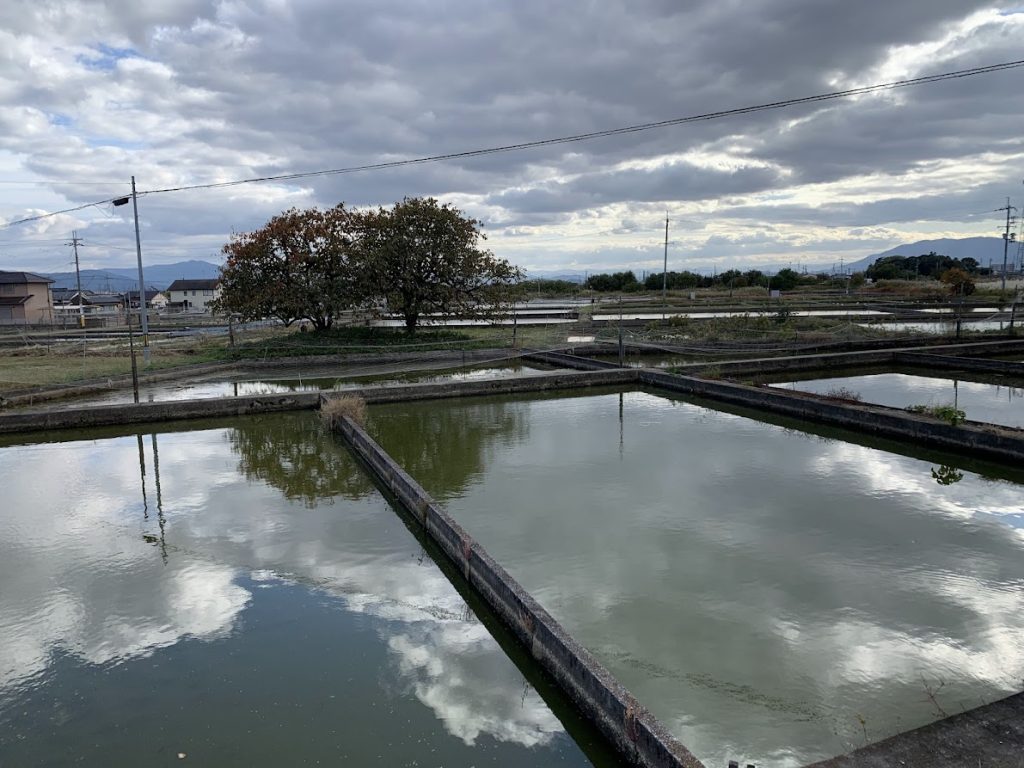
A little away from the station, there are many goldfish ponds.
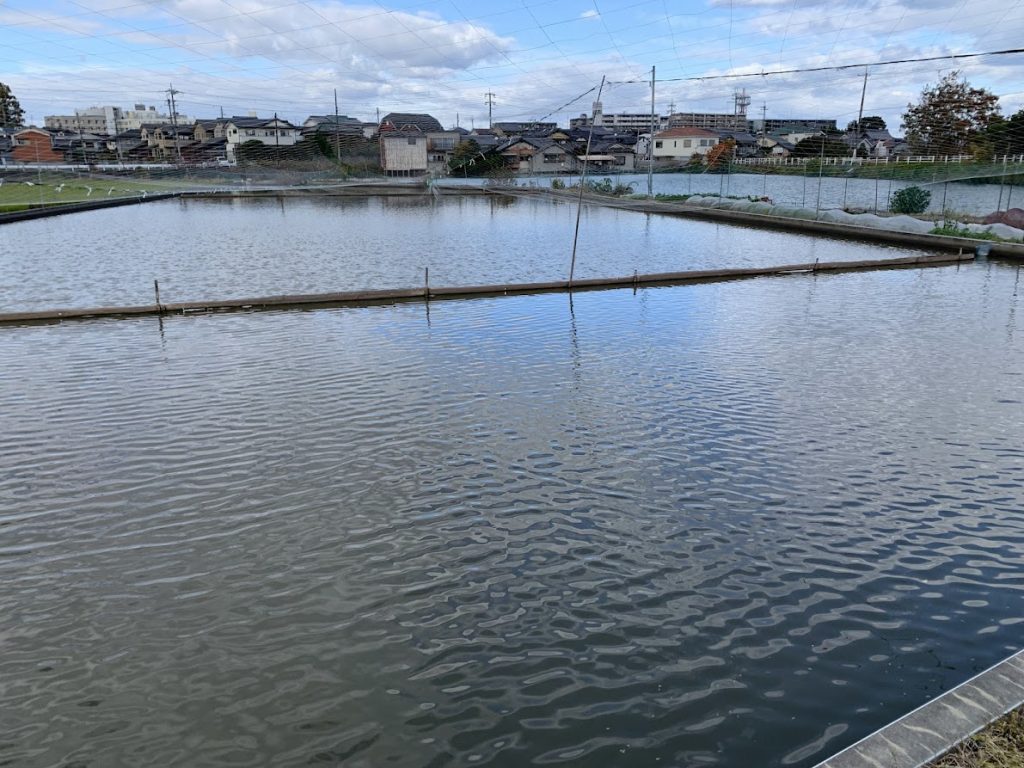
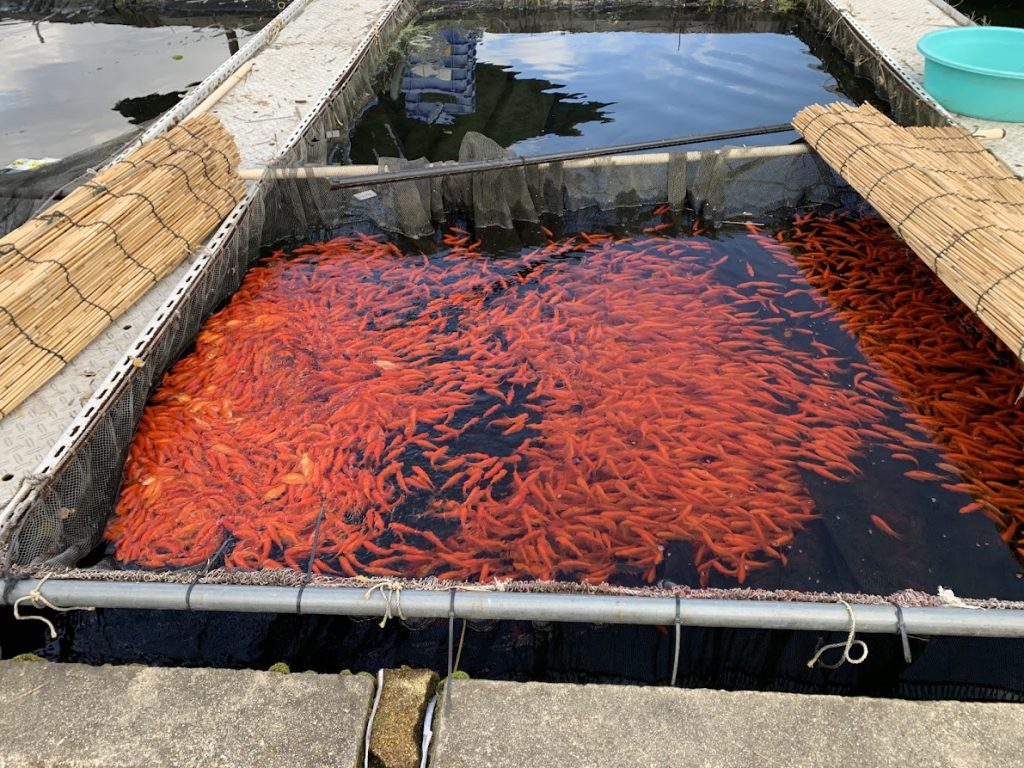
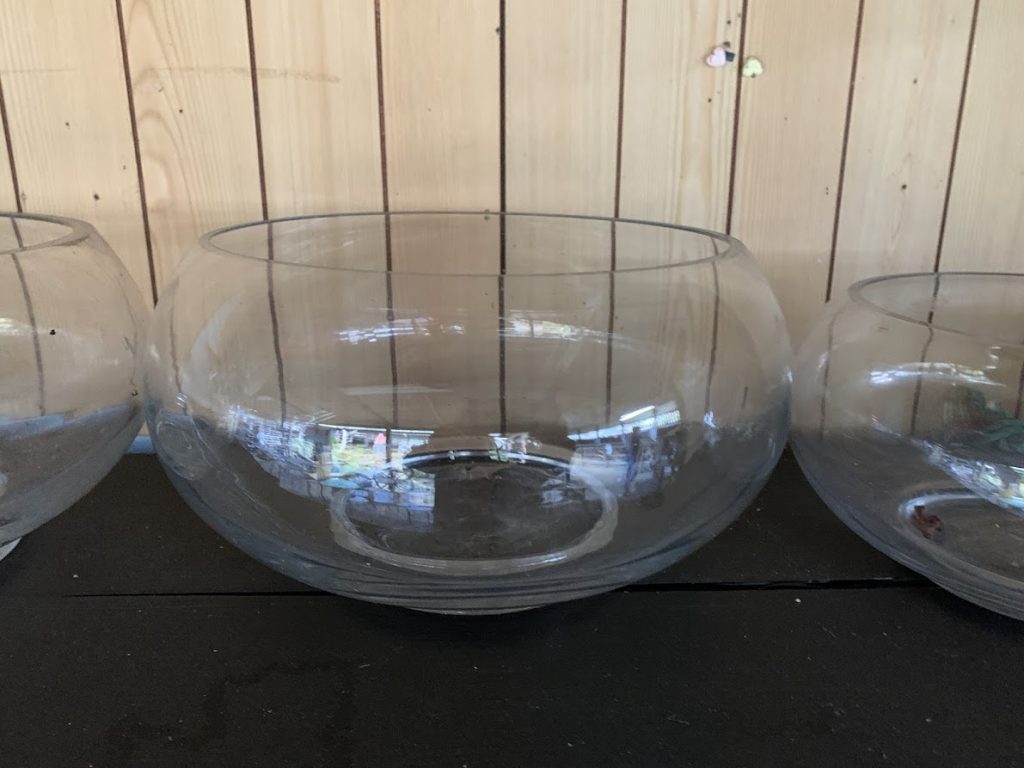
Many goldfish are being bred here.
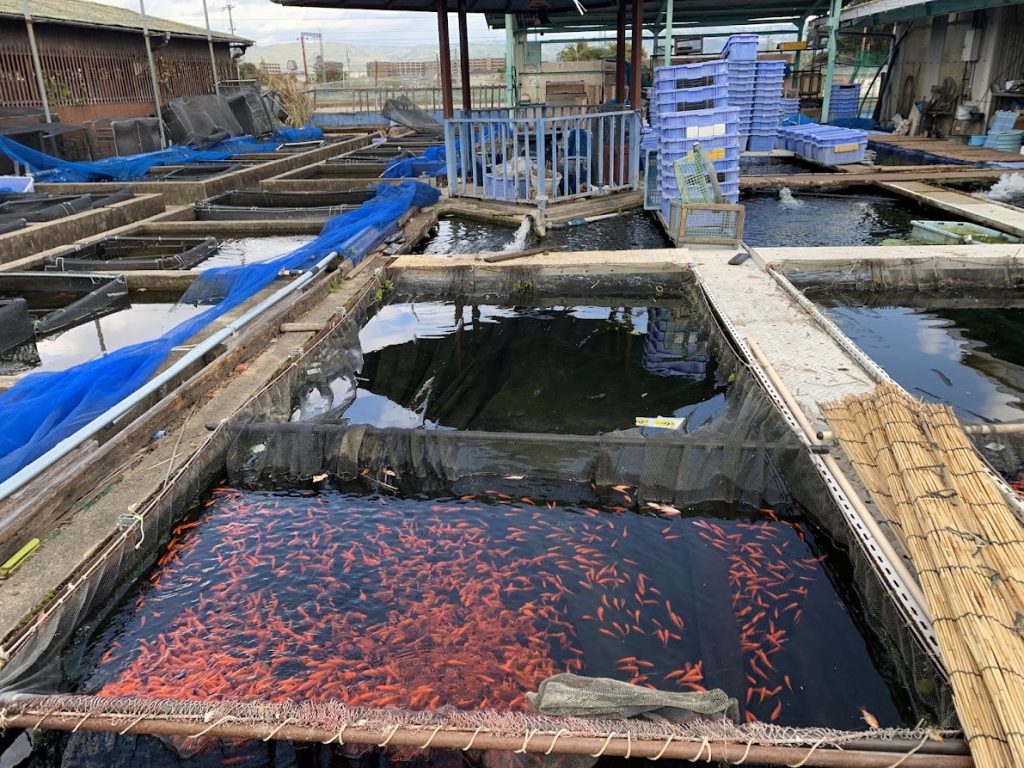
The goldfish used for goldfish scooping.


Genkuro Inari Shrine
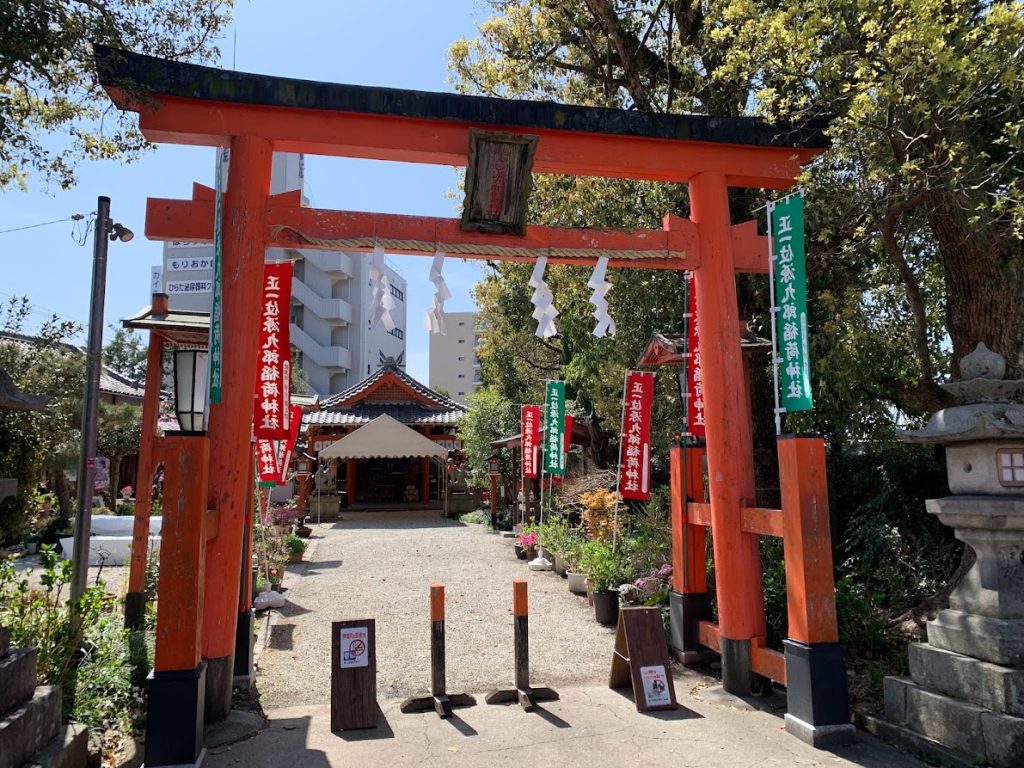
Genkuro Inari Shrine
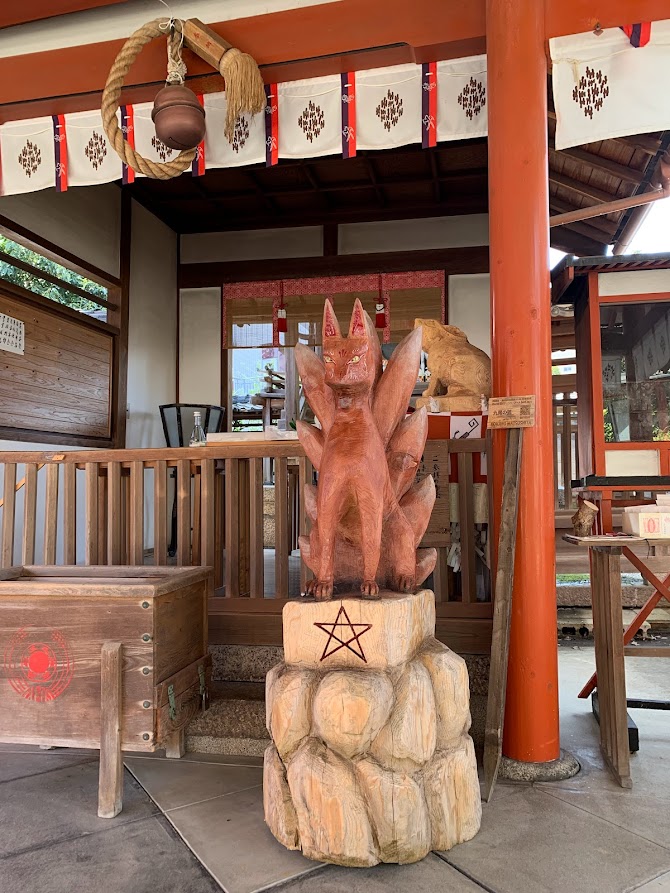
Genkuro refers to the fox deity from the kabuki and bunraku play “Yoshitsune Senbonzakura.” This fox, who transformed into a retainer of Minamoto no Yoshitsune, protected Yoshitsune and Shizuka Gozen while fleeing from Yoshitsune’s brother, Yoritomo. The fox desired Shizuka Gozen’s “Hatsune no Tsuzumi,” a drum made from the skin of the fox’s parents. However, Yoshitsune, grateful for the fox’s protection, named the fox “Genkuro.” This is the origin of the shrine’s name.
When Toyotomi Hideyoshi’s younger brother, Hidenaga, was lord of Koriyama Castle, he wished to make the fox deity the guardian of the castle and relocated the shrine from the bank of the Yoshino River.
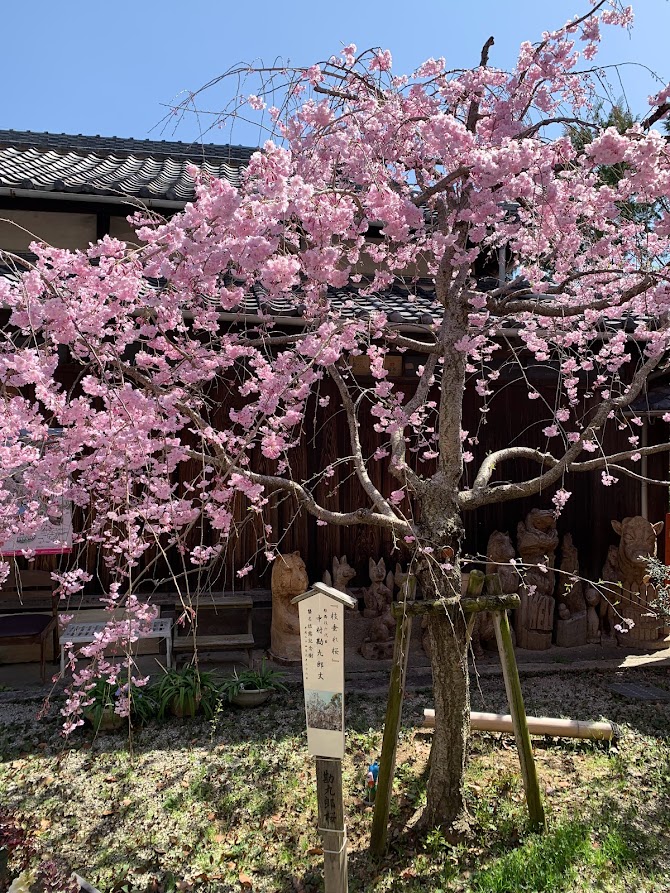
This is a weeping cherry tree planted by the kabuki actor Nakamura Kankuro.
Konyagawa (Konya River)
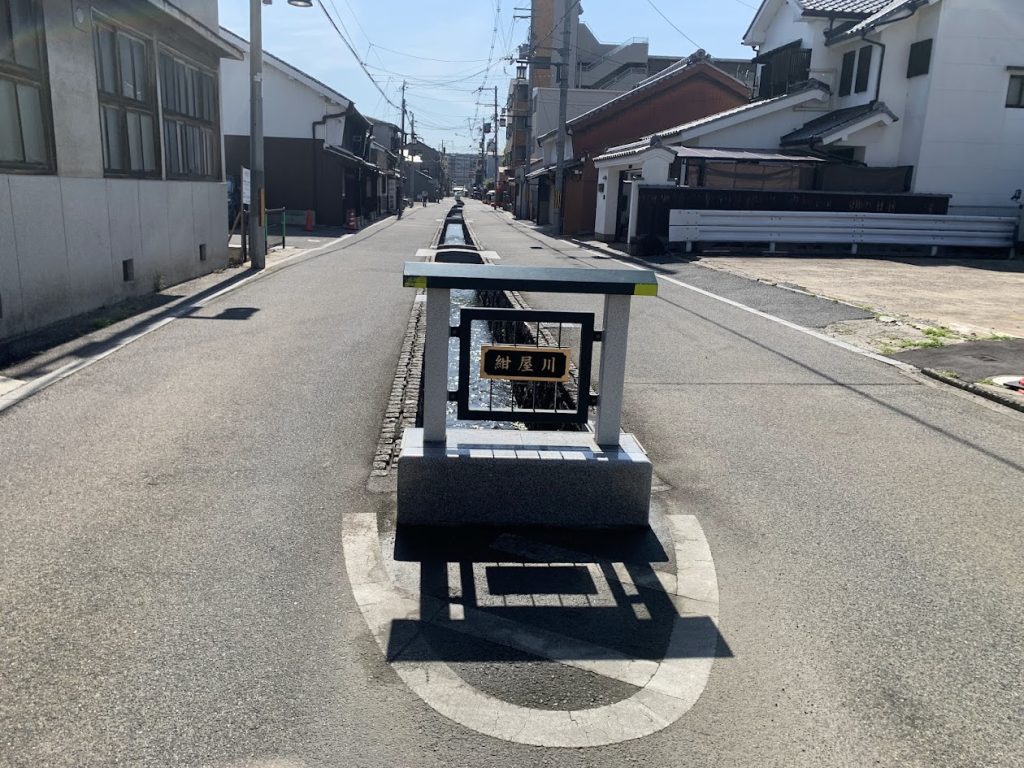
Konyagawa (Konya River) was used for indigo dyeing in the past.
This area is known as Konyamachi (Dyers’ Town).
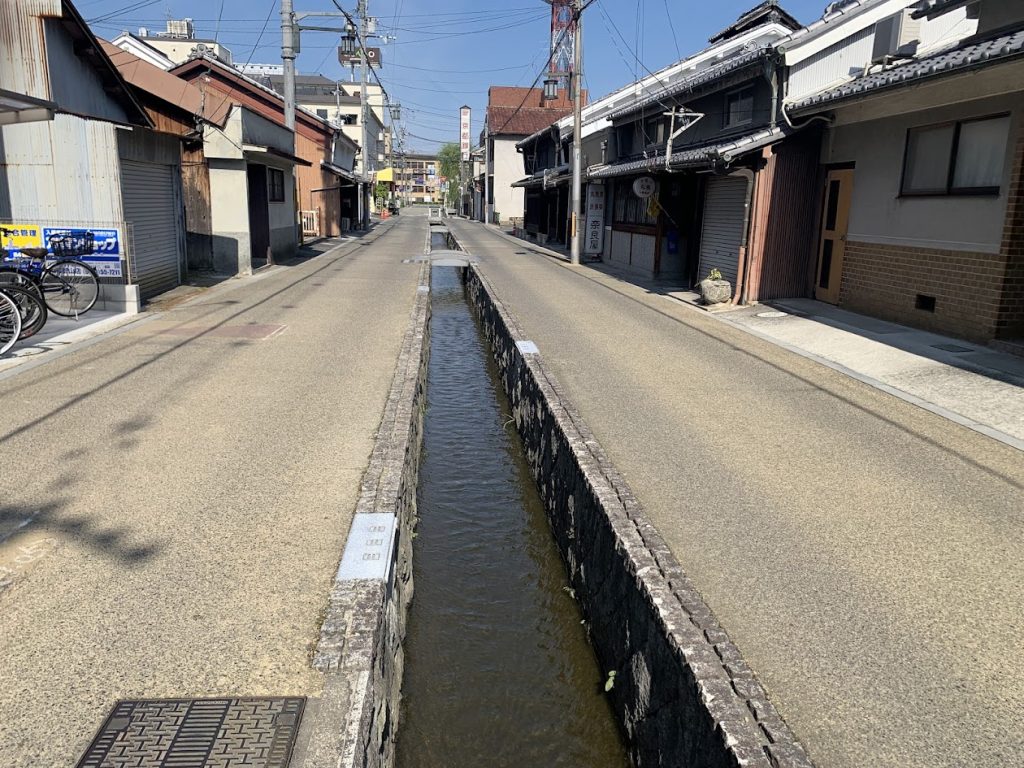
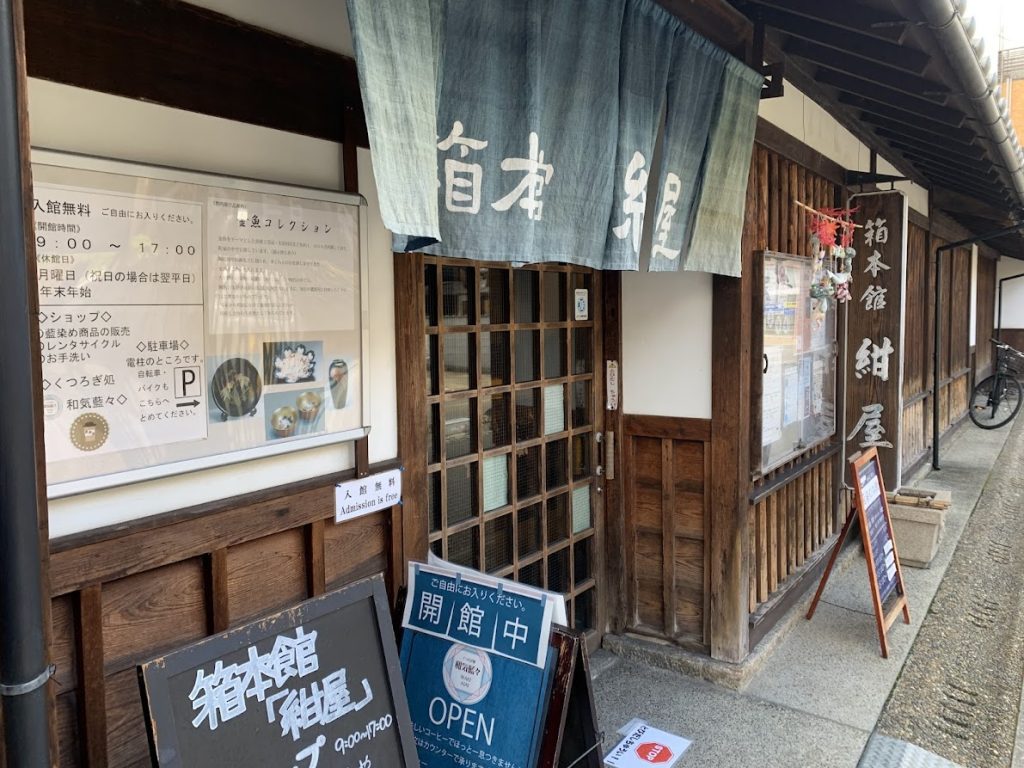
Hakohonkan
They used water from the Konyagawa River for indigo dyeing. Now, it serves as a museum dedicated to indigo dyeing.
Visitors can also experience indigo dyeing themselves.
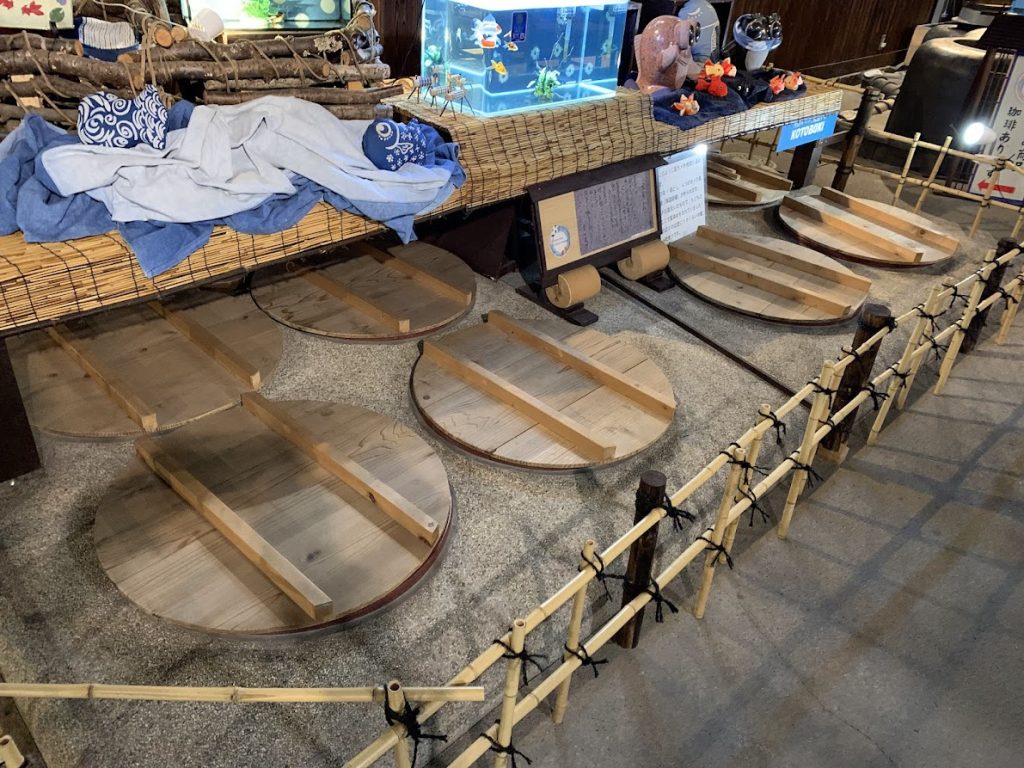
Rows of indigo dyeing vats (kame) are lined up on the floor.
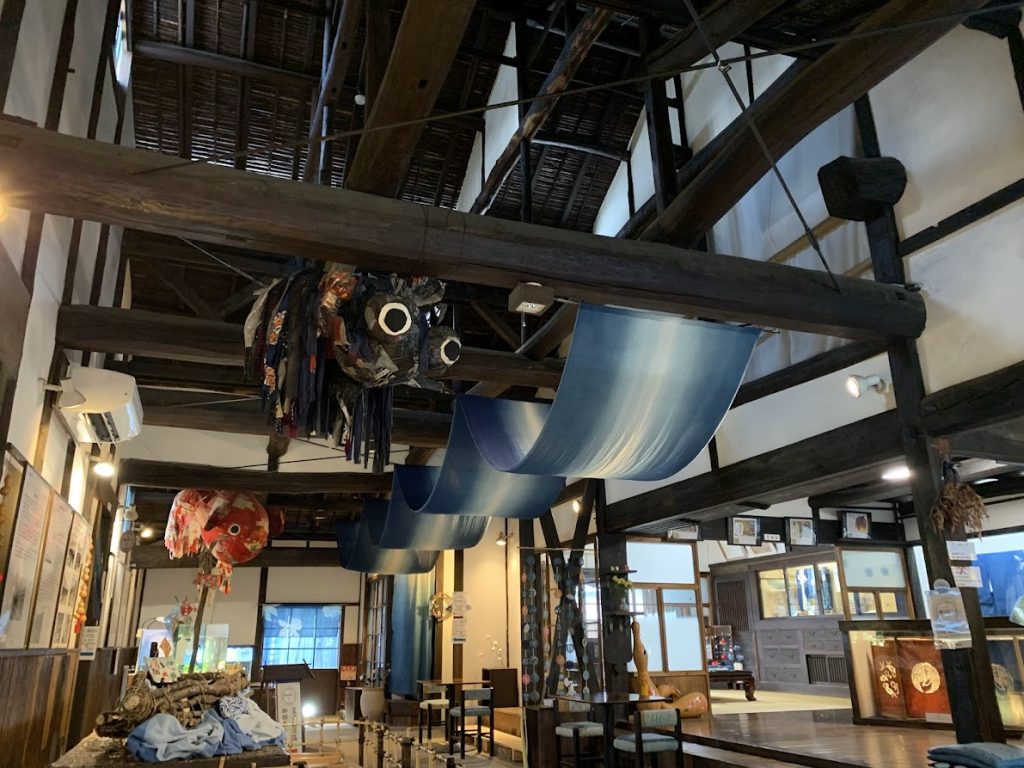
Yamato Koriyama City is known as a goldfish production area.
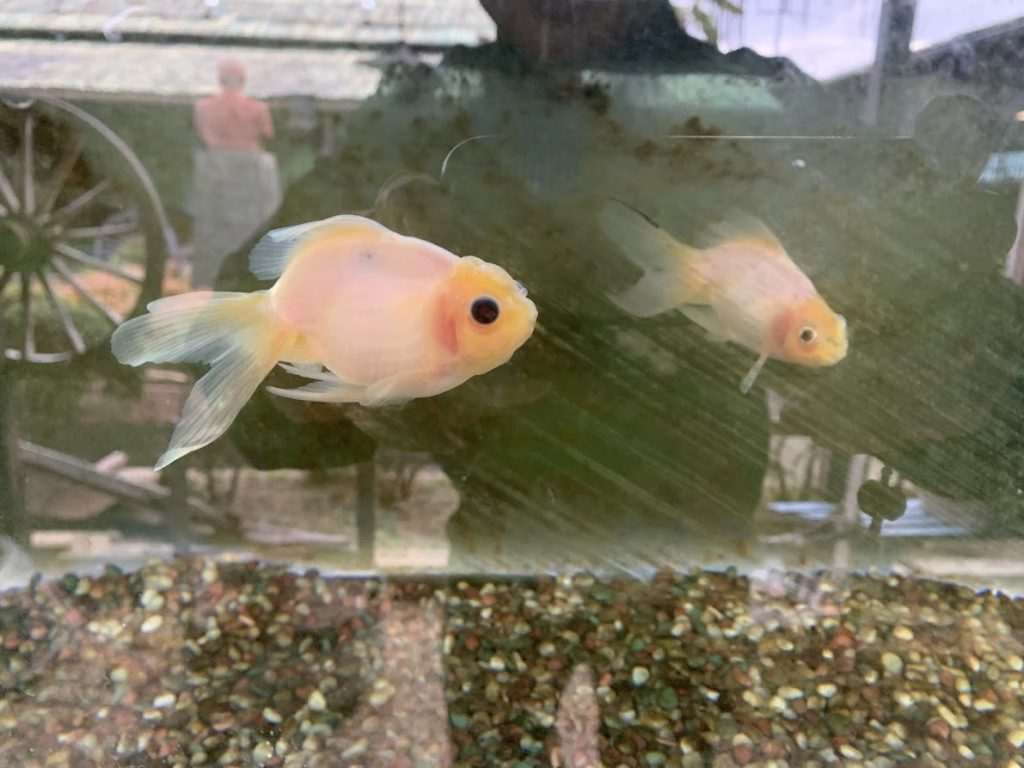
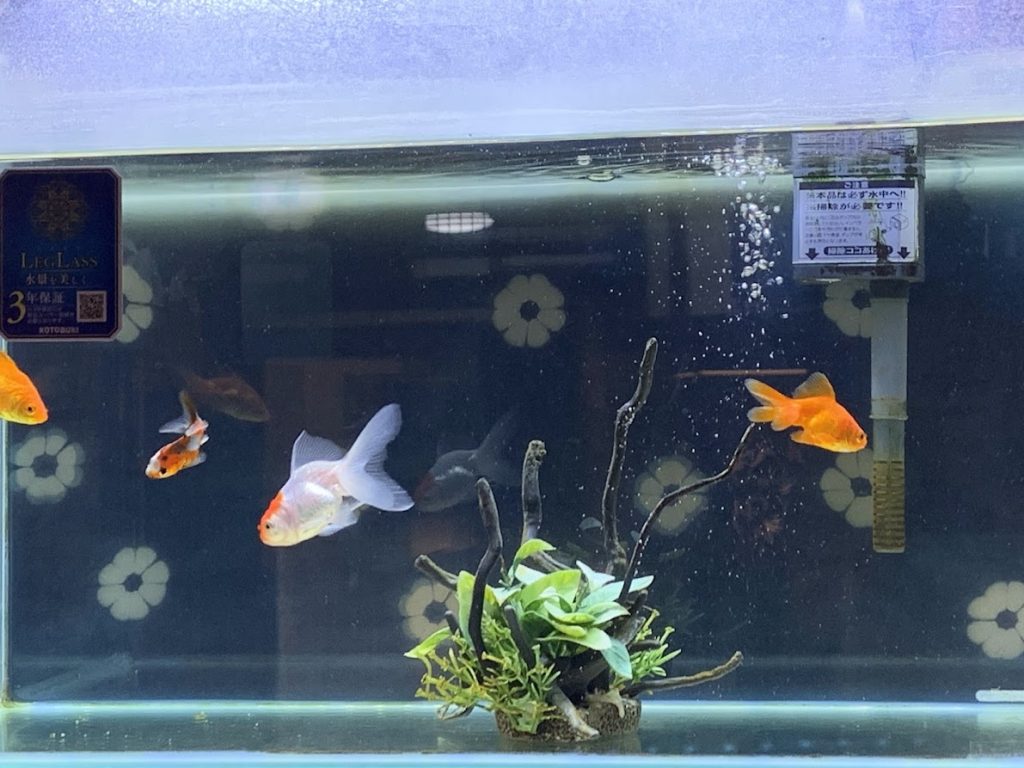
Many goldfish are also kept at Hakohonkan.
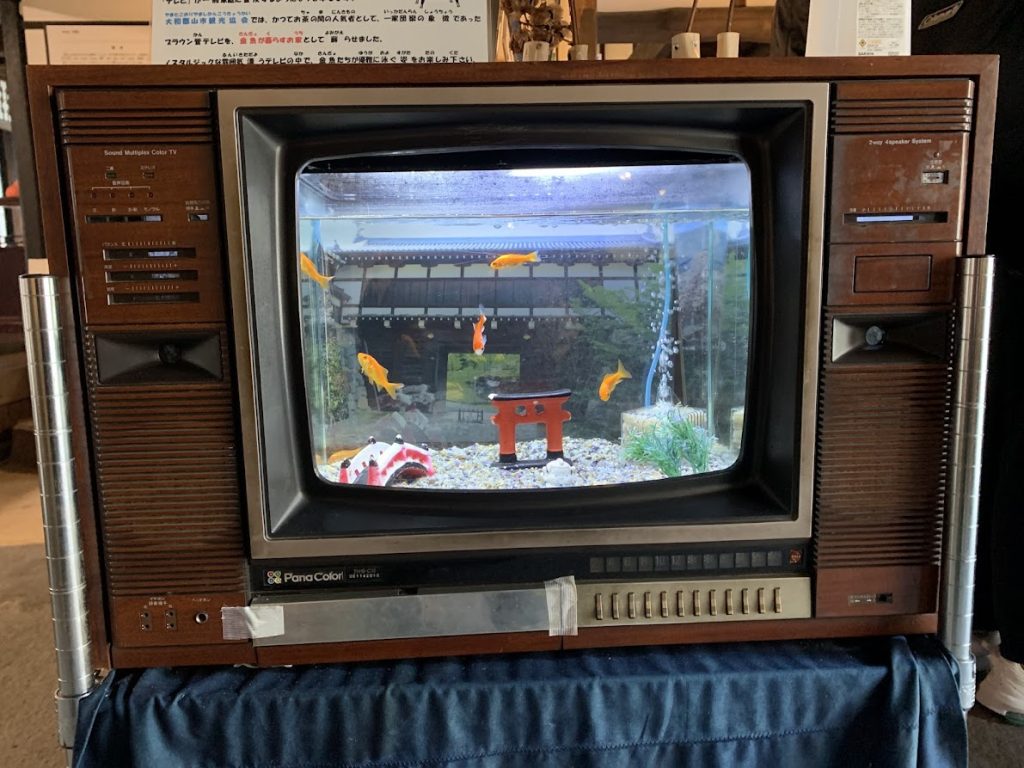
This is a rare old television-shaped aquarium.
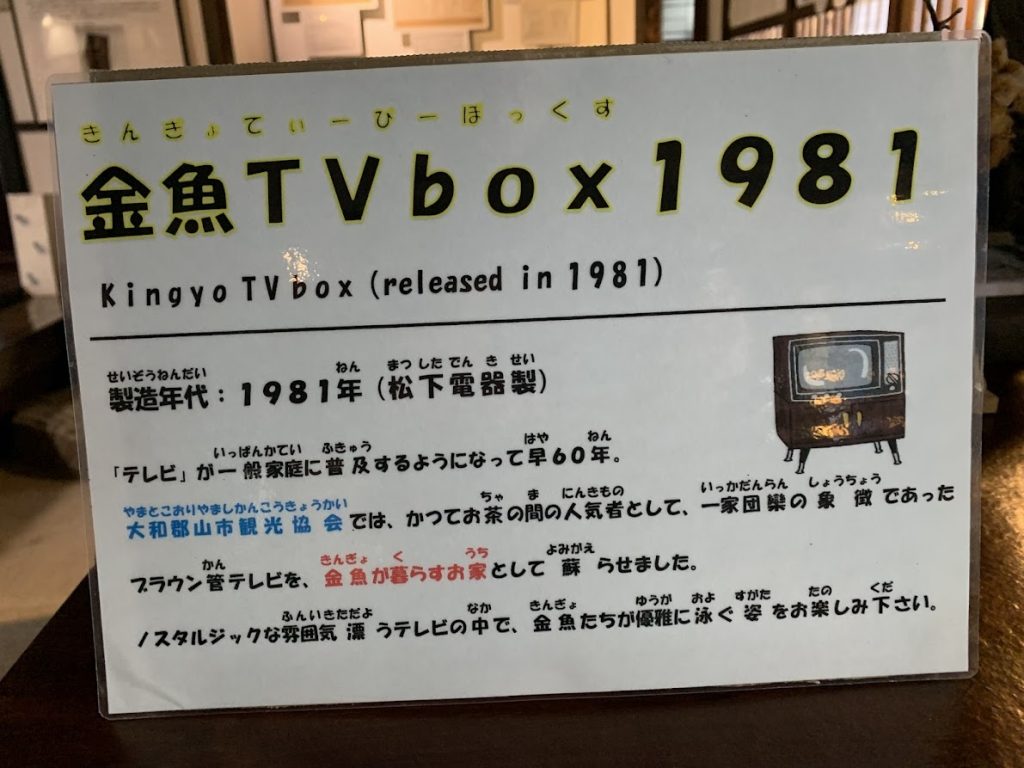
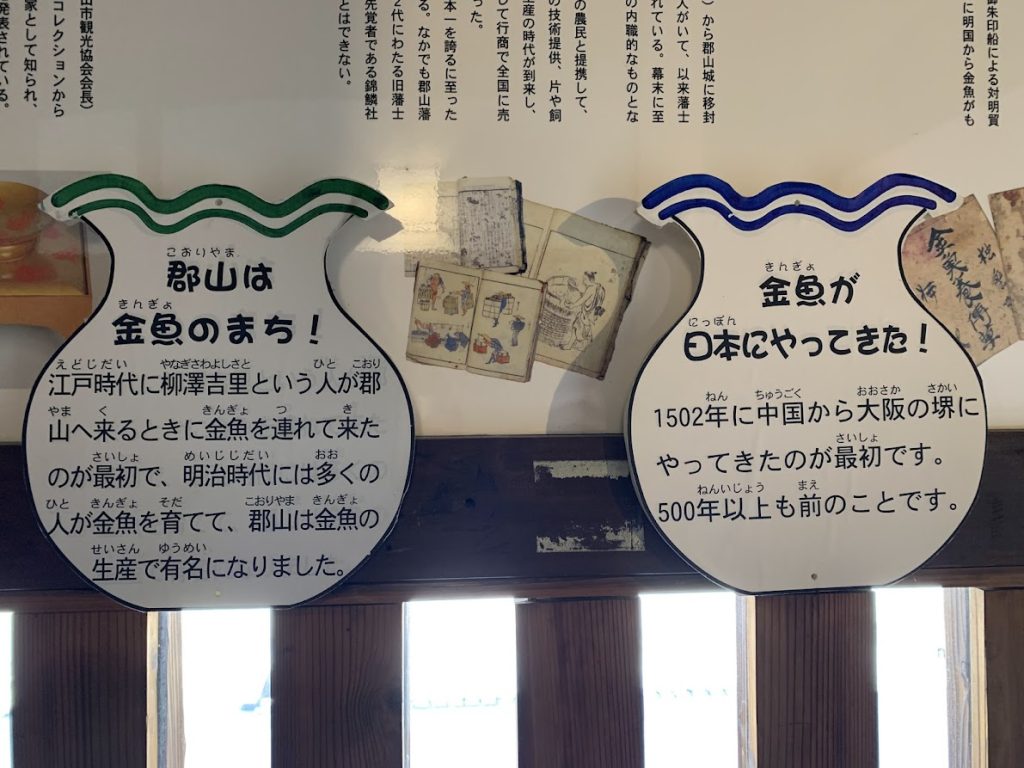
It is said that the tradition began in 1724 during the Edo period when Yoshisato Yanagisawa, the feudal lord, came from Kai Province (now Yamanashi Prefecture) and brought goldfish with him.
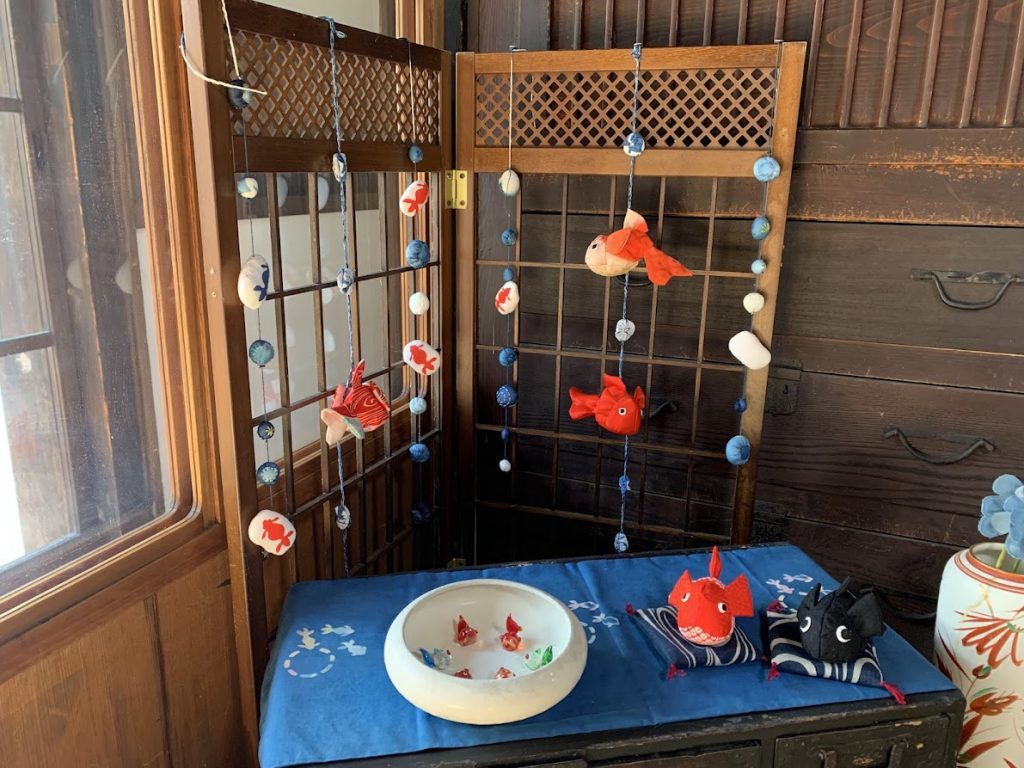
How about taking one home as a souvenir?
Machiya Monogatari-kan
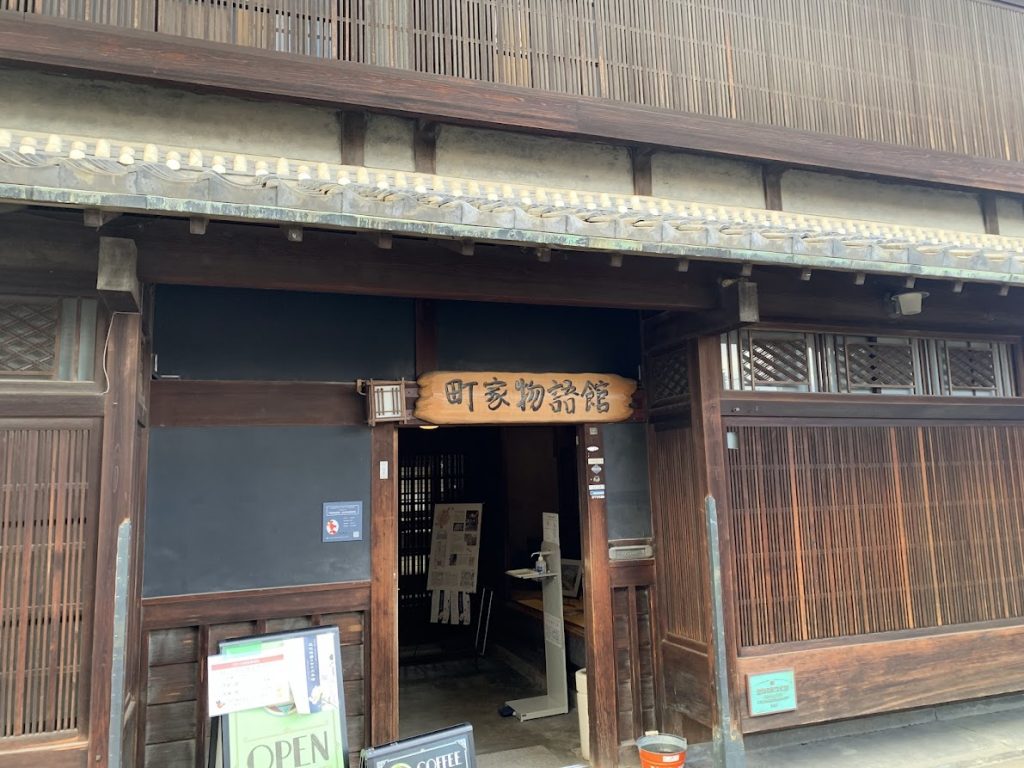
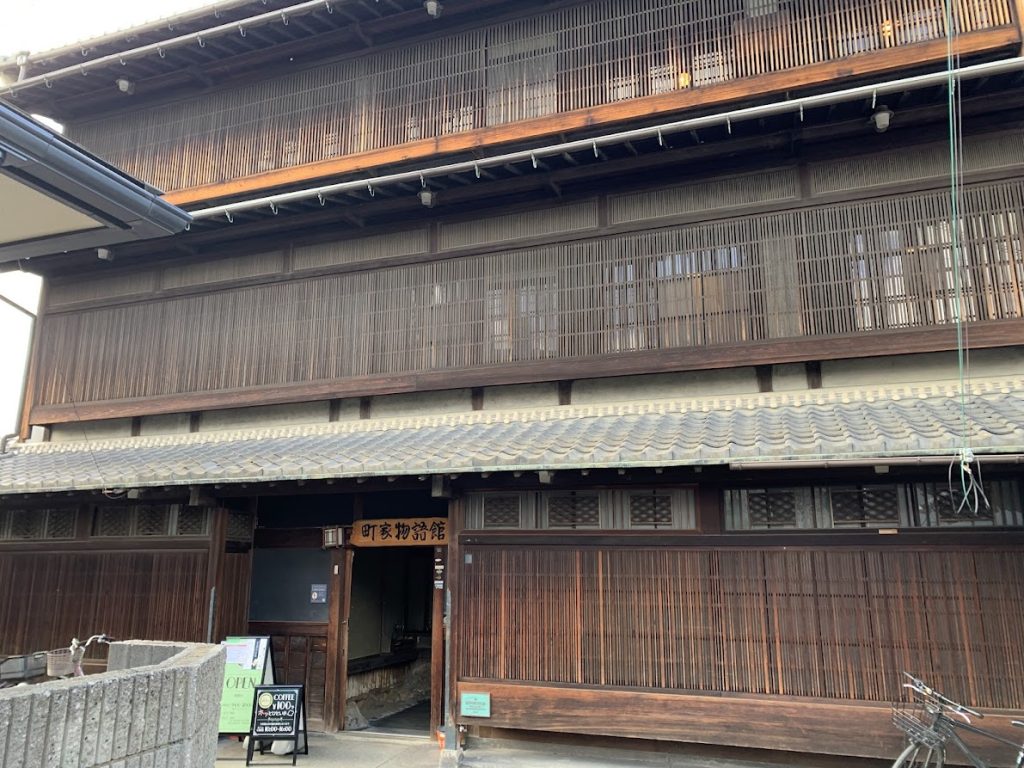
It is the site of a former red-light district.
At one time, it was used as a boarding house.
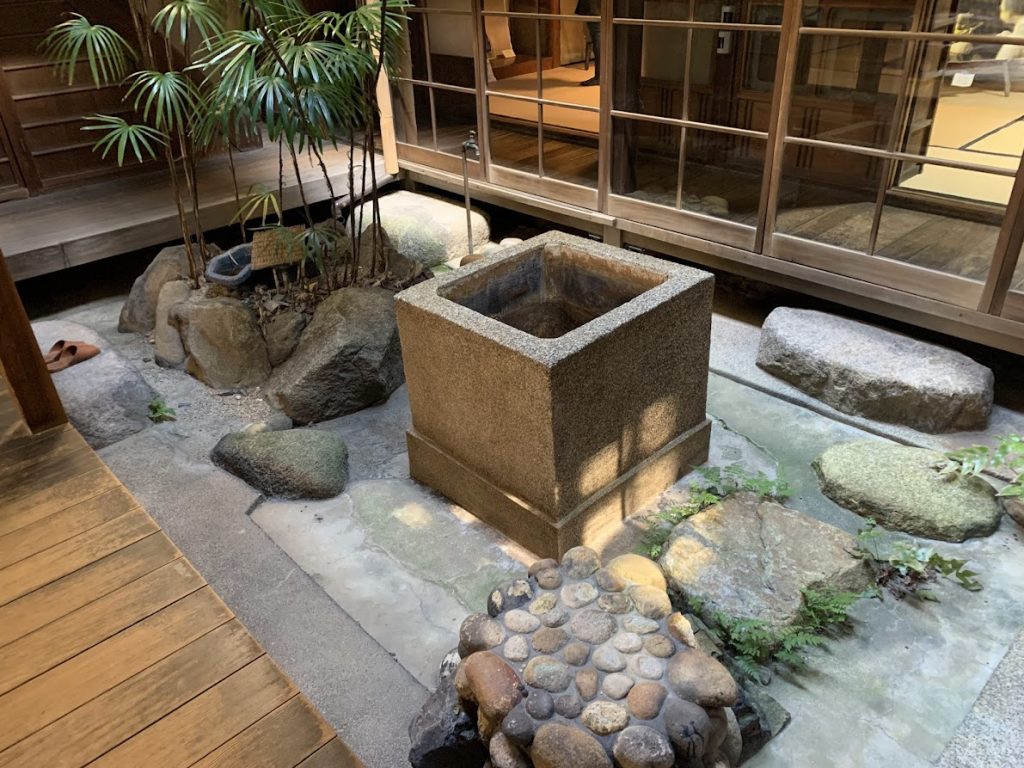
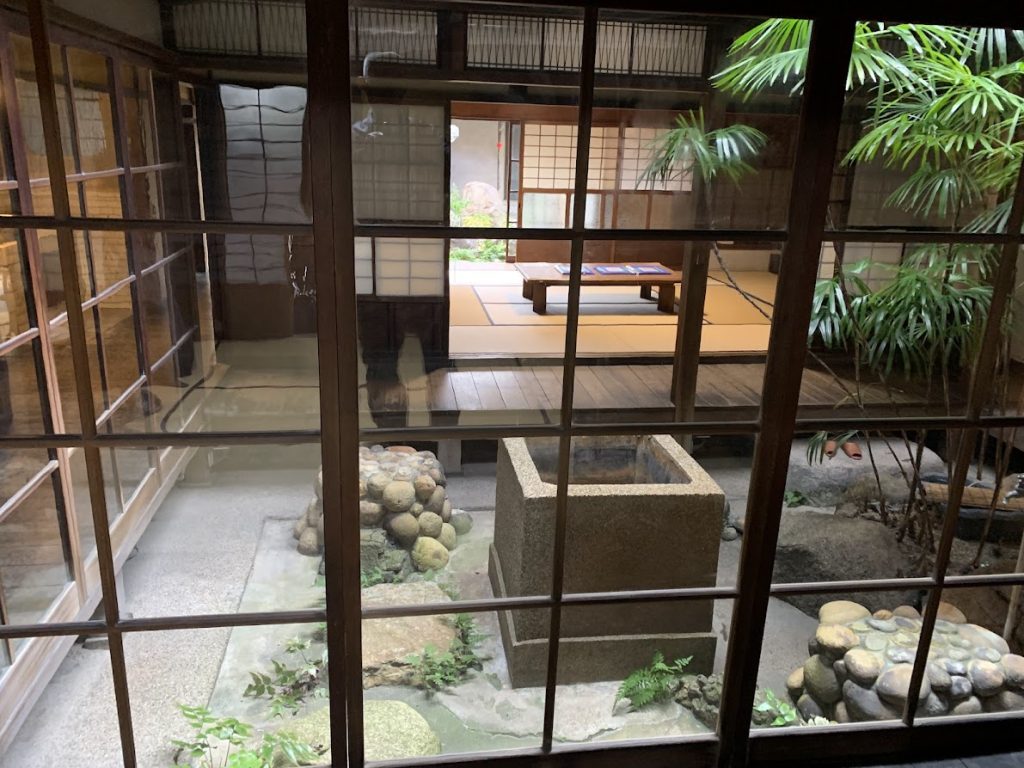
The building is a three-story wooden structure.
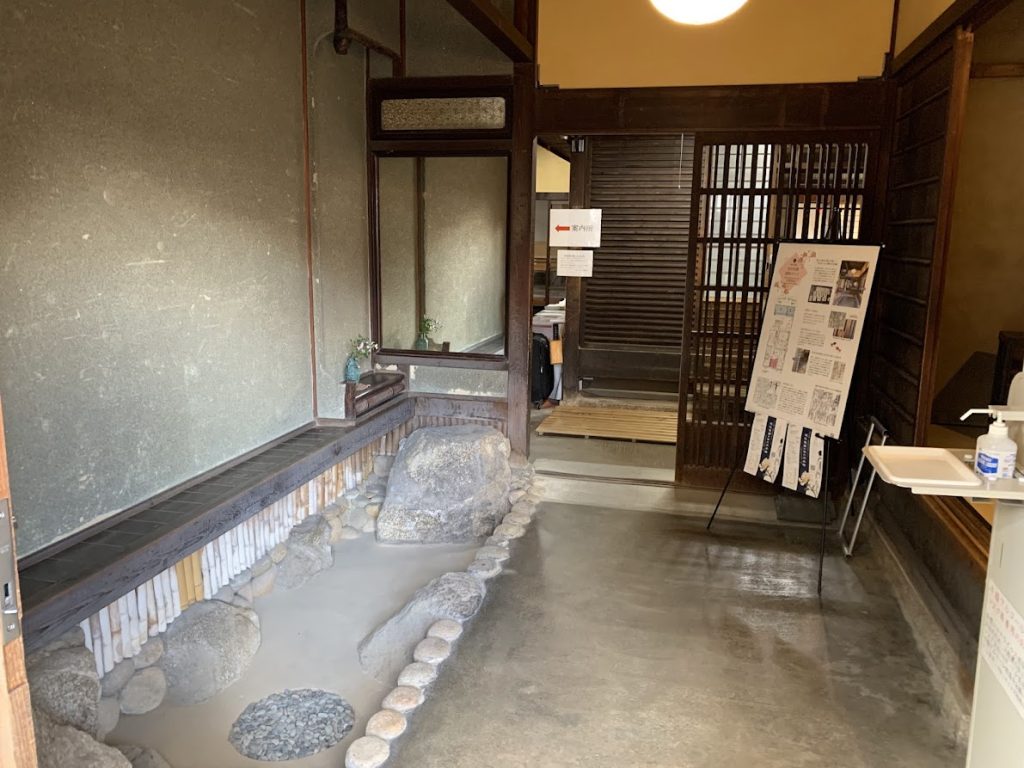
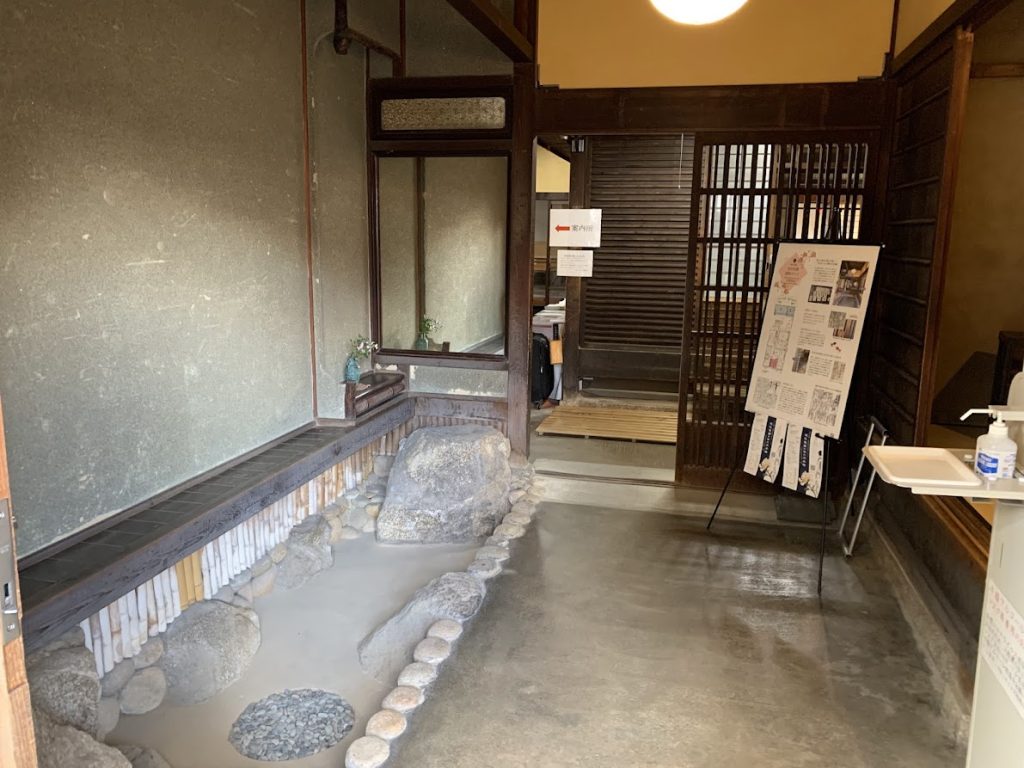
This is the entrance.
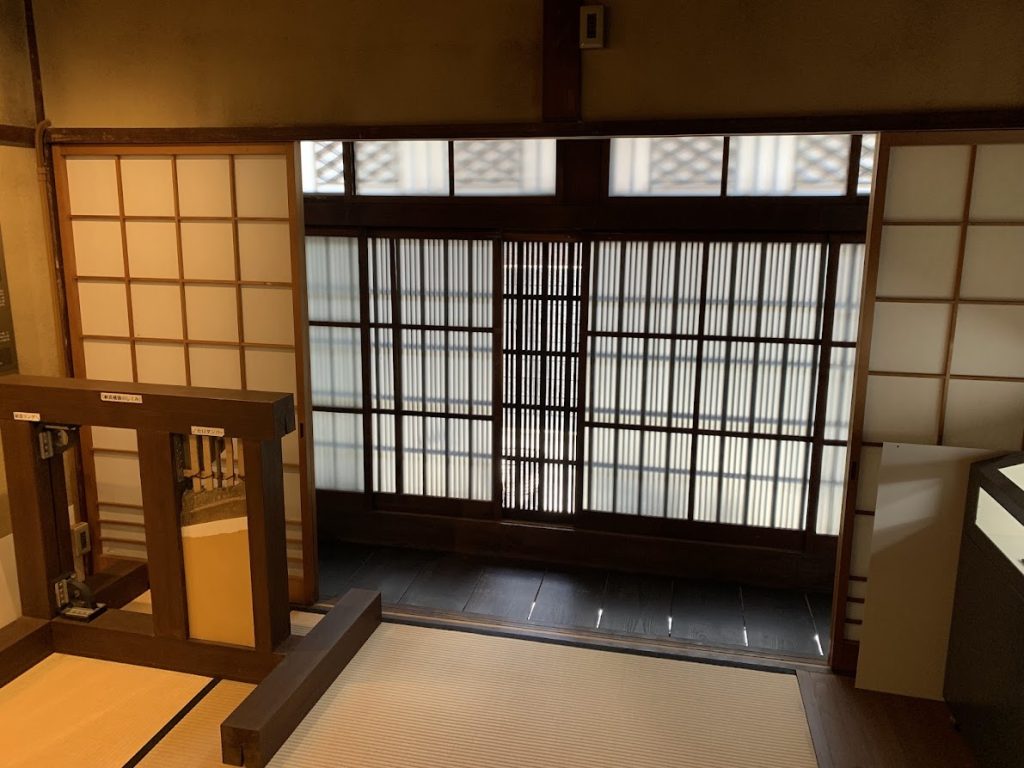
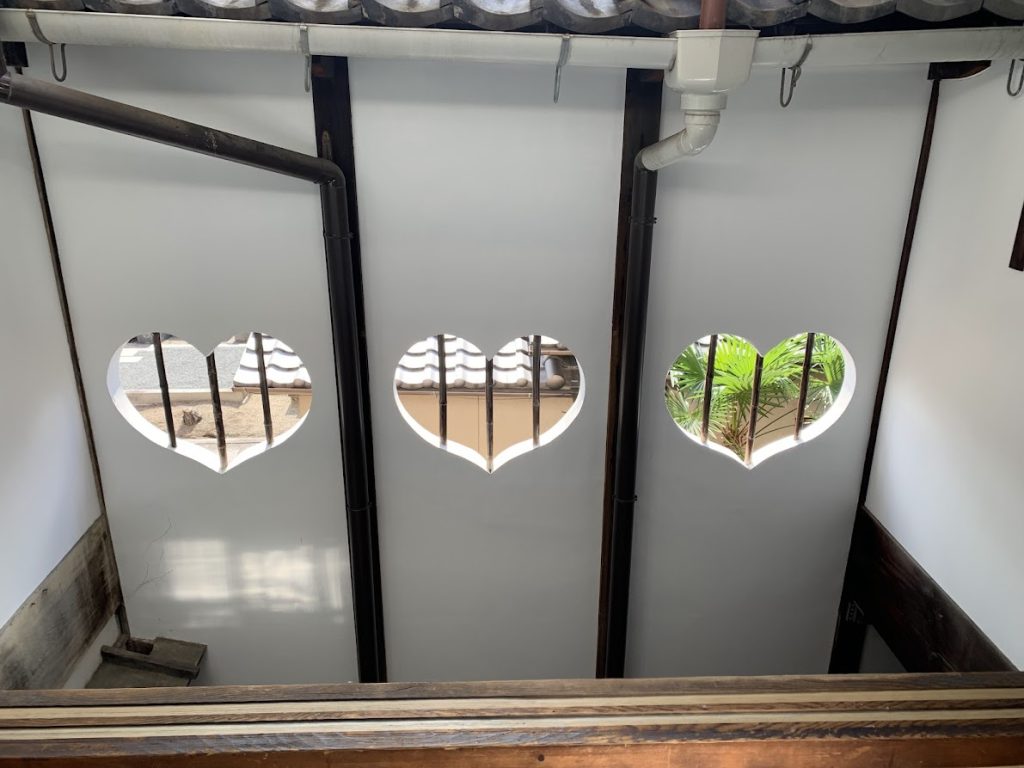
It is designed to allow a view of the outside.
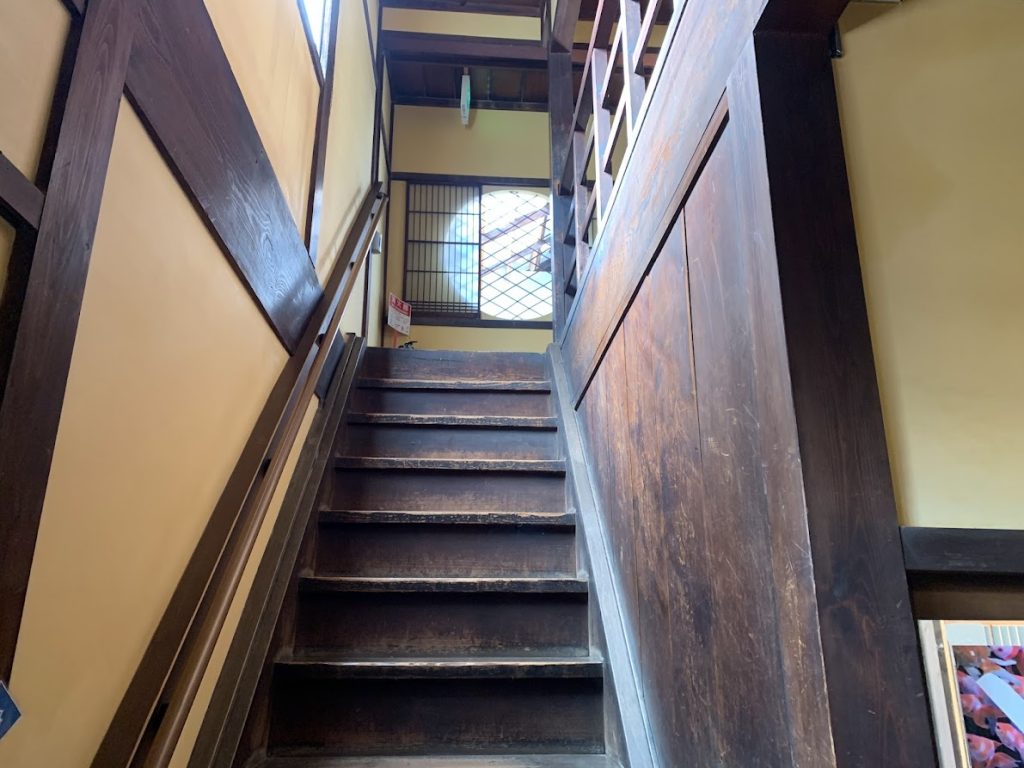
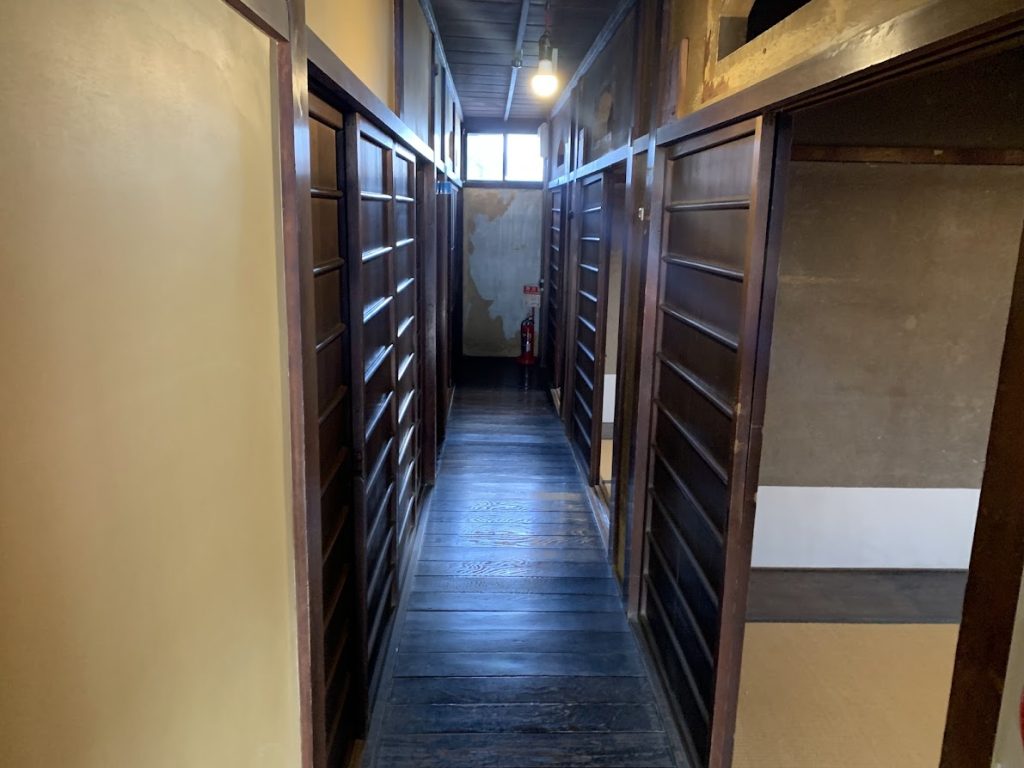
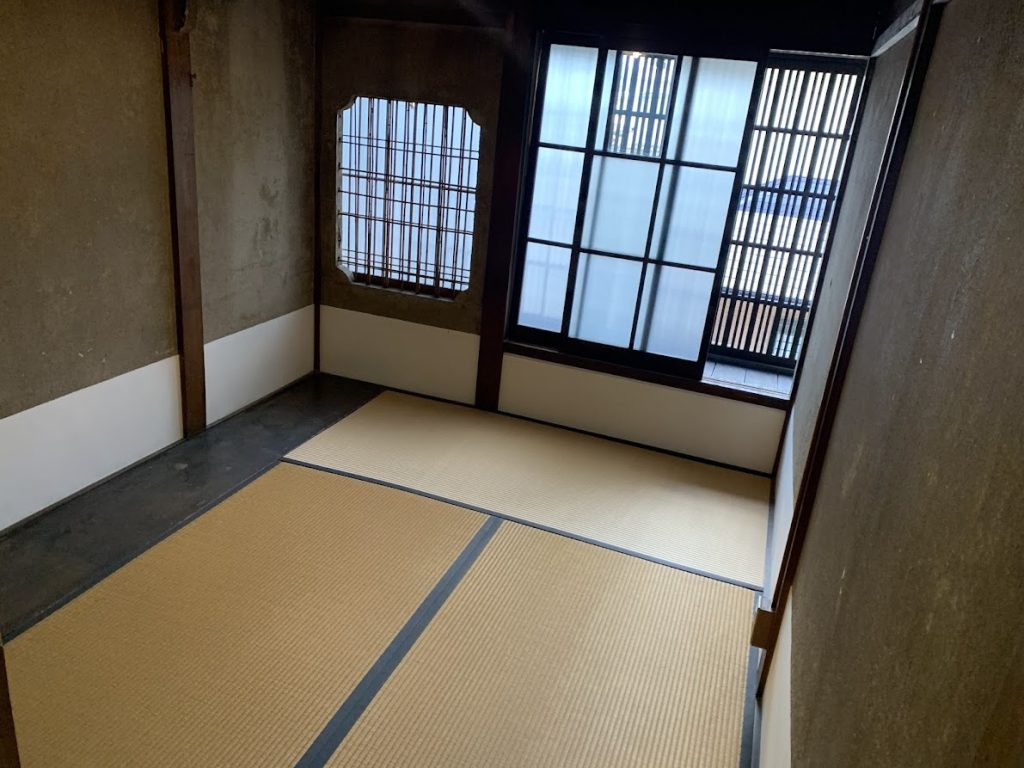
The small rooms are the size of three tatami mats.
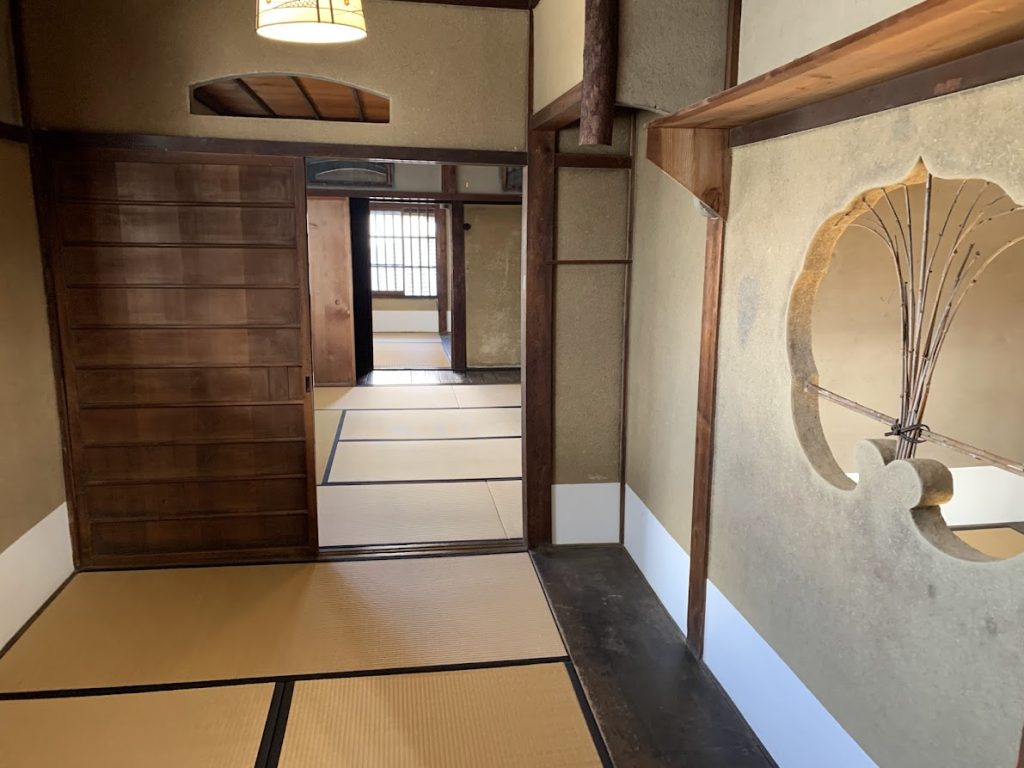
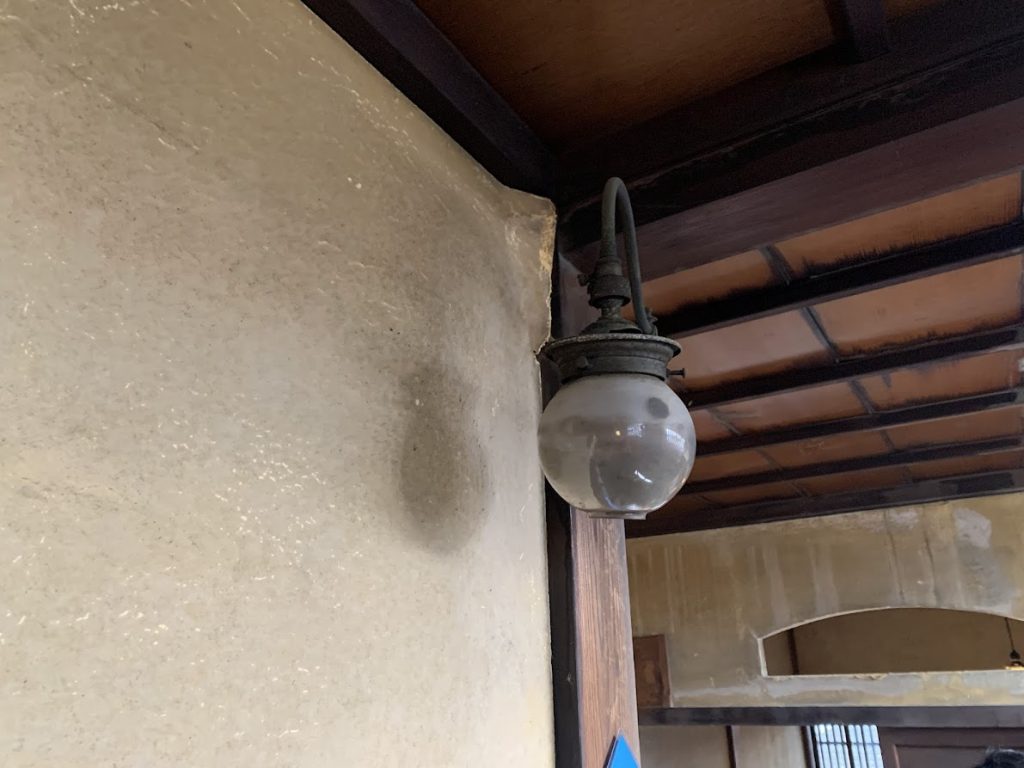
An old lighting fixture.

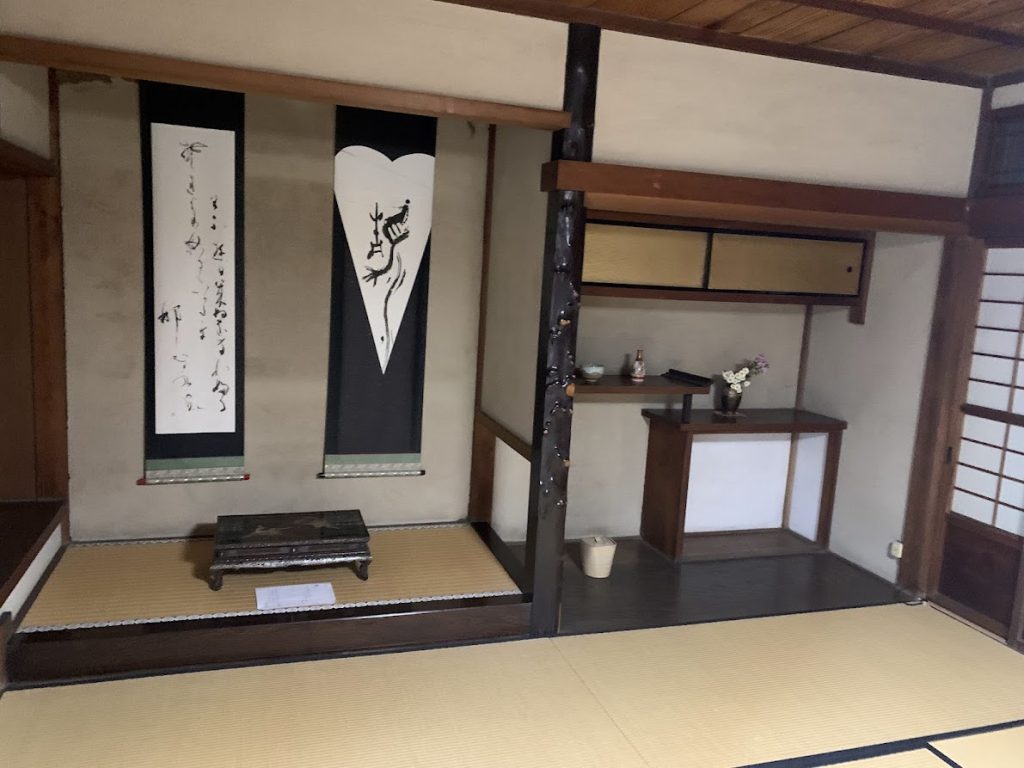

This is Akahada-yaki, a traditional type of pottery from Nara.
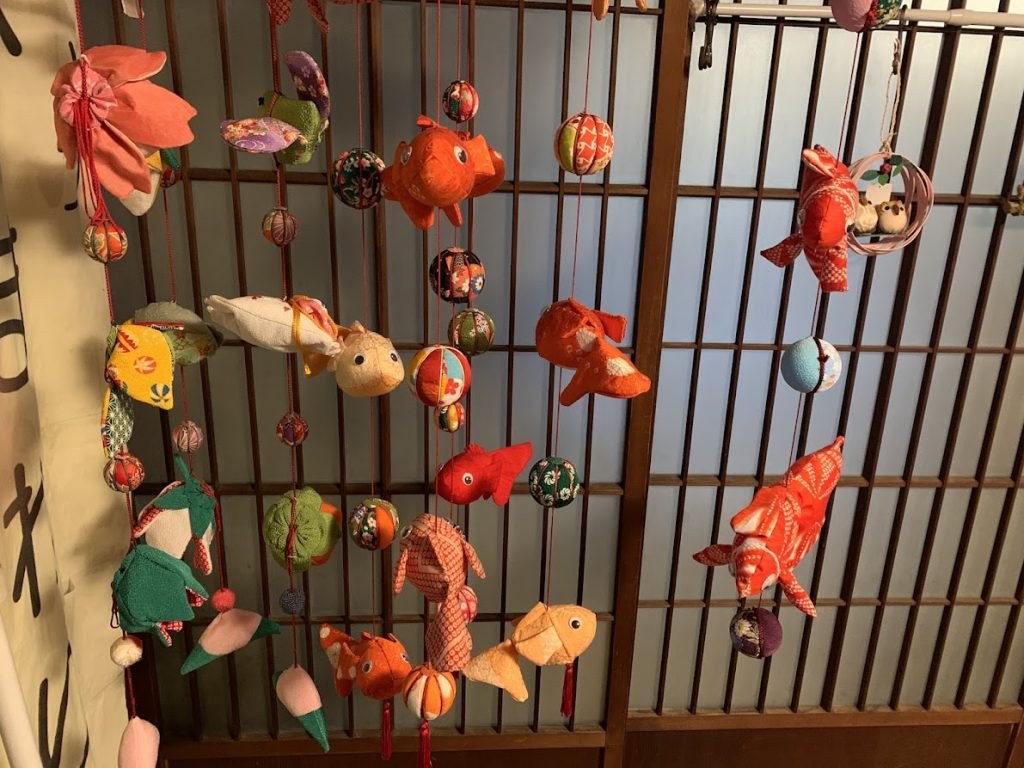
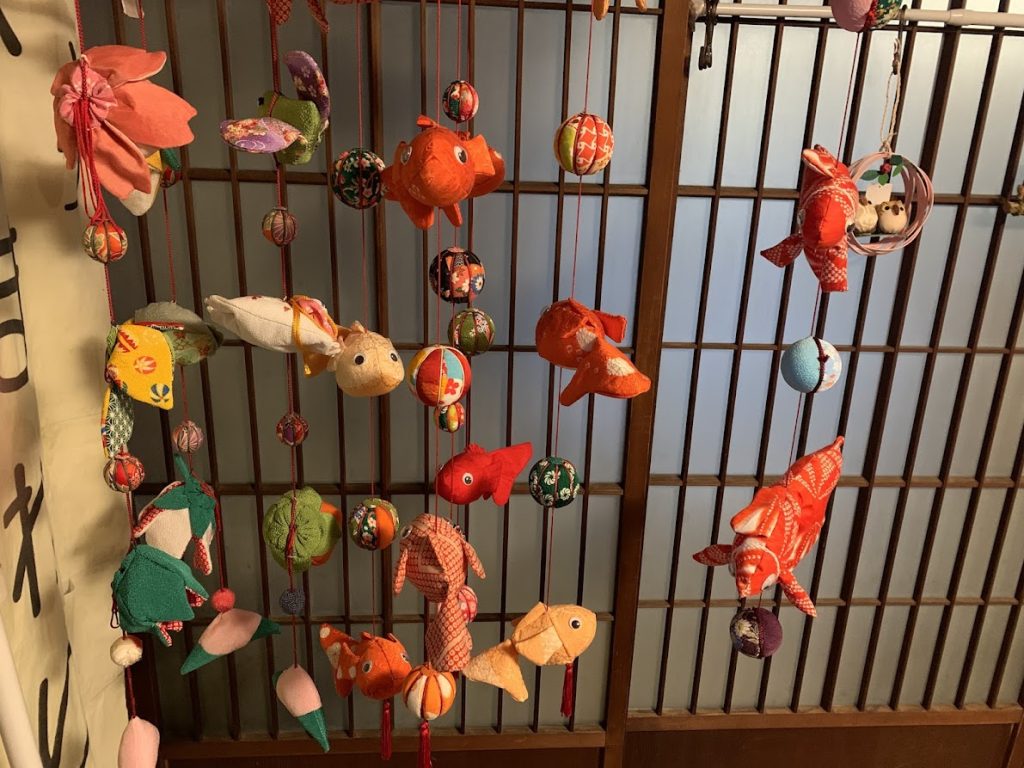
Goldfish ornaments were being sold.
Shungaku-in Temple
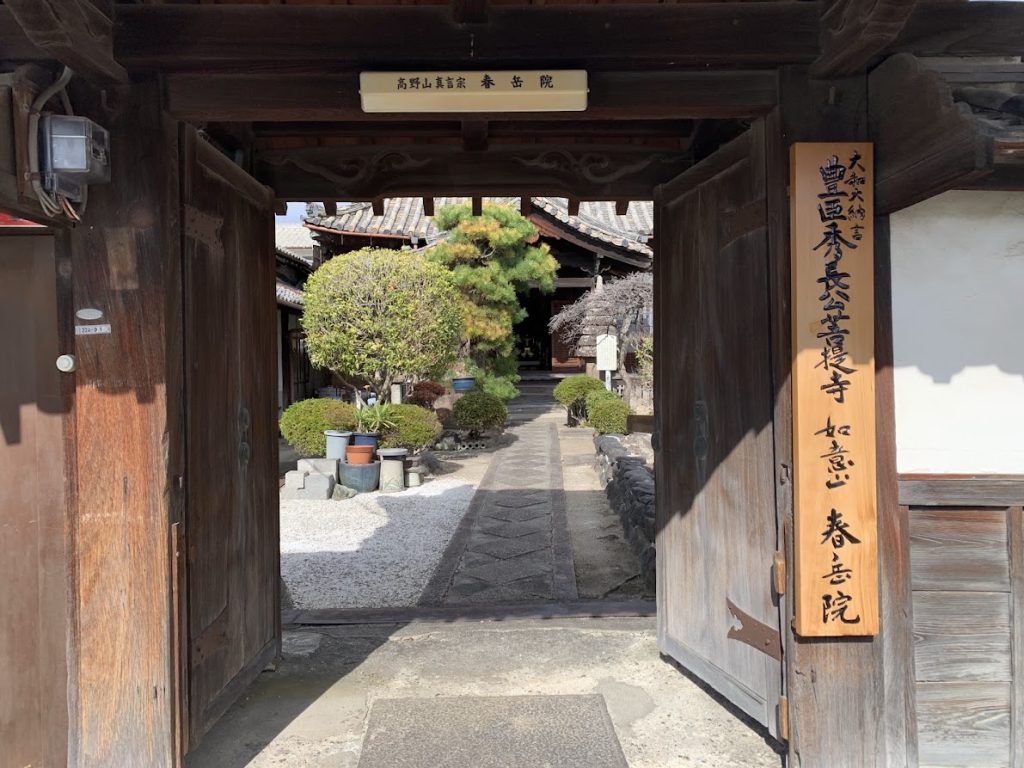
Shungaku-in Temple
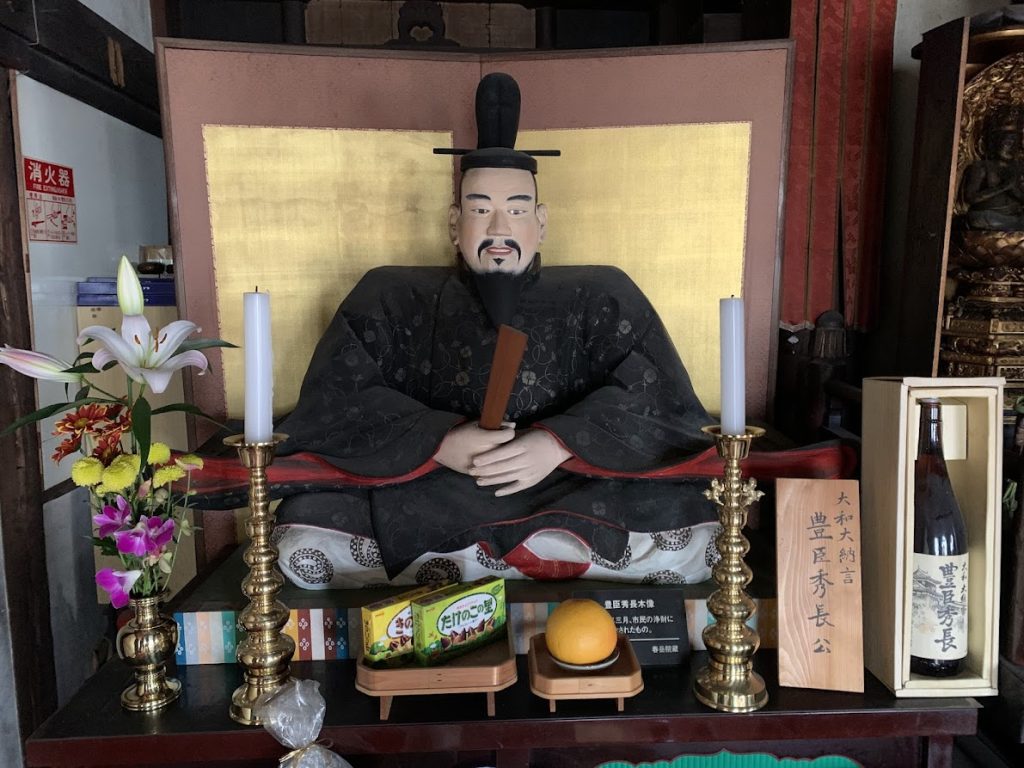
Toyotomi Hidenaga, the younger brother of Toyotomi Hideyoshi, was the lord of Koriyama Castle.
He governed a vast domain of 1.1 million koku, covering Yamato, Kii, Izumi, and part of Kawachi.
Koriyama Castle and the town of Koriyama were developed to match the scale of a 1.1 million koku lord.
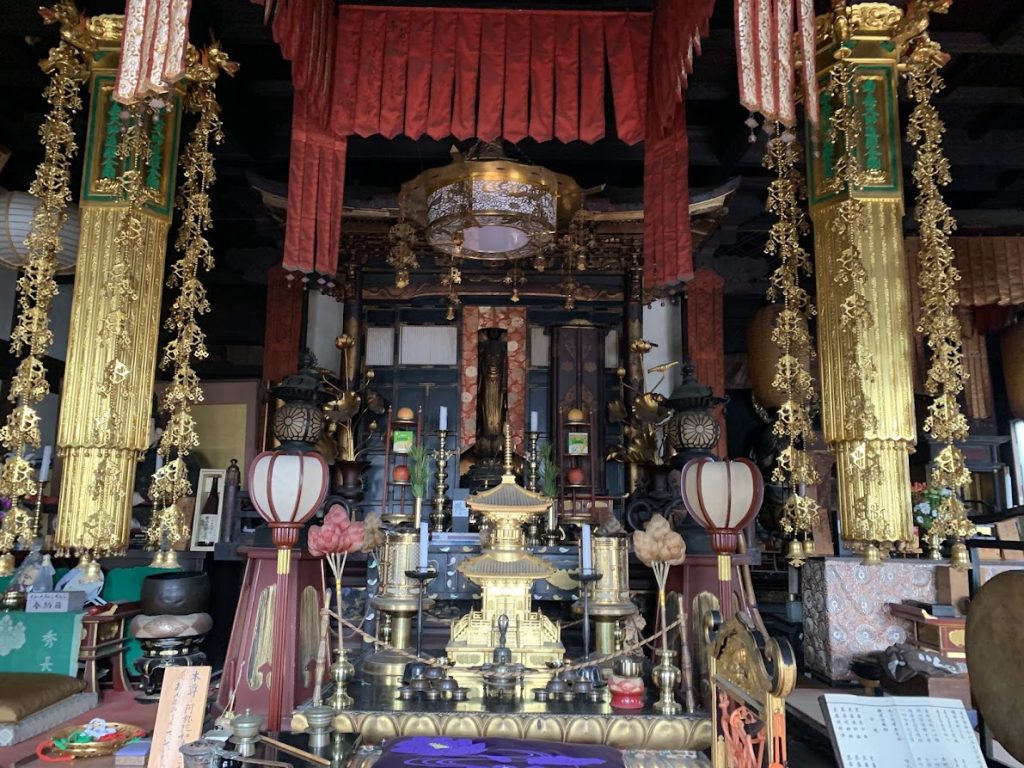
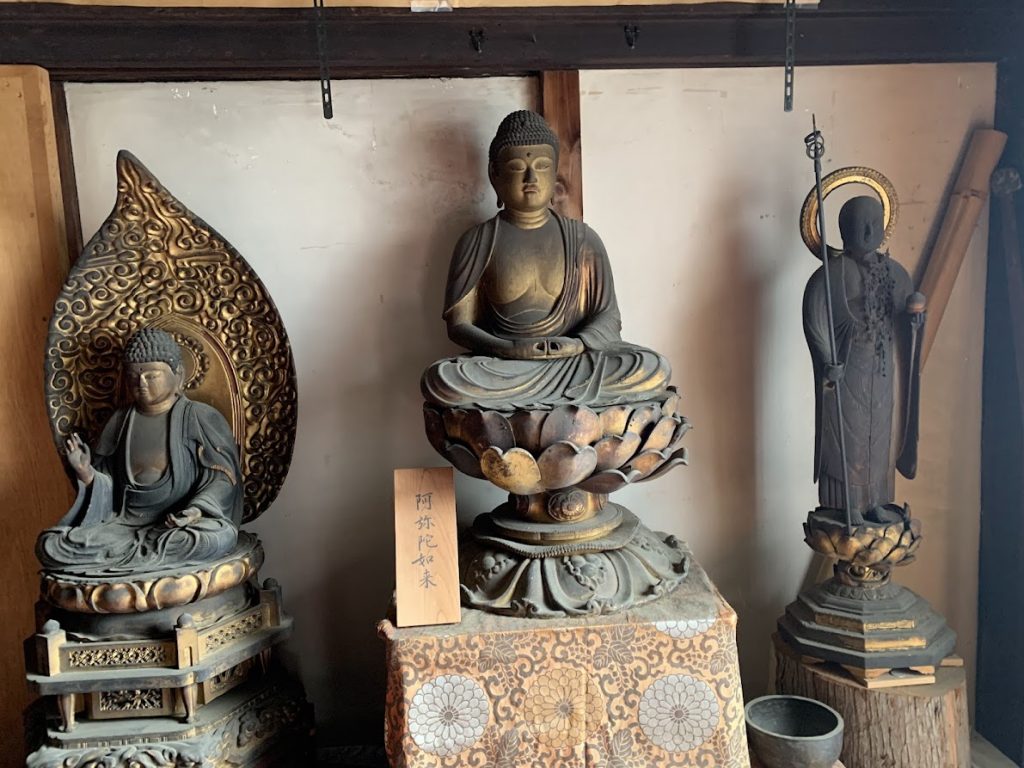
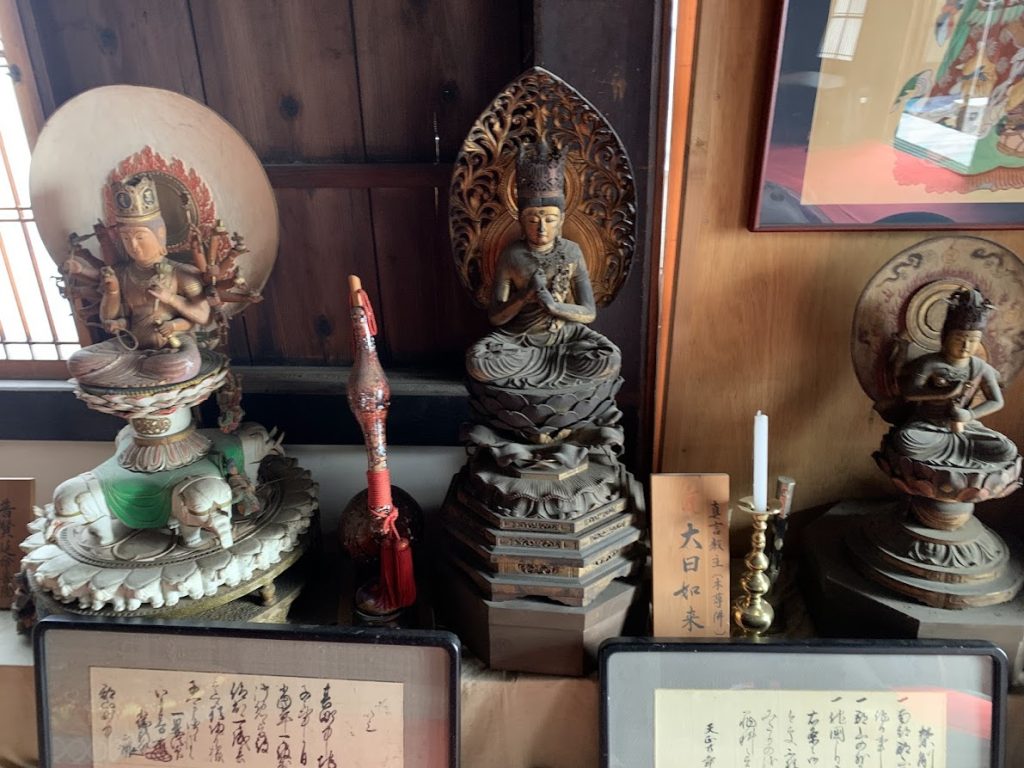
Shungaku-in Temple serves as Hidenaga’s family temple and memorial site.

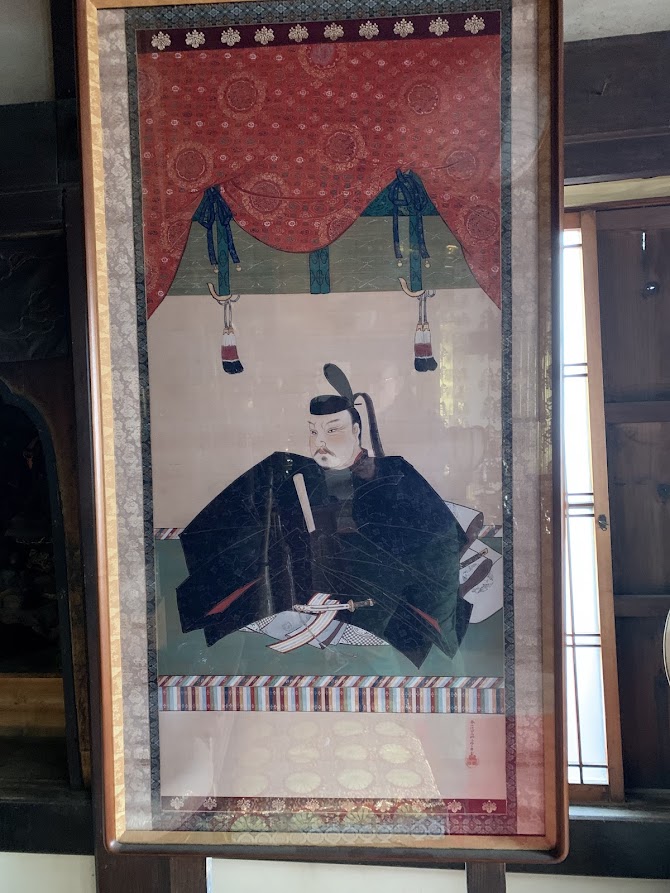
This is a famous painting of Hidenaga.
It is preserved here at Shungaku-in Temple.
Araki Mataemon (a famous swordsman)
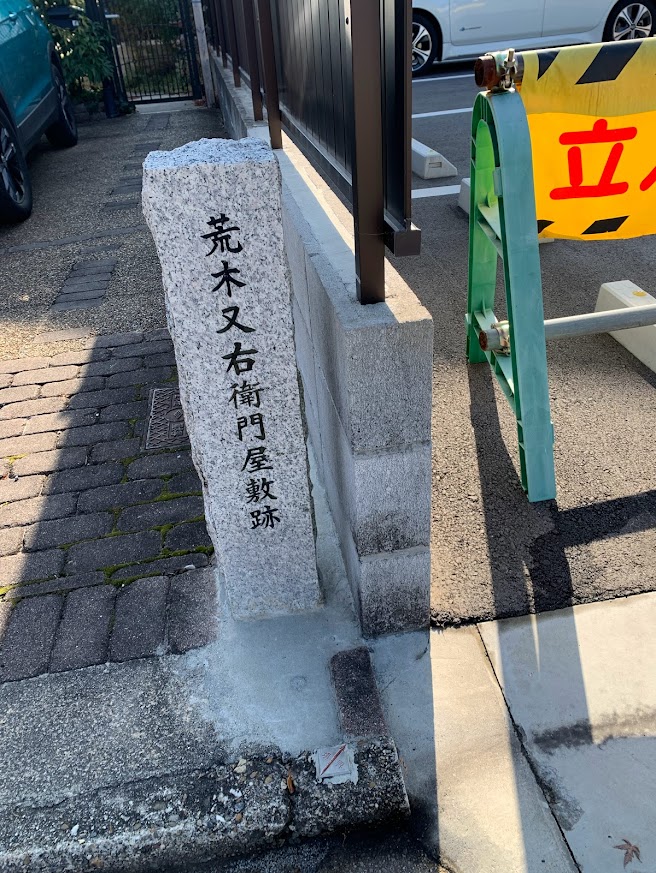
The “Duel at Kagiya no Tsuji” took place in Iga Ueno, Mie Prefecture, a town famous for ninjas, and is one of Japan’s three famous revenge stories.
Araki Mataemon became famous after this event. He was a skilled swordsman from around 400 years ago and served as the sword instructor for the Koriyama Domain.
The story starts when Ishikawa Kazuma’s younger brother, from the Okayama Domain, was killed by Kawai Matagoro, another samurai from the same domain. Matagoro escaped and was protected by a hatamoto (a retainer of the shogun), which caused a conflict of pride between the daimyo and hatamoto. To avenge his brother, Kazuma asked for help from his brother-in-law, Araki Mataemon, who agreed out of obligation.
At that time, Matagoro was being guarded by skilled swordsman and spearman. Kazuma and Mataemon found Matagoro’s escape route, set up an ambush at Kagiya no Tsuji in Ueno, and successfully defeated Matagoro and his group, completing their revenge.
Koriyama Hachiman Shrine
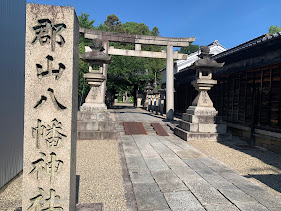
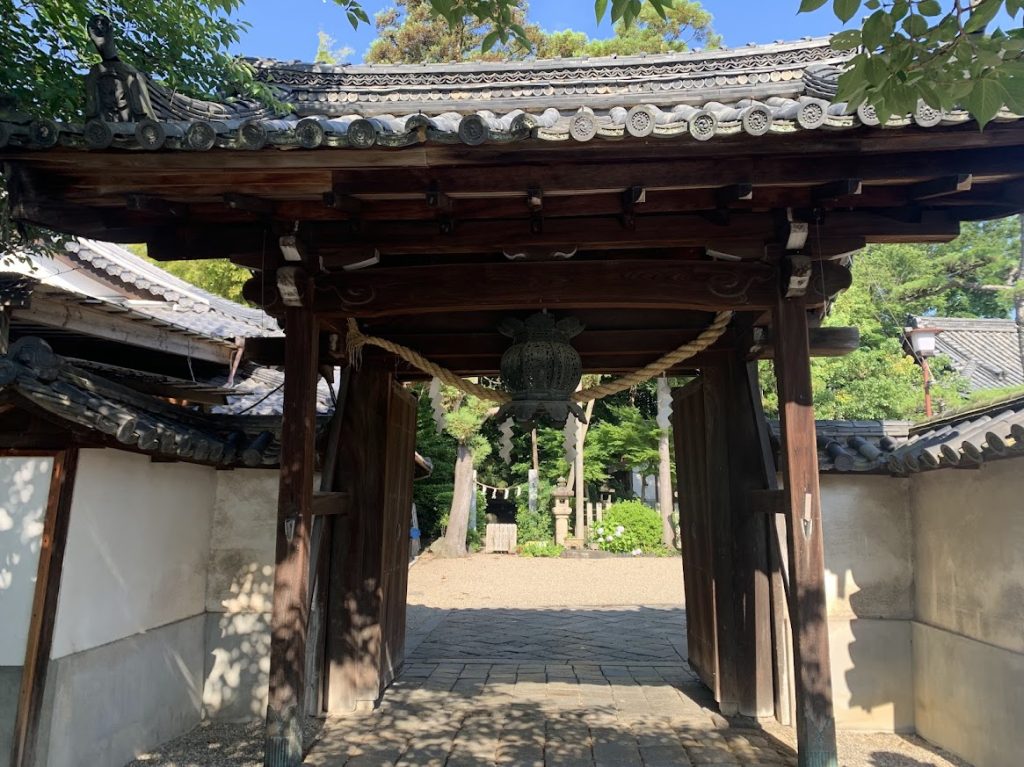
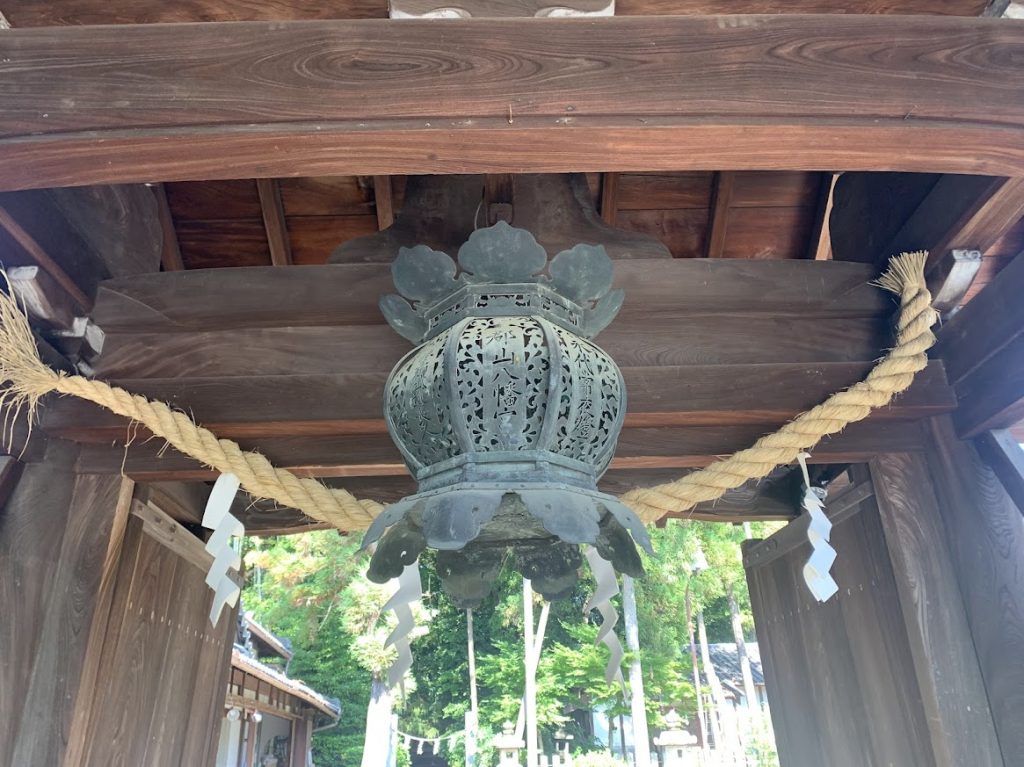
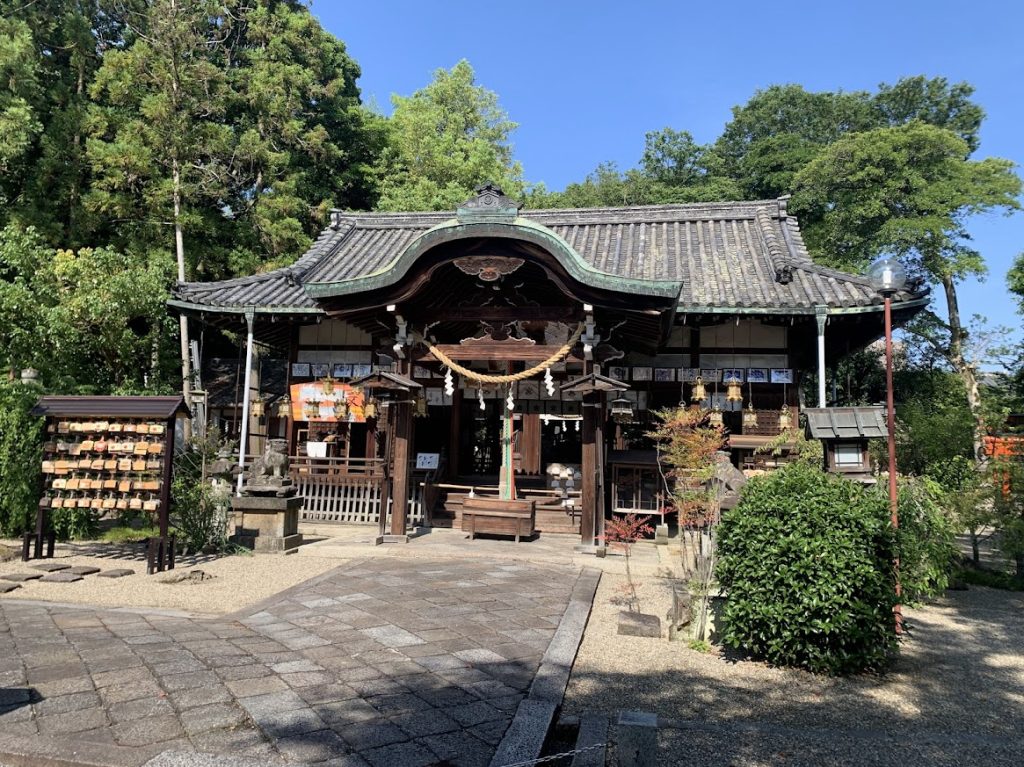
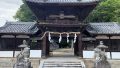
Located south of Koriyama Castle, this historic shrine played a role in protecting the southern part of the castle.
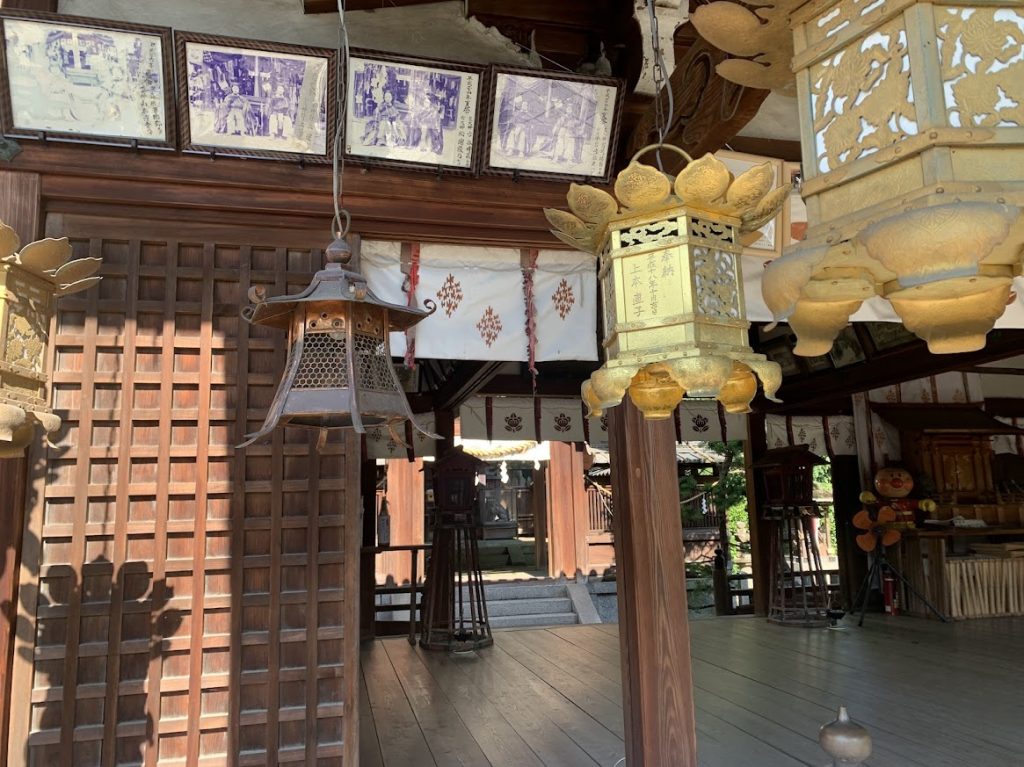
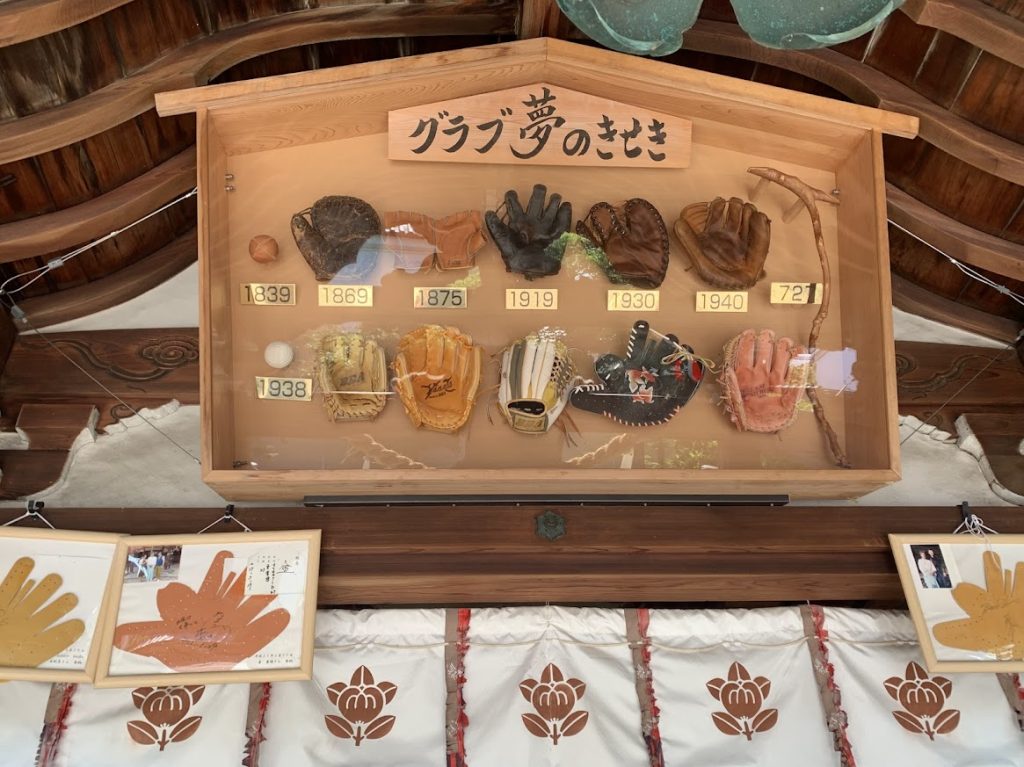
Koriyama Hachiman Shrine, also known as “Glove Shrine,” is famous for its unique activities, including prayers for baseball improvement, hosting the Glove Festival, and conducting rituals for baseball gloves. Baseball enthusiasts should definitely visit the shrine.
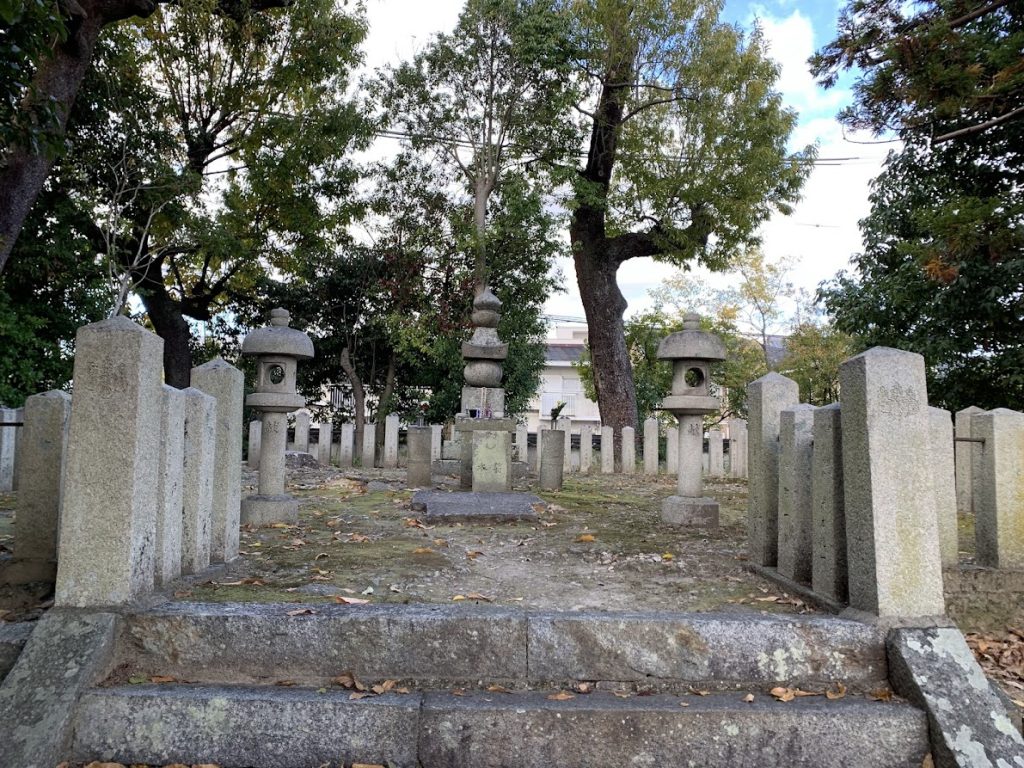
Dainagon-zuka
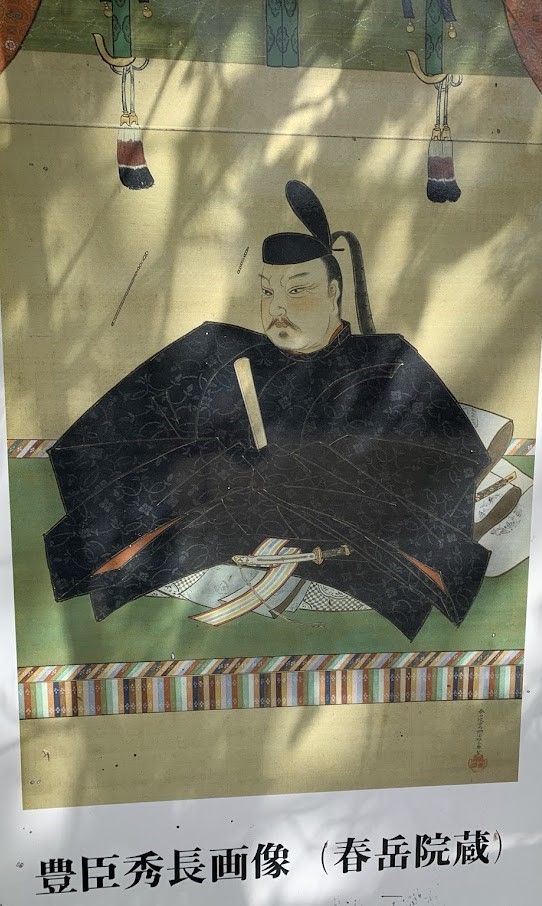
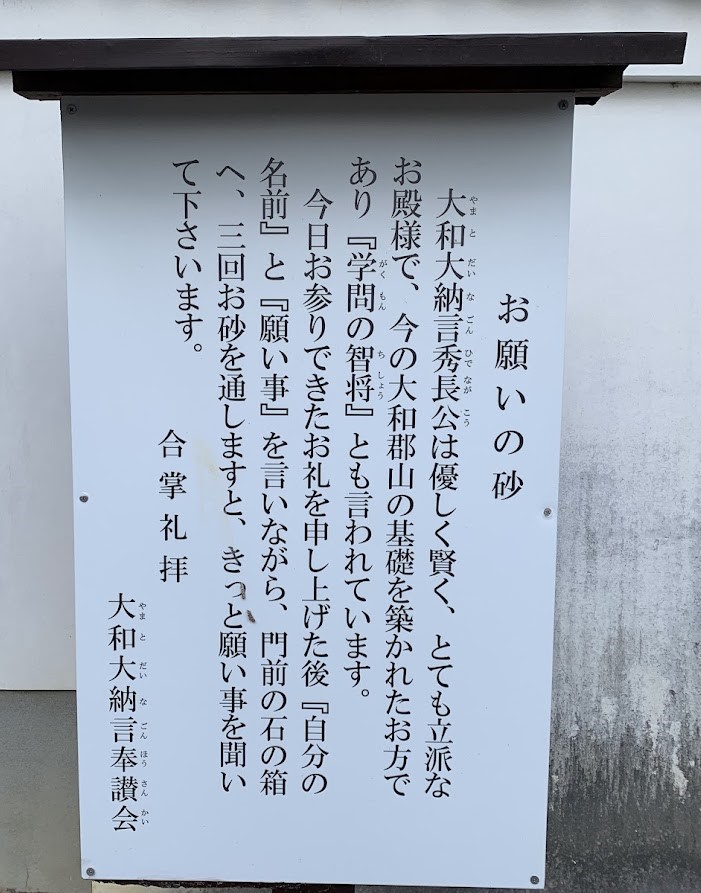
This is the information board for Toyotomi Hidenaga.
Hidenaga supported Hideyoshi in unifying Japan and became a powerful daimyo.
He died at Koriyama Castle at the age of 52.
It is often said that “Had Hidenaga lived a little longer, the course of Japanese history might have changed significantly.”
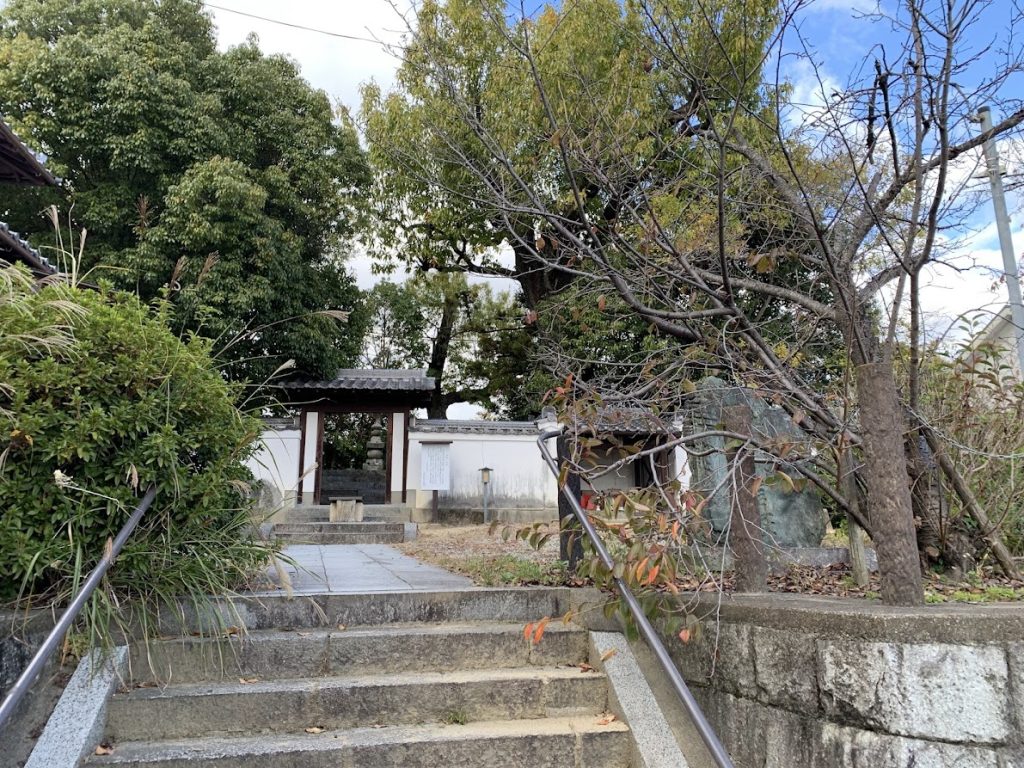
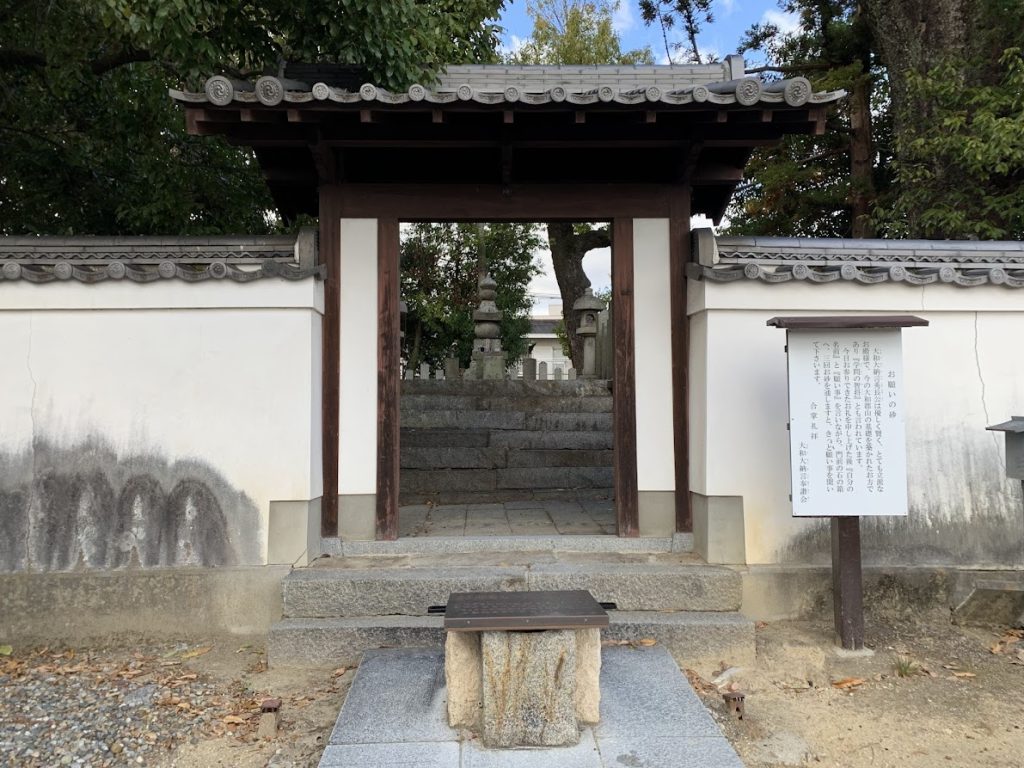
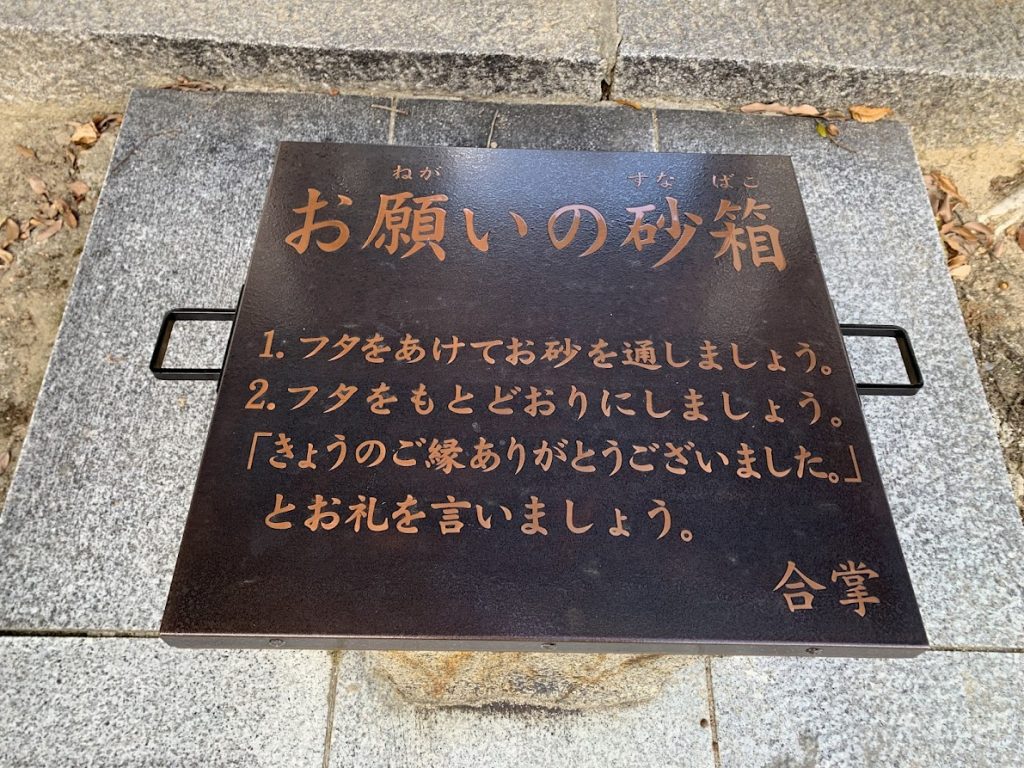
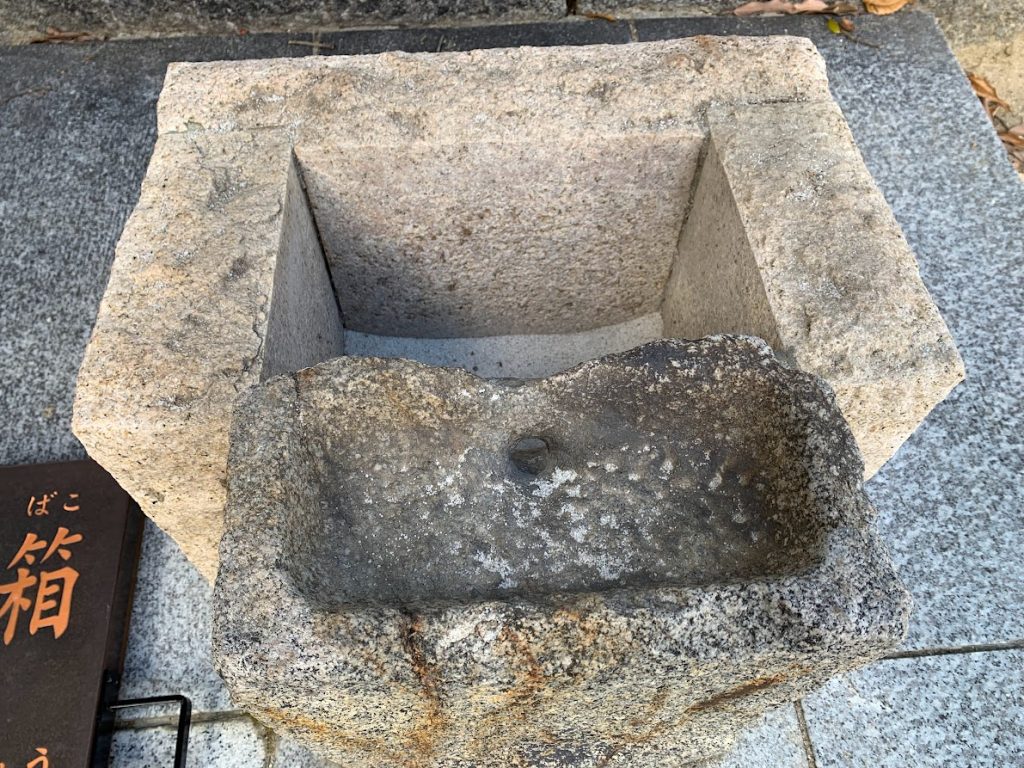
While expressing your gratitude for the prayer, stating your name, and making your wish, you pass the sand through three times.

コメント