


Tanzan Shrine in summer
The green maple leaves are beautifully vibrant.
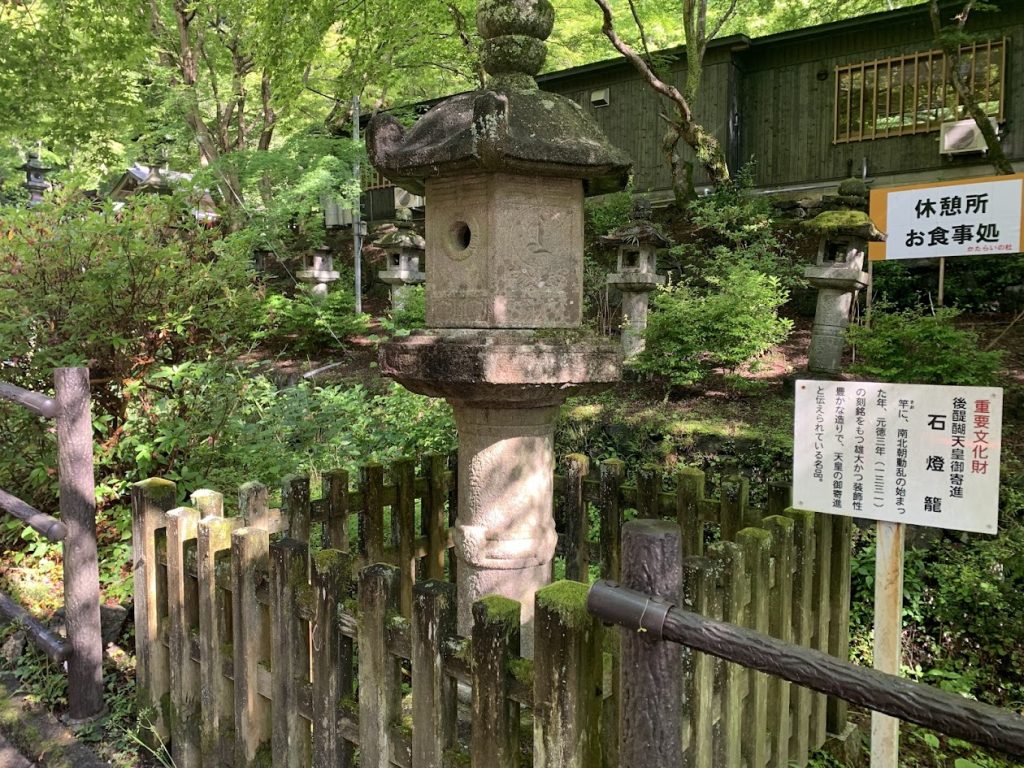
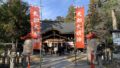
At the shrine entrance stands a stone lantern donated by Emperor Go-Daigo.

The stone monument at the entrance reads “Bekkaku Kanpeisha Tanzan Shrine.”
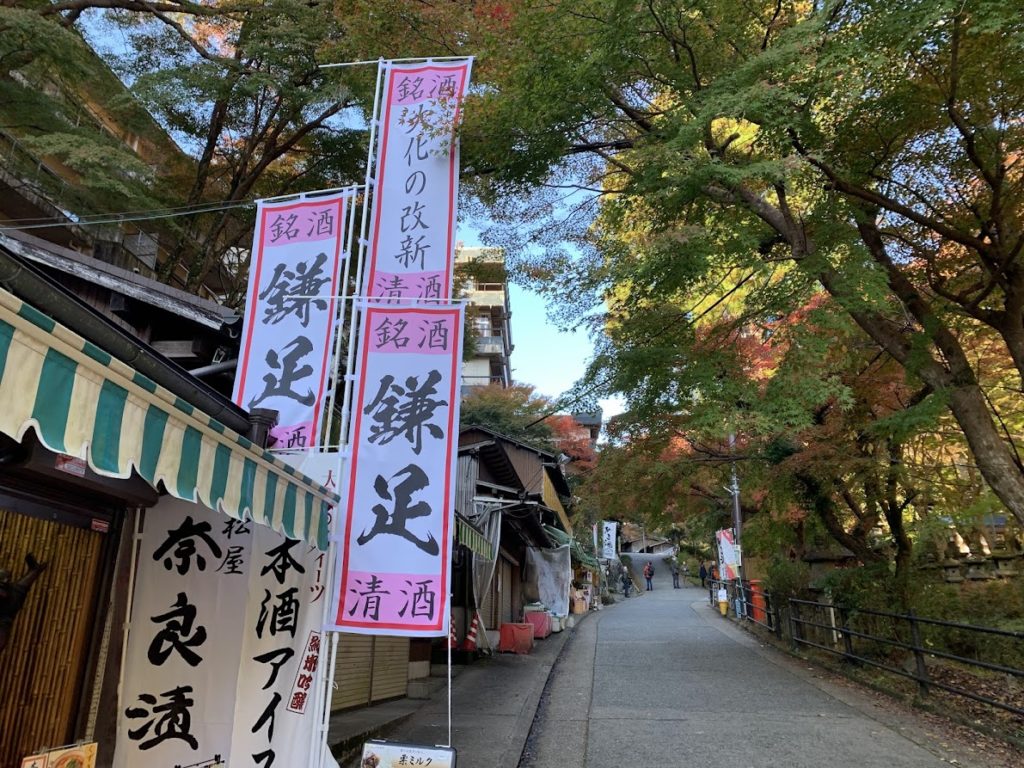
Souvenir shops along the approach path.
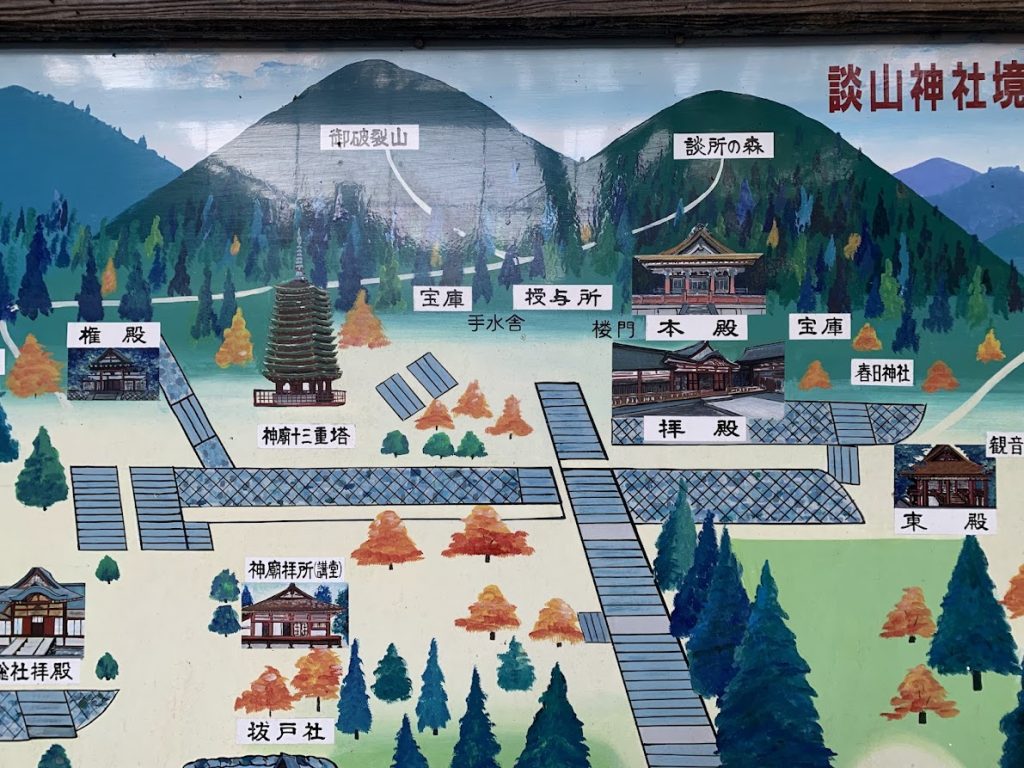
From the entrance, you climb the stairs to reach the main hall and the thirteen-story pagoda.
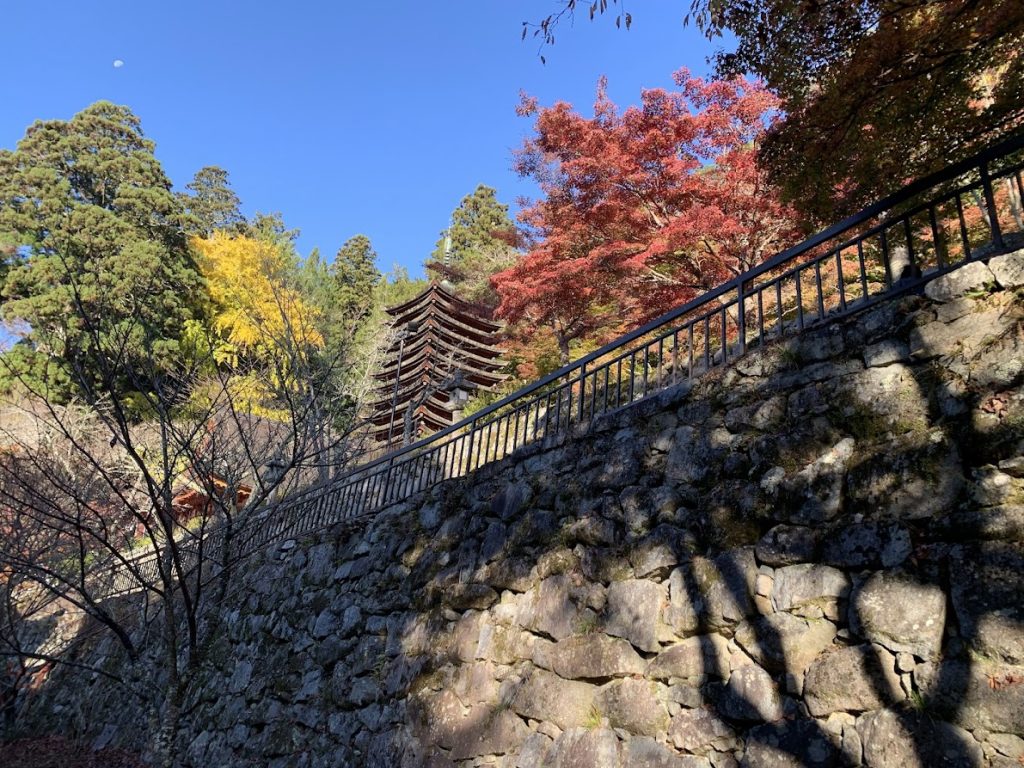
The thirteen-story pagoda has come into view.
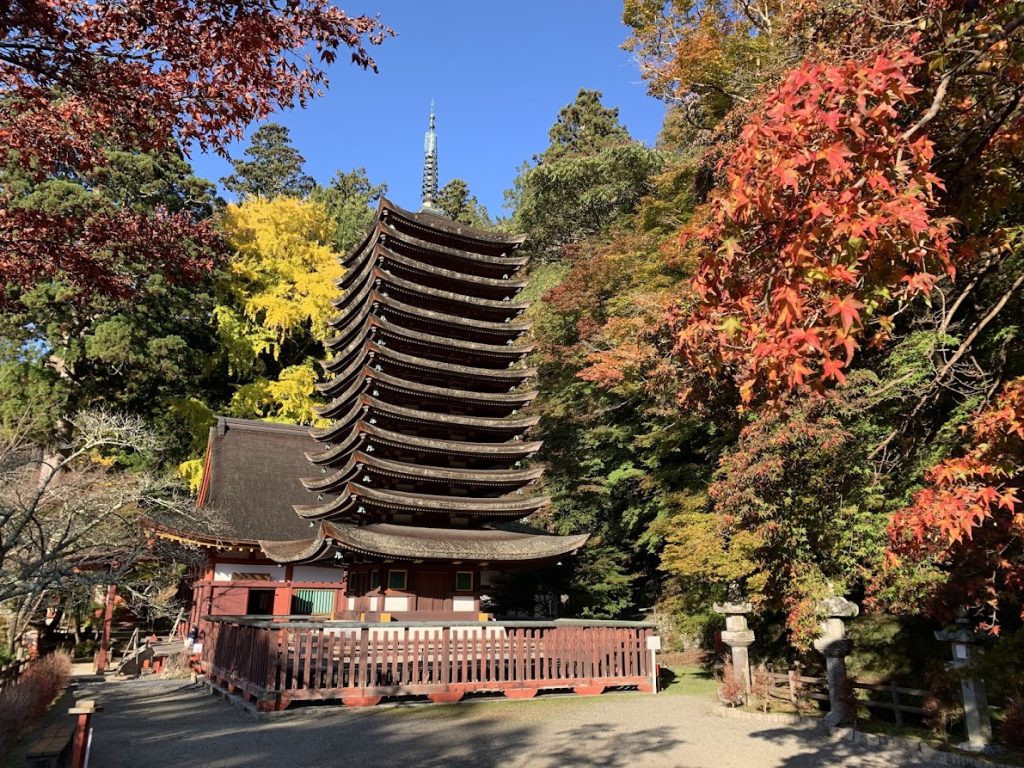
The thirteen-story pagoda is the only one of its kind in the world. It exists only at Tanzan Shrine.

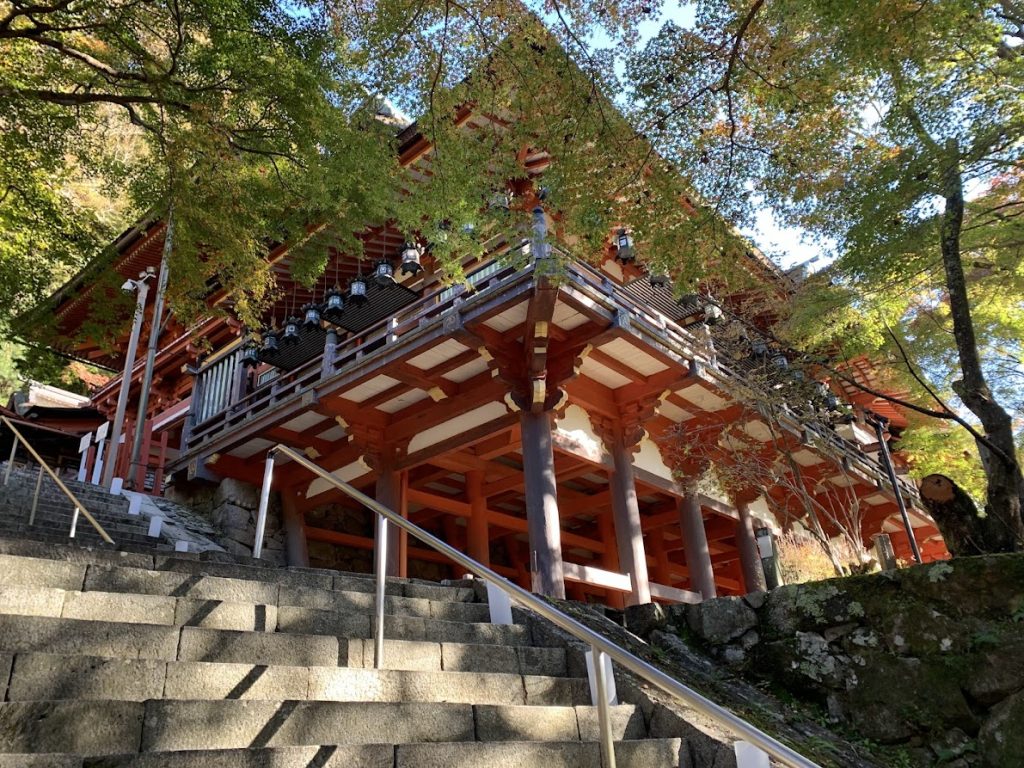
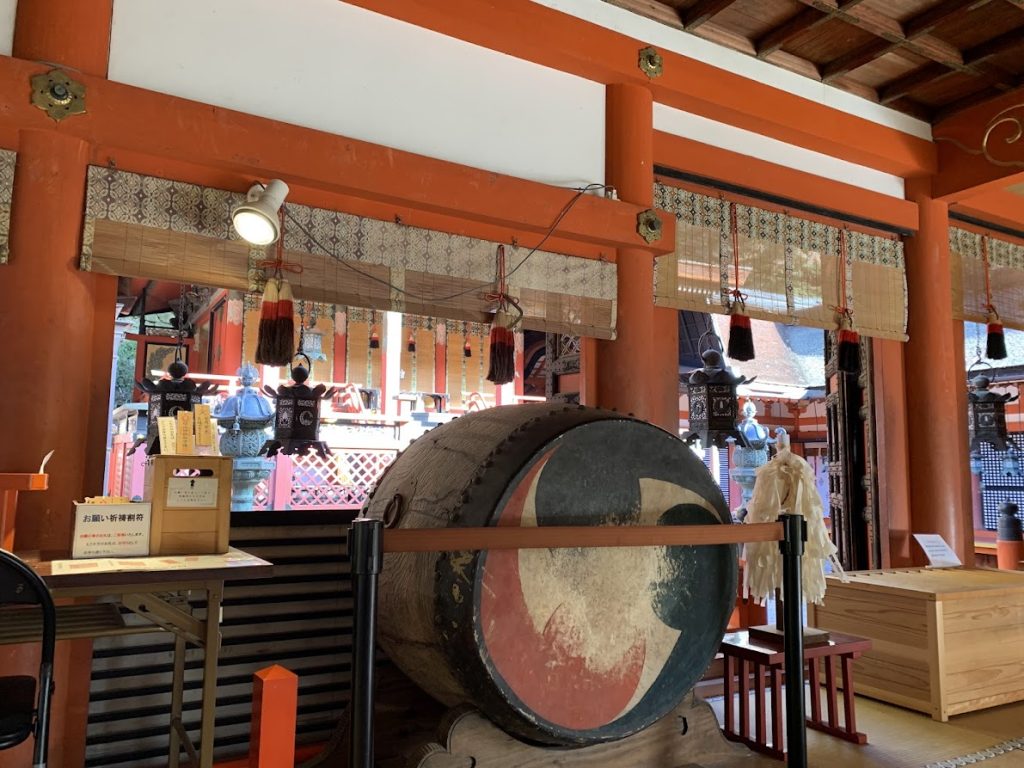
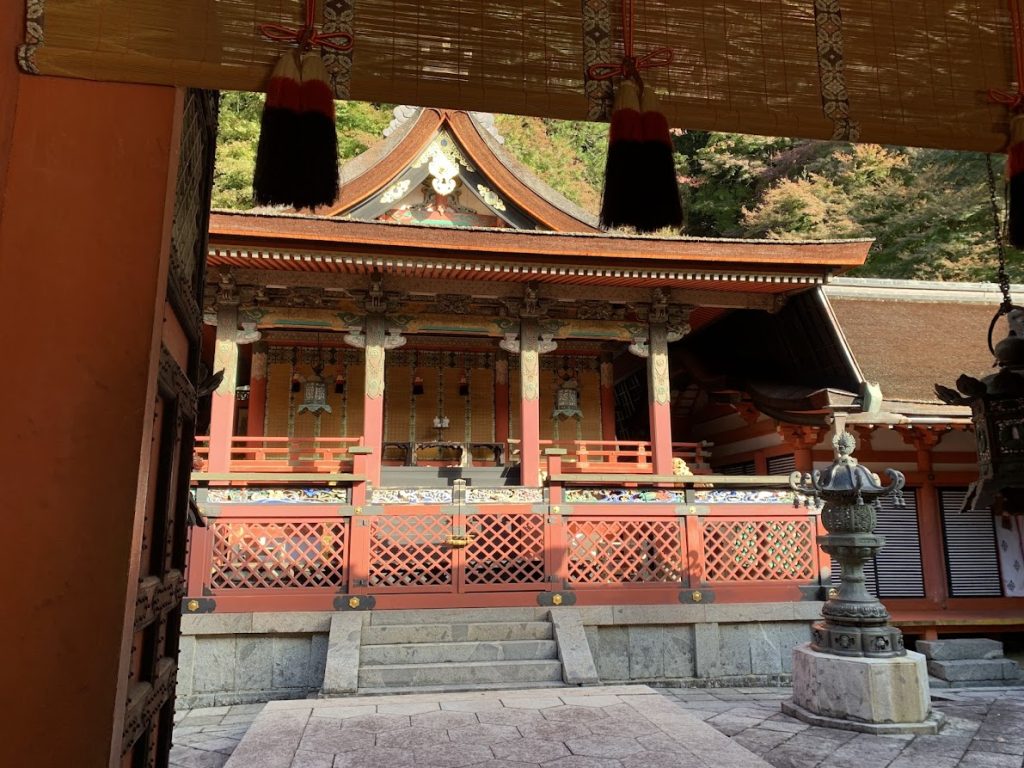
The worship hall.

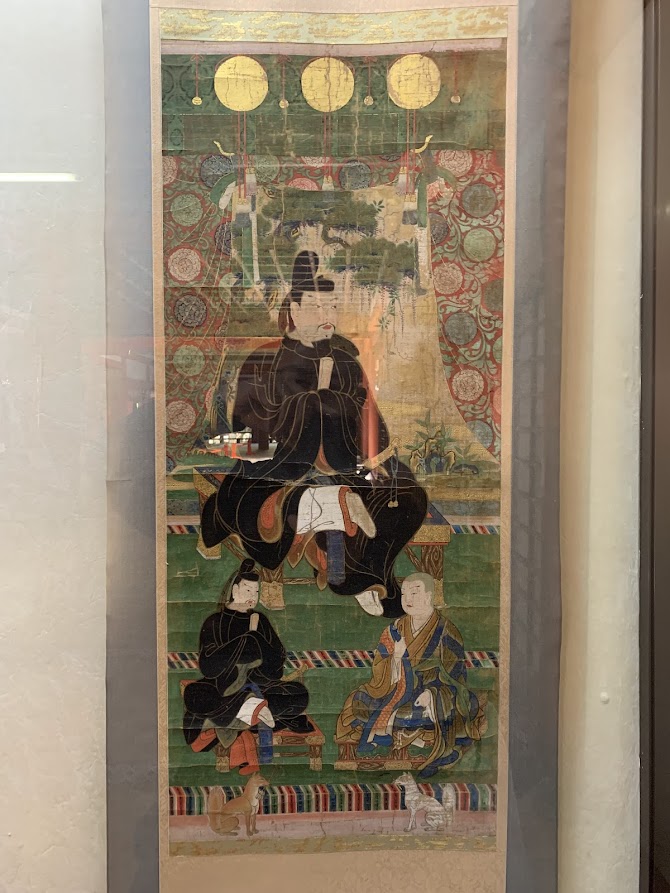
The central figure is Nakatomi no Kamatari.
The Fujiwara family name was granted to him by Emperor Tenji (who was Prince Naka no Oe during the Taika Reform) shortly before Kamatari’s death.
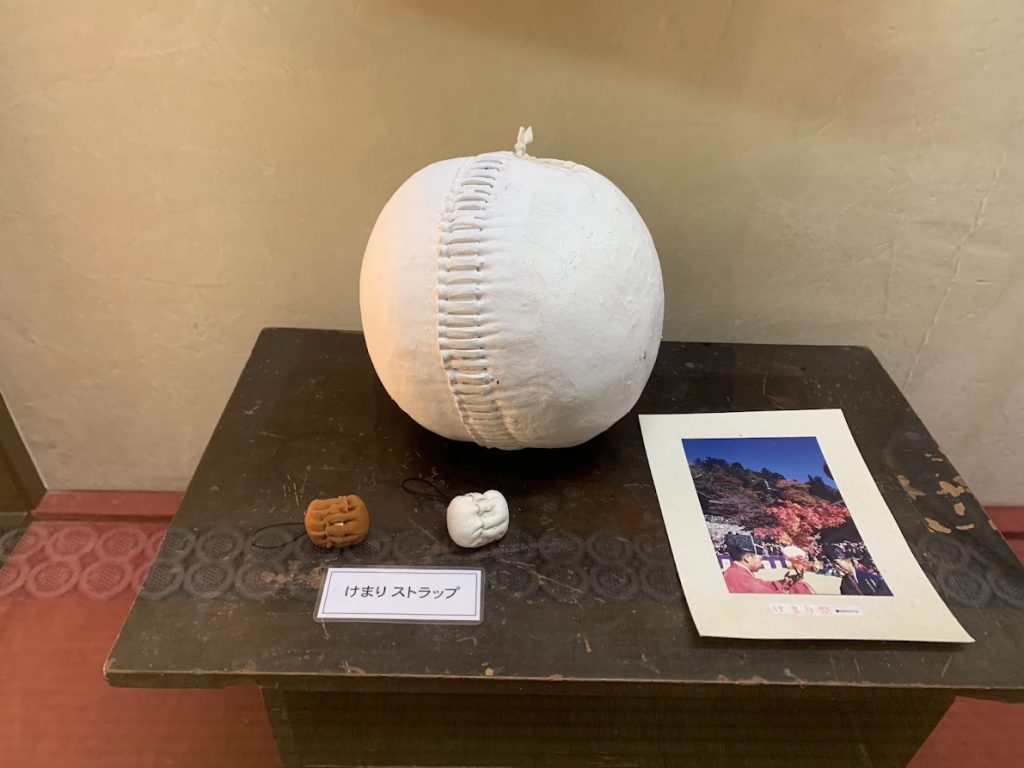
Inside the worship hall, a kemari (traditional Japanese ball game) display was exhibited.
Prince Naka no Oe (later Emperor Tenji) and Nakatomi no Kamatari (later Fujiwara no Kamatari) first met at a kemari gathering held at Asuka-dera Temple.
Later, on the mountain behind Tanzan Shrine, they conspired to assassinate Soga no Iruka and carry out the Taika Reform.
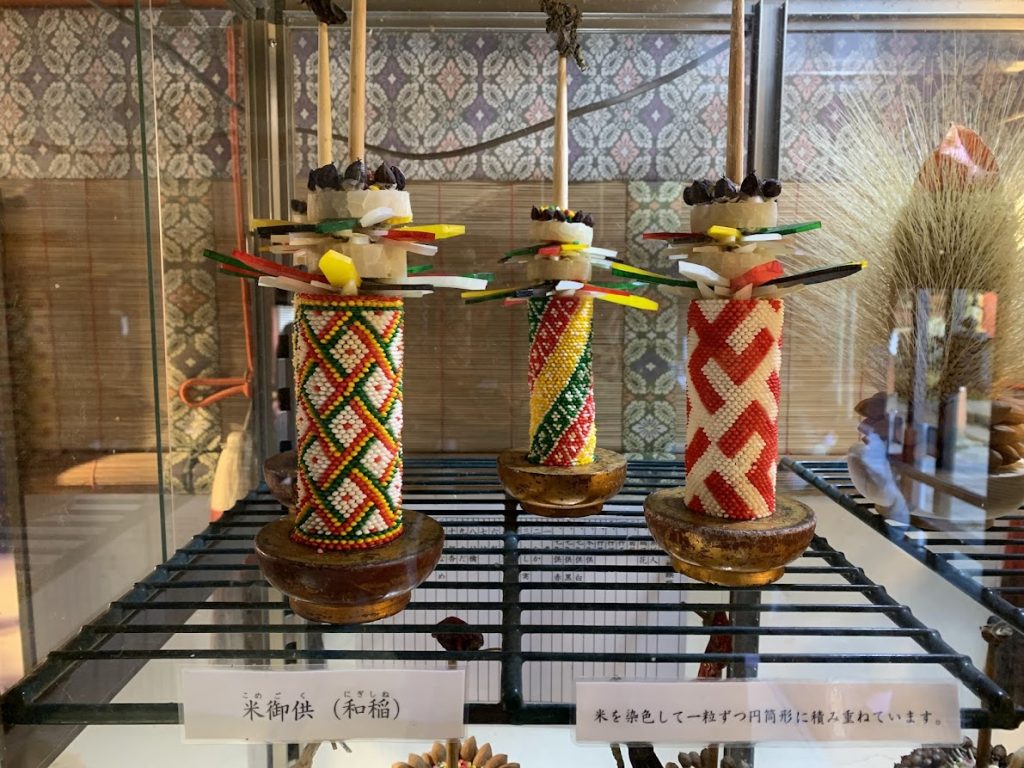
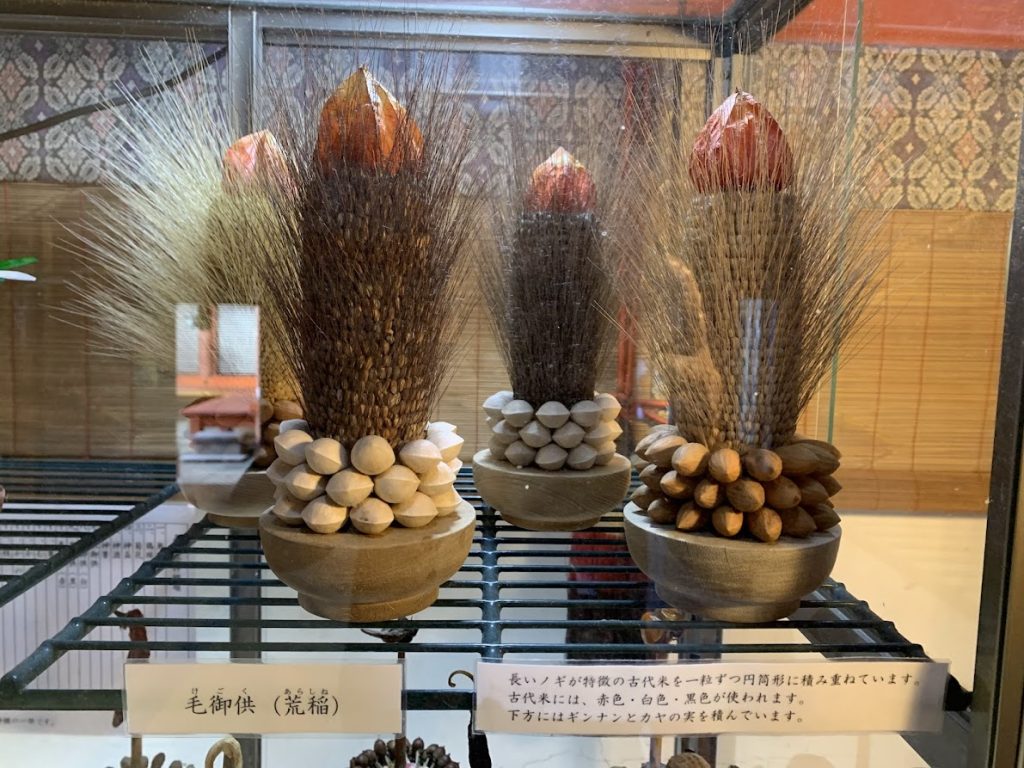
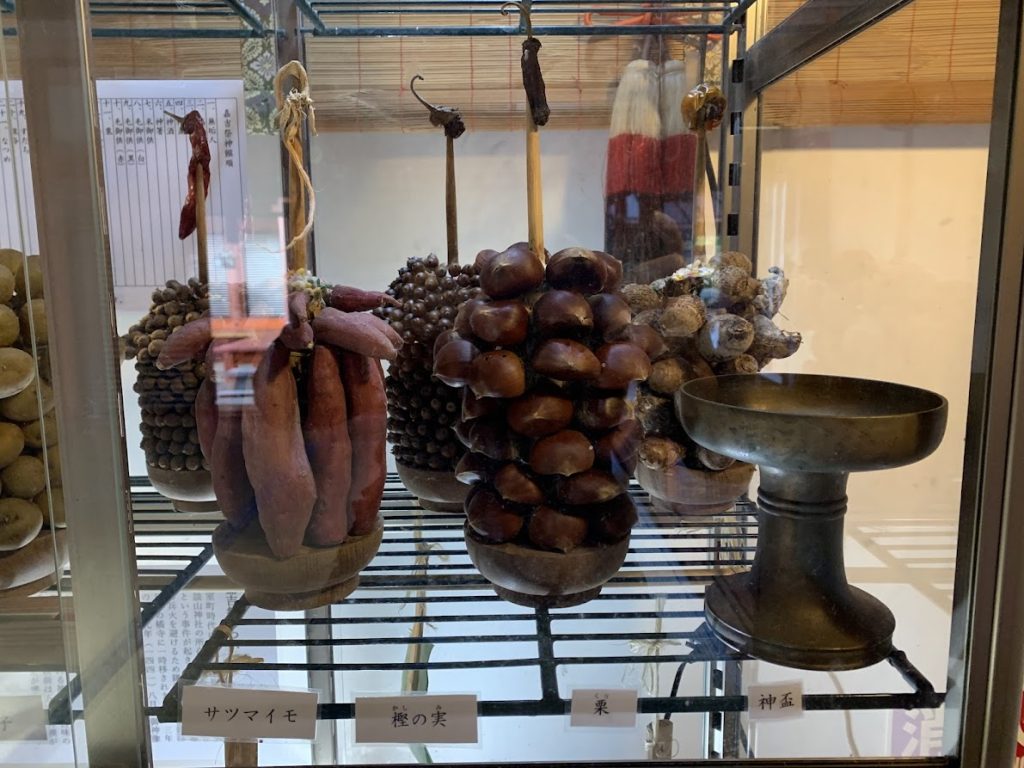
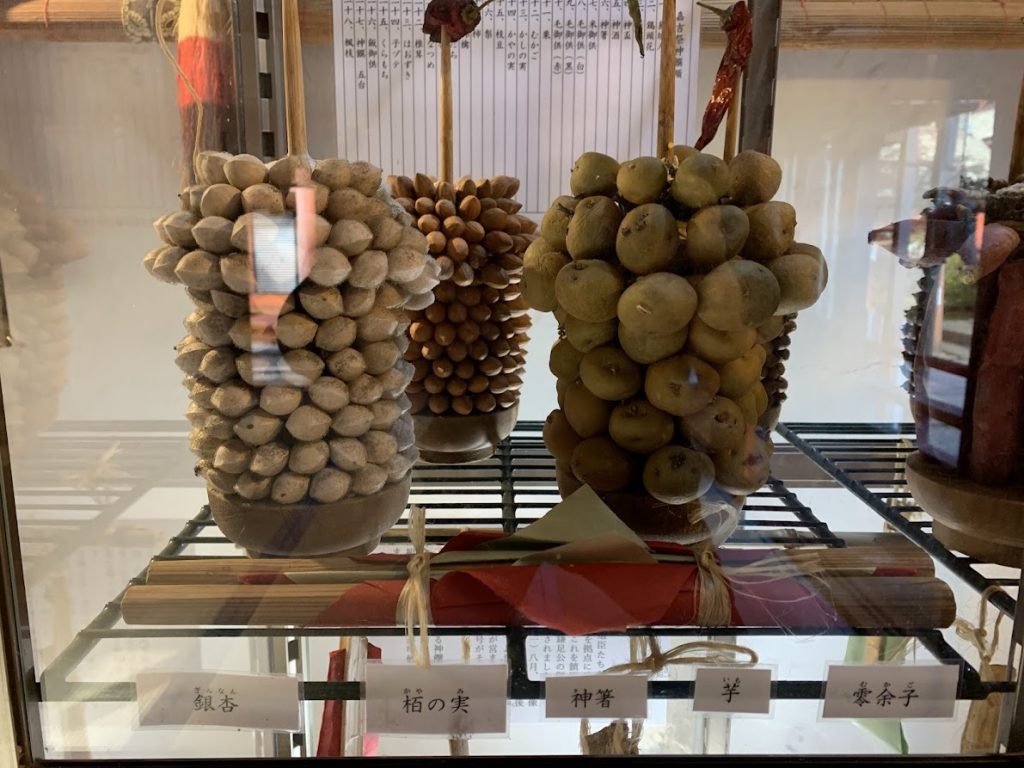
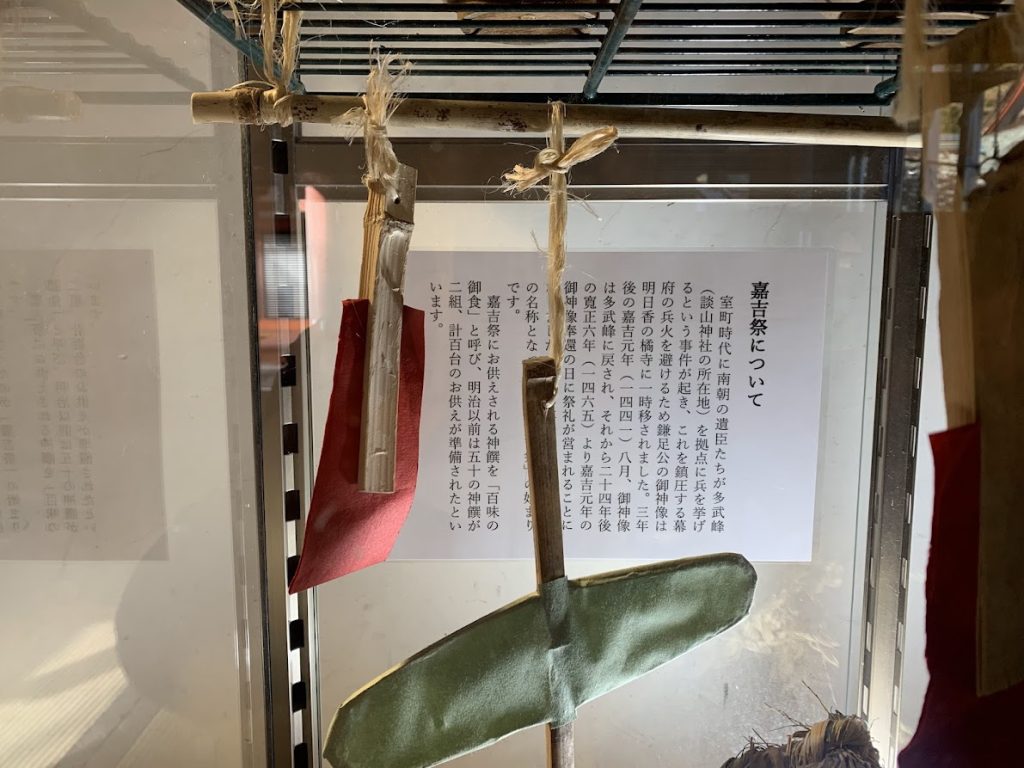

These are offerings made from rice and other ingredients.
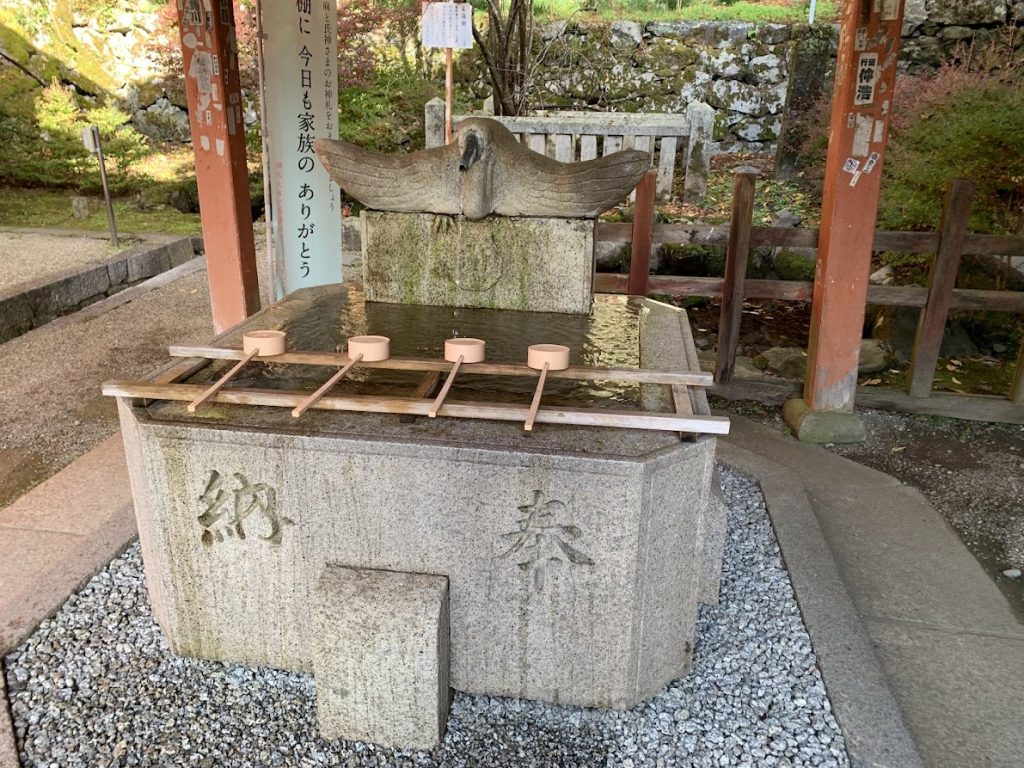
This is a very unusual temizu (water purification basin).
While many feature dragons, this one depicts a bird.
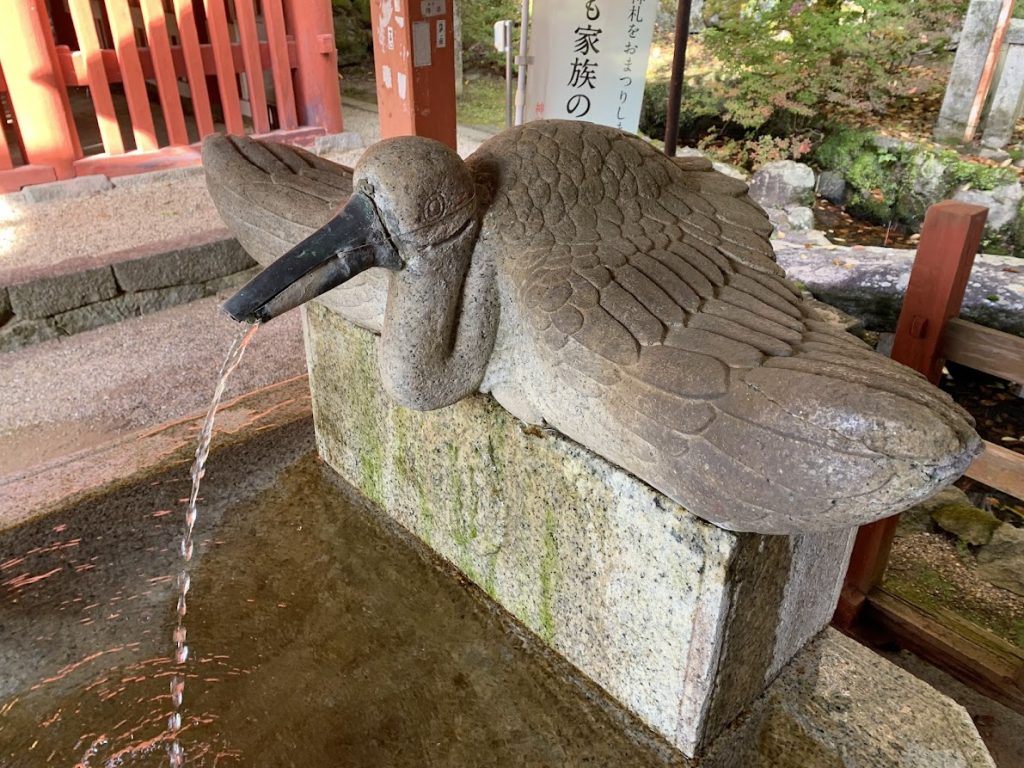
When I asked the staff, they said it’s a crane.
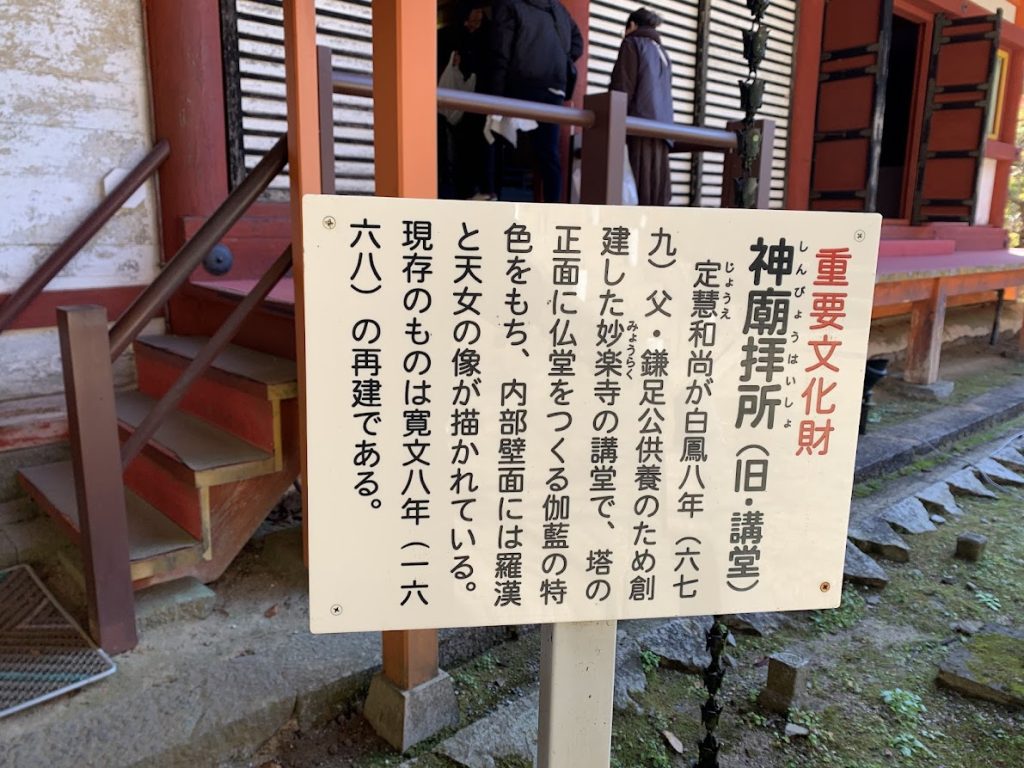
Shinbyo Haisho (Imperial Mausoleum Worship Hall)
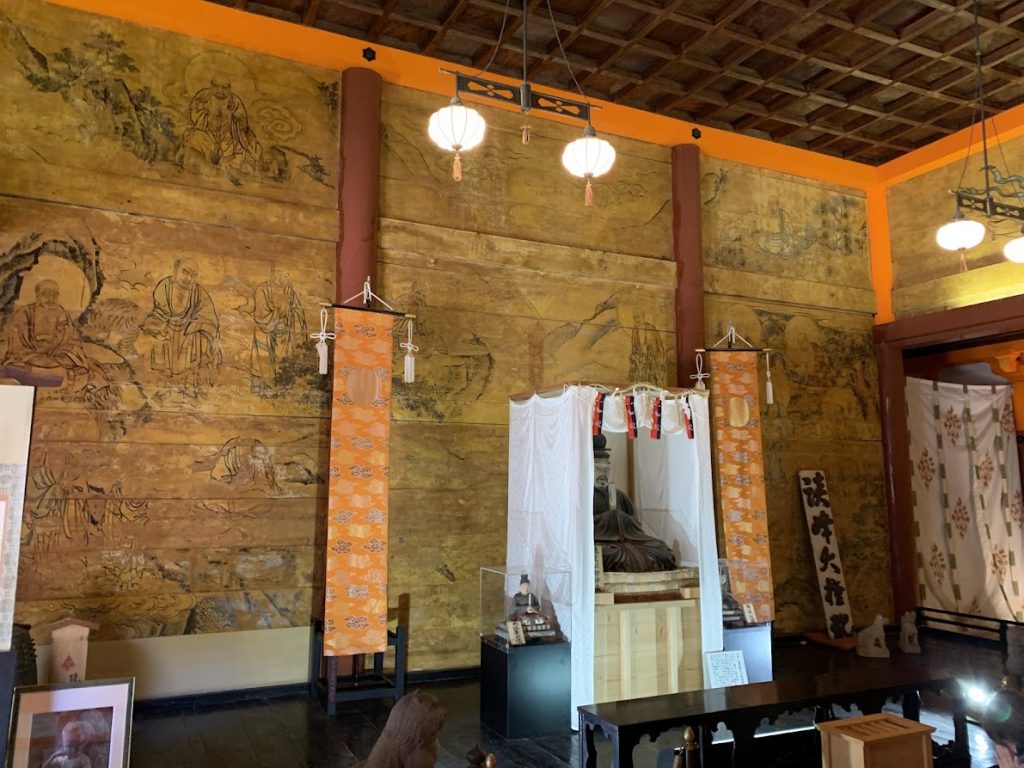
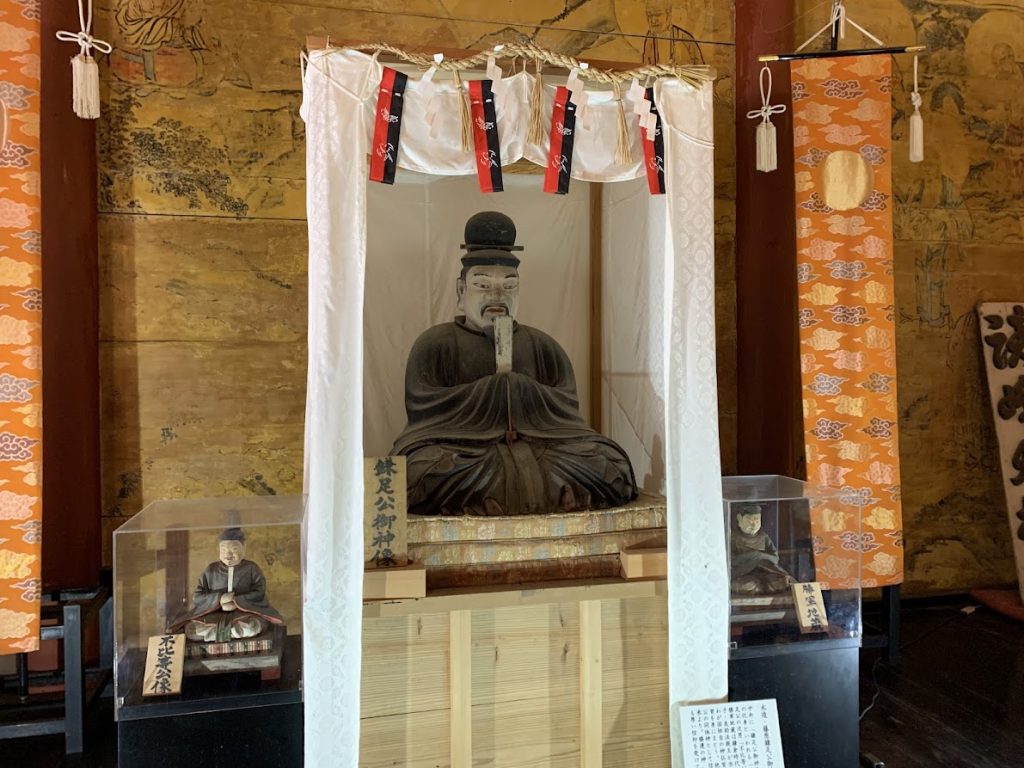
Statue of Kamatari
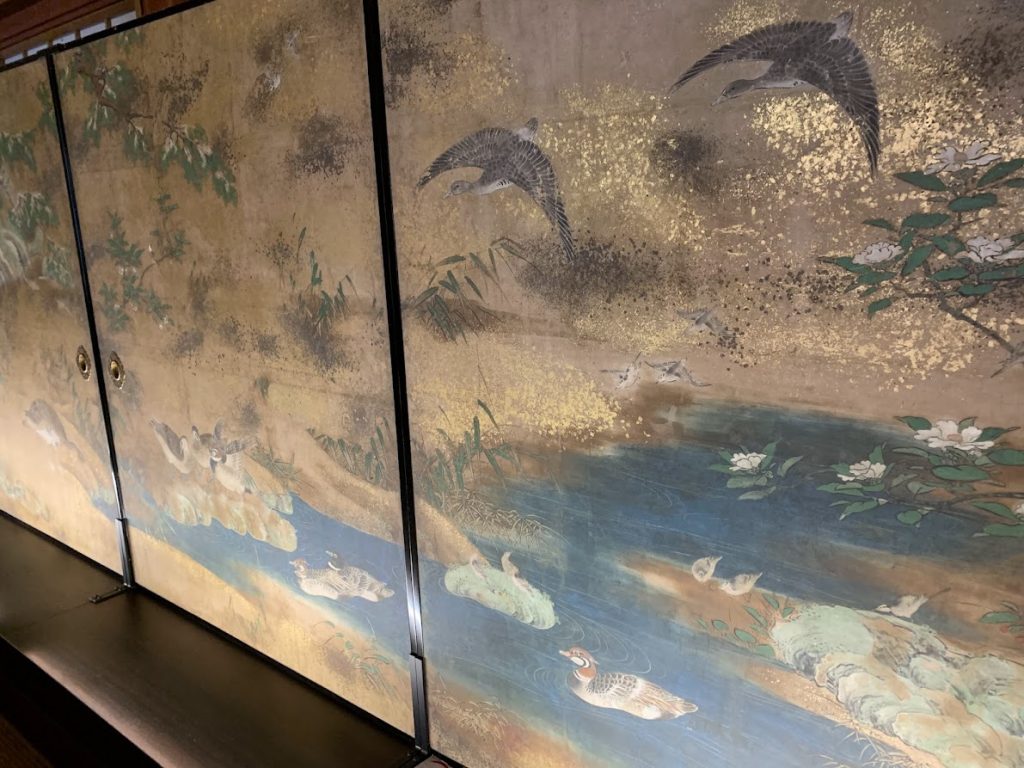
秋”Autumn and Winter Flowers and Birds”
Painted by the Kano
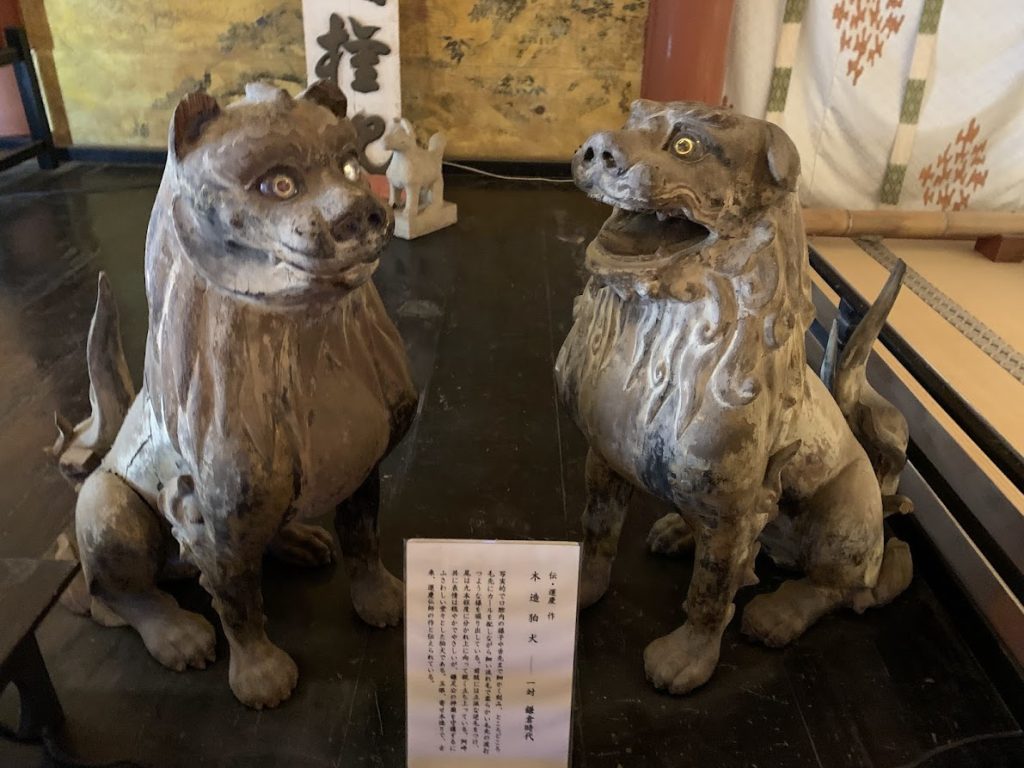
A wooden komainu (guardian lion-dog) said to be crafted by Unkei.
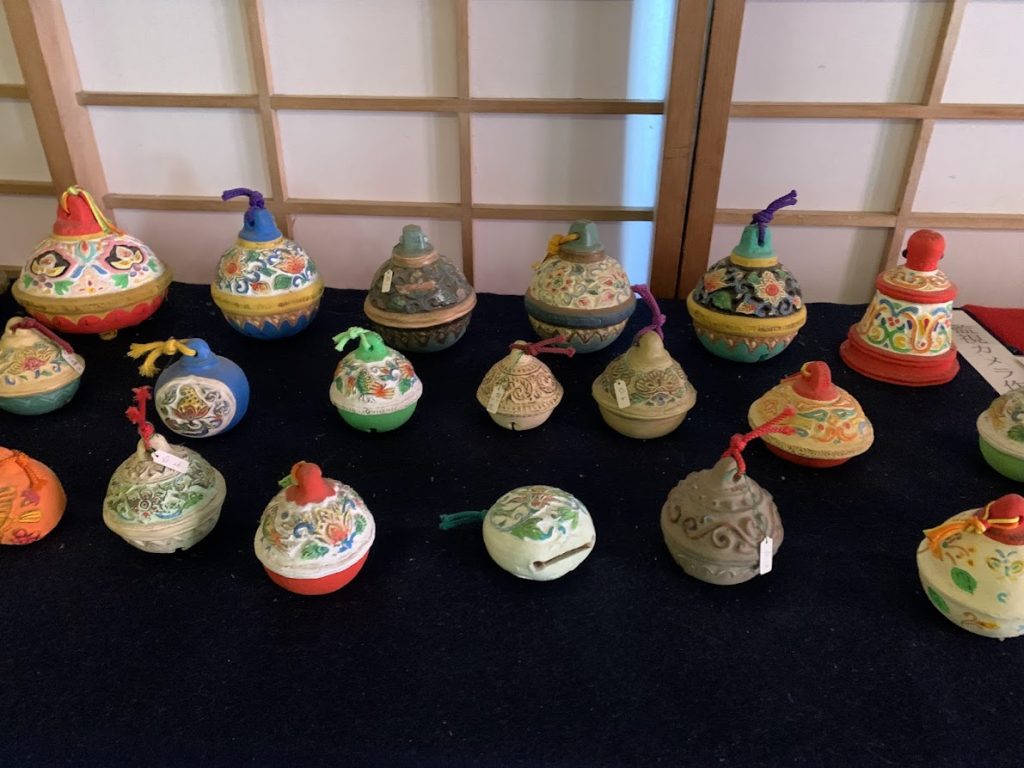
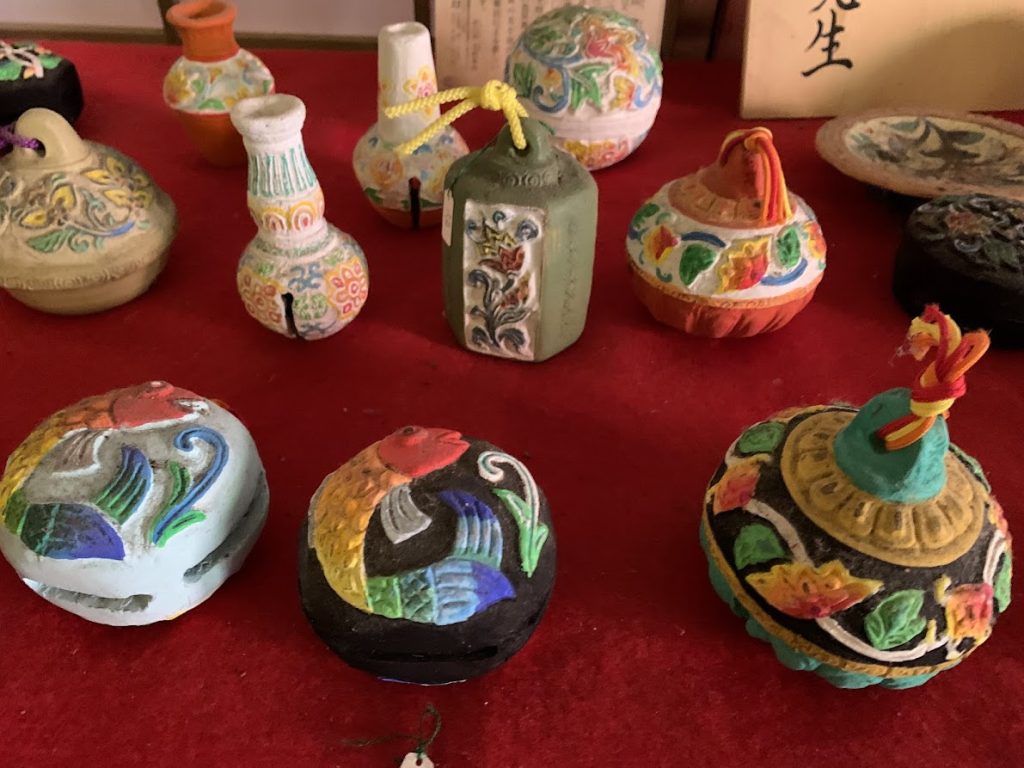
A collection of clay bells (dorei).
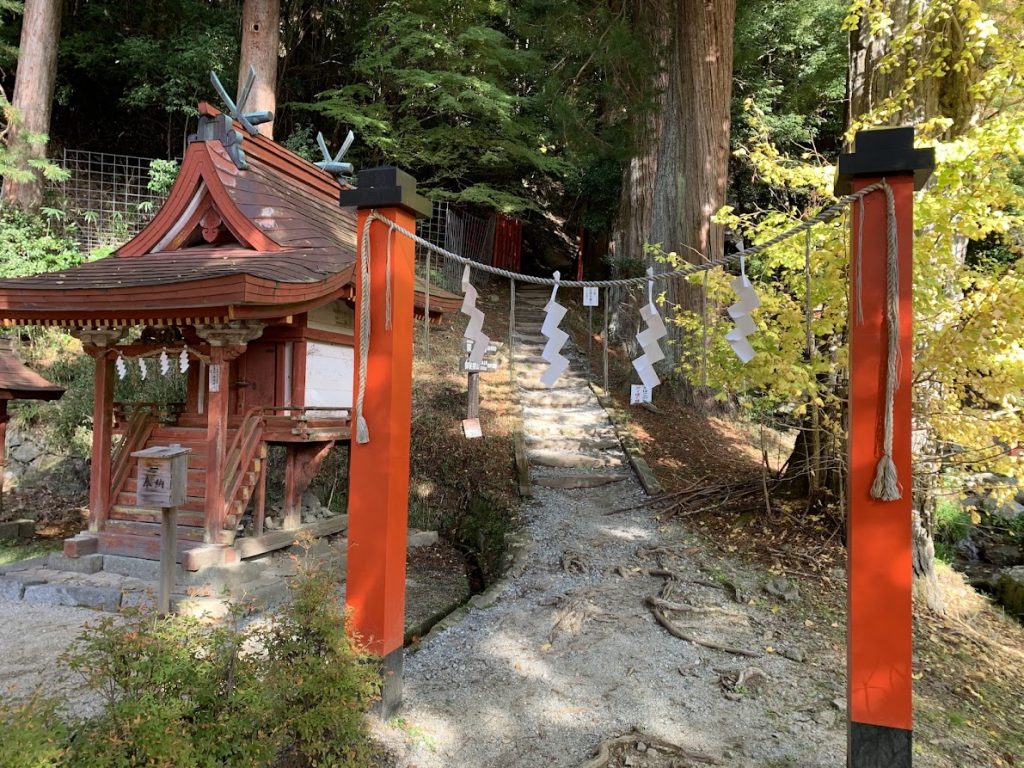
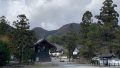
We head toward Kataraiyama (Mount Katarai).
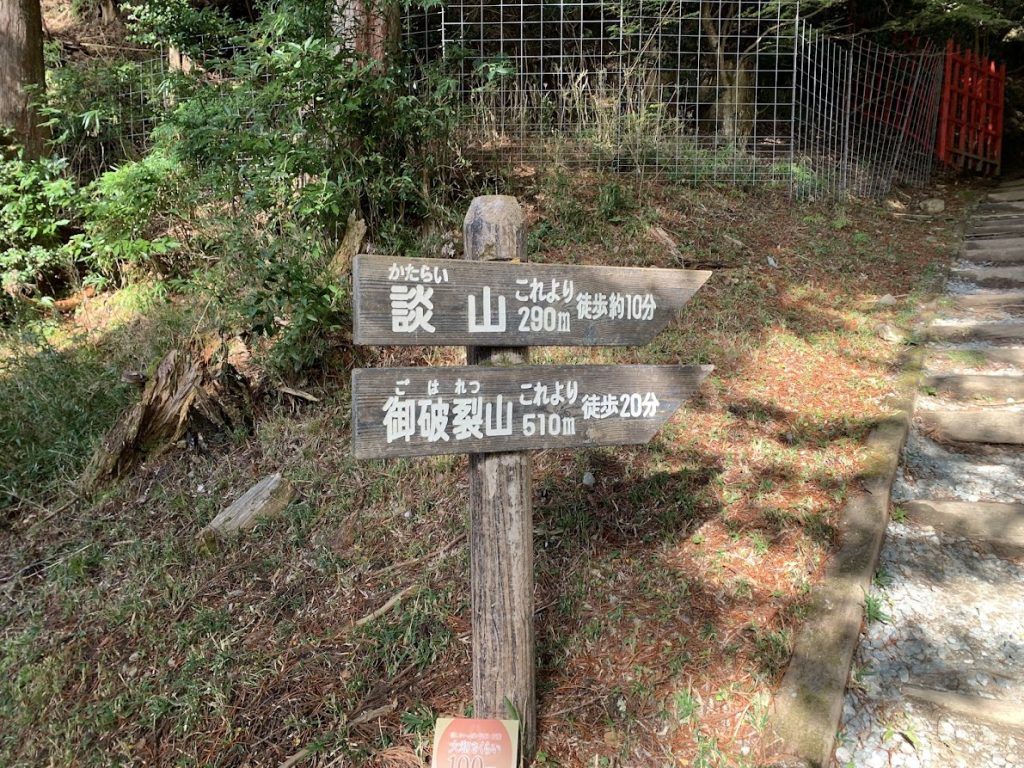
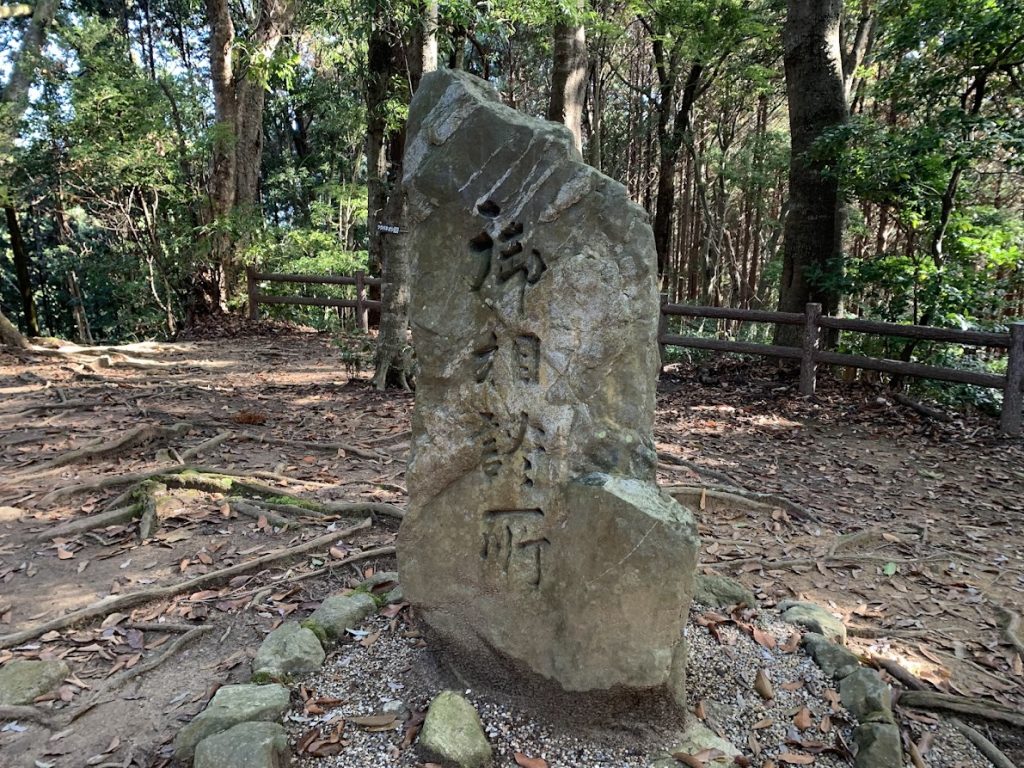
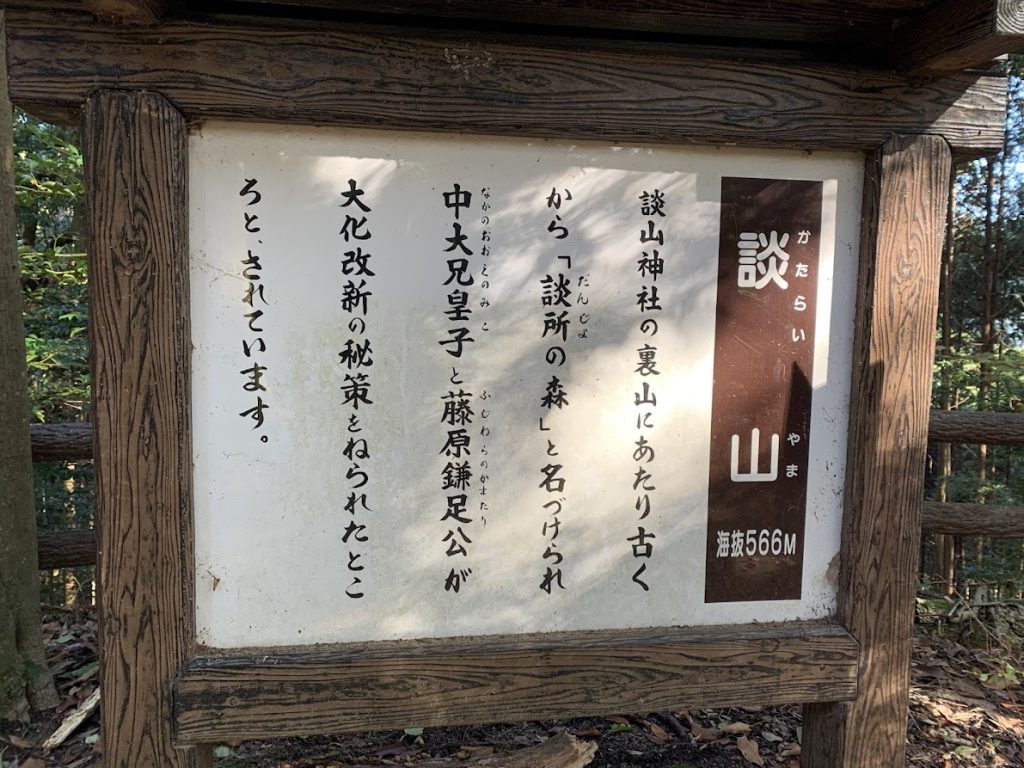
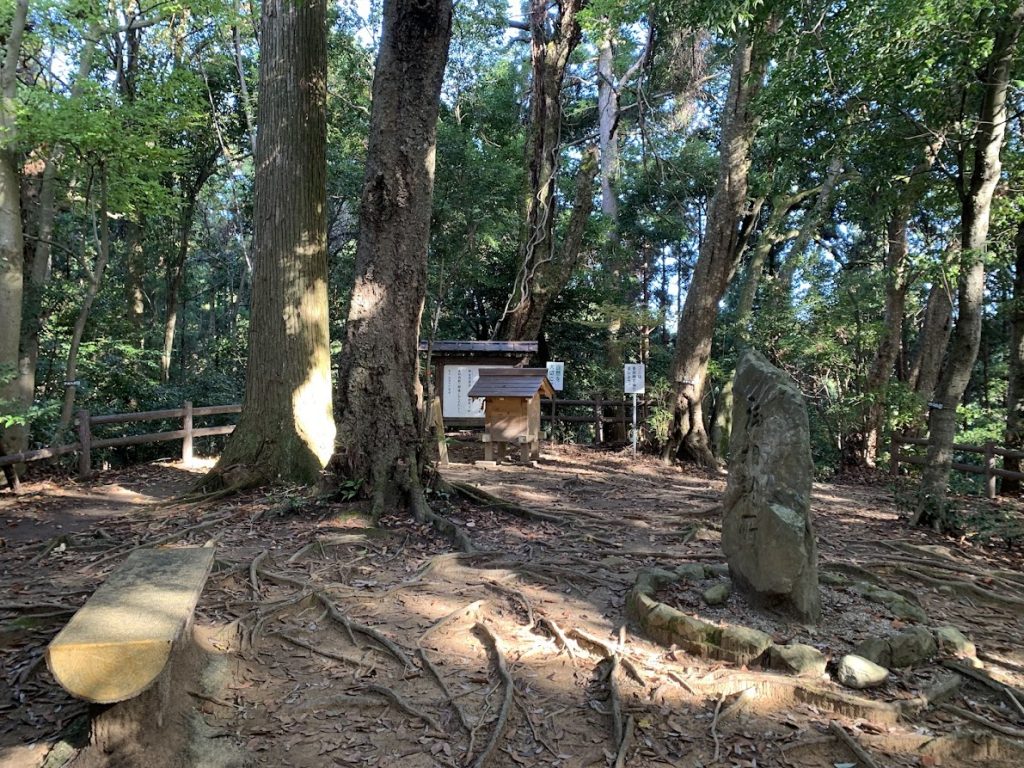
This is the Consultation Hall.
Here, Prince Naka no Oe and Nakatomi no Kamatari planned the execution of the Taika Reform.
This took place about 1,400 years ago.
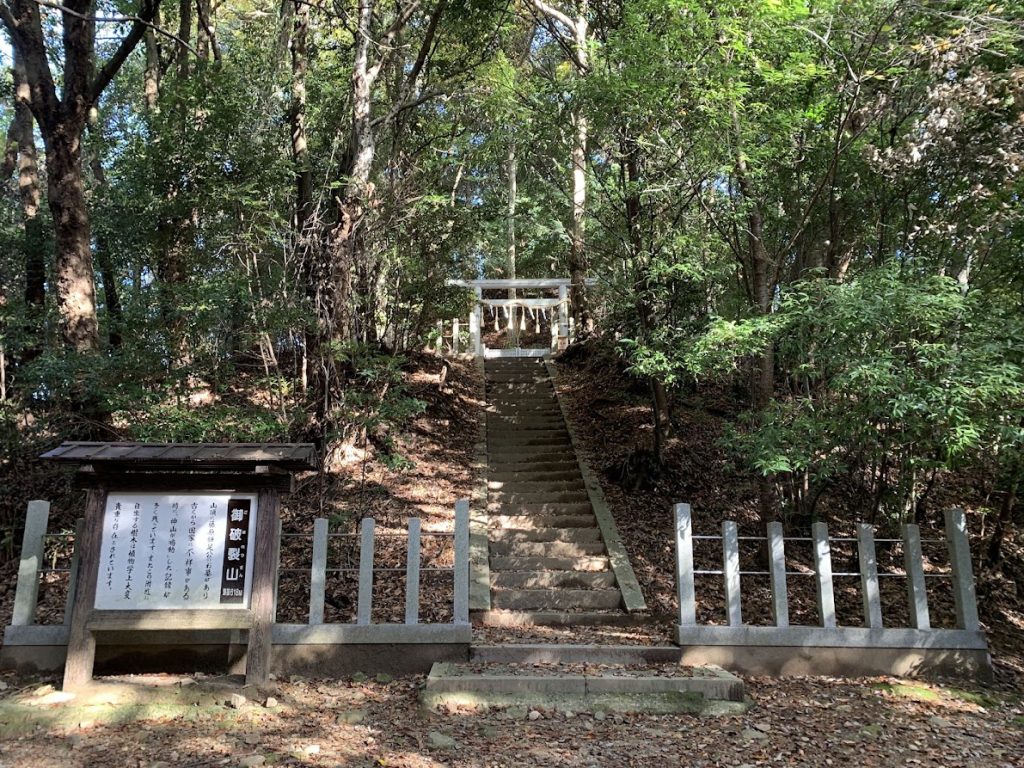
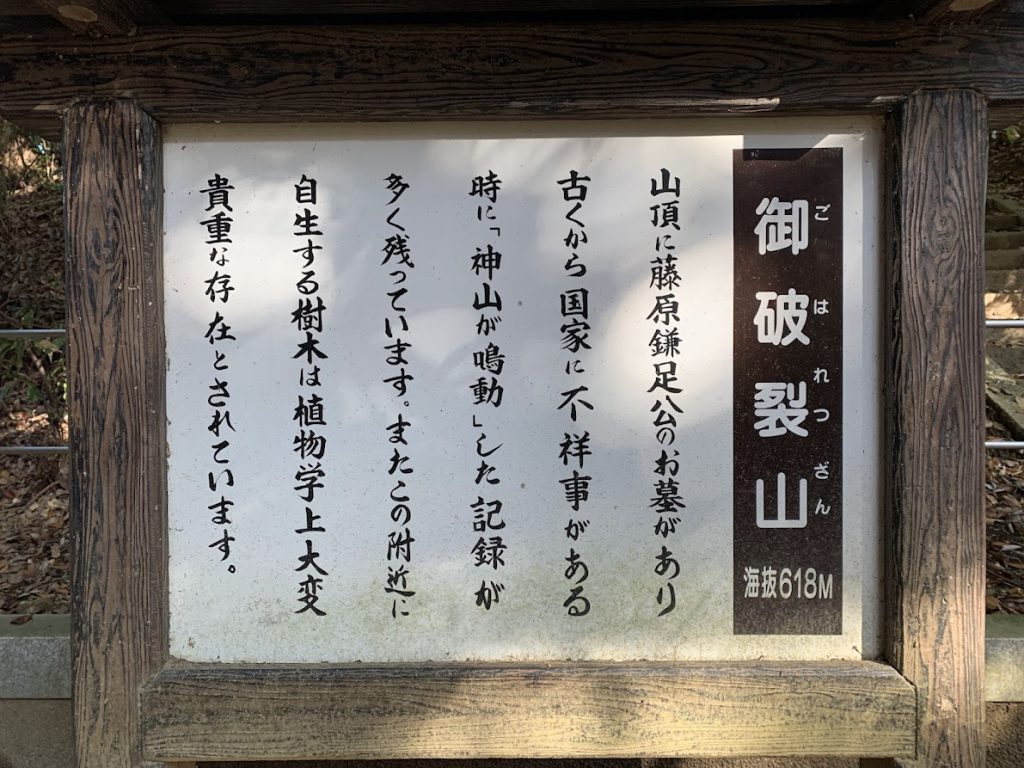
Goharetsu Mountain (Goharetsuzan)
From Kataraiyama, we climbed toward the mountain’s summit.
At the top, we found the grave of Fujiwara no Kamatari (Nakatomi no Kamatari).
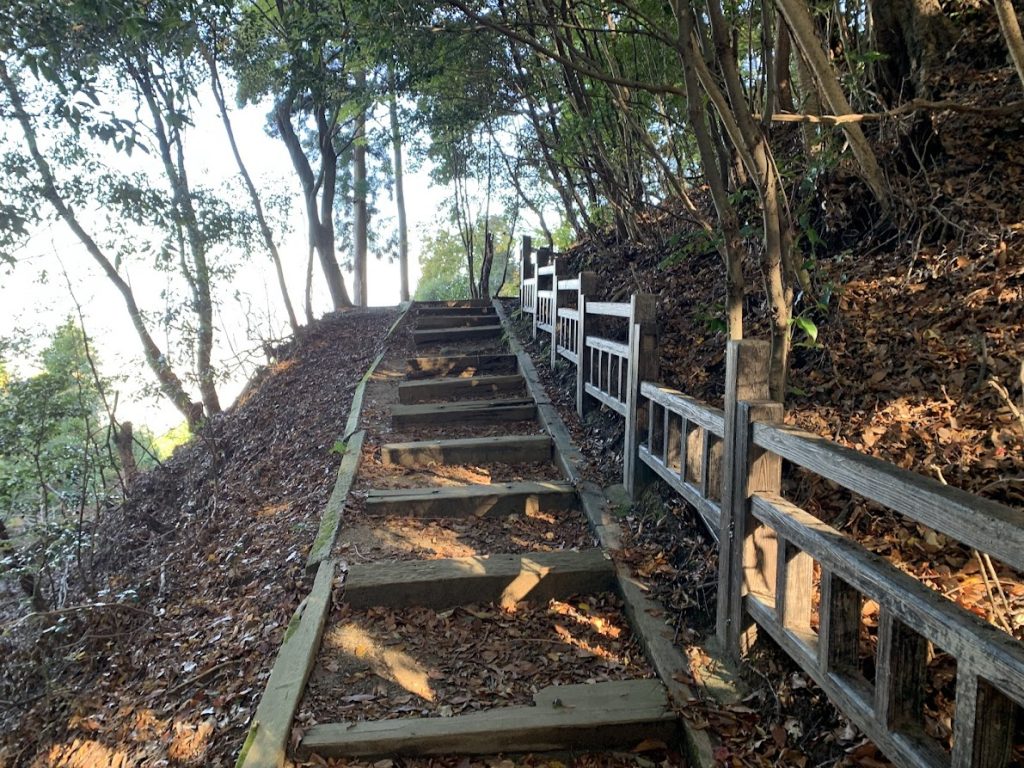
By walking around to the right and going to the backside, we were able to enjoy a magnificent view of the Nara Basin.
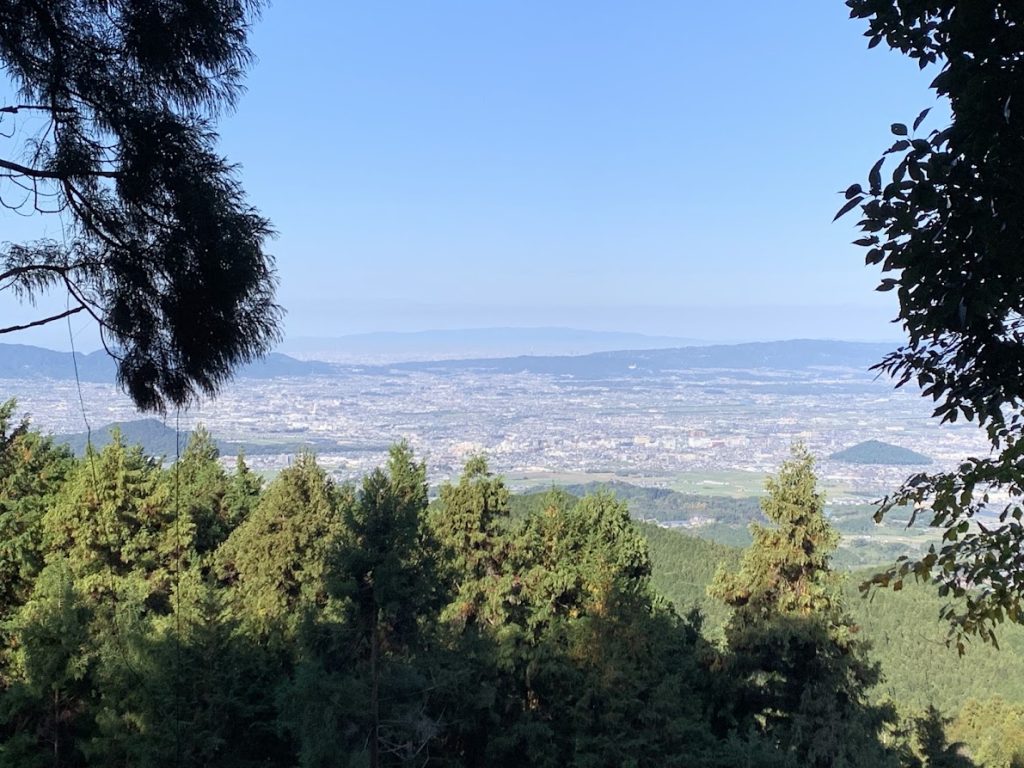
The beautiful triangular peak on the right is Mount Kagu, the slightly larger triangular peak on the left is Mount Unebi, and the gently sloping mountain in the center is Mount Miminashi.
Together, these are known as the Yamato Sanzan — the three mountains beloved by the people of the Manyo era.
コメント