


Tenkawa Daibenzaiten-sha Shrine
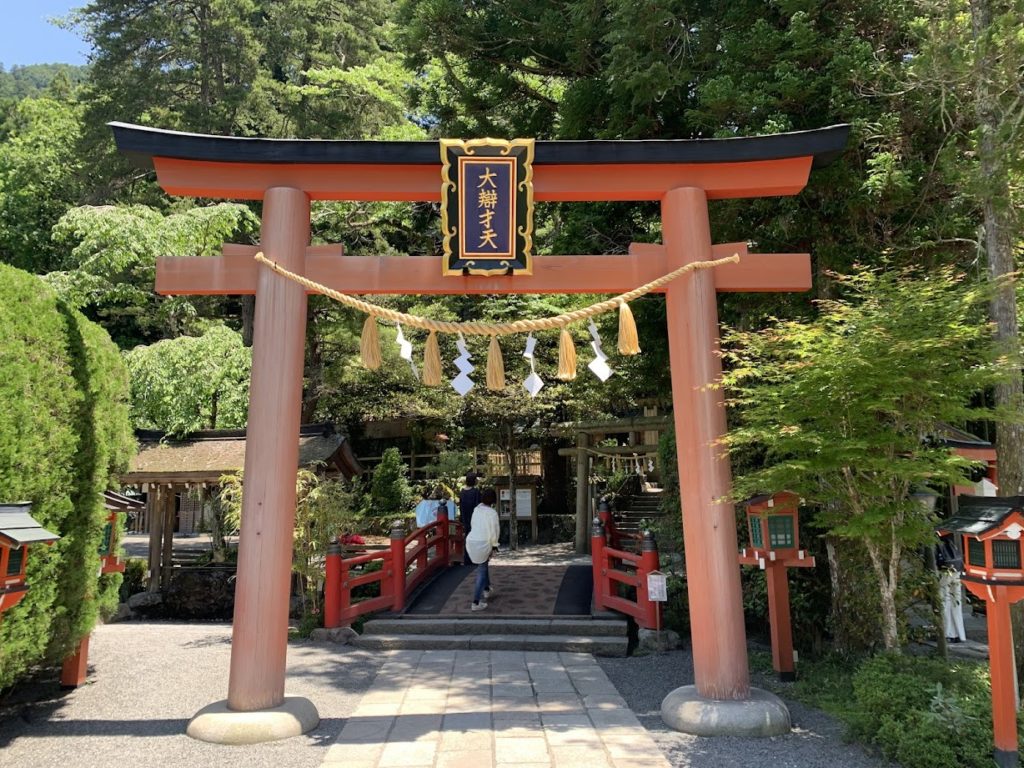
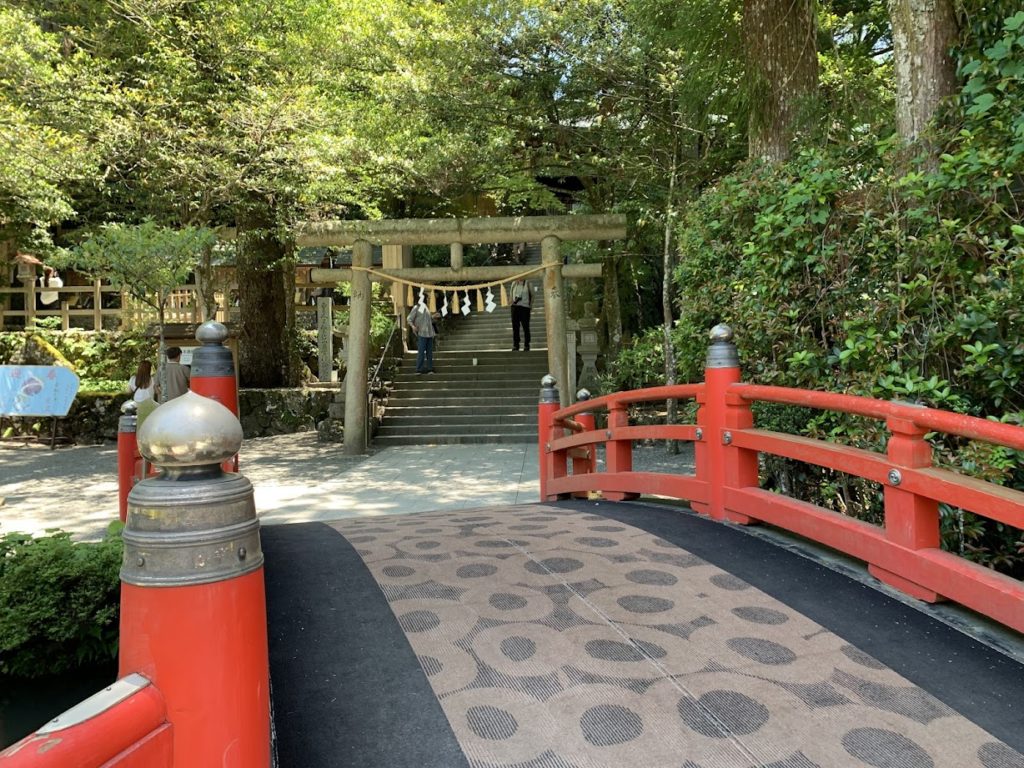
After passing through the red torii gate, there is a bridge with red railings.
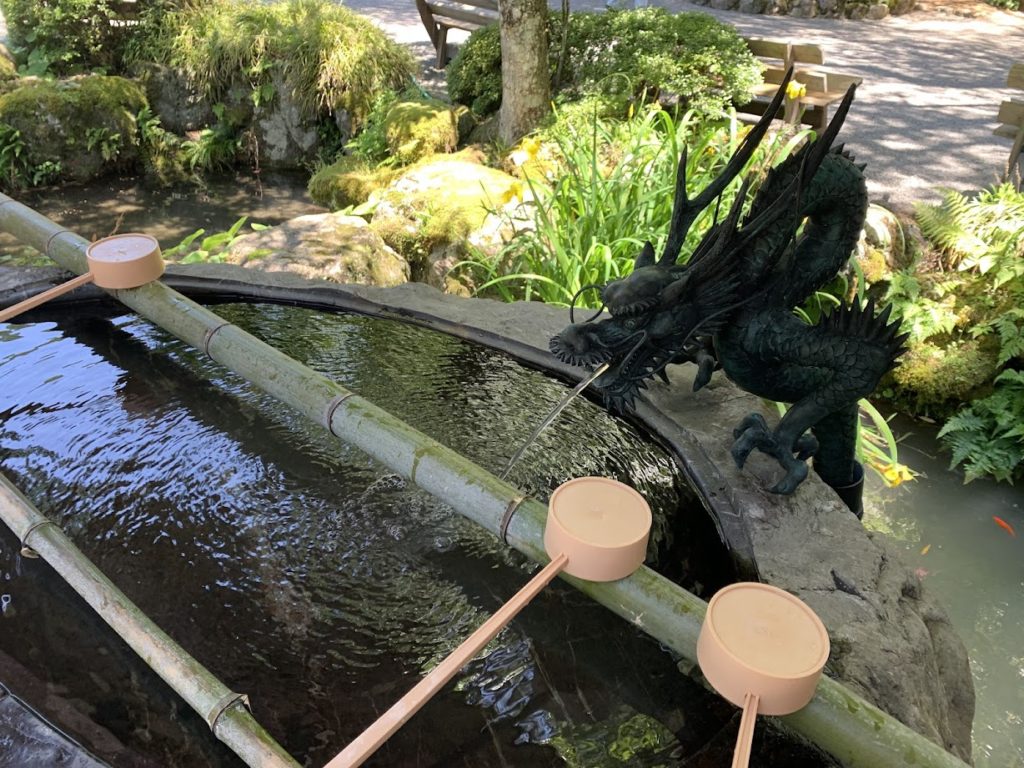
Next to it is a purification pavilion, where clean water was flowing from a dragon.
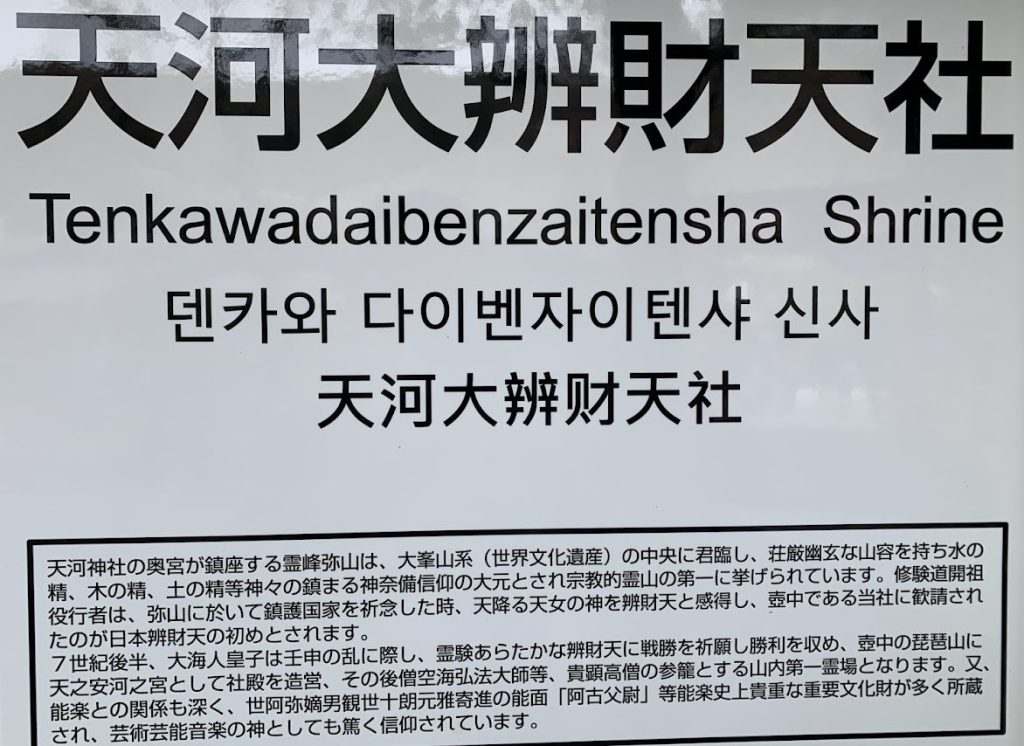
Mount Misen, home to the inner sanctuary of Tenkawa Daibenzaiten-sha Shrine, lies at the heart of the Omine mountain range—a World Cultural Heritage site—and is revered as a sacred peak where spirits gather. It is said that En no Gyōja, the founder of Shugendō, encountered the goddess Benzaiten on this mountain and invited her to this land, marking the beginning of Benzaiten worship in Japan. In the late 7th century, Prince Ōama (later Emperor Tenmu) prayed for victory to the powerful goddess during the Jinshin War—and triumphed.
He later built a shrine on Mount Biwa, where the current main sanctuary now stands. Tenkawa Daibenzaiten-sha Shrine is also closely tied to the tradition of Noh theater and preserves many Important Cultural Properties. It continues to be revered as a guardian of the arts and performance.
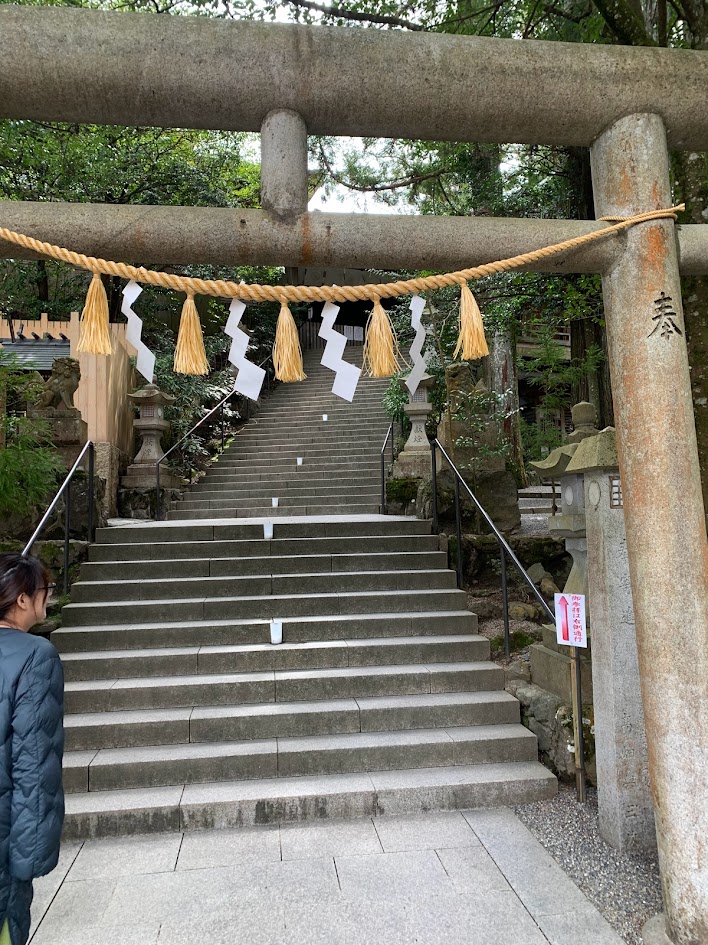
Passing through the stone torii gate and climbing the steps, you’ll come across the Gosha-den (Five Shrines) along the way.
At the top of the staircase lies Mount Biwa, where the main sanctuary, worship hall, and kagura hall are located.
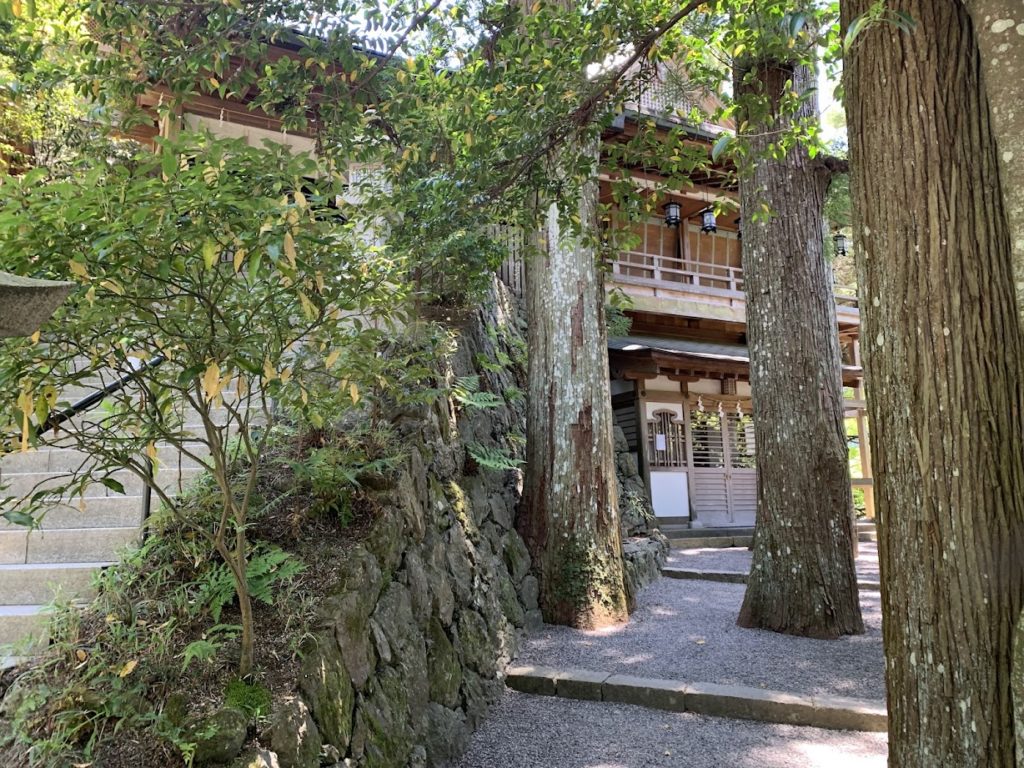

This is the Gosha-den (Five Shrines).
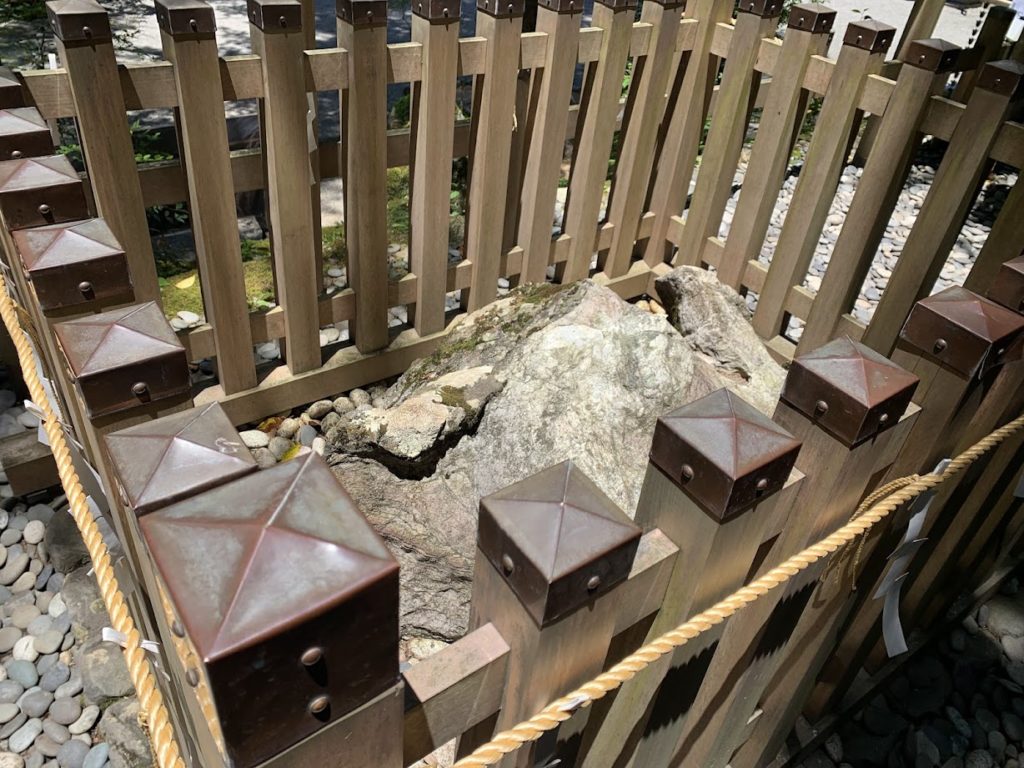
In front of it stands the second “Tenseki” (Heavenly Stone).
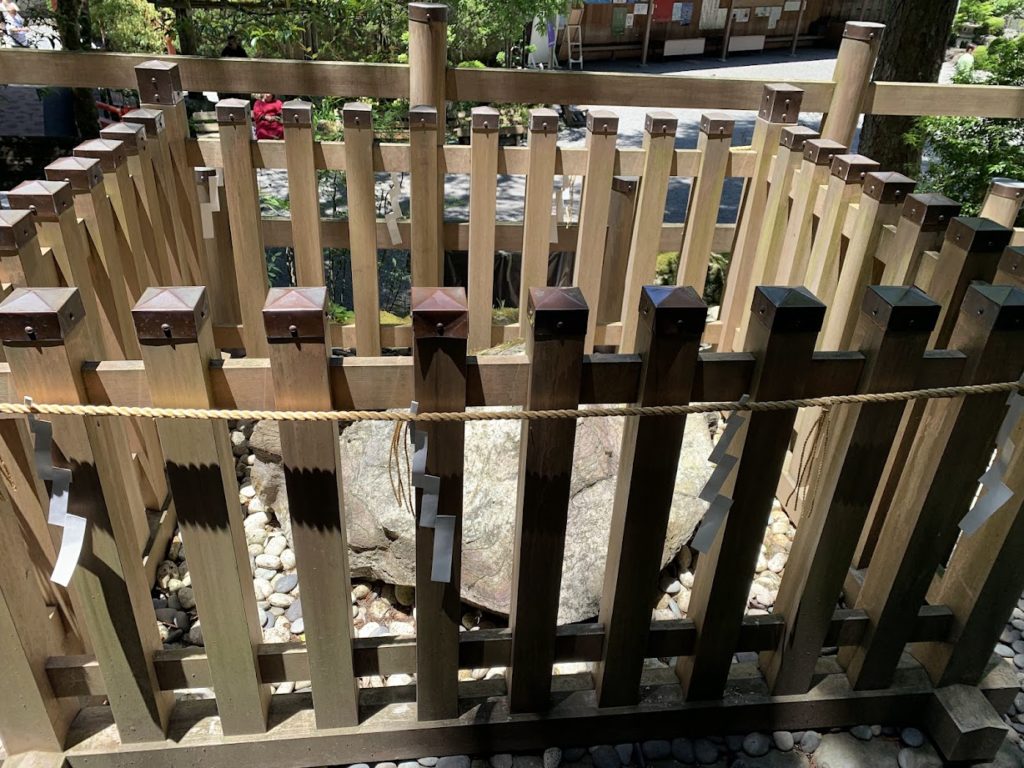
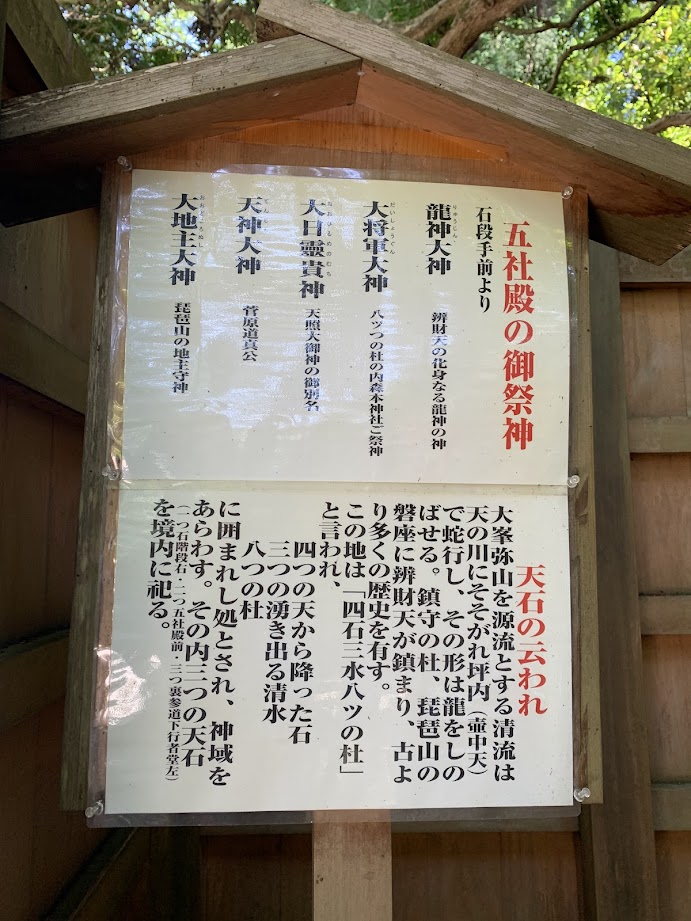
Tenkawa Daibenzaiten-sha Shrine is home to four sacred stones known as “Tenseki,” believed to have descended from the heavens.
One of them is enshrined in front of the Gosha-den (Five Shrines).
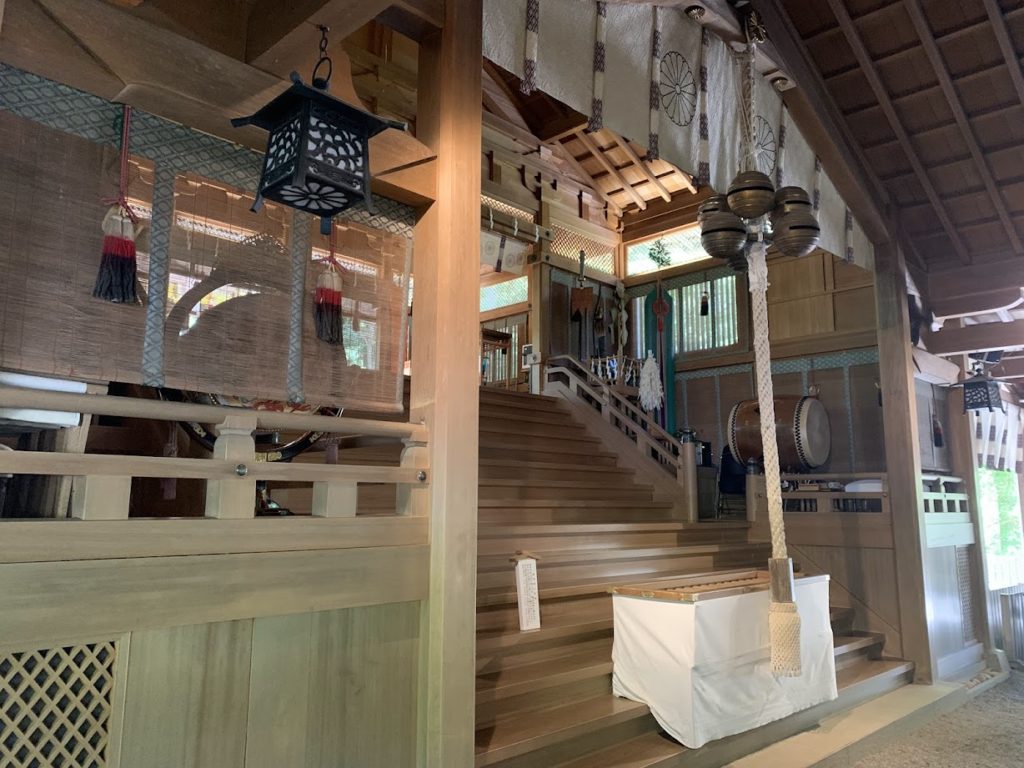
This is the haiden, or worship hall. The honden, or main sanctuary, stands further up—beyond this staircase and another above it.
The area where the honden is located is known as Biwa-yama (Mount Biwa).
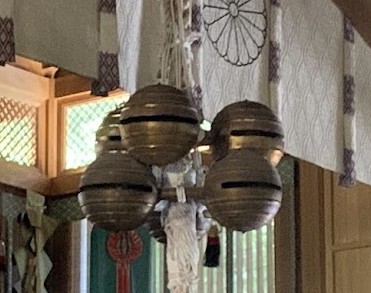
The bell at the worship hall is called the “Isuzu” and has a very unusual shape. According to legend, when the sun goddess Amaterasu once hid herself in the cave of Ama-no-Iwato, the world was plunged into darkness. To lure her out, the goddess Ame-no-Uzume performed a joyful dance in front of the cave, using a ceremonial spear adorned with special bells known as kamiyo-suzu (divine-era bells). The gods’ laughter at her dance piqued Amaterasu’s curiosity, and as she opened the stone door slightly, a strong deity pulled it open completely—restoring light to the world.
The “Isuzu” bell at the haiden is said to resemble the sacred bells used by Ame-no-Uzume during that mythical dance.


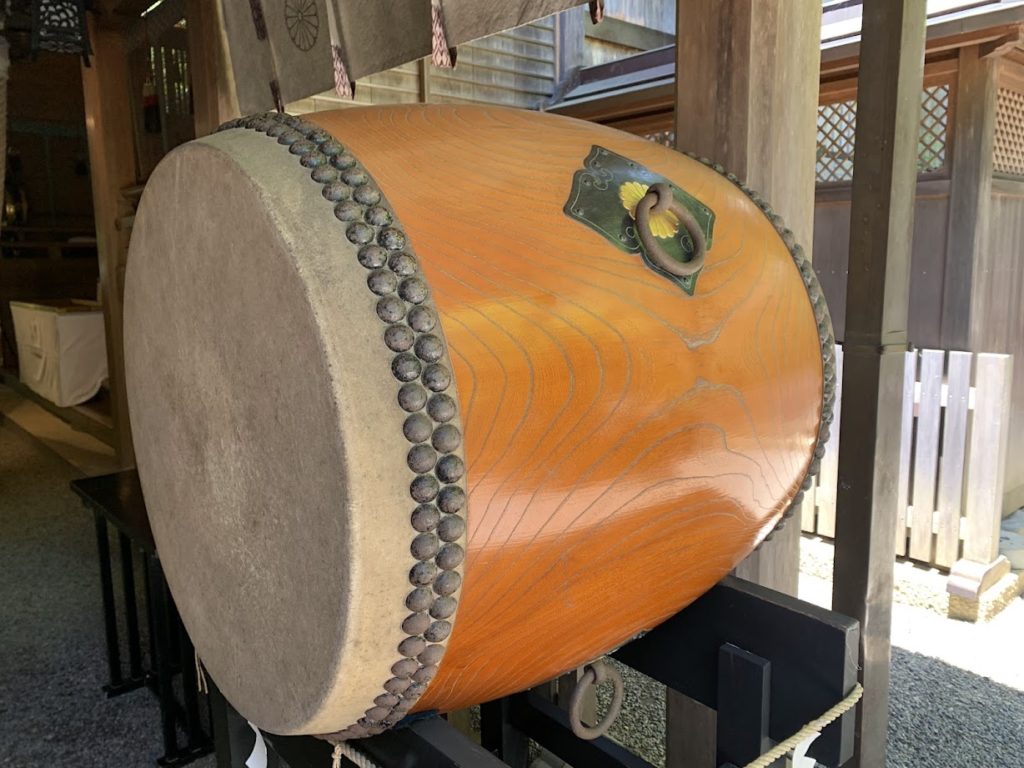
The kagura stage stands in front of the worship hall (haiden). > As Tenkawa Daibenzaiten-sha Shrine is dedicated to the deity of the performing arts, many artists and performers come here to pay their respects.
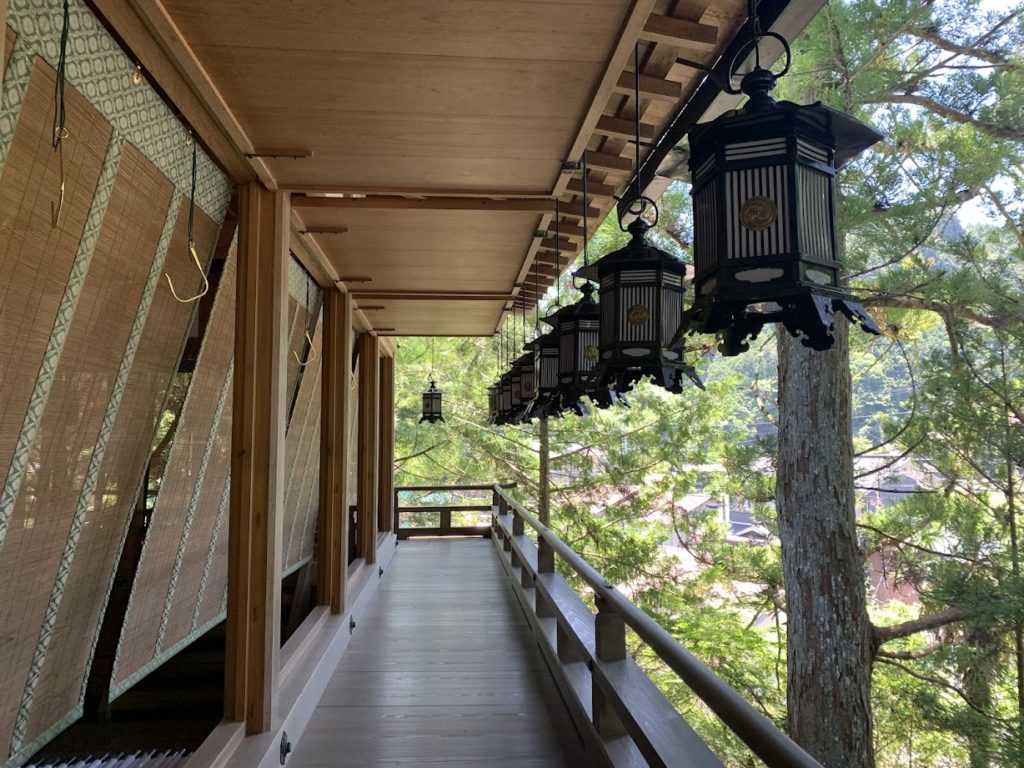
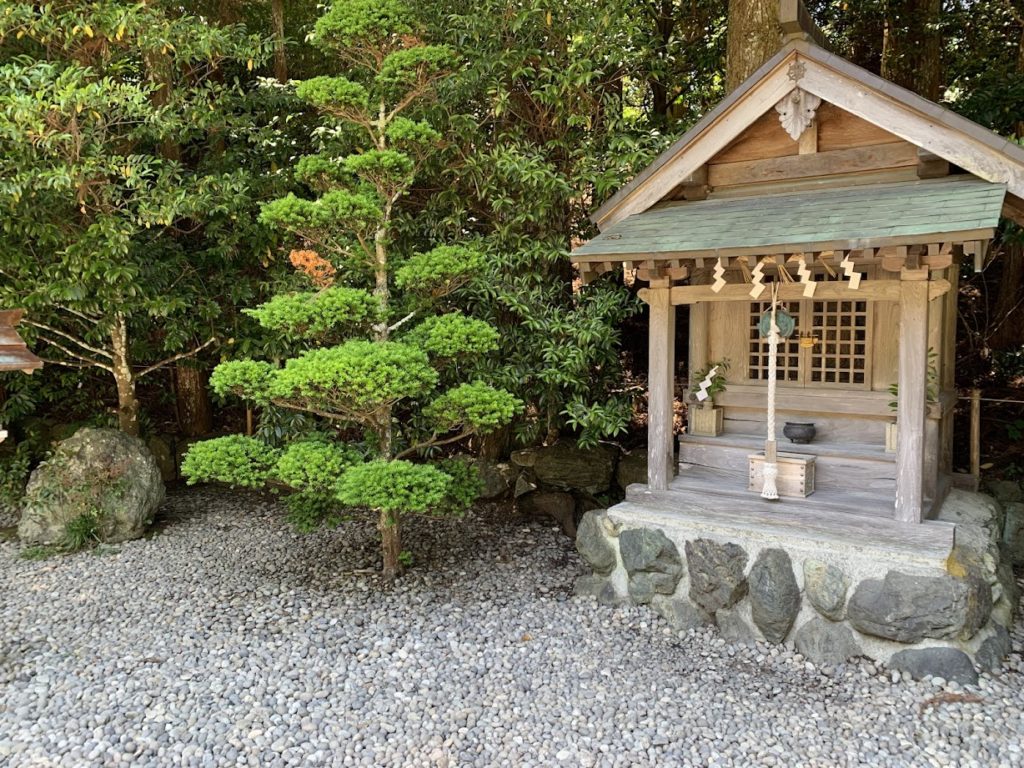
The En no Gyōja Hall (Yakushidō) stands down the steps behind the worship hall.
At the base of the sacred sakaki tree to its left lies the third “Tenseki” (Heavenly Stone).
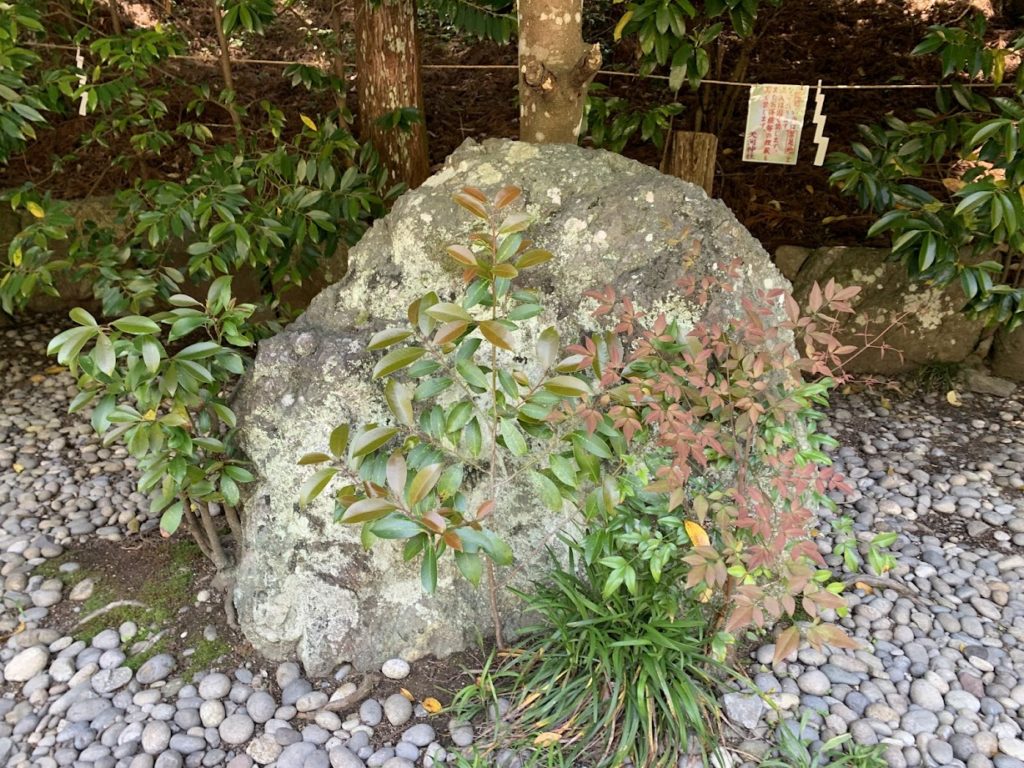
This is the third Tenseki
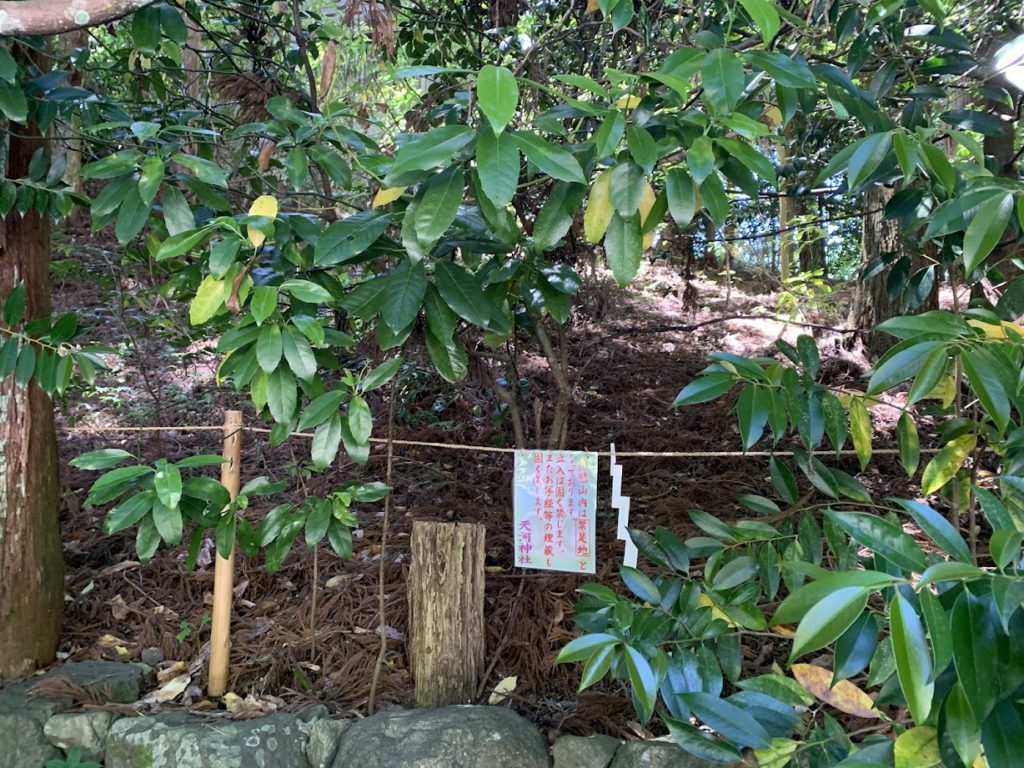
The mountain behind the En no Gyōja Hall is called Mount Biwa (Biwa-yama).
At its summit stands the main sanctuary (honden), but the mountain itself is a sacred area where entry is strictly forbidden.
Tenkawa Daibenzaiten-sha Chinkonden (Misogiden)
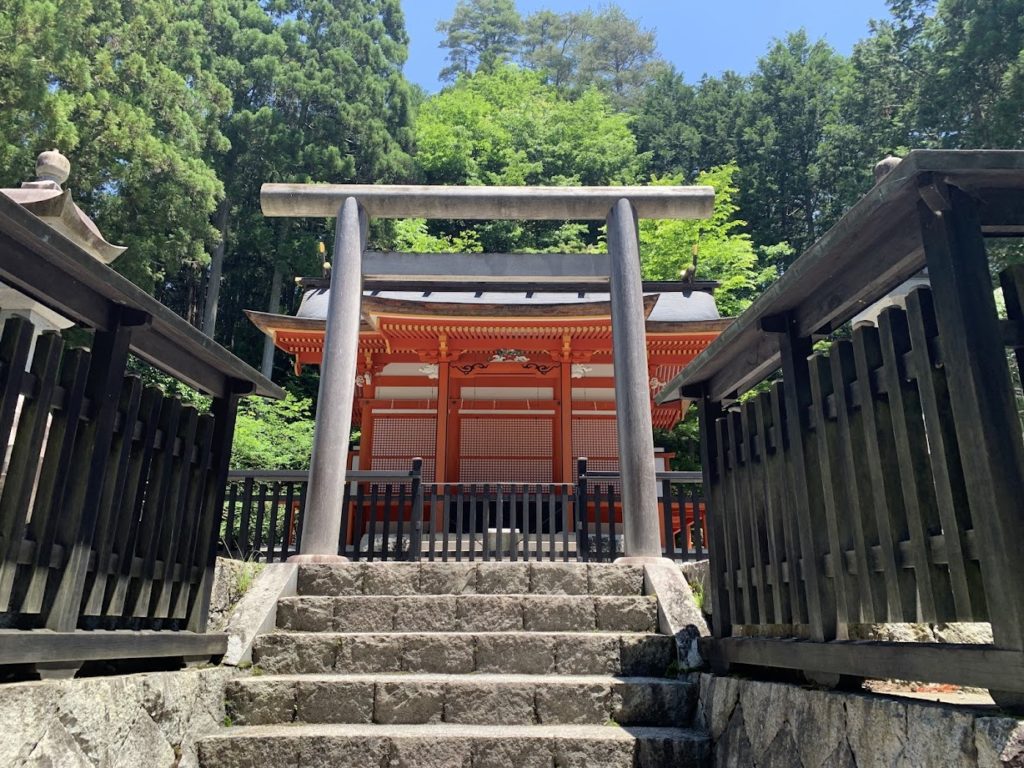
It is located about 500 meters from Tenkawa Daibenzaiten-sha Shrine, roughly a 10-minute walk.
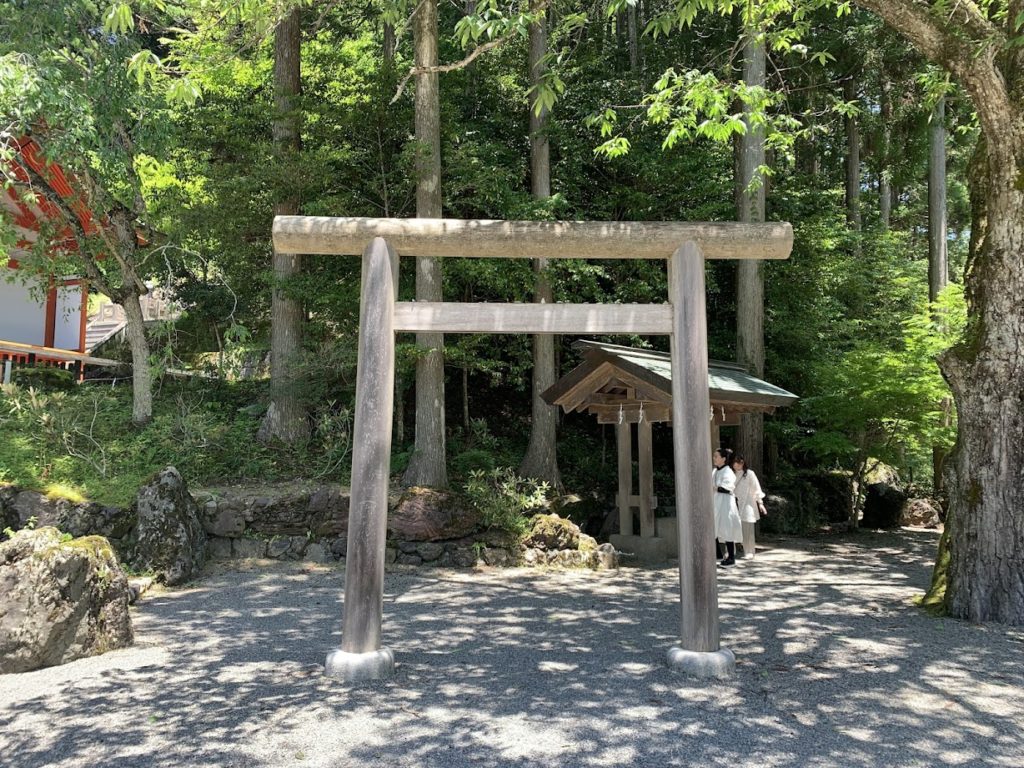
On the left side after passing through the torii gate stands the Misogiden (Purification Hall).
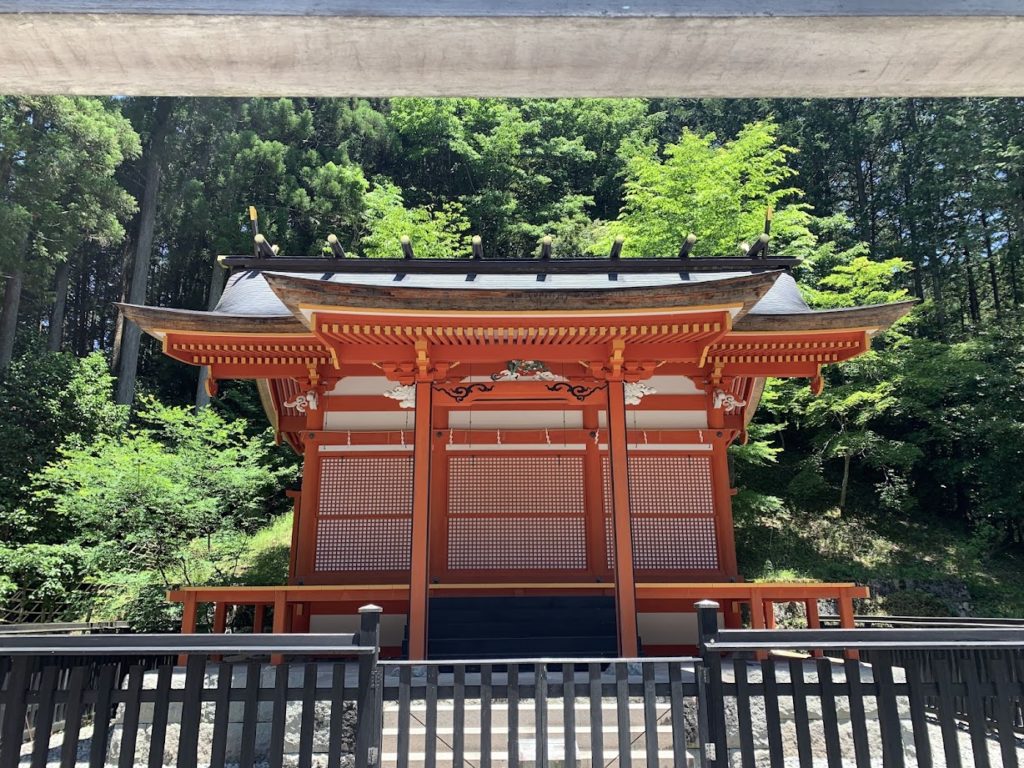
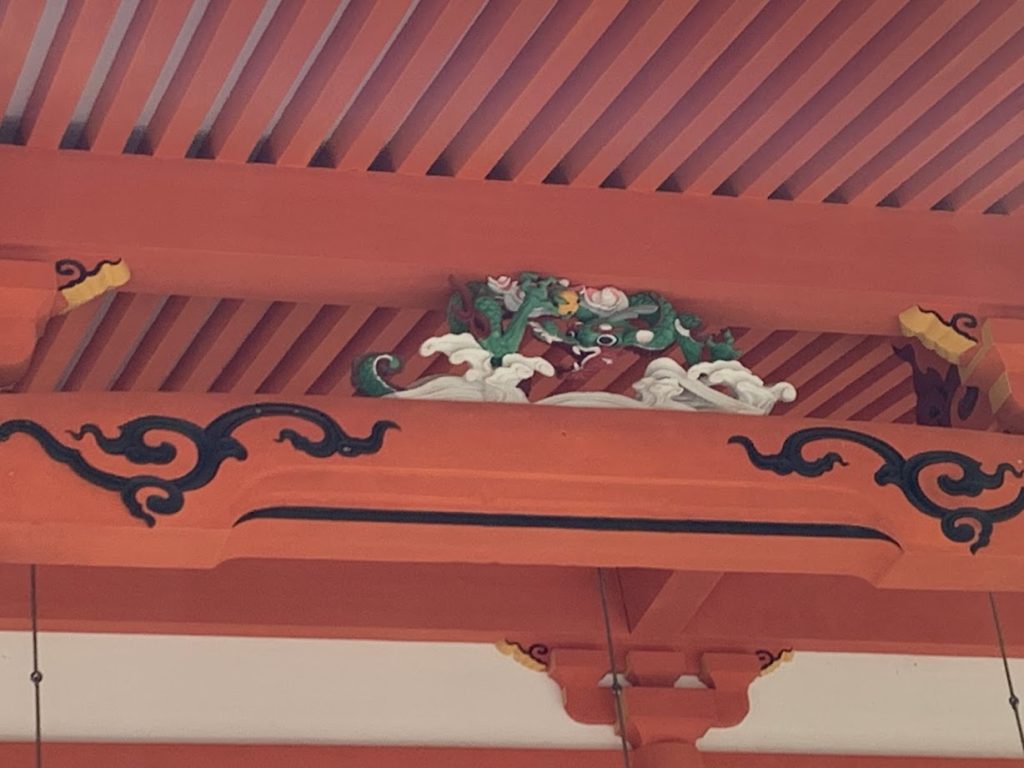
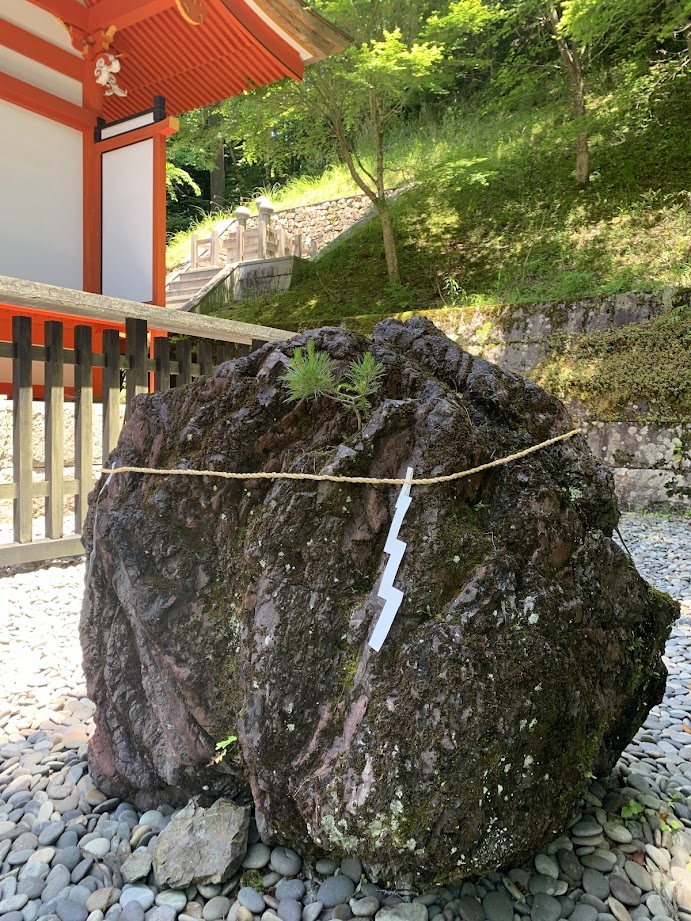
To the right of the Misogiden (Purification Hall) stands a sacred stone, enshrined as part of the shrine’s spiritual landscape.
Behind the worship hall (haiden), three spherical ornaments symbolize the sacred states of the spirit.
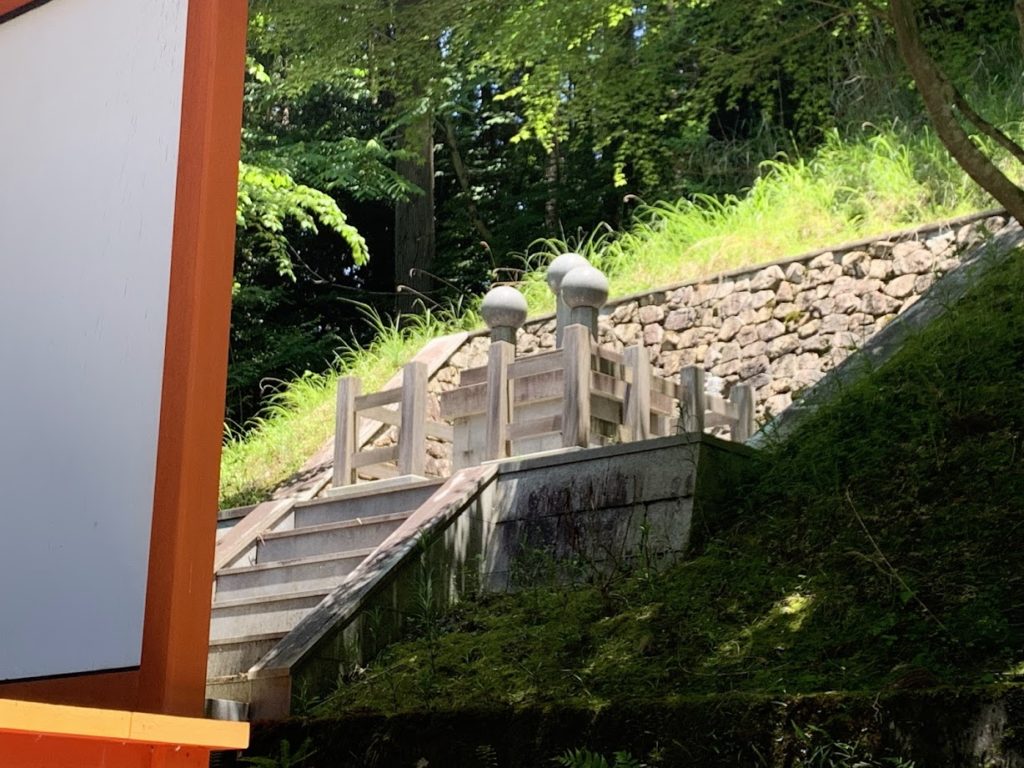
Behind the worship hall (haiden) are three mysterious spheres with an unusual shape.
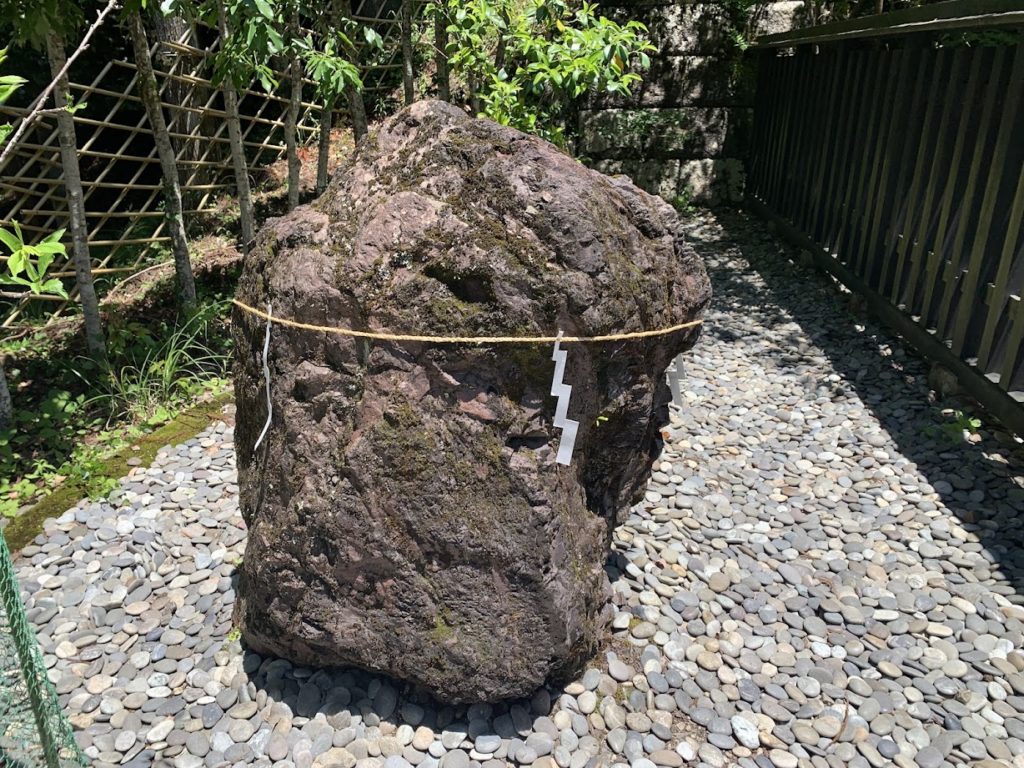
A sacred stone is enshrined to the left of the Misogiden (Purification Hall).
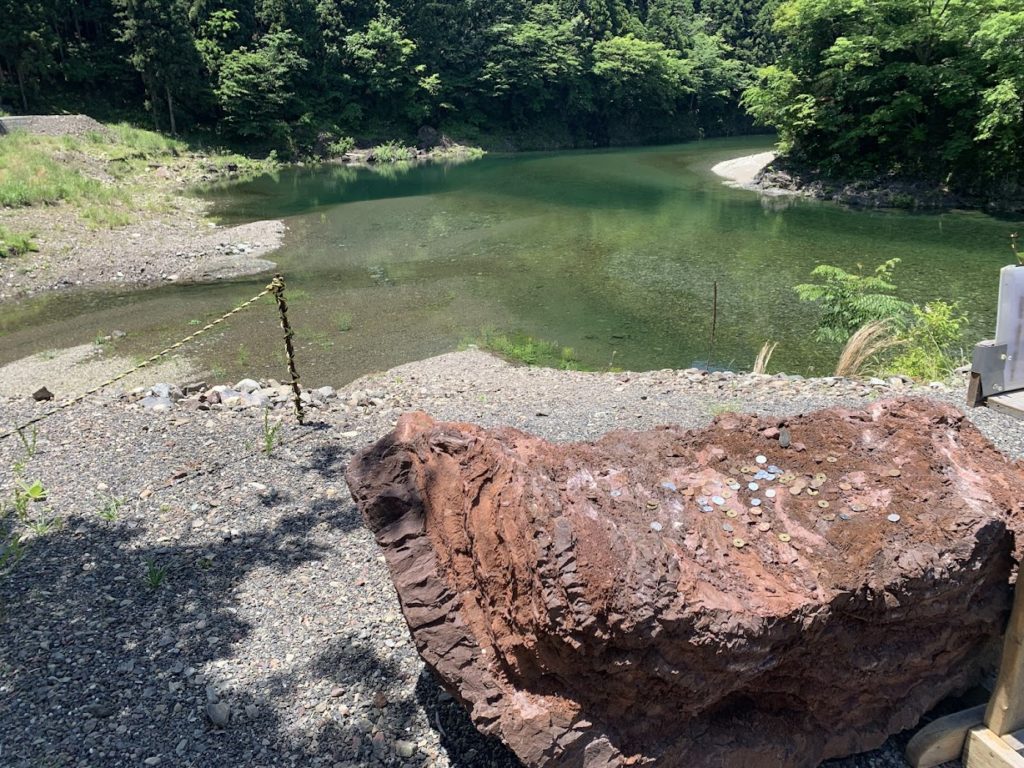
This photo was taken from the parking lot across from the Misogiden (Purification Hall).
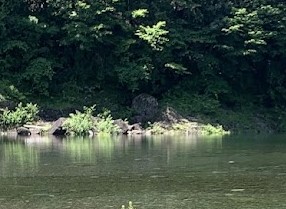
The river, called Amanogawa (Heavenly River), flows with a mysterious green hue and striking clarity.
Raigō-in Temple: A Sacred Site of Zero Magnetic Field and a Giant Ginkgo Tree
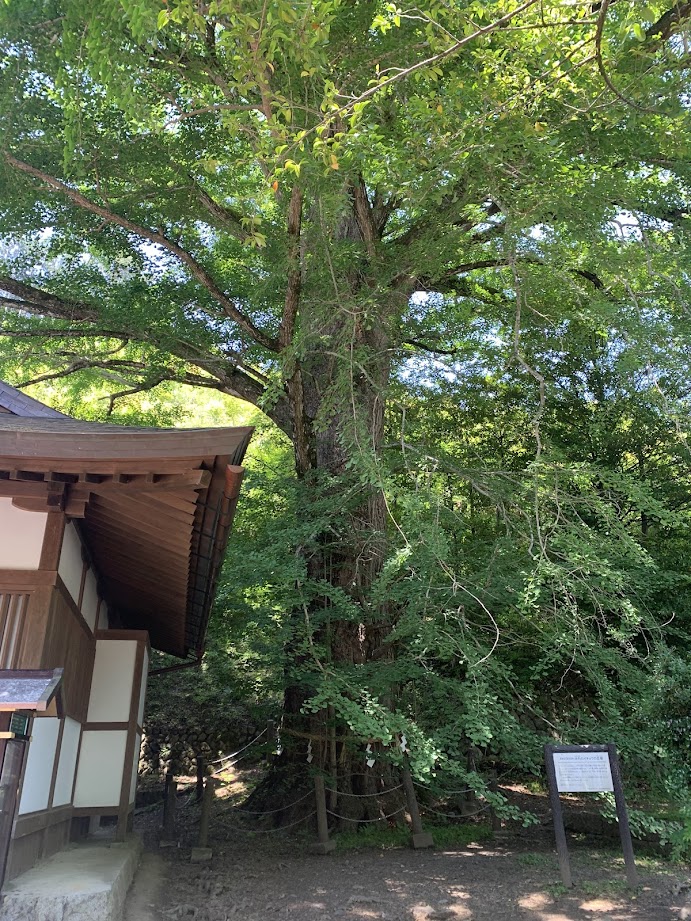
Raigō-in Temple stands just across from the torii gate of Tenkawa Daibenzaiten-sha Shrine.
Beside its main hall grows a massive ginkgo tree, said to have been planted by Kōbō Daishi (Kūkai). It is the largest of its kind in the prefecture.
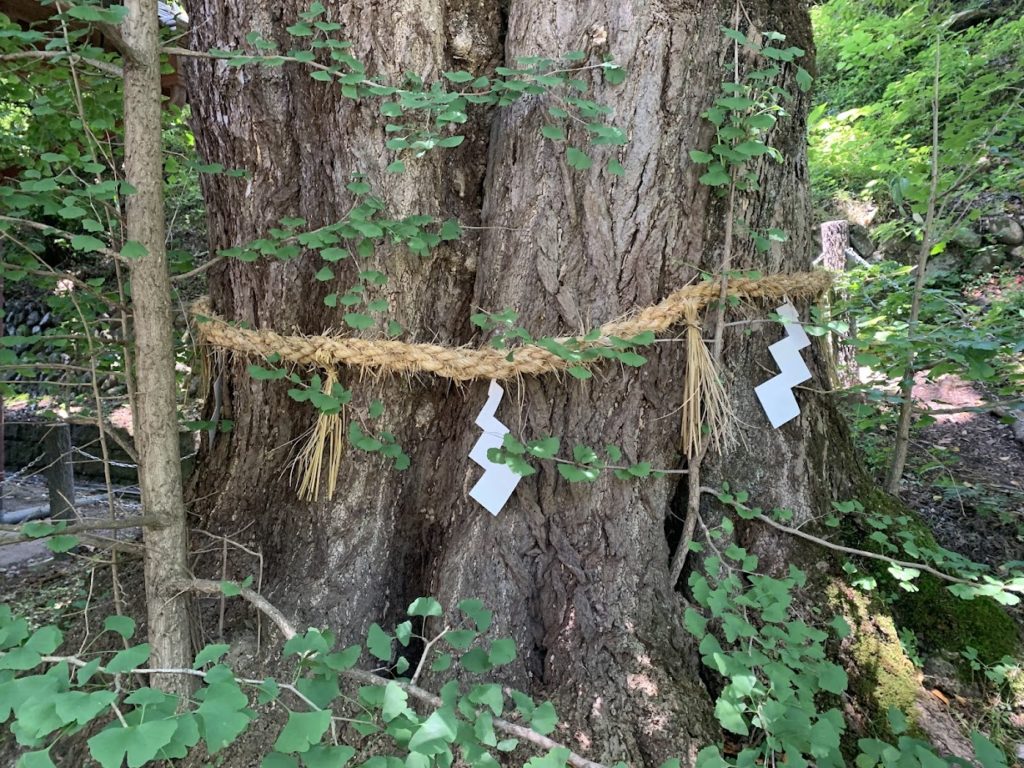
Beyond the giant ginkgo tree lies a zero magnetic field point.
A small marker indicating the spot can be seen just to the right of the white sign.
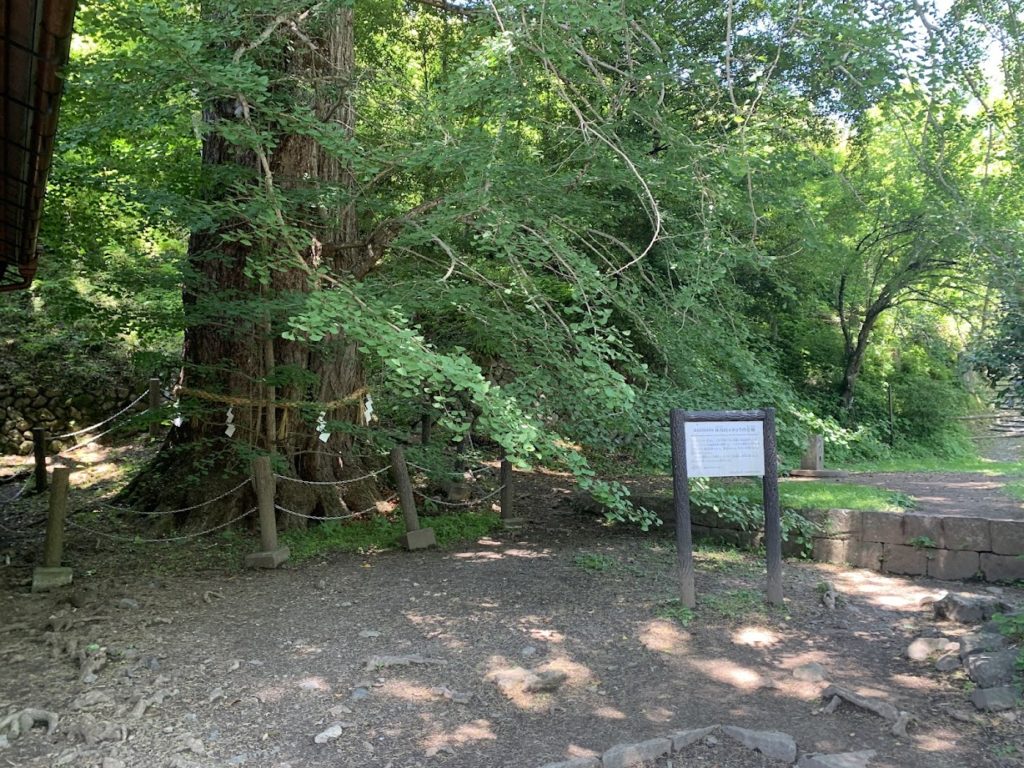
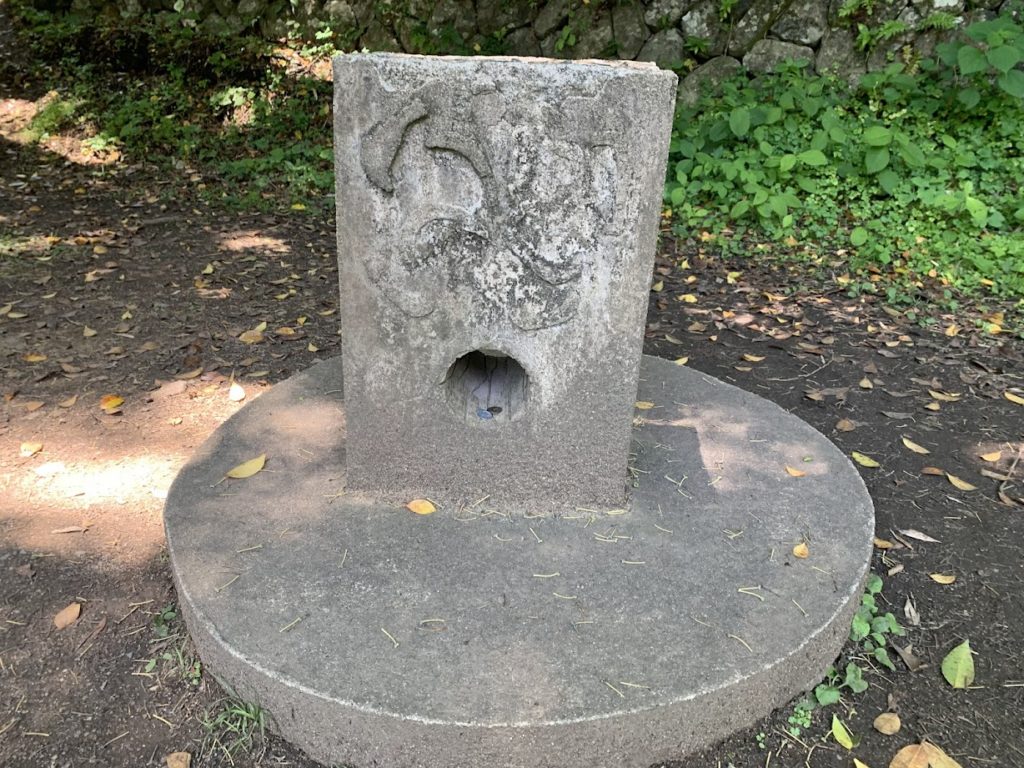
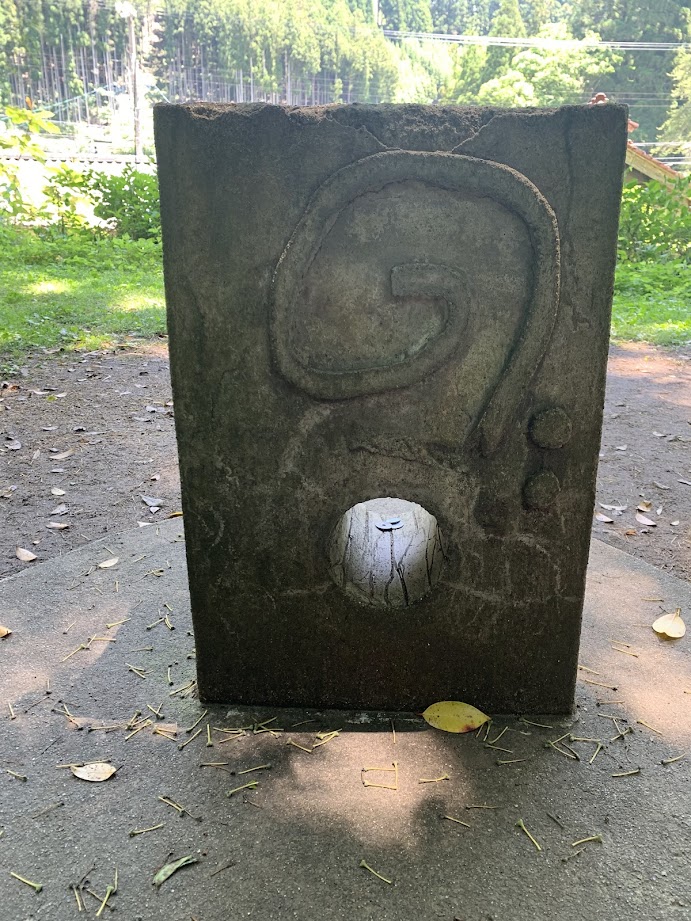
This is a view from the back side.
It is said that visiting the zero magnetic field point can bring about energetic purification.
コメント